
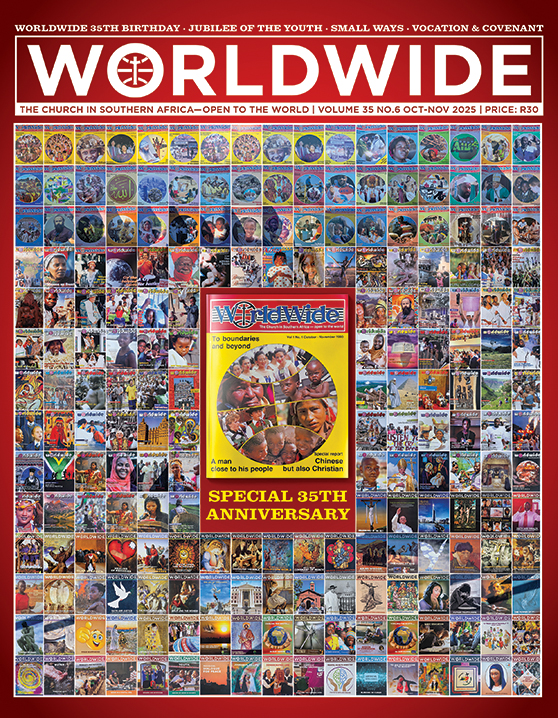
This collage features the front covers of Worldwide issues over its 35 years of existence. At the centre is the cover of the first edition, dated October/November 1990. Worldwide saw the light during a missionary month and continues its mission of proclaiming the Gospel; this is the reason for its being.
Credit: Worldwide archives.
SPECIAL 35TH ANNIVERSARY • 1990-1998
REMEMBERING THE BEGINNING OF WORLDWIDE
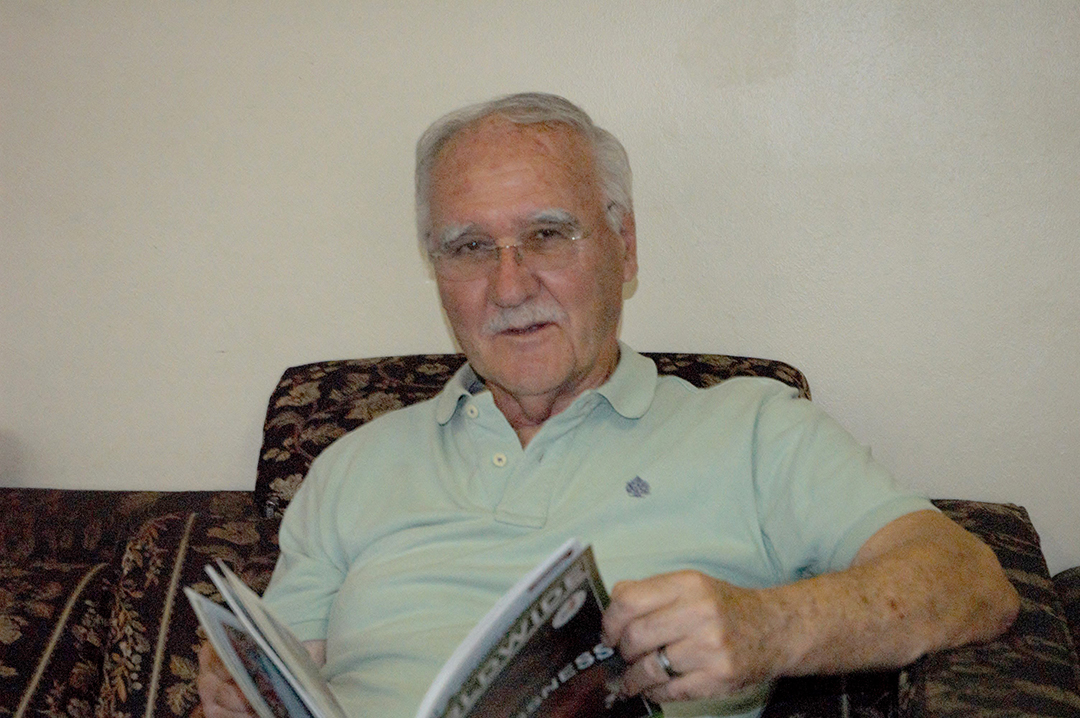
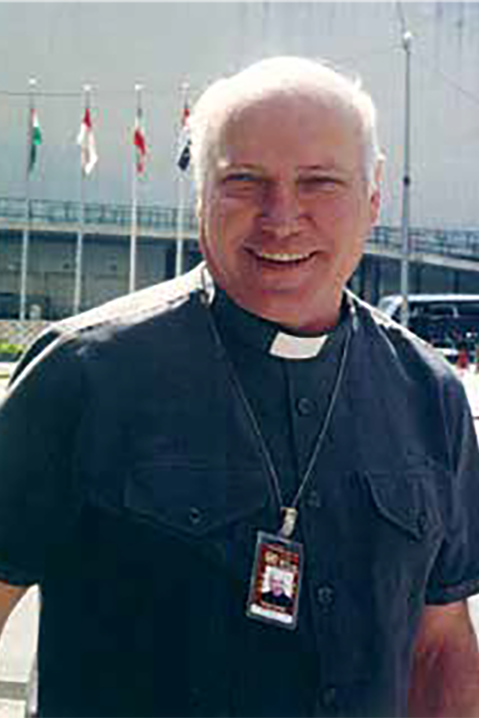
Fr. Francisco de Medeiros ‘Chico’ MCCJ witnessed the early days of Worldwide. Passionate about its promotion, he also helped with the administration and publication of this Comboni project. He shares his memories with us.
CONVERSATION BETWEEN FRS FRANCISCO DE MEDIEROS MCCJ AND RAFAEL ARMADA MCCJ
How did Worldwide Magazine start?
New People Magazine was launched in Kenya in 1989. This posed a challenge for us in South Africa. We wondered why we weren’t doing the same. Nairobi had requested support for their Magazine from the different English-speaking African Comboni Provinces, and we thought, why should we commit to an outside project when we could launch a similar one at home?
I consider Fr Anton Maier (†2005), then our Provincial Superior, to be the mind behind and initiator of this project. Searching for someone who could implement his idea, the right person came to his mind: Fr Anton Pramstrahler (†2016), who, coincidentally, also welcomed the idea of a new kind of ministry.
As its name suggests, the idea behind it from the beginning was that Worldwide would deal with issues about the Church in South Africa, but also those related to the rest of the world.
Fr Anton Pramstrahler received some help for his project from overseas. Initially, many of us in the Province favoured including some pages in a vernacular language, likely isiZulu, in the Magazine to broaden its readership, but the practicalities of implementing this proposal seemed rather difficult.
Tell us about the first editions…
Initially, the magazine was edited from the Comboni Study House in Equestria, Pretoria. For the first edition 10 000 copies were printed, and it was distributed to religious communities, parishes, etc.
After the first edition, there were no more than a few hundred positive responses, so for the second edition, the number of printed copies was reduced. By then, I was working at Witbank Cathedral parish. Since I had prior experience promoting our magazines in Portugal — where I visited schools, parishes, etc. — they asked me to promote Worldwide, starting with its second edition. I set aside two Sundays, freeing myself from other pastoral commitments, to promote the magazine. I always felt strong support in this ministry, and the number of subscribers grew slowly but steadily. By 1992, we had around 3 000 subscribers.
What was the initial vision for the magazine?
As its name suggests, the idea behind it from the beginning was that Worldwide would deal with issues about the Church in South Africa, but also those related to the rest of the world. Fr Maier strongly supported the magazine, and he wanted to make it a platform through which we could raise awareness of social issues, and justice and peace concerns. The magazine was also aimed at bringing to the forefront the position and —often unnoticed— commitment of the Church to these issues. Fr Maier also envisioned Worldwide as a tool for vocational promotion.
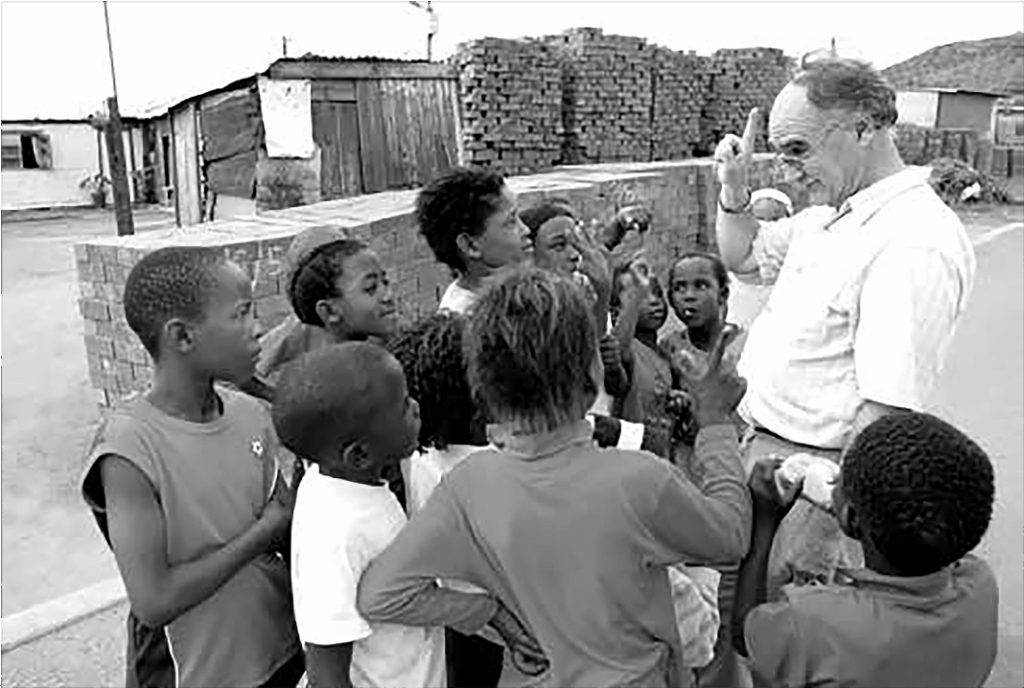
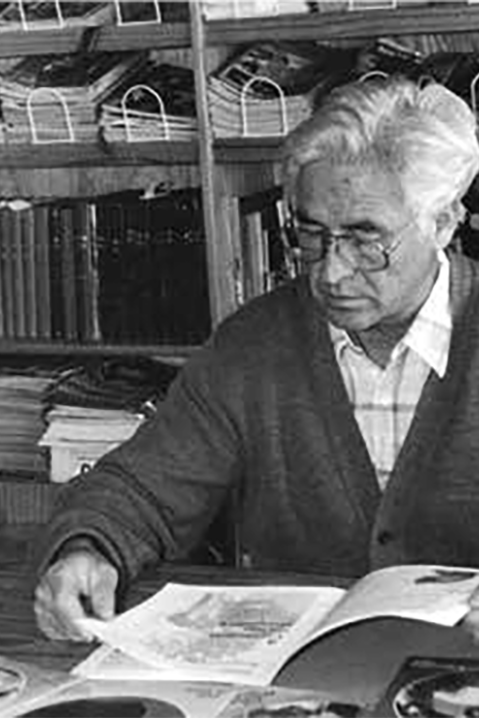
Fr Pramstrahler was also adamant about maintaining the design of the cover, portraying images of faces of people from different cultures, representing the earth, even though some people found it rather confusing. But he insisted that we should maintain this outlook in order to show the ethnic diversity of the world.
Fr Pramstrahler wanted to relocate the original home of the magazine from Pretoria to the recently acquired Provincialate House in Kensington, Johannesburg. He had plans to build some offices in the house’s yard or to buy a nearby property for that purpose. However, the Provincial Council did not agree with his idea, so he built the offices of St Augustine in Silverton, Pretoria, and moved there.
What was the reception of Worldwide by the members of the Province and the public in general like?
In general, people appreciated and were supportive of it. Every time we visited the parishes, between 10 to 20 people would subscribe.
In our Comboni communities, the support became weaker because at that time, we started leaving city parishes and focusing on rural areas where our type of magazine was not so popular. There was also a suggestion to send copies to countries overseas, but this did not materialize.
What was the experience of mission promotion?
In my mission promotion visits, I was mostly accompanied by postulants, except when I went to farther places such as Rustenburg, because then I would need to stay overnight, as was the case in the Bishop’s House. In fact, Bishop Kevin Dowling was very appreciative of our magazine.
The postulants were very supportive. Some of those who accompanied me some years later are now priests, like Frs Antony Mkhari and Kgomotso Sebopela. Their presence was very encouraging, and for them it became an opportunity to be aware of the fact that we had to work hard in order to meet the needs of our missions. Occasionally, if time allowed, they would also share their vocational journeys. From its start, there was always a vocational section in the magazine.
In my mission promotion visits, I was mostly accompanied by postulants.
I was given a car for mission promotion, as well as a computer, when I became the financial administrator of the magazine.
Whenever I visited parishes, I would ask the priest to introduce me and to explain to the congregation why we were there. Some parishes surprised us with their attendance and support for magazine subscriptions; in others, in spite of high expectations, the response was poor.
We then came across the idea of a calendar, of which I was very much in favour.
Where did you get assistance for the edition of the magazine?
Two ladies were helping us from their homes; one was designing the layout, the other was proofreading. As for photos, we were getting many of these from our headquarters in Rome.
During my second stint in South Africa, in June 2001, I left the mission of Mount Frere, in the Eastern Cape, and relocated to Silverton to work for Worldwide. Together with Fr Efrem— who was working for the J&P Commission of the South African Bishops’ Conference— we produced several editions.
I have always tried to avail myself for this ministry because I firmly believe that mass media is part and parcel of our charism as Comboni Missionaries.
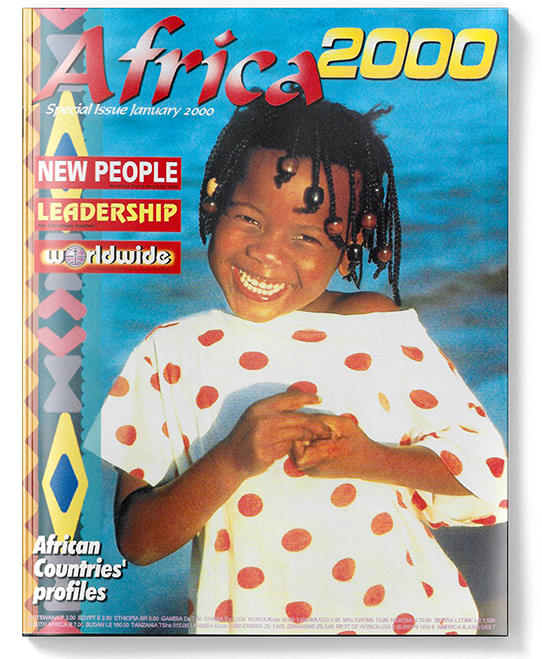
A NATION IN TRANSITION
I RECALL my time at Worldwide well: although it was a relatively brief period (1998-2002), it was a very special time in the history of South Africa. It was the turn of the millennium, and while this topic does not raise much interest today, at that time it was seen as an epic event.
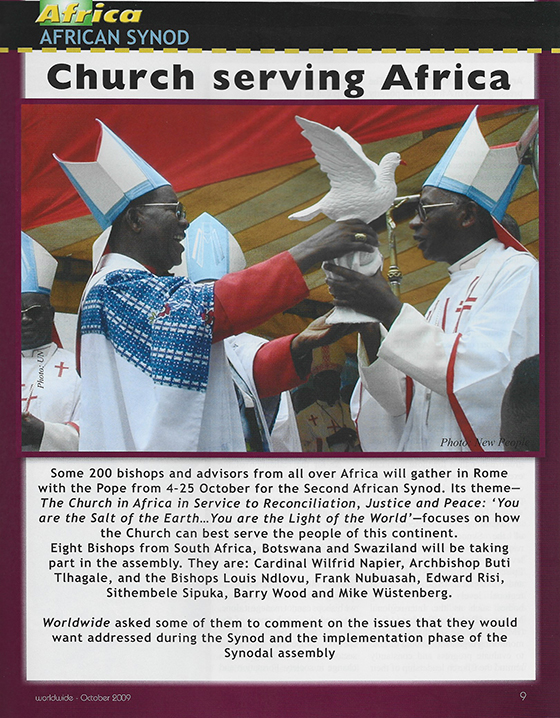
JUSTICE, PEACE, AND CARE FOR CREATION AT THE HEART OF WORLDWIDE
THROUGHOUT THE YEARS, Worldwide magazine has made a humble yet significant contribution to the lives of its readers, offering them the opportunity to widen their horizons.
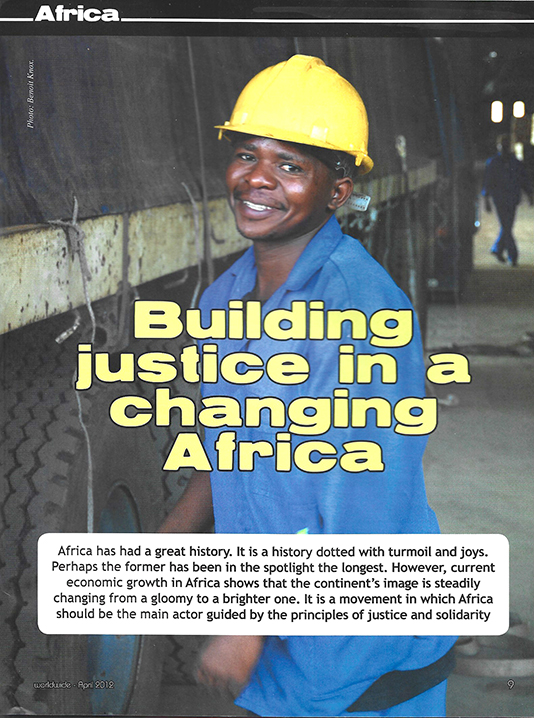
WORLDWIDE, 35 YEARS OF SPREADING THE GOSPEL
WORLDWIDE’S 35TH BIRTHDAY is a milestone worth celebrating. Above all, it is an occasion for thanksgiving for us, Comboni missionaries, as its owners.
THE MISSION OF COMMUNICATION: MY SEVEN YEARS WITH WORLDWIDE
I WORKED in South Africa for the first time between 1991 and 1996, mostly in Glen Cowie, Limpopo Province. In 1996, my superiors were considering asking me to replace the first editor of the magazine, the Tyrolian missionary, Fr Anton Pramstrahler († Brixen, 10.5.2016), but that plan never materialized.
MISSION PROMOTION ACTIVITIES
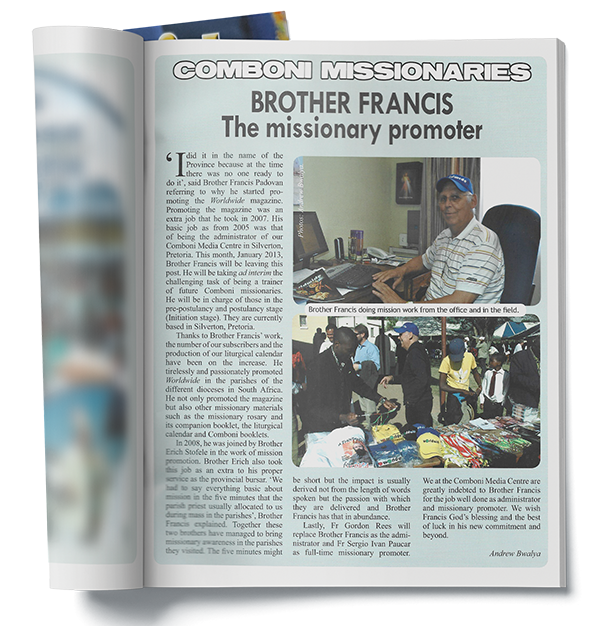
TO A LARGE extent Worldwide owes its maintenance and development to the Mission Promotion initiatives carried out in different parishes in South Africa.