
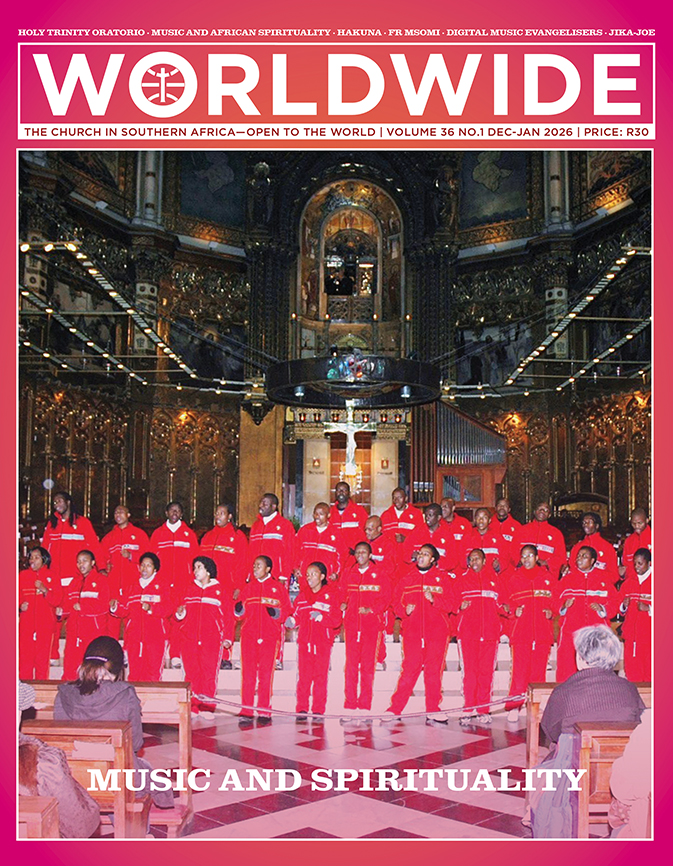
MUSIC AND SPIRITUALITY
The choir Izwi le Themba (voices of hope in isiZulu) from Saint Daniel Comboni Parish at Mahube Valley, Mameldi, Pretoria, singing at Montserrat Abbey in Barcelona, during their concert tour to Spain in 2008. The group’s name conveys a deep meaning rooted in one of the reasons for singing: to bring hope to the world.
Credit: Fr James Calvera MCCJ.
RADAR
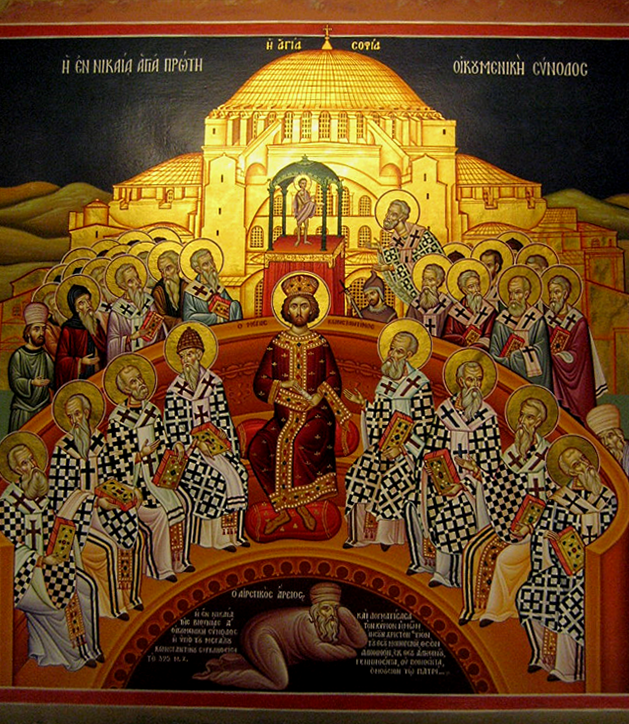
Pope: Nicaea invites Christians to unity in the face of violence and conflict
Pope Leo XIV prays with leaders of various Christian Churches in Nicaea, modern-day Iznik, Türkiye, and invites all Christians to follow the path of fraternal encounter, dialogue, and cooperation.
BY Devin Watkins
AT THE SITE of ancient Nicaea, and on the second day of his Apostolic Journey to Türkiye, Pope Leo XIV joined around 27 leaders of Christian Churches to commemorate the 1700th anniversary of the First Ecumenical Council in the Church’s history.
In his address, the Pope thanked Patriarch Bartholomew I, Ecumenical Patriarch of Constantinople, for his “great wisdom and foresight” in calling for Church leaders to celebrate this important anniversary together.
He also expressed appreciation to the Heads of Churches and Representatives of Christian World Communions for attending the event.
“The Council of Nicaea invites us, all Christians, to ask ourselves who Jesus Christ is for us, an especially important question for Christians who risk reducing Jesus Christ to a kind of charismatic leader or superman, a misrepresentation that ultimately leads to sadness and confusion,” Pope Leo stated.
The Council was held in 325 to respond to the Alexandrian priest Arius’ claim that Jesus was not fully divine, but only an intermediary between God and humanity, ignoring the reality of the Incarnation.
“What was at stake at Nicaea, and is at stake today, is our faith in the God who, in Jesus Christ, became like us to make us ‘partakers of the divine nature,’” Pope Leo stated.
The Council of Nicaea, he said, agreed upon the Christological confession we now call the Nicene Creed, which is professed by all Christian Churches and Communities. The Symbol of Faith, as it is known, has been of “fundamental importance in the journey that Christians are making towards full communion.”
Source: vaticannews.va
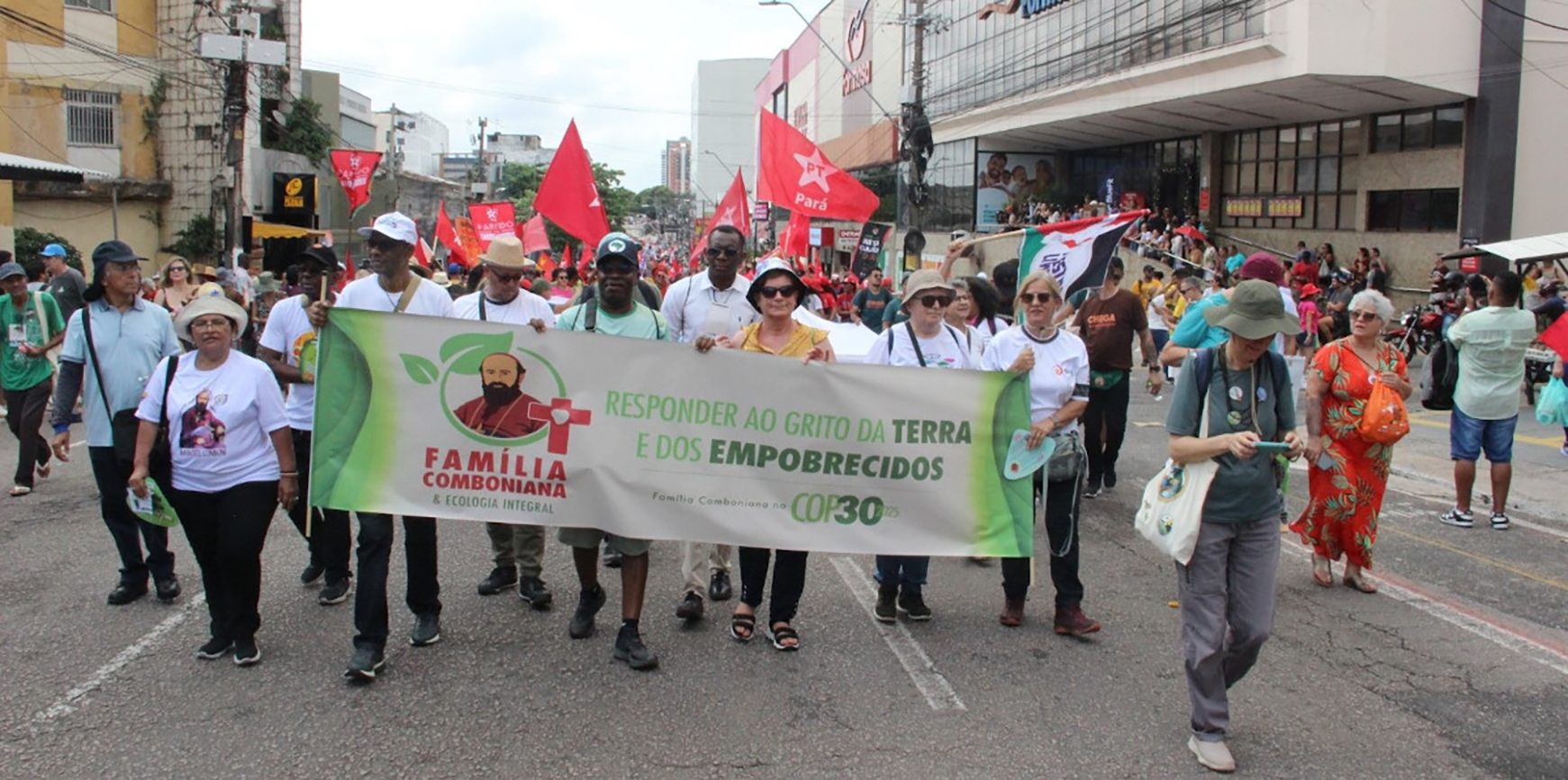
THE COMBONI FAMILY FORUM ON INTEGRAL ECOLOGY “Responding to the Cry of the Earth and the Poor”
Summoned by the cry of the poor and of the earth, thirty-nine representatives of the Comboni Family gathered in Belém, Brazil, on the occasion of COP30 to participate in the Forum on Integral Ecology. Below is their final Statement.
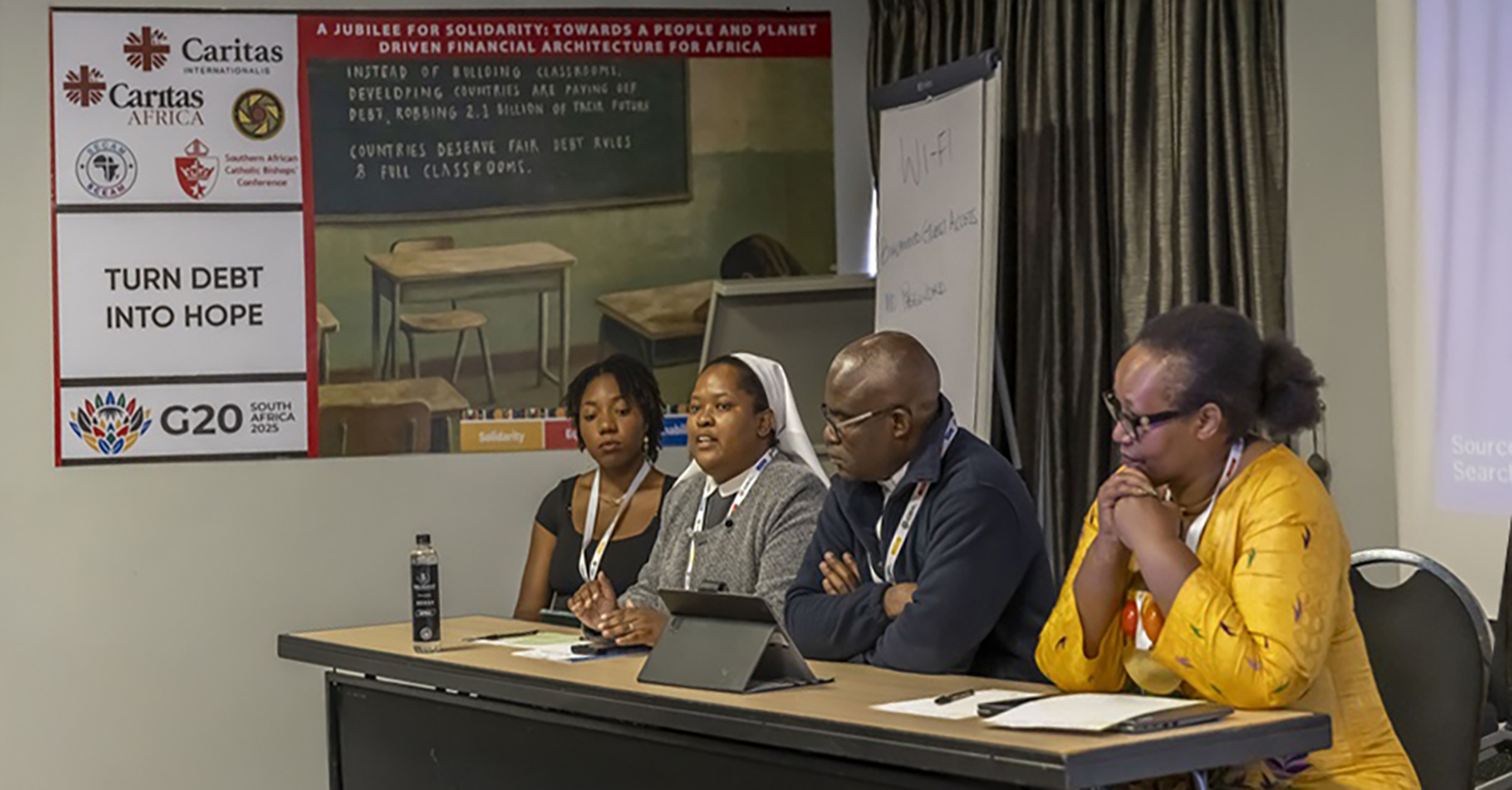
Faith Leaders Urge G20 to “Turn Debt into Hope”
Leaders of faith communities from across the world issued an appeal to G20 leaders, calling on them to confront the global debt crisis as a moral and humanitarian emergency on the eve of the G20 Summit celebrated in Johannesburg on 22-23 November 2025— the first G20 summit to be held on African soil.
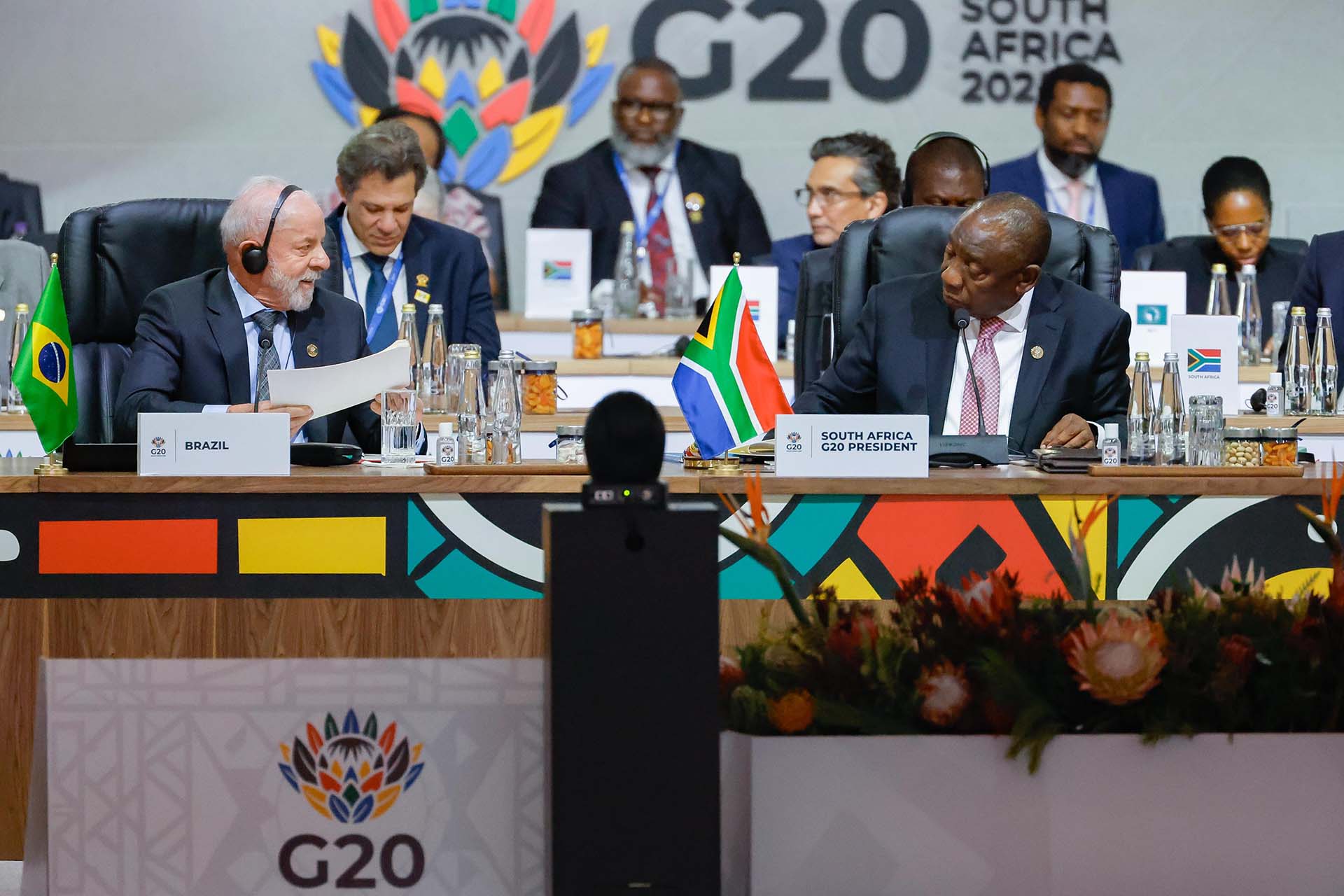
G20 declaration highlights food security as USA and other aid cuts bite
The declaration’s commitment to World Trade Organization (WTO) rules has been welcomed, but signatories, including France, the UK, and Germany, have been slashing their aid commitments and, in the process, undermining the global struggle against food insecurity and hunger.
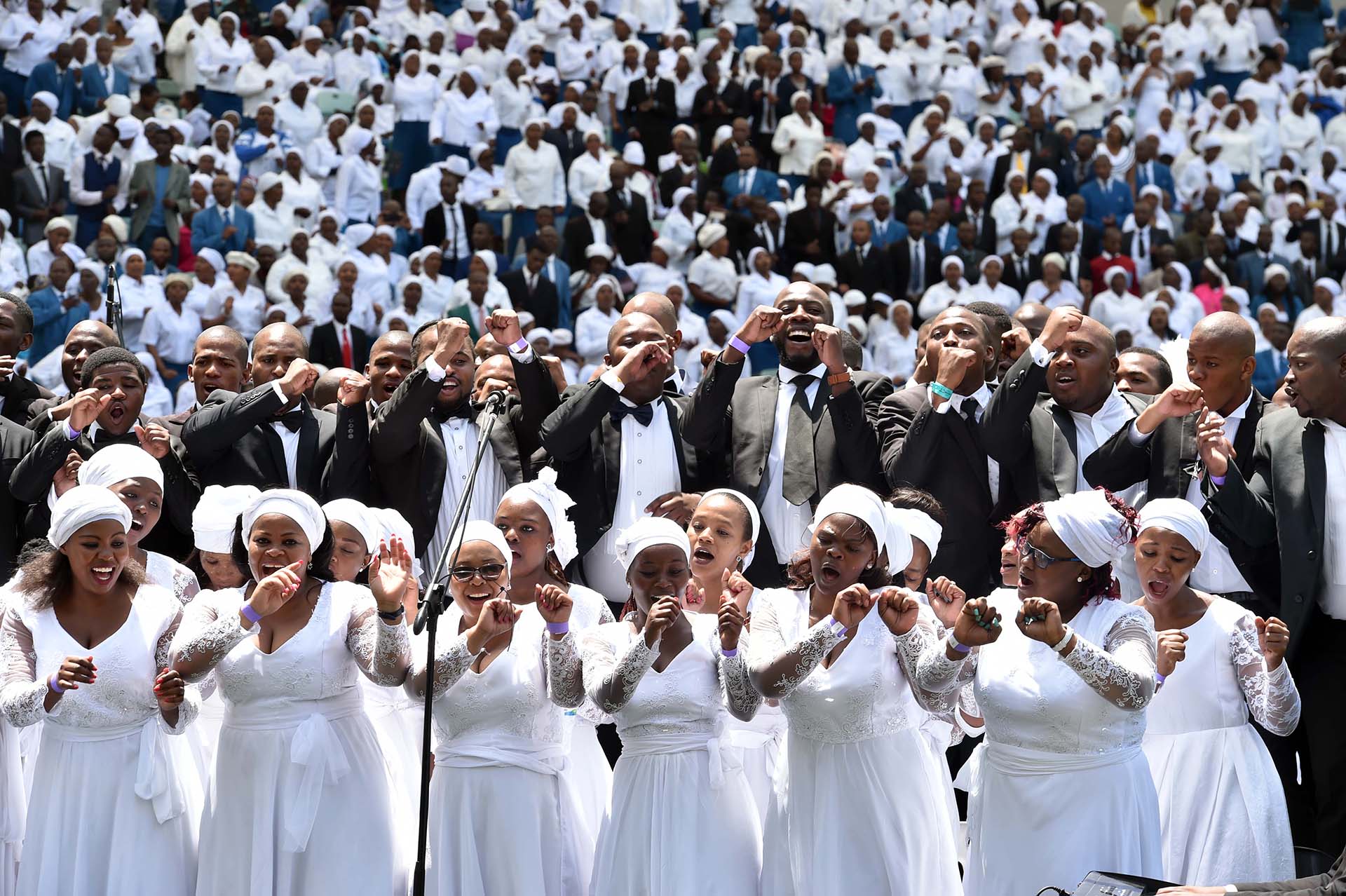
South Africans are flourishing more than you might expect – here’s why
South Africa is often portrayed in the media as a country struggling with inequality, corruption, crime, infrastructure collapse, and public health challenges. But this isn’t the whole story.