
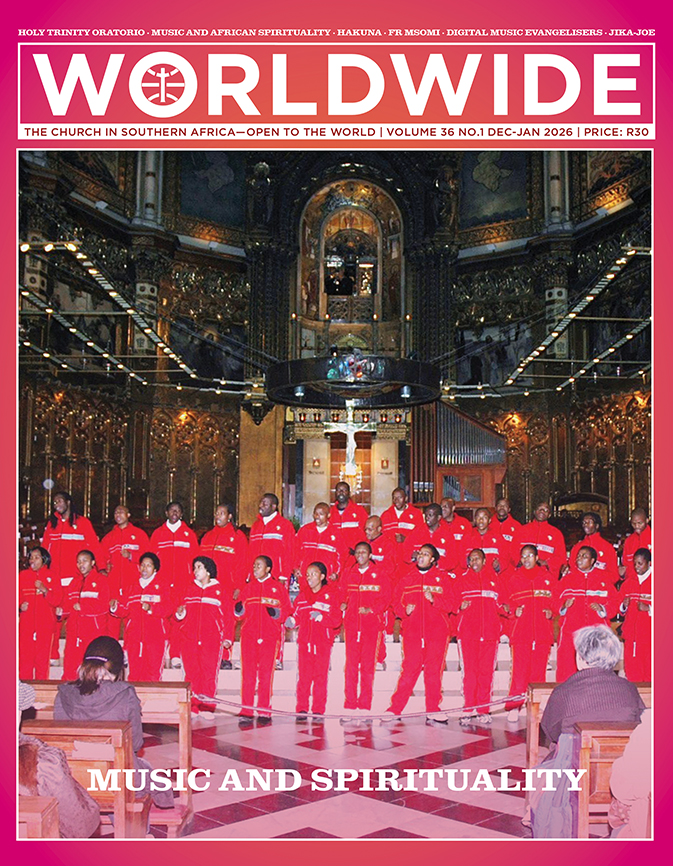
MUSIC AND SPIRITUALITY
The choir Izwi le Themba (voices of hope in isiZulu) from Saint Daniel Comboni Parish at Mahube Valley, Mameldi, Pretoria, singing at Montserrat Abbey in Barcelona, during their concert tour to Spain in 2008. The group’s name conveys a deep meaning rooted in one of the reasons for singing: to bring hope to the world.
Credit: Fr James Calvera MCCJ.
RADAR • G20
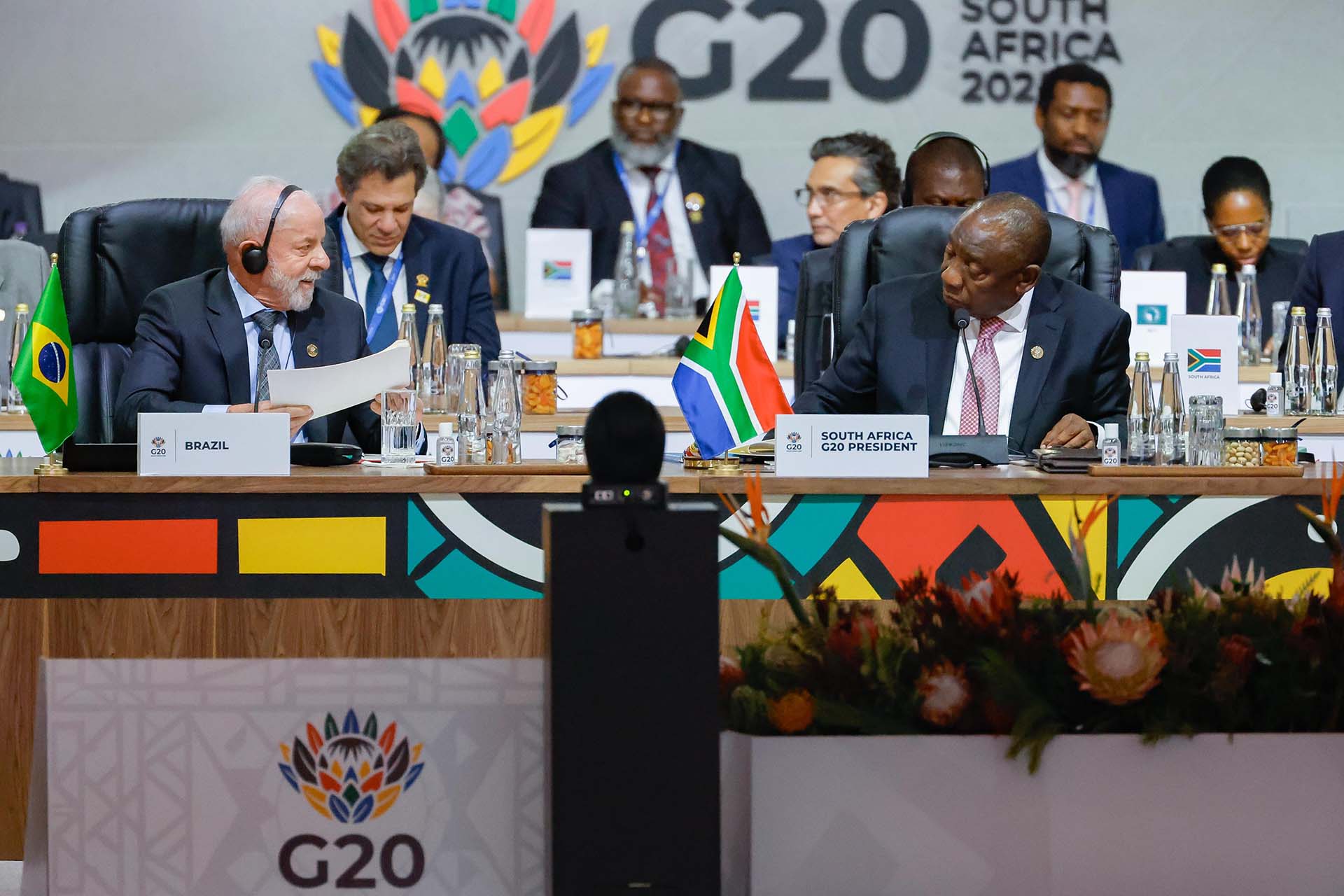
G20 declaration highlights food security as USA and other aid cuts bite
The declaration’s commitment to World Trade Organization (WTO) rules has been welcomed, but signatories, including France, the UK, and Germany, have been slashing their aid commitments and, in the process, undermining the global struggle against food insecurity and hunger.
BY Ed Stoddard | Johannesburg
THE G20 LEADER’S Declaration included concerns about food insecurity, but they ring hollow against the backdrop of mounting aid cuts by some of the signatories, as well as the absent US.
“We recognise the fundamental right of everyone to be free from hunger and we affirm that political will to create the conditions to expand access and affordability to safe, healthy and nutritious food is needed,” reads the declaration.
“We therefore reiterate our commitment to ensuring resilient and sustainable food systems and food security through open and non-discriminatory trade policies consistent with WTO rules.”
The spectre of hunger — and in extreme cases starvation — still haunts even fertile lands, and it has many causes, including climate change, conflict, the persistence of rain-fed subsistence farming in much of Africa and other developing regions, and the linked fate of poverty.
“While we welcome progress made in reducing hunger in the world, we are still alarmed that up to 720 million people continued to experience hunger in 2024 and that 2.6 billion people were unable to afford healthy diets,” says the declaration.
Cutting essential aid
However, some of the signatories have themselves been slashing aid, though not on the grim scale that the Trump administration has with its gutting of USAID.
“For the first time in nearly 30 years, the United States, France, Germany, and the United Kingdom have all reduced their ODA [official development assistance] contributions in 2024. If they proceed with announced cuts in 2025, it will be the first time in history that all four have cut ODA simultaneously for two consecutive years,” says a study released on 19 November 2025 by the Barcelona Institute for Global Health and other organisations that was published in The Lancet.
The modelling and number crunching by the researchers involved in the study paints a harrowing picture.
“The abrupt decline in ODA could result in more than 22 million additional deaths by 2030, including 5.4 million children under five,” it says.
This jibes with other studies tracking the lethal impact of the USAID cuts and warnings sounded by NGOs and aid organisations.
Much of the focus has been on the slashing of health programmes such as those covered by the US President’s Emergency Plan for AIDS Relief (PEPFAR), which is credited with saving tens of millions of lives in Africa.
This also affects food security, notably in countries where agriculture is predominantly carried out by small-scale, subsistence farmers, as it threatens to undermine the health of the workforce required to produce crops. And this is on top of the direct cuts to food aid.
Positive steps
Still, the G20 declaration is not completely toothless on the food security front.
Wandile Sihlobo, the chief economist at the Agricultural Business Chamber of SA, welcomed the commitments to the WTO rules in global agriculture.
“South Africa’s agricultural sector is export-led, and the WTO plays an essential role in ensuring fairness in international trade. The fairness of global trade is also key to ensuring that the world can achieve food security through trade, among other interventions,” said Sihlobo.
“Beyond South African agricultural matters, the G20 placed a necessary spotlight on the challenge of poverty, which remains a reality on the African continent. Unlocking agrarian productivity across the continent will help ensure we overcome this challenge.”
Source: Daily Maverick
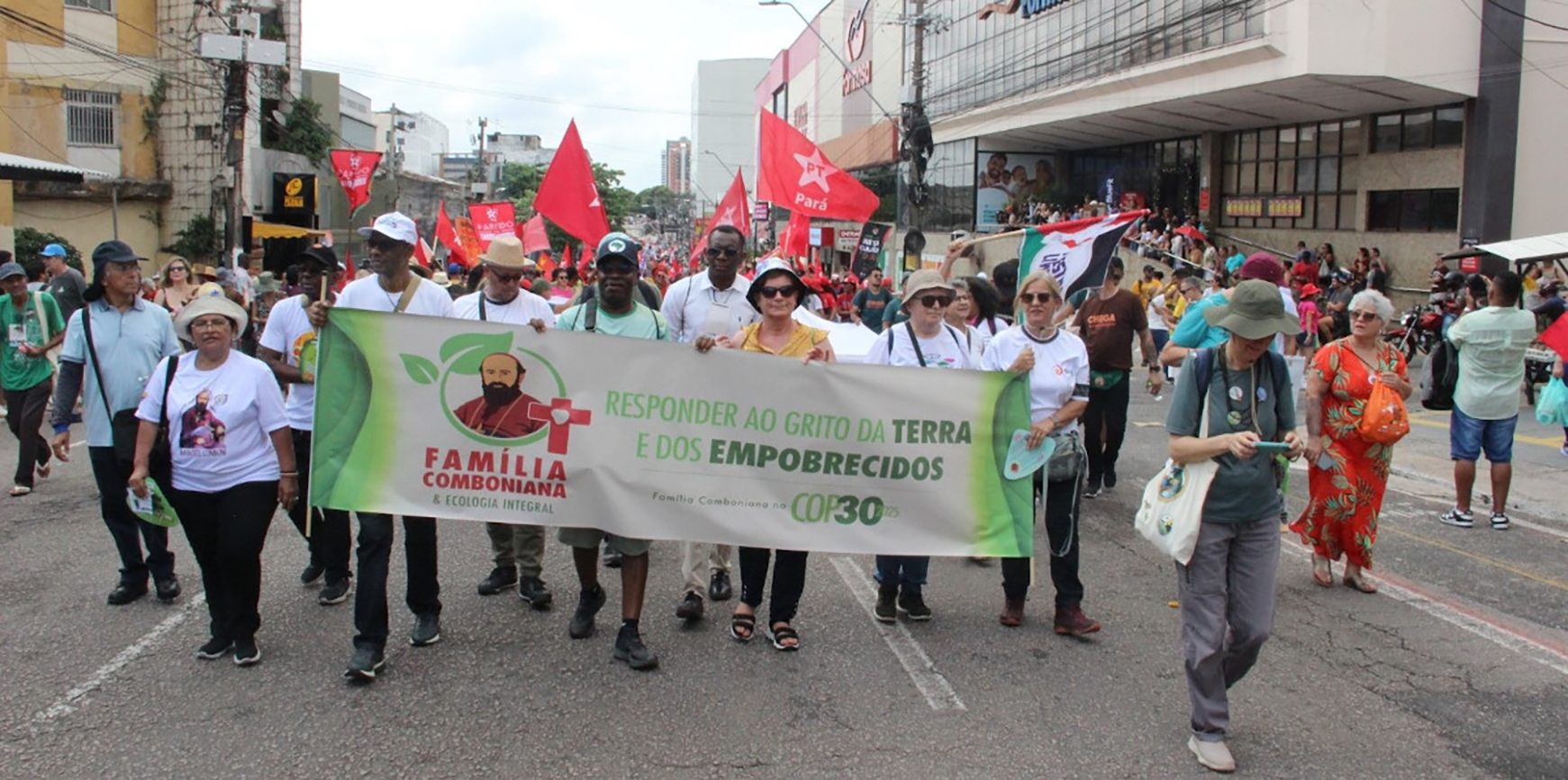
THE COMBONI FAMILY FORUM ON INTEGRAL ECOLOGY “Responding to the Cry of the Earth and the Poor”
Summoned by the cry of the poor and of the earth, thirty-nine representatives of the Comboni Family gathered in Belém, Brazil, on the occasion of COP30 to participate in the Forum on Integral Ecology. Below is their final Statement.
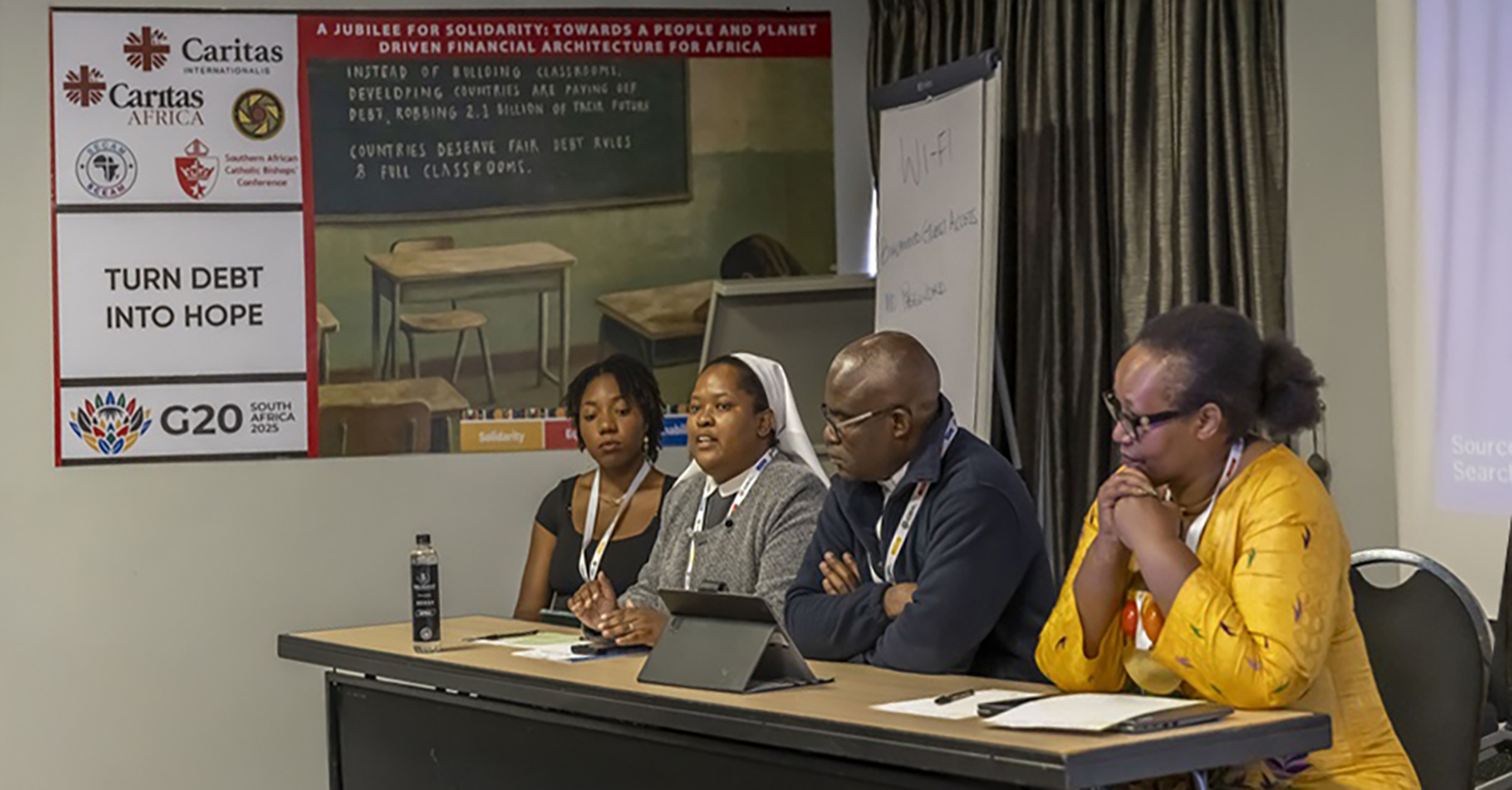
Faith Leaders Urge G20 to “Turn Debt into Hope”
Leaders of faith communities from across the world issued an appeal to G20 leaders, calling on them to confront the global debt crisis as a moral and humanitarian emergency on the eve of the G20 Summit celebrated in Johannesburg on 22-23 November 2025— the first G20 summit to be held on African soil.
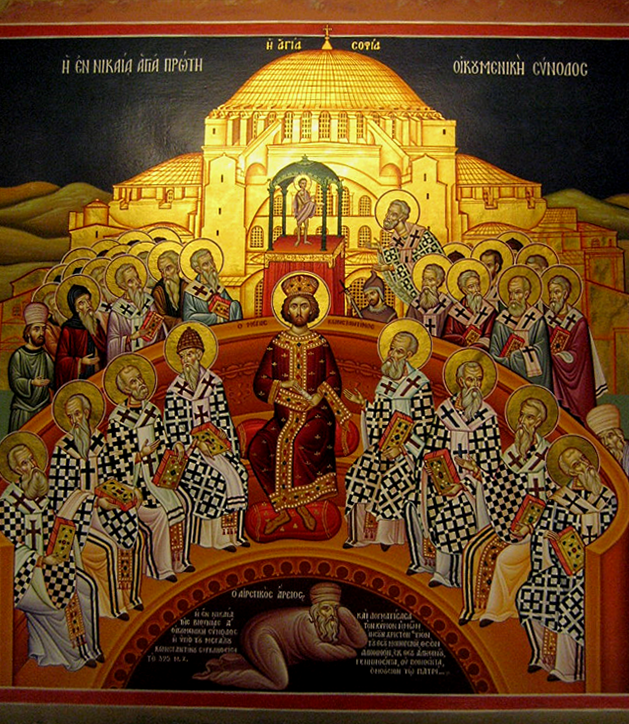
Pope: Nicaea invites Christians to unity in the face of violence and conflict
Pope Leo XIV prays with leaders of various Christian Churches in Nicaea, modern-day Iznik, Türkiye, and invites all Christians to follow the path of fraternal encounter, dialogue, and cooperation.
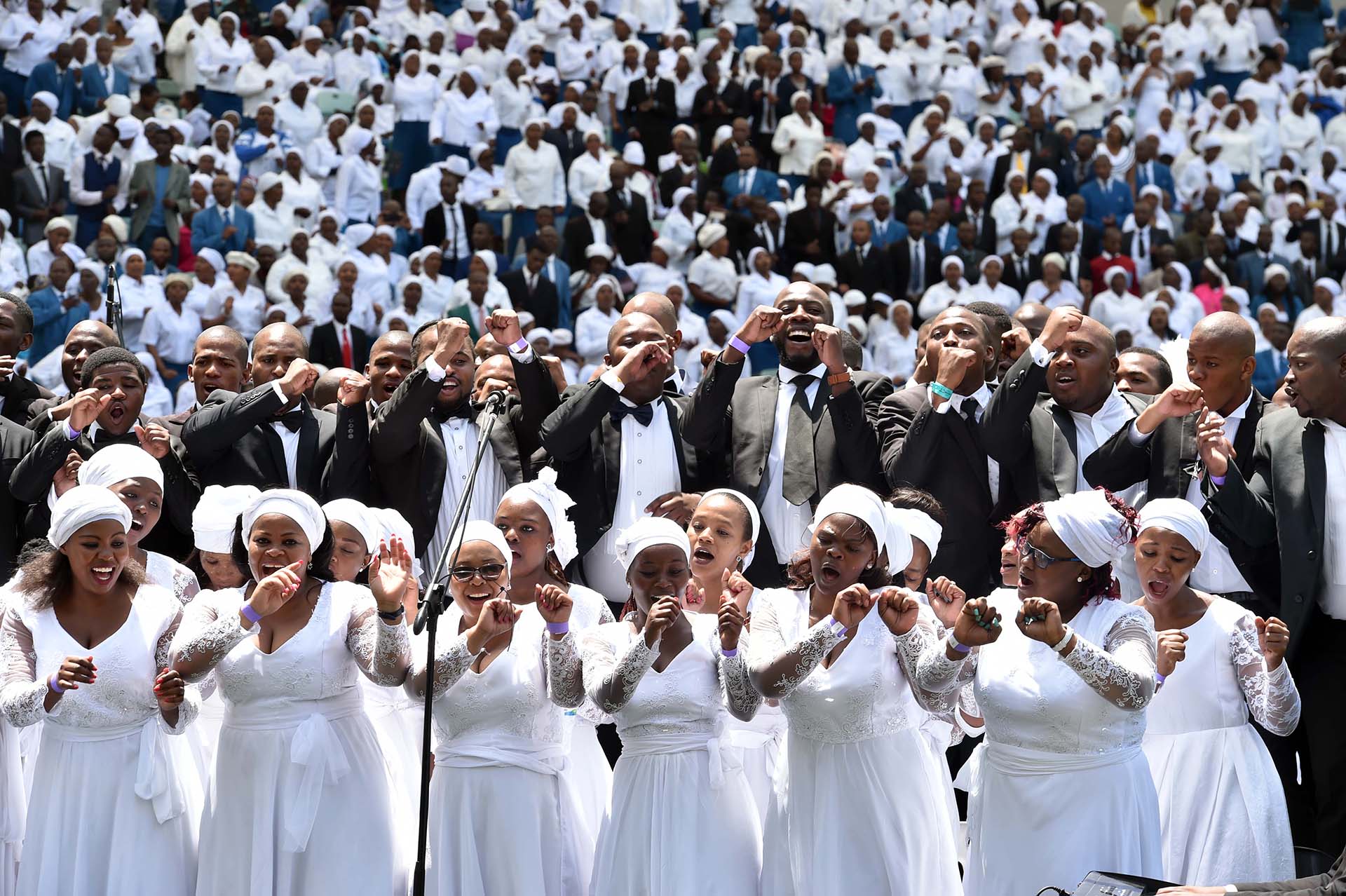
South Africans are flourishing more than you might expect – here’s why
South Africa is often portrayed in the media as a country struggling with inequality, corruption, crime, infrastructure collapse, and public health challenges. But this isn’t the whole story.