
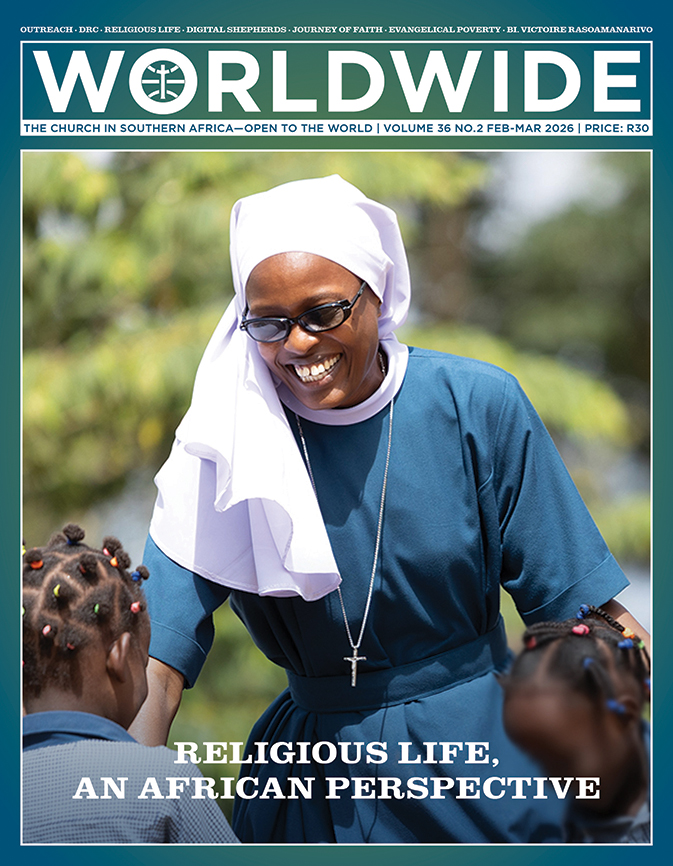
Religious Life, AN African Perspective
The Immaculate Heart Sisters of Africa (IHSA) is a Catholic religious congregation focused on education, evangelization, and empowering vulnerable women and girls, particularly against harmful practices like Female Genital Mutilation (FGM) and child marriages. The cover photo shows a member of the IHSA congregation playing joyfully with children in the Gerald Goldin Memorial Day Care and Nursery School, which they opened in 2022 in Kisarawe, Tanzania.
World Report • DRC – A PROPHETIC VOICE
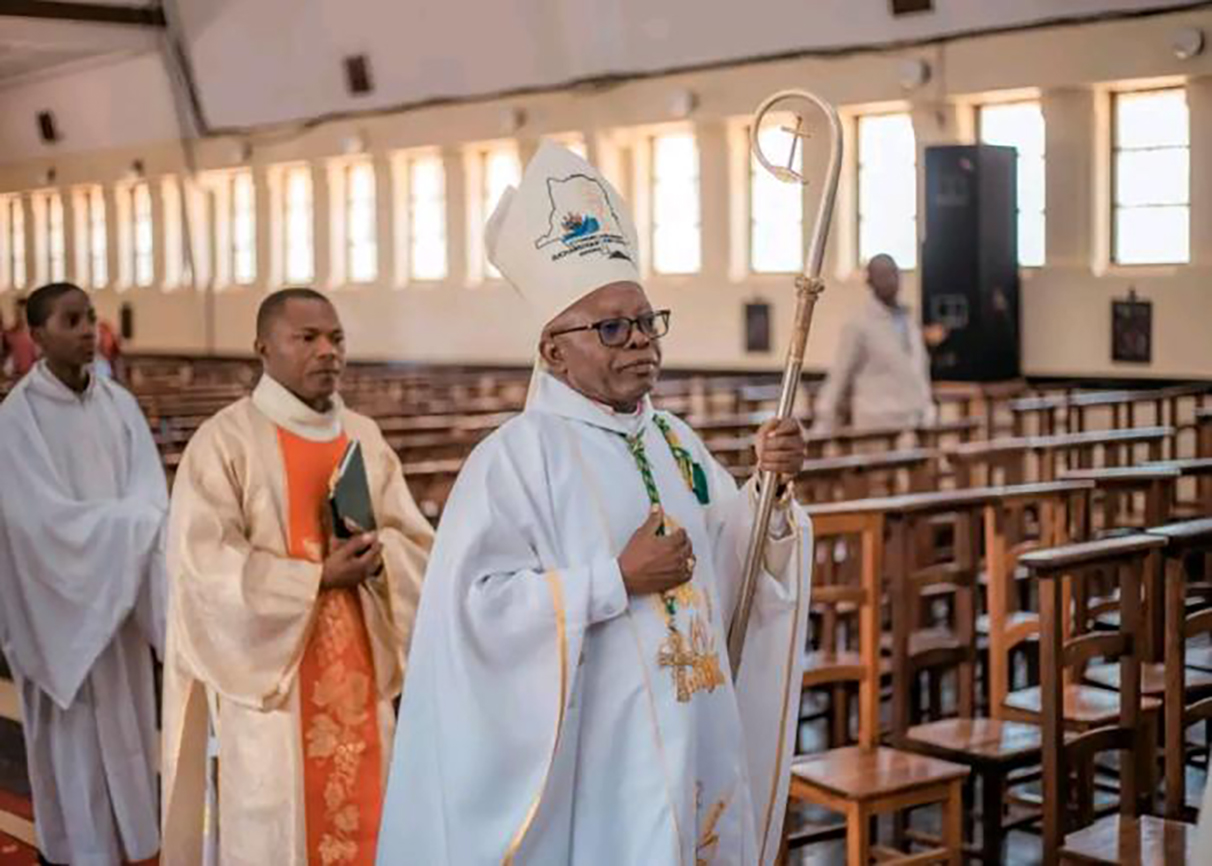
DRC – A PROPHETIC VOICE THE SHEPHERD MUST STAY WITH HIS PEOPLE
The abundance of natural resources and Rwanda’s expansionist ambitions are the main causes
of the wars that have been plaguing a vast area in the east of the DRC, as attested by the Bishop of Uvira.
BY MONSIGNOR SÉBASTIEN-JOSEPH MUYENGO MULOMBE | BISHOP OF UVIRA Interview by Tonino Falaguasta MCCJ
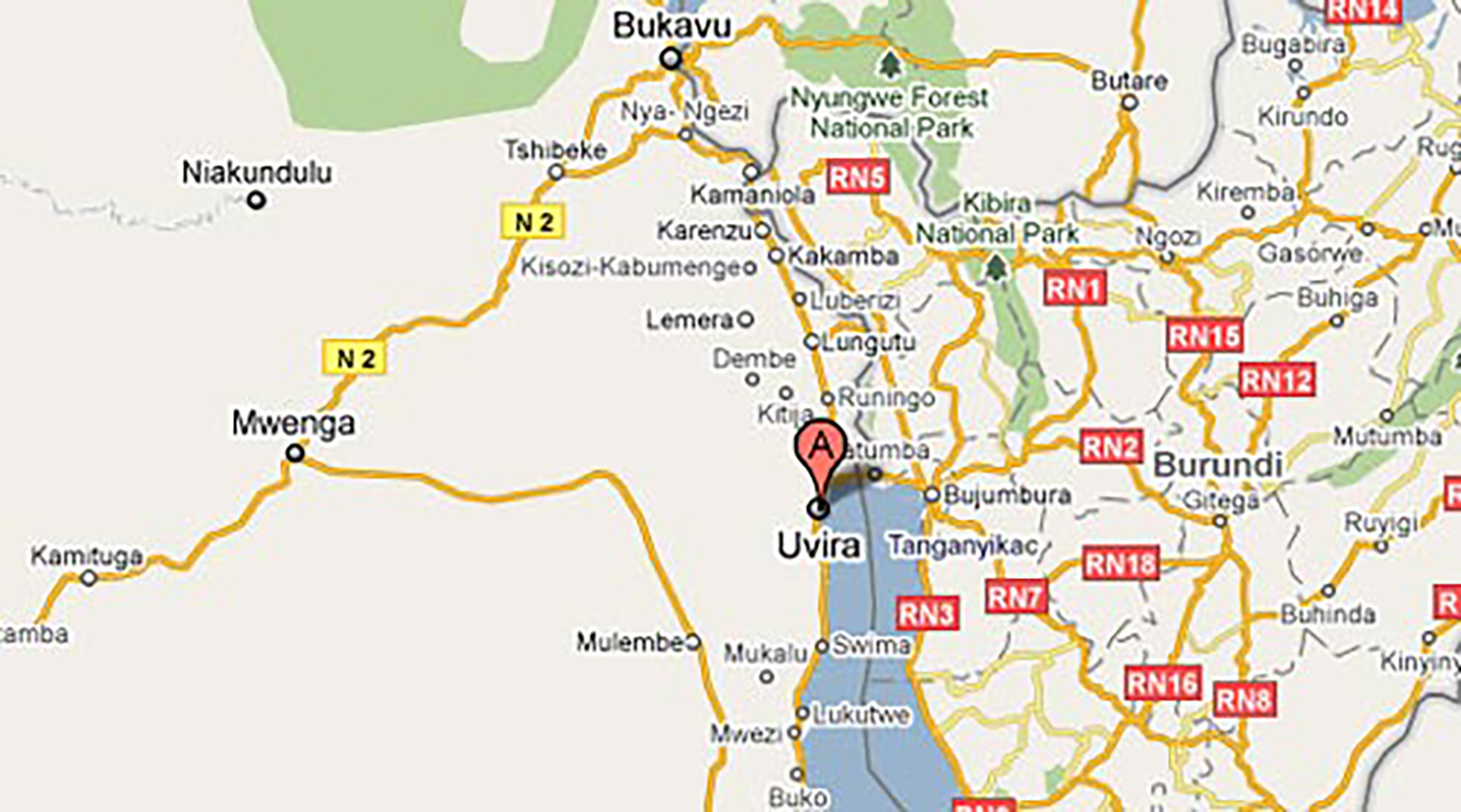
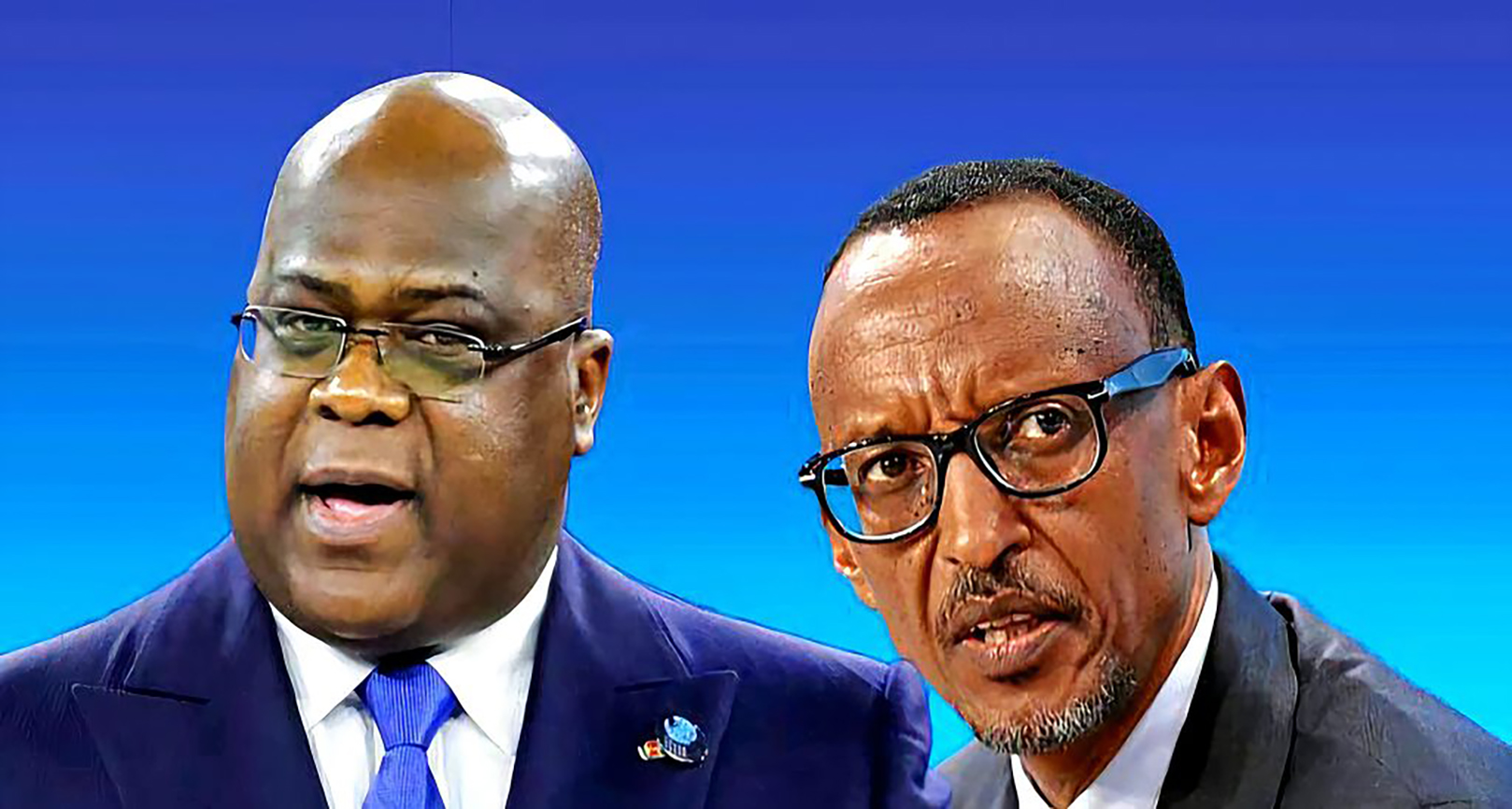
UVIRA, a city in South Kivu, eastern Democratic Republic of Congo (DRC), bordering Burundi, was captured on December 10 2025 by pro-Rwandan AFC/M23 forces, despite the signing of the so-called “peace agreement” which US President Donald Trump forced on Congolese President Felix Tshisekedi and Rwandan President Paul Kagame in Washington six days earlier. In just a few days, the militia’s advance caused death and destruction, displacing at least 200,000 people and bringing 30,000 new refugees to Burundi.
The Bishop of Uvira, Monsignor Sébastien-Joseph Muyengo Mulombe, explains what is happening in his country.
“The bishop is the shepherd of his diocese, but he is also the defender of his people and his country. In Uvira, the people know well that I defend the unity of the country, and that as a Bishops’ Conference we promote and advocate for true reconciliation. The strength of the Congolese bishops lies in their unity and cohesion. They are all against the balkanization of the country. My diocese is not very large, but I have not yet been able to visit all 18 parishes and 32 mission centres run by about 90 priests and a good number of nuns, as well as hundreds of lay leaders. Unfortunately, there are many rebel groups creating insecurity in the area.
Causes of the War
This war has very specific causes. The Rwandan genocide of the Tutsis in 1994 had a major impact on the eastern provinces of the DRC: in the initial phase, there was a mass exodus of persecuted Rwandan Tutsis to cities like Bukavu, Goma, and Uvira in South Kivu. Then, later, the Hutus fled during the counteroffensive of President Paul Kagame and his Tutsi men, the Rwandan Patriotic Front (FPR).
Subsequently there was the war provoked by the militias of the AFDL, the Alliance of Democratic Forces for the Liberation of Congo, led by Laurent-Désiré Kabila.
After the government of Joseph Kabila, Laurent-Désiré’s son, Félix Tshisekedi took office in Kinshasa in January 2019, subsequent to elections which were contested by many, including the Catholic Church, for fraud, as it was sure that the opposition leader, Martin Fayulu, had in fact been victorious.
Kagame’s imperial plan
The war in eastern Congo is primarily driven by the Rwandans’ desire to incorporate the Kivu territory.
It now appears clear, however, that it is actually Kigali’s Paul Kagame, who is pulling the levers of power, manipulating institutions and officials in DRC to build an empire dominated by the Hima-Tutsi groups.
To carry out this plan, Kagame uses every possible trick, corrupting Congolese political leaders and institutions, infiltrating his men, marrying, and supporting M23 rebels in Kivu.
Indeed, for over 20 years, there has been talk of a balkanization of the Congo. Some propose dividing the Congo: the western part under the authority of Kinshasa and the eastern part established as an independent country, under the authority of Kigali.
Nonetheless se, the war we are enduring in eastern Congo is primarily driven by the Rwandans’ desire to modify the territorial division agreed upon at the Berlin Conference (1884-85) and that would include the Kivu territory.
In reality, those who speak of land today are speaking of the riches of the soil and of the underground. This is, in fact, the main cause of the wars ravaging eastern DRC. Today, Rwanda is mistakenly considered one of the world’s leading producers of gold and coltan. In reality, it is well known where these minerals come from. At the border between our two countries, in Bukavu, Goma, and Uvira, large trucks loaded with minerals are constantly passing through, heading towards Rwanda, with the complicity of the Congolese authorities.
In the agreements signed in June 2025 in Doha (Qatar), and in the cosmetic and image-building agreements forced on Tshisekedi and Kagame by President Trump, there is a clause obliging Congo to facilitate Rwanda’s access to its minerals. This clause was created deliberately.
The conquest of eastern Congo
In the wars in eastern Congo weapons and other forms of violence are used such as the rape of women and girls, the burning of villages, and the elimination of intellectuals and activists. All this is done to terrorize and drive the Congolese population away and make room for occupiers from other countries.
The war currently raging in eastern Congo began in 2019. Joseph Kabila, President Emeritus of the Democratic Republic of Congo, President-elect Felix Tshisekedi, and the former president of the CENI (Congolese Electoral Commission), Corneille Nanga, had between them reached a secret agreement. Everything was going smoothly until Tshisekedi dissolved the coalition. And immediately the M23 rebels began operating in eastern Congo, starting at Bunagana, on the Ugandan border. It was hoped that the Congolese army would be able to react and control the situation. But there were numerous betrayals within the FARDC, the regular army, a great deal of corruption, and funds and materials for the front disappeared.
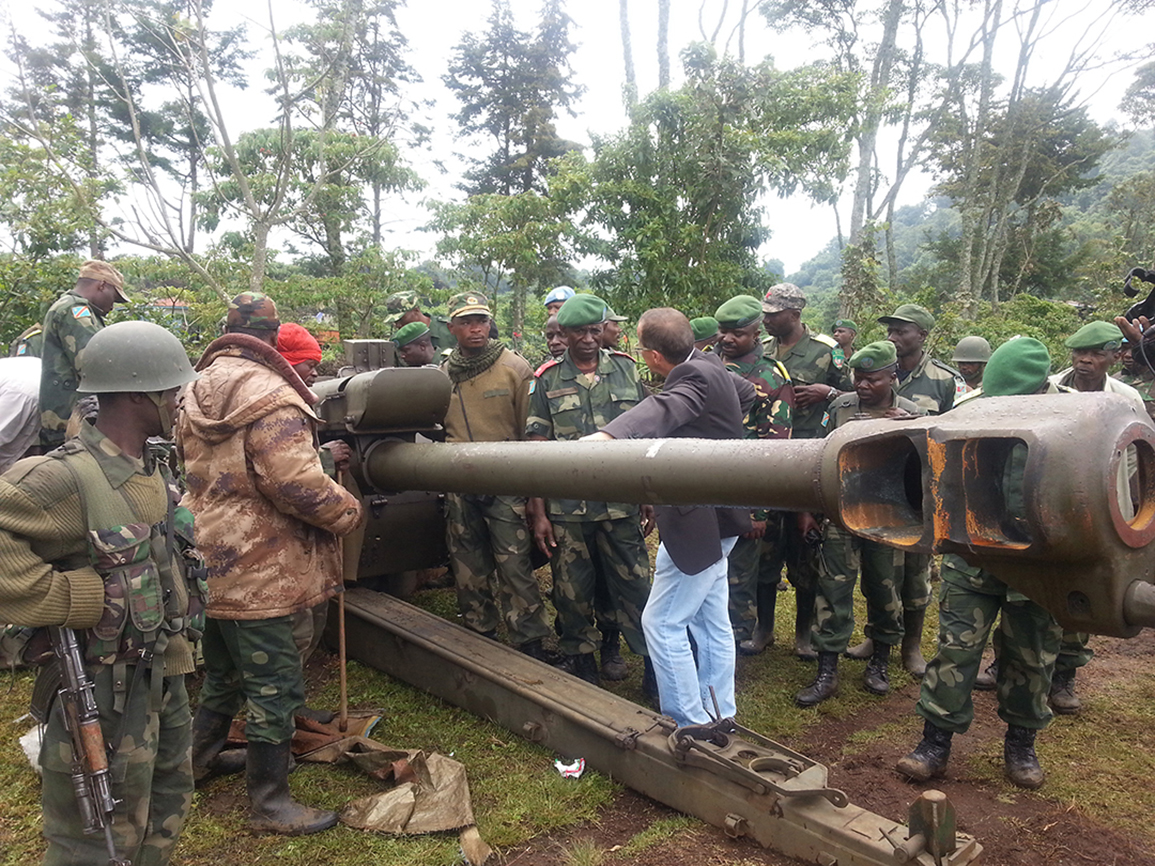
From Bunagana, the rebels reached Rutshuru, Kishanga, and Masisi, until they conquered Goma at the end of January 2025. Kinshasa then began negotiations with Kigali. Meanwhile, on February 16, the M23 movement also conquered Bukavu.
The rebels’ advance was halted in Kamanyola, thanks to the resistance of the Mai Mai popular militias. Meanwhile, Kinshasa began serious negotiations with the help first of Angola and then of ECCAS, the Community of Central African States. But all was in vain, until the Doha Accords, mediated by Qatar, were reached.
The war currently raging in eastern Congo began in 2019.
Then the US intervened. Agreements were made with Rwanda and Congo, because Trump wants peace in exchange for Congo’s minerals. In all of these dealings, civil society and even the Church were not consulted.
The bishops of CENCO (the Congolese Episcopal Conference) and the Protestant leaders of the ECC proposed a “Social Pact to Achieve Peace and Living Together” to facilitate inclusive dialogue. But President Tshisekedi preferred international intervention to dialogue among the Congolese. As a result, it has become impossible to live in this country, once called the “Switzerland of Africa.” Agricultural activities are impacted, hunters no longer dare enter the forest to hunt animals for the markets, and roads have become obstructed.
Popular defence groups
To get from Uvira to the western parishes of my diocese, one must navigate Lake Tanganyika, cross Burundi, enter Tanzania, and then Rwanda to reach Bukavu, traveling some 300 kilometres of trails.
The balkanization of Congo would have been accomplished long ago if it had not met with resistance from the Congolese opposed to the division of their country.
We experienced the population’s resilience when, after the fall of Bukavu, groups of FARDC soldiers and M23 infiltrators besieged Uvira. But popular defence groups, called ‘balarondo’, have sprung up in the neighbourhoods to ensure peace and safety. This surge of solidarity has aroused fear and doubt in those besieging us, so much so that they have retreated toward Kamanyola. The residents of Uvira tell me: “We are at home. The attackers will never be able to dominate us!”
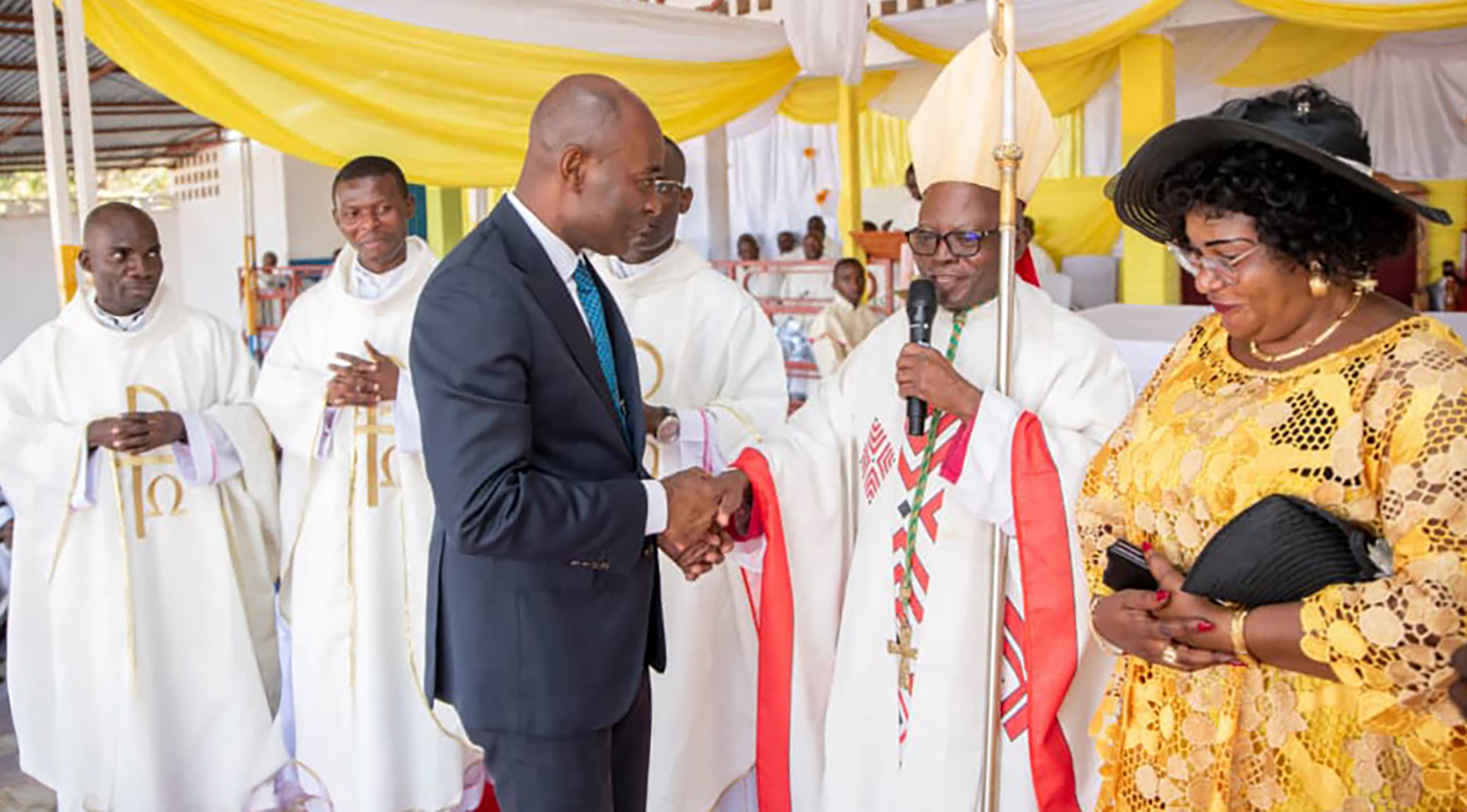
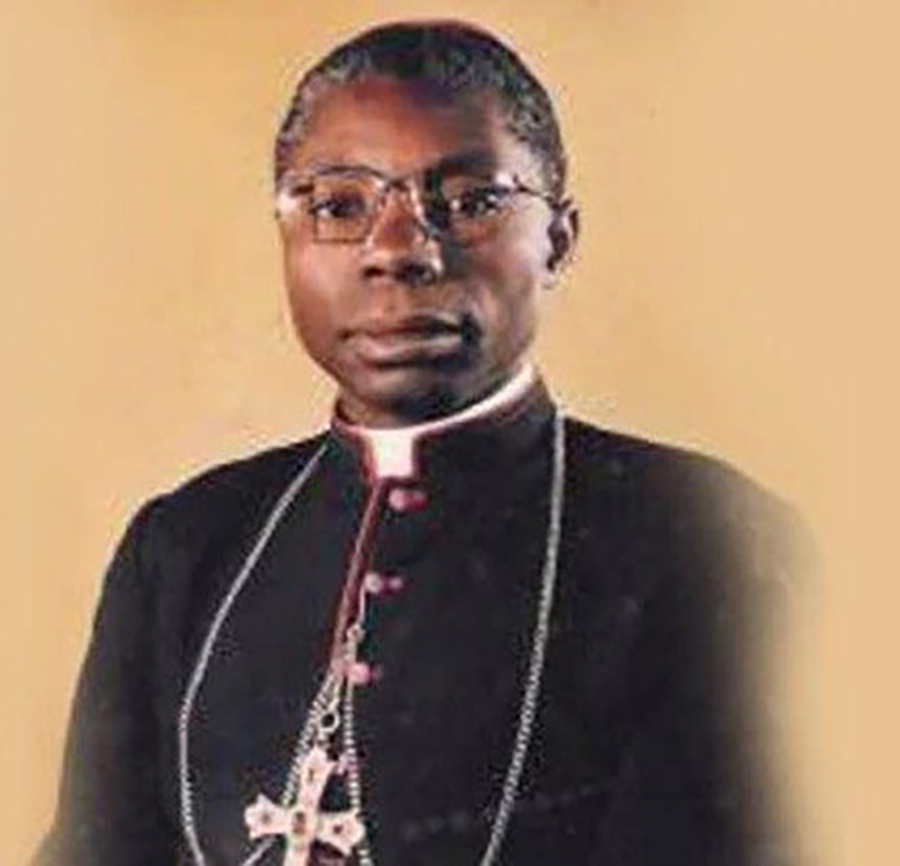
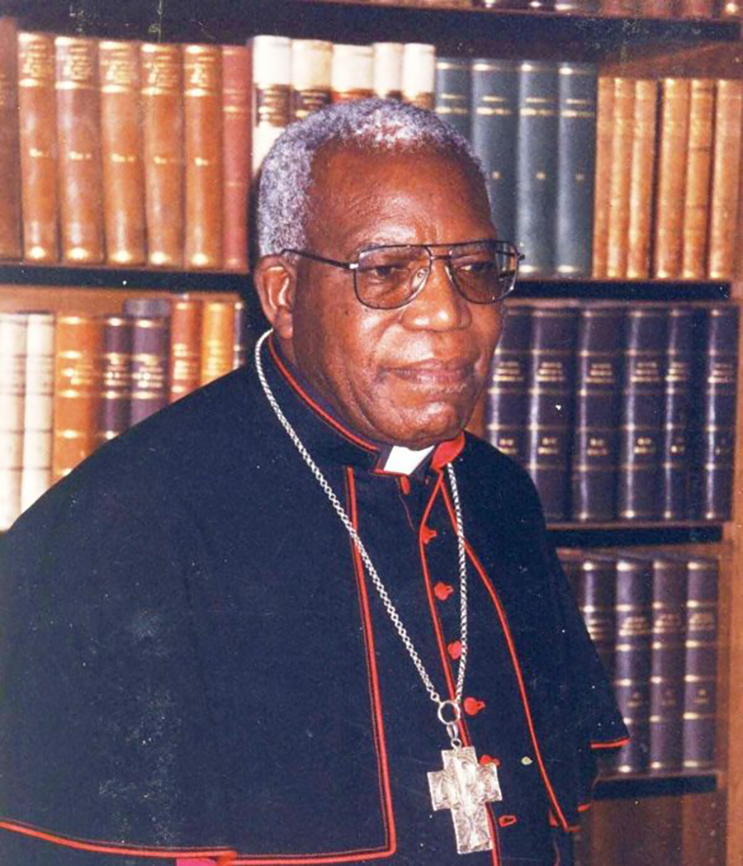
One can understand the Church’s action when remembering the work of two pastors, two bishops who served in Kivu. The first is Monsignor Cristophe Munzihirwa who was bishop of Bukavu when the 1996-1997 war broke out. All the authorities fled, but he remained with his people. The invaders killed him on October 29, 1996: he is a martyr! The second pastor is his successor, Monsignor Emmanuel Kataliko (1932-2000). He urged his faithful to resist, and to not give up so much an inch of their country, in communion with all the bishops of Congo”.
“We are at home. The attackers will never be able to dominate us!”.
Asked whether he does not fear for his life, Bishop Sébastien replies, “I am not afraid. I follow the example of the martyred Bishop Christophe Munzihirwa: the shepherd must stay with his people.”
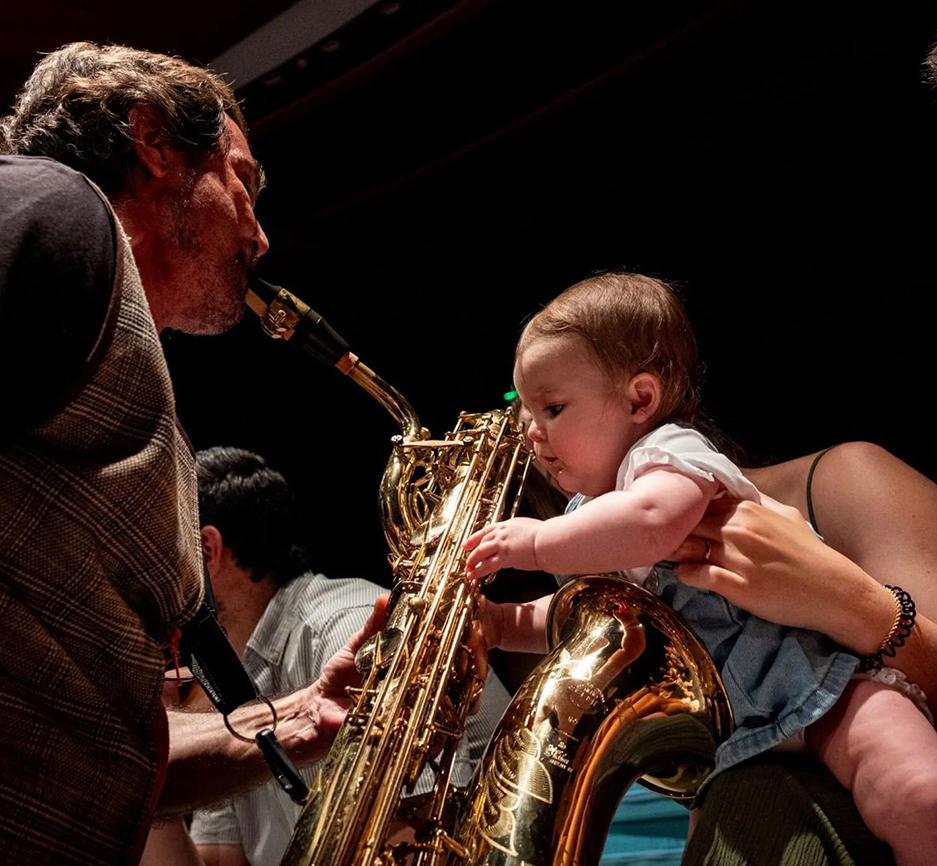
The Benefits of Music
Advocates for the benefits of sound music in the well-being of a person have argued that it has a major impact on a range of broadly cognitive, emotional, and social skills and aptitudes. The most prominent of these claims has been the so-called Mozart effect (Rauscher, Shaw & Ky, 1993), of which the evidence is contested by some, while other, less controversial claims have been widely accepted.