
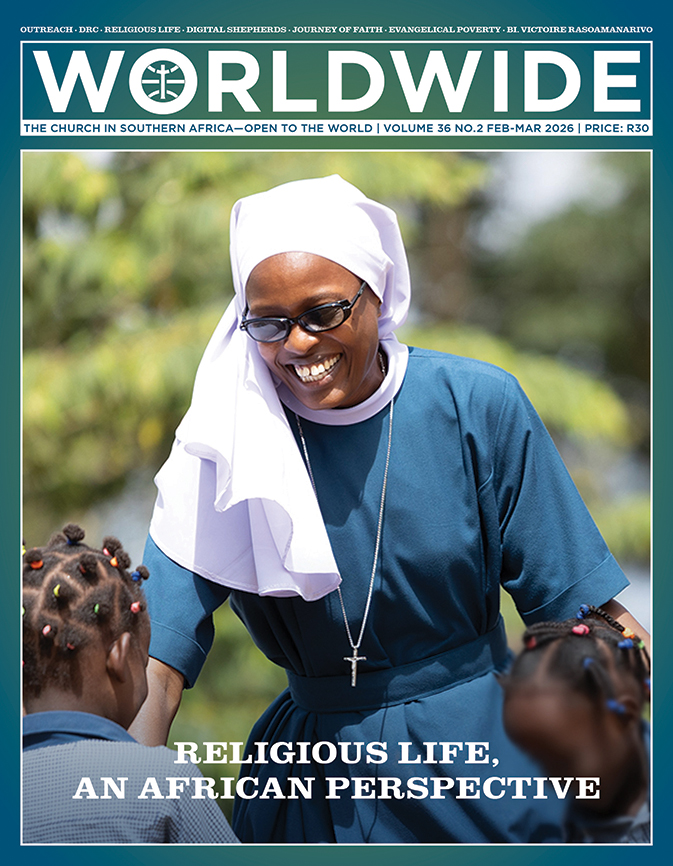
Religious Life, AN African Perspective
The Immaculate Heart Sisters of Africa (IHSA) is a Catholic religious congregation focused on education, evangelization, and empowering vulnerable women and girls, particularly against harmful practices like Female Genital Mutilation (FGM) and child marriages. The cover photo shows a member of the IHSA congregation playing joyfully with children in the Gerald Goldin Memorial Day Care and Nursery School, which they opened in 2022 in Kisarawe, Tanzania.
Special Report • Digital Sheperds

TOWARDS BEING DIGITAL SHEPHERDS: AI, FAITH, AND AFRICAN RELIGIOUS LIFE
From bustling city parishes to remote rural missions, AI is no longer a futuristic
fantasy but a present reality, raising profound questions about faith, morality,
and the very essence of what it means to be human and to be a Religious in Africa.
BY BY REV DR ISAAC MUTELO OP PEDRO ARRUPE UNIVERSITY HARARE | ZIMBABWE
THE DRUMBEAT of technological advancement echoes even in the most sacred spaces. As an African Dominican religious, I continue to witness first-hand the transformative, and sometimes unsettling, integration of Artificial Intelligence (AI) into our lives and communities. In this article, I reflect on the complex relationship between AI and spiritual life in Africa, drawing upon my own experiences and insights, and considering the ethical compass offered by Pope Francis, and the foundational social teachings of Pope Leo XIII.
The Two Faces of AI: Promise and Peril
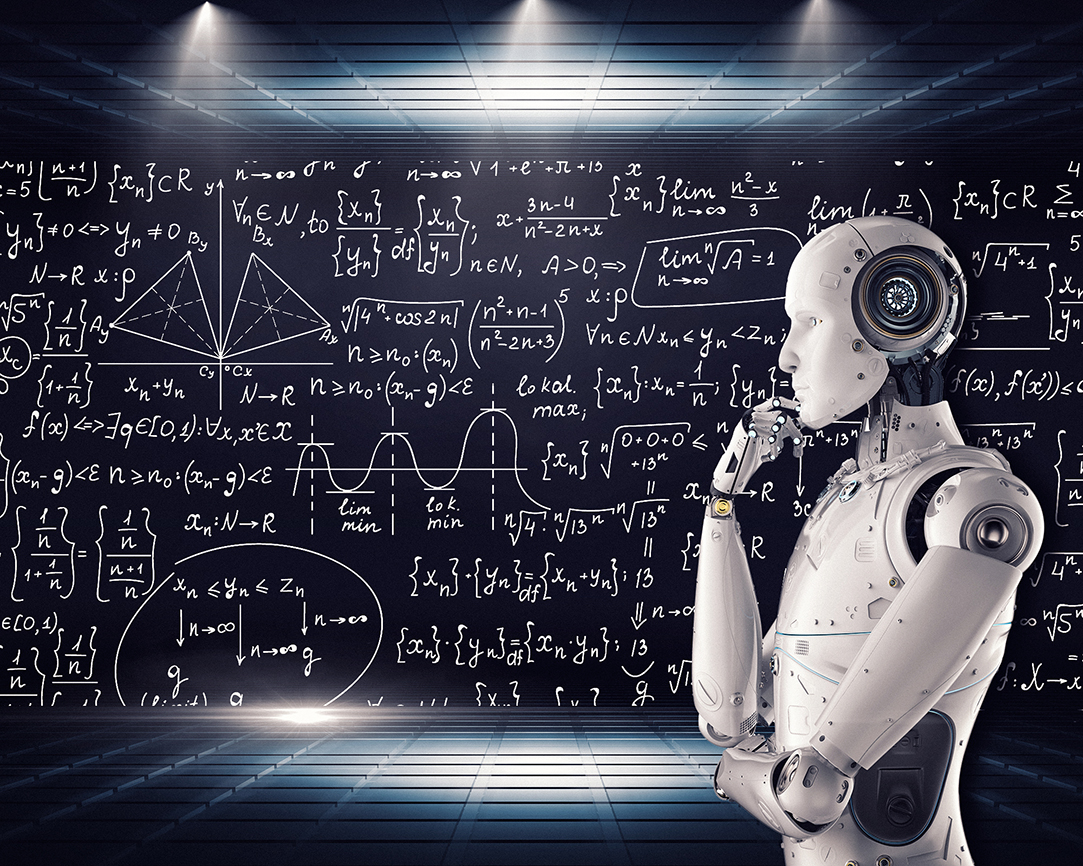
I remember watching the movie ‘I, Robot’ in 2006, an American science fiction action film directed by Alex Proyas, in which a technophobic cop (Will Smith) investigates a crime that may have been perpetrated by a robot. The movie brought both excitement about the opportunities humanoid robots and artificial intelligence offer, and hesitation about the potential challenges and ethical issues that come with it. Almost twenty years later, I am still convinced that AI presents itself as a double-edged sword. It offers unprecedented opportunities to enhance our ministries or apostolates and deepen our connection with the people of God. Imagine AI-powered translation tools instantly breaking down language barriers, making sacred texts accessible to every member of our diverse congregations. Envision AI algorithms analysing community needs, allowing religious men and women to allocate resources more effectively and address pressing social issues with greater precision. Consider AI-driven educational platforms delivering personalised religious instruction, especially to the youth and young people who are digital natives at schools run by religious men and women.
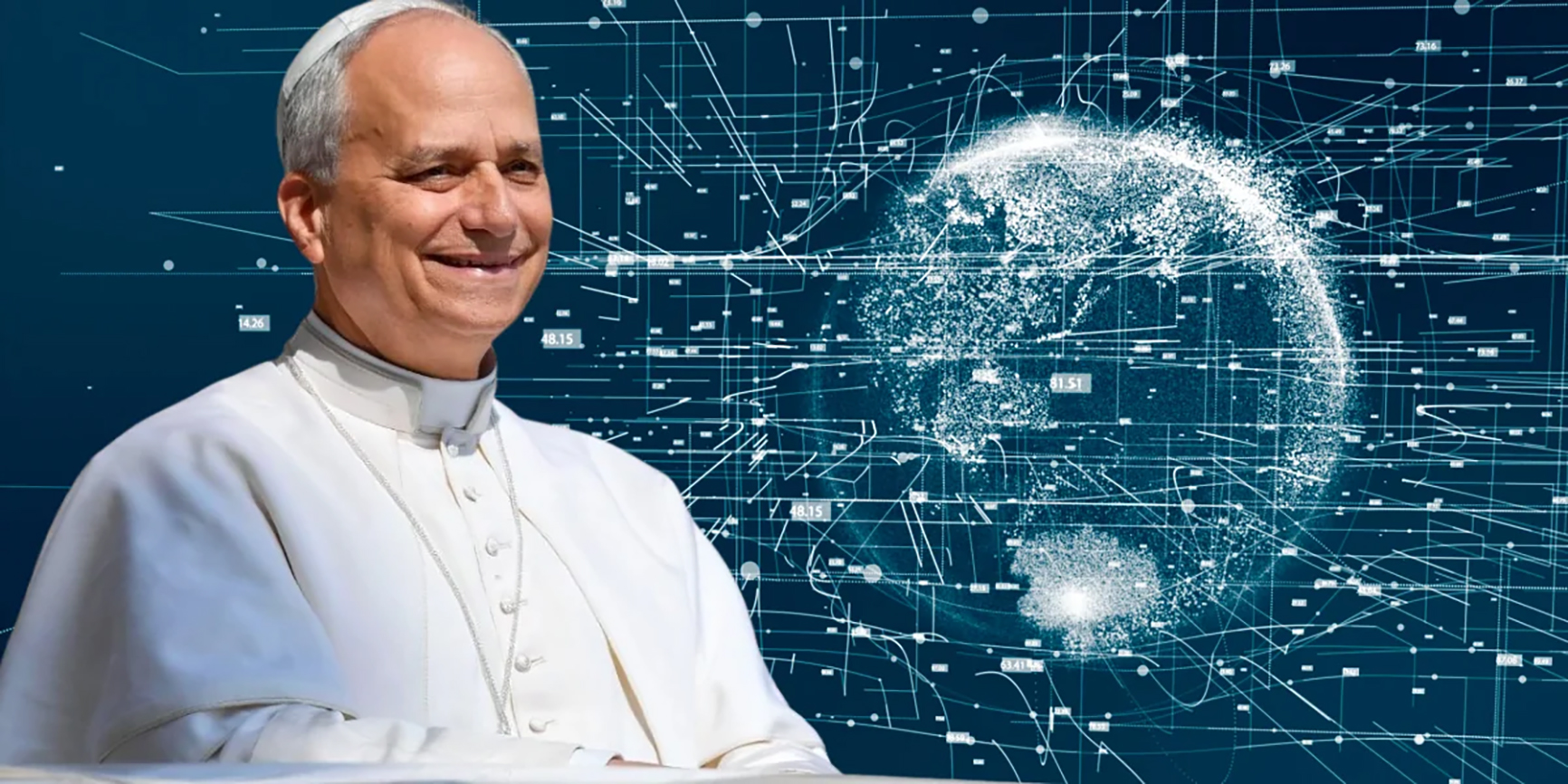
Credit: Taylor Reed | Source: catholiconline.news

AI and Pastoral Outreach
In pastoral counselling and youth ministry, AI has helped me understand emerging social issues affecting young digital natives. When confronted with cases involving cyberbullying, online addictions, mental-health struggles, or digital identity crises, I have used AI to access psychological insights and pastoral approaches recommended by experts. AI-powered translation tools have eased my ministry to the youth and the aged in Zimbabwe, Zambia, and South Africa, where multiple languages are spoken. I have used AI to translate homilies, catechetical materials, announcements, and liturgical explanations into Shona, Ndebele, Tonga, and IsiZulu.
These tools can never replace spiritual direction or communal discernment.
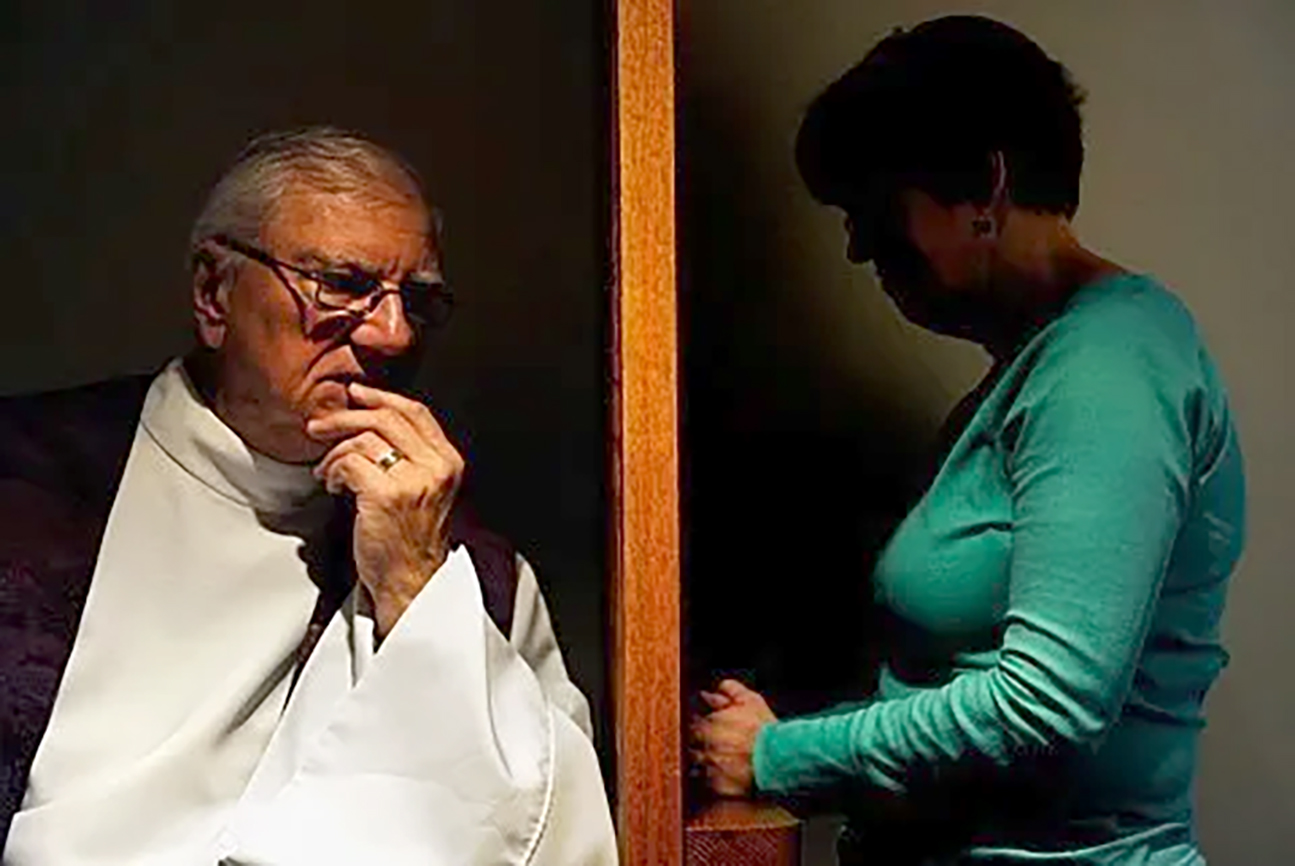
Some religious groups today use AI-assisted applications to organise prayer meetings, schedule community responsibilities, and prepare communal reflections. Others use AI-based meditation apps to support the personal prayer lives of members, especially during retreats or spiritual renewal programs. While these tools can never replace spiritual direction or communal discernment, they have complemented our own programs and ways of performing pastoral ministry in meaningful ways

Call to be Digital Shepherds
However, these opportunities and promises are tempered by genuine concerns. Can a machine truly grasp the complexities of faith and the human spirit? Can algorithms replace the empathy and wisdom of a seasoned religious? In most cases, there is a risk of over-reliance on technology, of reducing faith to data points and algorithms, losing the human touch that is so central to our calling as religious. It is prudent to be wary of the “technocratic paradigm” that the late Pope Francis cautions against, where technology becomes the solution to every problem, potentially overshadowing the role of human beings in decision-making processes and genuine connection. The late Pope Francis stated, “Technological developments that do not improve life for everyone, but instead create or worsen inequalities and conflicts, cannot be called true progress”. In the age of AI, it is becoming increasingly clear that religious men and women are being called to be digital shepherds, guiding their flock and communities with wisdom and compassion through the ethical complexities and opportunities presented by AI. Since they cannot share what they do not have, the religious are called to remain grounded in faith and the principles of human dignity, while fostering genuine human connection, promoting justice, and ensuring that AI serves the common good in the digital world.
Human beings, not machines, must always be at the centre of decision-making.
An African Lens: Ubuntu and the Common Good
As African religious, our understanding and approach to AI must be rooted in our own cultural values based on the maxim “I am because we are”. The philosophy of Ubuntu, with its emphasis on community, interconnectedness, and the inherent dignity of each person, provides a crucial framework. It is thus important to ensure that AI development and implementation prioritise the common good, ensuring that its benefits are shared equitably and that it does not exacerbate existing inequalities. The Ubuntu framework and Social Teaching of the Church require that, as religious, we remain mindful of the digital divide, ensuring that marginalised communities are not left behind in this technological revolution.
As AI automates certain tasks, the African religious need to proactively address the risk of job displacement, providing opportunities for reskilling and upskilling, and fostering a culture of lifelong learning. Our religious institutions need to offer educational programs and vocational training that equip individuals with the skills they need to thrive in the changing economy. This echoes Pope Leo XIII’s concern for the working class during the Industrial Revolution, as articulated in Rerum Novarum. Pope Leo XIII wrote, “when there is a question of defending the rights of individuals, the poor and badly off have a claim to special consideration. The richer class have many ways of shielding themselves, and stand less in need of help from the State; whereas the mass of the poor has no resources of their own to fall back upon”.
Papal Wisdom: A Moral Compass for the AI Age
Recent Popes, including the late Pope Francis and the current Pope Leo XIV, offer valuable and important guidance for addressing the ethical complexities of the AI age. Pope Francis consistently emphasised the importance of ethical considerations in the development and deployment of AI. He urged everyone to ensure that AI remains at the service of humanity, promoting integral human development and protecting the most vulnerable. Antiqua et Nova, a doctrinal note issued by the Church in January 2025, generally addresses the relationship between Artificial Intelligence and human intelligence. The document cites the risk that “as society drifts away from connection with the transcendent, some are tempted to turn to AI in search of meaning and fulfilment — longings that can only be truly satisfied in communion with God.” It cautions against the dangers of algorithmic bias, the erosion of privacy, and the use of AI for surveillance and control. It reminds us that human beings, not machines, must always be at the centre of decision-making, and that accountability is essential at every stage of the AI development process. As Pope Francis stated in June 2014 at the G7 summit, “We need to ensure and safeguard a space for proper human control over the choices made by artificial intelligence…human dignity itself depends on it”.

From the first month of his pontificate, Pope Leo XIV identified AI as a critical issue facing humanity, posing challenges to human dignity, justice, and labour. A few days after his election, he noted that “In our own day, the church offers everyone the treasury of its social teaching in response to another industrial revolution and to developments in the field of artificial intelligence that pose new challenges for the defence of human dignity, justice and labour”. On several occasions, Pope Leo XIV has called for scientists, entrepreneurs, and pastoral leaders to ensure AI development remains rooted in respect for human dignity and the common good. He has cautioned against the potential for technology to diminish human worth and has emphasised the importance of maintaining a relationship between faith and reason in the face of technological advancements. Addressing some 15,000 teenagers through a livestream on 21 November 2025, Pope Leo XIV described AI as “becoming one of the defining features of our time”, while also emphasising that “Using AI responsibly means using it in ways that help you grow.”
Opportunities for Religious Life in Africa
African Religious men and women need to embrace AI in their ministries. Despite the challenges it poses, AI has greatly facilitated pastoral outreach across the globe, as previously mentioned. We cannot ignore the influence of AI in our communities. We must engage with this technology proactively, with discernment and a clear understanding of its potential benefits and risks. In this process, we must ensure that AI is used in a way that is consistent with our values, our faith, and our commitment to the common good. Drawing upon the wisdom of Pope Francis and Pope Leo XIV, and grounded in the principles of Ubuntu, we must harness the power of AI to enhance our ministries, deepen our connection with the faithful, and build more just and equitable societies. It is important to approach the challenges posed by AI with wisdom, courage, and a resolute commitment to the dignity of every human person.
“Using AI responsibly means using it in ways that help you grow.”
References
- Pope Leo XIII. (1891). Rerum Novarum: Encyclical on the condition of labour. https://www.csus.edu/indiv/c/craftg/hist127/Rerumnovarum.pdf
- Murzaku, I. (2024). 5 takes on what the Pope said about AI. National Catholic Register. https://www.ncregister.com/blog/murzaku-pope-ai-puglia
- CBC News. (2025). Pope Leo: Artificial intelligence must reflect the design of God the Creator. https://www.cbc.ca/news/world/pope-leo-artificial-intelligence-1.7532028
- The Catholic Herald. (2025). Pope Leo urges US youth: don’t let AI do your thinking for you. https://thecatholicherald.com/article/pope-leo-urges-us-youth-dont-let-ai-do-your-thinking-for-you
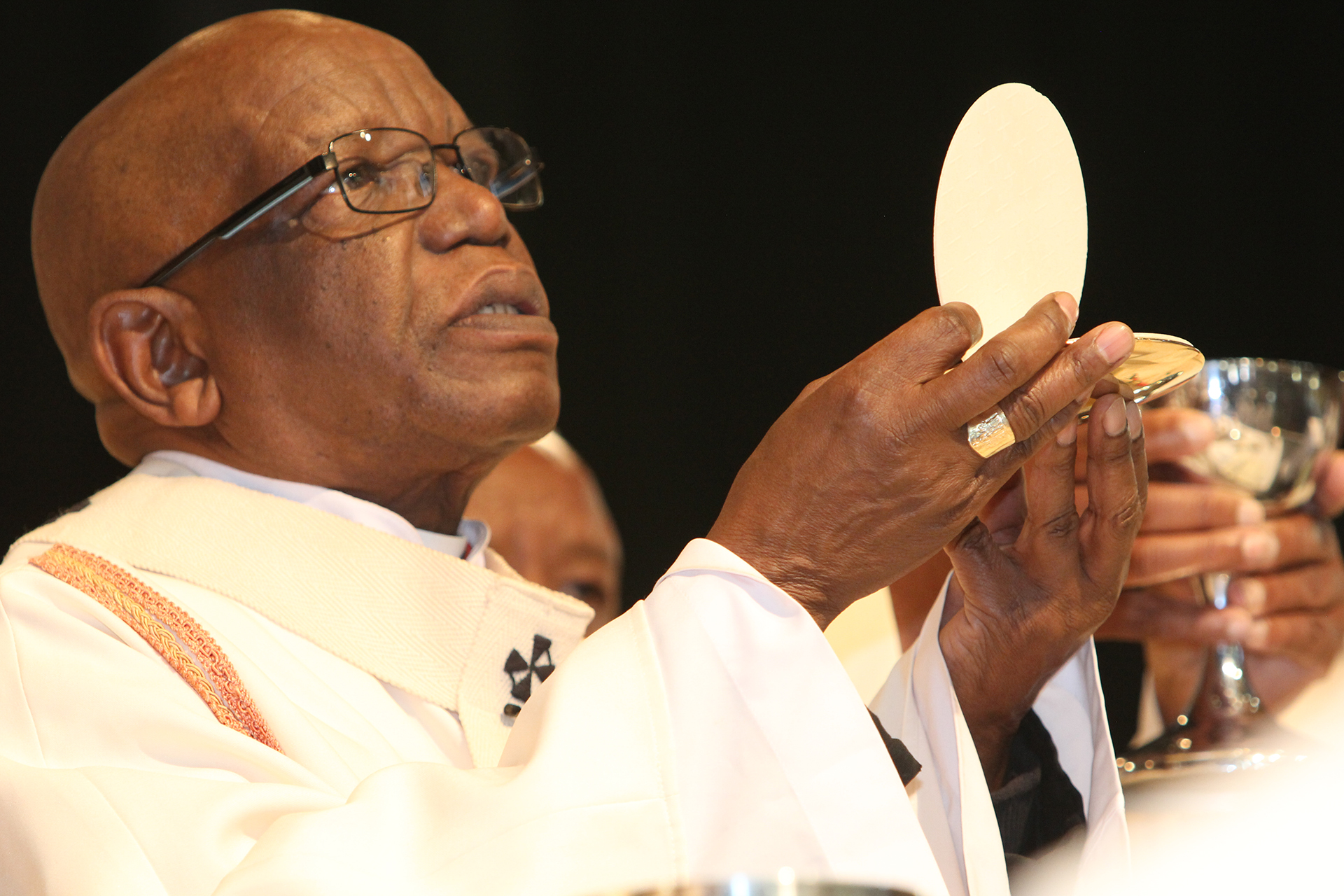
RELIGIOUS LIFE IN AFRICA: MISSIONARIES OF GOD’S MESSAGE OF LIBERATION
Religious communities can demonstrate that cultural and racial differences must be viewed from a positive perspective and be promoters of justice, peace and integrity of creation.