
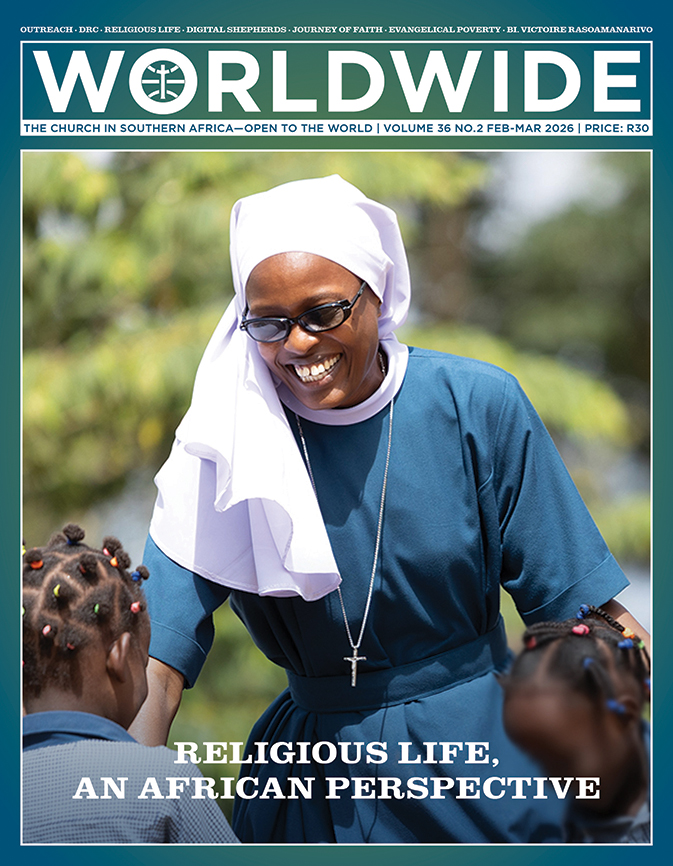
Religious Life, AN African Perspective
The Immaculate Heart Sisters of Africa (IHSA) is a Catholic religious congregation focused on education, evangelization, and empowering vulnerable women and girls, particularly against harmful practices like Female Genital Mutilation (FGM) and child marriages. The cover photo shows a member of the IHSA congregation playing joyfully with children in the Gerald Goldin Memorial Day Care and Nursery School, which they opened in 2022 in Kisarawe, Tanzania.
YOUTH VOICES • Living the Shepherd’s Way
Living the Shepherd’s Way
Valued in other world religions too, celibacy is a vocation and a sign of total dedication to God. Being celibate is more than not having sex; it is a mind shift and a lifestyle, calling one to love more openly and serve like Christ.
BY Jill Williams | Landscape Architect, Pretoria
RELIGIOUS LIFE has become taboo to many youths. As someone who volunteers to assist with activities at church, I have had my fair share of nudges to enter religious life: “Do you want to become a nun?” “You enjoy church; why don’t you become a nun?” Alternatively, I would hear the prophetic threat, “You are going to become a nun!” (Usually given as a warning, as if to say that I need to beware: the path I have chosen will lead me to the ‘less desirable’ destination of religious life). Living a consecrated life seems to be something unimaginable for many, and even something regarded as irrelevant because of the requirements for it. It is not an easy choice to make, as it frequently requires one to be counter-cultural. One of the biggest factors (that can make or break the decision to consider consecrated life for young people) is, generally, the big Catholic elephant in the room. Neither priests nor clergymen nor women are permitted to have sex or get married. That ends the whole conversation. Who wants to live a life without physical intimacy? No dating? No marriage? No kids?
Living a consecrated life seems to be something unimaginable for many, and even something regarded as irrelevant.
Celibacy in other Faiths
It can be a shock to the system until you start looking at how celibacy is viewed globally, and why this is the case. For various major religions throughout the world, the approach to celibacy and sexuality is very different, for very valid reasons (explained, thanks to Chat GPT). In Judaism, the faithful believe that practising celibacy is to neglect divine commandments, as marriage and procreation are religious obligations. In Islam and Sikhism, the religious, for similar reasons, also generally or completely reject celibacy.
On the other hand, some major world religions do require celibacy as a requirement for being a religious or spiritual leader. Christianity, in the form of Catholicism and Orthodoxy, sees celibacy for the religious as a central discipline, vocation and a sign of total dedication to God. In the Protestant traditions, mandatory celibacy for the religious is rejected, but voluntary celibacy is valued. Other religions regard it as a pathway to enlightenment and vary in their views on this practice, from it being optional (for Hindu religious), to being mandatory (depending on the context) in Daoism. It is also mandatory for Buddhists.
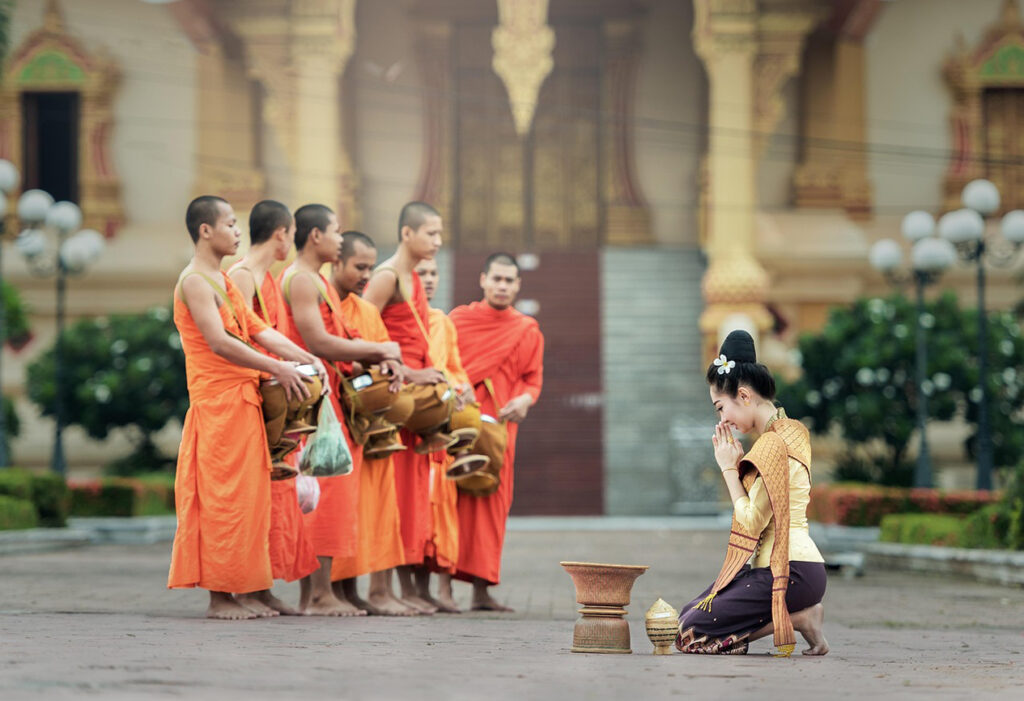
Credit: Sasin Tipchai | Source: Pixabay

Credit: StockSnap | Source: Pixabay
A Call to Purity
Celibacy is a call to purity – mentally, spiritually, physically and emotionally. What we see here is that in all religions, there is an effort to experience this purity, getting closer to God and following His Divine Will. In terms of one’s physical expression of faithfulness to God, this is mainly through marriage or celibacy. So, what is religious life, particularly for Catholics, saying to our Youth? Stay Celibate? Not at all. I think seeing celibacy in the light of various religions gives us a better understanding of what is important in a general sense, for someone who wants to join religious life. Thankfully, you can have your bread buttered on both sides in a proverbial sense when it comes to religious life in the Catholic faith. Celibacy is not the deciding factor in order to be able to enter religious life. Your being celibate or not also depends on which vocation you are called to: single life, married life or life as a religious priest, nun, brother, deacon, etc. Keep in mind, however, that you will take vows of chastity as a religious, which means you will be celibate for the rest of your life. (That does not mean you should ignore or put God’s call on your life on hold so that you can do everything you want to first, and then come back to Him). Even St Peter, our first Pope in the Catholic Church, had a wife and most probably children! St Paul, in 1Corinthians 7:8, said it is better to remain unmarried if you are so already and married if you are so too.
Freedom to Serve
One of my aunts, who became a widow at an early stage of her life, chose to remain celibate and to focus her energy on the church and her relationship with God. This allowed her to immerse herself in communal life and take part in the activities of the church. It was not easy. ‘Church hurt’ is very real and can be the reason why many decide to avoid church altogether. However, through the grace of God, my aunt saw serving as an opportunity to be Jesus’s hands and feet and as a prize worth striving for. She formed deep bonds of friendship with the elderly and with all she served. As time went by, she felt a strong call from God to enter religious life. Being Anglican, she decided to study and train to become a Deacon. Although the pain of the loss of her husband is not something anyone could have wanted, God used that difficult time in her life for her to seek Him, and to do so through the face of the community – the face of Jesus. With or without her husband, she still served God – both in marriage and in living the life of a religious.
This way of living is not a death sentence for intimacy. In fact, it is a call to experience intimacy not only with God, but also with one’s fellow man, in a unique way. God created us to be like himself – to love and to be loved. Why would he deny his workers intimacy?

Credit: Pexels Source: Pixabay
Credit: Balt | Source: Pixabay
Intimacy in a non-physical sense involves shared experiences with fellow human beings, intellectual connections, and emotional connections through sharing dreams, ideas and visions. This, I believe, is how King David and Jonathan, the son of Saul, became friends. After slaying the giant Goliath, David was given the honour of staying in the royal palace. He and Jonathan spent time together, ate together and probably went to war together. In this way, their intimacy grew, and they became very close friends. Jonathan was deeply attracted to David as a friend, and they formed a covenant of friendship with one another, according to 1Samuel 18-20. This platonic love is a form of intimacy which they shared, and did not involve sex or physical intimacy.
Developing bonds with fellow clergymen and with the community is totally possible, and would actually be the best way to grow as a community – in love, in faith and in unity. Our church’s Youth group has had the opportunity to encounter novices and scholastics (between the novitiate and priesthood) from various parts of the world. At times, there would be novices and scholastics who would bond very well with the group. They would partake in the youth activities (as they themselves are youths). This helped them form bonds between themselves as the clergy as well as with youth members. Philia (Greek: deep friendship) love bonds were formed that have lasted many years. This is only through the work of the Holy Spirit and the willingness of each party to be open and receptive to people, sharing the love of God in simple games, singing, dancing and much laughing.
God asks us to choose the way we express our love and devotion towards him.
A different narrative
Sexual intimacy is not evil, and is certainly not a problem to be solved. It is an expression of love that is designed by God Himself to be used in the right context (i.e., marriage), for His glory. What is society, social media and the entertainment industry narrating instead? We are fed multiple narratives with the same agenda: life is too complex; the world is much better without what the Church and religion have to offer. The solution presented here is to obtain control and happiness through having and gaining more money, power and sex (the apex of ‘forbidden love’). It is also presented in terms that are more realistic: two people who have just met decide to have a sexual encounter, colleagues who are married decide to cheat on their spouses, etc. Although these are more realistic versions of these ‘forbidden love’ scenarios, they continue to promote the same philosophy.
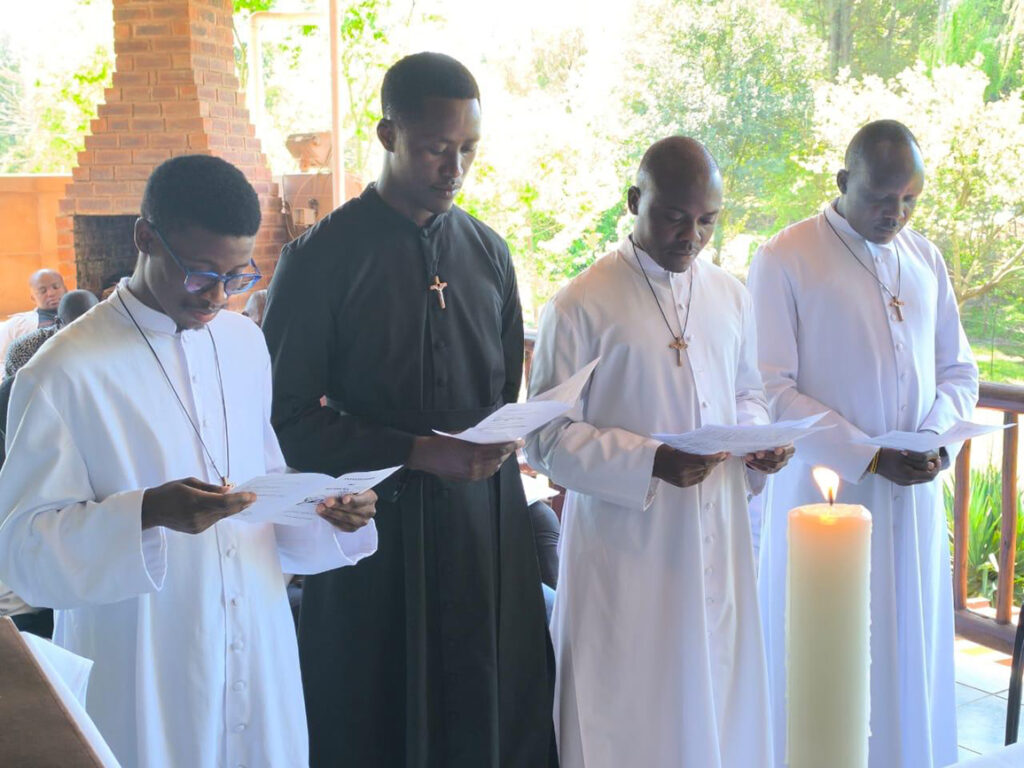
Credit: Sc Simon MCCJ PMB Scholasticate
Love as the decisive element
Being celibate is more than not having sex; it is a mind shift and a lifestyle, calling one to surrender all, and to love more openly and sacrificially – to love and serve like Christ. In order to do this well, whether we live as celibates or not, we must follow the example of Jesus. He knew the power of relationships; he himself called anglers, tax collectors and others to follow him at the beginning of his ministry. Those bonds were formed through spending time with Jesus and each other. This created an intimacy that would ensure that the Gospel spread throughout the world. We know how to love because He first loved us (1 John 4:19). This is not a cheap form of Eros (Greek: passionate/romantic) love; it is a free, liberating, all-consuming Agape (Greek: selfless/universal) love that extends far beyond erotic and sensational forms of love.
“God doesn’t call the perfect, he perfects the called”.
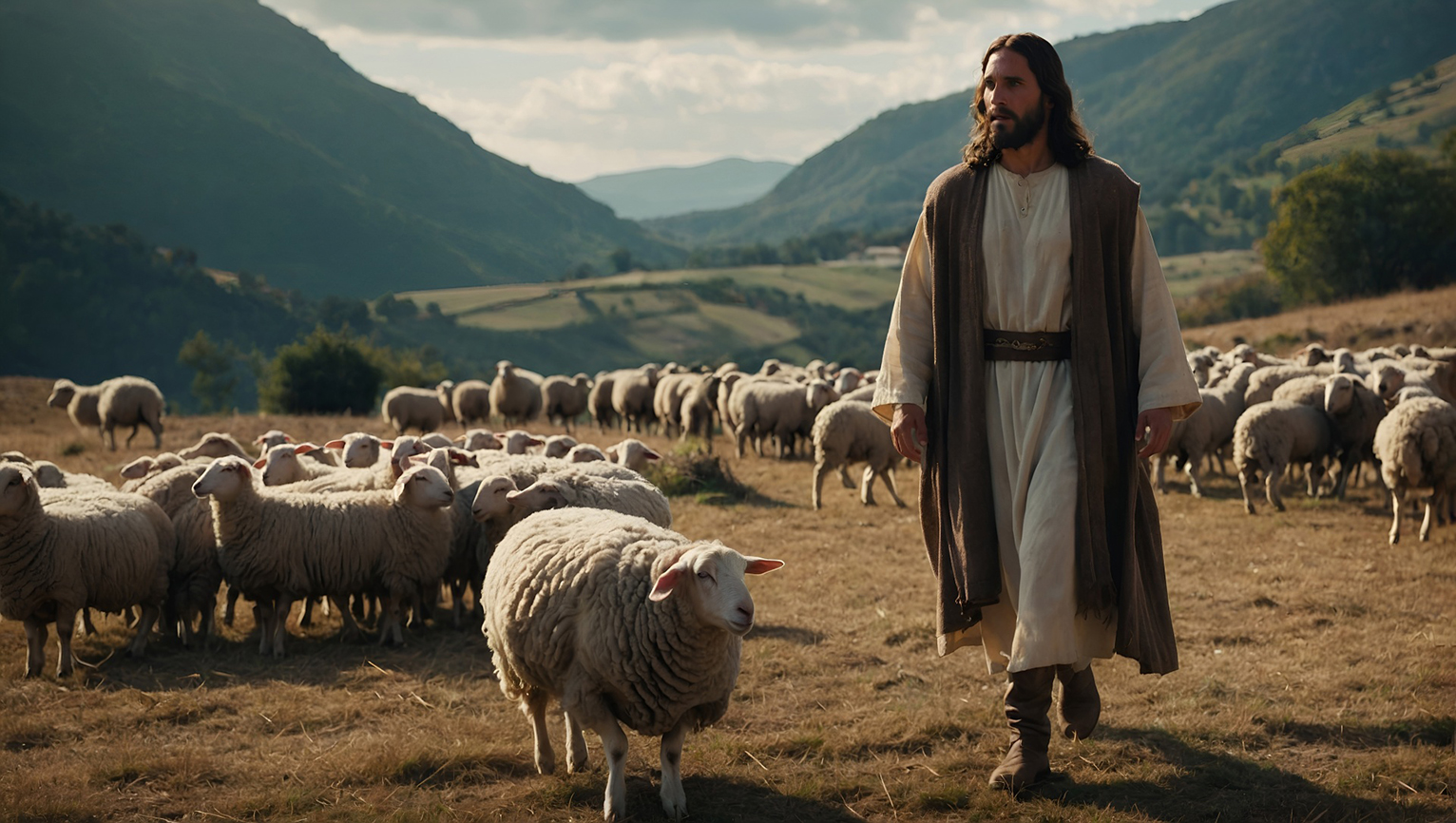
God gave us the gift of choice right from the beginning of time. He asks us to choose the way in which we express our love and devotion towards him. The religious are called not to be pure through disassociation, but to journey together with ordinary people. They are to ‘smell like the sheep’ – as Pope Francis once preached – guiding them to quiet and refreshing waters. Our Good Shepherd (John 10:11-18), Jesus, was himself a young, celibate Rabbi who walked and ate with sinners. He showed us what it truly means to be Priests, Prophets and Kings – not only in our choice whether or not to have sex, but in our daily lives, our thinking and how we relate to ourselves and others. It is not always easy, but it is worth it.
References
- Wisdom Library. (2025, May 9). Significance of Holy Bath. Retrieved from wisdom library: https://www.wisdomlib.org/concept/holy-bath
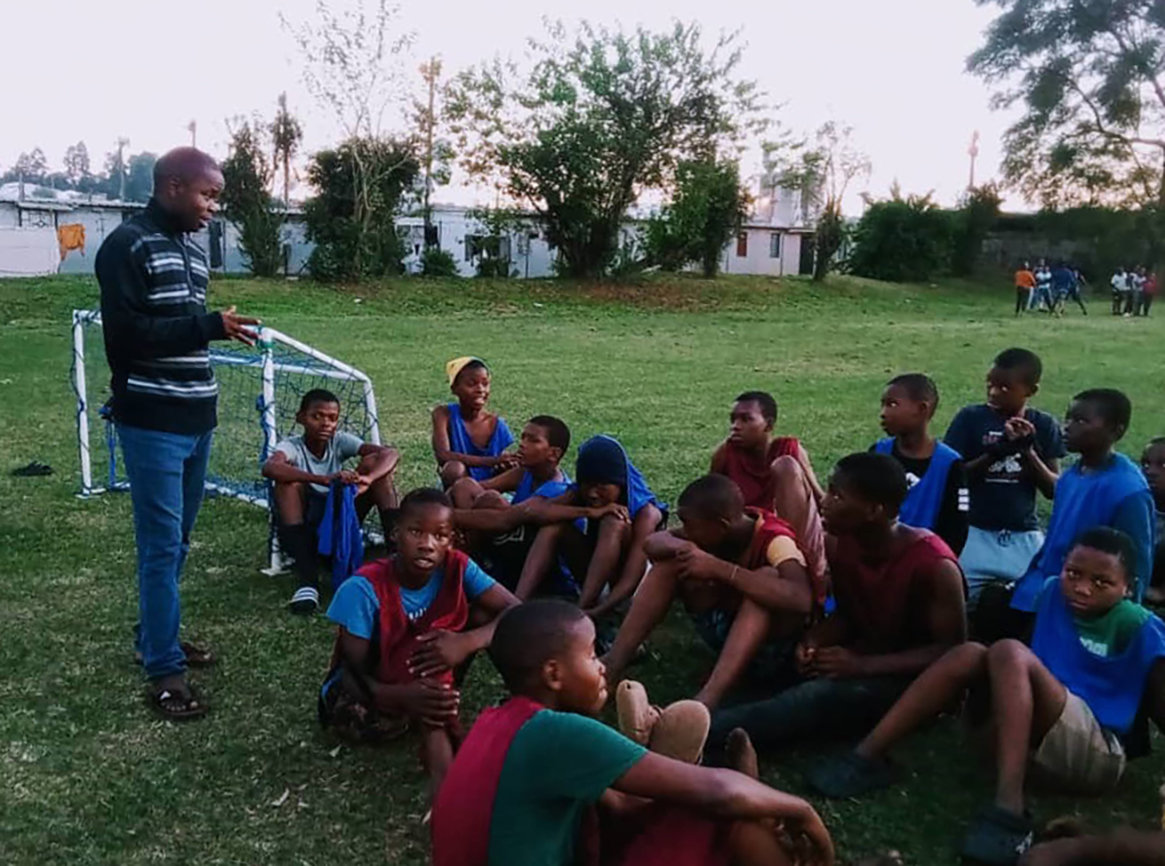
Channels of Hope
The Comboni Scholasticate community at St John of Arc in Pietermaritzburg seeks to offer a response of ‘faith in action’ to the reality of their neighbours, dwellers of the informal settlement of Jika-Joe. The author of this testimony, a Malawian scholastic and student at the Theological Institute of St Joseph, Cedara, gives witness to God’s action among the most vulnerable members of this small township.