
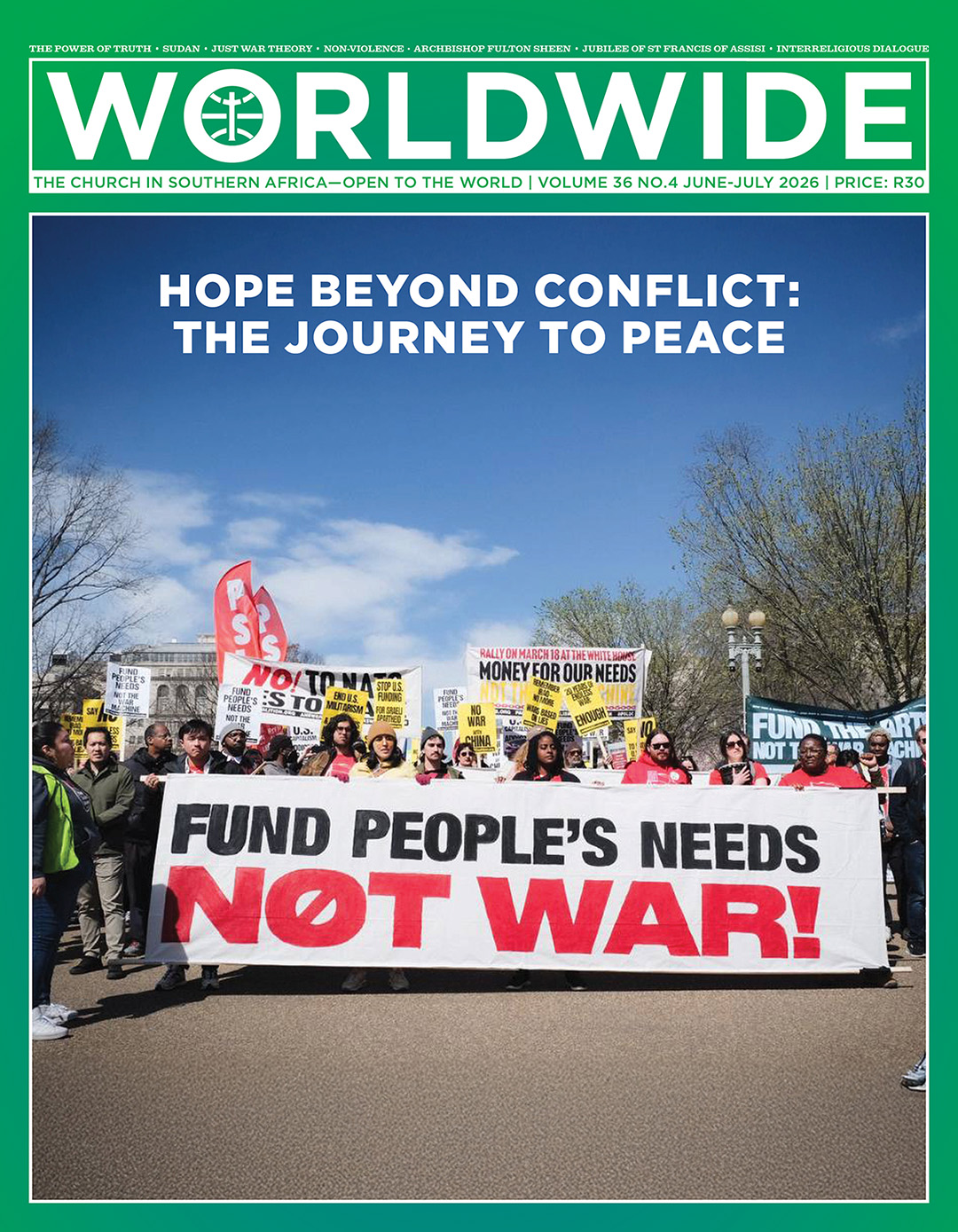
HOPE BEYOND CONFLICT: THE JOURNEY TO PEACE
“It is no coincidence that repeated calls to increase military spending, and the choices that follow, are presented by many government leaders as a justified response to external threats. The idea of the deterrent power of military might, especially nuclear deterrence, is based on the irrationality of relations between nations, built not on law, justice and trust, but on fear and domination by force.”
Message of Pope Leo XIV for the World Day of Peace 1 January 2026.
Cover Photo: Protesters in Ohio rally against US funding for the Russia‑Ukraine war, March 18, 2023. | Credit: Vincent Tsai/Peoples Watch
Frontiers • Combojoven
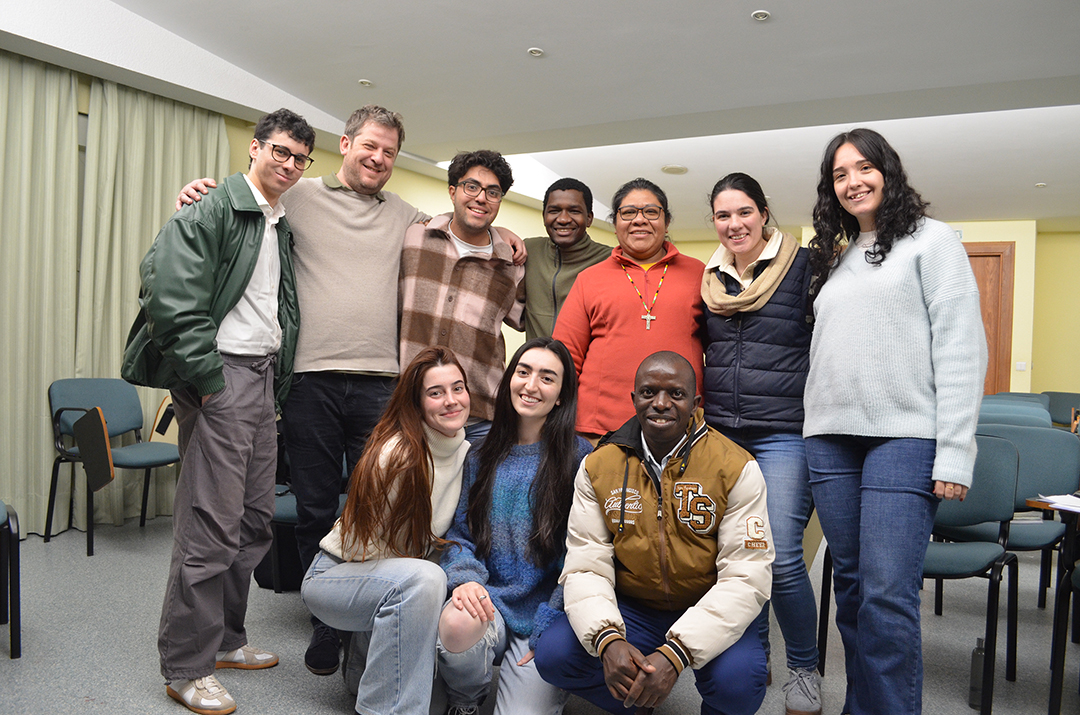
Learning From Reality
In this article, the author critiques traditional approaches to youth ministry based on his experience with the youth in Madrid.
BY FR JUSTUS OSEKO OBWAYA MCCJ | ALUMNO UNIVERSIDAD SAN PABLO CEU, MADRID
I ARRIVED in Spain on the 31ˢᵗ of December 2020 from Kenya, as though providence had written my name into the margin of a new year. While the world trembled under the shadow of COVID-19, I stepped into this precious country with hope stitched into my heart. Airports were silent, faces were hidden behind masks, and uncertainty filled the air. Yet inside me, there was expectancy. I had come to study the language, and thereby to discover a new culture, to grow, and above all, to serve.
Combojoven
Spain was known to me geographically, yet this arrival felt different. It was not simply geographical movement; it was interior displacement. I had left behind familiarity, language, rhythm, and community. I entered a space where everything had to be learned from simple greetings to the subtle codes of social interaction. Life, swift and unsentimental, unfolded faster than I could ever have imagined. Between verb conjugations, cultural adjustments, and adapting to a pandemic-shaped world, I suddenly found myself immersed in youth ministry, the vibrant and challenging world of Combojoven.
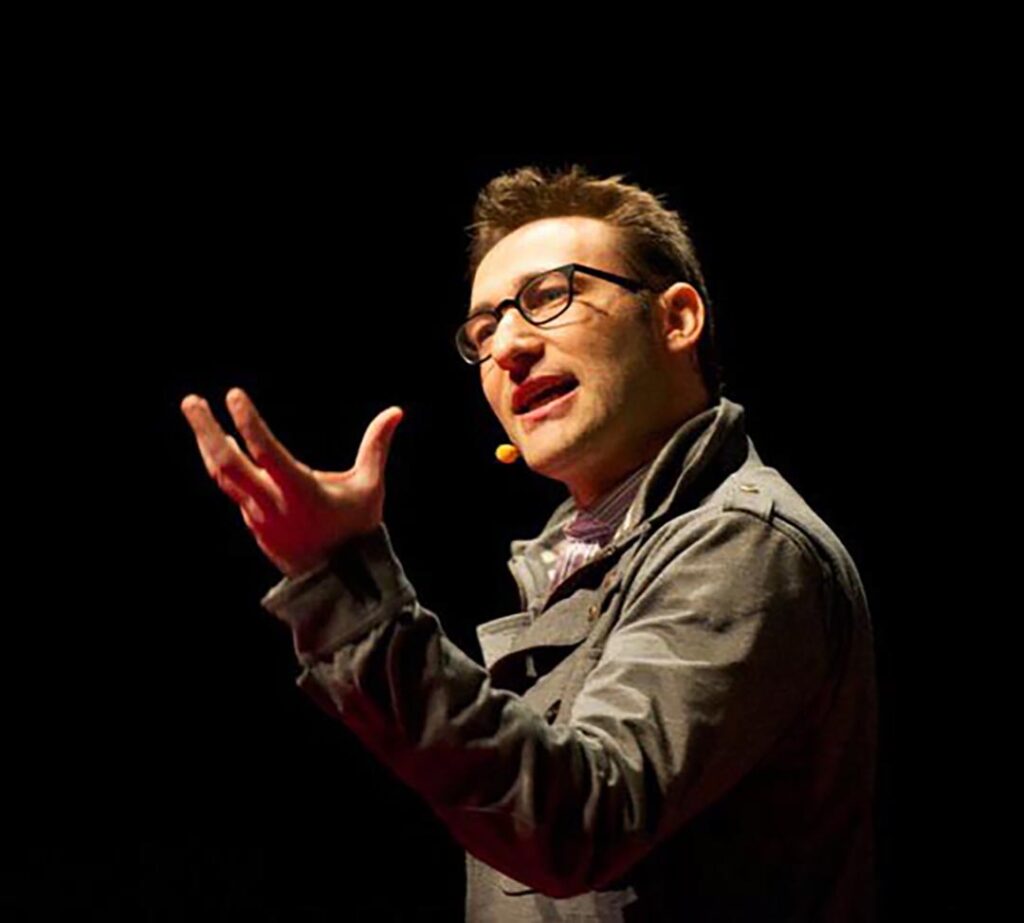
Source: commons.wikimedia.org | Author: Startwithwhy
As time went by, presenting seminars to young people felt like stepping into a sacred but intimidating mystery. Youth ministry demands energy, clarity, and presence. Armed with PowerPoint presentations brimming with information, I believed knowledge alone would set hearts on fire. I prepared intensely. Slides were packed with definitions, theological insights, structured arguments, quotations, and systematically arranged points/ideas. I thought depth meant density. Slide after slide, I spoke with passion. Sometimes I was tempted to read every word on the screen as though clarity depended on quantity. I feared that if I skipped something, the message would lose its strength. The young faces before me listened politely. They were respectful, attentive, disciplined. But their eyes whispered questions: When will this end? Where is the life in these words? How does this touch me?
I mistook silence for enthrallment. When they applauded at the end, I crowned myself as the hero of a successful catechesis. I walked away satisfied, convinced that my mission had been accomplished. But reality, faithful teacher that it is, was waiting patiently for its moment to speak.
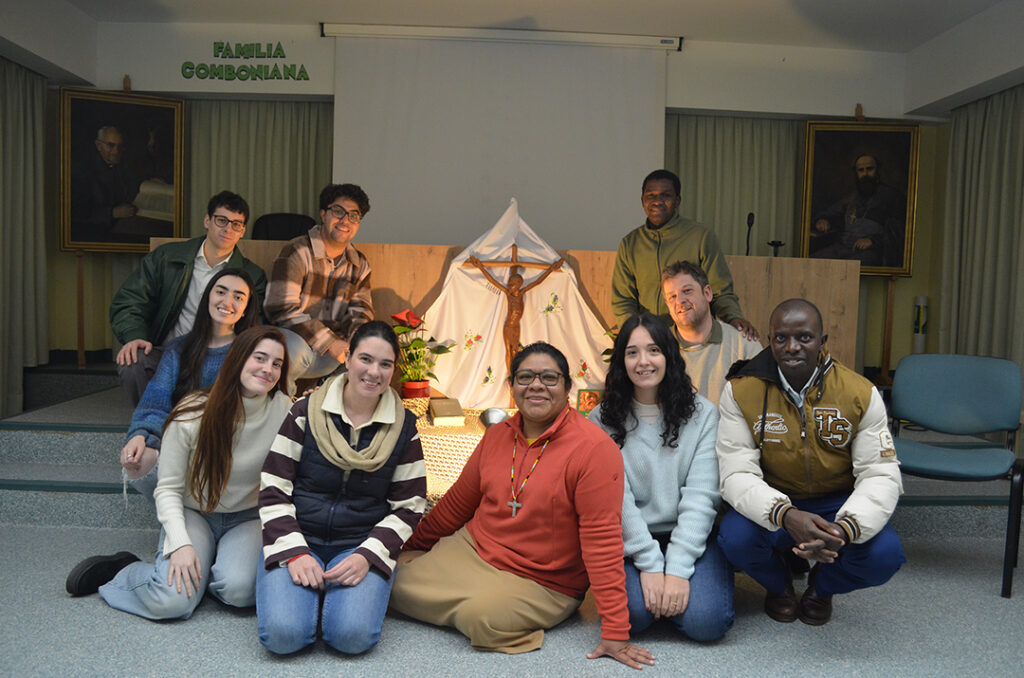
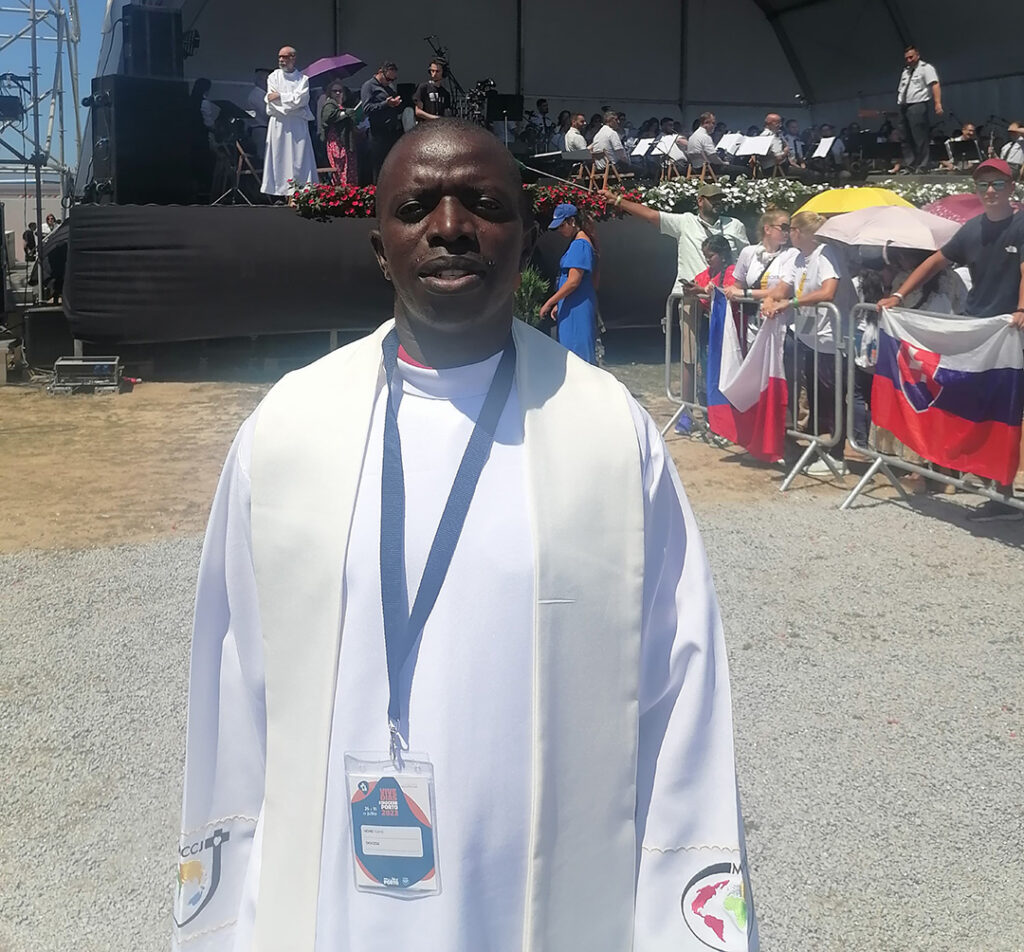
Credit: Fr Justus Oseko MCCJ
No Need For Slides
At the final evaluation of each catechesis, truth emerged plain and unadulterated. The young people spoke honestly. Not harshly, but sincerely. They did not need more information; they needed encounter. They did not crave exhaustive slides; they longed for authenticity. They did not want a lecture; they desired dialogue. They wished for testimonies, stories, vulnerability, and spiritual exercises that engaged their whole being-mind, heart, and body.
Their feedback gently dismantled my inflated ego and enthusiasm. This did not humiliate me; instead, it educated me. I began to understand that communication is not about filling space with words but about creating space for meaning. My content was rich, but it lacked oxygen. It was intellectually correct but emotionally detached. I was speaking to them, but mostly not with them.
From that humbling moment, I learned that brevity is not poverty but power. Silence can be eloquent. A well-placed question can transform a room more than twenty slides. Communication is not about speaking more; it is about touching hearts. It is about presence. It is about authenticity.
I began to understand that communication is not about filling space with words but about creating space for meaning.
Embracing The Challenge
Reality, when embraced rather than resisted, becomes the most honest mentor. Around this time, I began listening to thinkers who challenged my understanding of leadership and communication. One of them was Simon Sinek. His insights resonated profoundly with my lived experience. In his famous TED Talk, “Start With Why,” Sinek asks a compelling question: Why do some leaders inspire millions while others, with the same opportunities and resources, remain invisible? Referring to examples such as Apple Inc., Martin Luther King Jr., and the Wright brothers, he argues that extraordinary success is not accidental. There is something deeper beneath the influence. It is not mere talent. It is not only resources. It is not even strategy in itself. It is clarity of purpose.
Sinek introduces what he calls the Golden Circle – composed of three layers: Why, How, and What. Most individuals and organizations communicate from the outside in. They start with what they do, sometimes explain how they do it, but rarely articulate why they do it. But great leaders communicate from the inside out. They begin with the why – their belief, their cause, their purpose.
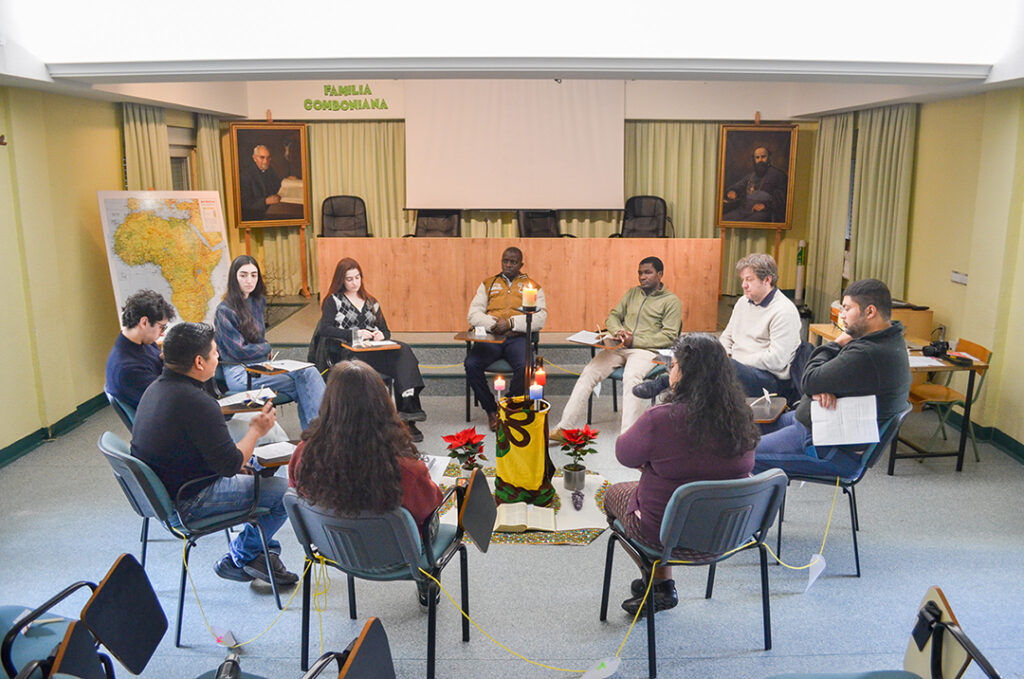
Starting On The Wrong Feet
This struck me profoundly. My catechesis had started with the “what”: the content, the doctrine, the structure. I explained the “how”: the method, the steps, the theological framework. But had I clearly communicated the “why”? Had I shared my conviction? Had I exposed my own encounter with Christ? Had I shown them why this message burned within me?
Sinek clarifies that “why” does not mean profit. It refers to purpose, belief, and cause. Every organization knows what it does, but very few clearly express why they exist. Consequently, only those who communicate their purpose effectively inspire loyalty and commitment. Apple, for example, does not merely state that it manufactures computers. It begins with a belief: challenging the Status Quo and thinking differently. Its products are simply proof of that belief. Individuals do not buy what the company does; they buy why it does it.
Furthermore, Simon compares the Wright brothers with Samuel Pierpont Langley. Langley had money, connections, and institutional backing, he had belief but never succeeded. The Wright brothers had limited resources and no prestigious sponsorship. Yet they were succeeded. The difference was not primarily funding or access; it was belief and purpose. They were driven by conviction, not by fame or financial reward.
Similarly, Sinek explains the Law of Diffusion of Innovation. First come the innovators and early adopters – those who believe deeply in the cause. Only later does the majority follow. If you want to reach everyone, start by inspiring someone. If you want transformation, you must speak with conviction.
As I reflected on these thoughts, I realized that my struggle in youth ministry was not methodological but existential. I was asking: What should I teach? while the deeper question was: Why am I teaching this?

Experience Is The Best Teacher
The experiences in Combojoven and the insights of Sinek illuminated something essential in me. They challenged me to strip away excess, to speak from conviction, to communicate from lived experience. Instead of overwhelming young people with information, I began to share testimonies. Instead of presenting twenty slides, I reduced them to five powerful images. Instead of speaking for an hour, I invited sharing before or after my catechesis.
The difference was visible: eyes no longer wandered. Participation increased. Silence became reflective rather than fatigued. I discovered that vulnerability creates connection. When I shared my own struggles – adapting to Spain, facing cultural misunderstandings, feeling inadequate the room softened. Authenticity unlocked attention.
I was asking: What should I teach? while the deeper question was: Why am I teaching this?
I began to ask myself before every session: Why does this matter? Why does this message burn in me? Why should it touch them? This interior shift transformed not only my ministry but also my understanding of leadership. Leadership is not about authority or position. It is about inspiration. It is not about being impressive; it is about being authentic. Many people hold titles; few ignite hearts.
Lessons Learnt
Looking back at that December 31ˢᵗ arrival in Spain, I see more than a geographical transition. I see the beginning of a deeper apprenticeship an apprenticeship under the guidance of reality itself. Spain has taught me language, yes, but youth ministry has taught me the art of listening. Feedback has taught me humility. Sinek has taught me clarity. Reality has taught me truth.
Ultimately, I can confidently say we follow leaders because they inspire us. Because we share their beliefs. Because their “why” resonates with ours. And the lesson continues: Speak less, mean more. Start with why. Let purpose precede presentation. Let authenticity guide communication. Because in the end, it is not information that transforms people. It is encounter.
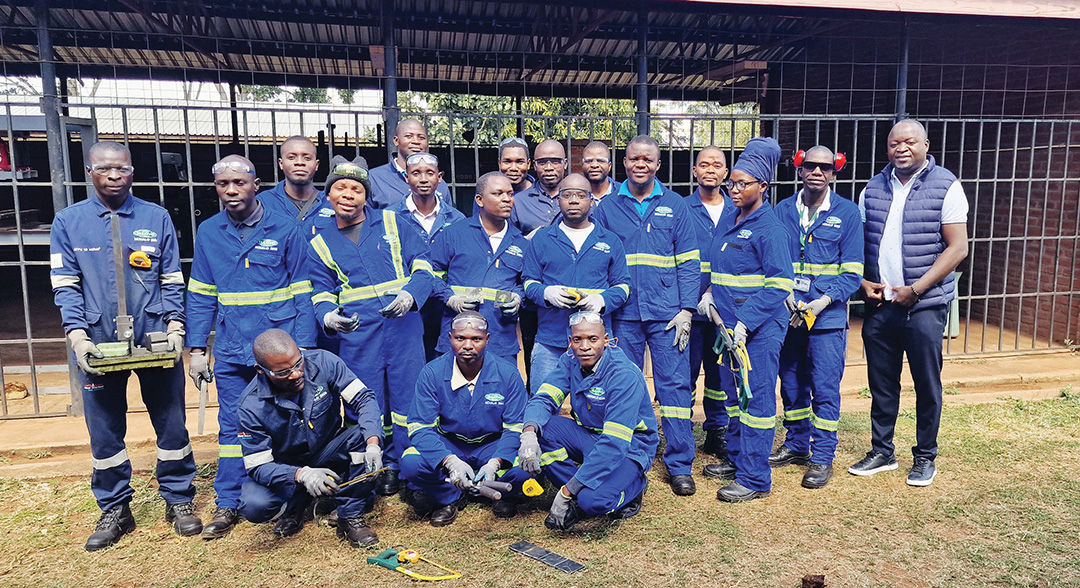
Rewriting the Future of Work in Malawi
In the heart of Southern Malawi, where the Shire Highlands begin their descent toward the Great Rift Valley, a quiet revolution is taking place. It is not a revolution of slogans or political upheaval, but one of grease, sparks, sawdust, and silicon.