
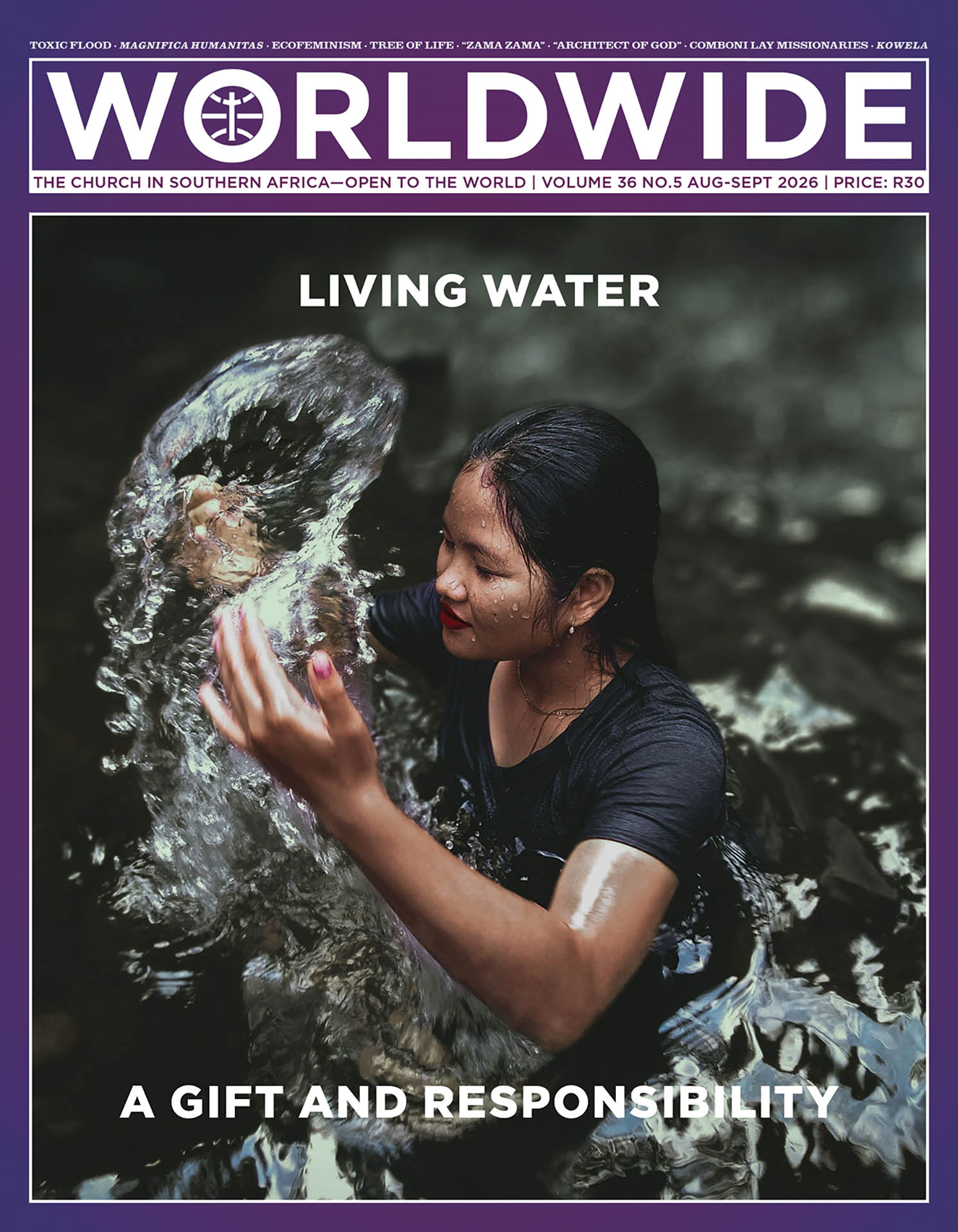
LIVING WATER
Every act of care for creation becomes part of a global stream of hope.
The cover page is inspired by the 2026 Season of Creation theme. In this season, our hope is that “Christians would be immersed in the living water flowing from the throne of God, stepping in deeper and deeper, inspired by the Spirit of God, working together for the renewal of Creation”
(Cf seasonofcreation.org).
Challenges • A New Faith Approach
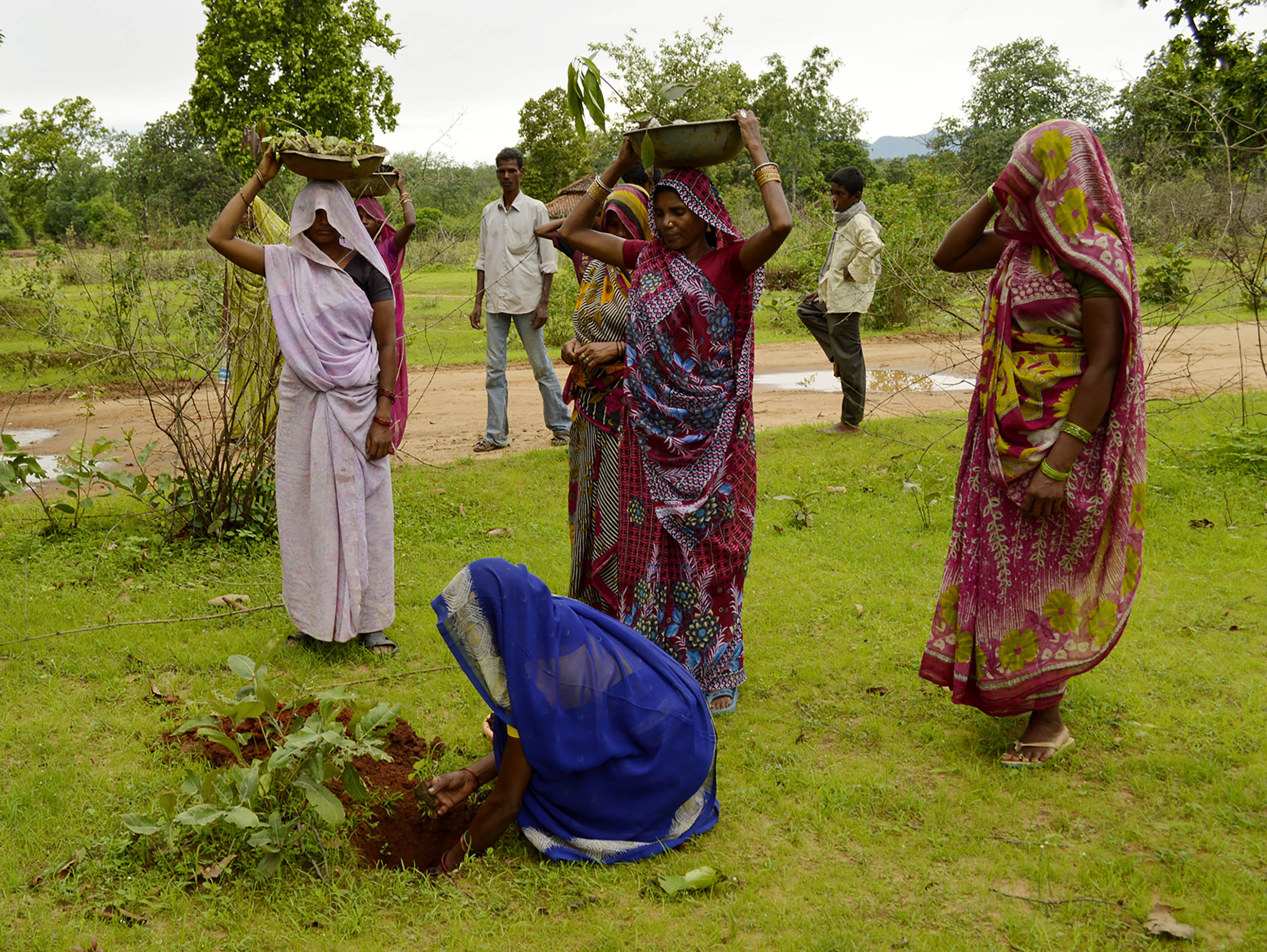
Credit: Yann Forget / Wikimedia Commons
Ecofeminism in Action: How the Church Is Nurturing Women, Justice and Care for Our Common Home
In this article, the author presents ecofeminism as lived action. She explores how the Church weaves justice, care for creation, and women’s empowerment into its mission – showing how faith and feminism together nurture our common home.
BY Kati Dijane | Catholic Journalist, Johannesburg
AS THE Catholic Church marks more than a decade since Pope Francis gifted the world Laudato Si’, his landmark encyclical on care for our common home, the church in Southern Africa, including the Southern African Catholic Bishops’ Conference (SACBC), continues to deepen its commitment to integral ecology. Across Southern Africa, ecological conversion is increasingly taking on a distinctly human face that recognizes that the degradation of the environment and the oppression of vulnerable people, especially women and children, are inseparable.
While environmental initiatives such as recycling, tree planting, and clean-up campaigns remain important expressions of ecological stewardship, another profound movement is emerging within the Church: ecofeminism. Rooted in Catholic Social Teaching and inspired by Laudato Si’, ecofeminism invites Catholics to understand the interconnectedness of creation, human dignity and social justice.
Rather than being nothing more than a political ideology, ecofeminism within the Church can be understood as an invitation to recognize that the “cry of the earth” and the “cry of the poor” are the same. Women, particularly those living in impoverished communities, often bear the greatest burden of environmental degradation while simultaneously serving as custodians of family life, food security and local ecological knowledge.
Ntlantla Madinane from the Justice and Peace Commission in the Archdiocese of Johannesburg shares with Worldwide Magazine the link between Laudato Si’ and ecofeminism in the context of the Church in Southern Africa.
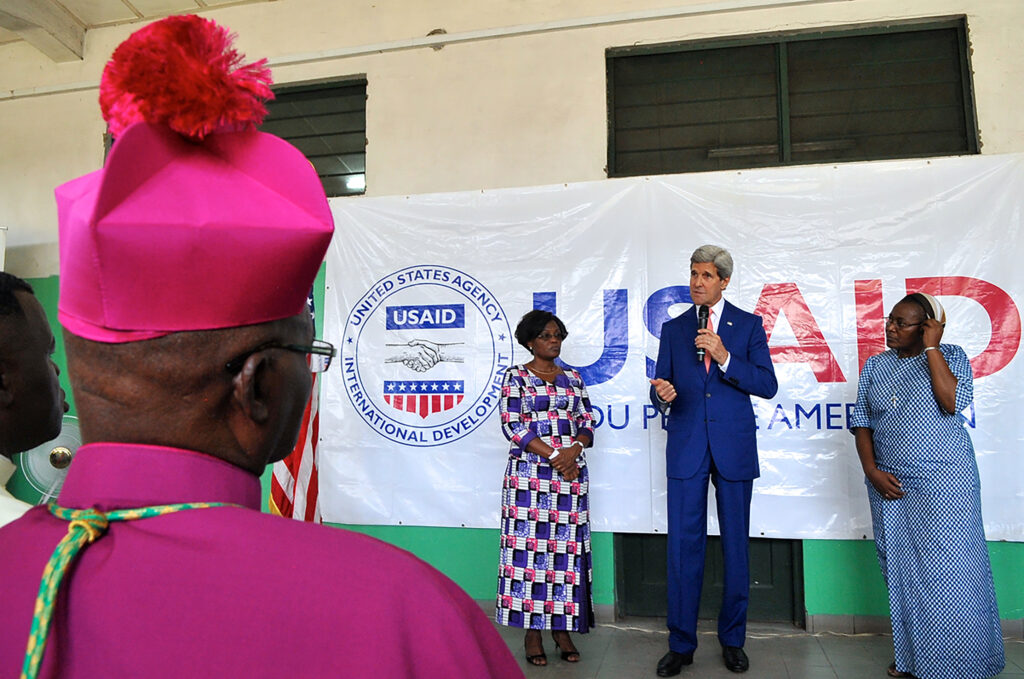
Credit: U.S. Department of State / Wikimedia Commons
An Ecological Conversion That Begins with People
At the heart of Pope Francis’ vision is integral ecology, the understanding that environmental, economic, cultural and social issues cannot be addressed in isolation. The ecological crisis is also a moral crisis.
The Church, he says, has embraced this understanding through the work of its Justice and Peace Commission, which continues to encourage dioceses, parishes and Catholic organizations to integrate environmental stewardship into every aspect of pastoral life. On 7 June 2025, the Commission, together with the Jesuit Institute South Africa and the Archdiocese of Johannesburg, commemorated the tenth anniversary of Laudato Si’ through a workshop in Johannesburg that gathered clergy, religious, youth and lay leaders to reflect on ecological conversion and practical Church action. Speakers, including Ntlantla Madinane and Fr Peter Knox from the Jesuit Institute South Africa, emphasized that ecological conversion begins with changing hearts before changing systems and that even seemingly small actions contribute to protecting God’s creation.
For the Church in Southern Africa, this conversion is no longer confined to discussions about climate change. It now encompasses issues of gender justice, economic inequality, mining, pollution, youth empowerment and family life.
Women at the Centre of Ecological Wisdom
One of the distinctive features of African ecofeminism is its recognition that women have long been custodians of environmental knowledge. “Across generations, mothers and grandmothers have passed on practices of sustainable agriculture, water conservation, medicinal plants and respect for creation,” says Madinane. The SACBC, through its Justice and Peace Commission, increasingly acknowledges this reality by promoting the annual Season of Creation, encouraging parish communities to combine Biblical teachings with indigenous ecological knowledge. Families are reminded that caring for creation begins in the home, where children first learn gratitude, stewardship, and respect for life.
Religious sisters and lay women across Southern Africa continue to embody this vision through education, social outreach, environmental advocacy and community development. Their work reflects Pope Francis’ conviction that authentic ecological conversion begins at the grassroots level, where faith is translated into daily acts of care. An example of ecofeminism in action can be found in neighbouring Lesotho in the work of Sr Julia Masina Mafike HCP, founder of JMM Beekeeping (Pty) Ltd. Established in 2015 after beginning as a small beekeeping project with just a few hives, the enterprise has grown into a recognized centre of excellence, supplying organic honey, beeswax, propolis, natural creams and other bee products across Lesotho, South Africa, Eswatini and other SADC countries. Beyond producing environmentally sustainable products, Sr Julia has transformed her business into a vehicle for social empowerment by training young people, emerging farmers, community groups and organizations in beekeeping and entrepreneurship. Working closely with Lesotho’s Ministry of Forestry, Range and Soil Conservation, her initiative demonstrates how caring for biodiversity can also create livelihoods, strengthen food security and restore hope in local communities. Officially opened by Bishop John Joale Tlhomola in 2021, JMM Beekeeping embodies the spirit of Laudato Si’ by showing that care for creation, economic empowerment and the dignity of women can flourish together.

Credit: Lungile M. Mabhena / Wikimedia Commons
The Cry of Women and the Cry of the Earth
The relationship between ecofeminism and Catholic Social Teaching is possibly more evident in the Church’s response to gender-based violence than anywhere else. The SACBC Justice and Peace Commission consistently reminds Catholics that violence against women cannot be separated from broader cultures of domination and exploitation. The same attitudes that treat women as disposable often reduce land, water and natural resources to mere commodities for profit.
This understanding has become increasingly visible within the Conference’s pastoral work, particularly during the annual 16 Days of Activism campaign, which calls for a family-centred response to violence against women and children while promoting the dignity of every human person.
In a pastoral reflection published in December 2025, marking 34 years of the Sixteen Days of Activism against Gender-Based Violence, SACBC Justice and Peace Liaison Bishop Thulani Victor Mbuyisa challenged both society and the Church to move beyond policies and public campaigns by addressing the deeper spiritual and moral roots of violence. While acknowledging the importance of legislation and regional frameworks across South Africa, Botswana and Eswatini, Bishop Mbuyisa argued that lasting change begins with healed hearts and strengthened families. He urged governments and the Southern African Development Community (SADC) to adopt a family-centred approach to combating gender-based violence. He called on parishes, sodalities, pastoral councils and youth ministries to examine how they can support survivors, challenge abusive behaviour and foster healthy family life more effectively.
For ecofeminists, these are not separate struggles. The exploitation of people and the exploitation of nature spring from the same worldview, one that values power over service, consumption over stewardship, and domination over relationship. Catholic teaching offers a different vision: one rooted in mutual care, solidarity and respect for all creation.
Greening the Archdiocese of Johannesburg
The Archdiocese of Johannesburg has become one of the examples of practical ecological action within the SACBC. Over the past few years, the Archdiocese launched the “Greening the Archdiocese” campaign, recognizing that environmental justice must be lived in local communities rather than remaining an abstract concept. The initiative included supplying trees to parishes and households, encouraging the planting of parish vegetable gardens, promoting responsible waste management and recycling, advocating for reduced air pollution, campaigning against illegal dumping, encouraging responsible water and electricity use and supporting the rehabilitation of mine dumps. According to Justice and Peace, these initiatives are expressions of Catholic faith that uphold human dignity, improve food security and strengthen community resilience. Madinane has frequently emphasized that caring for creation is inseparable from building healthier communities where justice, peace and hope can flourish. The department’s wider mission also includes career awareness and employability programmes, initiatives addressing substance abuse, advocacy against gender-based violence and partnerships that seek sustainable development for vulnerable communities.
The exploitation of people and the exploitation of nature spring from the same worldview, one that values power over service, consumption over stewardship, and domination over relationship.
African Voices Shaping Ecofeminism
African ecofeminism is deeply rooted in the realities of communities across the continent. Kenyan Nobel Peace Prize Laureate Professor Wangari Maathai, for example, demonstrated that restoring forests could also restore women’s dignity, reduce poverty, and strengthen democracy through her organization, the Green Belt Movement. Founded in 1977, this grassroots organization has mobilized communities, primarily women, to plant over 51 million trees, restoring degraded ecosystems and providing sustainable livelihoods. Despite initial political efforts that tried to curb her efforts, she displayed incredible courage and kept finding ways to advance her cause. In 2003, Maathai became a cabinet minister and one year later became the first African woman to receive the Nobel Peace Prize. Her legacy continues to inspire faith communities across the continent by showing that environmental restoration is inseparable from human development.
A Church Walking Together
The future of ecofeminism in Southern Africa is not about replacing one form of dominance with another. Instead, it seeks a culture of collaboration in which women and men work together to restore relationships with God, with one another and with nature.
Pope Francis reminded the Church that “everything is connected.” That insight continues to guide the Church’s ecological mission today. The ongoing commitment of Pope Leo XIV to the themes of human dignity, social justice and care for creation signals that this journey remains central to the Church’s mission.
Ultimately, Madinane says, ecofeminism invites Catholics to cultivate four essential relationships: with God, with ourselves, with one another and with nature. These relationships are not separate but woven together in the fabric of creation itself.
With Catholics continuing to live the message of Laudato Si’, they are reminded that caring for creation is never simply about protecting trees, rivers or wildlife, but about protecting people, especially those whose voices are least heard. In doing so, the Church responds faithfully to Christ’s enduring command: “Love one another as I have loved you.”
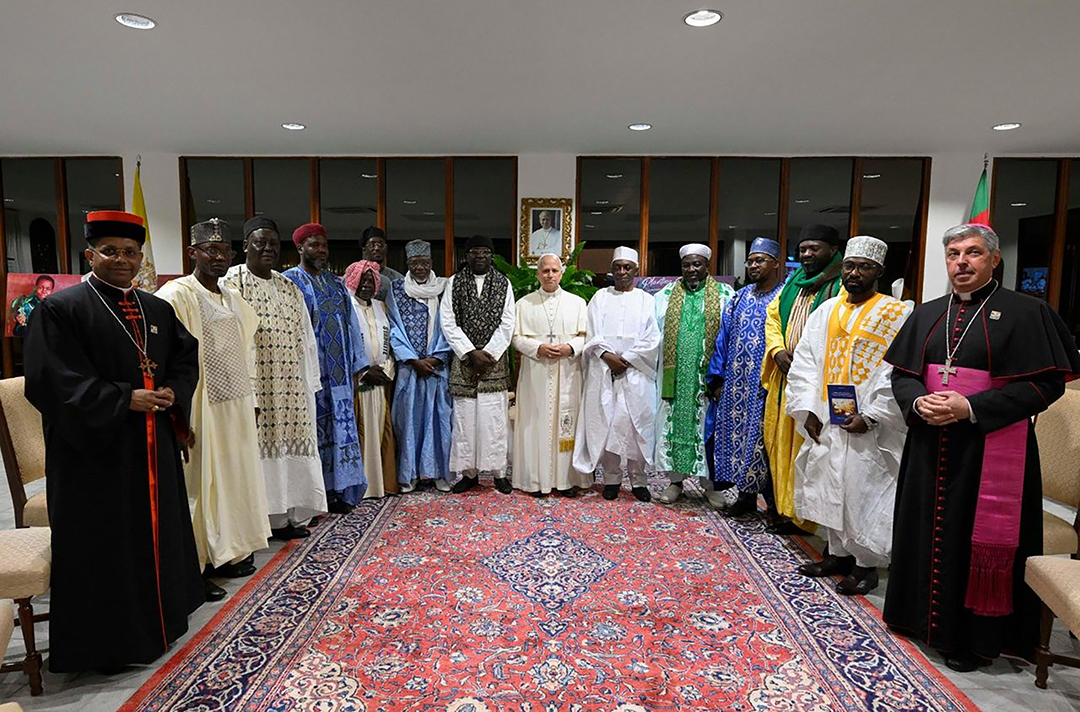
Healing A Wounded World: Interreligious Dialogue For Peace In The Vision Of Pope Francis And Pope Leo XIV
While the world continues to suffer the effects of wars locally and globally, and nations stockpile arms in preparation for defense and offence, the author argues for a different approach one rooted not in weapons, but in dialogue.