
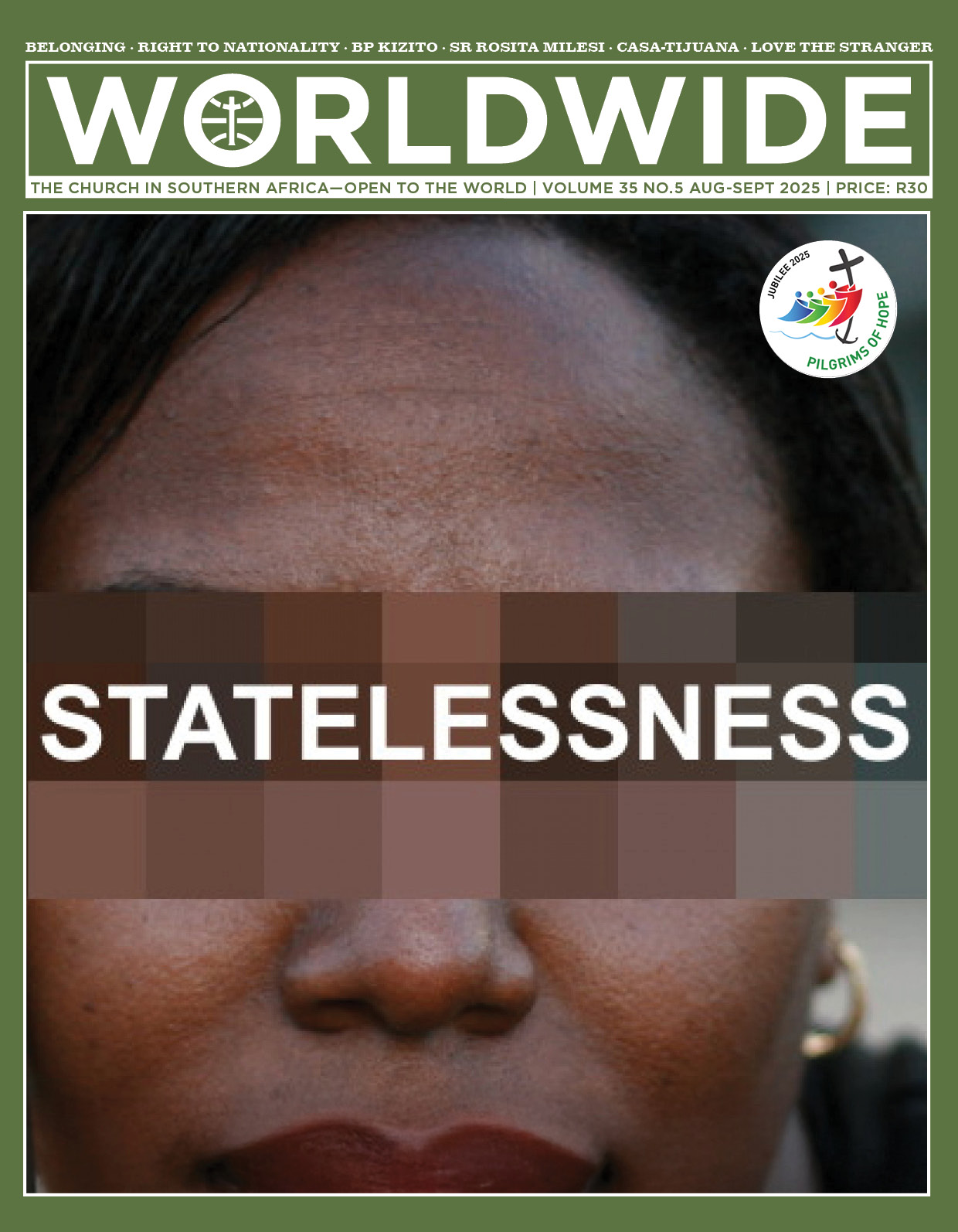
STATELESSNESS
Stateless people from all over the world live in situations of limbo, lacking a nationality, which prevents them access to the basic rights of any citizen of a country. The causes of statelessness are varied, including bureaucratic obstacles, but they all result in the deprivation of the dignity deserved by any human being. This underlines the importance of lobbying to end statelessness in the world.
RADAR • GENOCIDE IN GAZA
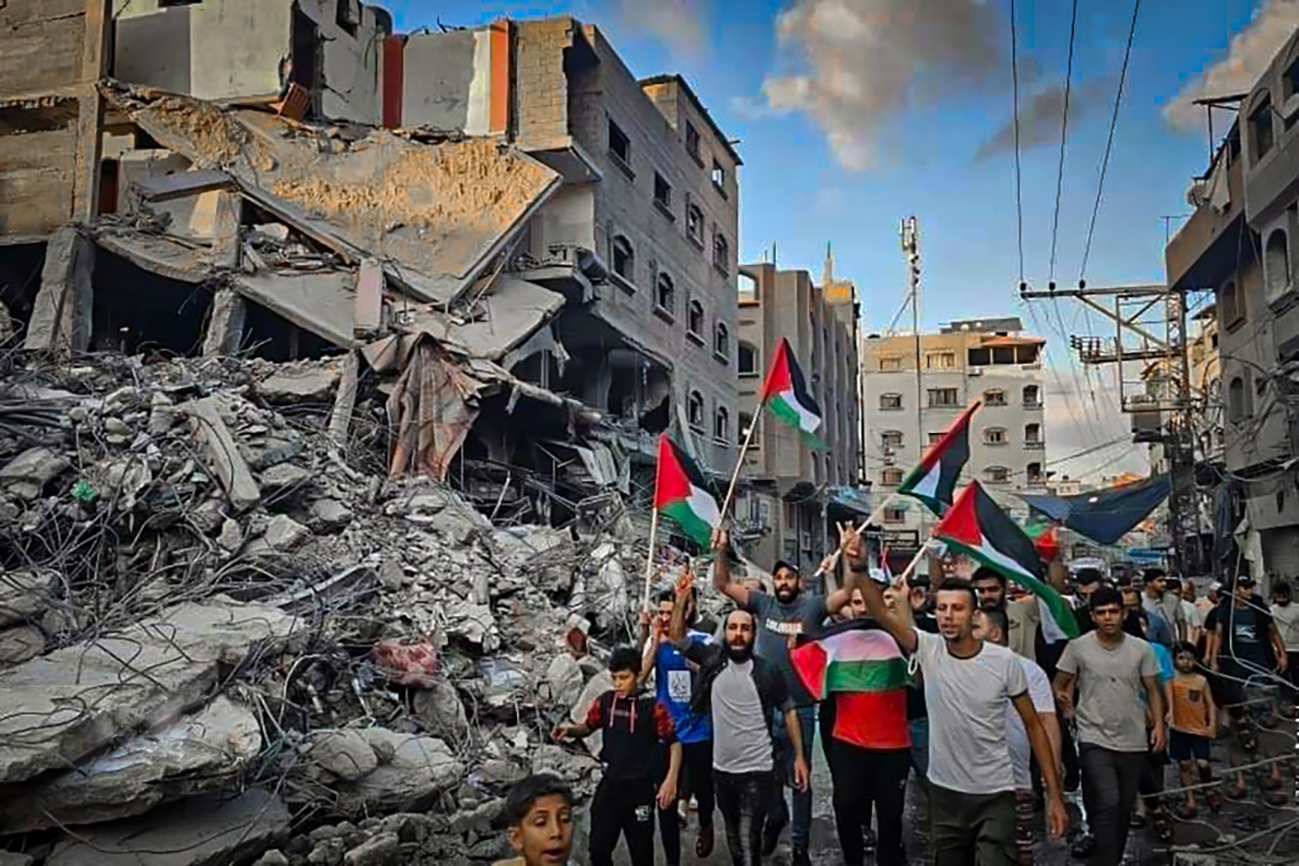
The collapse of Gaza and the failed response of the international community
UN agencies warn of imminent collapse as bombings, hunger and forced displacement continue.
BY Francesca Merlo | Vatican News
AFTER 21 MONTHS of Israeli offensive in Gaza, humanitarian agencies are warning of an imminent operational collapse. What little aid is being delivered to those remaining in the strip risks stopping entirely. Meanwhile, the civilian death toll is on the rise. On Sunday, the 13th of July, at least 95 Palestinians were killed in Israeli strikes, including children collecting water, and those visiting the market in Gaza City.
The United Nations Relief and Works Agency (UNRWA) has confirmed the death of yet another malnourished infant, as eight UN agencies signalled that without fuel, their lifesaving work may soon come to a halt. Gaza’s Health Ministry now reports over 58 000 deaths and 138 000 wounded since the war began on the 7th of October 2023.
The high and steadily rising death toll comes as no surprise, given that the Israeli military has intensified its bombardment. As of the morning of Monday, the 14th of July, it claimed more than 100 new air raids in the last 24 hours alone. Ground operations also continue across northern Gaza. Aid is scarce and attempts to collect it have proven deadly after two people were killed near an aid centre in Rafah on Sunday, the latest victims of many since the controversial US and Israeli-backed Gaza Humanitarian Foundation stepped in after other agencies were banned or blocked from entering the Strip.
The international community faces growing pressure to act. UNRWA head Philippe Lazzarini warned on the 11th of July that Gaza has become “the graveyard of children and starving people”, calling the aid blockade a “cruel and Machiavellian scheme to kill”.
Fears for the future of Rafah
International criticism is also growing over Israel’s controversial plan to build a “humanitarian city” in Rafah. The proposed encampment would house tens of thousands of displaced Palestinians on its ruins. According to Israeli media, construction could take more than a year and cost up to $15 billion.
Gaza has become “the graveyard of children and starving people”, calling the aid blockade a “cruel and Machiavellian scheme to kill” (Philippe Lazzarini, UNRWA head).
Former Israeli Prime Minister Ehud Olmert has publicly condemned the plan, calling it a form of ethnic cleansing. “It is a concentration camp,” he told the Guardian, warning that such a facility— where entry is forced and exit restricted—would strip Palestinians of their freedom and dignity under the guise of humanitarian care. Opposition leader Yair Lapid has echoed this concern, saying Israel risks irreparable moral damage.
Human rights groups and UN officials warn that the city would effectively imprison Palestinians without process or choice, turning aid infrastructure into a tool of control. The plan, they say, cannot be reconciled with international law or human dignity.
These are rights the world once swore to protect—hard-won in the wake of colonial rule, apartheid, and two devastating world wars. They are enshrined in the founding of the United Nations, in the Universal Declaration of Human Rights, and in the shared hope that never again would entire populations be subjected to such systematic dehumanisation. However, in Gaza today, those promises continue to be broken.
Churches of the Global South call for climate justice and protection of our common home
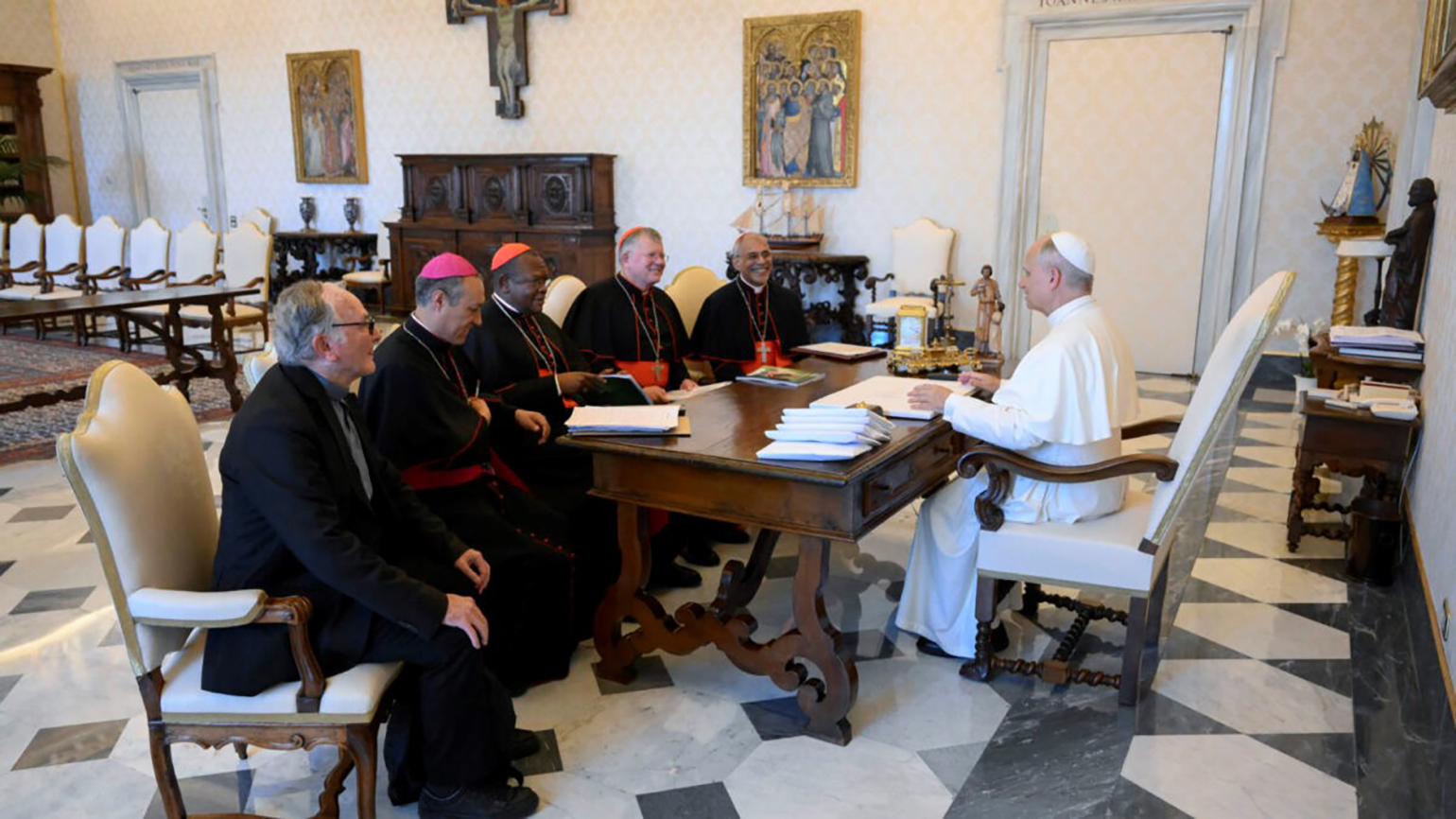
Catholic Bishops from the Conferences and Councils of Africa, Asia, Latin America and the Caribbean, published a strong joint appeal ahead of COP30 (available at: secam.org) on July 1, 2025. Under the label of “A call for climate justice and the common home: Ecological conversion, transformation and resistance to false solutions”, this appeal was released during a press conference held at the Holy See Press Office, Vatican City.
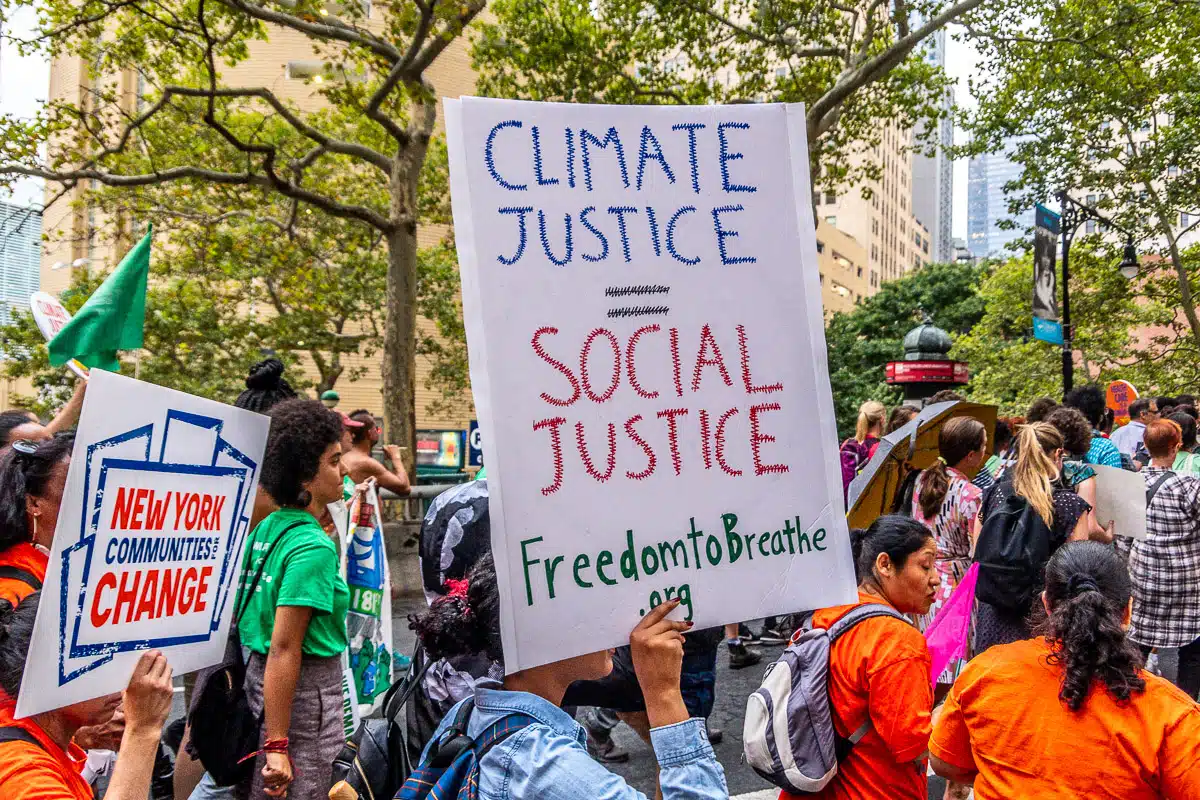
TURNING HOPE INTO ACTION -COP30: Religious Life for climate justice
As part of the Jubilee of Hope and the 10th anniversary of Laudato Si’, Catholic communities around the world, responding to the climate crisis with eyes set on COP30 in Brazil, are calling for urgent action, inviting us to sign the following statement.
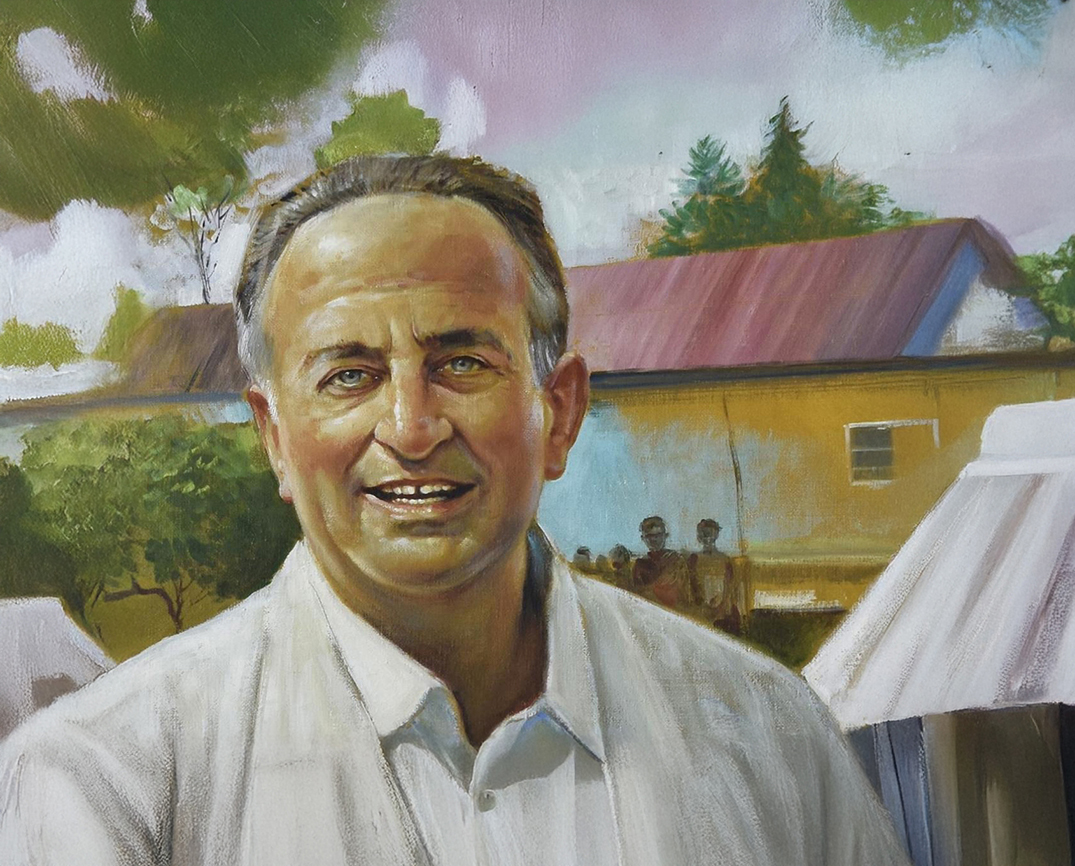
A hospital for over 50 000 patients in Kalongo
The heavy slab slowly shifts. Below, an empty space. Then, the coffin. But, surprise: just above, a honeycomb brimming with honey. Agronomists can’t explain its presence. Some among the faithful speak of a divine sign. The discovery is astonishing, because that tomb is the burial site of Giuseppe Ambrosoli, a doctor and Comboni missionary beloved in Uganda, beatified in 2022, and a member of the most famous honey-producing family in Italy: the Ambrosolis.

Africans survived 10 000 years of climate changes by adapting food systems: Lessons for modern times
Imagine Living in a place where a single drought, hurricane, or mudslide can wipe out your food supply. Across Africa, many communities do exactly that—navigate climate shocks like floods, heatwaves, and failed harvests.