
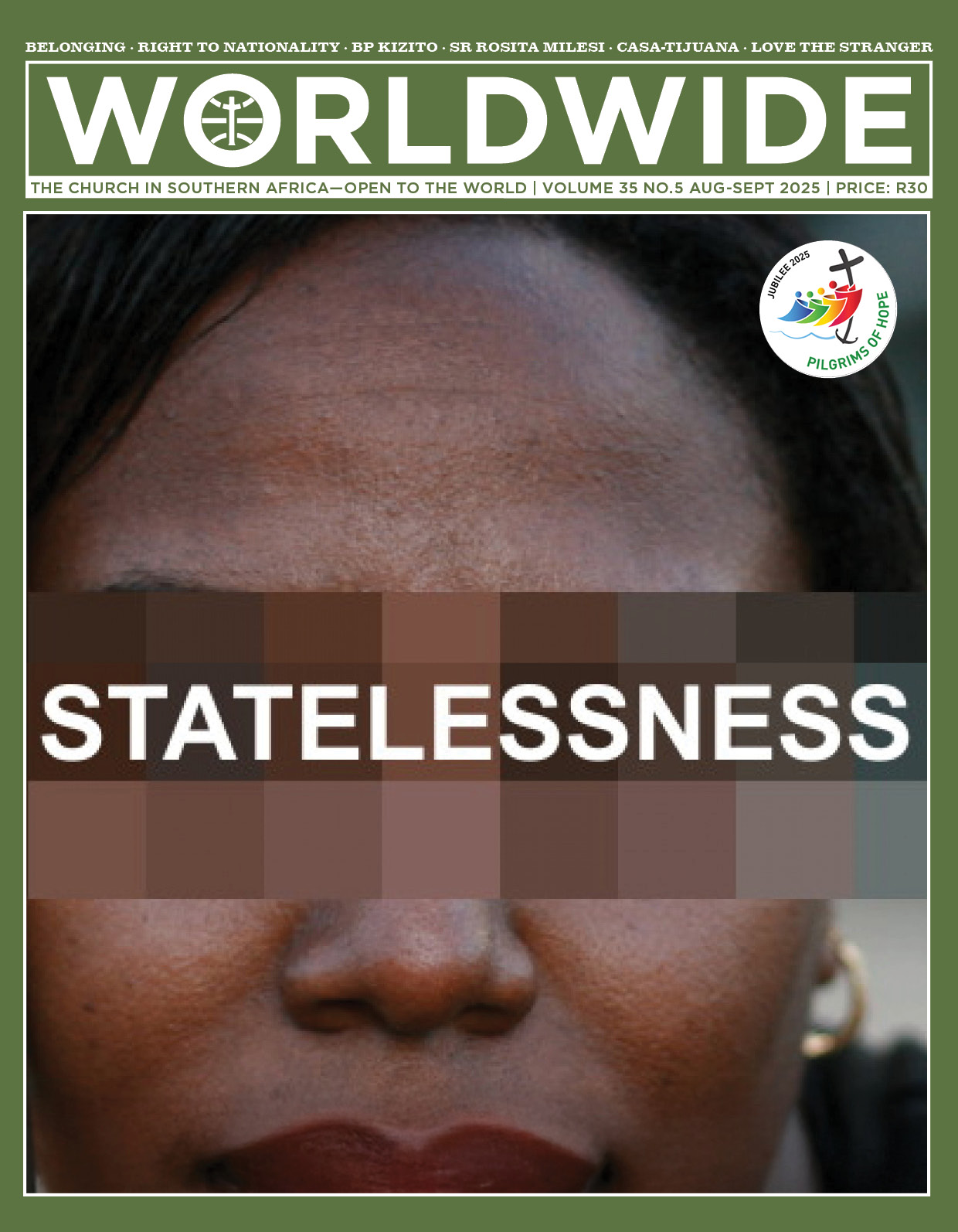
STATELESSNESS
Stateless people from all over the world live in situations of limbo, lacking a nationality, which prevents them access to the basic rights of any citizen of a country. The causes of statelessness are varied, including bureaucratic obstacles, but they all result in the deprivation of the dignity deserved by any human being. This underlines the importance of lobbying to end statelessness in the world.
RADAR
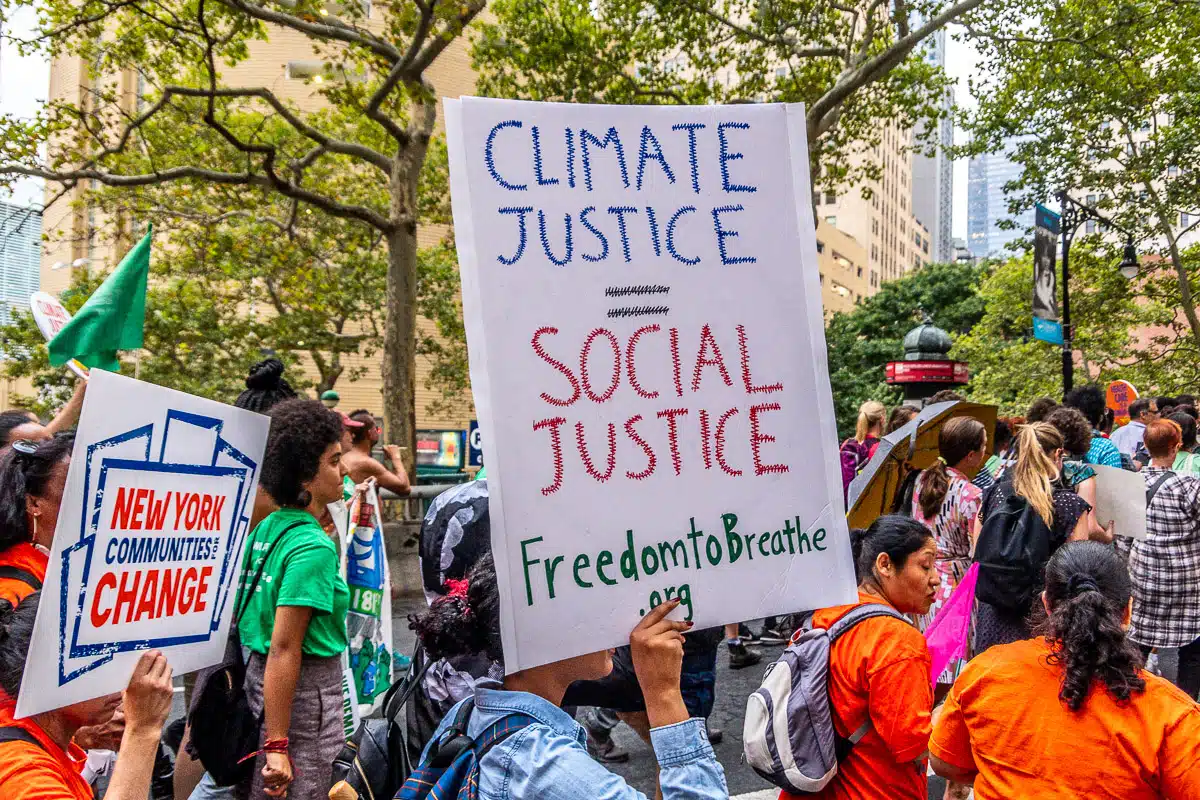
TURNING HOPE INTO ACTION -COP30
Religious Life for climate justice
As part of the Jubilee of Hope and the 10th anniversary of Laudato Si’, Catholic communities around the world, responding to the climate crisis with eyes set on COP30 in Brazil, are calling for urgent action, inviting us to sign the following statement.
BY Statement and National Contributions Campaign | Your Excellency Head of Government /Minister of Environment /Head of the Delegation to COP30
I AM deeply worried about the current climate crisis. Its most serious effects are already being felt worldwide—destroying communities, threatening coastal areas due to rising sea levels, and putting livelihoods at risk through ecosystem collapse.
I believe we are not doing enough to address this urgent crisis, and we must promote concrete actions on the path to COP30. We need to learn from past mistakes, such as delays in phasing out fossil fuels, rushed last-minute agreements, and unfulfilled financial commitments regarding climate.
Our government must acknowledge the climate emergency and act with the urgency it requires.
In this spirit and having recently endorsed the Statement of the “Religious Life for Climate Justice Campaign, Turning Hope into Action,” along with its policy brief (www.ecojesuit.com/cop30), I urge you to consider—both when revising our country’s Nationally Determined Contributions (NDCs) and in the negotiation positions for COP30—the key calls of this campaign:
- Cancel the debts of poor countries, as unjust and unpayable debts should not compromise the resources needed for climate adaptation and mitigation efforts.
- Strengthen the Loss and Damage Fund (LDF) by allocating sufficient resources to respond to the severe impacts of climate change.
- Set targets for a just energy transition that reduces CO2 emissions, acknowledges historical responsibility, respects human rights—especially Indigenous rights—values and protects nature, and prioritizes sustainable livelihoods over profit-driven models.
- Set clear goals to build a global food system based on food sovereignty and agroecological practices, promoting culturally appropriate methods for food production, processing, distribution, and consumption.
You can sign the Statement at ecojesuit.com
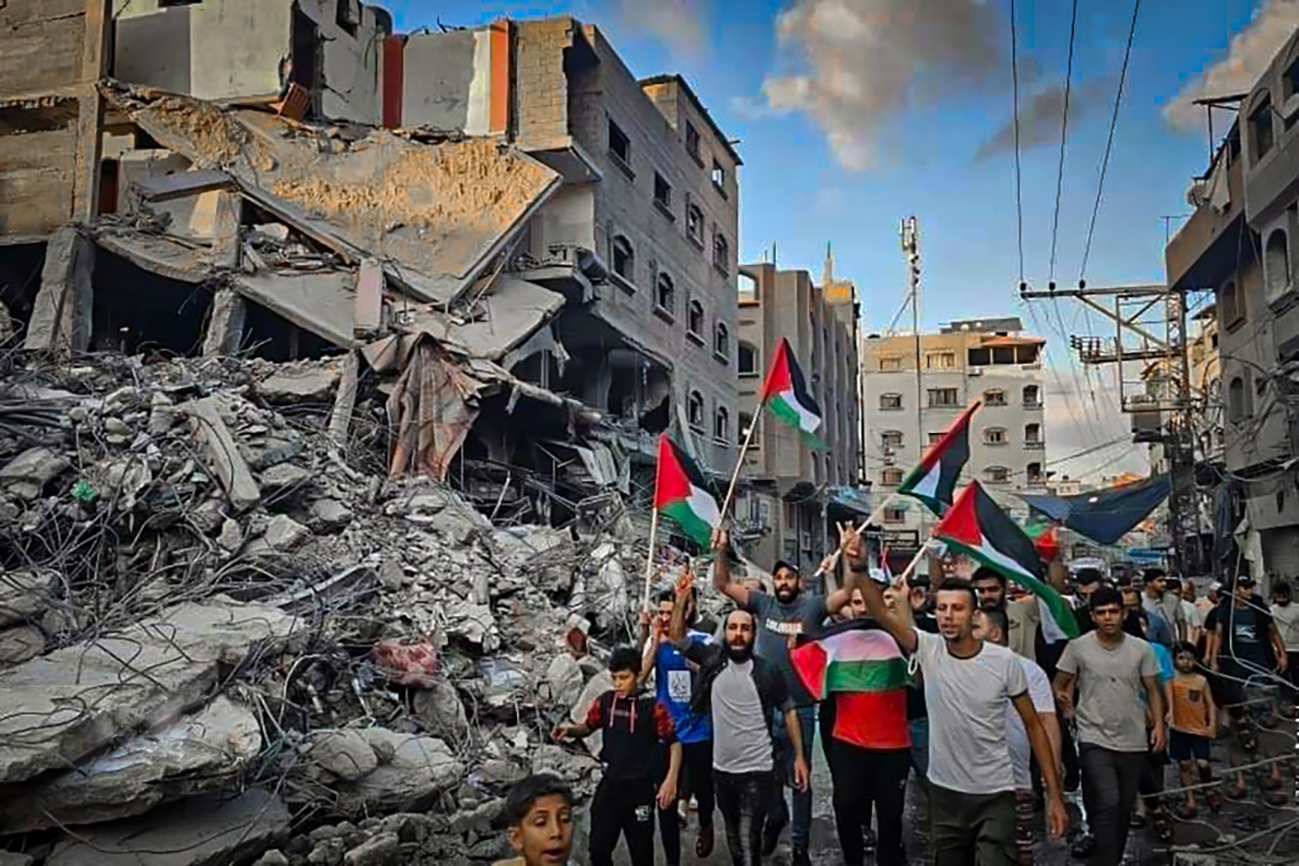
The collapse of Gaza and the failed response of the international community
UN agencies warn of imminent collapse as bombings, hunger and forced displacement continue.
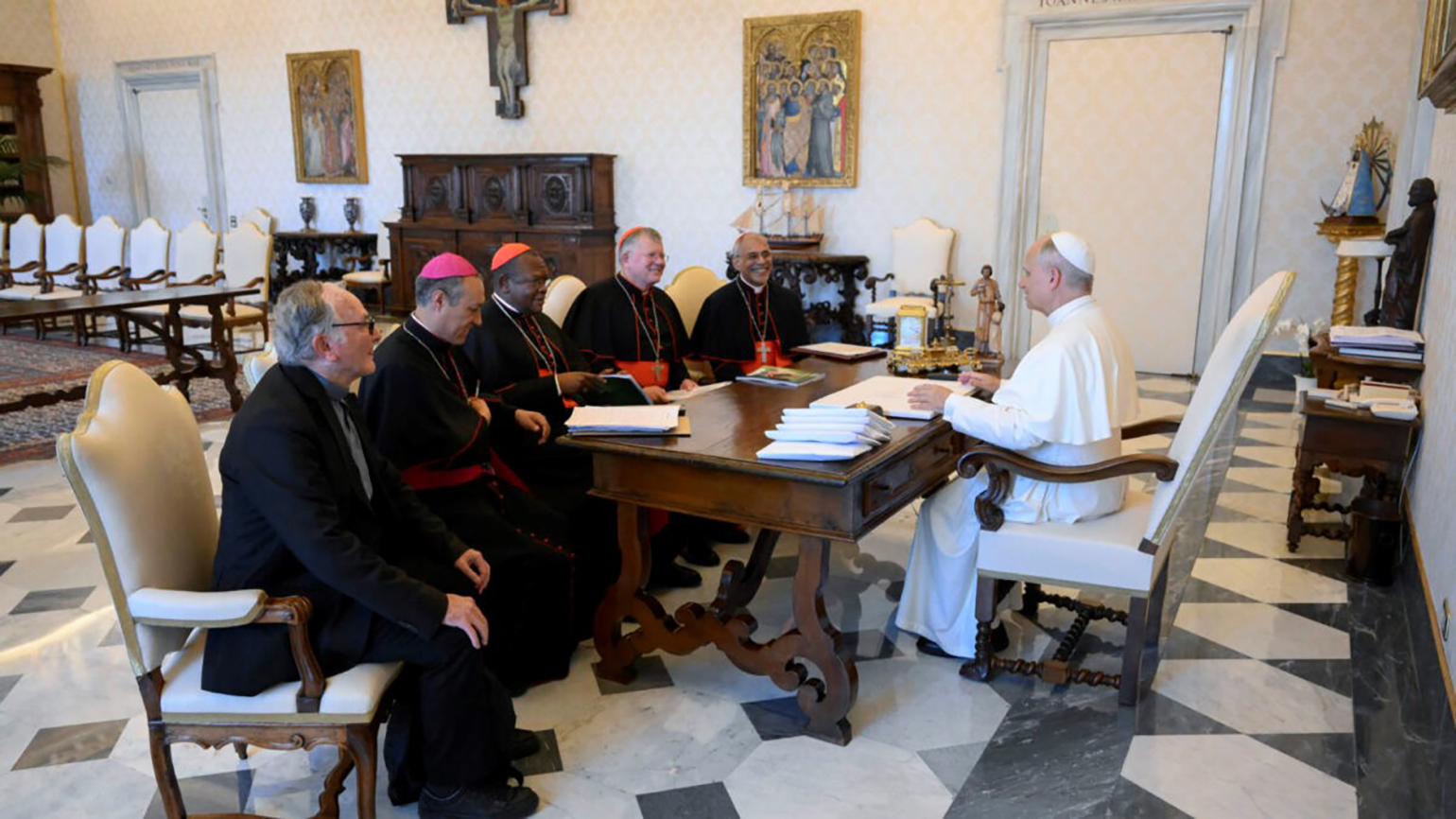
Churches of the Global South call for climate justice and protection of our common home
Catholic Bishops from the Conferences and Councils of Africa, Asia, Latin America and the Caribbean, published a strong joint appeal ahead of COP30 (available at: secam.org) on July 1, 2025. Under the label of “A call for climate justice and the common home: Ecological conversion, transformation and resistance to false solutions”, this appeal was released during a press conference held at the Holy See Press Office, Vatican City.
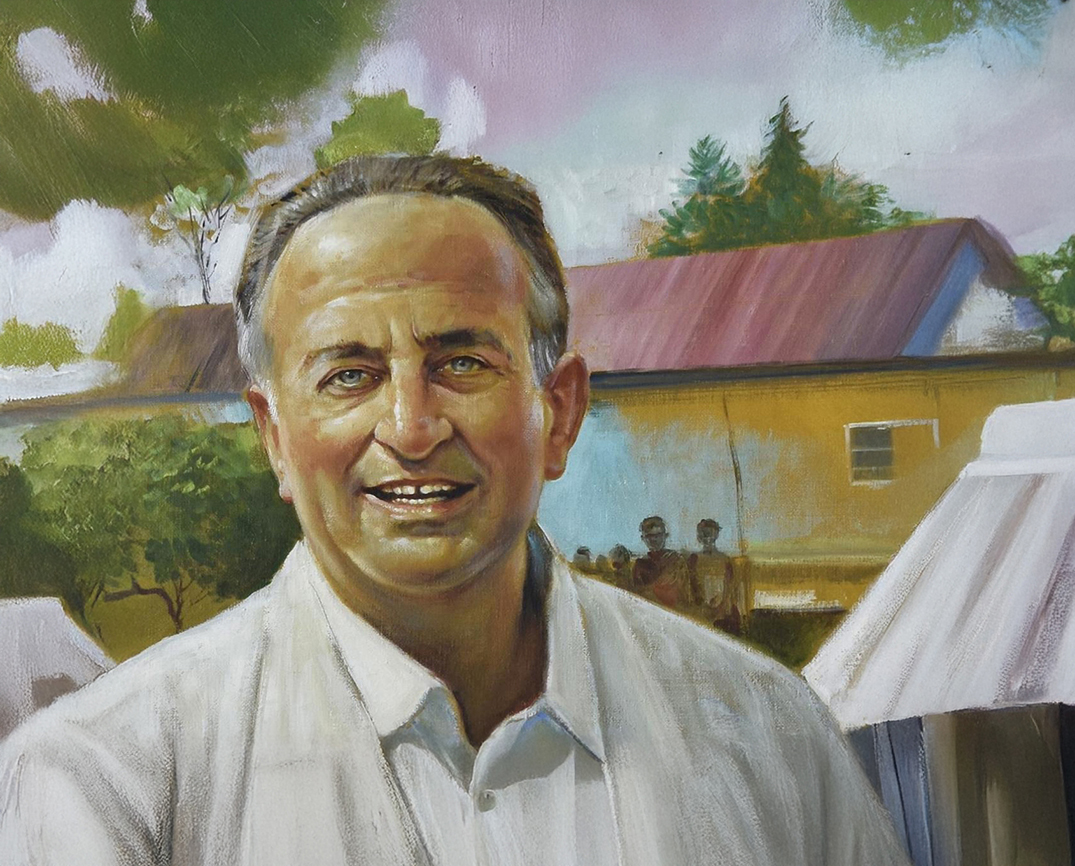
A hospital for over 50 000 patients in Kalongo
The heavy slab slowly shifts. Below, an empty space. Then, the coffin. But, surprise: just above, a honeycomb brimming with honey. Agronomists can’t explain its presence. Some among the faithful speak of a divine sign. The discovery is astonishing, because that tomb is the burial site of Giuseppe Ambrosoli, a doctor and Comboni missionary beloved in Uganda, beatified in 2022, and a member of the most famous honey-producing family in Italy: the Ambrosolis.

Africans survived 10 000 years of climate changes by adapting food systems: Lessons for modern times
Imagine Living in a place where a single drought, hurricane, or mudslide can wipe out your food supply. Across Africa, many communities do exactly that—navigate climate shocks like floods, heatwaves, and failed harvests.