
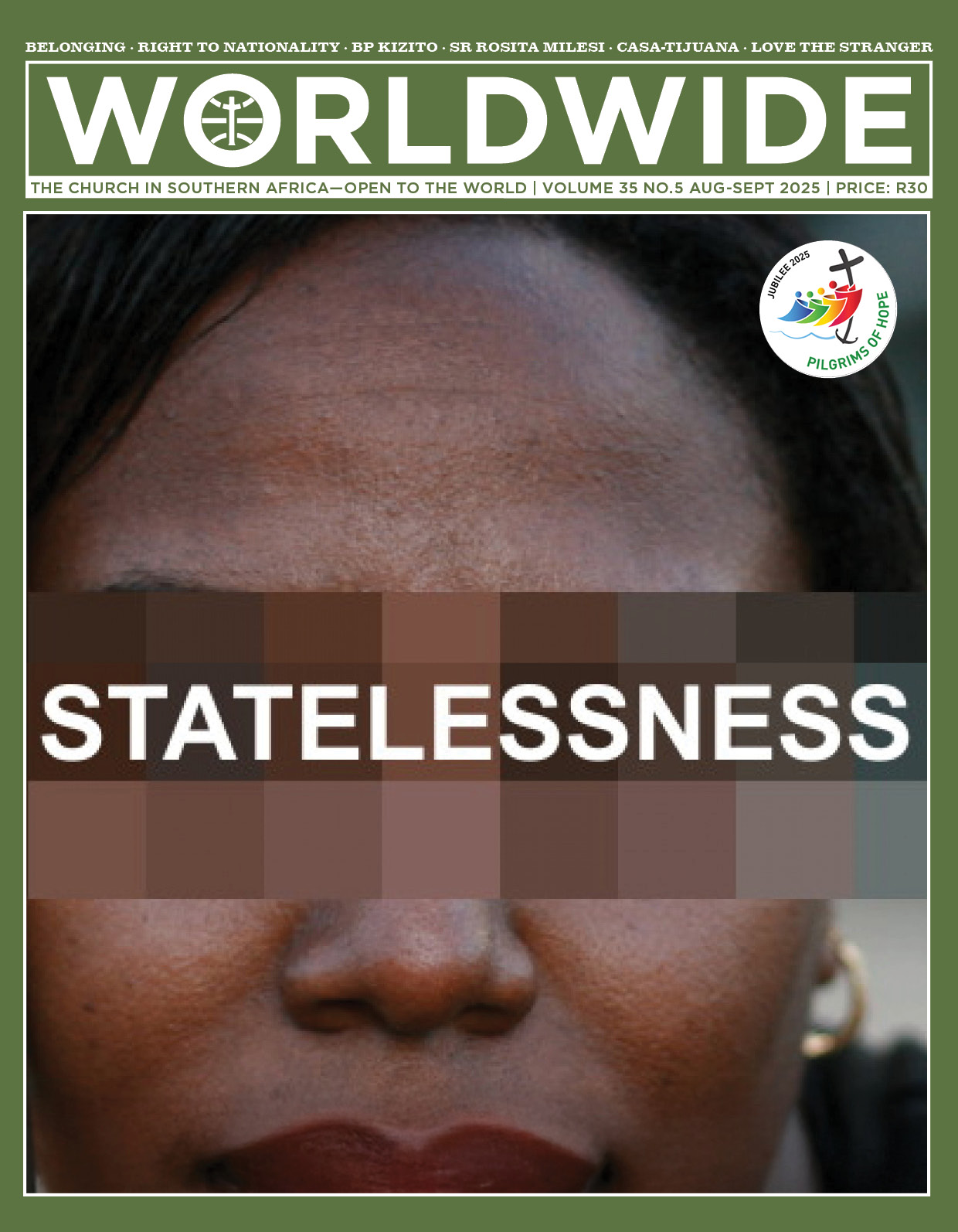
STATELESSNESS
Stateless people from all over the world live in situations of limbo, lacking a nationality, which prevents them access to the basic rights of any citizen of a country. The causes of statelessness are varied, including bureaucratic obstacles, but they all result in the deprivation of the dignity deserved by any human being. This underlines the importance of lobbying to end statelessness in the world.
RADAR • UGANDA
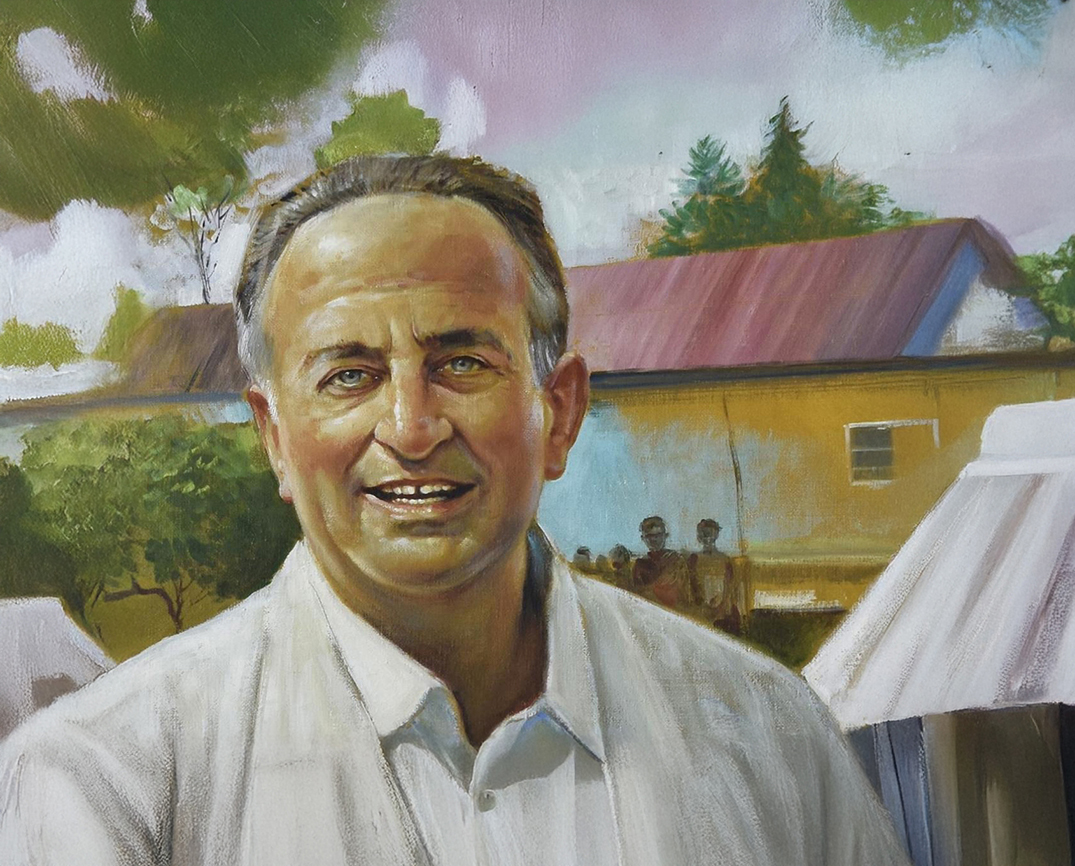
A hospital for over 50 000 patients in Kalongo
The heavy slab slowly shifts. Below, an empty space. Then, the coffin. But, surprise: just above, a honeycomb brimming with honey. Agronomists can’t explain its presence. Some among the faithful speak of a divine sign. The discovery is astonishing, because that tomb is the burial site of Giuseppe Ambrosoli, a doctor and Comboni missionary beloved in Uganda, beatified in 2022, and a member of the most famous honey-producing family in Italy: the Ambrosolis.
BY Enrico Casale
IT’S DIFFICULT, in situations like these, to define the boundary with science. I see this discovery once again as a tangible sign of the infinite and loving work that Father Giuseppe left us, and which reminds us to look after others, to stand by those most in need, and to build a better life for future generations,” says Giovanna Ambrosoli, the missionary’s granddaughter and president of the Ambrosoli Foundation.
Following the Combonian’s lead, the Ambrosoli Foundation continues to work alongside the poorest in Kalongo, a town in northern Uganda, where Fr Giuseppe directed the hospital from 1959 until his death in 1987. “He was a simple man, but full of courage and faith. He didn’t speak much, but he did so much,” Giovanna recalls. A rare example of consistency: a doctor who chose to live and die alongside the poor, and who today continues to save lives through his work, grounded in love and dedication.
Each year, the hospital treats over 50 000 patients, many of them women and children. The midwifery school, now named after him, trains young professionals who remain in the community, helping to reduce maternal and infant mortality. For three years, the facility has also been caring for people with disabilities, thanks to the “You Are Not Alone” project, funded by the Italian Agency for Development Cooperation.
People living with disabilities
In the Agago District, where Kalongo is located, 22 % of the population has a disability. In the Acholi Region, 24.7 % of those with disabilities between the ages of 6 and 24, have dropped out of school, while 11 % have never enjoyed formal education.
“The project aims to address disability in three key areas—mental, ophthalmological, and orthopaedic/neuromotor—in a context where stigma and neglect are still the norm,” observes Giovanna Ambrosoli. “Disability, often invisible and silenced, is still a source of social marginalization in many Ugandan villages. Once upon a time, people with disabilities were hidden or, in the worst cases, eliminated. Today the situation is slowly changing thanks to an intervention model that combines prevention, diagnosis, treatment, and awareness.”
Among the most significant achievements is the establishment of an eye clinic at Kalongo Hospital, which also offers screenings for diabetes, a condition that often causes vision problems. In collaboration with CBM Italia and Saint Joseph Hospital in Kitgum, approximately 1 589 eye exams and 469 eye surgeries were performed in 2024 alone.
The project also opened a physiotherapy centre to treat orthopaedic and neuromotor disabilities, often due to accidents, malformations, or war trauma (4 036 services). Thanks to training at the CoRSU hospital in Entebbe, cases requiring specialized paediatric interventions have—since the beginning of 2025—been able to benefit directly from rehabilitation surgery in Kalongo.
Success in mental health
“However, it is on the mental health front, that the initiative has had one of its most evident impacts. The Agago district had one of Uganda’s highest suicide rates, a legacy of the trauma of the long civil war and geographic isolation. In 2024, 1 597 patients with psychiatric disorders were treated. The constant presence of specialized personnel, drug therapies, and family counselling and outreach activities in the villages have led to a surprising result: the mortality rate in hospitalizations for attempted suicide has dropped from 13% to none,” says Giovanna.
The project is accompanied by awareness-raising activities through local radio stations, talk shows, parishes, and photo essays, with the aim of combating stigma and educating communities about the importance of diagnosis and treatment. “We are working on a communication and awareness initiative in Italy, through which we want to document what it means to live with a disability in a rural African context. Our commitment continues, following the example of Fr Giuseppe,” Giovanna concludes.
Source: L’Osservatore Romano/comboni.org
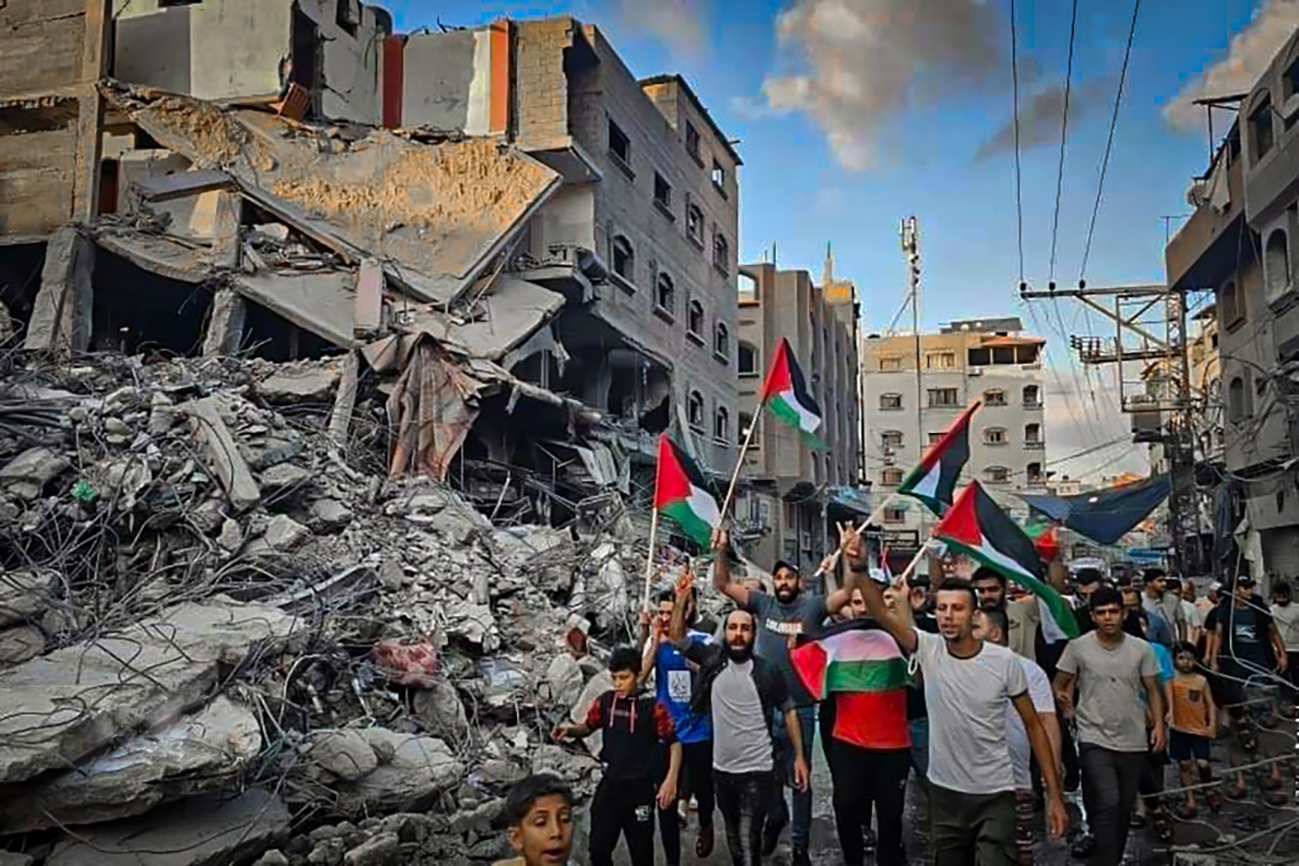
The collapse of Gaza and the failed response of the international community
UN agencies warn of imminent collapse as bombings, hunger and forced displacement continue.

Churches of the Global South call for climate justice and protection of our common home
Catholic Bishops from the Conferences and Councils of Africa, Asia, Latin America and the Caribbean, published a strong joint appeal ahead of COP30 (available at: secam.org) on July 1, 2025. Under the label of “A call for climate justice and the common home: Ecological conversion, transformation and resistance to false solutions”, this appeal was released during a press conference held at the Holy See Press Office, Vatican City.
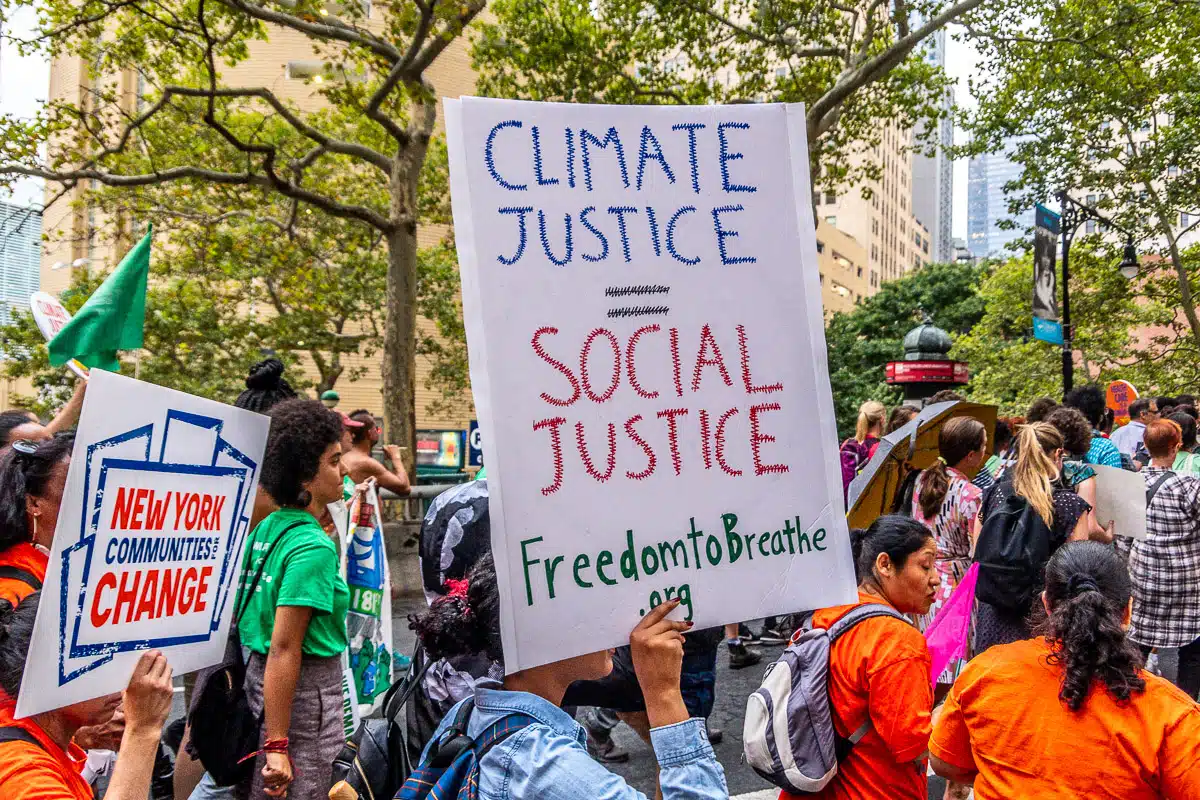
TURNING HOPE INTO ACTION -COP30: Religious Life for climate justice
As part of the Jubilee of Hope and the 10th anniversary of Laudato Si’, Catholic communities around the world, responding to the climate crisis with eyes set on COP30 in Brazil, are calling for urgent action, inviting us to sign the following statement.
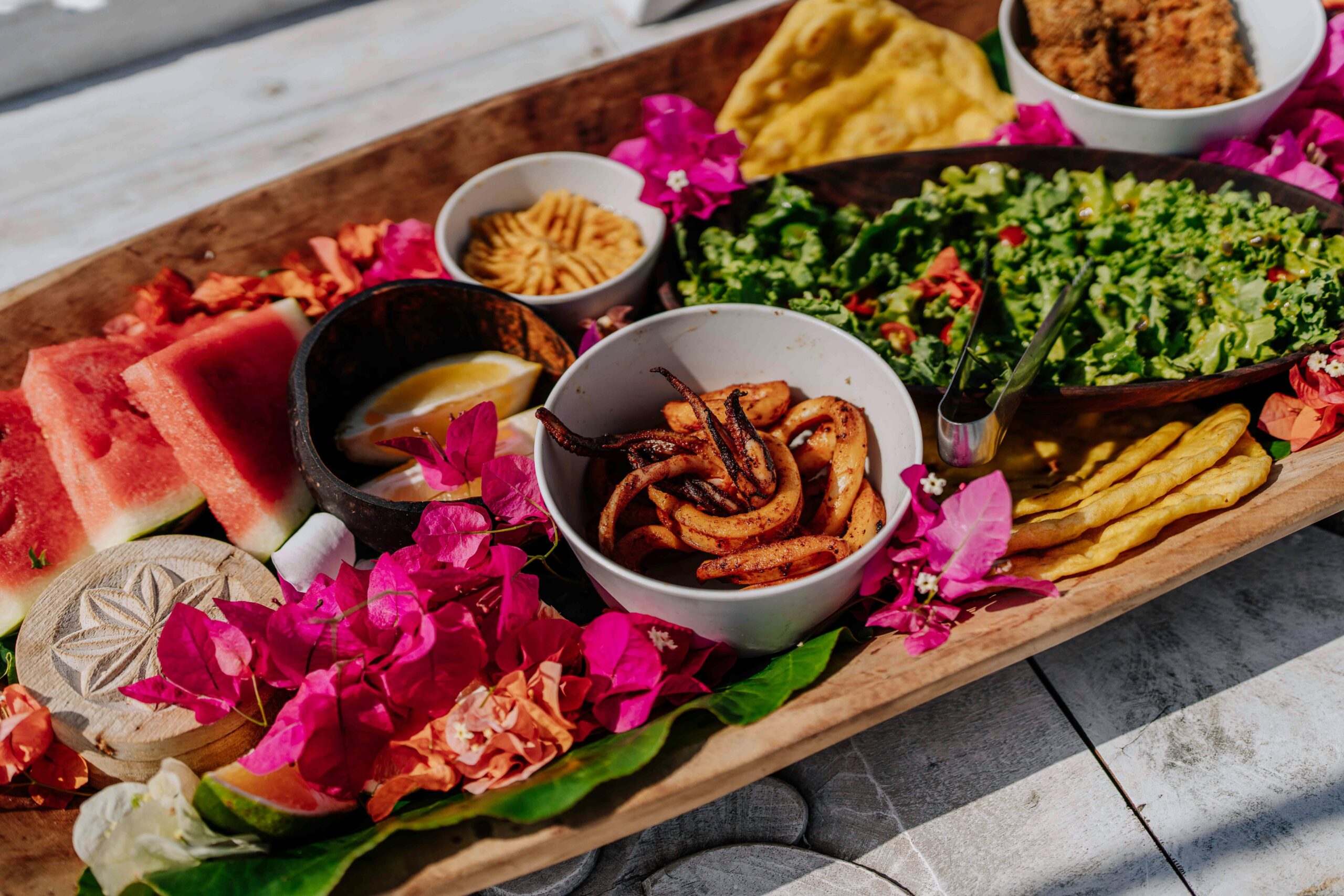
Africans survived 10 000 years of climate changes by adapting food systems: Lessons for modern times
Imagine Living in a place where a single drought, hurricane, or mudslide can wipe out your food supply. Across Africa, many communities do exactly that—navigate climate shocks like floods, heatwaves, and failed harvests.