
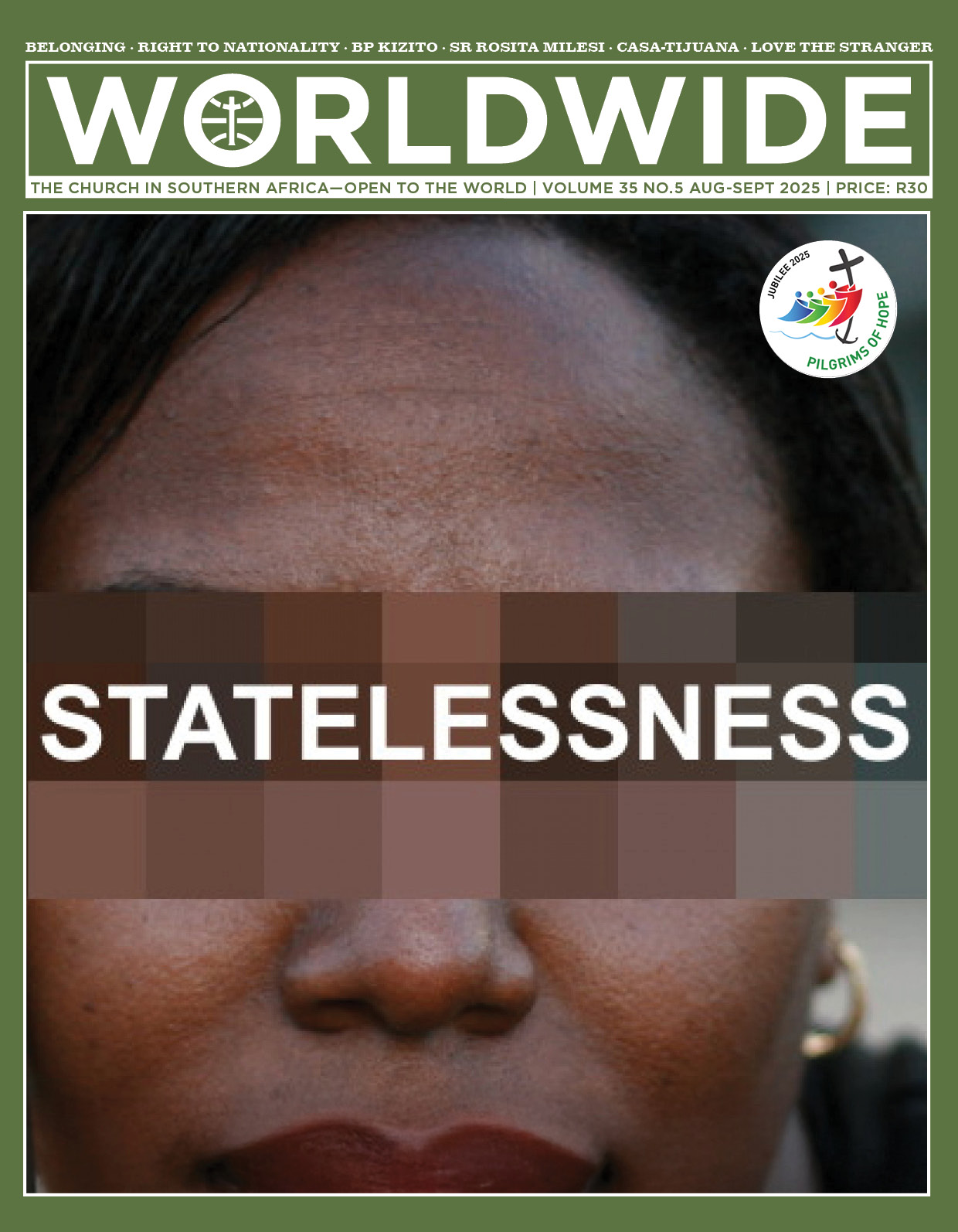
STATELESSNESS
Stateless people from all over the world live in situations of limbo, lacking a nationality, which prevents them access to the basic rights of any citizen of a country. The causes of statelessness are varied, including bureaucratic obstacles, but they all result in the deprivation of the dignity deserved by any human being. This underlines the importance of lobbying to end statelessness in the world.
INSIGHTS • STATELESSNESS
A life without rights
The contested discussion around statelessness, according to the author of this article, seems to be very well captured in the words of Abdul Ahad Khan Sulayman: “A stateless person is like the wingless bird. It has the capacity to fly but doesn’t have the wings to fly.”
BY Fr Peter-John Pearson | Director of the SACBC Parliamentary Liaison Office, Cape Town
STATELESSNESS is commonly understood as a situation in which a person is lacking the nationality of any country. The international legal definition of a stateless person is ‘a person who is not considered as a national of any state under its operation of the law.’ Put another way, state recognition is important because the state is mostly the source and custodian of human rights and the safeguards that give life security and purpose. It is clear from these definitions that even a most basic reading underlines that stateless people would, in most circumstances, be very vulnerable as targets for exploitation and discrimination, especially since they have very little access to remedial rights. Indeed, they face obstacles and have difficulty in accessing even the most basic of human rights, such as education, health, freedom of movement, and employment. This in turn morphs into more substantial exclusions from most of what gives life even a minimum amount of decency. In theological terms it equates to the diminishment of dignity. These practices offend the most basic principle of Catholic Social Teaching.
Statistics
In South Africa, where there are no dedicated mechanisms for identifying stateless persons and thus for compiling accurate statistics for this group, there are an estimated 10 000 -20 000 stateless persons. If one accepts an extended definition, which includes undocumented and unregistered persons, the number would probably increase to hundreds of thousands. Worldwide, the figure is thought to be around ten million people. This statistical discrepancy opens a space for misinformation, conspiracy theories, and especially xenophobic narratives, to the detriment of any social cohesion. Poor processing and collection of birth registration, shortcomings in policy and legislation, a lack of political will, and bureaucratic obstacles, as well as discriminatory provisions in national laws, all exacerbate and consolidate a culture of exclusion and vulnerability.
Deprivation of essential rights
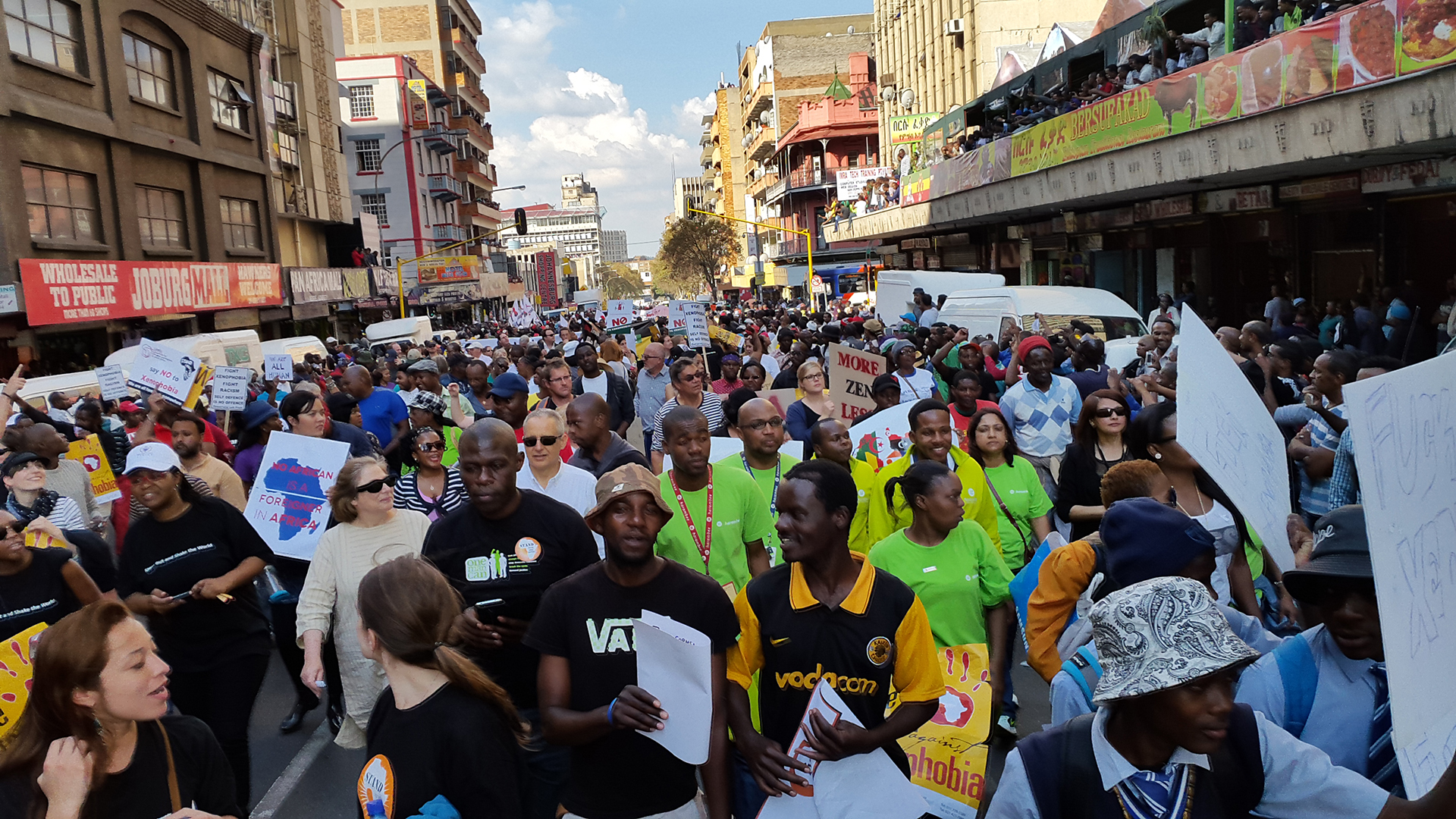
Again in South Africa, notwithstanding Constitutional guarantees, specific legal injunctions and Ministerial directives, stateless persons are still barred from accessing education and basic health care, on the grounds of lack of proper documentation. (Although not all undocumented persons are stateless, the lack of documentation increases the likelihood of statelessness). A considerable number of stateless persons in South Africa are children born here to undocumented parents. The child’s birth certificate, in that case, will not have an ID number, and the child’s citizenship will then depend on the parent’s citizenship and immigration status. If this is not resolved, an intergenerational cycle of statelessness is possible, characterized by continual exclusion and numerous obstacles. It is clear that statelessness is a combination of many factors, including unaddressed areas and inconsistencies in nationality laws, restrictive birth registration requirements, and challenges faced by displaced persons. Discrimination against foreigners and the lack of safeguards in nationality laws add to the causes of statelessness.
Stateless children
The long-standing position described above was the subject of a ruling by a South African court in April 2025, where it was held that such children were entitled to South African citizenship if born in the country and unable to claim citizenship elsewhere. This decision applies specifically to children of refugee parents. Upon registration of their birth, they are considered South African citizens. This decision could well herald a new step in resolving the vexed question of statelessness, especially for children. However, it needs to be worked at together with identifying weaknesses in policy and legislation, entrenched discriminatory practices, easier access to documentation, and resolving long-standing bureaucratic obfuscations. Political will and cohesive policies are needed to make these processes happen justly and efficiently. And finally, it needs to be said that as long as this system remains flawed, it will always have the very real potential to nurture xenophobic behaviour, discriminatory practices and a culture of exclusion. This is in no one’s interest.
ANY HOPE FOR OUR YOUTH?
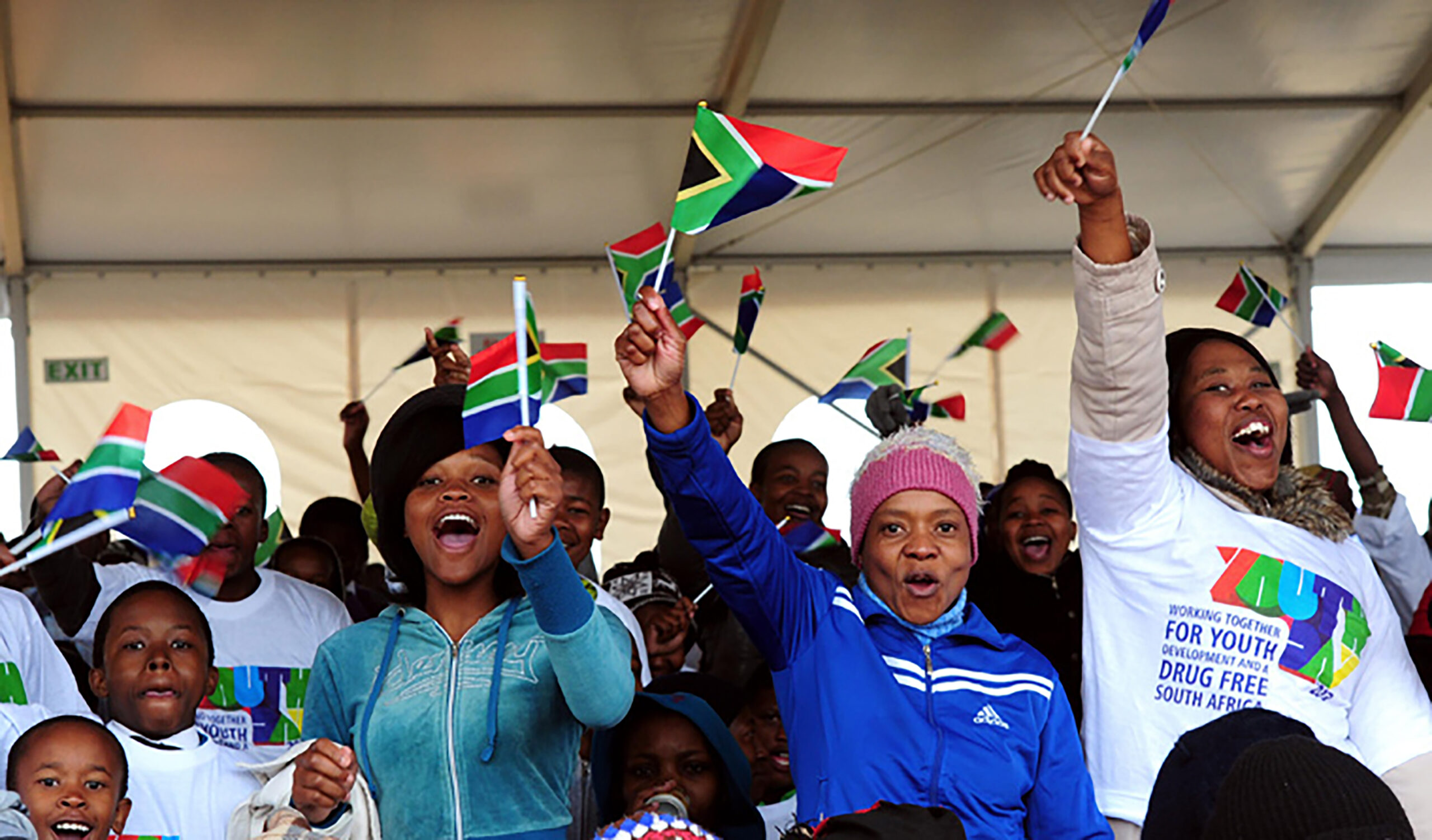
As we approach next year’s 50th anniversary of the June 16th Soweto uprising, in which the young people of the townships revolted against the apartheid education system and set the country on the road to eventual freedom, it is shocking to realise just how badly South Africa’s youth have fared in the years of democracy.