
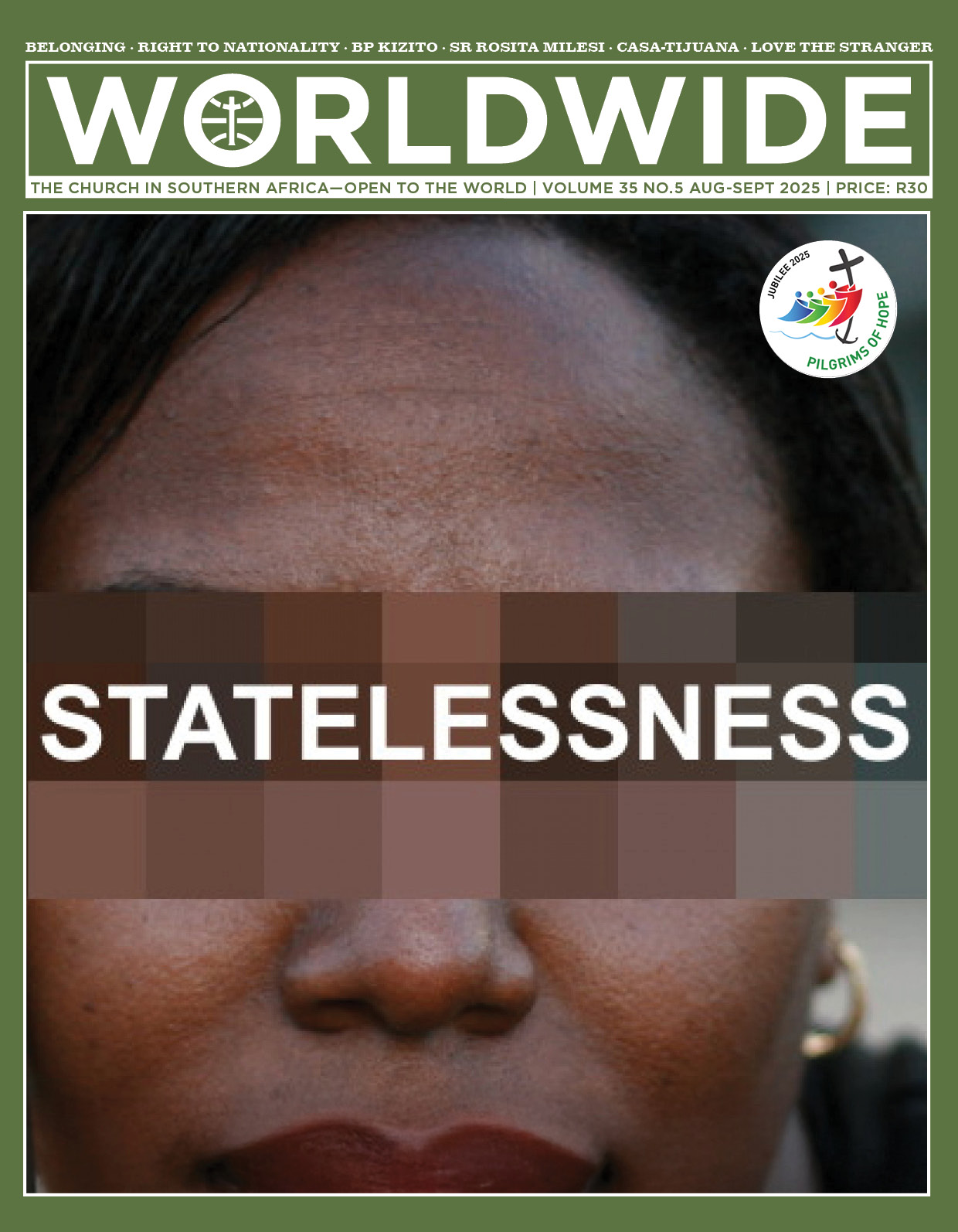
STATELESSNESS
Stateless people from all over the world live in situations of limbo, lacking a nationality, which prevents them access to the basic rights of any citizen of a country. The causes of statelessness are varied, including bureaucratic obstacles, but they all result in the deprivation of the dignity deserved by any human being. This underlines the importance of lobbying to end statelessness in the world.
FOCUS • NO HUMAN BEING IS ILLEGAL
‘Welcoming, protecting, promoting and integrating’ in the light of the Gospel
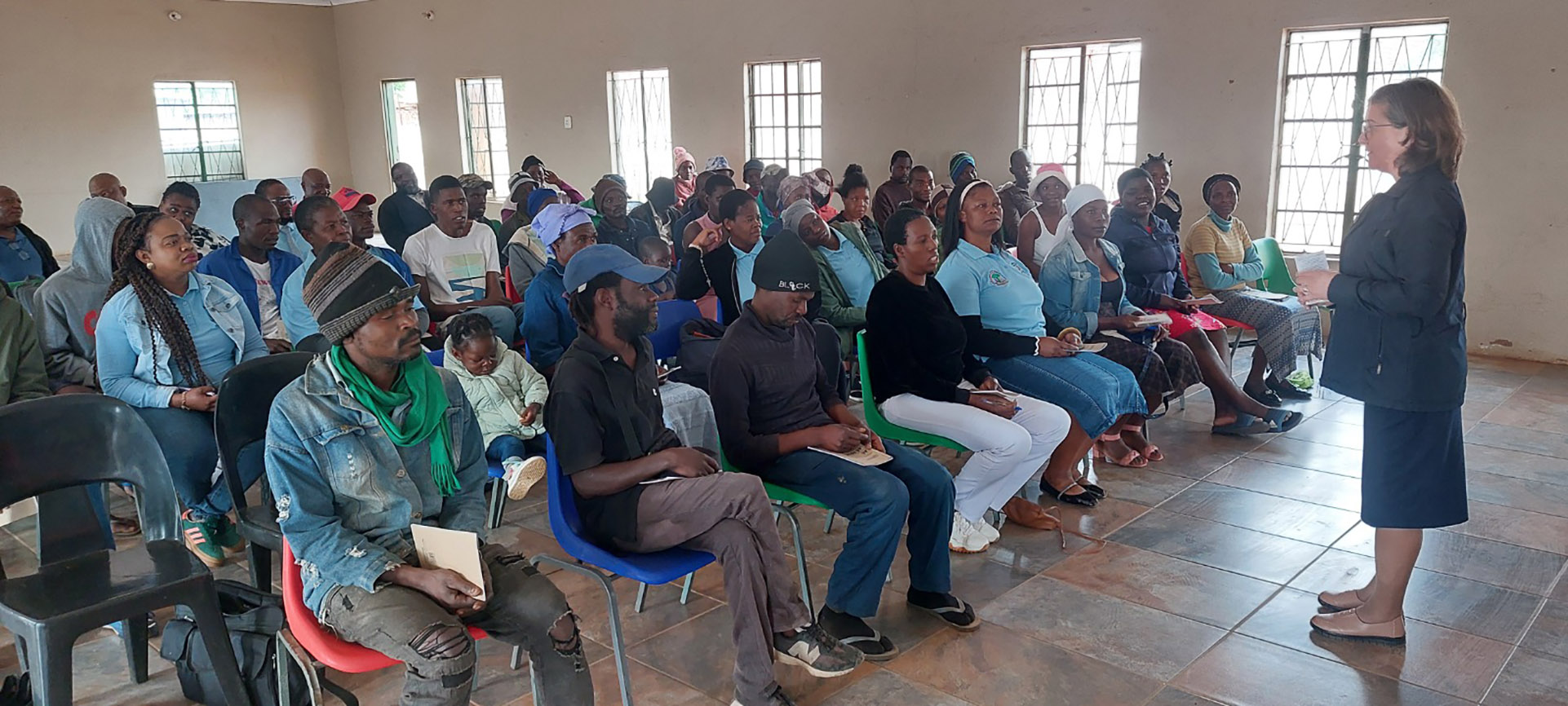
The Migrants, Refugees and Human Trafficking Office of the South African Catholic Bishops’ Conference (SACBC), in collaboration with other organizations, has committed itself to combat statelessness. Workshops and formation offered to social and religious leaders in different Dioceses, and a registration process for those deprived of any citizenship, have proven to be effective paths to restore the dignity and human rights of these vulnerable groups.
BY Sr Neide Lamperti, MSCS | Scalabrinian Missionary, Coordinator of the SACBC’s Migrants, Refugees and Human Trafficking Office, Pretoria
NO HUMAN BEING is illegal” is the fundamental principle that guides the mission of the Church in Southern Africa in the face of the realities of forced migration, statelessness and exclusion. Inspired by the Gospel and the Social Doctrine of the Church, the SACBC reaffirms that every person is created in the image and likeness of God (cf. Gen 1:27) and a member of the Body of Christ (cf. Gal 3:28), regardless of his or her documentation status. This understanding guides its prophetic work of welcoming, protecting, promoting and integrating the most vulnerable, in line with the constant reminder of our beloved late Pope Francis.
If every person has an innate dignity, as the Christian faith teaches, it is logical that they also have the right to seek dignified living conditions in other territories, as stated in the Universal Declaration of Human Rights (Art. 13), which recognizes that every human being has the right to leave any country, including their own, and to later return to it. The Church’s Social Doctrine also recognizes that the causes of migration are often linked to the search for dignity, security and survival.
Initiatives to end statelessness
Based on these principles, the SACBC has developed various strategies to combat statelessness, a silent challenge which affects those without legal recognition by any country. Their lack of documentation makes it impossible to access health, education and work, perpetuating the cycle of marginalization. For this reason, the Church has acted firmly, denouncing exclusionary systems, creating spaces of welcome and offering pastoral and legal support.
Social and religious leaders’ gatherings
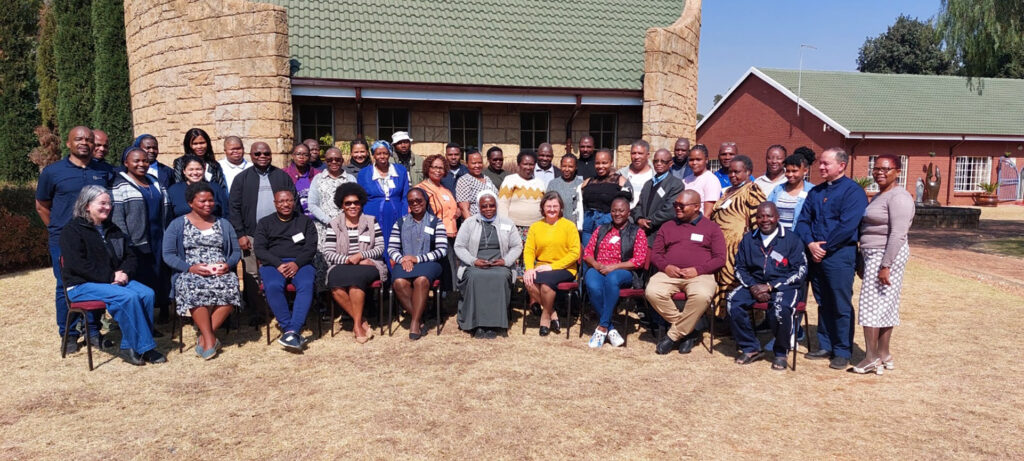
One of the most significant initiatives is the facilitation of meetings of multi-religious and social leaders, organized by the dioceses and the SACBC’s Migrants, Refugees and Human Trafficking Office. These meetings aim to mobilize leaders in strategic positions to discuss, reflect, act and promote interreligious dialogue, strengthening solidarity and articulating concrete joint responses to statelessness. Religious pluralism directs these meetings. Different faith traditions meet in order to build bridges through listening, cooperation and planning of concrete actions.
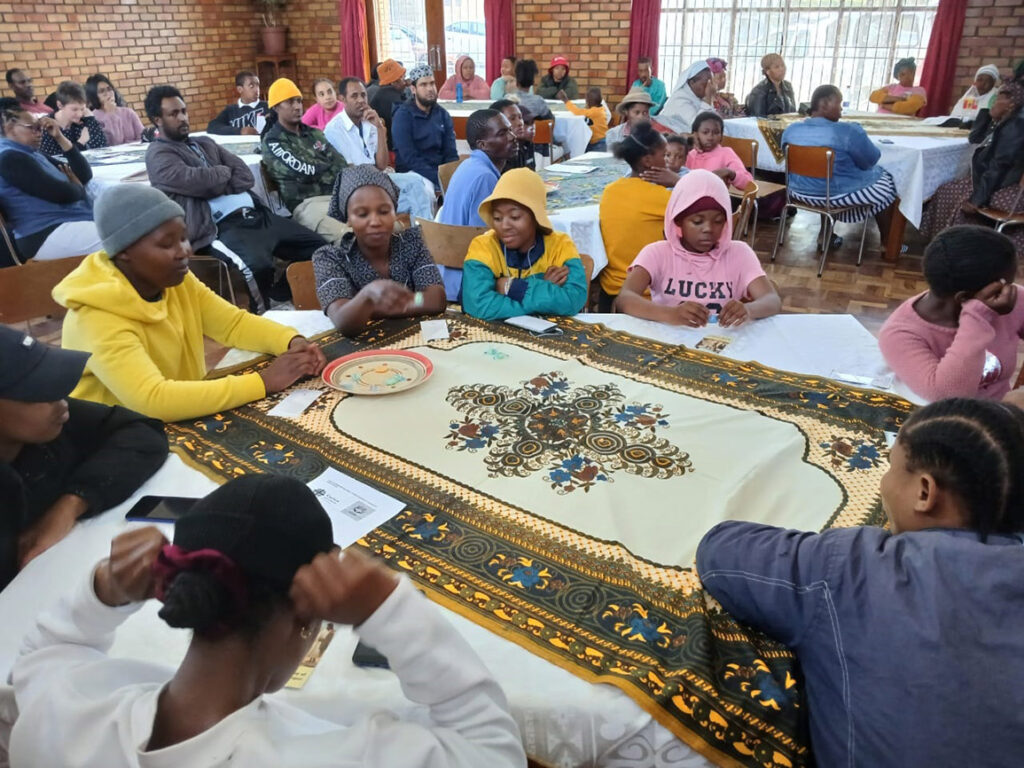
The interfaith meetings promoted by the SACBC play a decisive role in enhancing social cohesion, especially in contexts marked by cultural diversity and a history of exclusion. By bringing together different faith traditions, these initiatives foster the formation of a more inclusive conscience, demystifying prejudices and mobilizing communities to welcome stateless people, promoting a culture of respect and solidarity.
The interfaith meetings promoted by the SACBC play a decisive role in enhancing social cohesion, especially in contexts marked by cultural diversity and a history of exclusion.
In addition to encouraging dialogue, these meetings facilitate the sharing of resources, knowledge and good practices between churches, civil organizations and public institutions. By encouraging collaboration between these different stakeholders, the SACBC contributes significantly to the formulation of fairer and more humane public policies, aimed at eradicating statelessness and protecting the most vulnerable populations.
So far, dioceses have played an important role in identifying stateless people, providing guidance on document regularization and promoting awareness campaigns. A notable example is the Diocese of Aliwal North, where pastoral workers welcome and attend to undocumented migrants, offering humanitarian, spiritual and legal support. The diocese also runs civil registration campaigns, especially for children without birth certificates, preventing statelessness from an early age.
Registration process
In December 2024, the Diocese of Aliwal North, with the support of the SACBC, organized an event in partnership with representatives of the Lesotho government, to record undocumented migrants. More than 300 people were registered, with logistical and financial support from the SACBC, guaranteeing them access to documentation and preventing human rights violations from happening. In addition to these initiatives, the Diocese of Aliwal North hosted an inter-institutional workshop in March, bringing together representatives of government organizations, NGOs and churches to discuss the challenges related to statelessness and the situation of undocumented people from an integrated perspective. This joint effort raised awareness of the issue and strengthened the collective commitment to finding practical and sustainable solutions.
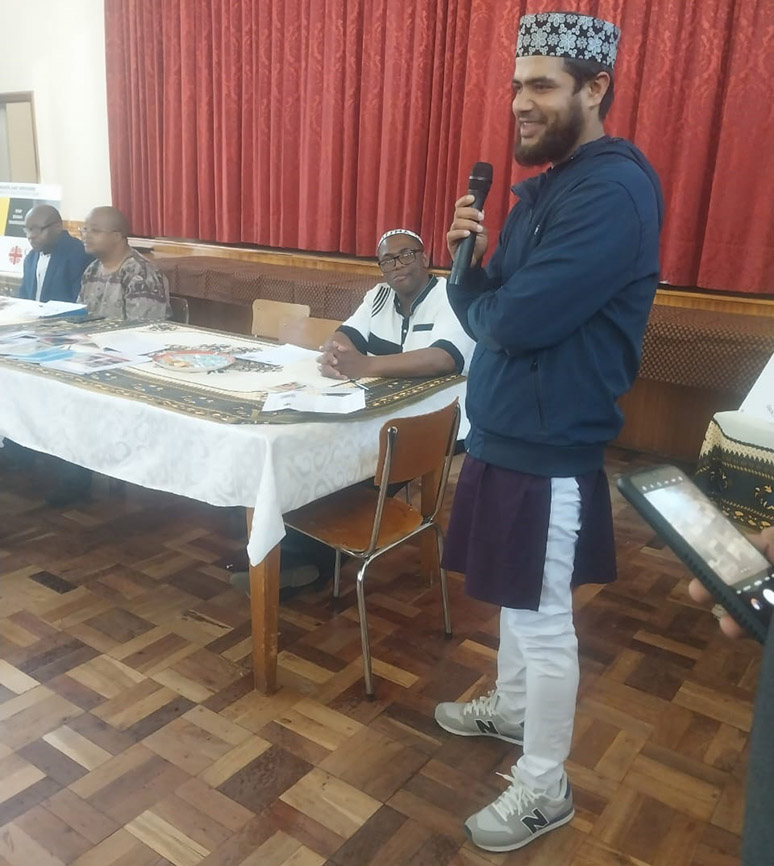
Between 2024 and 2025, several interfaith meetings took place focusing on eradicating statelessness. These events, held in dioceses bordering South Africa’s neighbouring countries as well as in urban dioceses, have brought together Catholic, Protestant, Muslim and other faith leaders who have engaged in open dialogues about dignity, human rights and citizenship. One of the fruits of these meetings has been the strengthening of local alliances for documentation campaigns, education, defence of rights and the prevention of human trafficking.
These gatherings have taken place in the border areas between South Africa and Lesotho, Eswatini, Mozambique and Zimbabwe. These initiatives have taken on a strategic role. Through visits and workshops with local leaders, organizations, migrants, refugees and students, the SACBC has focused on advising undocumented migrants and students on their legal rights, their access to essential services and the paths to follow to document regularization. In addition to the border regions, the SACBC has also worked in various dioceses across the country, appealing to local leaders to help identify undocumented people and accompany them in the process of obtaining the necessary documents. In this regard, the Church plays a mediating role, acting as a bridge between vulnerable groups and institutions, and promoting systemic, effective and humane interventions.
Johannesburg action plan
The Archdiocese of Johannesburg is another example of active commitment to the cause. Every month, their Pastoral Care team organizes training meetings for migrants and refugees, as well as offering them legal support. It also publicly questions issues related to migration policies and demands more transparency in civil registration processes, acting as a prophetic voice.
Despite the absence of a clear migration policy for stateless people in South Africa, the Church’s actions are a sign of hope.
These pastoral actions are accompanied by institutional advocacy work. The SACBC’s Migrants, Refugees and Human Trafficking Office participates in national and international forums, denouncing the structural causes of statelessness and advocating for more inclusive policies. The Church also invests in training leaders and pastoral agents, strengthening local capacities to welcome and protect migrants and refugees.
Through its networks, such as Talitha Kum—a net of religious sisters working towards ending human trafficking —and in collaboration with organizations such as the United Nations High Commissioner for Refugees, Lawyers for Human Rights, International Organization for Migration, the National Freedom Network and others, the SACBC provides legal advice, pastoral care and humanitarian support. Participation in multi-religious networks extends the reach of these actions, allowing different religious traditions to act together in defence of human dignity.
Despite the absence of a clear migration policy for stateless people in South Africa, the Church’s actions are a sign of hope. Its pastoral presence amongst the forgotten, combined with its advocacy for structural solutions and the formation of consciences, reaffirms the evangelical commitment to life, justice and dignity for all.
Statelessness is, in essence, the denial of the human right to belong. Therefore, the Church, as the mother of all, especially of the vulnerable, has a duty to always be a prophetic voice and a sign of communion. Her actions in the dioceses, support networks and political advocacy form a coherent and concrete response to the call of the Gospel: “I was a stranger, and you welcomed me” (Mt 25:35).
References:
United Nations. 1948. Universal Declaration of Human Rights.
HOPE IS A JOYOUS PILGRIMAGE
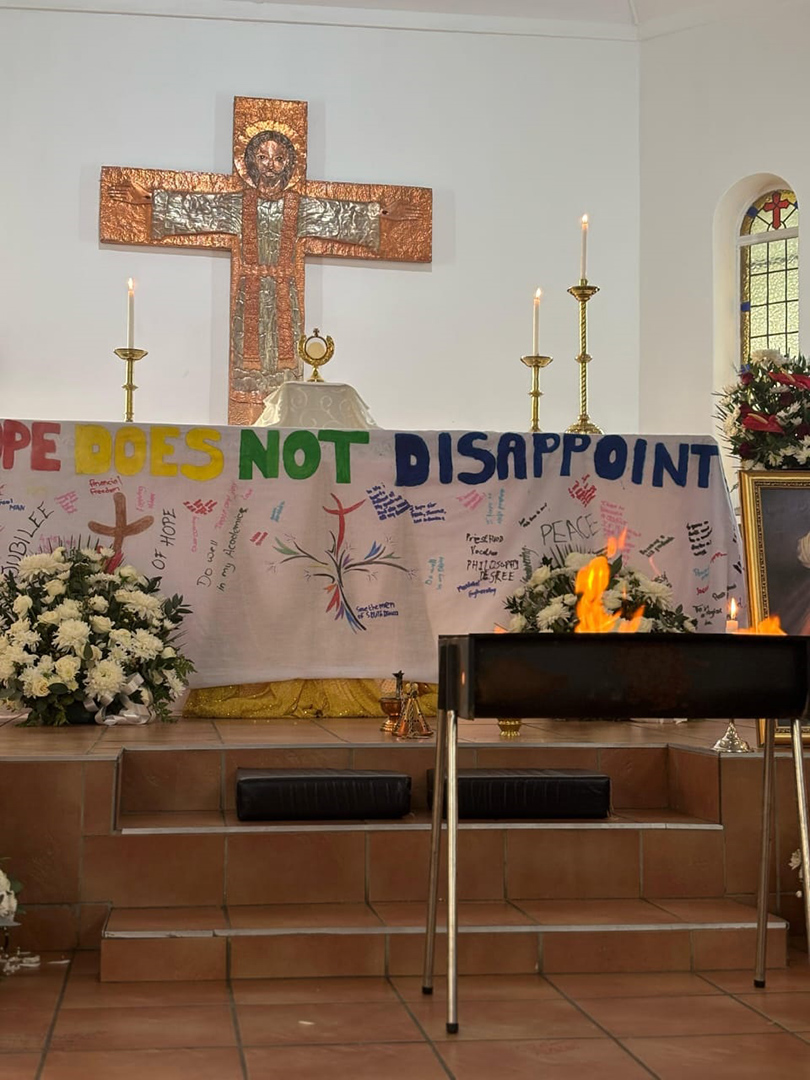
During this Jubilee Year the youth of the Archdiocese of Pretoria have organized celebrations in the different deaneries. Some of the participants give witness to the event that took place in the Eastern Deanery.