
STATELESSNESS
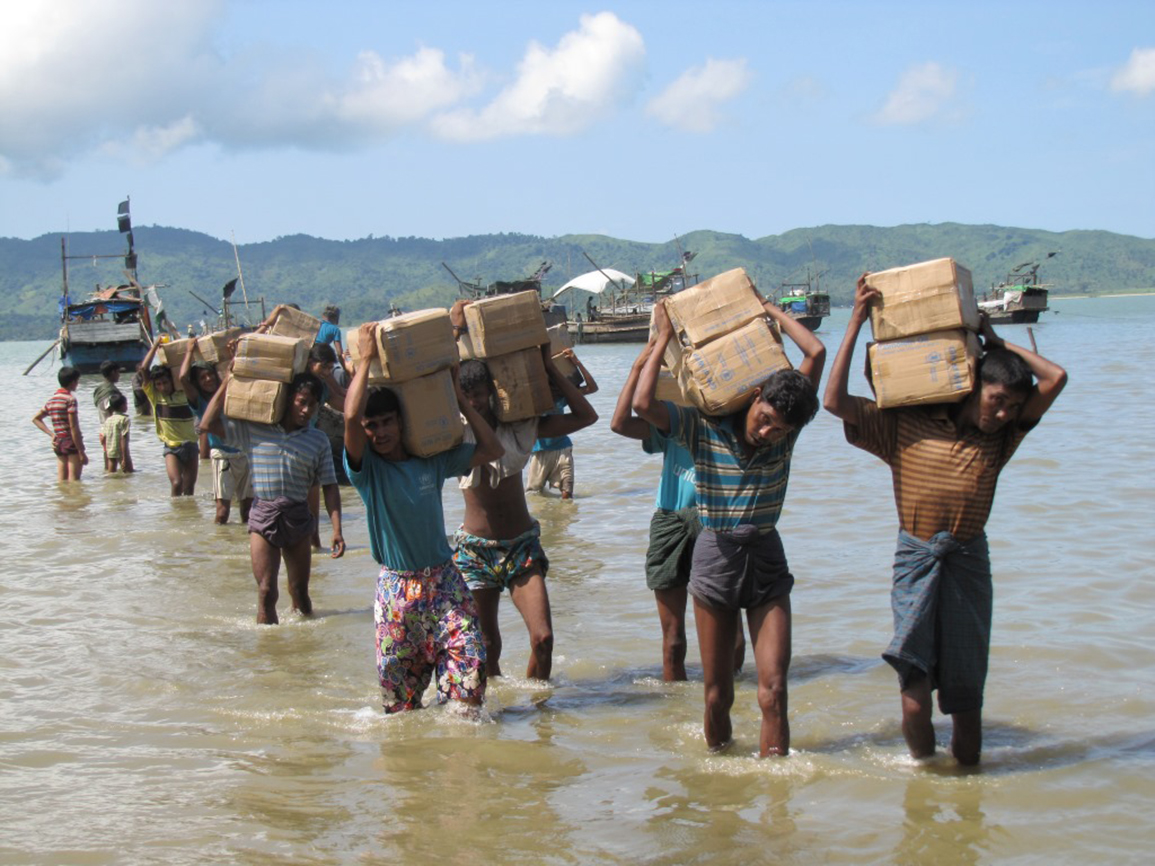
Stateless people from all over the world live in situations of limbo, lacking a nationality, which prevents them access to the basic rights of any citizen of a country. The causes of statelessness are varied, including bureaucratic obstacles, but they all result in the deprivation of the dignity deserved by any human being. This underlines the importance of lobbying to end statelessness in the world.
SPECIAL REPORT • RIGHT TO NATIONALITY
Understanding statelessness and its impact in South Africa
The concept of statelessness remains a deeply troubling and often overlooked human rights challenge. While the issue has been recognised by the international community for decades, its complexities and profound human cost seemingly continue to be underestimated, particularly in countries like South Africa.
BY Kati Dijane | Catholic Journalist, Johannesburg
A STATELESS PERSON, as defined so precisely by the 1954 Convention relating to the Status of Stateless Persons, is “a person who is not considered as a national by any state under the operation of its law.” In essence, stateless people lack a nationality, rendering them invisible in the eyes of the law and often, by society itself.
Statelessness vs refugees
While both stateless persons and refugees face immense challenges and often lack legal protection, their fundamental definitions and the circumstances leading to their precarious situations differ significantly.
A refugee is someone who has fled his /her country of origin and cannot return due to a well-founded fear of persecution based on race, religion, nationality, membership of a particular social group or political standing. Refugees seek asylum in another country, and once granted refugee status, they are afforded certain rights and protections by their host state, even if these are difficult to access in practice.
In contrast, a stateless person is an individual who is not considered a national by any state. They belong to no country. While some stateless people may also be refugees (for instance, a refugee who has lost all proof of his/ her original nationality and cannot acquire a new one), many stateless people have never crossed an international border. Their lack of nationality stems from loopholes in citizenship laws, administrative oversights, discrimination, or a combination of these factors.
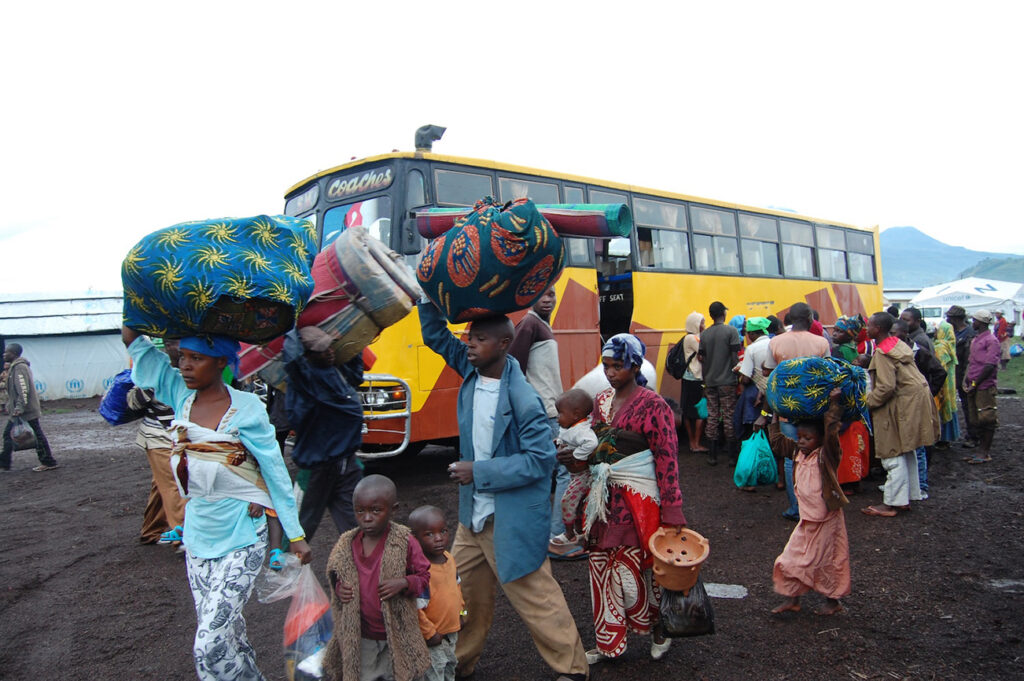
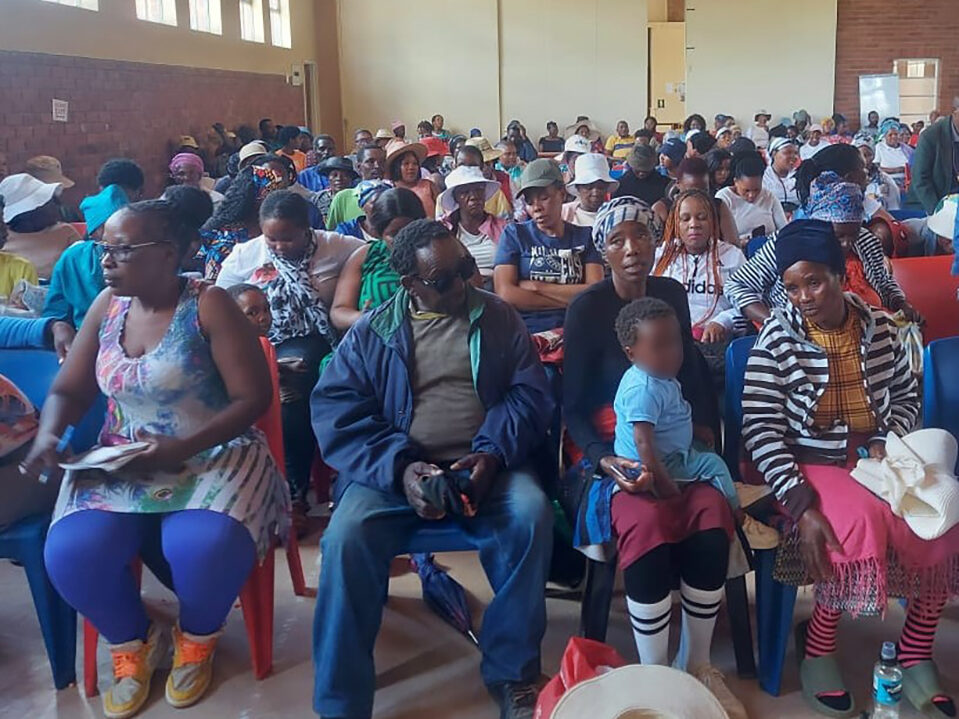
Sometimes, refugees become stateless when they flee their war-torn home country seeking asylum. They were once a national of that country. However, in their haste to escape, or due to the destruction of records, they lose all documentation verifying their nationality. Over time, and with no means to re-establish their identity with their country of origin, they may find themselves in a new country without any recognised nationality, effectively becoming stateless. As one individual from Johannesburg, South Africa, shared, “When I came to South Africa with my mother from the Democratic Republic of Congo, we were seeking refuge, but she passed on when I was 14 years old, leaving me with no documentation. At that point, I was stateless. However, I was living with guardians who, over the years, helped me retrieve my documents from Congo. I now have my documents and have applied for citizenship.”
There are over 15 million unregistered or undocumented people in South Africa, with almost three million under the age of 18.
At other times, a child is born to parents who have not applied for any documentation for themselves. Khanyi Figlan, who works at the Department of Migrants and Refugees in the Archdiocese of Johannesburg, shared that one of her family members at some point had no birth certificate or identity document, rendering her stateless in her own country of birth. She shared that this is more common than people imagine, especially in rural areas where many children are not registered at the Home Affairs Department at birth.
The scale and causes of statelessness
The global extent of statelessness is staggering. UNHCR estimates that more than 12 million people worldwide grapple with the “invisibility and red tape” that defines a stateless existence. This enormous figure underscores the pervasive nature of a problem that fundamentally denies individuals their most basic human rights.
The causes of statelessness are manifold and often interlinked:
- Gaps and conflicts in nationality laws: Many countries’ citizenship laws are based on either jus soli (citizenship by birth in the territory) or jus sanguinis (citizenship by parentage). When people fall through the cracks of these differing legal frameworks, they can be left without a nationality. For example, a child born to parents from a jus sanguinis country, in a jus soli country where the child does not meet specific registration requirements, may become stateless.
- Discrimination: Racial, ethnic, religious, linguistic or gender-based discrimination can be a deliberate cause of statelessness. Governments may strip minority groups of their nationality or make it exceptionally difficult for them to acquire or prove citizenship.
- Procedural barriers in civil registration systems: The inability to register births, marriages or deaths, or to obtain crucial identity documents, can lead to statelessness over generations. Without a birth certificate, the primary enabling document for nationality, individuals often struggle to prove their connection to any state.
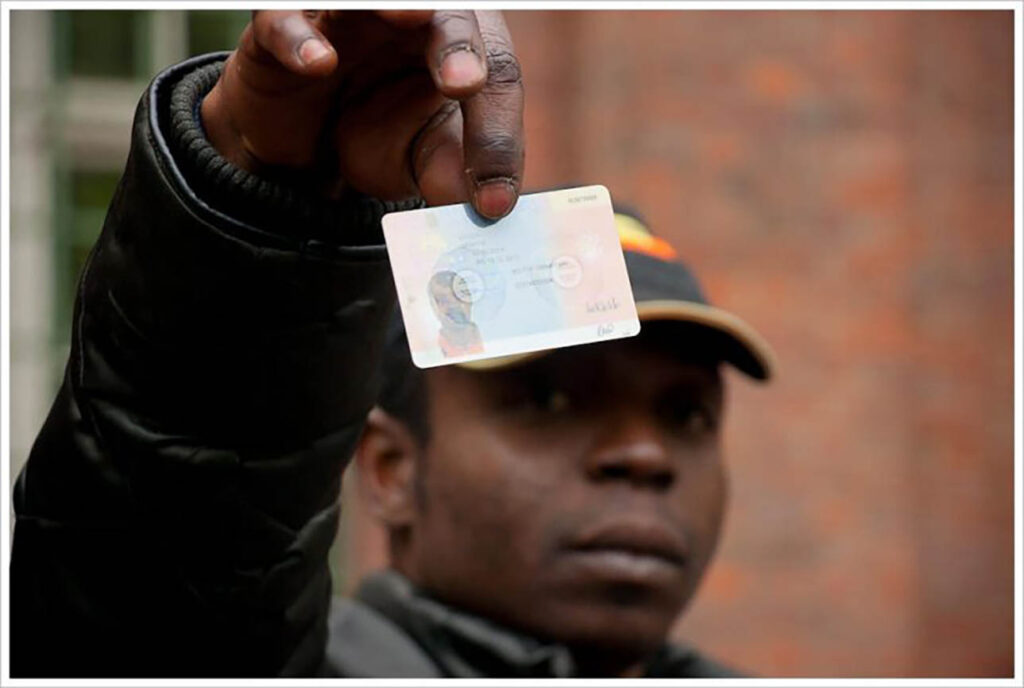
Statelessness in South Africa
Despite having ratified key international instruments protecting the right to nationality, including the Universal Declaration of Human Rights, the 1957 Convention on the Nationality of Married Women, the 1965 Convention on the Elimination of all Forms of Racial Discrimination, and with its own Citizenship Act 88 of 1995 providing for citizenship by birth to children born on its territory who have no other nationality, South Africa faces a significant, yet largely unquantified, statelessness challenge.
While precise statistics on statelessness in South Africa are unavailable due to a lack of dedicated identification mechanisms, indicative estimations paint a concerning picture. There are over 15 million unregistered or undocumented people in South Africa, with almost three million under the age of 18. While being unregistered or undocumented is not synonymous with being stateless, it significantly elevates the risk of an individual becoming stateless, as they cannot prove their nationality.
Nationality is often described as “the right to have rights.”
Several factors contribute to statelessness in South Africa:
- Orphans, abandoned children and unaccompanied foreign minors: These vulnerable groups are at extremely high risk. Many arrive in South Africa with guardians who later disappear, or they arrive alone and cannot return home. Without birth certificates or guardians to attest to their origin, they often grow up with no immigration status and no path to naturalisation.
- Children of South African citizens within the country: Even children born to South African citizens can be at risk, if orphaned or abandoned and not integrated into the childhood protection regime. A qualified adult is required to assist with registration, and instances of fraudulent registration (“colour-coded baby” practice) used to access social grants, can lead to blocked IDs and denial of nationality for the affected children.
- Challenges for non-South African children: The Scalabrini Centre in Cape Town points out the difficulties in accessing documentation faced by children born in South Africa to foreign parents. Regulations requiring parents to present a valid visa or permit to register a child’s birth create significant barriers, especially given the complexities of the asylum and immigration systems.
- Trafficking and smuggling: Those who are trafficked or smuggled across borders, particularly children, often lack any form of documentation, making them highly susceptible to statelessness. As Paula Dorcas from the Department of Migrants and Refugees in Johannesburg noted, “if you are trafficked, you don’t have documents with you, as they might be snatched or have incorrect information.”
The devastating consequences of statelessness
Nationality is often described as “the right to have rights.” Without it, those who are stateless are subjected to continuous violations of their fundamental human rights, enduring a life of “invisibility and red tape.” The consequences are far-reaching and profoundly impact every aspect of their lives. These may include:
- Barriers to essential services: Stateless people face immense difficulties in accessing healthcare, education and social assistance. While South Africa’s Constitution guarantees access to healthcare for all, including foreigners, undocumented individuals may encounter challenges and be required to pay for higher levels of care. Similarly, while education may be accessible as an “international student,” the lack of legal status presents significant hurdles.
- Inability to work legally: Without identification and legal status, stateless people cannot work legally, forcing them into informal and often exploitative labour, perpetuating a cycle of poverty, often spanning generations.
- Restricted freedom of movement: Movement within and between countries becomes severely restricted, trapping people in limbo where they cannot return to a country that doesn’t recognise them, and also cannot legally reside elsewhere.
- Lack of political participation: The inability to vote or run for political office means stateless individuals are voiceless in the decisions that affect their lives and communities.
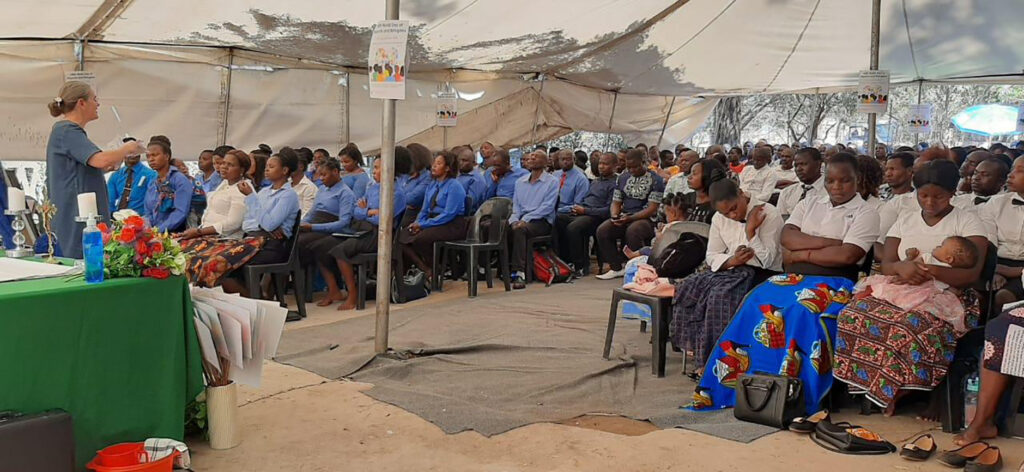
Addressing the challenge in South Africa
The lack of a dedicated mechanism to identify statelessness in South Africa is a critical impediment to addressing the issue effectively. Without accurate data, it is impossible to formulate targeted policies and interventions.
Stateless people exist in a perpetual state of legal limbo, often with no clear path forward.
Recommendations for addressing statelessness in South Africa, drawn from insights and expert opinions, include:
- Amending regulations for birth registration: The Regulations of the Births and Deaths Registration Act should be amended to ensure that all children born within South African borders receive a birth certificate, regardless of their parents’ nationality or immigration status. This is crucial for securing a child’s right to a name and a nationality.
- Streamlining refugee reception offices: Fully functional Refugee Reception Offices with adequate resources and staff are essential to ensure unaccompanied asylum-seeking children can submit asylum applications in line with the Refugees Act.
- Establishing a statelessness determination procedure: South Africa urgently needs to establish a clear and effective mechanism to identify stateless persons, as this is the foundational step towards protecting their rights and integrating them into society. This would also provide much-needed data on the prevalence of statelessness in the country.
- Pro bono legal and social support: Organisations like Section 27, Lawyers for Human Rights and NGOs provide invaluable pro bono legal and social support to stateless individuals, assisting with documentation, food, accommodation and other essential needs. These are some of the stakeholders which the Department of Migrants and Refugees in Johannesburg works with to provide information, support and food.
While refugees seek temporary refuge with the hope of returning home or finding new legal status, stateless people exist in a perpetual state of legal limbo, often with no clear path forward. Recognising the distinction, and implementing targeted solutions, are two important steps towards ensuring that all people living within South Africa’s borders can enjoy their fundamental human right to a nationality.
- Sources:
1954 Convention relating to the Status of Stateless Persons. - Department of Migration and Refugees, Archdiocese of Johannesburg
- Legal Resources Centre (LHR)
- South African Citizenship Act 88 of 1995.
- Statelessness through conventions and legal framework.
- The Scalabrini Centre of Cape Town. Challenges faced by non-South African children in accessing documentation.
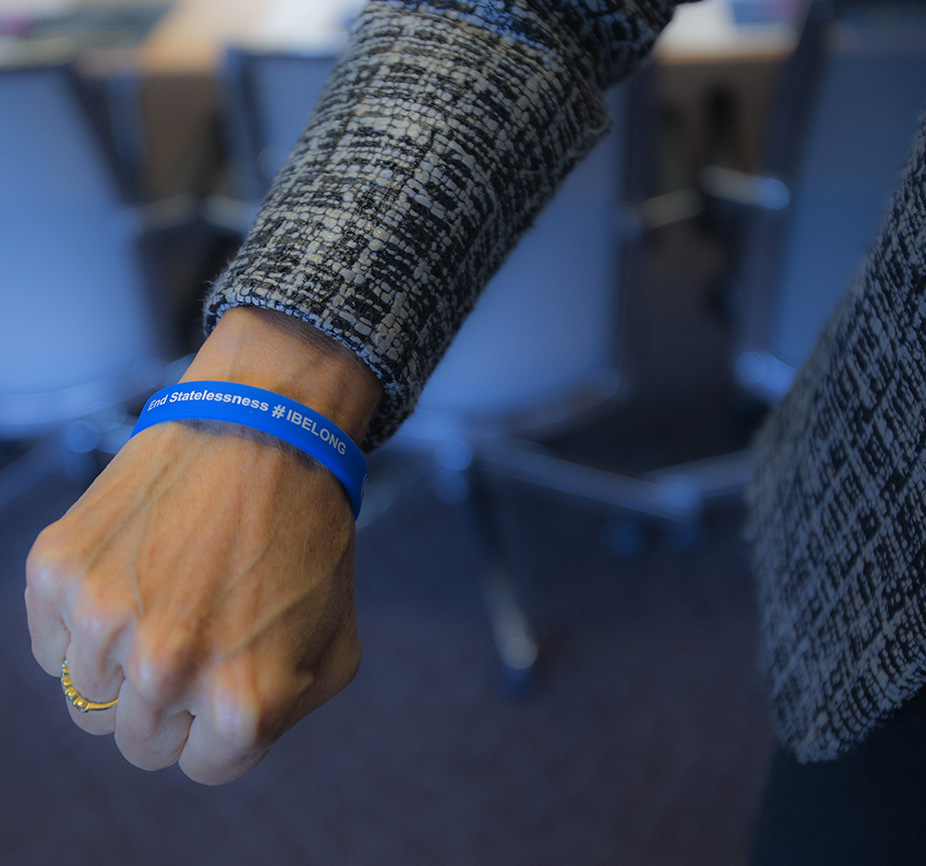
Statelessness and the Right to Belong
This article illustrates that statelessness refers to a condition of belonging and not purely to legislation. A legal framework which centres on belonging, fosters human dignity, inclusion and security in line with South Africa’s constitutional vision of ubuntu. Religiously affiliated organisations can play an important role in alleviating statelessness, and global initiatives, such as the ‘Global Alliance to End Statelessness’, can also implement and develop this proposed framework.
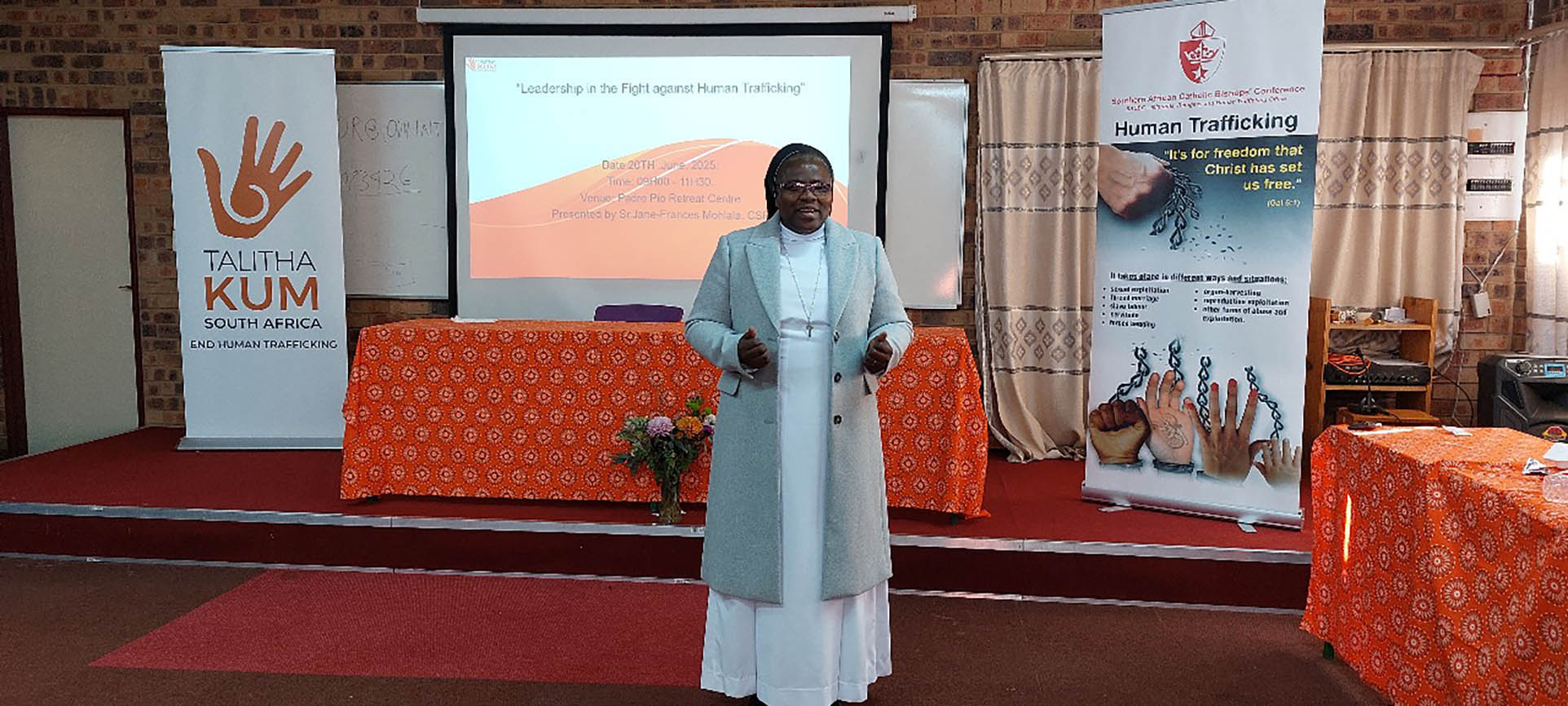
Statelessness and Human Trafficking
Statelessness and human trafficking are interconnected issues in South Africa. Stateless individuals face a unique set of vulnerabilities which make them more susceptible to trafficking.