
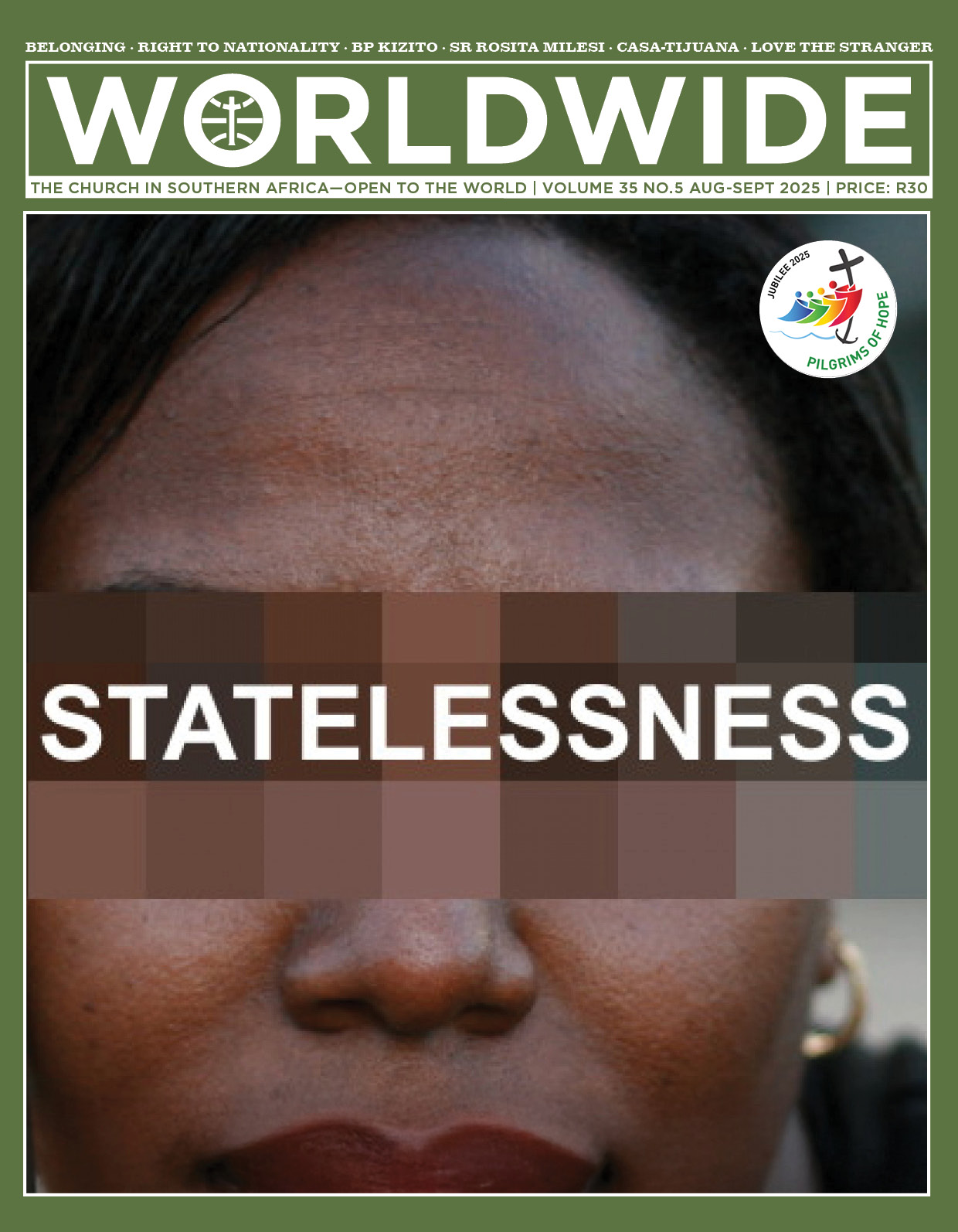
STATELESSNESS
Stateless people from all over the world live in situations of limbo, lacking a nationality, which prevents them access to the basic rights of any citizen of a country. The causes of statelessness are varied, including bureaucratic obstacles, but they all result in the deprivation of the dignity deserved by any human being. This underlines the importance of lobbying to end statelessness in the world.
FEATURES • BISHOP JOSEPH MARY KIZITO
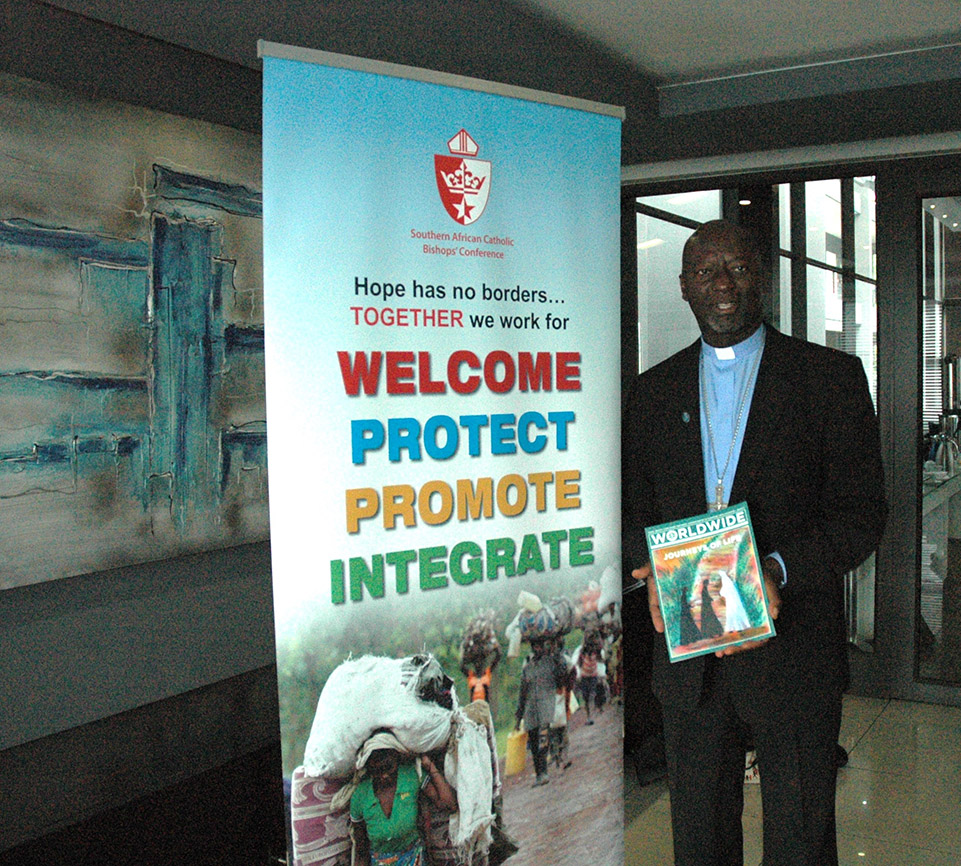
“I feel that we are beginning to address the problem of statelessness.”
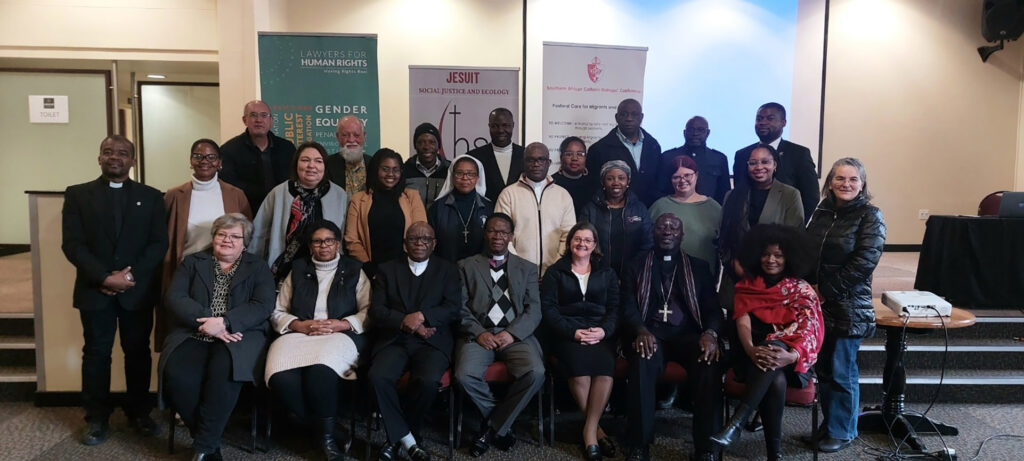
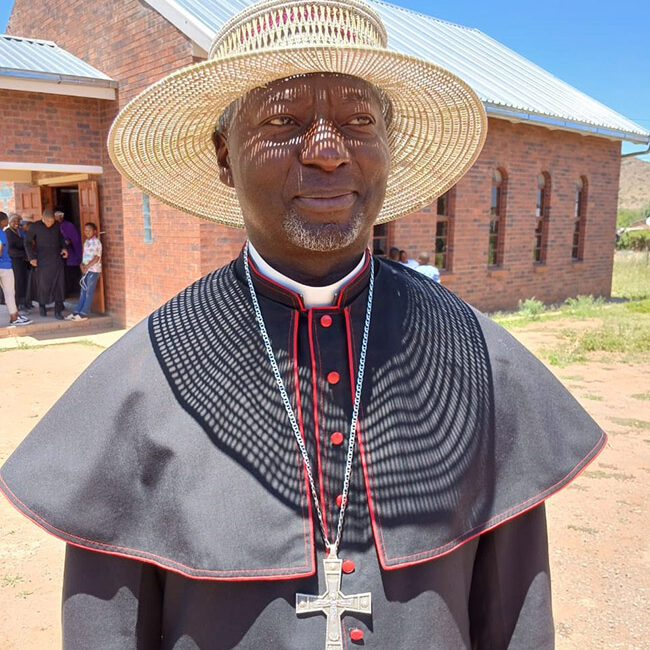
A meeting on the reality of statelessness took place on March 17, 2025 in Befordview, Johannesburg. Multi-religious leaders, members of the diplomatic corps, and delegates from the Department of Home Affairs (DHA) discussed ways to eliminate this problematic situation. Mgr. Bishop Joseph Kizito, of Aliwal North Diocese, actively participated in this workshop and shares his views about this issue with Worldwide.
BY Fr Rafael Armada MCCJ
Bishop Kizito, what is your view about the situation of statelessness in South Africa?
Events like this recently concluded workshop are very positive. I feel that we are beginning to address the problem of statelessness. South African citizens are starting to realize who stateless persons are, what difficulties and challenges they face, and what positive initiatives members of their own communities are taking, such as the work done by the DHA and other departments. However, my question is: Are we as churches talking enough about this reality?
What are the main achievements in your work with migrants and refugees in your diocese?
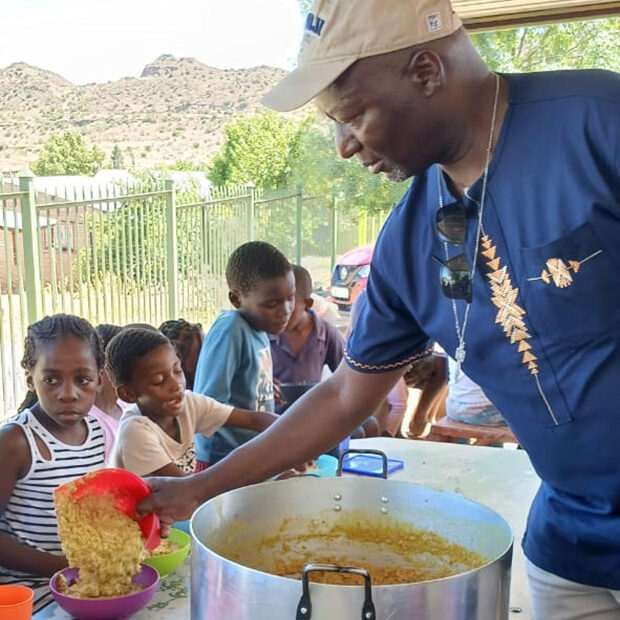
As a priest I started getting involved with undocumented children through the Council of Churches. We used to discuss community problems. I realized that many children in our area had either no documentation or were not attending school. I became very interested in finding out how we could assist them. So, along with other pastors, we started researching how many undocumented children were living in the community. We found about 1 000 of these children, mainly from Lesotho—my diocese borders Lesotho and many children and their parents leave their country to come to South Africa.
We discovered that there was a big problem in the community: children not attending school, without IDs, birth certificates…
We discovered that there was a big problem in the community: children not attending school, without IDs, birth certificates… At that time, I coincidentally started reading about Pope Francis talking about migrants and refugees; his speeches awakened a ‘fire’ in me. I found a Pope addressing the exact issues and challenges I was facing. Pope Francis helped me to focus my ministry on migrants and refugees. As a priest I turned out to be like his disciple, even before being consecrated as a bishop.
Migrants and refugees became a point of reference and part of my pastoral ministry as I celebrated mass, visited the sick, administered sacraments, or while working with charitable organizations. I observed Pope Francis visiting the island of Lampedusa, in Italy, and the prisons, reaching out the poor. That is when I realized “I must do something.” I was fascinated by Pope Francis’ love for the poor.
Have you been supported in this ministry from the beginning?
I appealed to my Bishop Michael Wüstenberg— now emeritus— and he gave me support. I went to the Bishops Conference (SACBC), Arch. Buti Tlhagale was in charge of migrants and refugees and I heard him expressing sentiments similar to my own on migrants, human rights… He definitely inspired me. In the SACBC they were referring to the same issues which I was encountering in my parish. They encouraged me greatly.
In my diocese of Aliwal North, the ecumenical and fraternal group of ministers supported me and I was able to work with them. I also received help from the Department of Education (DE). However, I took them to court— even though they were my friends—with the help of Lawyers for Human Rights (LHR). We opened seven cases, fighting for about 200-300 children to be able to attend school again. After five years, in 2019, we won the cases; some of the children were able to go back to school but others sadly failed to because they were either pregnant or had dropped out since the government had previously prevented them from going to school.
I thank the SACBC, Arch. Buti, LHR and the DE who helped me so much. The greatest achievement for me was making education available again. Children were able to go back to school and others got their ID’s; their dignity was restored. Children could find the joy of belonging to their country, to their community. All this work was aimed at giving them a sense of belonging again.
What challenges do you find from within the Church?
The main challenge I find is that, as Church ministers, we are not sufficiently concerned about the issue. We turn a blind eye. I am aware that working with migrants and refugees requires a huge amount of energy and passion. You need financial resources as well. In order to conduct a single blood test, you need R 750. I asked for assistance from the SACBC, from Caritas, friends and priests. Migrants and refugees must be supported with food and transport when they attend meetings. We helped many to return to Lesotho because they were stranded in South Africa, others to Zimbabwe or Uganda. For this kind of assistance you need money, to for example buy them a ticket. You need resources; but people have been supporting most generously.
The greatest achievement for me was making education available again.
There is also the challenge of mobility. Migrants and refugees tend to be very mobile; they are not home bound. Sometimes you are dealing with a case, and when you are about to succeed, the person leaves for another town. You lose contact with him/her and your time, energy and resources have been wasted; the person just disappears.
Another challenge is that sometimes migrants and refugees do not tell you the whole truth. Home Affairs has also been a challenge for us; a lot of awareness is needed to understand the South African Law and Constitution. At times officials have their own agendas and do not adhere to government policy. That bothers me a lot. I have to tell the person responsible: “This is the document; this is the Act or the policy.” It is not ideal in any human relationship when the so-called “boss” does not comply with the requirements of the law. But luckily, I mostly find someone willing to cooperate with me.
What is your involvement in the Global Alliance Campaign?
We participate as a member of the Global Alliance Campaign. Arch. Buti started the ‘I belong Campaign’. I have asked the SACBC to continue with the ‘Global Alliance to end statelessness’. They have given me permission to attend the meetings, usually conducted via Zoom. These meetings are very enriching, because through them you get to learn what is happening in the global Church and in the world as such. The participants come from all continents. Statelessness is a global phenomenon and concern. It affects the North, as well as the South of the world.
How do you see the world situation for migrants and refugees?
At the moment, things are not looking good. On the African continent their condition is worsening. We observe the Central African Republic and Cameroon with people moving around, North Africa, Sudan, Libya, DR Congo… The situation in these countries is in fact serious. People are on the move on the African continent and I do not foresee this phenomenon ending soon. We need to call on politicians. Statelessness, migrants, refugees and asylum seekers have become a political and economic issue. Economically, Africa is in a rather bad state.
We need prayer combined with action, engagement with human rights groups, with politicians, with economic policies.
Globally, the conditions are not looking good either. Trump has issued his own directives and they have already affected the entire world regarding the state of migrants and refugees. In Europe the situation is also not favourable. The Church has been challenged. As bishops, as Church, I think we need to do more, trying to change people’s perspectives so that we can bring more peace and reconciliation through engagement with politicians. On the African continent, we search for hope, but instead we find increasing instability and a lack of employment, especially among the youth. Hence, they move away or migrate to other countries, as it is happening in Lesotho and Mozambique. Instability is on the increase.
We need prayer combined with action, engagement with human rights groups, with politicians, with economic policies. Pope Francis offered us many chapters in the Synod on the marginalised, on the vulnerability of statelessness, on migrants. He gave us a positive voice. We have power when we speak.
Your passion and commitment in these situations remain a beacon of hope for the people…
Thank you; indeed, it is very painful when you see people suffering while we have the answers. The Church can help and is helping, the world can help, the politicians too. The answers are there within us, and so we hope, and continue hoping.
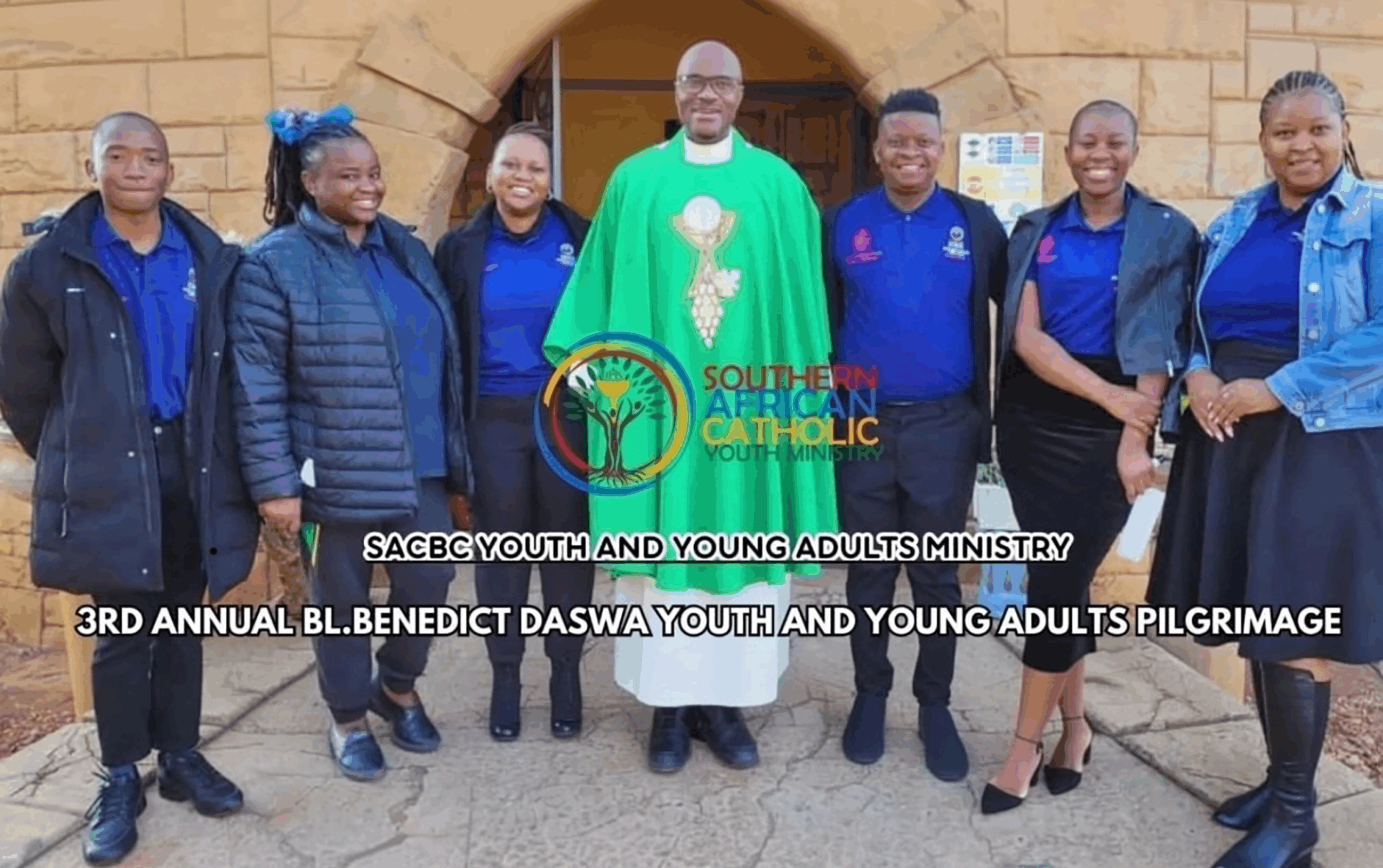
MEET THE LEADERSHIP IN THE SACBC YOUTH AND YOUNG ADULTS MINISTRY
Two youth leaders of the Southern African Catholic Bishops’ Conference (SACBC), its National Youth Chaplain, Father Motankane Mahlako, and the president of its Youth and Young Adults Ministry, Lesego Zikhali, converse about the reality of the youth in South Africa, addressing their challenges and capabilities. In this Jubilee Year, they both reflect on the significance today of the events which took place on 16 June 1976 and the ever-present need to empower the youth.