
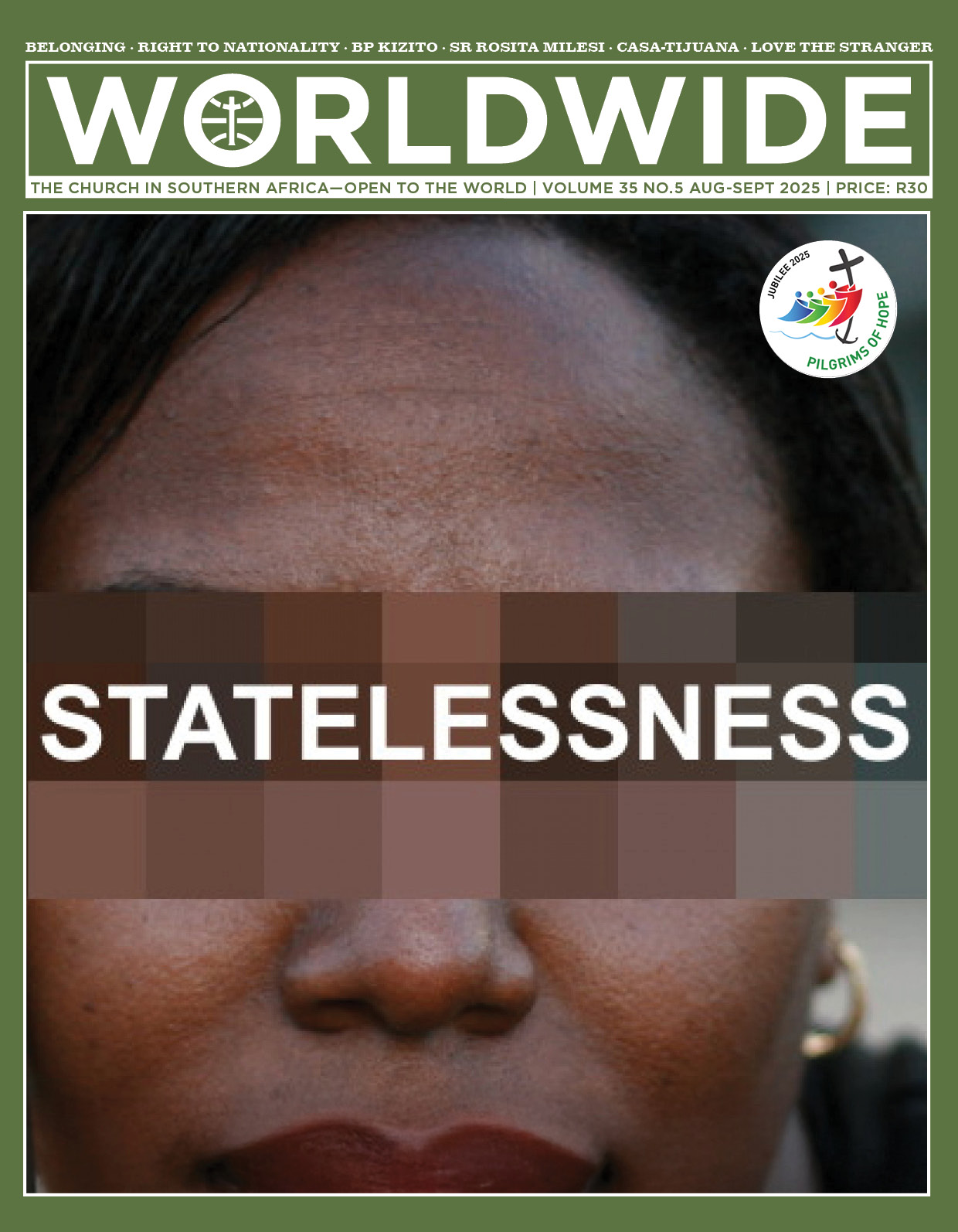
STATELESSNESS
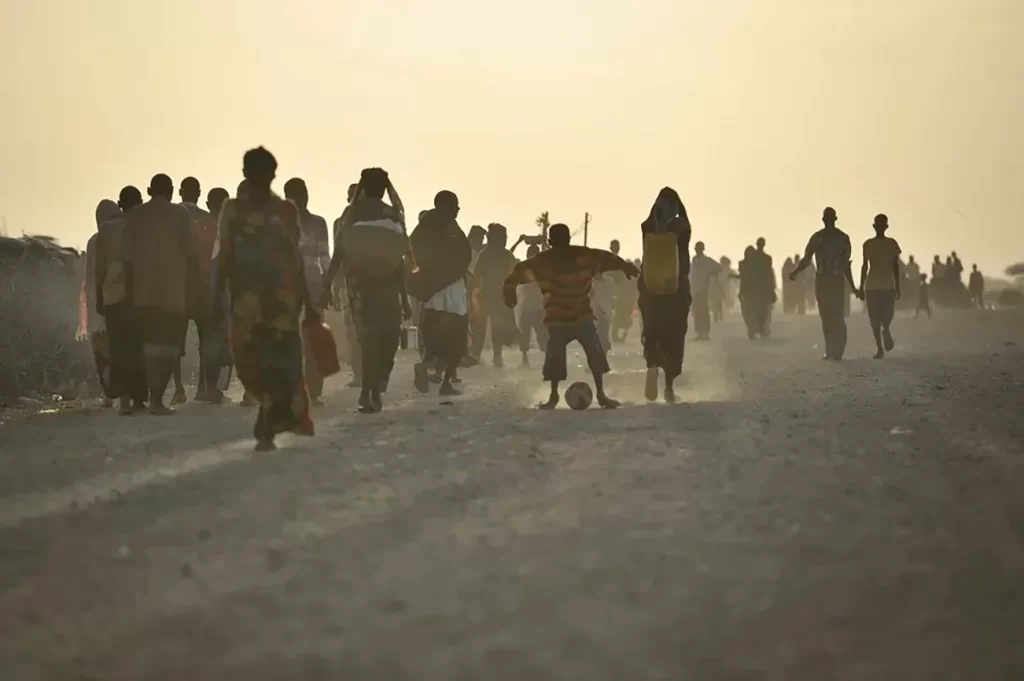
Stateless people from all over the world live in situations of limbo, lacking a nationality, which prevents them access to the basic rights of any citizen of a country. The causes of statelessness are varied, including bureaucratic obstacles, but they all result in the deprivation of the dignity deserved by any human being. This underlines the importance of lobbying to end statelessness in the world.
REFLECTION • CATHOLIC SOCIAL TEACHING
Pope Leo XIV and the Best Kept Secret
The beginning of Pope Leo XIV’s pontificate signals an emphasis on Catholic Social Teaching, as a response to the need of preserving every person’s human dignity. Stateless individuals belong to a vulnerable group whose members the Church accompanies in their pursuit of their right to belong.
BY
Dr Rudolph Nyamudo
Rev. Prof. Callum David Scott OFS | Department of Philosophy, Practical and Systematic Theology, UNISA
POPE FRANCIS’ life and death— which occurred on April 21, 2025 (Vatican 2025)— and his subsequent funeral, can be seen as a prophetic witness to the Gospel. An array of political leaders from around the world with an extensive variety of approaches to life, some even diametrically opposed to Francis’ views, were drawn together in unity to honour this humble, old man. Francis was a principled man throughout his life, an unambiguous voice for peace and justice for humanity and all of creation. Some on the right, though, were hoping for a papal successor less critical especially of the dominant West, but from what we have been observing up to now, a “hermeneutic of continuity” is rather apparent (Benedict XVI, 2005). On May 8, 2025, as the College of Cardinals elected the American-Peruvian Cardinal Robert Francis Prevost OSA, a new pope, bearing a novel papal name, emerged with a striking message to the world. Why did Prevost choose the name “Leo”?
Pope Leo XIV (2025a) explains that he chose his “name thinking first of all of Leo XIII, the Pope of the first great social Encyclical, Rerum Novarum.” In doing so, he hopes to follow in the footsteps of his predecessor, Leo XIII, a pontiff of the late 19th century who promoted Catholic Social Teaching (CST), which has been coined as the Church’s best kept secret (Henriot, DeBerri & Schultheis, 1988). CST refers to the collection of the Church’s teachings on social issues (Pontifical Council for Justice and Peace 2004, no. 87). We foresee that CST will once again catch the world’s attention, given the direction that the new Pope is taking.
A Quick Look at Pope Leo XIII
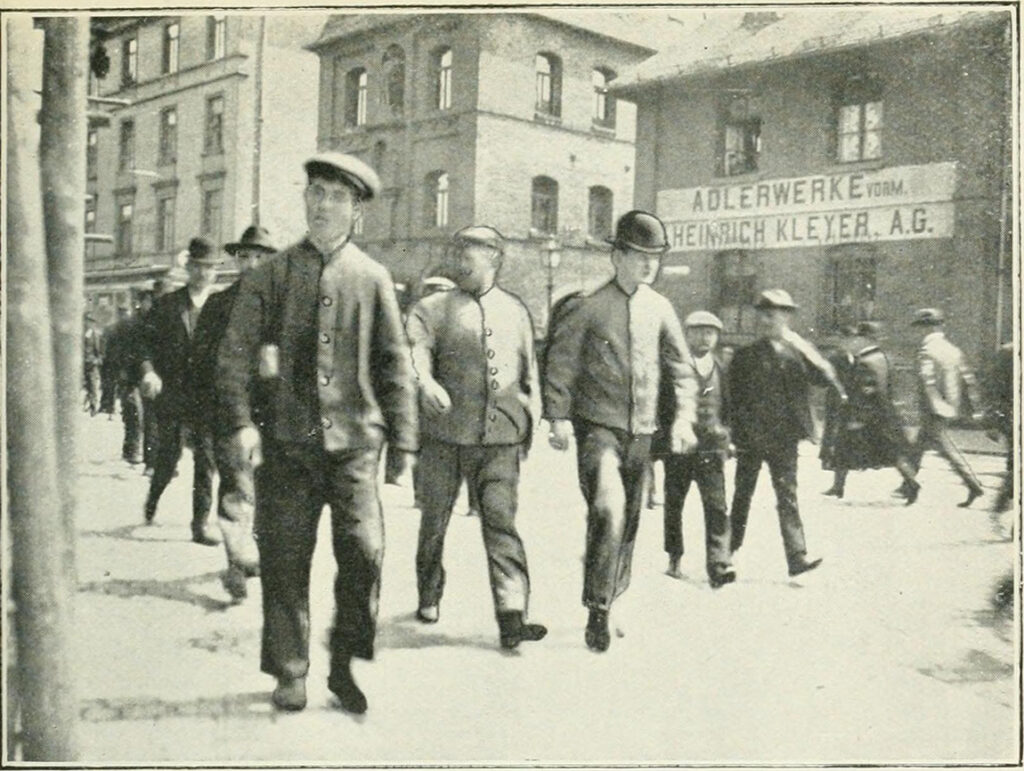
Leo XIII —pope from 1878 till 1903 (Holy See, 2025) — wrote numerous documents (1878; 1894; 1902), with Rerum Novarum continuing to draw attention. This Encyclical focuses upon capital and labour, shedding light on CST’s principles of human dignity, particularly the worth of workers. Here, Leo argues that a person “precedes the State, and possesses, prior to the formation of any State, the right of providing for the substance of his body” (1891, section 7). In section 60, Pope Leo in the late 19th Century stated: “… the condition of the working classes is the pressing question of the hour, and nothing can be of higher interest to all classes of the State than that it should be rightly and reasonably settled.” Rerum Novarum, though, is deeply concerned with the integrity of all people regardless of their socio-economic strata.
Although Rerum Novarum’s development was influenced by the societies of the late 19th Century, the 20th Century was replete with Catholic voices critical of their own socio-political milieu. These voices include the collective condemnations of the Nazis by the Catholic Bishops of Germany and the Netherlands around the Second World War, the role played by the Church against Apartheid in South Africa, and the Sant’Egidio movement’s negotiations for peace in Mozambique. More figures, inspired by CST, stand out above their peers: Bishop Clemens von Galen (Germany), Archbishop Oscar Romero (El Salvador), Dom Helder Camara (Brazil), and Archbishop Denis Hurley OMI and Fr Albert Nolan OP (South Africa).
Pressing Issues in the Second Quarter of the 21st Century
Still, numerous social, economic, and political problems continue to be experienced by people of our time. Starvation, an almost pre-modern problem, remains, with many lacking sufficient food in several countries, especially throughout our African continent (IMF Annual Report 2023), and due to the war in Gaza, multitudes face the prospect of death by starvation. Nourishment is both a basic human need and a right which should be available to every person, that is, if the integrity and dignity of human life is to be respected.
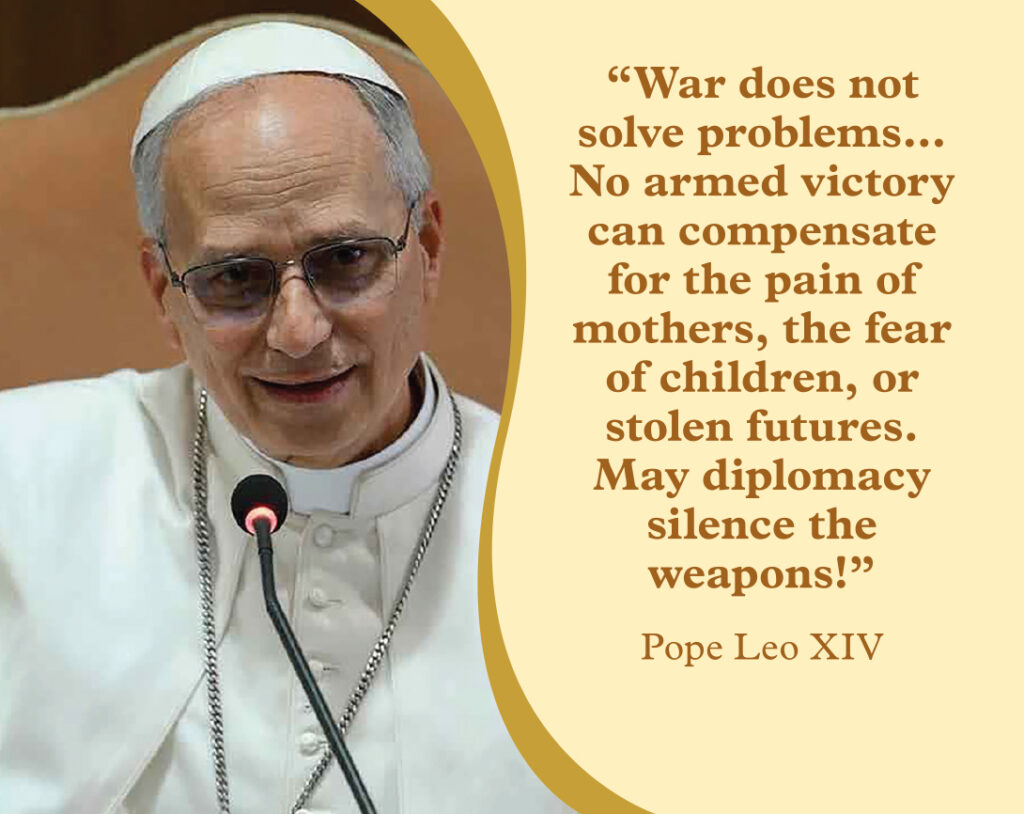
“Peace begins with each one of us: in the way we look at others, listen to others and speak about others” (Pope Leo XIV).
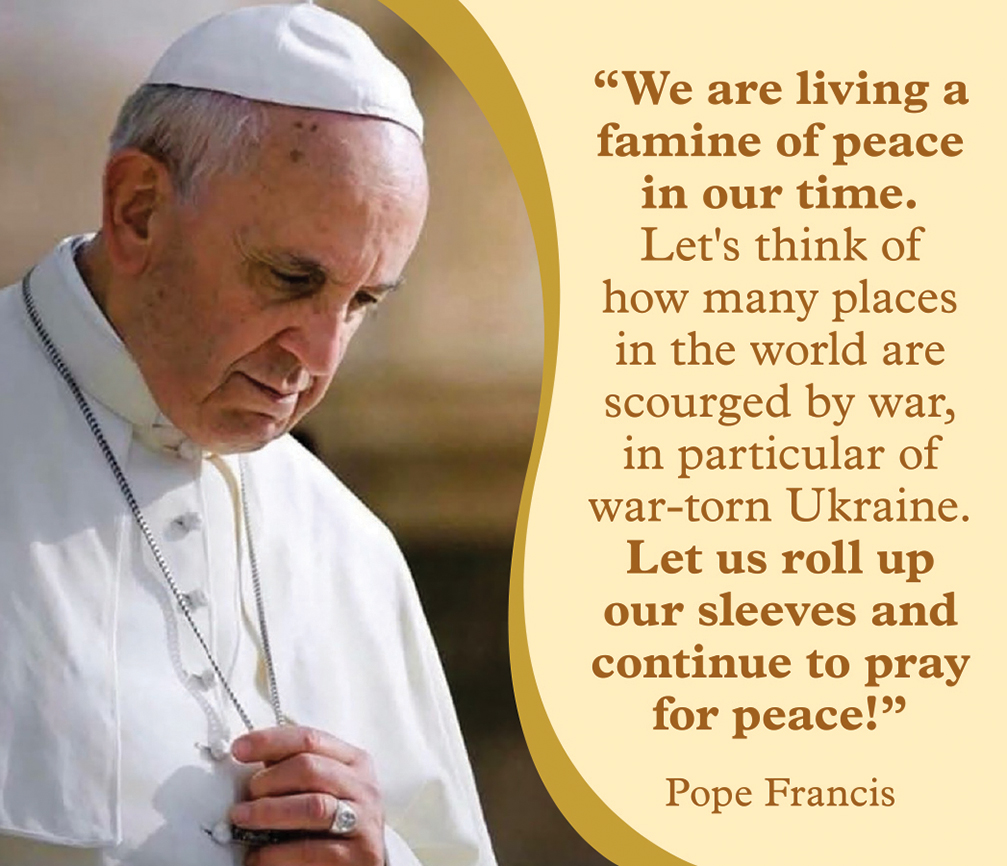
The wars in the Democratic Republic of the Congo, Gaza, Ukraine, Sudan, northern Mozambique, the emerging Israeli and Iranian conflict, etc., come to mind, as does the perceived problem of migration— both legal and illegal— which has become a source of political tension in nations like South Africa, the United States of America, France, Germany, Australia, and the United Kingdom.
Statelessness and CST
Statelessness is often linked to migration, being the condition whereby a person belongs to no state entity. Although Leo XIII reminded the world that the person is of more value than the State (Rerum Novarum, section 7), without being claimed by any state, no human rights may be claimed by the stateless person. Pope Francis— in one of his last communications as Roman Pontiff — was concerned about the obsession of “… worrying about personal, community or national identity…” as an ideology which implies that the most powerful can remove the dignity of those less privileged (‘the little ones’), for example by rendering the poor stateless.
How does CST confront these issues in the second quarter of the 21st century?
Pope Leo XIV’s First Imprints
Pope Leo XIV’s addresses in the first days after his election emphasized the importance of CST for a world in which human lives are discounted. With his Augustinian charism of unity and community, he has notably insisted that peace must be promoted everywhere.
“Peace begins with each one of us: in the way we look at others, listen to others and speak about others” (2025b). Actions that ruin peace must be avoided. “Working for peace requires acting justly” (2025a). Further, he has affirmed that “(t)he Holy See is always ready to help bring enemies together, face to face, to talk to one another, so that peoples everywhere may once more find hope and recover the dignity they deserve, the dignity of peace” (2025c). The CST prescribes actions that promote not only peace, but also the worth of all people across the world. Indeed, this is quite clear in his reminder to the bishops of Madagascar as they made their ad limina visit to Pope Leo on 16th June 2025. He pleaded: “I urge you not to take your eyes off the poor… may your pastoral action always be inspired by a concrete concern for the little ones” (2025e).
At its heart, Catholic Social Teaching asserts that all creatures bear the value of inestimable dignity and must thus flourish in peaceful life situations.
Pope Leo (2025a) has set the tone of his pontificate, highlighting the importance of CST, for, in his words, “the Holy See cannot fail to make its voice heard in the face of the many imbalances and injustices that lead… to unworthy working conditions and increasingly fragmented and conflict-ridden societies” (2025a). At its heart, CST asserts that all creatures bear the value of inestimable dignity and must thus flourish in peaceful life situations.
- References
Benedict XVI, Pope. (2005, December 22). “Address of His Holiness Benedict XVI to the Roman Curia offering them his Christmas greetings”. - Henriot, P. J., DeBerri, E. P., and Schultheis, M J. (1988). Catholic Social Teaching: Our Best Kept Secret. New York: Orbis Books.
- Holy See. (2025). “Pope Leo XIII”.
- International Monetary Fund. (2023). “IMF Annual Report 2013: Cost of Living Crisis”.
- Pontifical Council for Justice and Peace. (2004). Compendium of the Social Doctrine of the Church.
- Francis, Pope. (2025, February 10). Letter of the Holy Father Francis to the Bishops of the United States of America.
- Leo XIII, Pope. (1878). Quod Apostolici Muneris.
- Leo XIII, Pope. (1891). Rerum Novarum.
- Leo XIII, Pope. (1894). Caritatis.
- Leo XIII, Pope. (1902). Dum Multa.
- Leo XIV, Pope. (2025a). “Audience to Members of the Diplomatic Corps Accredited to the Holy See”.
- Leo XIV, Pope. (2025b). “Address of The Holy Father Leo XIV to Representatives of the Media”.
- Leo XIV, Pope. (2025c). “Audience with Participants in the Jubilee of the Eastern Churches”.
- Leo XIV, Pope. (2025d). “Pope Leo XIV: ‘Peace Be with All of You’”.
- Leo, XIV, Pope. (2025e). “Address of the Holy Father to the Bishops of Madagascar”.
- United Nations Children’s Fund (UNICEF). 2025, May 12. “Risk of Famine for Children Across Gaza, New Report Says.”.
- Vatican. (2025). “New Church Statistics Reveal Growing Catholic Population, Fewer Pastoral Workers”.

DARING TO DREAM: JUBILEE, YOUTH, AND THE PROPHETIC CALL TO ANOTHER WORLD
This reflection claims Jubilee not as a historical relic, but as a radical call for restoration, justice, and shared flourishing. It invites us to imagine a world reordered—built on love, equity, and care for all. At this time, to dream is to resist. To dream is to begin to create the world anew.