
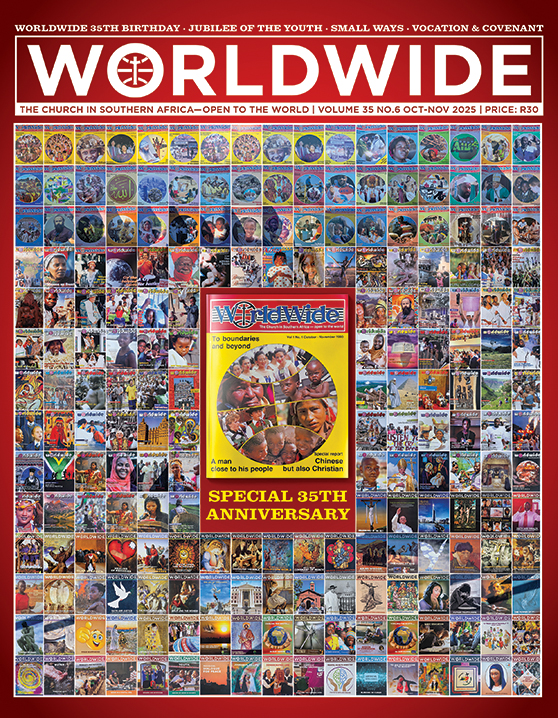
This collage features the front covers of Worldwide issues over its 35 years of existence. At the centre is the cover of the first edition, dated October/November 1990. Worldwide saw the light during a missionary month and continues its mission of proclaiming the Gospel; this is the reason for its being.
Credit: Worldwide archives.
RADAR
“TODAY, THE MISSION CANNOT DO WITHOUT ITS SOCIAL AND ECOLOGICAL DIMENSION”
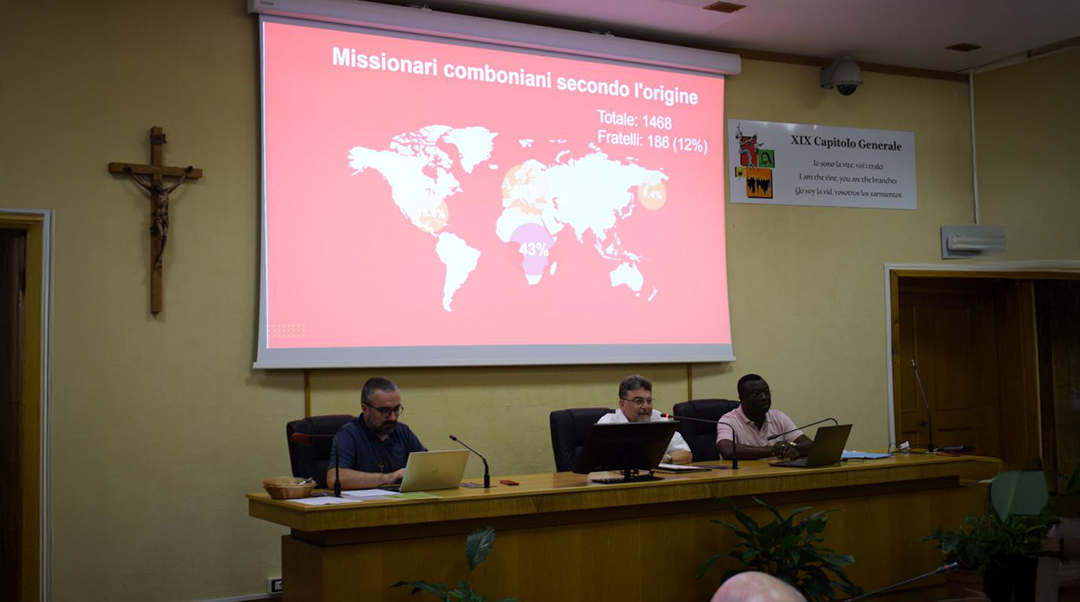
In view of the Jubilee of the Missionary World (October 4-5, 2025), Father Luigi Fernando Codianni, Superior General of the Comboni Missionaries, reflects on the significance of mission today. The Comboni Missionaries account for 1 470 members hailing from 48 countries. They are present in 41 countries across Africa, America, Asia, and Europe.
INTERVIEW BY PATRIZIA CAIFFA – SIR
In a world filled with conflicts, migration crises, and inequality, what does mission mean today?
Mission remains more relevant than ever. In a world context marked by war, violence, and new forms of poverty, mission is called to bring hope, fraternity, and justice. The proclamation of the Gospel is not about imposing or proselytizing, but about being a lifelong witness, offering tangible closeness to those who suffer, and engaging in respectful dialogue with everyone. Today, being a missionary involves sharing in people’s daily lives, standing with those hurt by injustice and forced migration, defending the dignity of the poorest, and having the courage to speak out against what destroys life. Evangelization, therefore, continues to be essential: it is at the core of our vocation, expressed through acts and testimony of fraternity, justice, peace, and care for creation.
Some accuse the mission ofbeing a form of religious or cultural colonialism…
These accusations refer to a past that does not belong to us. Saint Daniel Comboni, as early as the 19th century, understood the need to “save Africa with Africa”: not a mission that imposes, but a mission that values, accompanies, and grows with people. Today, this vision is more alive than ever. The Comboni Missionaries do not offer models to export, but rather walk with people, sharing their struggles, hopes, and aspirations. The Gospel is not imposed; it is witnessed. Mission is service, dialogue, and openness to others. And at a time when fundamentalism and intolerance are on the rise, the missionary presence becomes even more necessary to build bridges, foster authentic relationships, and cultivate social friendship.
Young people seem increasingly distant from faith and religious life: where are tomorrow’s missionaries?
It’s true that in Europe and other Western countries, vocations are declining, and young people appear distant from religious practice. However, in Africa and some regions of Latin America, missionary vocations are increasing. This means that the future of the mission is being played out in an increasingly global and intercultural dimension.
The missionary of today and tomorrow must be capable of dialogue with digital cultures, attentive to the cry of the poor and the cry of the earth, ready to live in contexts marked by conflict and migration, and prepared to engage in interreligious and intercultural dialogue.
In our formation houses, we strive to offer young people appropriate tools: not just academic studies, but concrete experiences of service, immersion in challenging contexts, a solid spirituality, and a strong capacity for discernment. We believe that young people still thirst for meaning and fellowship: if they encounter credible witnesses, they discover that mission is an exciting path.
From the missions you have visited, what is the most pressing cry you have heard, and what should the Church do to respond to it?
The loudest cry is that of the people living in situations of war, injustice, and extreme poverty. I have visited communities torn by conflict in the DRC, Sudan, South Sudan, Central Africa, and Chad, missions marked by violence in Mozambique and Latin America, and I have listened to the pain of entire families forced to flee. These are humanitarian tragedies that cannot leave us indifferent. Added to this cry is that of the migrants arriving on our European shores, and that of the earth, wounded by climate change. The Church must be brave enough to speak out. She is called to courageously denounce injustice, to defend the rights of the most vulnerable, and to promote peace and reconciliation. At the same time, she must offer concrete signs of closeness: schools, hospitals, reception centres, and communities capable of offering a listening ear and support.
Mission today cannot ignore its social and ecological dimension: justice, peace, and care for creation are an integral part of the Gospel message. As the late Pope Francis said, we must be an outgoing, synodal Church, capable of walking together and proclaiming the Gospel with our lives.
Source: www.agensir.it
THE ARCHDIOCESE OF PRETORIA MARKS ITS JUBILEE OF HOPE WITH RECORD ATTENDANCE
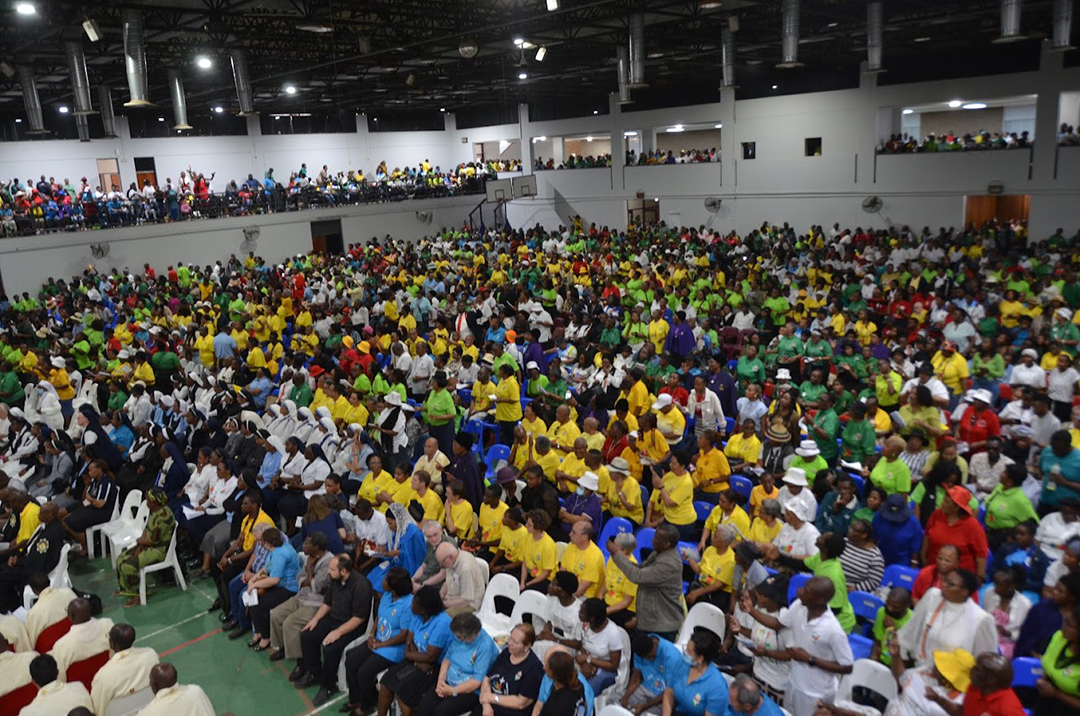
AROUND 6 000 PILGRIMS from all over Pretoria gathered for the Archdiocese’s Jubilee of Hope celebration at the Sefako Makgatho Health Sciences University on Sunday, 14 September. The sports hall, used for the liturgy, was overcrowded, and many had to sit on the lawns outside.
INEQUALITY IN AFRICA: WHAT DRIVES IT, HOW TO END IT, AND WHAT SOME COUNTRIES ARE GETTING RIGHT
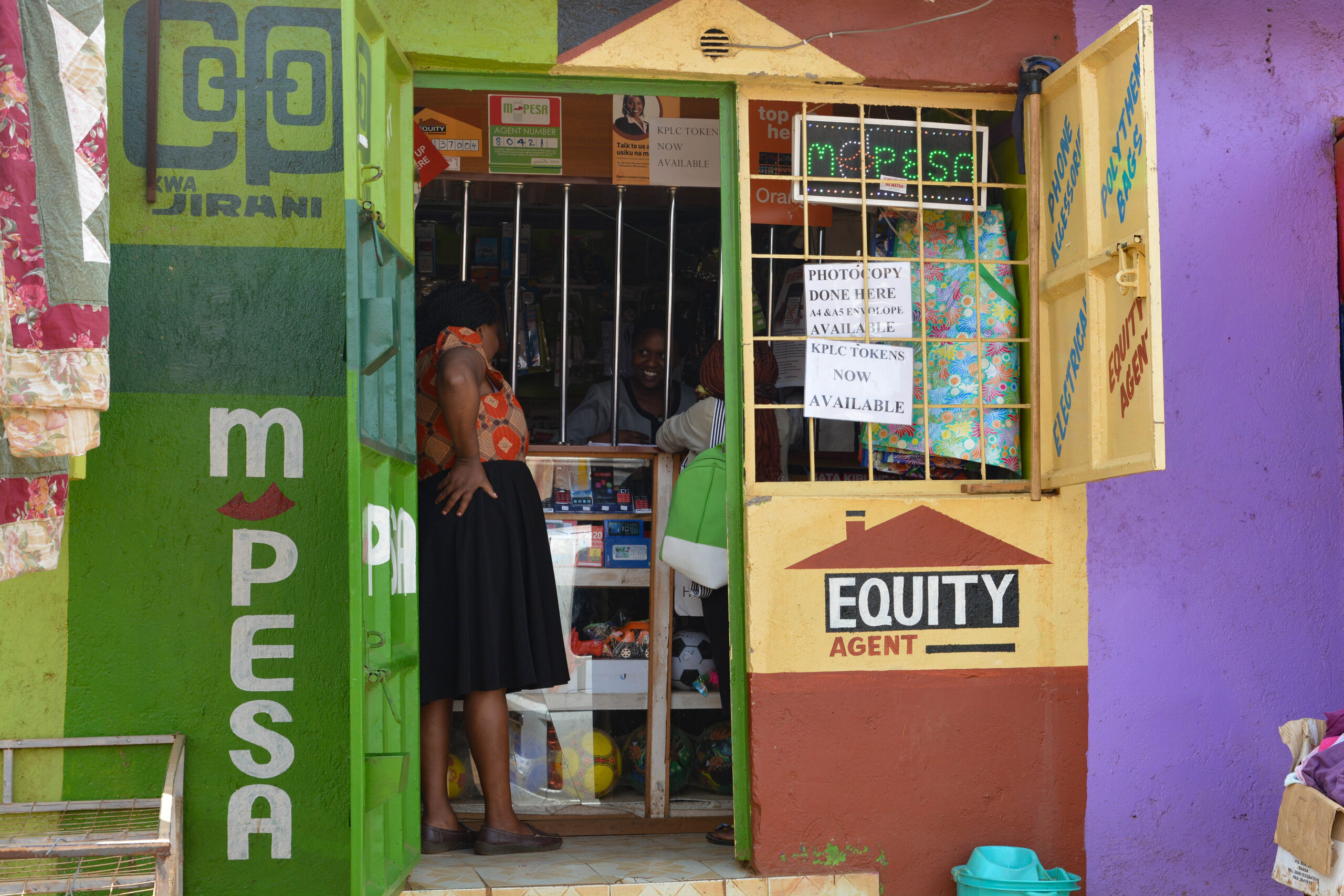
Inequality is the result of a host of factors, including policy choices, institutional legacies, and power structures that favour elites.