

This collage features the front covers of Worldwide issues over its 35 years of existence. At the centre is the cover of the first edition, dated October/November 1990. Worldwide saw the light during a missionary month and continues its mission of proclaiming the Gospel; this is the reason for its being.
Credit: Worldwide archives.
RADAR
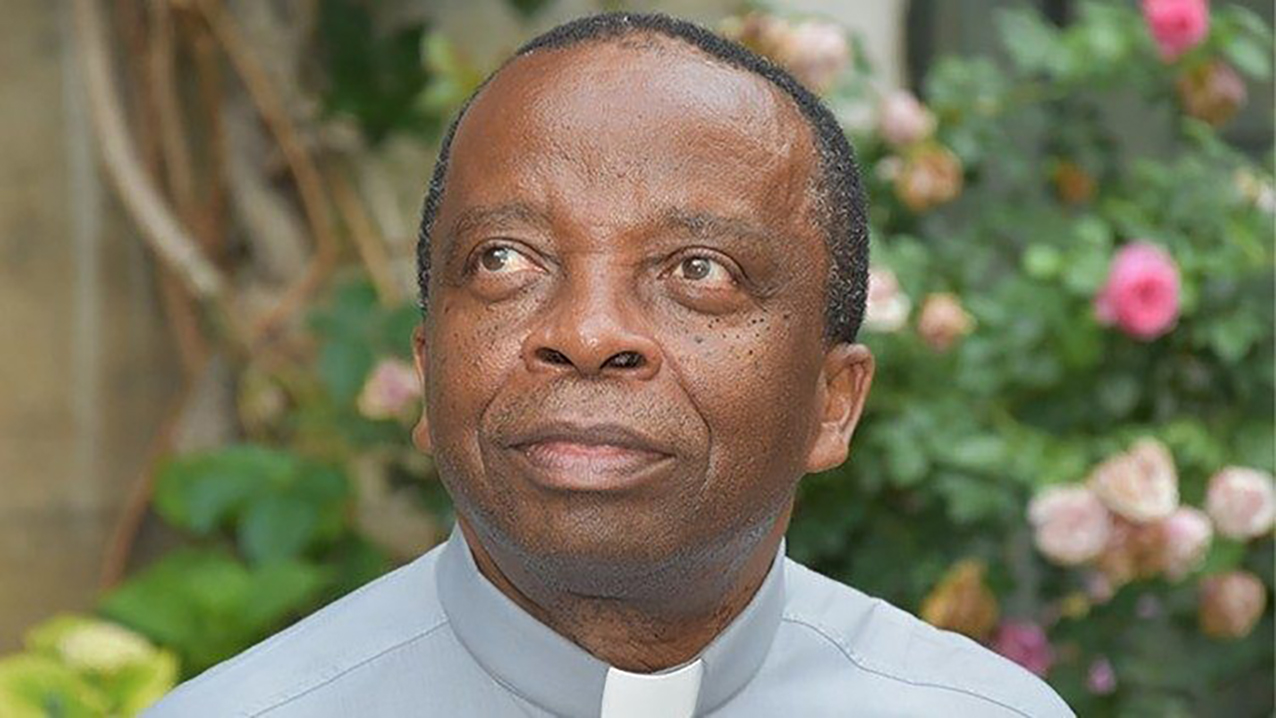
DARFUR: INCREASING VULNERABILITY OF THE LOCAL CHURCH IN EL OBEID AMIDST SUDAN’S FORGOTTEN CRISIS
Caritas Africa President, Monsignor Pierre Cibambo, has told Vatican News that the tragic and ongoing situation in Darfur has left the Local Church in the Diocese of El Obeid more vulnerable than ever before.
BY Paul Samasumo | Vatican City
EARLIER IN SEPTEMBER, Pope Leo XIV made heartfelt appeals on behalf of Sudan. He called for an end to the civil war. He urged the international community to do more to support the country amid widespread famine, cholera outbreaks, and a devastating landslide in the Darfur region. The Pope emphasised the need for humanitarian corridors and for coordinated international responses to address the crisis.
Darfur: A forgotten crisis
Speaking to Vatican News, Monsignor Cibambo described the conflict in Sudan—particularly in Darfur—as a “forgotten crisis.”
“I have to say that what the Holy Father said is very appropriate. His words aim to draw global attention because the crisis in Darfur can be described as a forgotten crisis. It is forgotten because not much is being done to alleviate the suffering of these people. Caritas Internationalis, working alongside ACT Alliance— a global faith-based coalition of Protestant organisations—has been trying to alleviate the suffering. We have collected some funds that can help, but operational challenges persist, especially access issues due to security concerns,” he said.
El-Obeid, the capital of North Kordofan state, serves as a strategic hub connecting Khartoum to Darfur. According to 2023 statistics, the Diocese of El Obeid houses nearly 14 million people, of whom only about 0.8% identify as Catholic.
According to Monsignor Cibambo, wherever a crisis occurs, Caritas always collaborates with local partners. However, the capacity of the Diocese of El Obeid is very limited. He said the local Church in El Obeid is “extremely vulnerable” and struggling to operate under challenging circumstances.
Monsignor Cibambo further explained that plans were underway for Bishop Yunan Tombe Trille Kuku of El Obeid to travel to Geneva, Switzerland, where he would address some UN agencies and humanitarian organisations. This effort aims to spotlight the urgent needs in Darfur and across Sudan.

Church on the Frontline
Hostilities against minority groups in Sudan’s Darfur and Kordofan states are ongoing and have been documented. The Rapid Support Forces (RSF) and the Sudanese Armed Forces (SAF) have engaged in widespread violence, displacement, and human rights abuses. International bodies, such as the UN and ICC, have condemned deliberate attacks on civilians, citing systematic sexual violence, ethnic targeting, and obstruction of humanitarian aid.
“Why is the Local Church in Darfur vulnerable? Because they are on the frontline,” Monsignor Cibambo explained. “They live there. They die there. And sometimes nobody even notices. This reality is truly dramatic.”
A country in ruins
While emphasising the importance of access to areas needing humanitarian assistance, Monsignor Cibambo noted that Sudan in its entirety is in crisis, not just Darfur.
Since civil war erupted in April 2023 between the two generals of Sudan’s national army and their former allies, the Rapid Support Forces (RSF), vast areas of the country have been left in ruins.
“We’re talking about Darfur, but the crisis affects all of Sudan,” the Caritas President emphasised. “In Khartoum, for example, almost nothing remains—no functioning health services, electricity, or basic infrastructure. People are living in misery. This situation underscores the urgent need for peace—and we believe peace is still possible.”
Source: https://www.vaticannews.va/

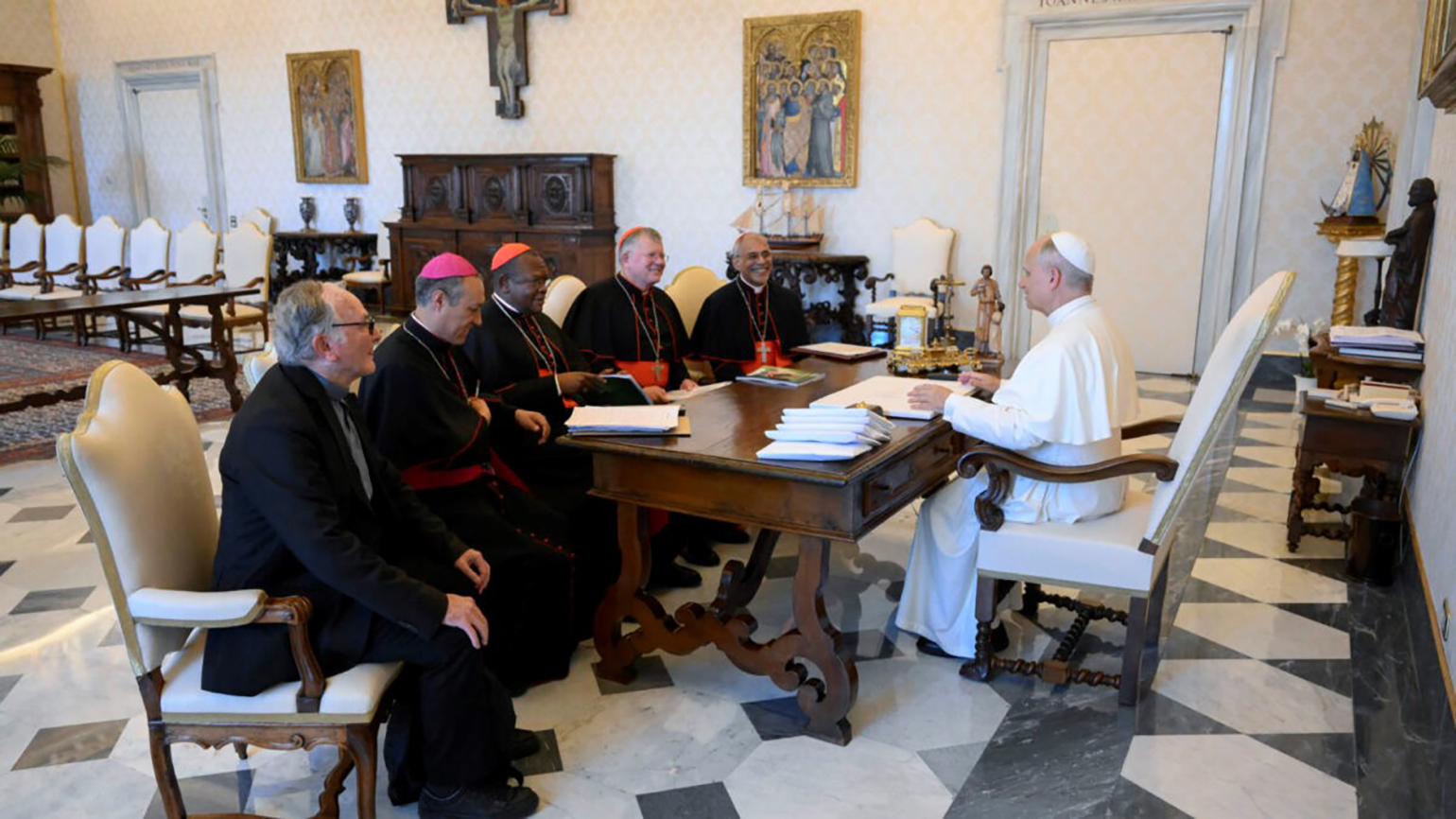
Churches of the Global South call for climate justice and protection of our common home
Catholic Bishops from the Conferences and Councils of Africa, Asia, Latin America and the Caribbean, published a strong joint appeal ahead of COP30 (available at: secam.org) on July 1, 2025. Under the label of “A call for climate justice and the common home: Ecological conversion, transformation and resistance to false solutions”, this appeal was released during a press conference held at the Holy See Press Office, Vatican City.
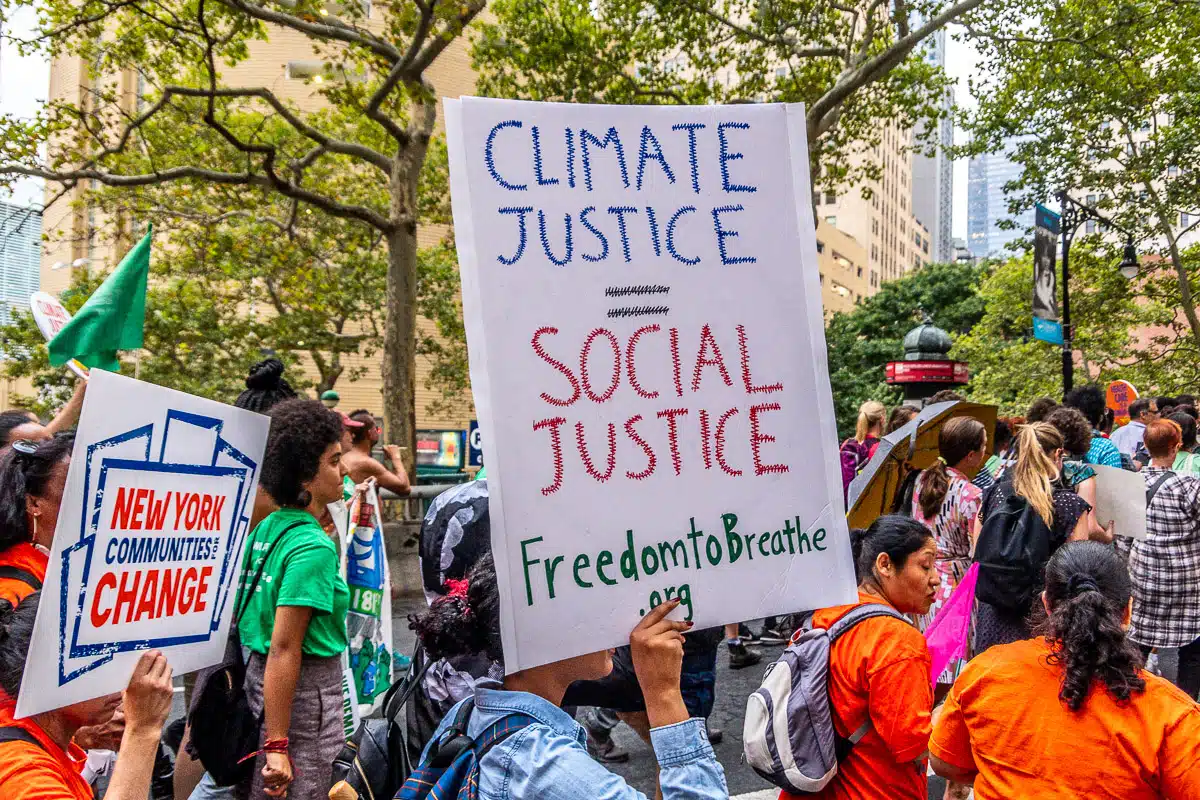
TURNING HOPE INTO ACTION -COP30: Religious Life for climate justice
As part of the Jubilee of Hope and the 10th anniversary of Laudato Si’, Catholic communities around the world, responding to the climate crisis with eyes set on COP30 in Brazil, are calling for urgent action, inviting us to sign the following statement.
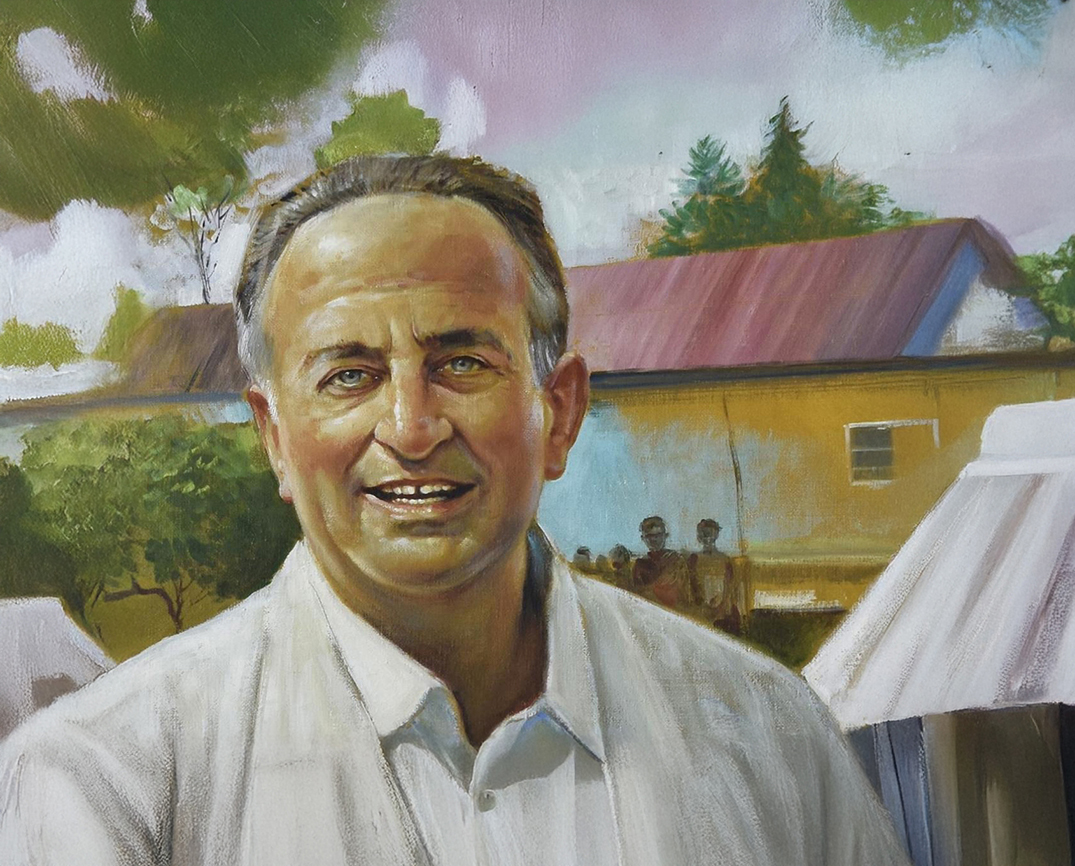
A hospital for over 50 000 patients in Kalongo
The heavy slab slowly shifts. Below, an empty space. Then, the coffin. But, surprise: just above, a honeycomb brimming with honey. Agronomists can’t explain its presence. Some among the faithful speak of a divine sign. The discovery is astonishing, because that tomb is the burial site of Giuseppe Ambrosoli, a doctor and Comboni missionary beloved in Uganda, beatified in 2022, and a member of the most famous honey-producing family in Italy: the Ambrosolis.

Africans survived 10 000 years of climate changes by adapting food systems: Lessons for modern times
Imagine Living in a place where a single drought, hurricane, or mudslide can wipe out your food supply. Across Africa, many communities do exactly that—navigate climate shocks like floods, heatwaves, and failed harvests.