

This collage features the front covers of Worldwide issues over its 35 years of existence. At the centre is the cover of the first edition, dated October/November 1990. Worldwide saw the light during a missionary month and continues its mission of proclaiming the Gospel; this is the reason for its being.
Credit: Worldwide archives.
RADAR
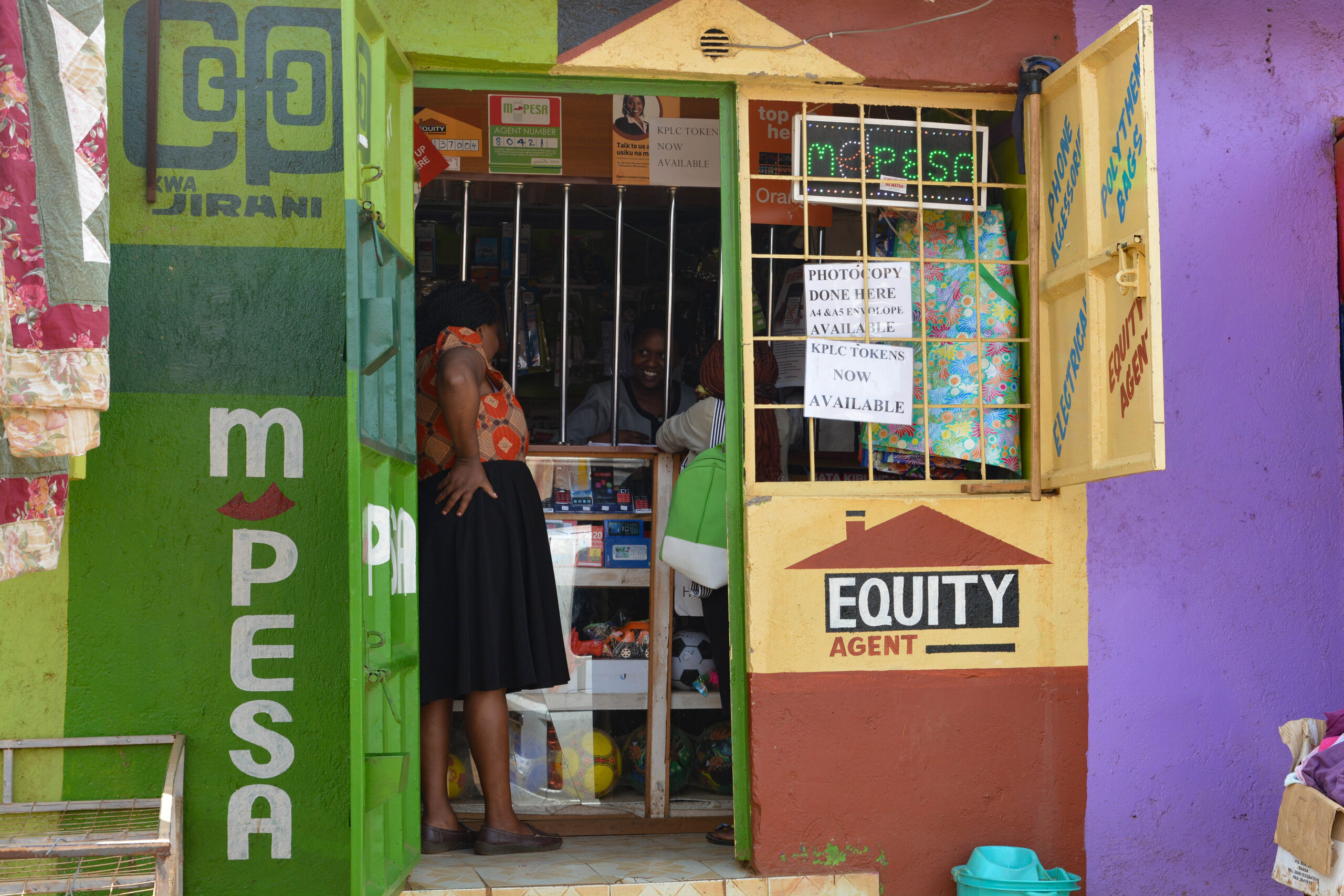
INEQUALITY IN AFRICA: WHAT DRIVES IT, HOW TO END IT, AND WHAT SOME COUNTRIES ARE GETTING RIGHT
Inequality is the result of a host of factors, including policy choices, institutional legacies, and power structures that favour elites.
BY
Imraan Valodia
| Southern Centre for Inequality Studies, University of the Witwatersrand Interview with
Ernest Aryeetey | emeritus professor of Development Economics at the Institute of Statistical, Social and Economic Research, University of Ghana
What government policy choices have aggravated inequality in Africa?
Firstly, structural adjustment policies. Many countries implemented them in the late 20th century, often encouraged by international financial institutions. These policies included cutting public sector jobs, removing subsidies, and reducing social services. They primarily hurt the poor by diminishing the government’s role in redistributing public goods and limiting access to essential services. The programs also widened income inequality by favouring free markets over social protection. Subsequent efforts to address the outcomes were often “too little, too late.”
Secondly, taxation and fiscal policies. Most tax systems in Africa have relied on indirect taxes (such as VAT or consumption taxes) rather than progressive, direct taxes on income and wealth. As a result, poorer households often bear a heavier relative tax burden while the wealthiest benefit from exemptions or even evasion.
Thirdly, education and healthcare investment. Policy choices have often perpetuated access gaps between urban and rural populations and among socio-economic classes. Investments tended to favour cities and privileged groups. This “urban bias” in public spending reinforced existing inequalities, and the needs of rural people remained unmet.
Fourthly, weak social protection. Until the expansion of more comprehensive schemes in the 2000s, many Africans were left poor and vulnerable, without adequate safety nets.
Fifth, economic structures that favour elites and guarantee wealth and opportunity for just a few. Examples include policies favouring extractive industries controlled by politically connected groups. Land tenure, trade policies, and access to state contracts and licences have frequently favoured the powerful.
Sixth, public policies rarely met the needs of women, youth, rural areas, or marginalised regions. Exclusion from land ownership or financial services and limited emphasis on affirmative action reinforced systemic inequalities. Only in recent decades have some governments begun to address these gaps, but progress remains unequal.
Are these choices linked to the capture of public policy by elites?
Yes. Privileged groups have often shaped or manipulated state policies in ways that protect their interests and reinforce inequality.
Policies and institutions established during and after colonialism often allocated resources and power to either colonial settlers, expatriates, or local collaborators. Today’s elites have inherited and sustained many of these structures. They still control wealth, land, and market opportunities. State resources, positions, and contracts are awarded to loyalists, family members, or ethnic/regional networks.
What have been the three biggest inequality drivers?
Firstly, regressive fiscal policies, including broad-based taxes such as transaction levies and VAT.
Secondly, selling state assets or opening key sectors (energy, telecoms, and transport) to politically connected investors.
Thirdly, under-investment in universal social services. Cuts to health, education, and social safety nets limit upward mobility for the poor and sustain regional and gender gaps.
Lastly, resource dependence and economic structure. Many African economies focus on industries like oil, minerals, and cash crops. These benefit political and business elites but don’t diversify industries or create jobs.
Which countries have managed to change this most effectively?
Rwanda has a progressive income tax structure. Key utilities such as electricity and water remain largely public, which has reduced the impact of taxes on the poor. It has also introduced quotas for women, investments in health and education, and a focus on rural inclusion.
Botswana has pursued a cautious privatisation agenda. The state retains majority ownership of diamonds, telecoms, and banking. Revenues are channelled into infrastructure and public services such as universal primary education and health.
In Ethiopia, pre-2020 reforms saw the role of the private sector being broadened. Before then, the country had focused on massive public investment in primary education, health extension services, and rural road networks, and avoided large-scale privatisation of basic utilities.
Ethiopia invested in manufacturing and export-led growth, which generated jobs and gradually shifted the economy away from dependence on primary commodities, reducing inequality levels compared to resource-dependent peers.
Have technological advances affected inequality differently on the continent?
Yes. Technology can reduce inequality by expanding access to markets, services, information, and financial inclusion. Gaps in digital infrastructure, affordability, and skills have caused technology to sometimes reinforce, rather than alleviate, disparities in African countries.
Rural areas, the poor, women, and less-educated groups are less likely to use the internet or benefit from digital services. New technologies benefit urban, educated, and higher-income groups the most.
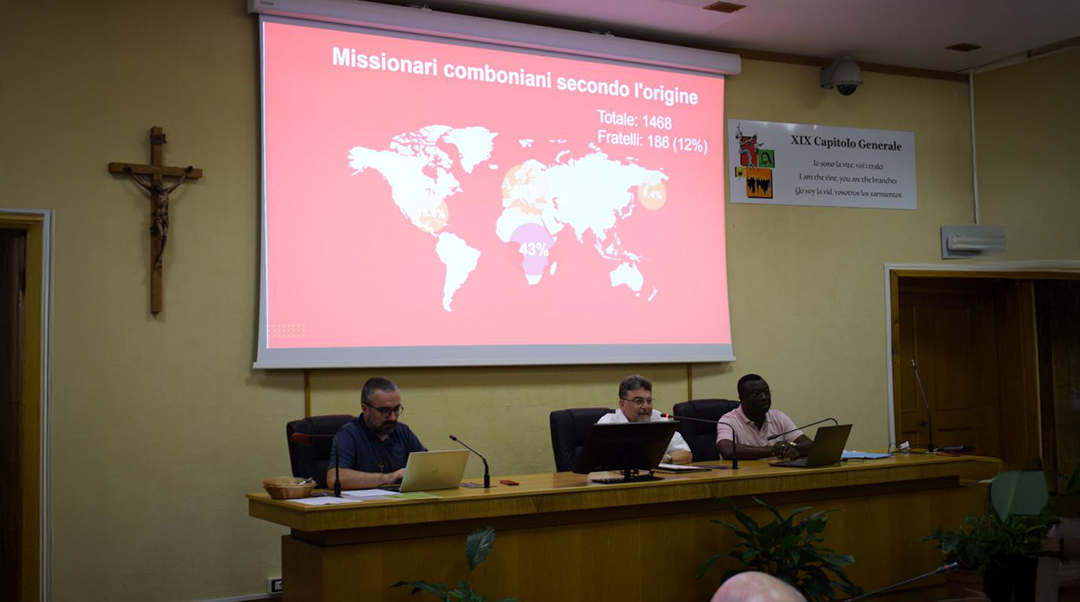
“TODAY, THE MISSION CANNOT DO WITHOUT ITS SOCIAL AND ECOLOGICAL DIMENSION”
In view of the Jubilee of the Missionary World (October 4-5, 2025), Father Luigi Fernando Codianni, Superior General of the Comboni Missionaries, reflects on the significance of mission today. The Comboni Missionaries account for 1 470 members hailing from 48 countries. They are present in 41 countries across Africa, America, Asia, and Europe.
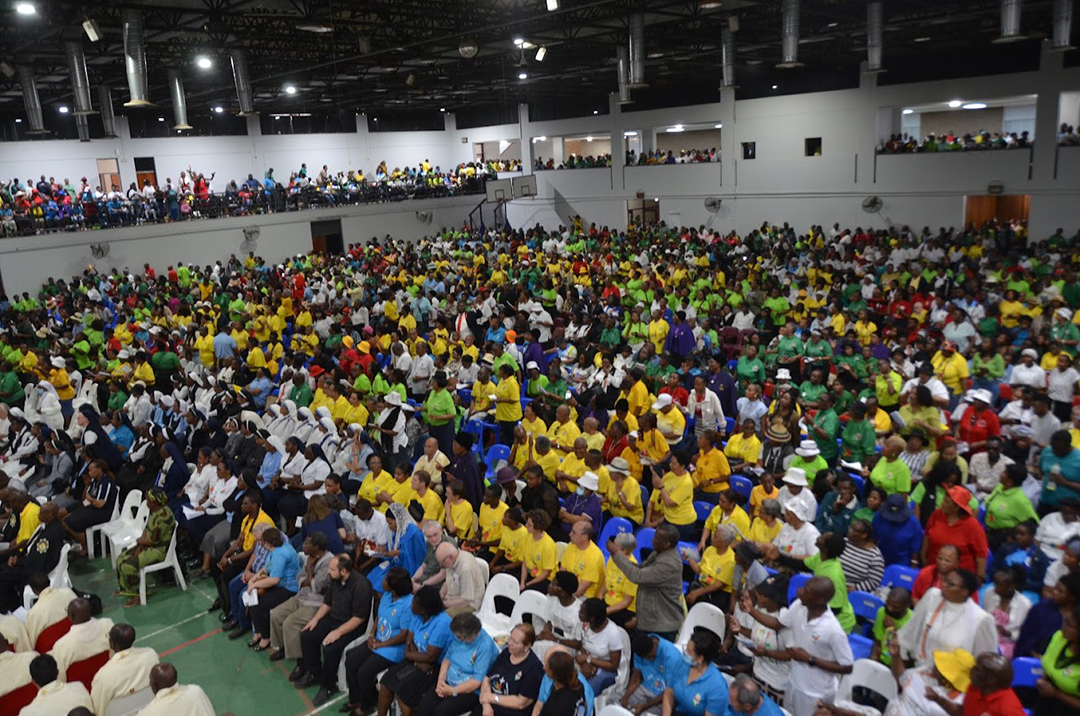
THE ARCHDIOCESE OF PRETORIA MARKS ITS JUBILEE OF HOPE WITH RECORD ATTENDANCE
AROUND 6 000 PILGRIMS from all over Pretoria gathered for the Archdiocese’s Jubilee of Hope celebration at the Sefako Makgatho Health Sciences University on Sunday, 14 September. The sports hall, used for the liturgy, was overcrowded, and many had to sit on the lawns outside.