

YOUTH AND JUBILEE
The front cover portrays faces of various youth leaders from the parish of Regina Mundi in Soweto. This parish played a significant role during the 1976 uprisings, protecting those who took refuge in its shelter. Nearly 50 years later, these young men and women represent the hope for a better South Africa, where youth can exercise a meaningful role in society and in the Church, where their talents can be recognized and their voices heard. May their dreams for a bright future and a fruitful discipleship of Jesus be fulfilled.
WORLD REPORT • MENTORSHIP
HOPE IS A JOYOUS PILGRIMAGE
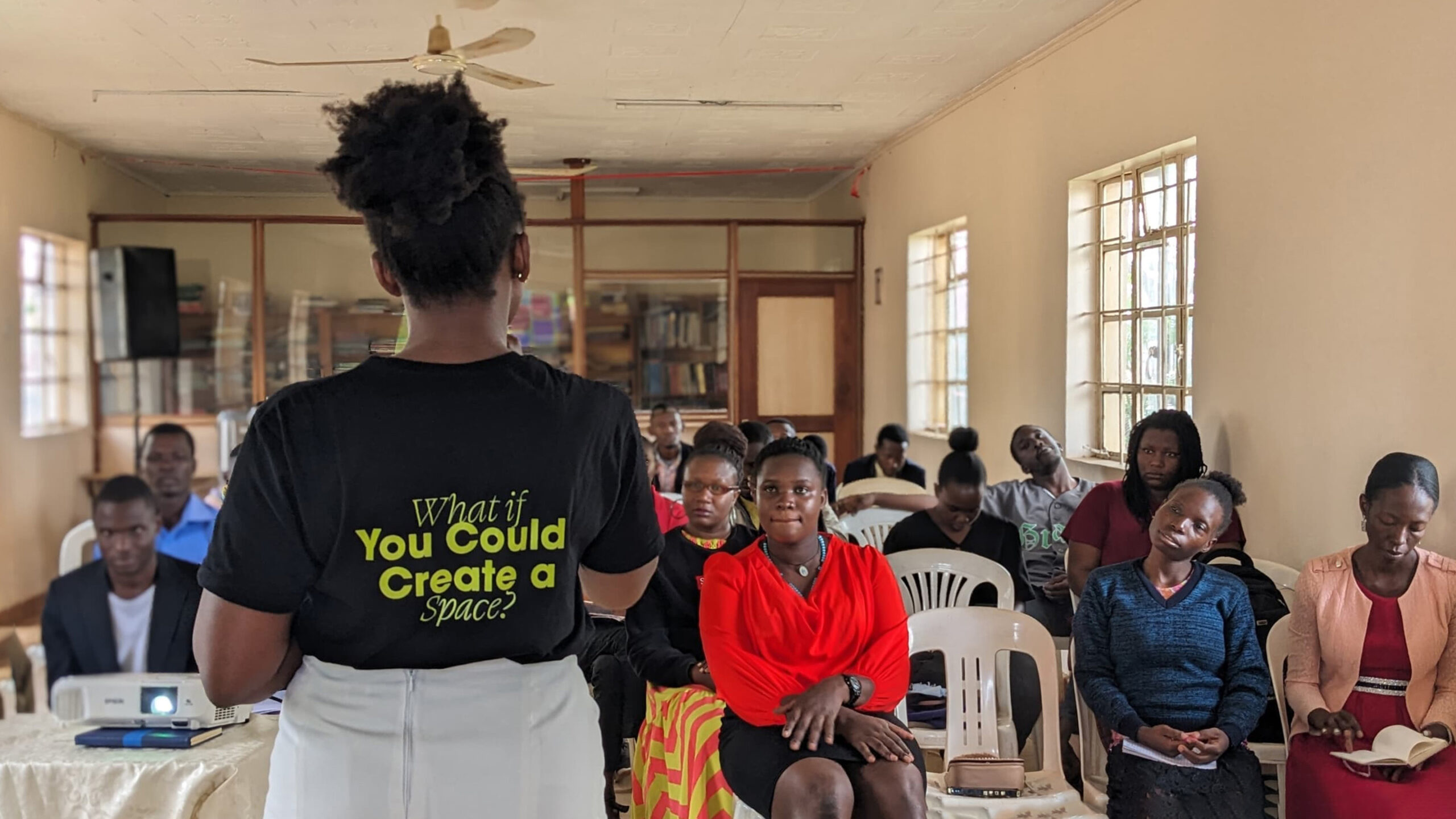
Mentorship or companionship in the journey towards maturity is in demand in a society where the youth are offered many alternatives and possible directions. The importance of forming spiritually grounded, socially aware, and mission-driven leaders is paramount. Universities and churches can play a fundamental role here. The author shares her reflection as she trains tertiary students in leadership skills and evangelization.
BY AMANIYO NEEMA JOSEPHINE | UNIVERSITY PASTORAL CARE WORKER, PROGRAM COORDINATOR FOR THE CATHOLIC CAMPUS STUDENTS MISSION UGANDA (CCSMU) AND ALPHA SUBSAHARAN AFRICA CATHOLIC CONTEXT YOUTH COORDINATOR*, KAMPALA, UGANDA.
TODAY’S WORLD is racing towards progress. In this race, the greatest risk we face is not a lack of innovation but rather a lack of character in those who lead. The youth of our generation are stepping into a future filled with complexity, opportunity, and pressure. There is abundant talent among the youth, but many lack guidance: someone to walk with them, shape their convictions, identify their potential, celebrate every sign of growth, and be a voice of encouragement in difficult times. Thus, mentorship becomes not just helpful, but the essence of growth we hope to see in the world.
True leadership is not formed in a vacuum. It is nurtured through intentional relationships, lived values, and experiences that challenge and shape the soul. Jesus modeled this perfectly when he called the 12 disciples to live with him and learn from him before commissioning them to go into the world and make disciples of all nations (Mat 28:18). As we look to the future in this Jubilee of Hope, we must ask ourselves: Who is investing in the next generation of leaders? What kind of leaders are we forming? The answer to these questions begins with a commitment to intentional mentorship, a gift that does not only transfer skills, but multiplies vision, purpose, and values to the next generations.
Young African generation
We have a rising generation filled with dreams and potential across the African continent. This generation is adaptive and resilient, seeking change and actively pursuing it. But many walk their journeys without a guide, someone who can empower them and help them to transform from who they are today to who they will become tomorrow. Villages, cities, campuses, and parishes have multitudes of youth hungry for meaning, purpose, and direction. The Jubilee of Hope invites us to respond to this hunger with urgency and faith. According to the late Pope Francis, this Jubilee is an invitation to an intense experience of the love of God that awakens in hearts the sure hope of salvation in Christ; it is also a call to renewal. This renewal must include raising young African leaders who are spiritually grounded, socially aware, and mission-driven. Mentorship is the bridge between aspiration and action. It gives young people a sense of belonging and accountability.
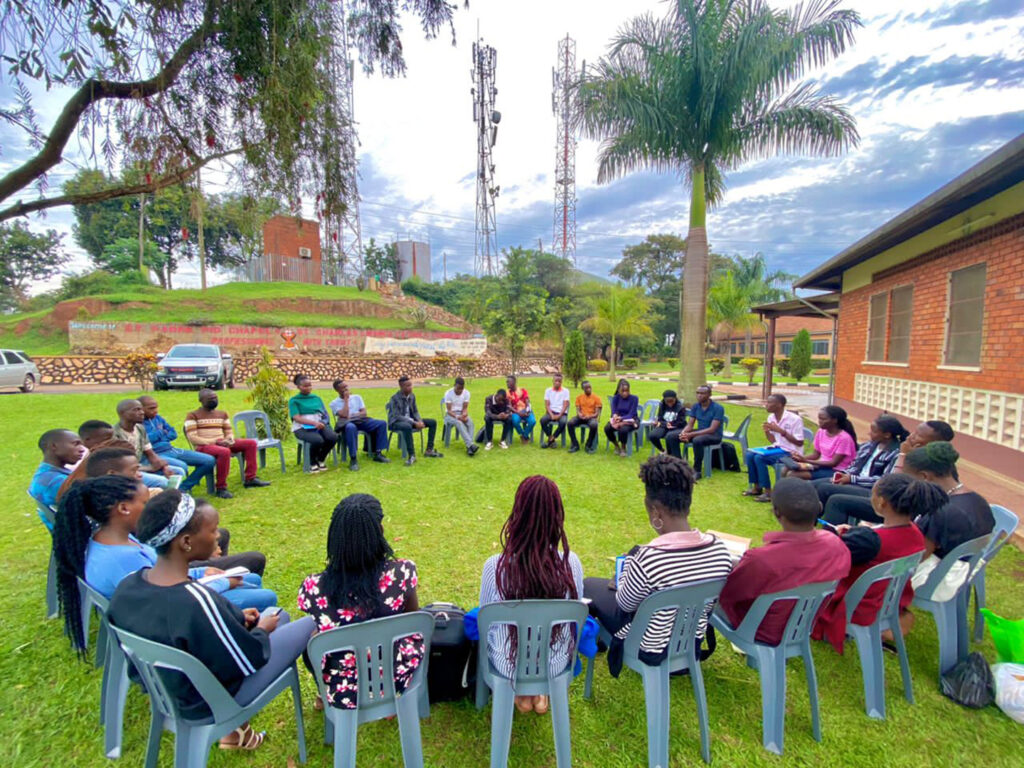
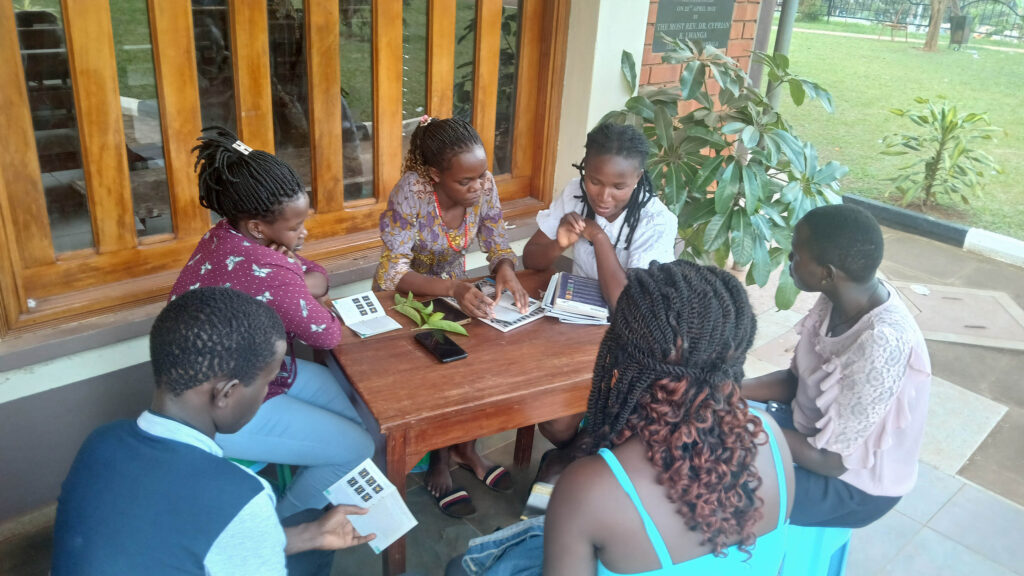
Africa does not suffer from a shortage of gifted youth; it suffers from a shortage of intentional mentors and long-term leadership formation. Churches, communities, and families must reclaim their role as leadership incubators, not just by hosting programs but by walking alongside the young generation, cultivating one relationship at a time.
Leadership
Universities are greenhouses for leadership. A university is meant to be a formative space where the future leaders of Africa are shaped. Other than the acquisition of academic knowledge, it is where character, vision, and leadership potential are tested and formed. Therefore, a university is a crucible for identity, purpose, and influence. It is whilst attending university that many young people begin to ask deeper questions such as: Who am I? What is my place in this wide world? What difference do I want to make in the world?
University campuses are a strategic mission field, a place where mentorship can shape the future of families, churches, industries, and nations. Leadership is not built in lecture halls alone; it is cultivated through relationships, service, discipleship, and intentional community. Campus ministries, chaplaincies, movements, student fellowships, youth apostolates, and faith-based organizations have a critical role to play. They must go beyond hosting events and begin raising multiplying leaders, young men and women who are mentored deeply, equipped spiritually as disciples of Jesus, and mobilized for mission. When students are accompanied by mentors who see their potential and invest in their formation, the ripple effects go beyond graduation and overflow into workplaces, neighborhoods, and future generations.
Mentorship as witness and strategy
Mentorship offers a powerful witness of presence in a time when many young people feel unseen; it says, “You matter, I see you, I believe in what you can become”, leading like Jesus did. Mentorship is not only personal but strategic. Forming young leaders multiplies the mission of the Church and the transformation of society, ensuring that hope is not only proclaimed but also embodied.
Churches, communities, and families must reclaim their role as leadership incubators
Mentorship should be both structured and organic; structured in the sense that it includes intentional space for formation, such as regular one-on-one check-ins, leadership training, spiritual direction, and accountability, and organic in that it involves shared life, such as sharing meals, conversations, shared mission projects, and friendship. The best mentors don’t just teach, they model.
As Paul exhorted Timothy, “And what you have heard from me through many witnesses, entrust to faithful people who will be able to teach others as well” (2 Timothy 2:2, NRSV). Here we see a Biblical model of mentorship; a chain of transition that ensures that faith, wisdom and leadership continue from generation to generation.
Ugandan Martyrs
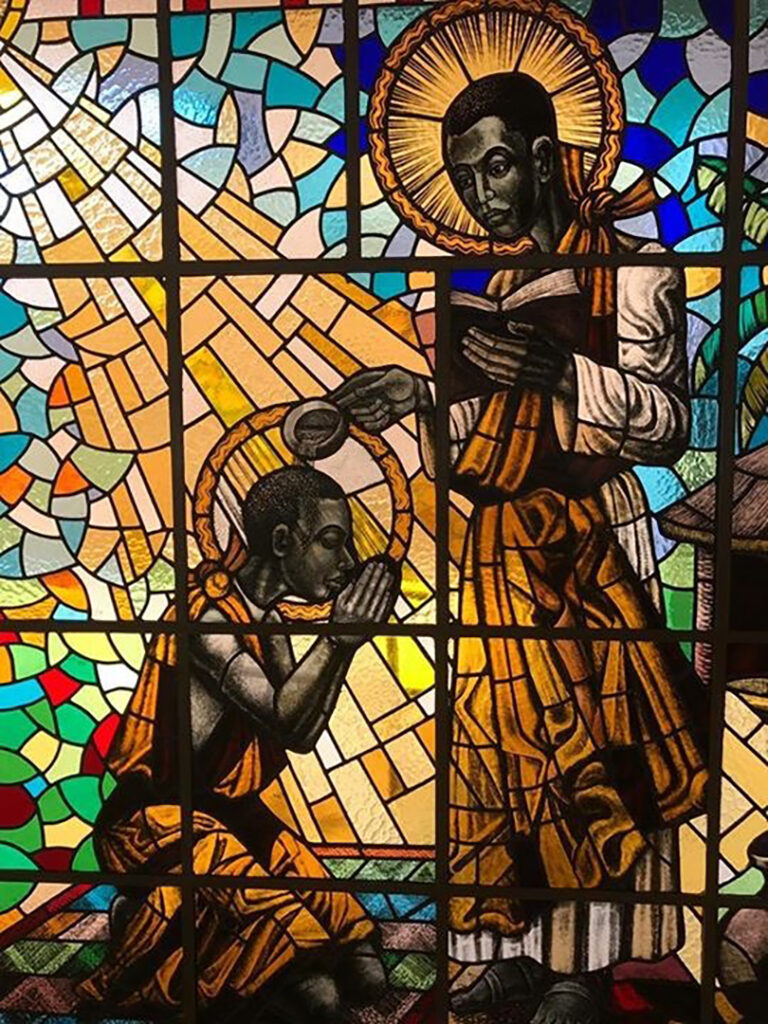
The story of Saints Charles Lwanga and Kizito, two of the Ugandan Martyrs, stands as a profound example of mentorship in Christian history. Amidst persecution and moral decay at the court of King Mwanga II, St Charles emerged as a protector, spiritual guide, and leader to the Christian converts. St Kizito was the youngest, around 14 years old at the time. He was baptized by St Charles the night before their martyrdom. But his formation did not begin here; it was developed through daily witness, prayer, protection, and fatherly care. In a society where fear, violence, and exploitation surrounded them, St Charles became a model of faith and of exemplary leadership.
The Jubilee of Hope is more than just a celebration; it’s a call to mission, to start raising African youth who will transform the Church and society through leadership and mentorship.
The Forge
I recently watched The Forge, by the Hendrick Brothers, a powerful film about a young man’s journey to rediscover purpose through the guidance of a faithful mentor. What stood out was the depth of mentorship, focused not just on skills, but on character and navigating failure and growth. It reminded me of the kind of discipleship seen in Charles Lwanga and Kizito, one that signifies identity and courage. I highly recommend it to every leader, mentor, and youth worker.
Leadership formation
To embrace the Jubilee of Hope meaningfully, we must prioritize leadership formation through mentorship. Here are some ways in which we can intentionally build the next generation as we extend the rays of hope:
- Training mentors who are equipped to journey with young people through discipleship and leadership development.
- Creating communities of belonging in universities that foster deep relationships and accountability.
- Encouraging peer mentorship and multiplying leaders who disciple others.
- Embedding mentorship in the life of ministries, churches, and institutions.
The Jubilee of Hope is a generational moment but its impact depends on how well we prepare today’s youth. We must raise leaders who are not only excellent but faithful, not only visionary but grounded. Our future hinges on our investment in them.
The Jubilee Generation is already among us. They are sitting in lecture halls, leading prayer groups, dreaming of change, and searching for mentors. They don’t need perfection, they need presence. One should encourage them by saying, “You are not alone. Let’s walk this road together.”
The Jubilee of Hope is more than just a celebration; it’s a call to mission, to start raising African youth who will transform the Church and society through leadership and mentorship. Let the renewal begin with us. Let every university become a center of multiplication. Let every mentor rise and say: I believe in this generation. I will walk with them. I will prepare them. Let’s not wait for tomorrow. Let’s start today with the young people in our families, neighborhoods, and the ones close to us. This is how we celebrate a jubilee worth remembering! One led by hope-filled, faith-rooted, and well-formed leaders who will carry the light forward.
TIME OF HOPE FOR THE CHURCH IN AFRICA
The article highlights Pope Francis’s 2025 Jubilee Bull, “Spes non Confundit,” emphasizing hope, restoration, and the Church’s vital role in addressing global and African challenges.