

YOUTH AND JUBILEE
The front cover portrays faces of various youth leaders from the parish of Regina Mundi in Soweto. This parish played a significant role during the 1976 uprisings, protecting those who took refuge in its shelter. Nearly 50 years later, these young men and women represent the hope for a better South Africa, where youth can exercise a meaningful role in society and in the Church, where their talents can be recognized and their voices heard. May their dreams for a bright future and a fruitful discipleship of Jesus be fulfilled.
SPECIAL REPORT • EDUCATION
YOUTH AND EDUCATION
While education remains a key prerequisite for shaping our youth’s bright future, it also needs to equip them with the skills demanded by the work market so that they can gain access to job opportunities.
BY FR JEREMIAH GAMA OMI | ASSOCIATION OF CATHOLIC TERTIARY STUDENTS (ACTS) CHAPLAIN, NORTH WEST UNIVERSITY, POTCHEFSTROOM
WHEN WE were growing up, some of us, if not most, used to hear the words “education is the key to success” and “education leads to a bright future”. This was the advice that most young people received from their elders, and many in fact took this counsel to heart; yet for some, as the reality of age sets in, there seems to be some disillusionment.
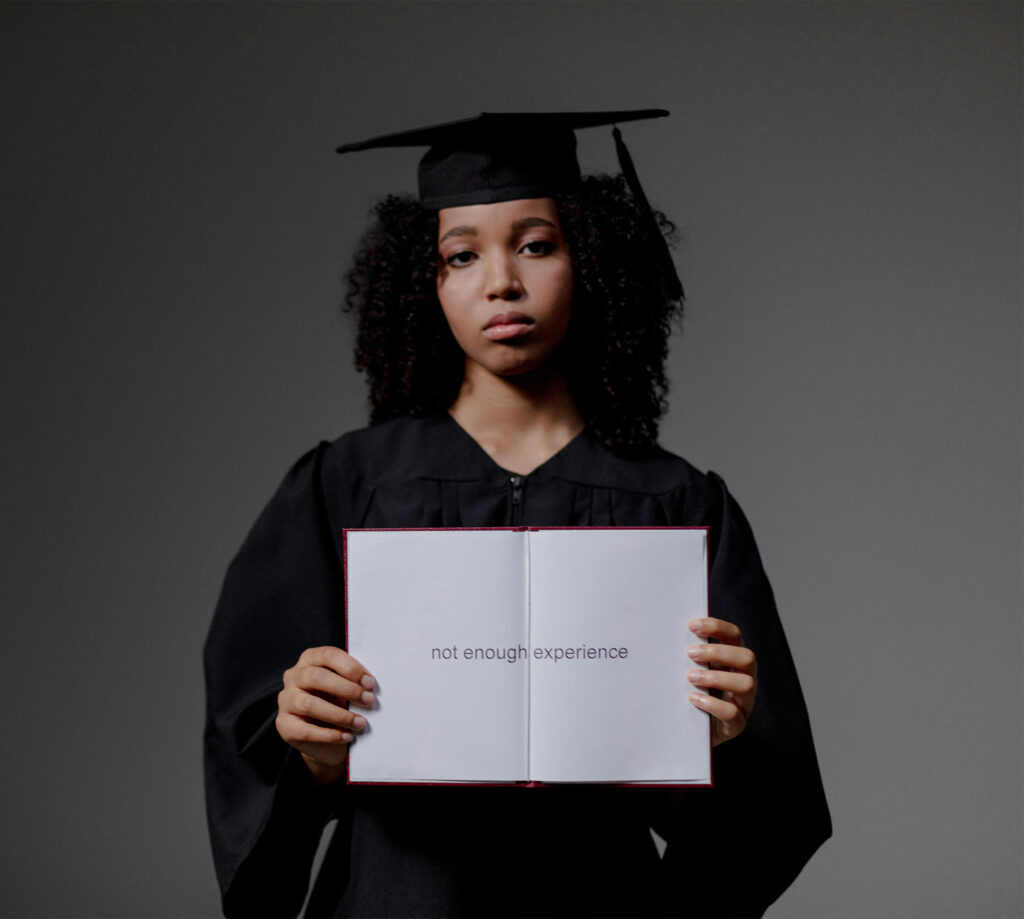
After the completion of higher learning education and even immediately after passing matric, the prospects of a brighter future are thwarted for many youngsters as they either remain unemployed or do become employed, due to life circumstances over which they have no control.
When looking at South African statistics and the youth unemployment rate, one could easily conclude that the above-mentioned statements, do not reflect the reality and thus become disenchanted.
This article does not argue for or against the correlation between education and success in life, but merely demonstrates that to a certain degree education is still an integral part of the lives of young people, shaping their minds and future.
Education and development
According to the United Nations for Youth, “education is central to development and to the improvement of the lives of young people globally, and as such it has been identified as a priority area in internationally agreed developmental goals, including the Millennium Development Goals and the World Programme of Action for Youth. Education is important in eradicating poverty and hunger and in promoting sustained, inclusive and equitable economic growth and sustainable development. Increased efforts towards education, accessibility, quality and affordability are central to global development efforts” (UNESCO 2013).
The history of South Africa has always been one of inequality and a gatekeeping of sorts. When you rummage through the various social media platforms, you come across many young people who decry their reality of being educated and yet remain unemployed. We also need to acknowledge that neither the private sector nor government can hire everyone, and even the social relief programmes which are available, seem not to be sufficient to assist or even eradicate unemployment. An article by Amnesty International (Shenilla 2020), shows that there seems to be a disparaged reality of education and success among many youths of the country, and that it is coupled with a seemingly failing implementation of government policies and dilapidated infrastructure.
Furthermore, the repeated failure of government to address these issues shows not only a lack of accountability, but also has negative consequences for the life opportunities of thousands of young people and the future of this country.
Church and education
The Church, on the other hand, still shows strong support for education and its correlation to the youth and their development. Pope Paul VI (1965) stated in his Declaration on Christian education, Gravissimum Educationis, that “all men of every race, condition and age, have an inalienable right to education, for a true education aims at the formation of the human person in the pursuit of his/her ultimate end and of the good of the societies.
Therefore, children and young people must be helped, with the aid of the latest advances in psychology, arts and science of teaching, to develop harmoniously their physical, moral and intellectual endowments so that they may gradually acquire a mature sense of responsibility in striving endlessly to form their own lives properly and in pursuing true freedom as they surmount the vicissitudes of life with courage and constancy.
The Church still shows strong support for education and its correlation to the youth and their development.
Moreover, they should be so trained to take their part in social life that properly instructed in the necessary and opportune skills they can become actively involved in various community organizations, open to discourse with others and willing to do their best to promote the common good. Consequently, the Church earnestly entreats all those who hold a position of public authority or who are in charge of education to see to it that the youth are never deprived of this sacred right.
It further exhorts the members of the Church to give their attention with generosity to the entire field of education, having especially in mind the need of extending very soon the benefits of a suitable education and training to everyone in all parts of the world” (cf. GE §1).
Sustainability
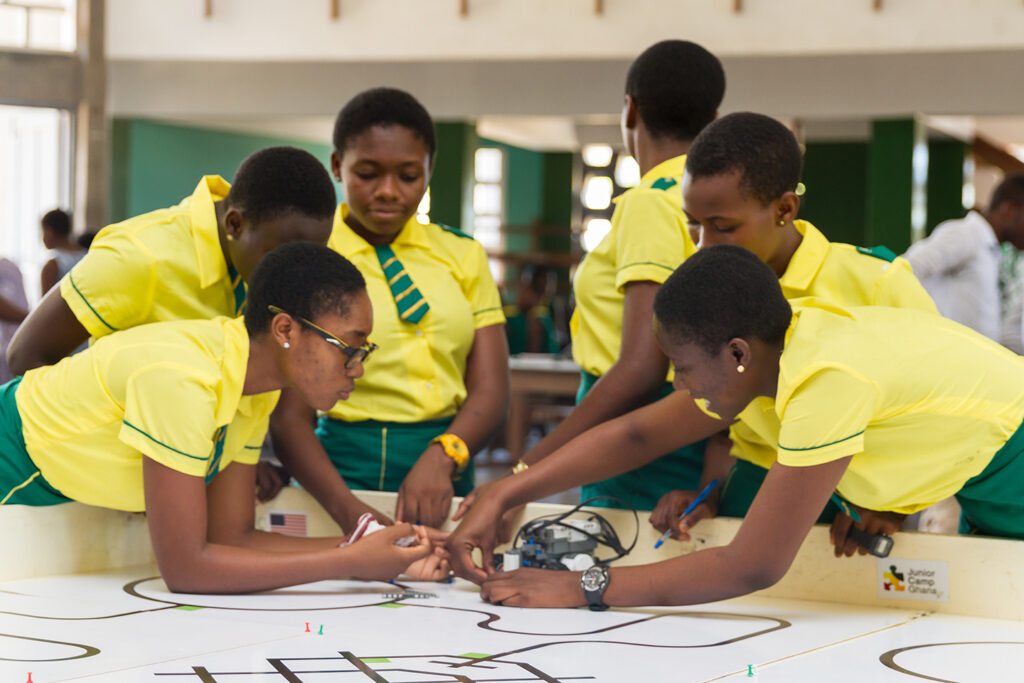
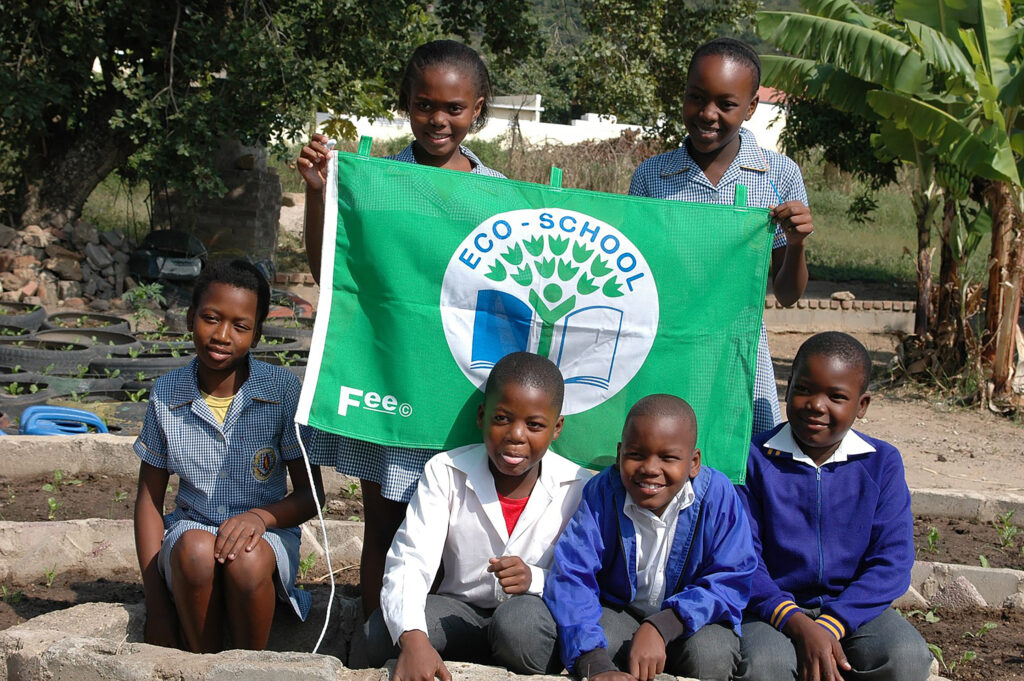
While sustainability is at the centre of many government agendas, there is a great risk of entrusting strategic decisions to those lacking such expertise. It is therefore necessary to ensure that educational institutions are the engines of sustainable communities; these educational centres should support younger generations by encouraging student engagement in real-world projects. Therefore, education should impact the lives of the youth and inspire them to build a better community.
Those who choose Further Education and Training (FET) collages have been looked down upon by those who go to Technikons and Universities. This could be due to the fact that in our minds we always believed that a university degree would guarantee employment and a better future. The FETs are however where practical skills and education are offered to those who are ready for the job market.
Education needs to be practical, and we need to realise that we cannot all be working in offices. We will always be in need of plumbers, bricklayers, etc for a sustainable society.
Job oriented skills
Education is a platform or a tool to turn our backs on the poverty of our townships and to serve our families more effectively even though remuneration and wages are still unequal at times. We need to remain hopeful that this will change one day. There is no direct link between higher learning institutes and corporate and government job requirements. If indeed there was such a link, it would mitigate the high unemployment rate of suitably qualified candidates. It would bridge the gap of work experience and oversaturation of certain fields of employment.
Education is a platform or a tool to turn our backs on the poverty of our townships and to serve our families more effectively even though remuneration and wages are still unequal at times.
We need to engage with our youth and make them aware of this reality, as well as of steadily increasing university fees. Hence the cry ‘fees must fall’ will remain a part of future generations until all have access to quality education and prospects of being employed to provide for themselves and their families. We speak of providing a seat for the youth at the discussion table concerning their future, and yet it seems that those youths at the table are the ones whose parents are influential and privileged.
The cut-off age for employment in this country is 15 years. If you however sit down and examine our 30 years of democracy, how many have never experienced satisfying employment? How do we explain the reality that education is the key to success to the youth of our country?
YOU HAVE WHAT IT TAKES!
This article reflects on some aspects of the reality of young adults. Convictions emanatingnfrom faith are presented as the basis and ground which add solidity to their lives.