
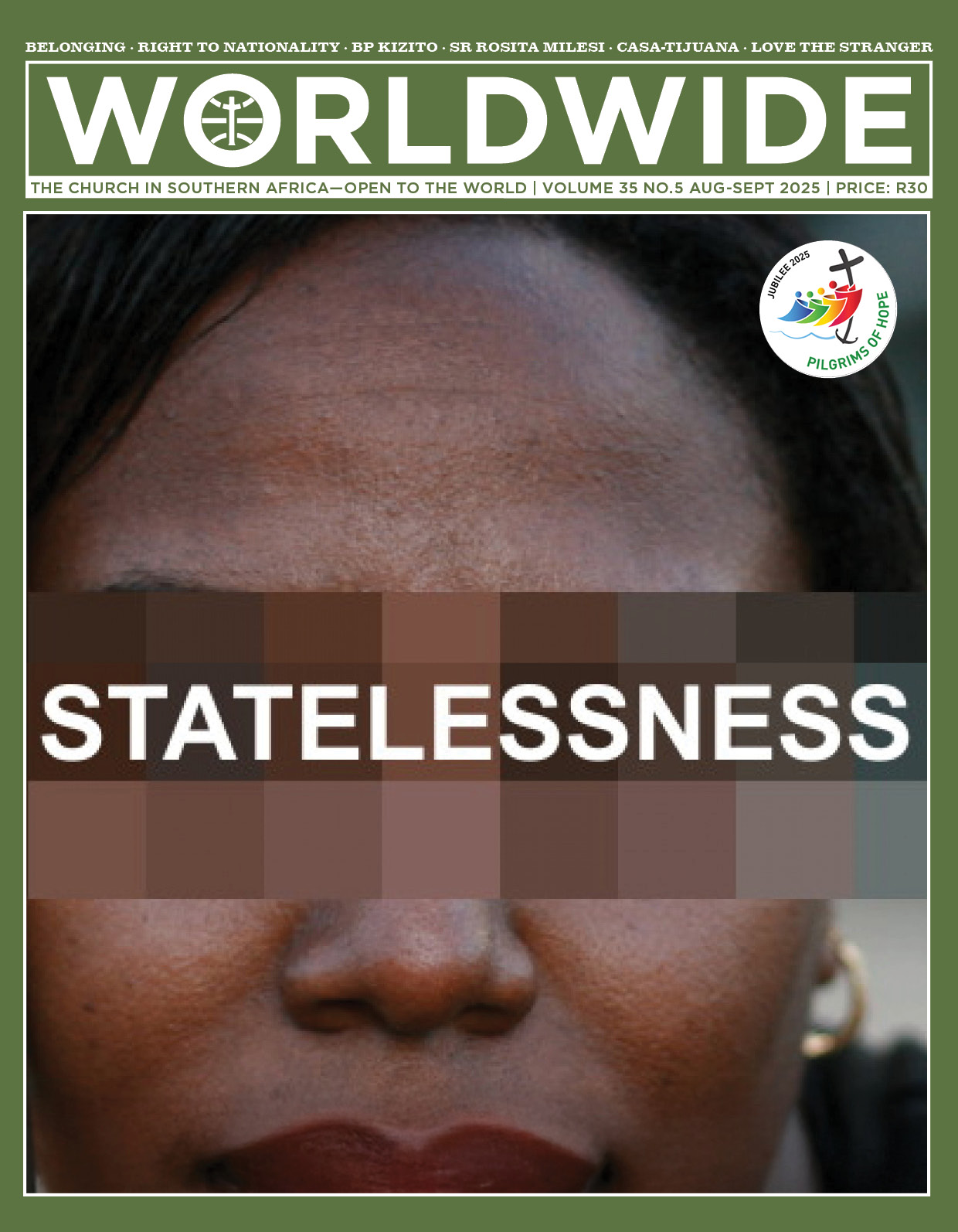
STATELESSNESS
Stateless people from all over the world live in situations of limbo, lacking a nationality, which prevents them access to the basic rights of any citizen of a country. The causes of statelessness are varied, including bureaucratic obstacles, but they all result in the deprivation of the dignity deserved by any human being. This underlines the importance of lobbying to end statelessness in the world.
WORLD REPORT • UNDOCUMENTED
A handicap for human dignity
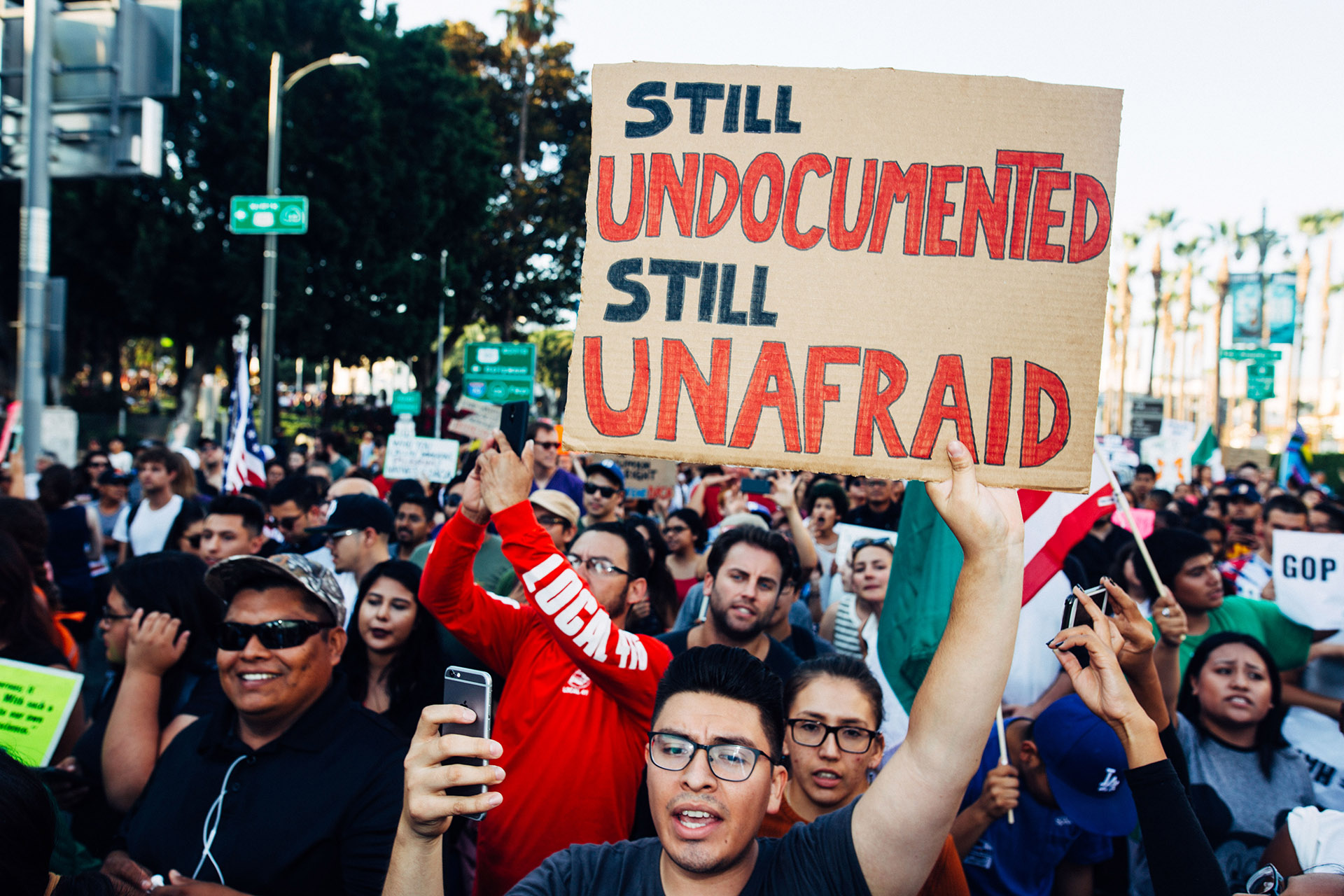
Of the approximately five million refugees in Africa, spread across countries such as Uganda, Kenya and South Sudan, around 85 000 are undocumented. Meanwhile, globally, around 4 million people are considered stateless. These two conditions, being undocumented and being stateless, tend to be confusing, if not in the context of bureaucracy, at least in terms of discourse and reflection on the vulnerability that both situations imply.
BY Prof. Dr Paulo Inglês | Director of the Department of Higher Studies and Advance Formation, University Jean Piaget, Luanda, Angola
ACCORDING TO the United Nations High Commissioner for Refugees (UNHCR), a stateless person is someone who has no legal ties to any country, i.e., he or she has no nationality (UNHCR 1954). In contrast to this, an undocumented person resides in a country without permission or the required legal documents. While the former entails a lack of nationality, the latter refers to the legal status of an individual’s residence in a country. Both situations affect the lives of thousands of people. The first is a global problem, often transnational, while the second concerns the application of immigration laws in a specific country. Undocumented persons may be protected by certain constitutional rights, while stateless persons may be deprived of basic rights.
Despite this legal and technical distinction, individuals or social groups may be subject to the same vulnerabilities that affect their rights. In this sense, what we are going to present applies to both cases, although we are aware of the difference between them.
While some people are born stateless, others may become so due to various circumstances, such as discrimination, conflict or flaws in nationality laws. The same applies to undocumented persons, whose situation may be a result of mobility. The relationship between a state and an individual does not lie with the individual itself, but with the institutional existence of an entity whose function it is to justify and standardise procedures. From an individual’s perspective, the absence of this legal bond — which is political, not legal — threatens not only the social progress of the individual or of groups, but also their very existence, given the vulnerability it creates. In this sense, the status of being undocumented or stateless ceases to be a legal issue and becomes a matter of human dignity.
Mobility and border crossing
The causes of mobility are complex to comprehend, even among specialists. Mobility is often associated with brief or prolonged outbreaks of violence, especially armed conflicts, as well as poverty resulting from socioeconomic and political constraints, religious divisions, cultural clashes, and environmental conditions such as prolonged droughts and hurricanes. While these factors may be seen as contributing to human mobility, ultimately, it is the decision of the individual or group which determines whether or not to move. This controversial assumption does not detract from the situation of victims of migration; rather, it attempts to highlight that even in situations of great hardship, the decision to leave is related to one’s ability to survive, to creativity, and ultimately, to dignity. In some circumstances, defending one’s dignity as a human being means leaving one’s place of origin, while in other circumstances, defending that dignity means staying. However, either decision can entail risks that paradoxically threaten dignity itself. These decisions are sometimes made amid great uncertainty and in adverse circumstances.
Even in situations of great hardship, the decision to leave is related to one’s ability to survive, to creativity, and ultimately, to dignity.
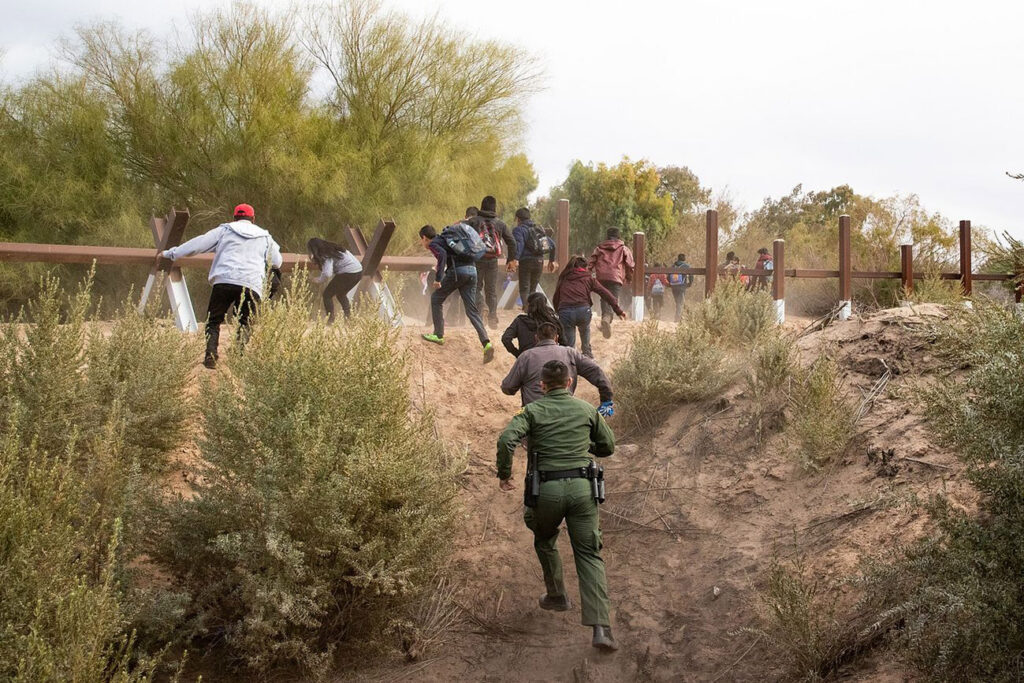
The need to emigrate may involve crossing borders, which in many contexts is the only way to avoid tragedy and, in extreme cases, the only possible means of survival. It is in these circumstances that the condition of being undocumented and/or stateless is produced: a human need for survival in which, on the one hand, there is a loss of assets, including documentation; on the other hand, there are the bureaucracy and migration policies of the host states and, in some contexts, of the international agencies that manage migration processes. There are also cases in which, as a matter of survival, migrants themselves dispose of documentation proving their nationality, when it is viewed with suspicion by the authorities of the host country.
The politicization of borders
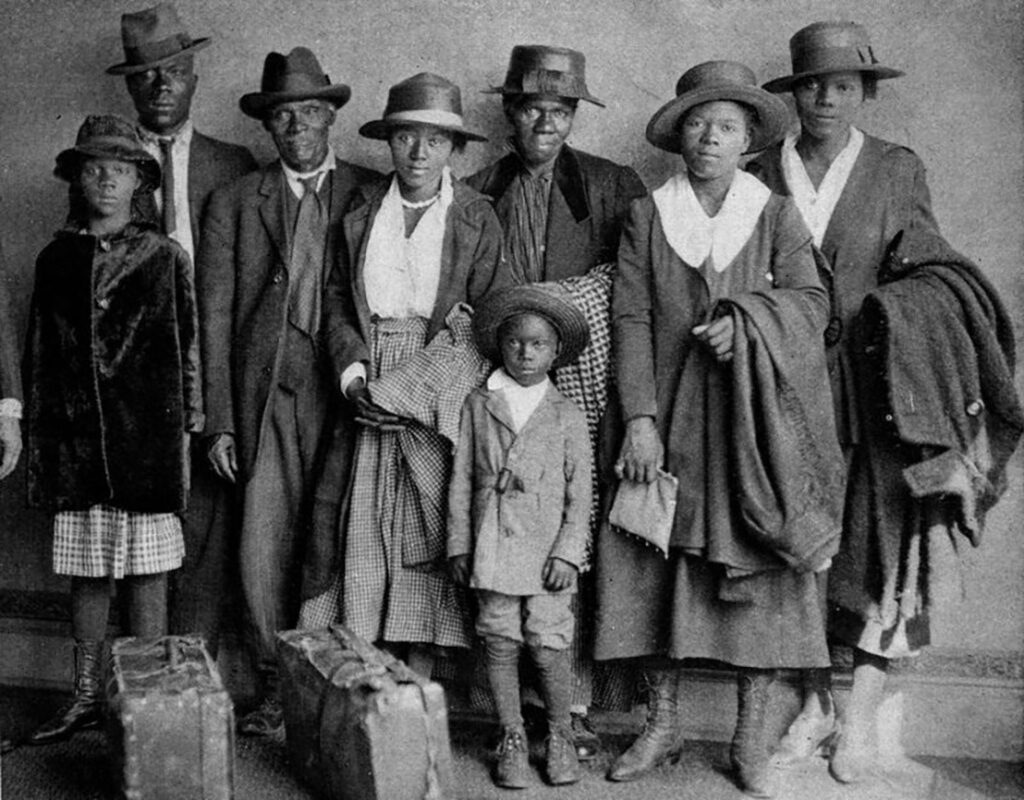
If we take a snapshot of the history of humanity from the 14th century onwards, we see that it is filled with examples of the complexity of the causes and factors associated with human mobility. The slave trade, for example, is a symbol of forced and violent migration and contains episodes of both resistance and painful choices made in the quest for survival. The movement of Europeans to the Americas, both north and south, from the 17th century onwards, and the movement of Asians to and from Africa, especially in the 18th, 19th and 20th centuries, has always held the potential for survival, despite interests which were sometimes spurious.
Unlike previous centuries, the relationship between individuals and states lacked the political dimension evident in the 20th and 21st centuries. National borders were based on ethnicity, social groups, class, religion and race. It is only very recently, starting in the 19th century and becoming more prevalent in the 20th century, that borders have been transformed into political and security apparatuses. This has had consequences for people escaping constraint who encounter insurmountable obstacles in their quest for survival and fulfilment in their host country. It can be concluded that the condition of being undocumented is the result of the politicisation of borders and the division and hierarchisation of interstate relations, with consequences for individuals and social groups who have found human mobility to be a means of ensuring their survival and maintaining their dignity.
Undocumented status and poverty
In many African countries, such as Angola, Malawi and Botswana, indicators of poverty include whether or not at least one member of a family possesses an identity card or birth certificate. Therefore, the absence of an identity document in a family is a significant marker of poverty. This presupposes a relationship between poverty and the situation of undocumented or stateless persons. Some socioeconomic rights, such as access to education and healthcare (including emergency care), are often denied to individuals without documentation. This can impact mental health, as it is often associated with discrimination, stigma, a lack of community or family support, and hate speech, rejection, and limited access to basic services and formal employment. This increases vulnerability and, in many contexts, generates social tensions and conflicts between insiders and outsiders.
Some socioeconomic rights, such as access to education and healthcare (including emergency care), are often denied to individuals without documentation.
Restoring dignity by granting citizenship
As stated at the beginning, although the relationship between an individual and a political entity has a legal basis, it ultimately resides in the individual’s right to be part of a community. This is essentially an inalienable right to existence. In the case of African countries, where thousands of people live in a stateless and undocumented situation, rights are violated and this has the potential to generate social and political conflicts in the long term. Granting citizenship, or documentation that allows individuals to re-establish a legal bond with a state, recognises the human dignity of individuals or groups despite their stateless or undocumented condition.
References:
UNHCR. 1954. Convention relating to the Status of Stateless Persons. Geneva: Switzerland.
HOPE IS A JOYOUS PILGRIMAGE
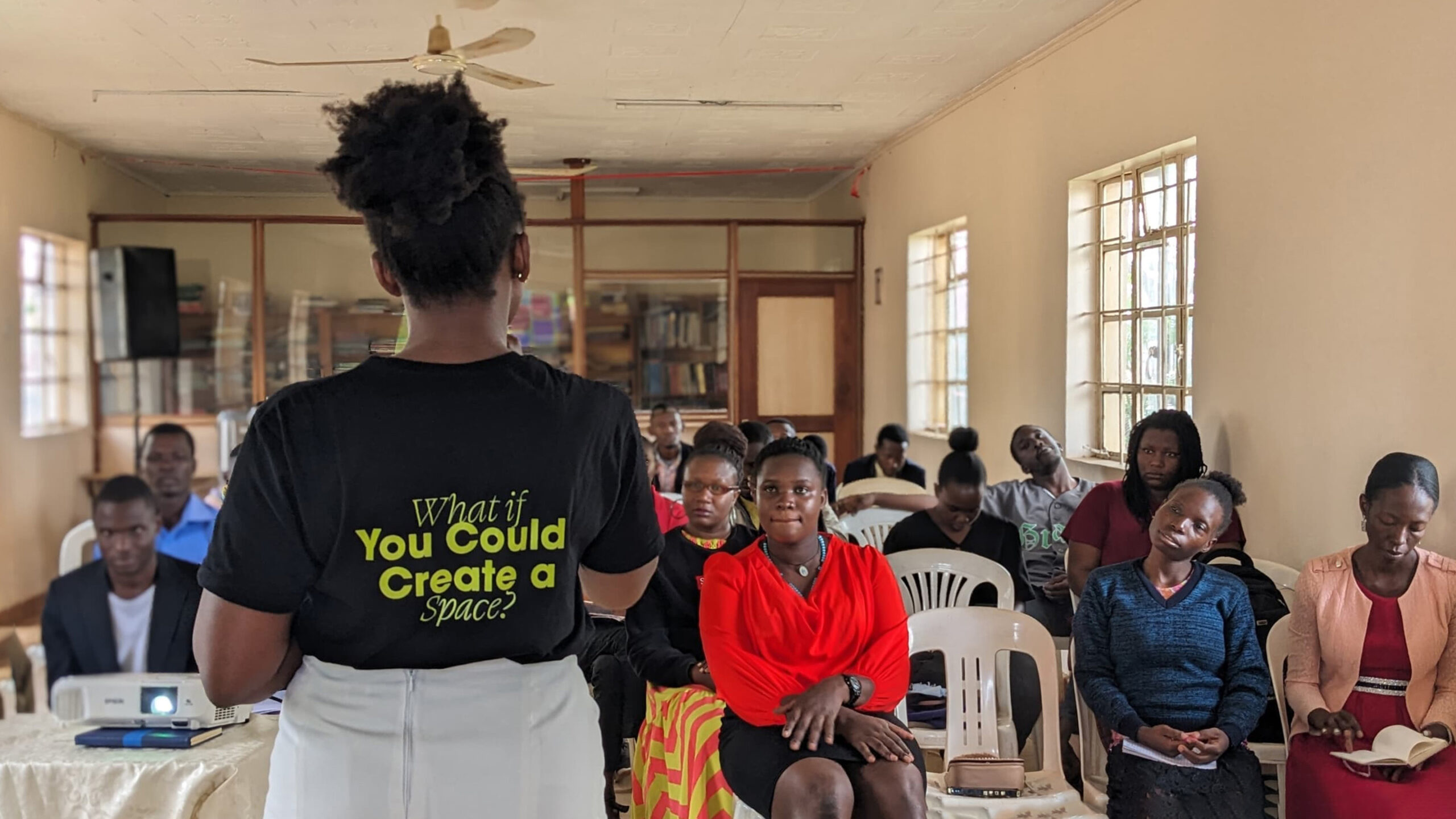
Mentorship or companionship in the journey towards maturity is in demand in a society where the youth are offered many alternatives and possible directions. The importance of forming spiritually grounded, socially aware, and mission-driven leaders is paramount. Universities and churches can play a fundamental role here. The author shares her reflection as she trains tertiary students in leadership skills and evangelization.