
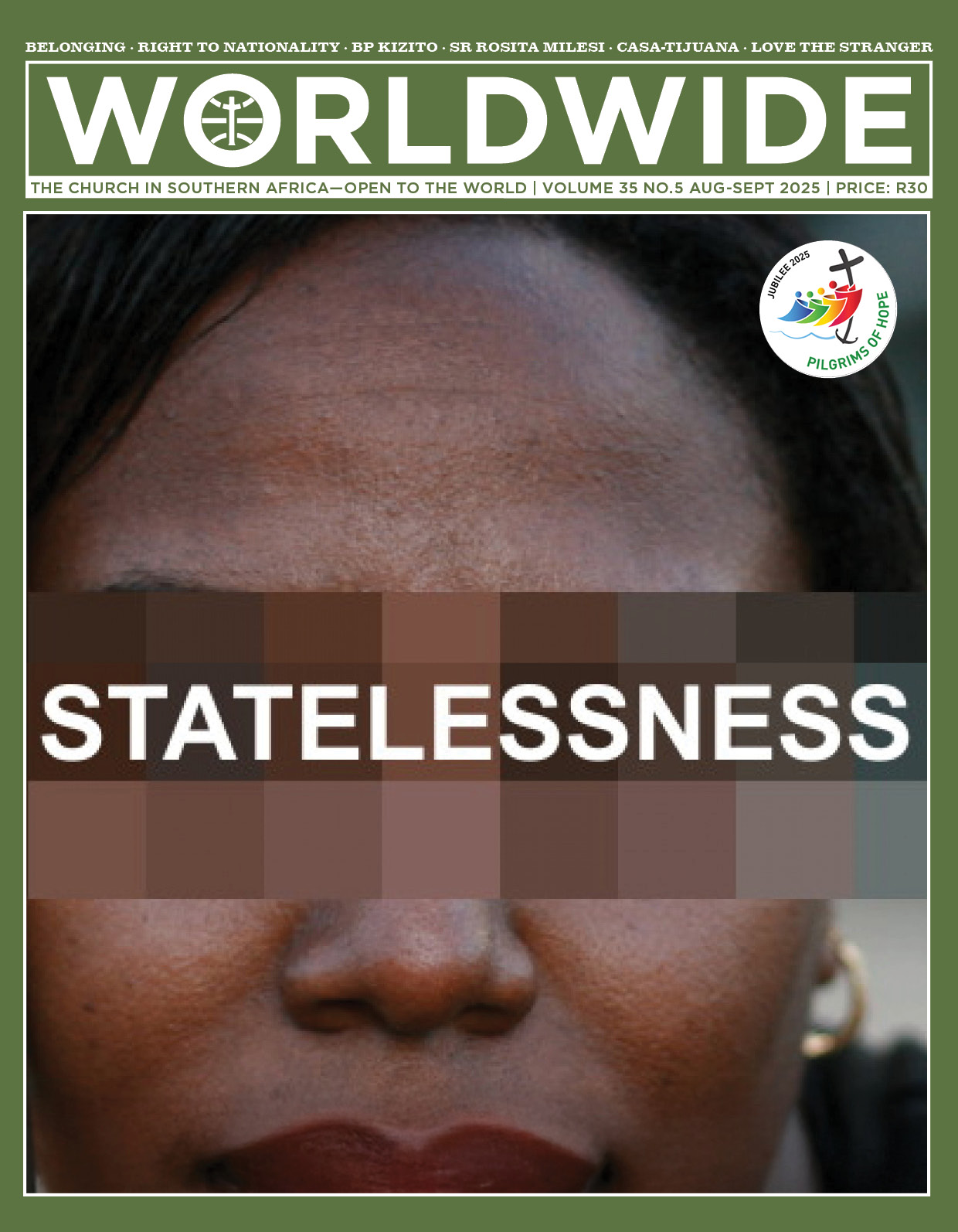
STATELESSNESS
Stateless people from all over the world live in situations of limbo, lacking a nationality, which prevents them access to the basic rights of any citizen of a country. The causes of statelessness are varied, including bureaucratic obstacles, but they all result in the deprivation of the dignity deserved by any human being. This underlines the importance of lobbying to end statelessness in the world.
RADAR • FOOD HABITS
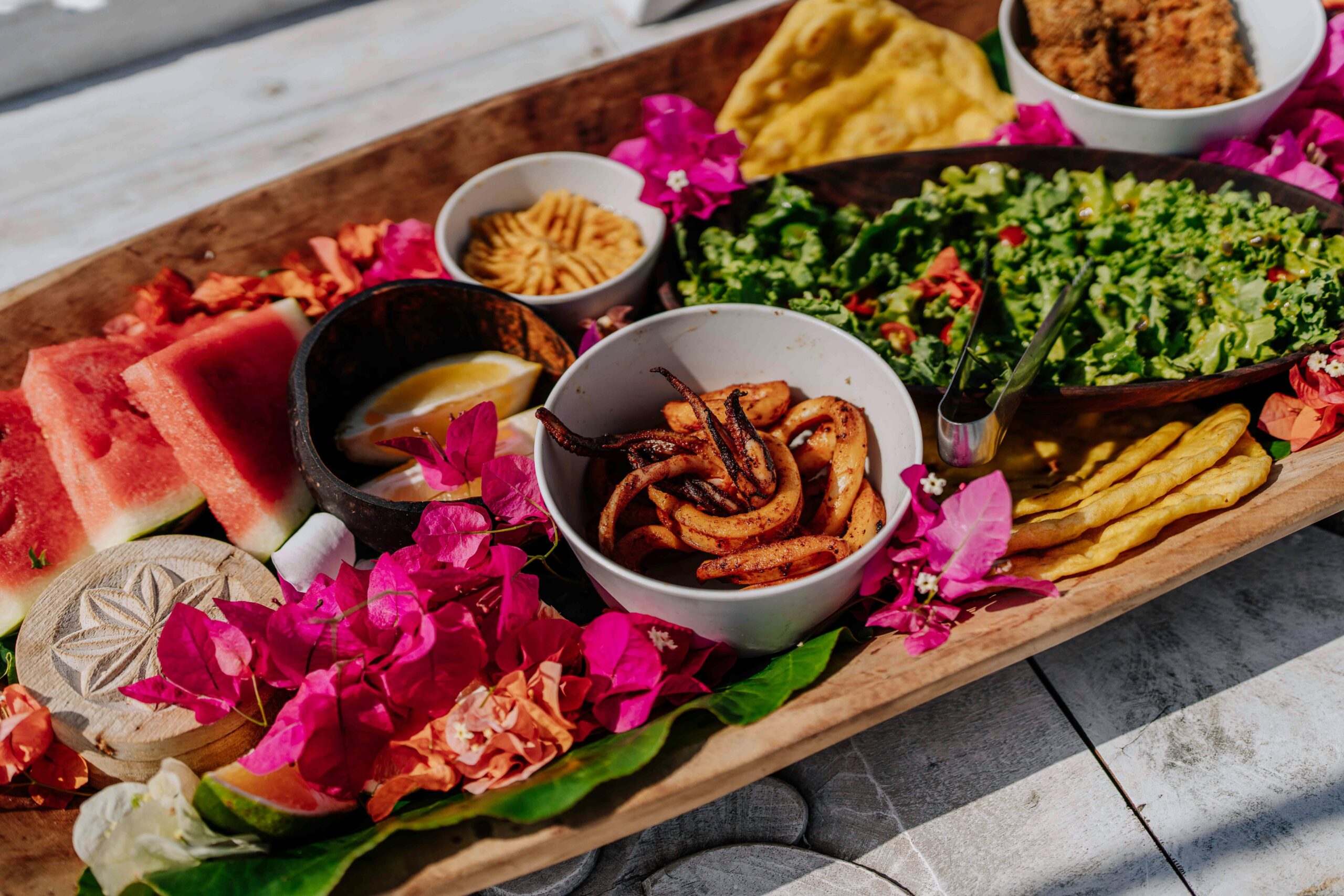
Africans survived 10 000 years of climate changes by adapting food systems
Lessons for modern times
BY
Leanne N. Phelps
| Associate research scientist
KRISTINA GUILD DOUGLASS | Associate Professor, Columbia University
IMAGINE LIVING in a place where a single drought, hurricane, or mudslide can wipe out your food supply. Across Africa, many communities do exactly that—navigate climate shocks like floods, heatwaves, and failed harvests.
What is often overlooked in the development policies to tackle these threats is a powerful source of insight: Africa’s own history.
From around 14 700 to approximately 5 500 years ago, much of Africa experienced wetter conditions—a time referred to as the African Humid Period. As wet conditions declined around 5 500 years ago, major social, cultural, and environmental changes ensued across the continent.
A recently published study by a multidisciplinary team of scientists which we are part of, explains how diverse African communities adapted to climate variability over the past 10 000 years. This is the first study using isotopic data to explore thousands of years of change in people’s livelihoods across the continent.
This continent-wide approach offers novel insights into how livelihoods formed and evolved across space and time.
Prior theories often assumed that societies and their food systems developed in a linear way. In other words, they progressed from simple hunting and gathering communities to politically and socially complex societies practising agriculture.
Instead, what we see is a complex mosaic of adaptable strategies that helped people survive. For 10 000 years, African communities adapted to their environment by combining and alternating herding, farming, fishing and foraging. They blended different practices based on what worked at different times in their specific environment. That diversity across communities and regions was key to human survival.
All of this has real lessons for food systems today.
The research suggests that rigid, top-down development plans, including ones that privilege intensifying agriculture over diversified economies, are unlikely to succeed. Many modern policies promote narrow approaches, like focusing solely on cash crops. But history tells a different story. Resilience is not about choosing the “best” or most “intensive” method and sticking with it blindly. Rather it is about staying flexible and blending different strategies in order to align with local conditions.
Clues left behind
The food that people ate and the environments that they lived in gave us some clues. We analysed the chemical traces (isotopes) in ancient human and domestic animal bones coming from 187 archaeological sites across the African continent.
We sorted the results into groups with similar features, or “isotopic niches”. Then we described the livelihood and ecological characteristics of these niches using archaeological and environmental information.
Our methods showed us a wide range of livelihood systems. For example, in areas now known as Botswana and Zimbabwe, some groups combined small-scale farming with wild food gathering and livestock herding after the African Humid Period. In Egypt and Sudan, communities mixed crop farming ( focusing on wheat, barley, and legumes)with fishing, dairy farming , and beer brewing.
Herders, in particular, developed highly flexible strategies. They adapted to hot plains, dry highlands, and all areas in between. Pastoral systems (farming with grazing animals) show up at more archaeological sites than any other food systems. They also have the widest range of chemical signatures—evidence of their adaptability to changing environments.
Through the use of isotopic data, we create a picture of how people used livestock. Most animal management systems were reliant on grasses (plants such as millet and tropical pasture), and adapted to diverse ecological conditions. Some systems were highly specialised and suited to semi-arid and mountainous environments. Others included mixed herds adapted to wetter or lower lying regions. In other cases, animals were kept as stock in small numbers to supplement other livelihoods —providing milk, dung, and insurance against crop failure.
This adaptability helps clarify why, over the past millennium, pastoral systems have remained so important, especially in areas with increasing aridity.
Mixed livelihood strategies
The study also provides strong evidence of interactions between food production and foraging, whether at community or regional level.
Dynamic, mixed livelihood strategies, including interactions like trade within and between communities near and far, were especially apparent during periods of climatic stress. One of these periods was the end of the African Humid Period (from about 5 500 years ago), when a drier climate created new challenges.
In south-eastern Africa, from 2 000 years ago, there was an increase in diverse livelihood systems blending herding, farming and foraging in complex ways. It is likely that these systems emerged in response to complex environmental and social change. Complex changes in social networks—especially around sharing land, resources, and knowledge—most probably underpinned the development of this resilience.
How the past can inform the future
Ancient livelihood strategies offer a playbook for surviving climate change today.
Over thousands of years, communities that combined herding, farming, fishing and gathering were making context-specific choices that helped them weather unpredictable conditions. They built food systems that worked with the land and sea, not against them. And they leaned on strong social networks, sharing resources, knowledge and labour.
Past responses to climate shifts can inform current and future strategies for building resilience in regions facing socio-environmental pressures.
Source: theconversation.com

The collapse of Gaza and the failed response of the international community
UN agencies warn of imminent collapse as bombings, hunger and forced displacement continue.

Churches of the Global South call for climate justice and protection of our common home
Catholic Bishops from the Conferences and Councils of Africa, Asia, Latin America and the Caribbean, published a strong joint appeal ahead of COP30 (available at: secam.org) on July 1, 2025. Under the label of “A call for climate justice and the common home: Ecological conversion, transformation and resistance to false solutions”, this appeal was released during a press conference held at the Holy See Press Office, Vatican City.

TURNING HOPE INTO ACTION -COP30: Religious Life for climate justice
As part of the Jubilee of Hope and the 10th anniversary of Laudato Si’, Catholic communities around the world, responding to the climate crisis with eyes set on COP30 in Brazil, are calling for urgent action, inviting us to sign the following statement.
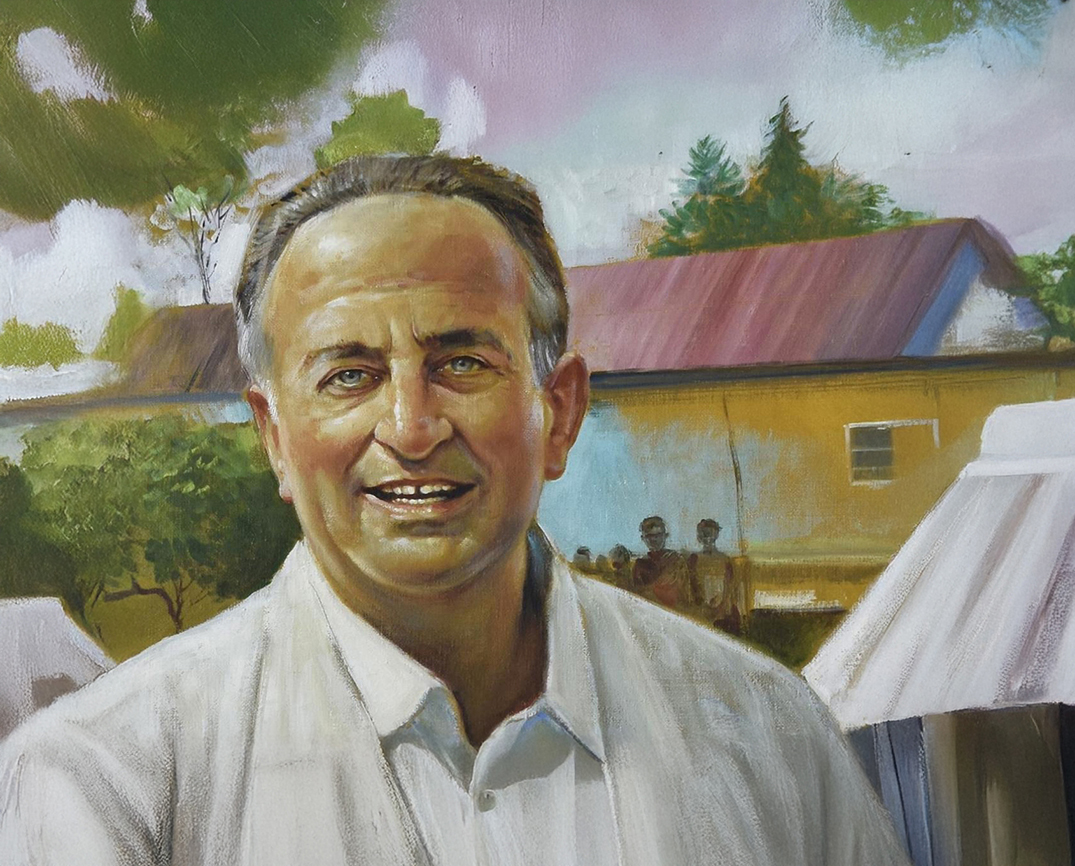
A hospital for over 50 000 patients in Kalongo
The heavy slab slowly shifts. Below, an empty space. Then, the coffin. But, surprise: just above, a honeycomb brimming with honey. Agronomists can’t explain its presence. Some among the faithful speak of a divine sign. The discovery is astonishing, because that tomb is the burial site of Giuseppe Ambrosoli, a doctor and Comboni missionary beloved in Uganda, beatified in 2022, and a member of the most famous honey-producing family in Italy: the Ambrosolis.