
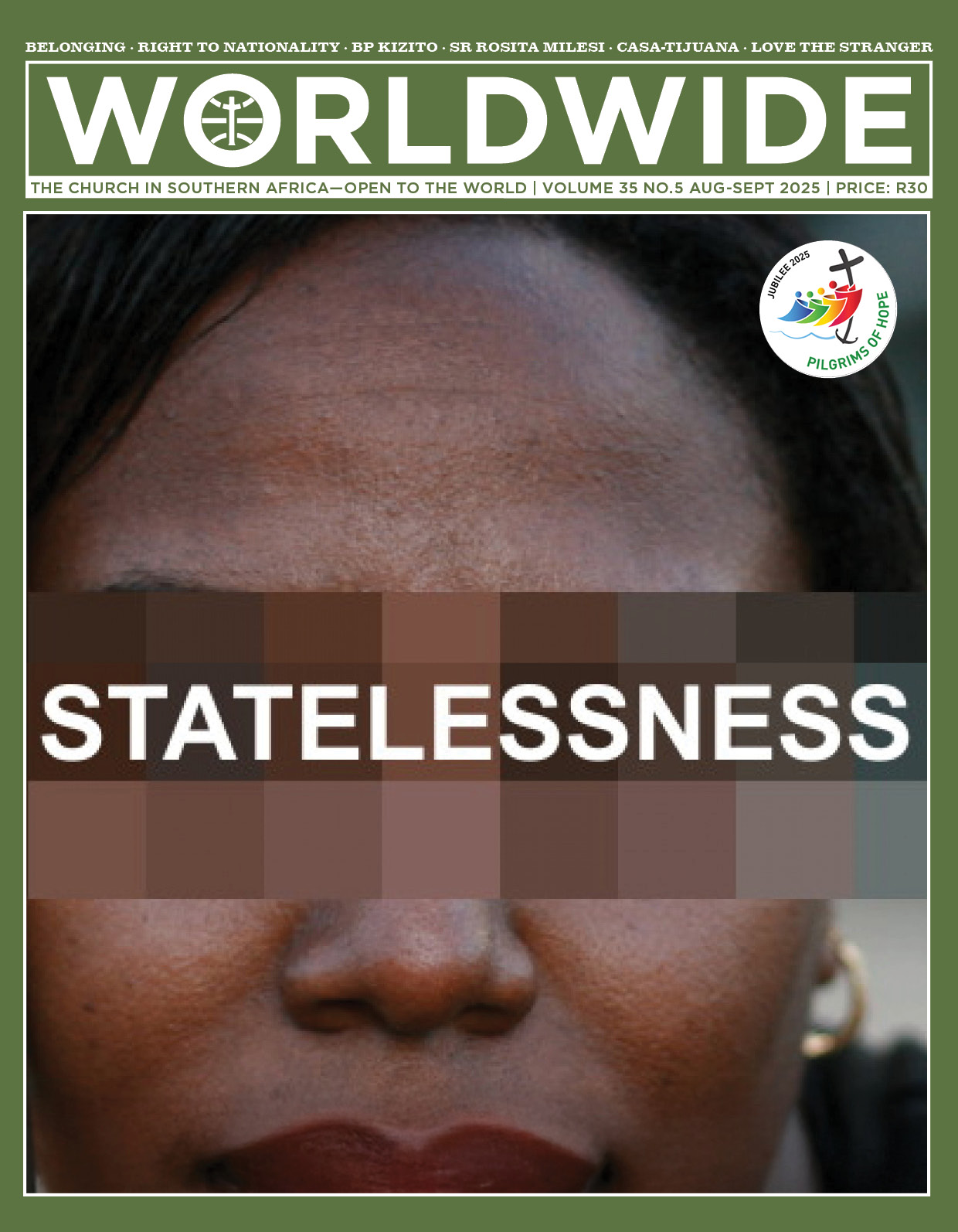
STATELESSNESS
Stateless people from all over the world live in situations of limbo, lacking a nationality, which prevents them access to the basic rights of any citizen of a country. The causes of statelessness are varied, including bureaucratic obstacles, but they all result in the deprivation of the dignity deserved by any human being. This underlines the importance of lobbying to end statelessness in the world.
RADAR • CLIMATE JUSTICE
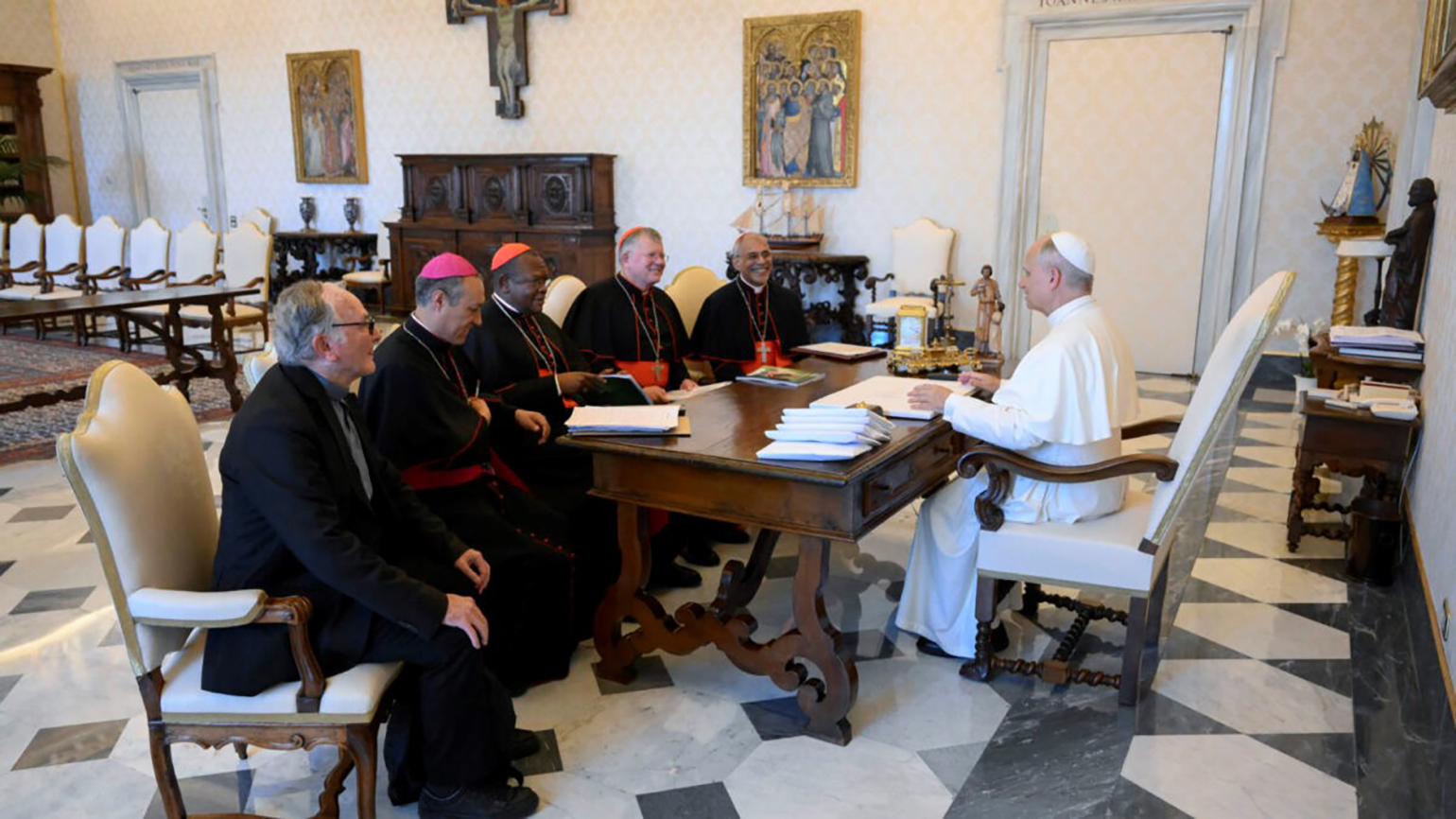
Churches of the Global South call for climate justice and protection of our common home
Catholic Bishops from the Conferences and Councils of Africa, Asia, Latin America and the Caribbean, published a strong joint appeal ahead of COP30 (available at: secam.org) on July 1, 2025. Under the label of “A call for climate justice and the common home: Ecological conversion, transformation and resistance to false solutions”, this appeal was released during a press conference held at the Holy See Press Office, Vatican City.
THE DOCUMENT published by the Symposium of Episcopal Conferences of Africa and Madagascar (SECAM), the Federation of Asian Bishops’ Conferences (FABC) and the Latin American Episcopal Conference (CELAM), was coordinated by the Pontifical Commission for Latin America (PCAL), a powerful advocacy to protect our planet through the promotion of an integral ecology, according to Pope Francis’s Encyclical Laudato Si’.
Among the attendees of the press conference were His Eminence Cardinal Fridolin Ambongo Besungu, O.F.M. Cap., Archbishop of Kinshasa, Democratic Republic of the Congo and SECAM President, representing the Catholic Church in Africa; His Eminence Cardinal Jaime Spengler, O.F.M., Archbishop of Porto Alegre, Brazil, President of CELAM and President of the National Conference of Bishops of Brazil (NCBB); His Eminence Cardinal Filipe Neri Ferrão, Archbishop of Goa and Damão, India, President of the FABC; and Dr. Emilce Cuda, Secretary of the Pontifical Commission for Latin America.
During the press conference, several speeches were delivered. We include the speech by His Eminence Cardinal Fridolin Ambongo Besungu, SECAM President:
“I am speaking to you on behalf of the Churches on the African continent, a land rich in biodiversity, minerals and cultures, but impoverished by centuries of extractivism, slavery and exploitation. Africa is not a poor continent; it is a plundered continent.
This is why the document we are presenting today, as a joint reflection and a call to action in the run-up to COP30, is not just an analysis: it is a cry for dignity. We, the pastors of the South, demand climate justice as a human and spiritual right.
It is well known that with global warming, which in 2024 will exceed pre-industrial measurements by 1.55°C, we are seeing the effects of desertification, which is already affecting 500 million people in the South. Urgent action is needed to avoid irreversible impact on the climate and natural systems. We therefore demand an economy that is not based on the sacrifice of the African people to enrich others.
How can we accept that, in the name of the “energy transition”, entire communities are being wiped out in the search for lithium, cobalt or nickel? How can we tolerate carbon markets turning our forests into financial assets, while our communities remain deprived of drinking water?
We’re saying enough is enough, enough of false solutions, enough of decisions taken without listening to those on the front line of climate collapse!
We are proposing a transformation that puts the care of life at the centre, the sovereignty of indigenous and rural peoples over their territories, and the active defence of the rights of women, climate migrants and new generations.
The document, which we signed and shared with Holy Father Leo XIV, outlines in ten points the “commitments and responsibilities” of the world’s powerful, and presents ten specific demands, with calls to action, including a series of efforts undertaken by the Catholic Church itself.
As the Church in Africa, we commit ourselves to strengthening the spirituality of care, to educating new generations in an ecological ethic, and to building an intercontinental alliance of the South to say with one voice: “the time for indifference is over”.
Africa wants to live. Africa wants to breathe. Africa wants to contribute to a future of justice and peace for all humanity. And she will do so with her faith, her hope, and her invincible dignity.
Thank you for listening to this voice, which comes from the margins, but which speaks to the heart of the world.”
Source: SECAM Communications
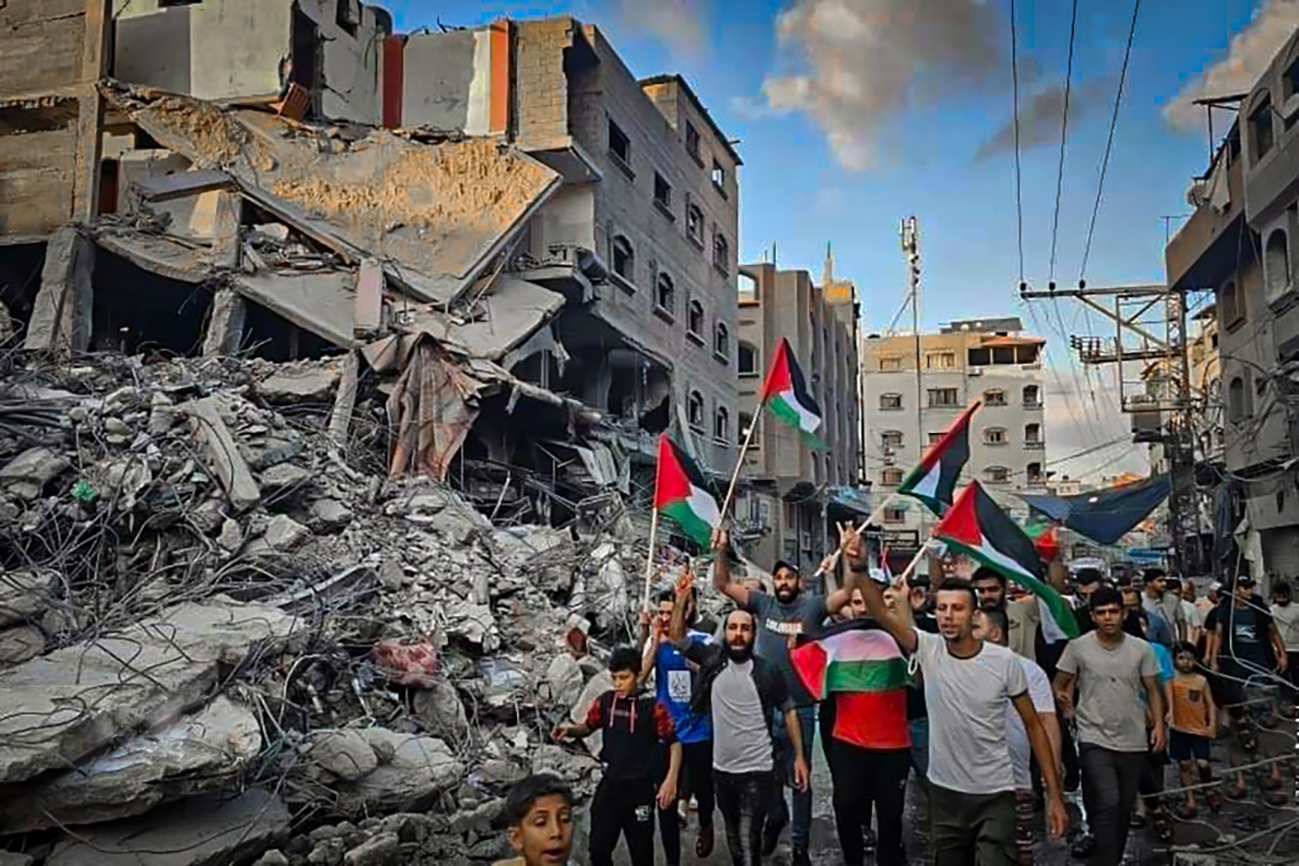
The collapse of Gaza and the failed response of the international community
UN agencies warn of imminent collapse as bombings, hunger and forced displacement continue.
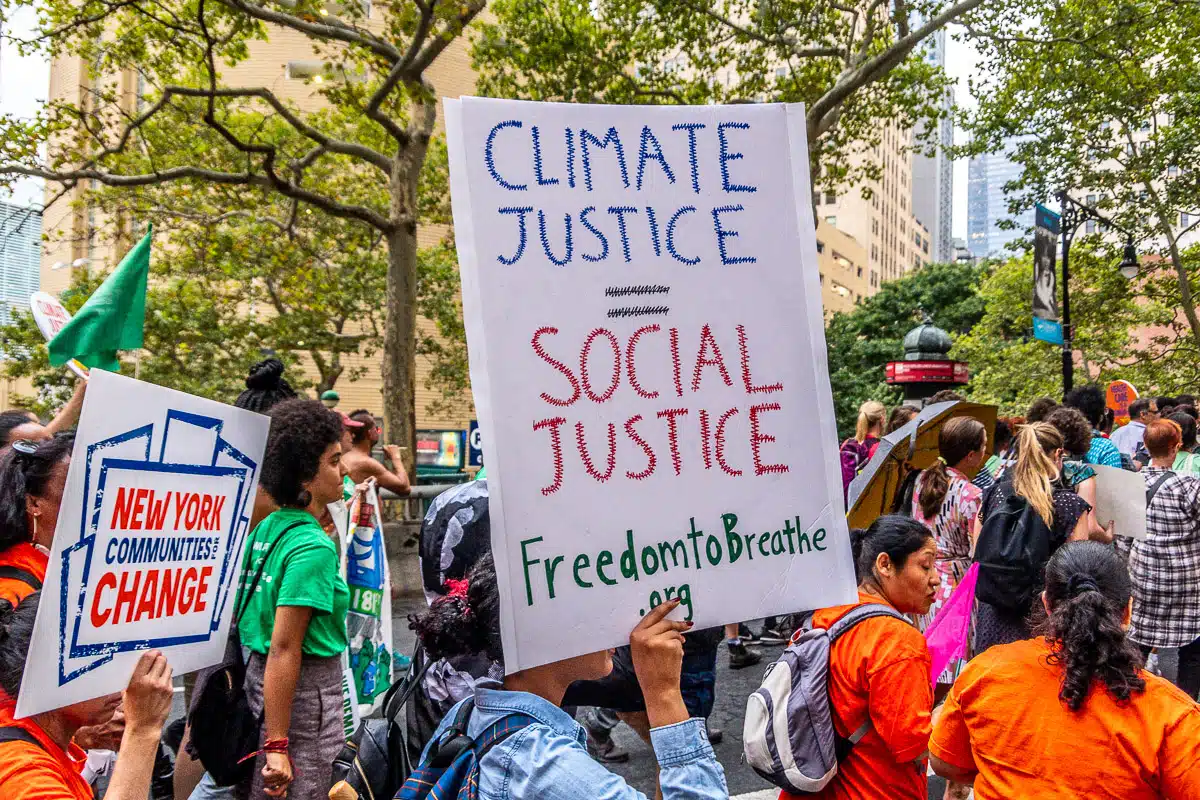
TURNING HOPE INTO ACTION -COP30: Religious Life for climate justice
As part of the Jubilee of Hope and the 10th anniversary of Laudato Si’, Catholic communities around the world, responding to the climate crisis with eyes set on COP30 in Brazil, are calling for urgent action, inviting us to sign the following statement.
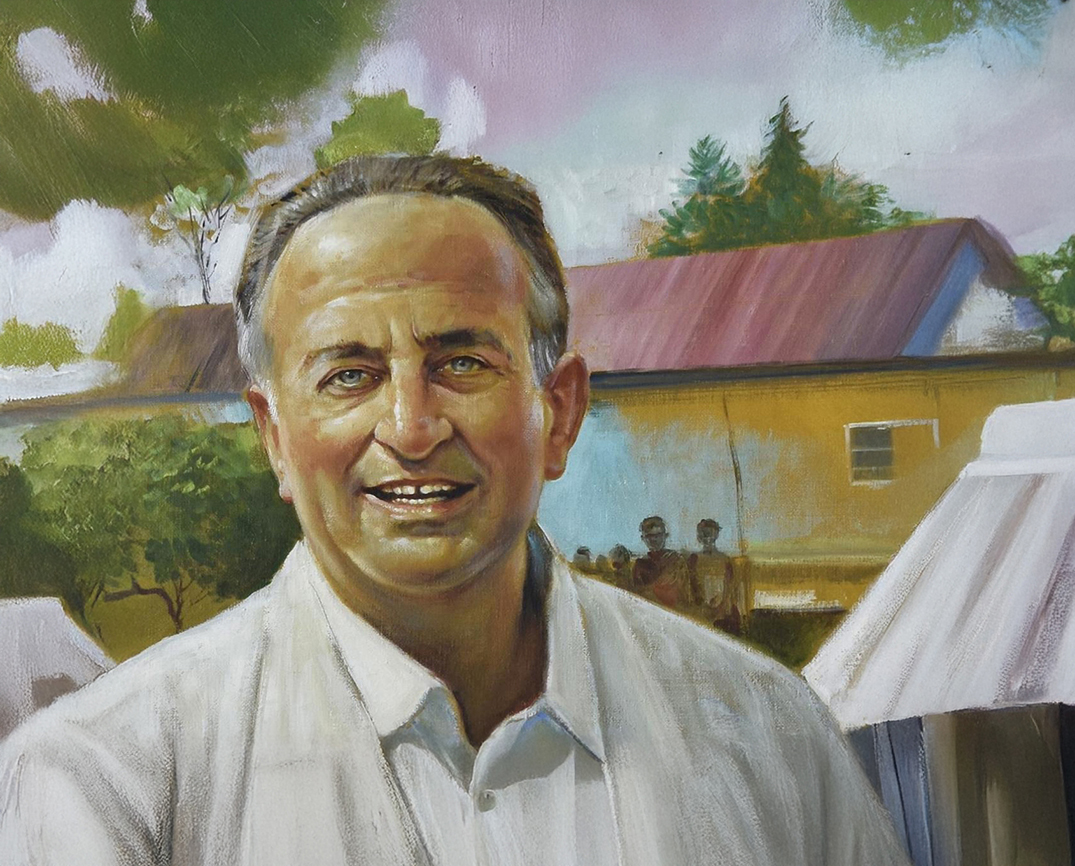
A hospital for over 50 000 patients in Kalongo
The heavy slab slowly shifts. Below, an empty space. Then, the coffin. But, surprise: just above, a honeycomb brimming with honey. Agronomists can’t explain its presence. Some among the faithful speak of a divine sign. The discovery is astonishing, because that tomb is the burial site of Giuseppe Ambrosoli, a doctor and Comboni missionary beloved in Uganda, beatified in 2022, and a member of the most famous honey-producing family in Italy: the Ambrosolis.

Africans survived 10 000 years of climate changes by adapting food systems: Lessons for modern times
Imagine Living in a place where a single drought, hurricane, or mudslide can wipe out your food supply. Across Africa, many communities do exactly that—navigate climate shocks like floods, heatwaves, and failed harvests.