
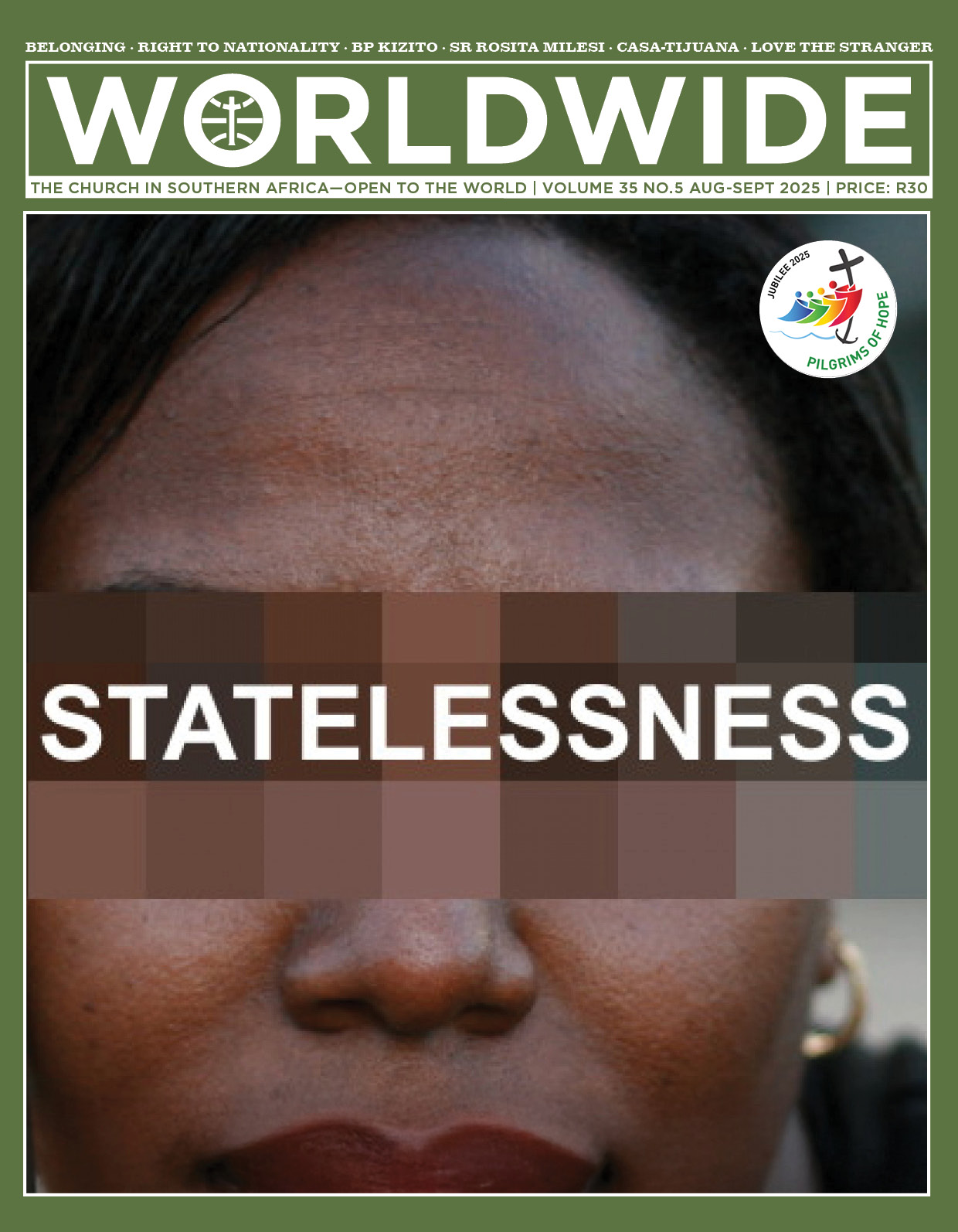
STATELESSNESS
Stateless people from all over the world live in situations of limbo, lacking a nationality, which prevents them access to the basic rights of any citizen of a country. The causes of statelessness are varied, including bureaucratic obstacles, but they all result in the deprivation of the dignity deserved by any human being. This underlines the importance of lobbying to end statelessness in the world.
SPECIAL REPORT • HUMAN TRAFFICKING
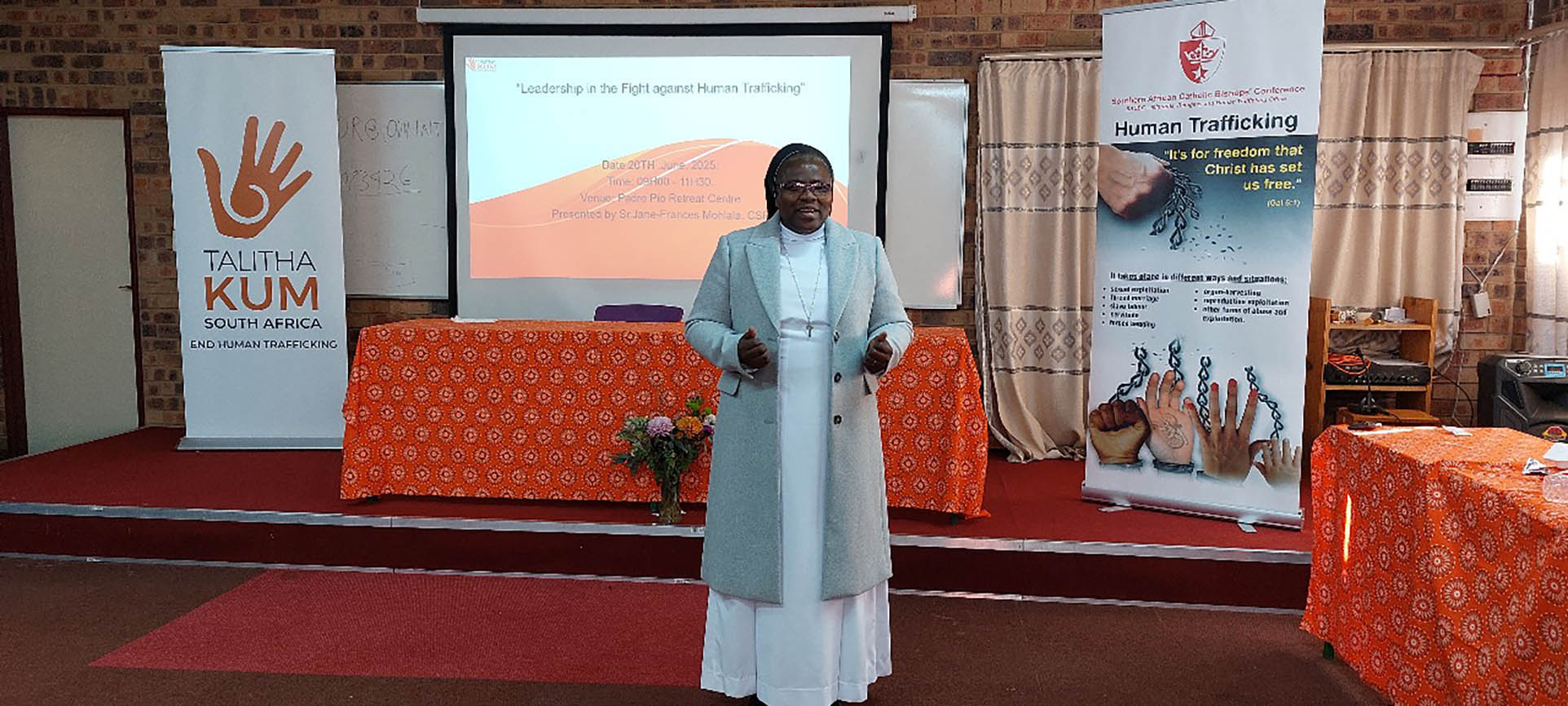
Statelessness and Human Trafficking
Statelessness and human trafficking are interconnected issues in South Africa. Stateless individuals face a unique set of vulnerabilities which make them more susceptible to trafficking.
BY Sister Jane-Frances Mohlala CSP | NATIONAL COORDINATOR OF TALITHA KUM- SOUTH AFRICA, BETHLEHEM DIOCESE
LACKING LEGAL status and the rights associated with it, stateless persons often find themselves in precarious situations where traffickers can exploit them with ease. The fear of law enforcement, potential deportation and the absence of legal protection further exacerbate their vulnerability.
To effectively address both statelessness and human trafficking, a comprehensive approach is necessary. This includes providing a legal framework to ensure that all individuals can attain citizenship and legal recognition, as well as an adequate support system for victims of trafficking. Awareness campaigns and targeted interventions are essential to protect vulnerable populations and reduce their exploitation.
By addressing the root causes and the interconnected nature of Statelessness and Human Trafficking, South Africans can work towards safeguarding the rights and dignity of all individuals within its borders, irrespective of their colour, race, social status, nationality, religion and political affiliation.
Statelessness is a concerning issue affecting multiple nations, including South Africa. It is defined as the condition of an individual who is not recognized as a citizen by any country; hereby he/she is denied his/her rights and protection entitled to any citizen. Statelessness can result from various factors, including war, changes in nationality laws, discrimination, and gaps in legislation.
Statelessness has profound implications, particularly regarding human trafficking. Therefore, we will explore the relationship between statelessness and human trafficking in South Africa, examining how the vulnerabilities associated with statelessness render individuals more susceptible to trafficking.

Understanding Statelessness
In South Africa, stateless individuals come from marginalized communities, comprising refugees, asylum seekers and their children, born in this country. There are various factors which contribute to their statelessness, such as failure to register births, lack of access to legal documentation, and the complex bureaucratic processes involved in obtaining citizenship or refugee status. The absence of legal status leaves individuals without rights, protection and access to essential services, increasing their vulnerability.
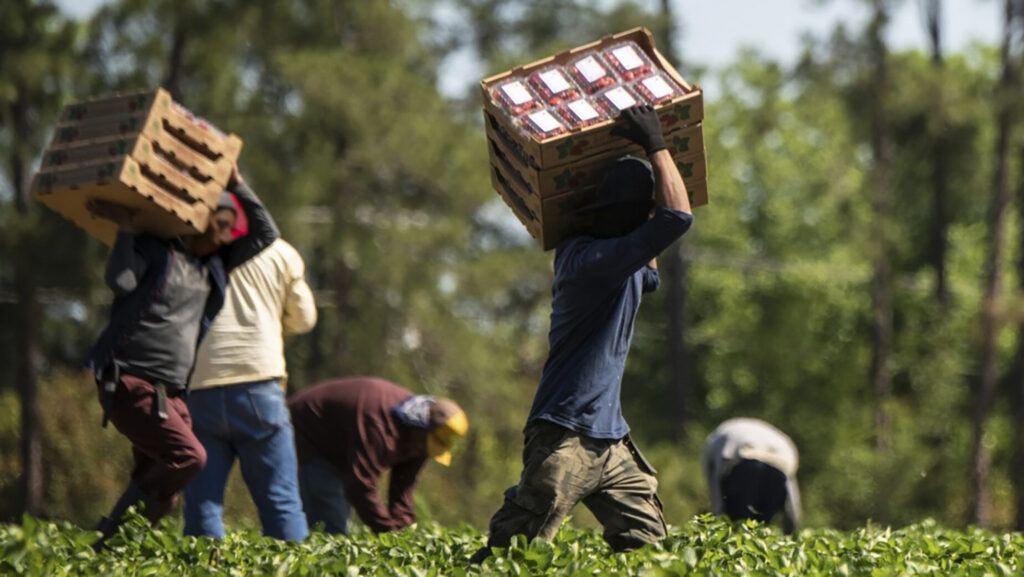
Factors that contribute to Statelessness in South Africa
Bureaucratic Barriers and Legal Framework: Stateless individuals struggle to access necessary legal documentation due to bureaucratic hurdles. South Africa is a regulated country. National laws can be complex, making it difficult for some individuals, particularly those born to non-Citizens, to acquire citizenship. Children born in South Africa to parents who are undocumented or lack legal status often find themselves without citizenship.
Marginalization: Stateless individuals often come from marginalized communities and face discrimination, violence and neglect. This marginalization makes it difficult for them to integrate into society, to access essential services and to attain legal status.
The percentage of stateless individuals in South Africa is difficult to determine; estimates suggest that there are significant numbers of people without legal status. Reports also indicate that thousands of individuals, particularly children of undocumented immigrants, are at risk of statelessness due to various factors, such as lack of birth registration documents and complex bureaucratic processes.
To be stateless should not imply that we can treat our brothers and sisters like commodities for traffickers to prey on.
Human Trafficking in South Africa
Human trafficking is a pressing issue in South Africa. This country is identified as a source, transit, and a destination for trafficking in persons.
Victims are often lured by false promises of employment, better living conditions or educational opportunities. They may find themselves exploited in various sectors, including agriculture, domestic work, and the sex trade. Traffickers often target individuals who lack legal status, making them easy prey for manipulation and control.
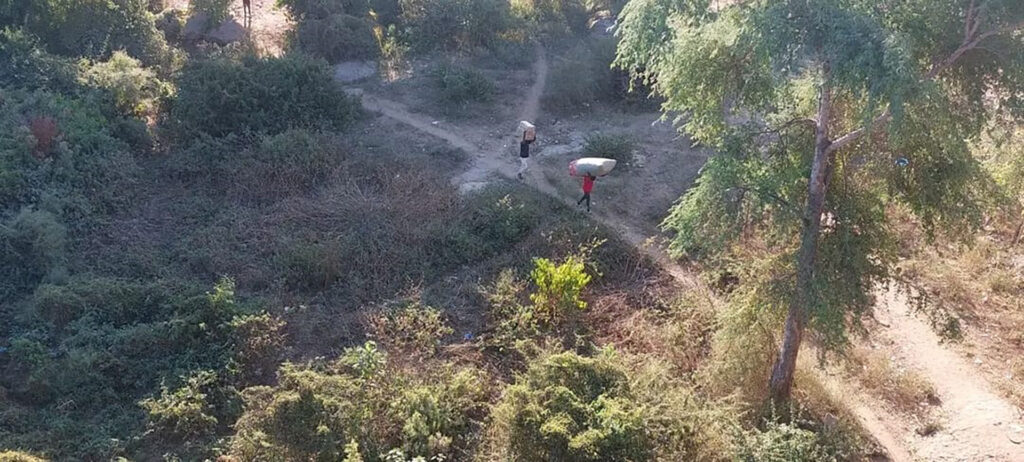
Factors which foster Human Trafficking in South Africa
Poverty and Economic Disparity: High levels of poverty and unemployment in South Africa make individuals vulnerable to trafficking. Traffickers often exploit their desperate circumstances.
Lack of Awareness: Many people are unaware of the realities of human trafficking, making them more susceptible to exploitation.
Traffickers often use deceptive tactics to convince individuals that they are safe, leading to situations where victims become trapped in abusive environments.
Vulnerable Populations: Certain groups are at a higher risk of human trafficking, including women and children, undocumented migrants and stateless individuals.
Human trafficking statistics in South Africa are unreliable and inaccurate as they depend on various factors, which may include law enforcement activities and the ineffectiveness of the reporting mechanism.
The Trafficking in Persons Report published by the U.S. Department of State, and other local resources indicate that thousands of individuals are trafficked within and to South Africa each year, with various estimates suggesting figures ranging between 20 000 to 30 000 victims annually, most of them women and children.
Main types of trafficking
Sex Trafficking: This is the most alarming form of trafficking in South Africa; victims, being women and children, are often forced into prostitution and other forms of exploitation.
Labor Trafficking: Individuals, including migrant workers, are subjected to forced labour in sectors such as agriculture, construction and domestic work. Vulnerable populations and those with an irregular migration status are particularly at risk.
Child Trafficking: Children are often trafficked for various purposes which may include organ harvesting, as in the case of six-year-old Joshlin Smith, for labour, sexual exploitation and forced begging (street kids). This demographic segment is particularly vulnerable due to socio-economic challenges and lack of legal protection.
Scripture on Statelessness and Human Trafficking
The Bible does not explicitly mention the terms “Statelessness “or “Human trafficking” as they are understood today, but several passages emphasize the importance of caring for the marginalized, advocating for justice and protecting the vulnerable. From the Bible, we can extract passages which may guide our actions and make us more aware of our omissions in advocating for stateless and trafficked individuals.
On Statelessness:
“Do not mistreat or oppress a foreigner, for you were foreigners in the land of Egypt. I am the Lord your God.” (Exodus 22:21). This verse underscores the importance of empathy towards the outsiders or those without a land which can be called their own; we are to advocate for their fair treatment.
“God defends the cause of the fatherless and the widow, loves the foreigner who resides among you, giving him food and clothing. And you are to love those who are foreigners, for you yourselves were foreigners in Egypt. I am the Lord your God.” (Deuteronomy 10:18-19). This passage encourages us, as Christians, to be compassionate and to support foreigners; it suggests a Divine mandate to care for the stateless and the marginalized.
The Church needs to continue raising more awareness of statelessness and human trafficking within congregations and communities.
On Human Trafficking:
“Speak up for those who cannot speak for themselves, for the rights of all who are destitute. Speak up and judge fairly; defend the rights of the poor and the needy.” (Proverbs 31:8-9). This text encourages advocacy for the vulnerable, which directly applies to victims of trafficking and exploitation.
“… for the sexually immoral, perverts, for slave traders, liars and perjurers—and for all whose behaviour is contrary to the sound doctrine.” (1 Timothy 1:10). This verse addresses human trafficking by condemning slave traders and emphasizing the need for a moral approach to human dignity.
The Church’s role in Statelessness and Human Trafficking: Actionable steps
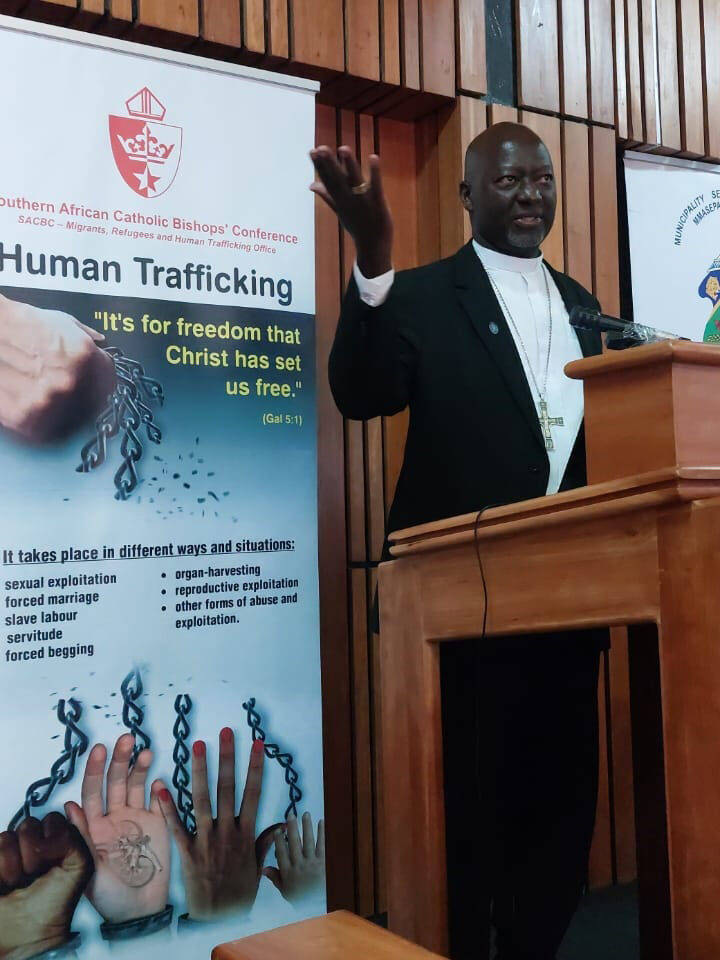
The Church needs to continue raising more awareness of statelessness and human trafficking within congregations and communities. By educating members about these issues, the Church can foster a culture of understanding and compassion.
Support and resources: Over the years, the Church has proved to be one of the main organizations—at times the only one— which provides resources and support services to victims of human trafficking and stateless individuals. These include accompanying them to seek legal assistance, provision of counselling, assistance in access to healthcare and shelters, and ensuring a safe place to stay for those in need.
Community Outreach Programmes: The Church has established outreach programmes that focus on vulnerable populations, but these are not sufficient as the rate at which statelessness and human trafficking increases, outnumbers the programmes already in place. Therefore, collaborating and the creation of partnerships with NGOs and Governmental agencies is fundamental for adequate assistance and protection of migrants, refugees and trafficking survivors.
Advocating for Legal Reforms: The Jubilee calls for the Church to “Restore hope for Africa.” Responding to this call, the Church should engage in advocacy efforts to press for stronger legal protection and reforms which address the rights of stateless individuals and victims of human trafficking.
These can include promoting policies that provide pathways to citizenship, and ensuring that laws which combat human trafficking are enforced effectively.
Prayer and Spiritual Support: The Church plays an important role in offering spiritual support through prayer and counselling for victims of trafficking and for those experiencing statelessness, creating a supportive environment where individuals are helped to heal and regain their dignity.
Reinforcing Community Values: The Church, by teaching biblical principles of love, kindness and justice, can contribute to building a community which respects the dignity of all individuals regardless of their citizenship and legal status. The Church is also called to be a voice for the voiceless and a refuge for the marginalized, actively working to alleviate suffering and promote justice in all of society.
Understanding statelessness and its impact in South Africa
The concept of statelessness remains a deeply troubling and often overlooked human rights challenge. While the issue has been recognised by the international community for decades, its complexities and profound human cost seemingly continue to be underestimated, particularly in countries like South Africa.
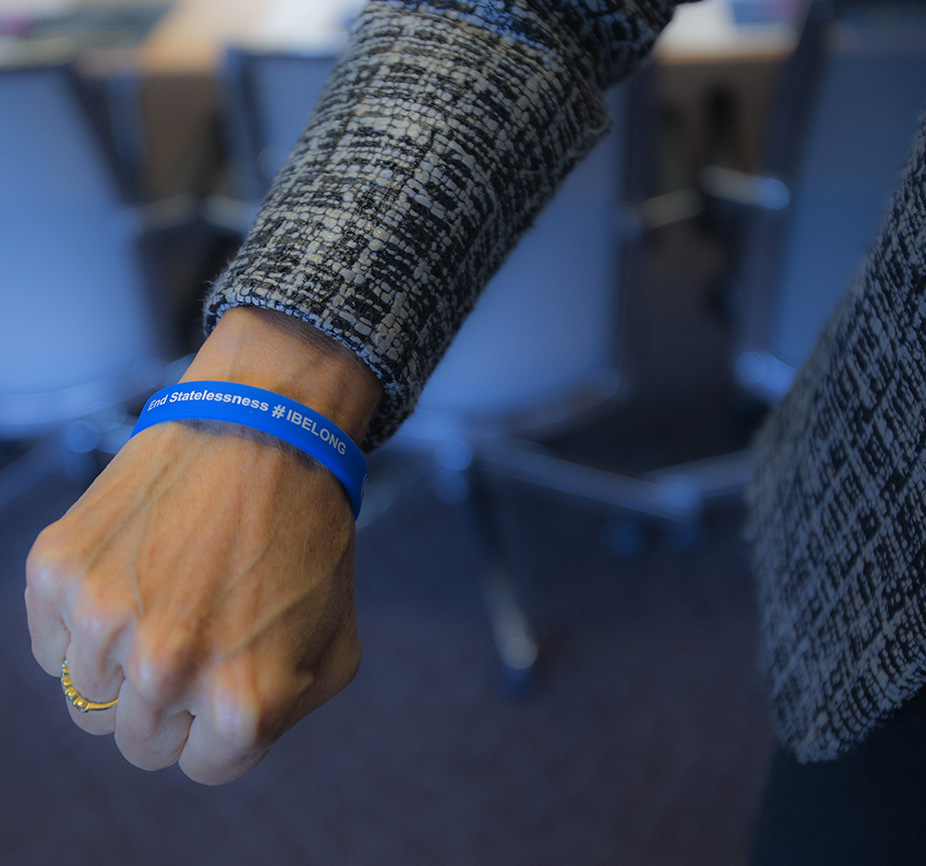
Statelessness and the Right to Belong
This article illustrates that statelessness refers to a condition of belonging and not purely to legislation. A legal framework which centres on belonging, fosters human dignity, inclusion and security in line with South Africa’s constitutional vision of ubuntu. Religiously affiliated organisations can play an important role in alleviating statelessness, and global initiatives, such as the ‘Global Alliance to End Statelessness’, can also implement and develop this proposed framework.