
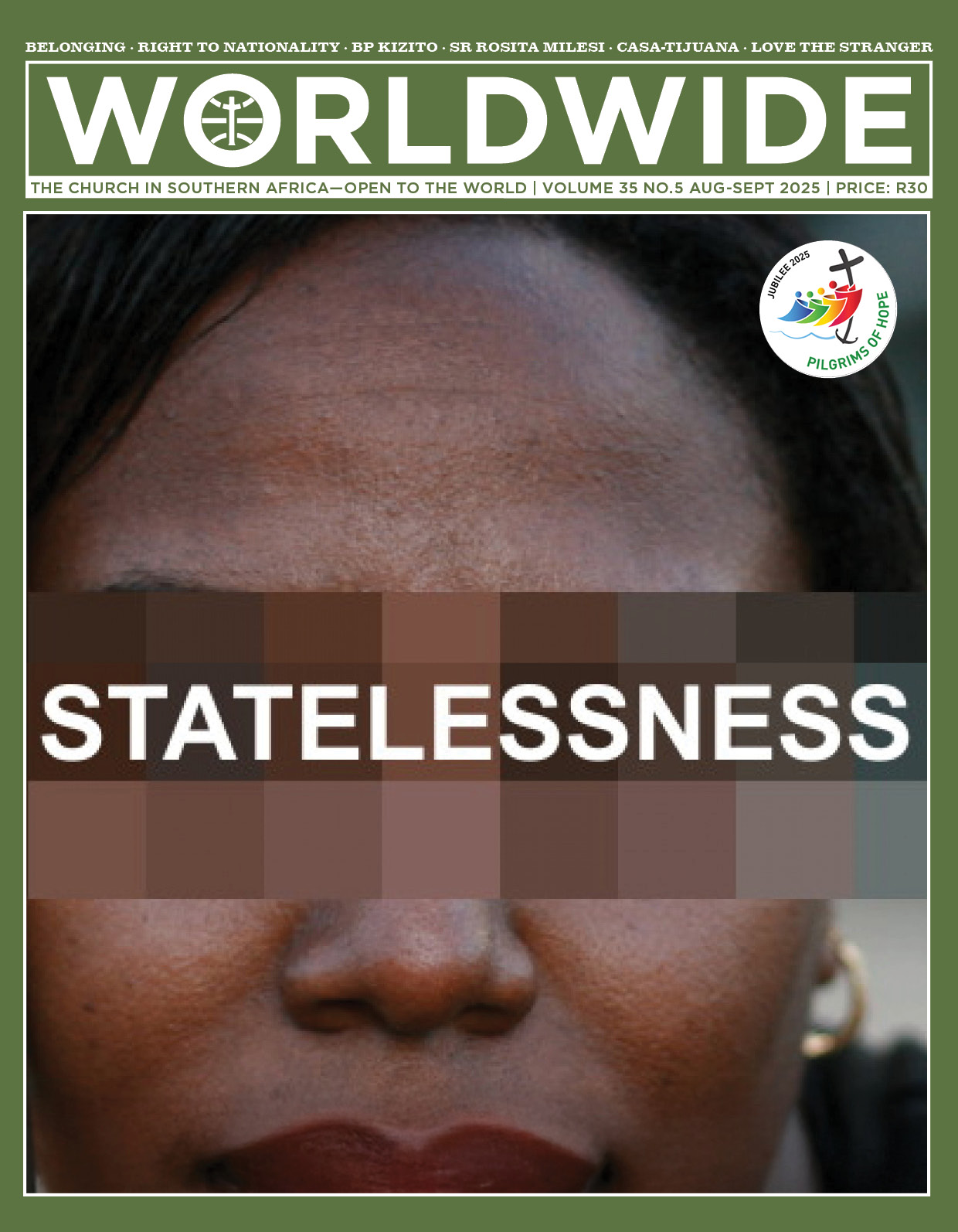
STATELESSNESS
Stateless people from all over the world live in situations of limbo, lacking a nationality, which prevents them access to the basic rights of any citizen of a country. The causes of statelessness are varied, including bureaucratic obstacles, but they all result in the deprivation of the dignity deserved by any human being. This underlines the importance of lobbying to end statelessness in the world.
SPECIAL REPORT • BELONGING
Statelessness and the Right to Belong
This article illustrates that statelessness refers to a condition of belonging and not purely to legislation. A legal framework which centres on belonging, fosters human dignity, inclusion and security in line with South Africa’s constitutional vision of ubuntu. Religiously affiliated organisations can play an important role in alleviating statelessness, and global initiatives, such as the ‘Global Alliance to End Statelessness’, can also implement and develop this proposed framework.
BY Attorney Sihle Nyangiwe | Refugee and Migrant Rights Programme, Office and Law Clinic, Lawyers for Human Rights, Durban
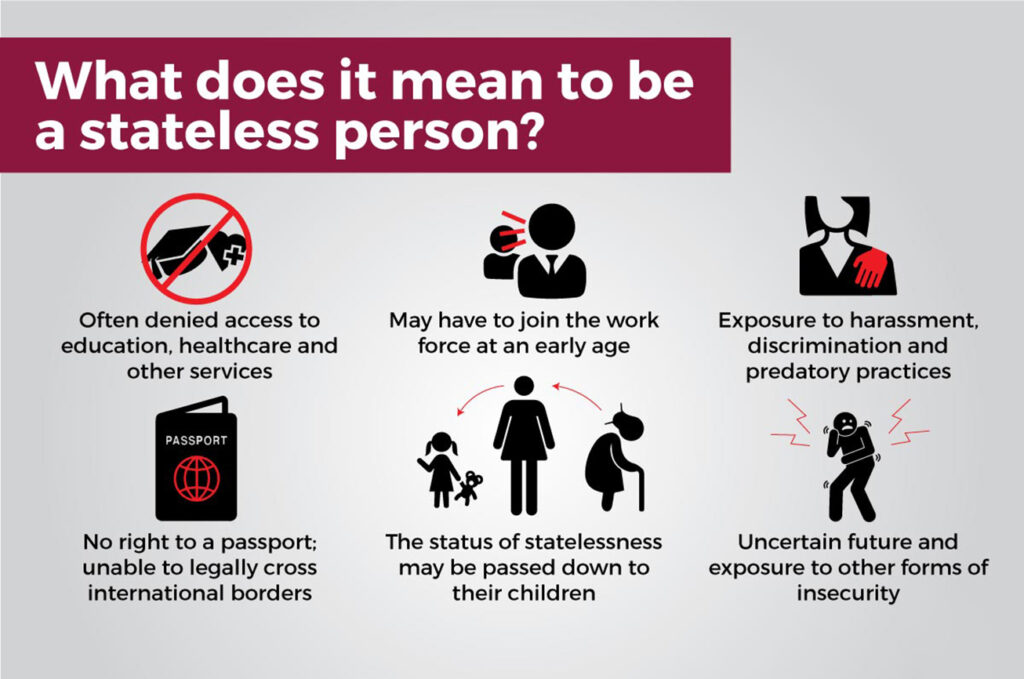
BELONGING. An indispensable aspect of life which is both a psychological need and a necessary human motivation. There are those who have never felt included or socially accepted, have never been assigned a legal identity, or given the opportunity to feel that they belong. They include the world’s stateless population and those who have been forcibly displaced. They are our dear family and fellow community members who live outside political and social structures and who are rendered invisible and unable to actively participate in our socio-economic landscape. They constantly struggle to access basic rights and services such as education and employment in order to sustain their lives. Their daily battle is one for social inclusion and recognition.
Eradicating statelessness
Statelessness is not natural and is completely resolvable. In South Africa, various legal frameworks emphasise the right to a name and a nationality from birth, and to be granted citizenship. If one is born stateless, one has the right to be issued with a birth certificate reflecting place of birth and parentage, thereby asserting a claim to a nationality. The lack of coordinated policy implementation leading to bureaucratic and technical difficulties, loopholes and shortcomings in nationality laws, and discriminatory practices are just a few of the challenges that make the eradication of statelessness both complex and slow. Therefore, it is important to highlight that exploring statelessness merely through the prism of the law leads to not only a more limited response to the issue but also masks the gravity of the problem.
A belonging-centred framework
Society, particularly within religious communities and doctrines, resonates deeply with the concept of belonging. The adoption of a framework that centres on belonging will assist in nation building and bolster the political will to amplify legal reforms and garner public support, empathy and understanding. This framework would envision a connection to heritage, identity and fundamentally, family. Linking statelessness to these universal values underlines the human impact of statelessness and the need for an inclusive, rights-based approach that recognizes everyone’s prerogative to belong.
In South Africa, various legal frameworks emphasise the right to a name and a nationality from birth, and to be granted citizenship.
Entrenching the principle of belonging in the submission, processing and adjudication of citizenship applications, ID applications, birth registration, socio-economic rights, refugee and nationality laws and the development of policies, will assist in creating inclusive governance that accommodates vulnerable groups. This includes children born to undocumented and/or stateless parents, migrant children born to asylum seekers whose asylum claims have been rejected, and finally, abandoned or orphaned children, or children unable to verify their place of birth or parentage. Embedding a principle of belonging in our policy development and implementation, fosters an environment where statelessness does not become the burden of affected individuals, but rather a broader social responsibility.
South Africa has a painful history of exclusion, a history of discrimination based on identity, race and ethnicity, designed to reinforce harmful political ideologies. Defining statelessness as a matter of belonging, creates a space in which a society based on equality and the recognition of intrinsic self-worth and dignity can be reimagined. This is the restorative justice which our Constitution guarantees.
Faith-led institutions
The role of faith-led institutions is important because of their social and moral influence. Religious leaders can fight stigma (an ‘us vs them’ rhetoric) and xenophobic bias through outreach programmes and education —drawing from the lessons found in biblical narratives and figures. Examples of these include the story of Moses and Jesus fleeing to Egypt as refugees to escape persecution based on gender; the Israelites losing their family and ancestral records while exiled in ancient Babylon; Ezra, the priest and teacher who worked diligently to rebuild the community; and the Israelites being forced to live as a stateless nation when they were repeatedly invaded by foreign countries and when Jerusalem fell in AD 70. These stories evoke empathy, compassion and common humanity. Moreover, they are powerful and relatable metaphors for the experiences of stateless people who lack documentation and records of lineage. Faith-led organizations could create safe spaces where stateless people might experience a sense of belonging, and feel recognised as part of a broader family. Finally, churches could assist undocumented and stateless people by referring them to public interest organisations who have the tools and resources to provide legal and social assistance. During the apartheid era, churches were relied upon to record births, marriages, and deaths, a role they could still play today for the stateless population.
Global Alliance to End Statelessness
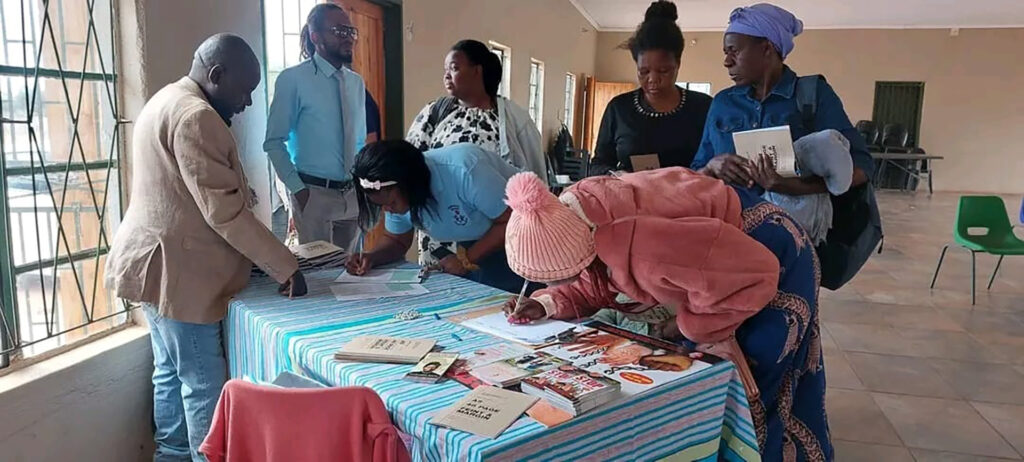
Similarly, coalitions such as the Global Alliance to End Statelessness (‘the Alliance’), a multifaceted group of key stakeholders with the collective aim of eradicating statelessness through collaboration and unified action, offer an important platform for the reframing of the concept of statelessness as being not only the lack of legal documentation and status, but an unfair denial of the right to belong. The Alliance can also be approached to leverage other UN bodies to declare belonging a human right.
Faith-led organizations could create safe spaces where stateless people might experience a sense of belonging, and feel recognised as part of a broader family.
The belonging framework offers a holistic approach to dismantling statelessness, and humanises the issue, calling for solidarity. The #IBelong Campaign, a ten-year initiative launched by the UN refugee agency which concluded in 2024, paved the way for this framework, but did not fully concretise it into policies and approaches.
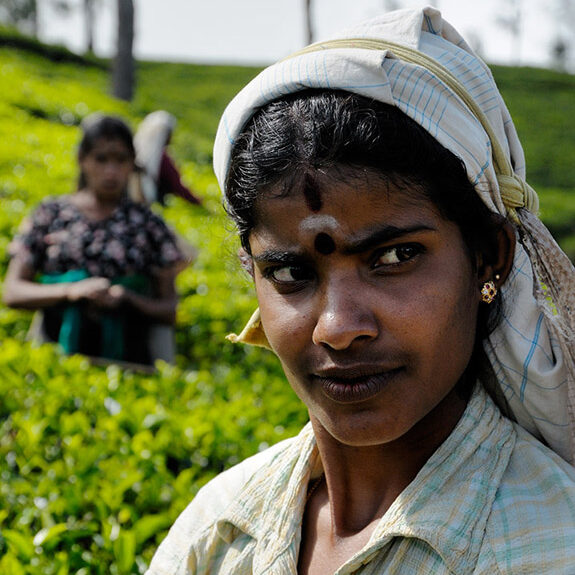
As the old matrix goes, ‘where there’s a problem, there’s a solution.’ This could not be truer for statelessness. It is an injustice that can be permanently solved. If we leverage holistic tools and infuse them with inclusivity, we can begin to accelerate change.
Understanding statelessness and its impact in South Africa
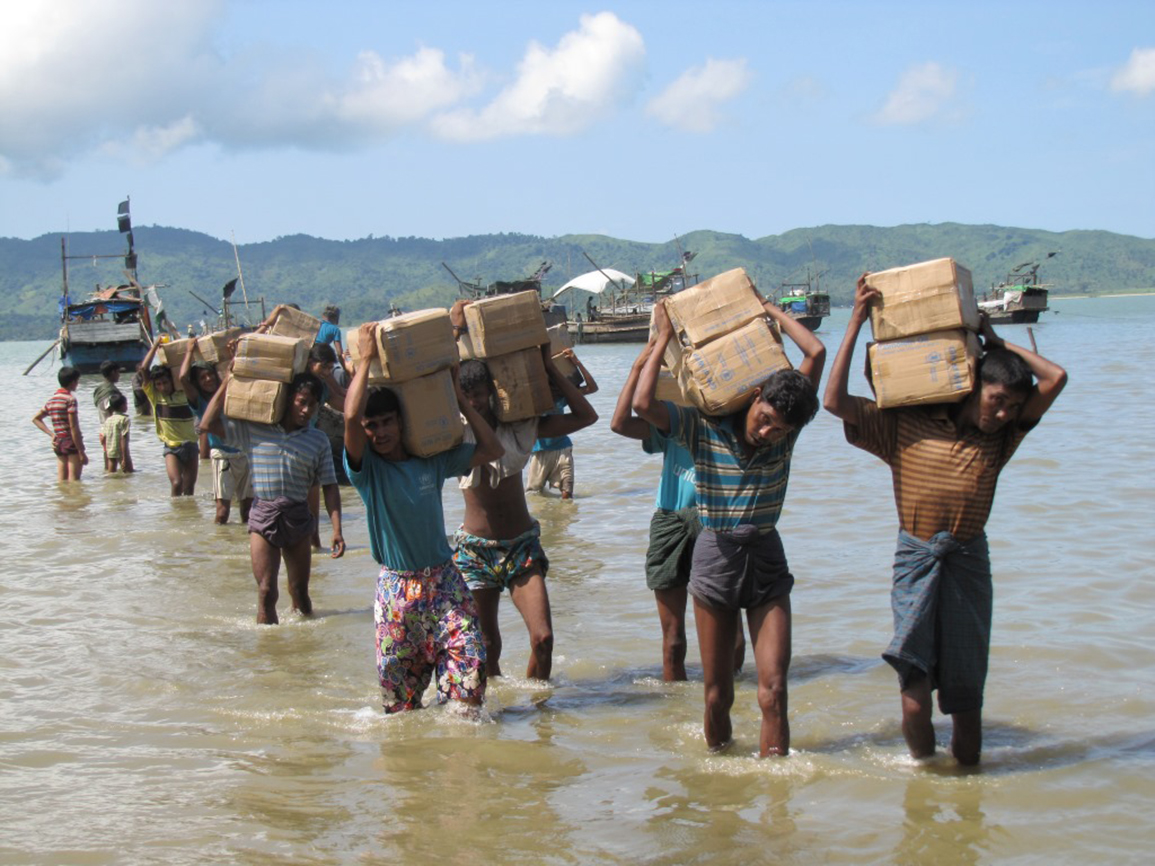
The concept of statelessness remains a deeply troubling and often overlooked human rights challenge. While the issue has been recognised by the international community for decades, its complexities and profound human cost seemingly continue to be underestimated, particularly in countries like South Africa.
Statelessness and Human Trafficking
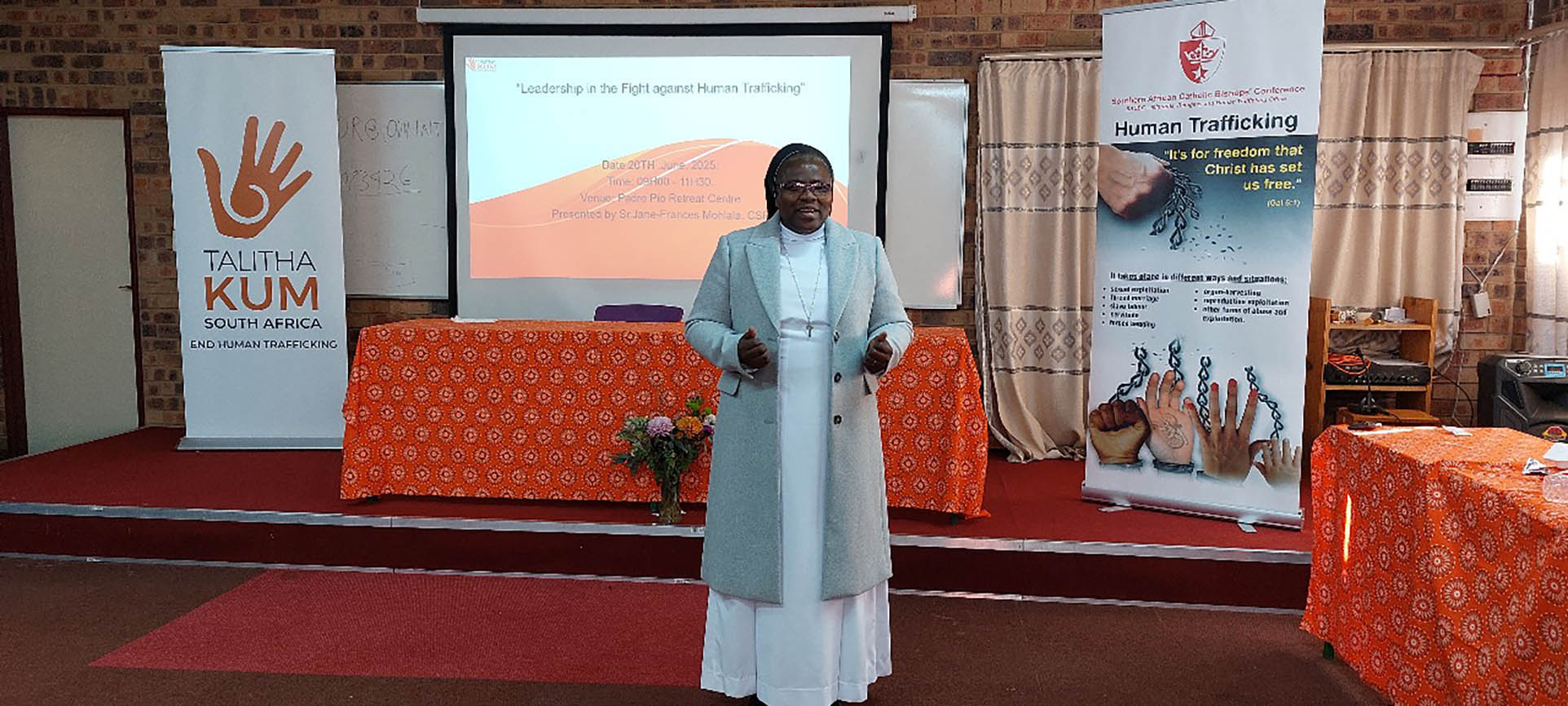
Statelessness and human trafficking are interconnected issues in South Africa. Stateless individuals face a unique set of vulnerabilities which make them more susceptible to trafficking.