
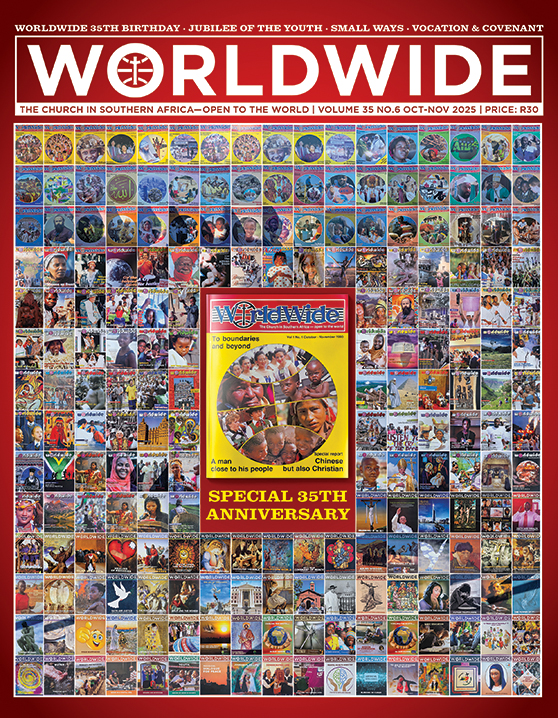
This collage features the front covers of Worldwide issues over its 35 years of existence. At the centre is the cover of the first edition, dated October/November 1990. Worldwide saw the light during a missionary month and continues its mission of proclaiming the Gospel; this is the reason for its being.
Credit: Worldwide archives.
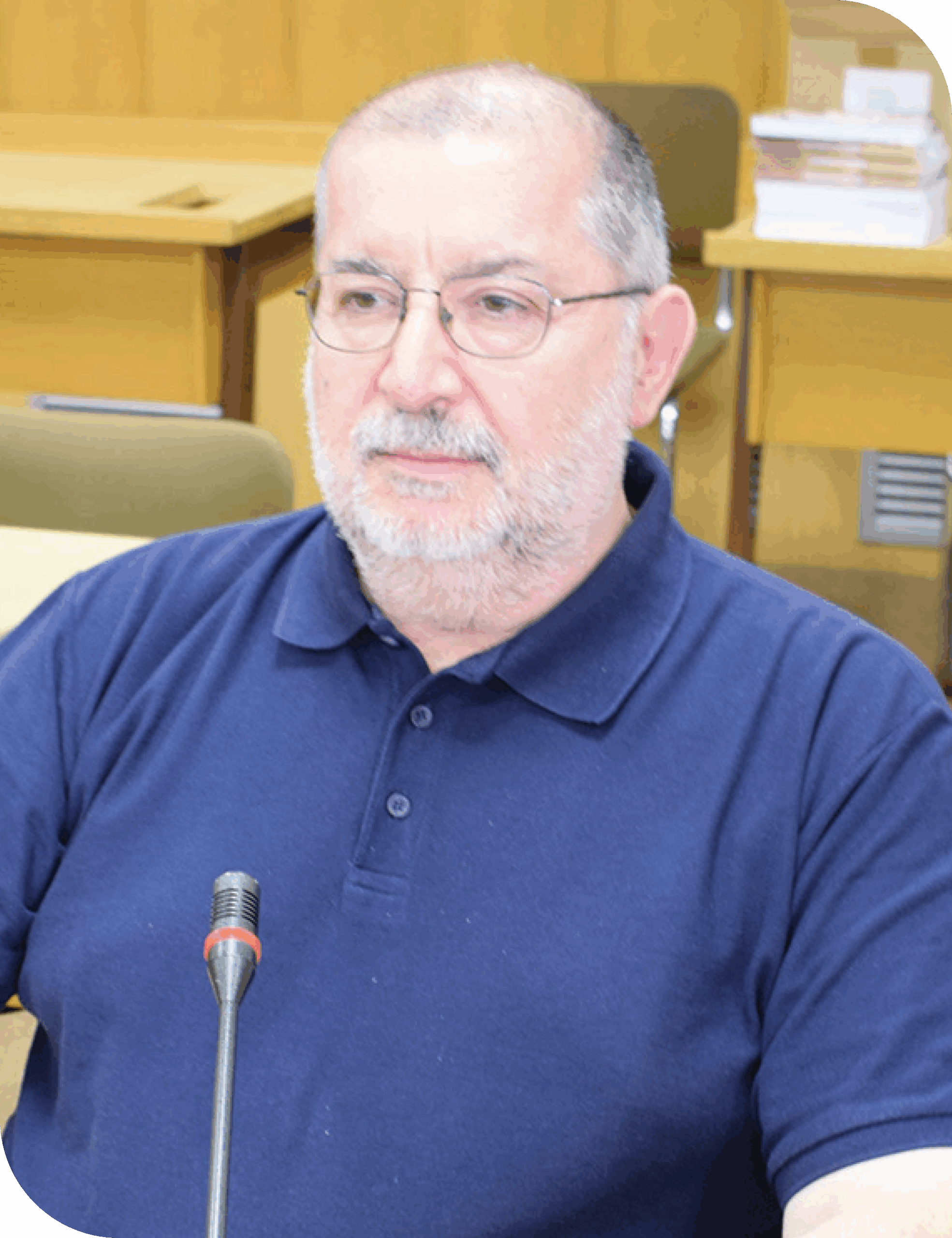
The author recounts some of the defining events in the history of South Africa and the world that Worldwide Magazine had the privilege of witnessing, as well as the overall atmosphere during his time as its editor. Reflecting on the spirit of that era, Worldwide captured this period by highlighting the values of reconciliation, peacebuilding, and justice.
SPECIAL 35TH ANNIVERSARY • 1998-2002
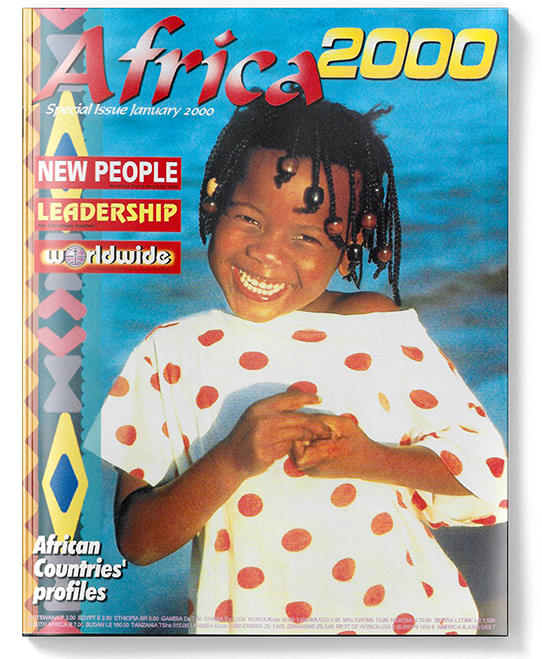
A NATION IN TRANSITION
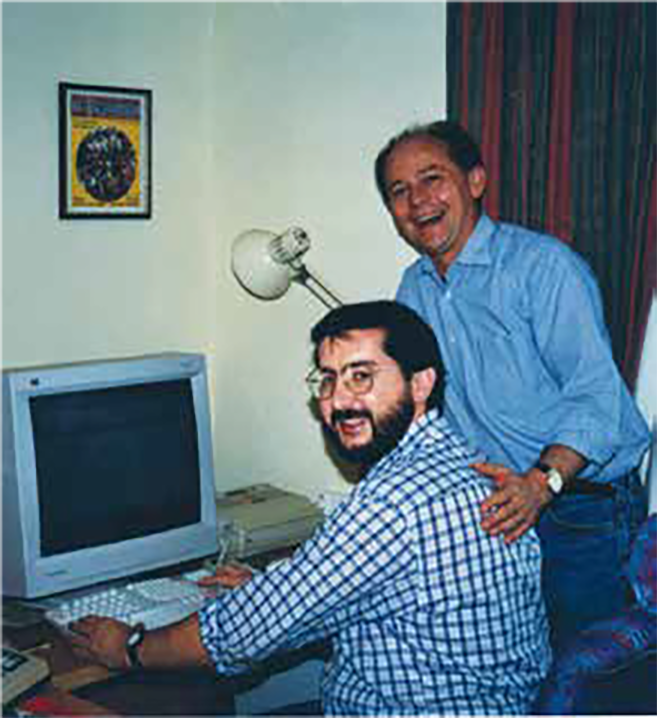
BY FR FABIO BALDAN MCCJ
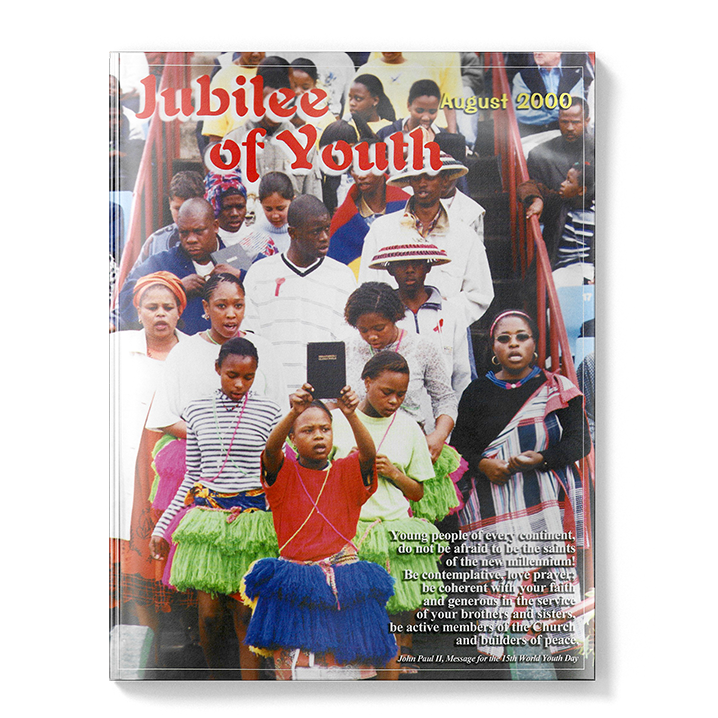
I RECALL my time at Worldwide well: although it was a relatively brief period (1998-2002), it was a very special time in the history of South Africa. It was the turn of the millennium, and while this topic does not raise much interest today, at that time it was seen as an epic event. The general atmosphere was one of hope and trust in the future: the United Nations Millennium Declaration, signed in September 2000, committed world leaders to combat poverty, hunger, disease, illiteracy, environmental degradation, and discrimination against women; these were called the Millennium Development Goals and were later renamed the Sustainable Development Goals. South Africa experienced this time in a particular way: the first democratic government was grappling with the turbulent transition from the euphoric dawn of democracy to the complex reality of governance, defining its new identity on the world stage, and confronting internal socio-economic crises that threatened its fragile unity. It was a time of profound processes that would shape the country’s trajectory for decades to come.
At Worldwide, we felt compelled to make a small contribution by highlighting themes such as peace, reconciliation, justice, poverty, and inequality.
Truth and Reconciliation Commission
The Truth and Reconciliation Commission (TRC) held its final public hearings in 1998 and presented its multi-volume report to President Nelson Mandela that same year. The report provided an intense narrative of the human rights violations committed by all sides during the apartheid era. Even the churches struggled to cope with the profound suffering revealed by the TRC. Still, the report enforced a national conversation about the past, offering a form of catharsis for victims and creating an irrefutable historical record. Its conclusion marked the end of the formal healing process and the beginning of the even more challenging phase: turning truth into tangible reconciliation and justice. Mandela was ever mindful of the Church’s role in South Africans’ lives; thus, also at Worldwide, we felt compelled to make a small contribution by highlighting themes such as peace, reconciliation, justice, poverty, and inequality, themes that are at the very core of Catholic Social Teaching.
At the turn of the millennium
In 1999, Nelson Mandela stepped down after a single term. The election that year saw the African National Congress (ANC), under the leadership of Thabo Mbeki, consolidate its power with an increased majority. By the turn of the millennium, the HIV/AIDS pandemic was reaching catastrophic proportions, and the controversy on antiretroviral (ARV) drugs sparked a fierce debate between the Treatment Action Campaign (TAC), the pharmaceutical multinational companies, and the government. Economically, the government faced pressure to address the inequalities of the apartheid-era. The “Growth, Employment and Redistribution” (GEAR) strategy, adopted in 1996, emphasized fiscal discipline, privatization, and trade liberalization, and became increasingly controversial. The debates around GEAR highlighted the fundamental socio-economic dilemma of post-apartheid South Africa: balancing the demands of a global economy with the urgent needs of its disenfranchised black majority.
The Catholic Church at the time made significant strides in interfaith dialogue and defining its relationship with the modern world.
Those years were also shadowed by a dramatic “wave of crime”: social inequalities persisted, and violent crime rates soared, becoming a central concern for citizens of all races. This was not merely a law-and-order issue; it was a socio-political crisis that eroded public confidence, impacted investment, and exposed the deep-seated social fractures that democracy alone could not heal immediately.
The turn of the millennium was a time of major crisis for the Catholic Church, which faced intense public scrutiny over abuse issues; a wave of scandals related to clerical sexual abuse, especially in the United States, seriously challenged its moral authority, leading to a widespread loss of trust among the laity and increased attention from civil authorities. The scandals forced the Church to examine and reconsider its governance and approach to transparency. In response, the South African Catholic Bishops Conference drafted a document, Integrity in Ministry, aimed at setting standards of professional conduct based on Gospel values, along with principles of transparency and accountability for all religious, clergy, and lay church workers.
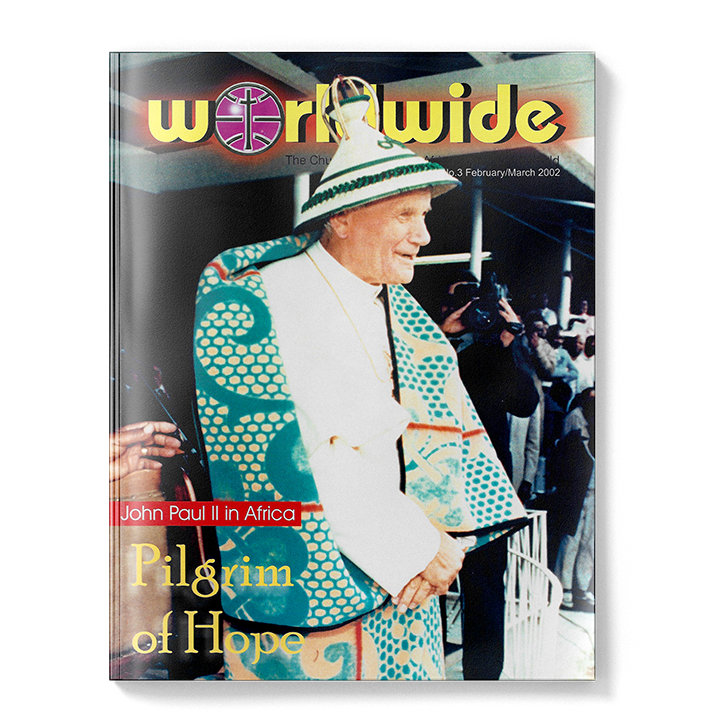
On a positive note, the Catholic Church at the time made significant strides in interfaith dialogue and defining its relationship with the modern world. In Damascus, Pope John Paul II became the first pope to enter a mosque, the Umayyad Mosque, a powerful symbolic gesture of interfaith respect for the Muslim world. These actions reinforced the Church’s role in promoting dialogue, a value which is extremely necessary also in our South African reality, marked by a vast richness of different religious experiences.
Worldwide kept following all these events, helping its readers to “think globally”, to partake in the experiences, the hopes, and joys of fellow Catholics all around the world, to help us grow in our own church communities. It was a challenging time for which I remain grateful to God and to all the staff, subscribers, and friends with whom we shared the journey.
REMEMBERING THE BEGINNING OF WORLDWIDE
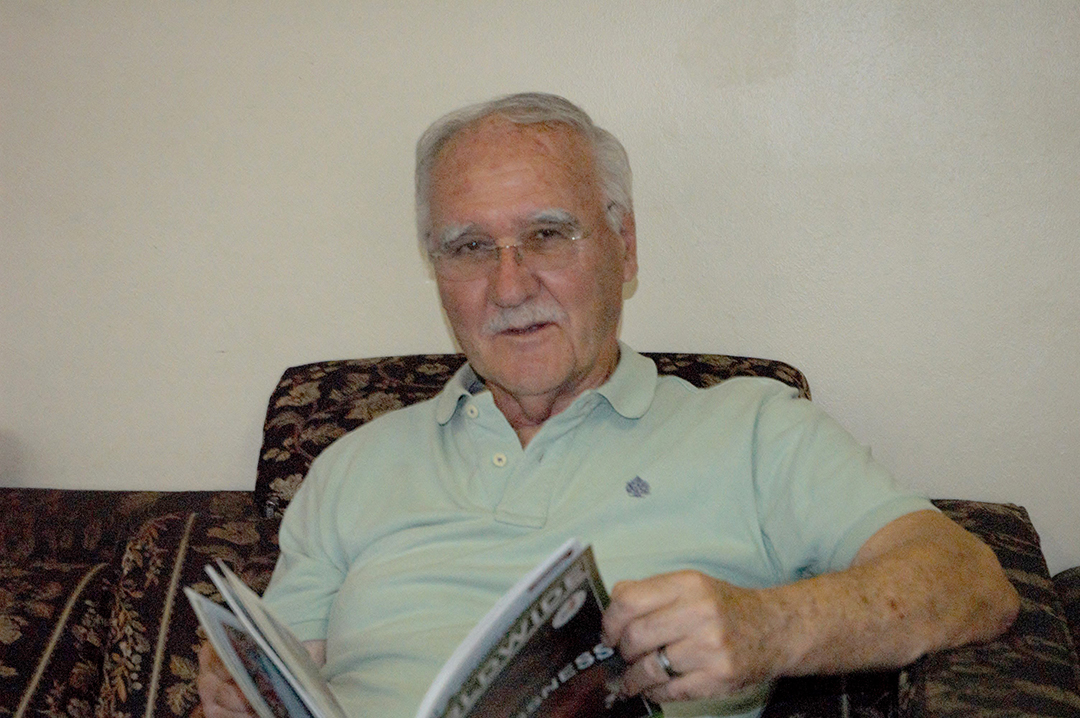
Fr. Francisco de Medeiros ‘Chico’ MCCJ witnessed the early days of Worldwide. Passionate about its promotion, he also helped with the administration and publication of this Comboni project. He shares his memories with us.
JUSTICE, PEACE, AND CARE FOR CREATION AT THE HEART OF WORLDWIDE
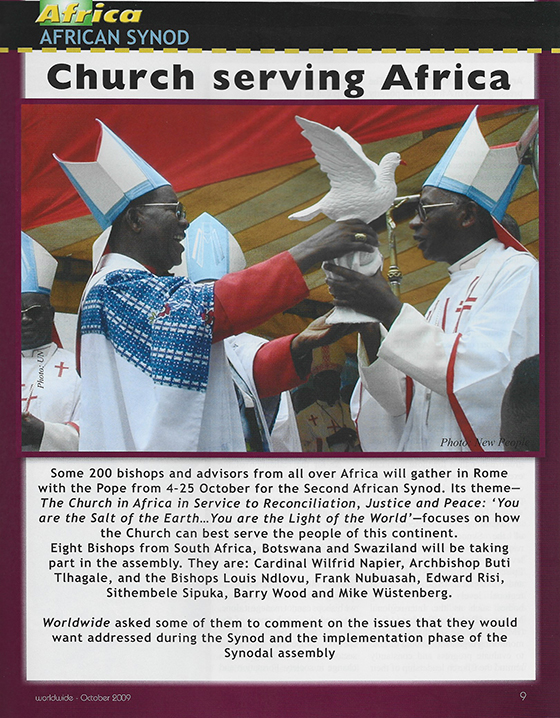
THROUGHOUT THE YEARS, Worldwide magazine has made a humble yet significant contribution to the lives of its readers, offering them the opportunity to widen their horizons.
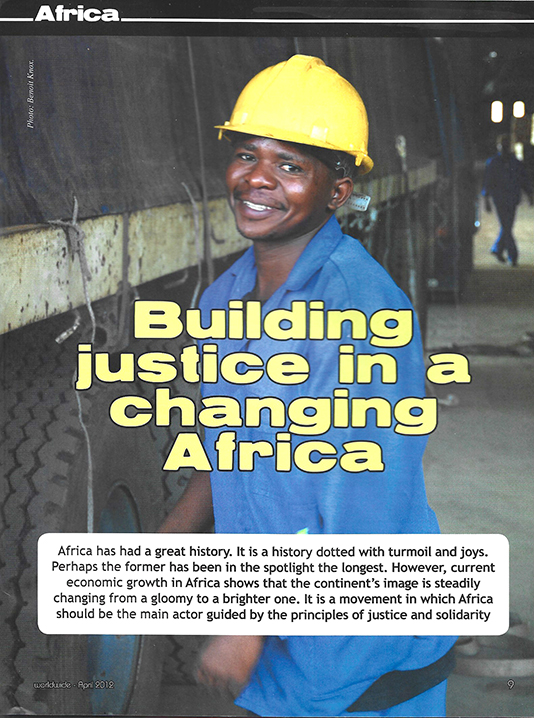
WORLDWIDE, 35 YEARS OF SPREADING THE GOSPEL
WORLDWIDE’S 35TH BIRTHDAY is a milestone worth celebrating. Above all, it is an occasion for thanksgiving for us, Comboni missionaries, as its owners.
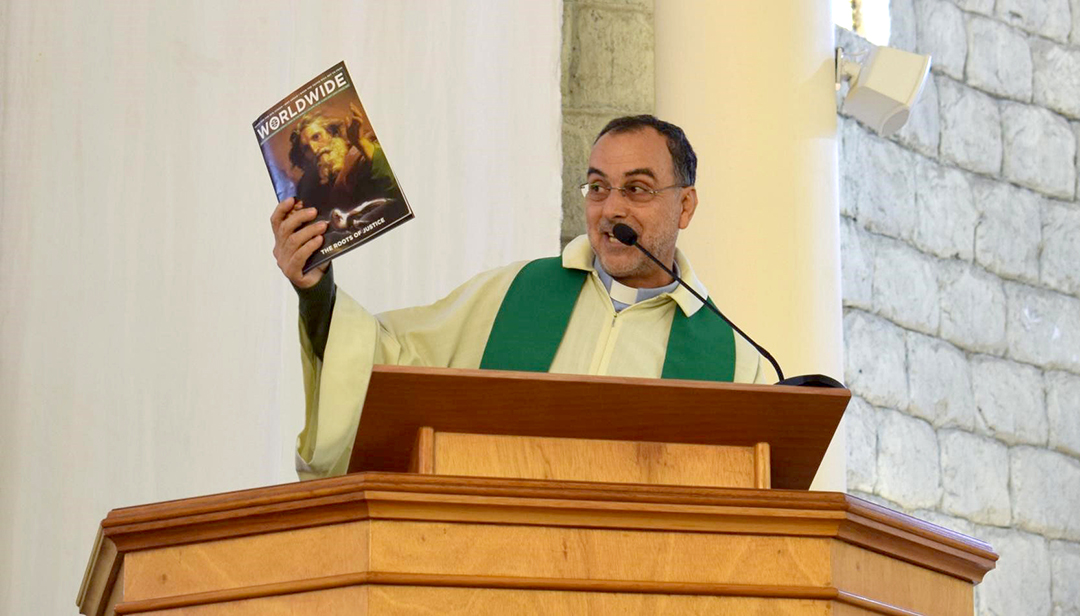
THE MISSION OF COMMUNICATION: MY SEVEN YEARS WITH WORLDWIDE
I WORKED in South Africa for the first time between 1991 and 1996, mostly in Glen Cowie, Limpopo Province. In 1996, my superiors were considering asking me to replace the first editor of the magazine, the Tyrolian missionary, Fr Anton Pramstrahler († Brixen, 10.5.2016), but that plan never materialized.
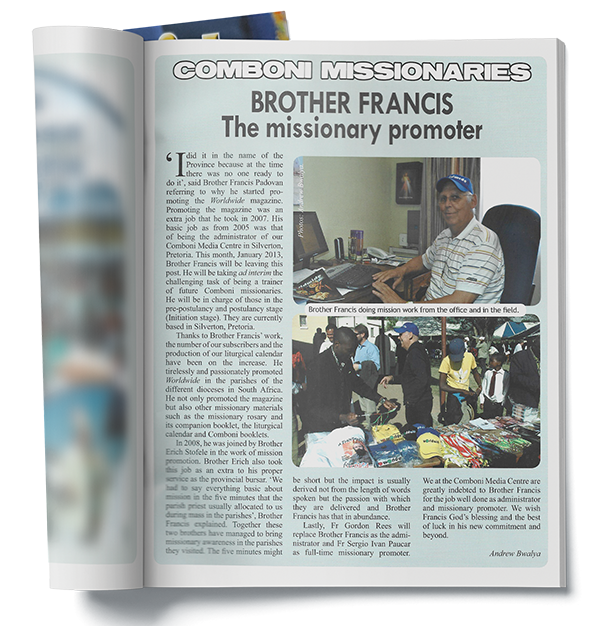
MISSION PROMOTION ACTIVITIES
TO A LARGE extent Worldwide owes its maintenance and development to the Mission Promotion initiatives carried out in different parishes in South Africa.