
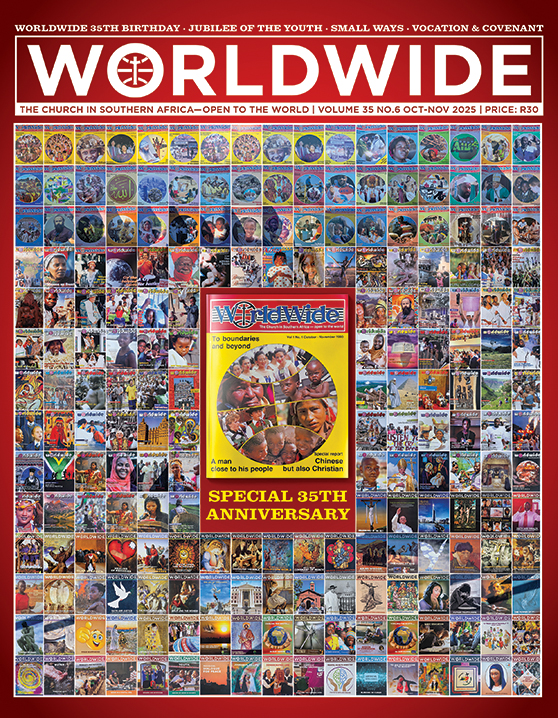
This collage features the front covers of Worldwide issues over its 35 years of existence. At the centre is the cover of the first edition, dated October/November 1990. Worldwide saw the light during a missionary month and continues its mission of proclaiming the Gospel; this is the reason for its being.
Credit: Worldwide archives.
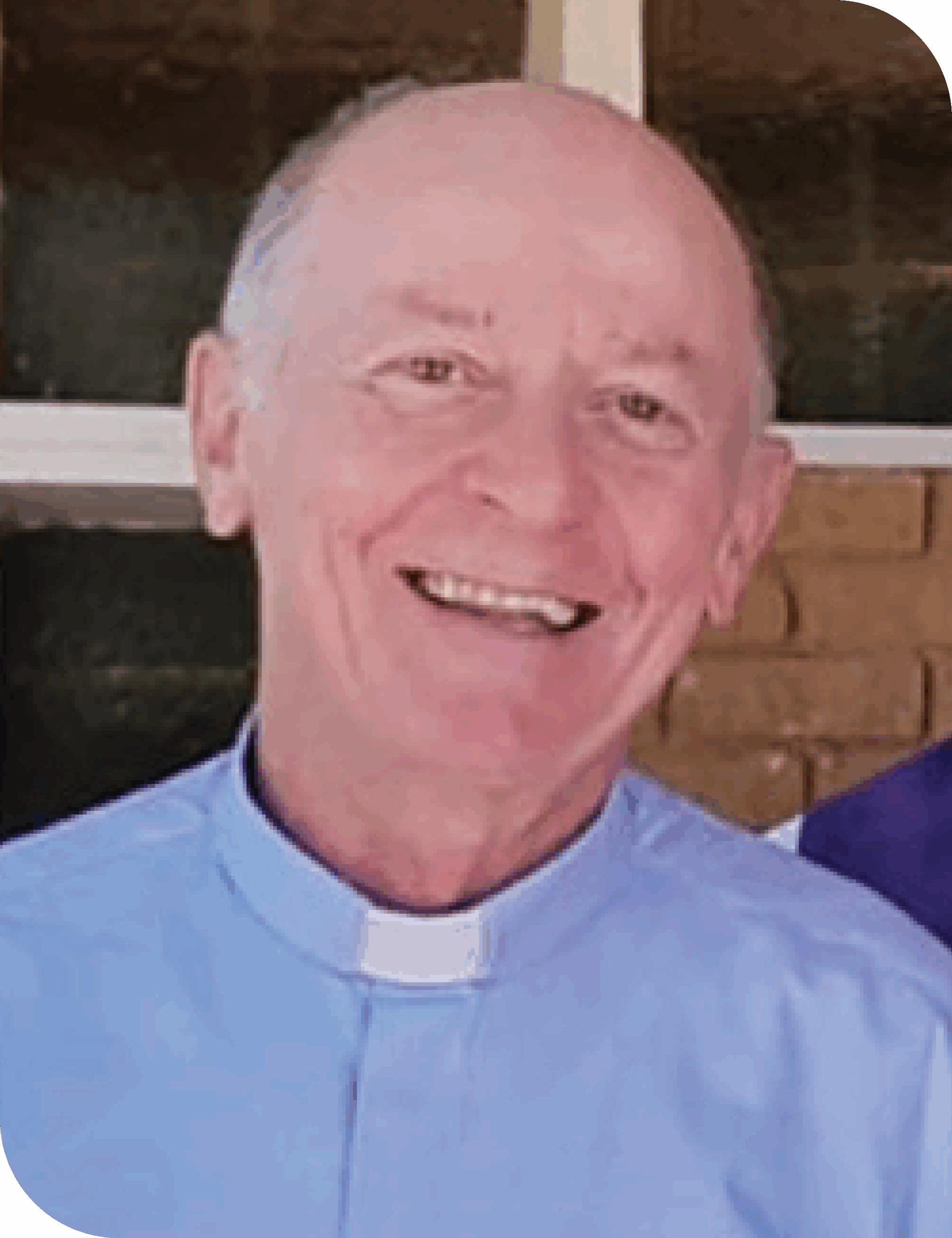
Fr Efrem Tresoldi has always lived out his passion for Justice, Peace, and Integrity for Creation. He brought this sensibility to the pages of Worldwide during his time as editor, a tradition that has continued until today.
SPECIAL 35TH ANNIVERSARY • 2005-2012
JUSTICE, PEACE, AND CARE FOR CREATION AT THE HEART OF WORLDWIDE
BY Fr Efrem Tresoldi MCCJ
THROUGHOUT THE YEARS, Worldwide magazine has made a humble yet significant contribution to the lives of its readers, offering them the opportunity to widen their horizons. Journalists and experts on different areas have been asked to share their analyses and insights on specific topics about what is happening in the Church around the world. Particular attention has always been given to the position of the Church vis-à-vis the issues of justice, peace, reconciliation, and care for the earth. A few examples will explain how Worldwide has achieved this.
The theme of reconciliation was constantly dealt with throughout many issues of Worldwide.
Peace and Reconciliation
Talking about peace, in 2006, the Catholic Bishops’ Conference of Zimbabwe, together with the Zimbabwe Council of Churches, took a courageous prophetic stance during a time of socio-political and economic crisis in the country. In their document, The Zimbabwe we want, faith leaders confessed that as Churches they had failed to speak with one voice and had not adequately responded to the causes of the suffering of the people. They denounced the emergence of a de facto one-party state, accompanied by intolerance towards dissent and political plurality; the lack of accountability and corruption, which became endemic in the country; and the rushed redistribution of land, resulting in an unplanned comprehensive seizure benefiting very few former farm workers while leaving the majority destitute. On reconciliation, the Church leaders asked for the establishment of a Truth and Reconciliation Commission to deal with the massacres that occurred in the country in the early 1980s, when an estimated 20 thousand civilians were killed.
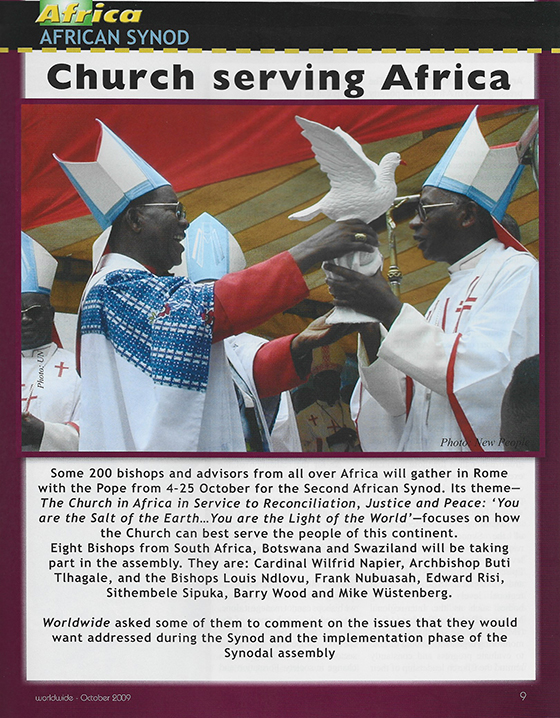
The theme of reconciliation was constantly dealt with throughout many issues of Worldwide. It was incidentally one of the three themes, together with justice and peace, that were discussed at the Second African Synod held in Rome in 2009. In the same year, in an interview with Worldwide, Anglican Bishop Baker Ochola from Uganda, talked about how he had dedicated his entire life to bringing peace and reconciliation to the war-torn northern region of the country. Ochola, whose family was directly affected by the conflict, called for the application of traditional justice that looks for healing and for the restoration of broken relationships. The Bishop stated, “The best way towards reconciliation is to help the offended community and the offenders come together. During the traditional ceremony of reconciliation and healing, the two parties drink the bitter juice of Oput, a tree that grows as a ‘family’ – several Oput trees share the same roots. …Drinking the juice symbolizes that they are one family, sharing the same roots and that they cannot have life apart from each other.”
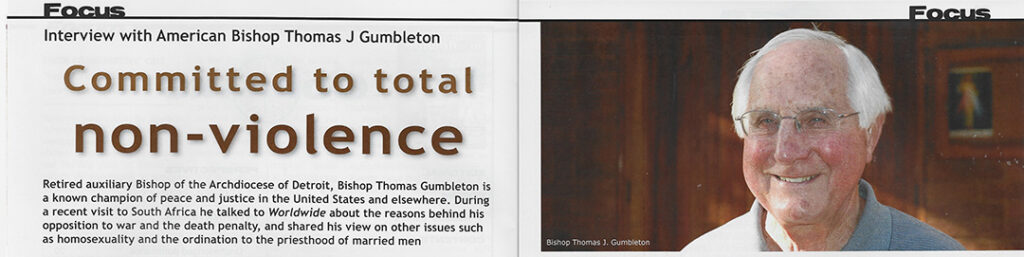
Moving to the United States of America in 2010, Worldwide interviewed Bishop Thomas J Gumbleton, a well-known champion of peace and justice, fully committed to non-violence. Speaking about the war in Iraq, launched in 2003 and led by the US and the United Kingdom, Gumbleton stated that the military intervention was unacceptable because of the high cost of civilian deaths. However, the Catholic bishops of the US failed to publicly condemn the invasion of Iraq, as they had done in early 1970 when they denounced the war in Vietnam as unjust. Why? Gumbleton answered (off the record) that it was difficult for the Bishops’ Conference to speak up because there were bishops who received generous donations from Congressmen belonging to the ruling party. His position towards the death penalty, still carried out in the US, was unequivocal. “Scripture says ‘Thou shalt not kill’ and Jesus goes even further, stating: ‘Love your enemies!’ How can one kill somebody one claims to love? Furthermore, the death penalty does not bring down the crime rate, and human error in a decision to execute is always possible and is irreversible. The risk of executing innocent people is one of the reasons why we should oppose capital punishment.”
Care of the Earth
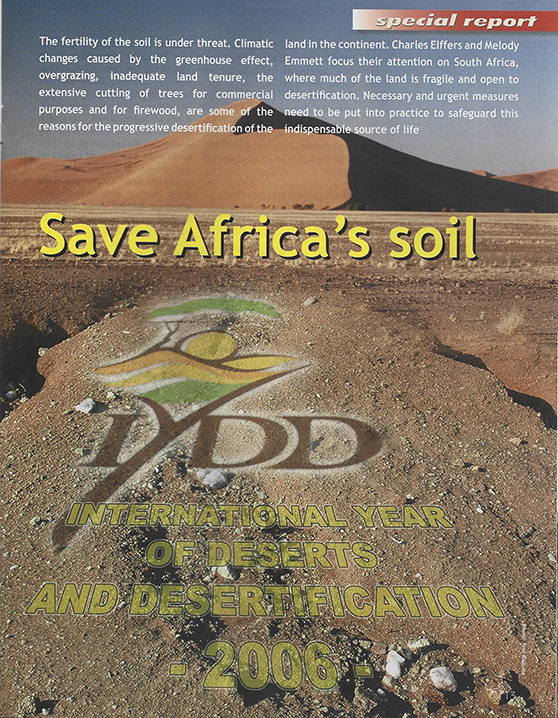
This has been another strong focal point for Worldwide. ‘Save Africa’s soil’, the title of the special report on the issue of April/May 2006, sounded the alarm about the threat posed to the fertility of the soil in a continent damaged by overgrazing, inadequate land tenure, extensive cutting of trees for commercial purposes, and for firewood.
From God’s perspective, economy and ecology are the same thing; there is no future in an economy if its rules are designed to destroy the environment.” (Prof. De Gruchy)
Coming to South Africa, the authors of the report, Charles Elffers and Melody Emmett, decried the increasing desertification of the land. They affirmed, “Over the last few years, the Kalahari Desert has moved about 100 square miles to the south.” Overgrazing is one of the main causes of desertification. Provinces such as the Northern Cape, North-West, and Limpopo have similar problems with spreading aridity caused by overgrazing and the cutting of trees. In Gauteng, the most heavily populated province, and in Mpumalanga, the degradation of soil is mainly due to metal pollutants in the water systems and in the air, for which the mining sector is largely responsible. In KwaZulu/Natal, the cutting of trees, mostly for firewood, and the loss of wetlands are to be blamed for flooding and loss of topsoil. Forging partnerships between governments and civil society groups seems to be the best way of tackling the critical problem of environmental degradation.
In a lengthy article for Worldwide in 2008, Professor Steve De Gruchy explained how protection of the environment and the eradication of poverty go hand in hand, somehow anticipating the teaching of Pope Francis, especially in his encyclical Laudato Si’ (2015). De Gruchy argued that we cannot “look to the current global economy to solve the problems of poverty, unemployment.… For this economy breeds violence, exclusion, a growing gap between rich and poor…and is destroying the earth. The alternative is God’s economy… From God’s perspective, economy and ecology are the same thing; there is no future in an economy if its rules are designed to destroy the environment.”
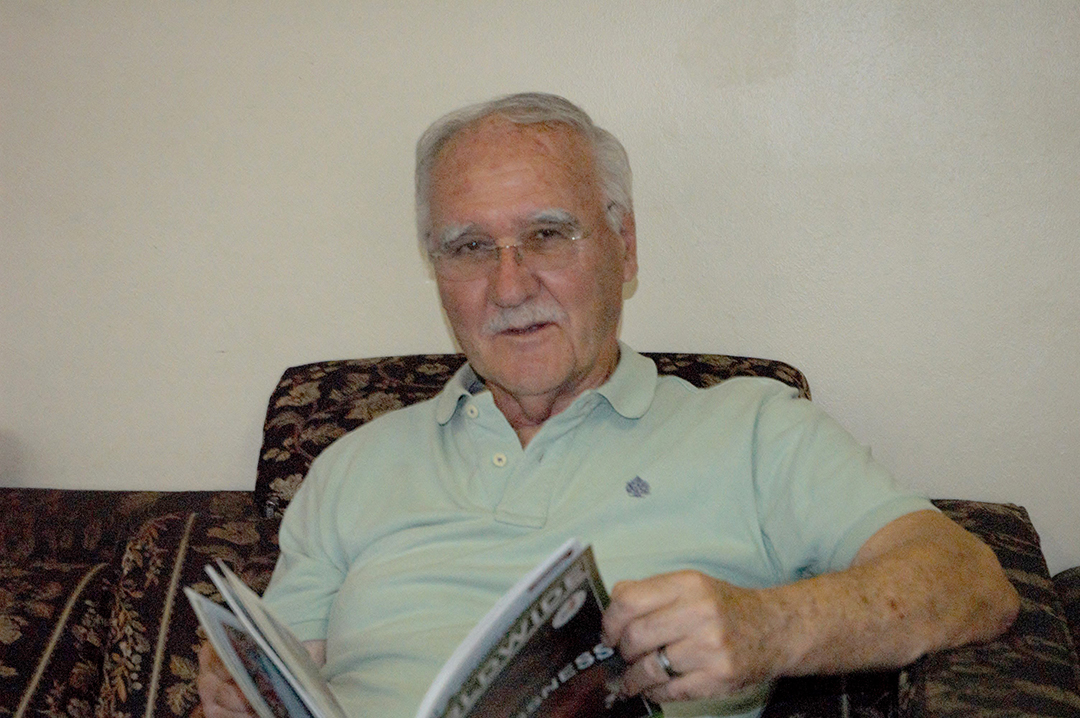
REMEMBERING THE BEGINNING OF WORLDWIDE
Fr. Francisco de Medeiros ‘Chico’ MCCJ witnessed the early days of Worldwide. Passionate about its promotion, he also helped with the administration and publication of this Comboni project. He shares his memories with us.
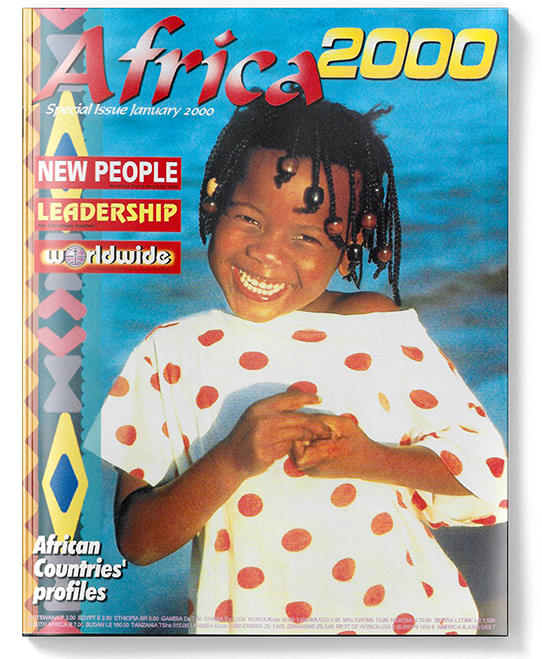
A NATION IN TRANSITION
I RECALL my time at Worldwide well: although it was a relatively brief period (1998-2002), it was a very special time in the history of South Africa. It was the turn of the millennium, and while this topic does not raise much interest today, at that time it was seen as an epic event.
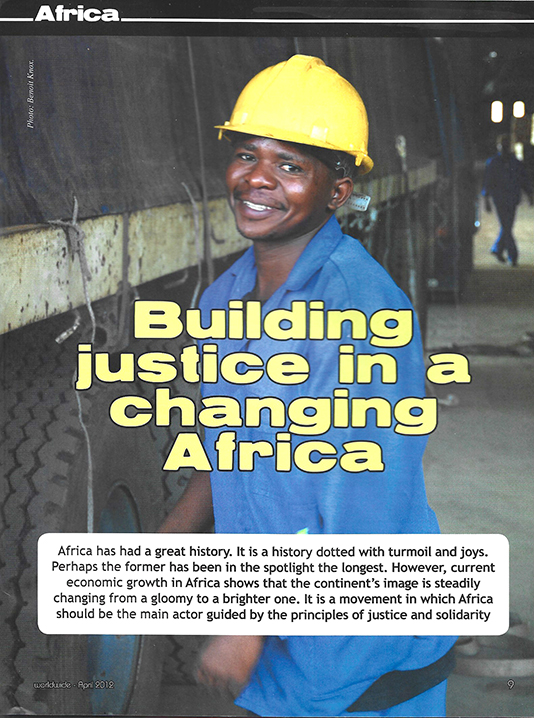
WORLDWIDE, 35 YEARS OF SPREADING THE GOSPEL
WORLDWIDE’S 35TH BIRTHDAY is a milestone worth celebrating. Above all, it is an occasion for thanksgiving for us, Comboni missionaries, as its owners.
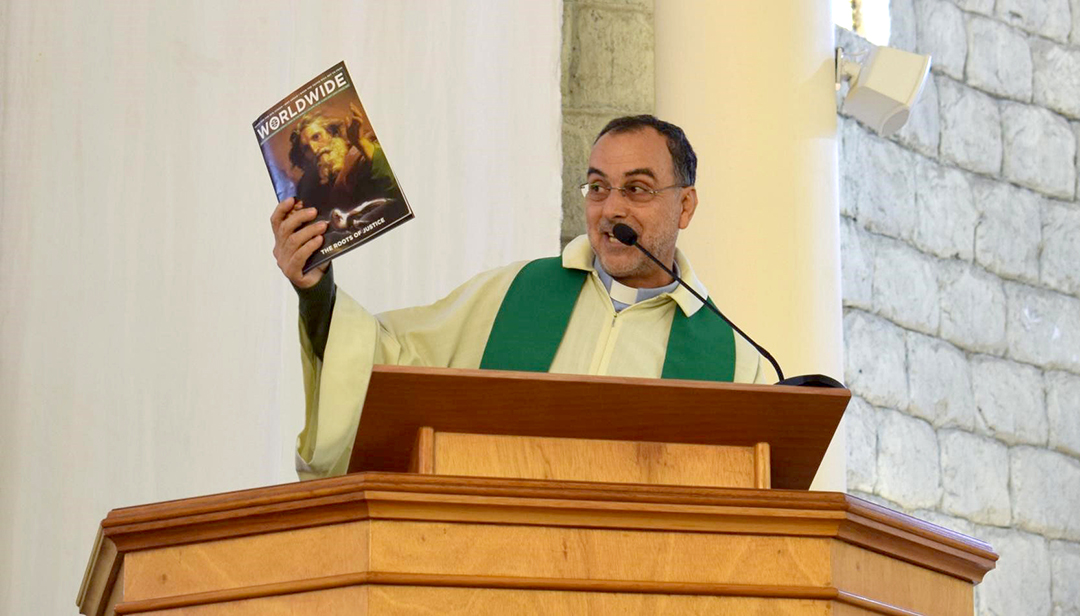
THE MISSION OF COMMUNICATION: MY SEVEN YEARS WITH WORLDWIDE
I WORKED in South Africa for the first time between 1991 and 1996, mostly in Glen Cowie, Limpopo Province. In 1996, my superiors were considering asking me to replace the first editor of the magazine, the Tyrolian missionary, Fr Anton Pramstrahler († Brixen, 10.5.2016), but that plan never materialized.
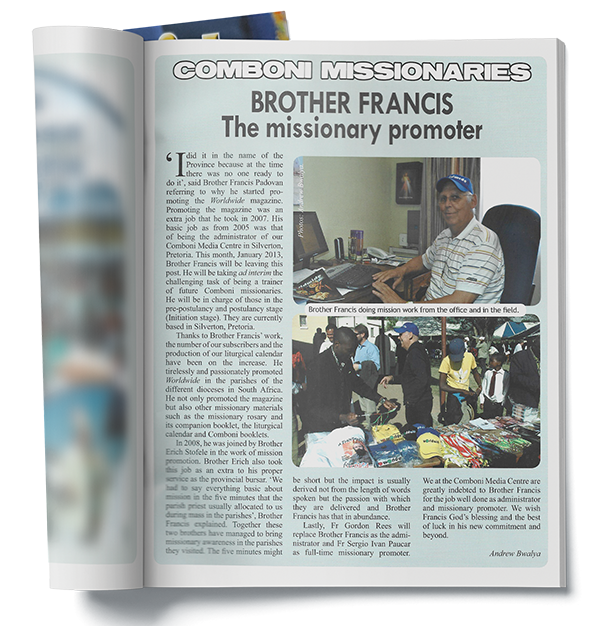
MISSION PROMOTION ACTIVITIES
TO A LARGE extent Worldwide owes its maintenance and development to the Mission Promotion initiatives carried out in different parishes in South Africa.