
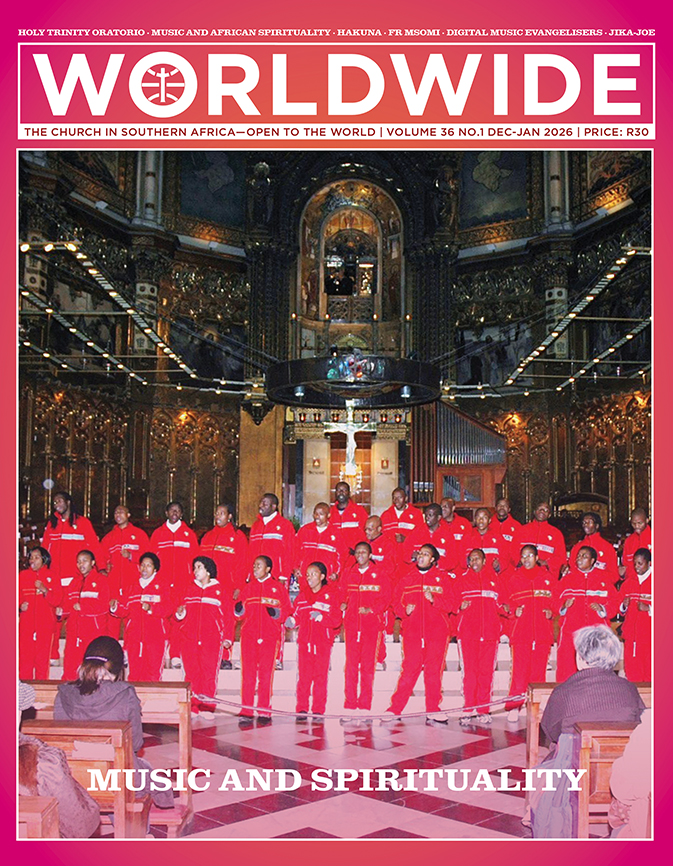
MUSIC AND SPIRITUALITY
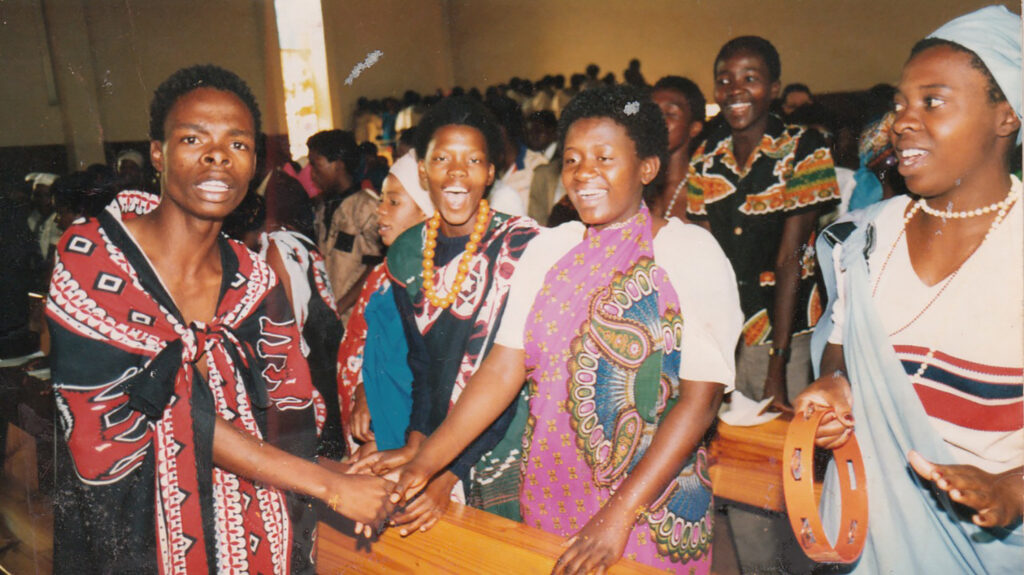
The choir Izwi le Themba (voices of hope in isiZulu) from Saint Daniel Comboni Parish at Mahube Valley, Mameldi, Pretoria, singing at Montserrat Abbey in Barcelona, during their concert tour to Spain in 2008. The group’s name conveys a deep meaning rooted in one of the reasons for singing: to bring hope to the world.
Credit: Fr James Calvera MCCJ.
Special Report • MUSIC AND AFRICAN SPIRITUALITY
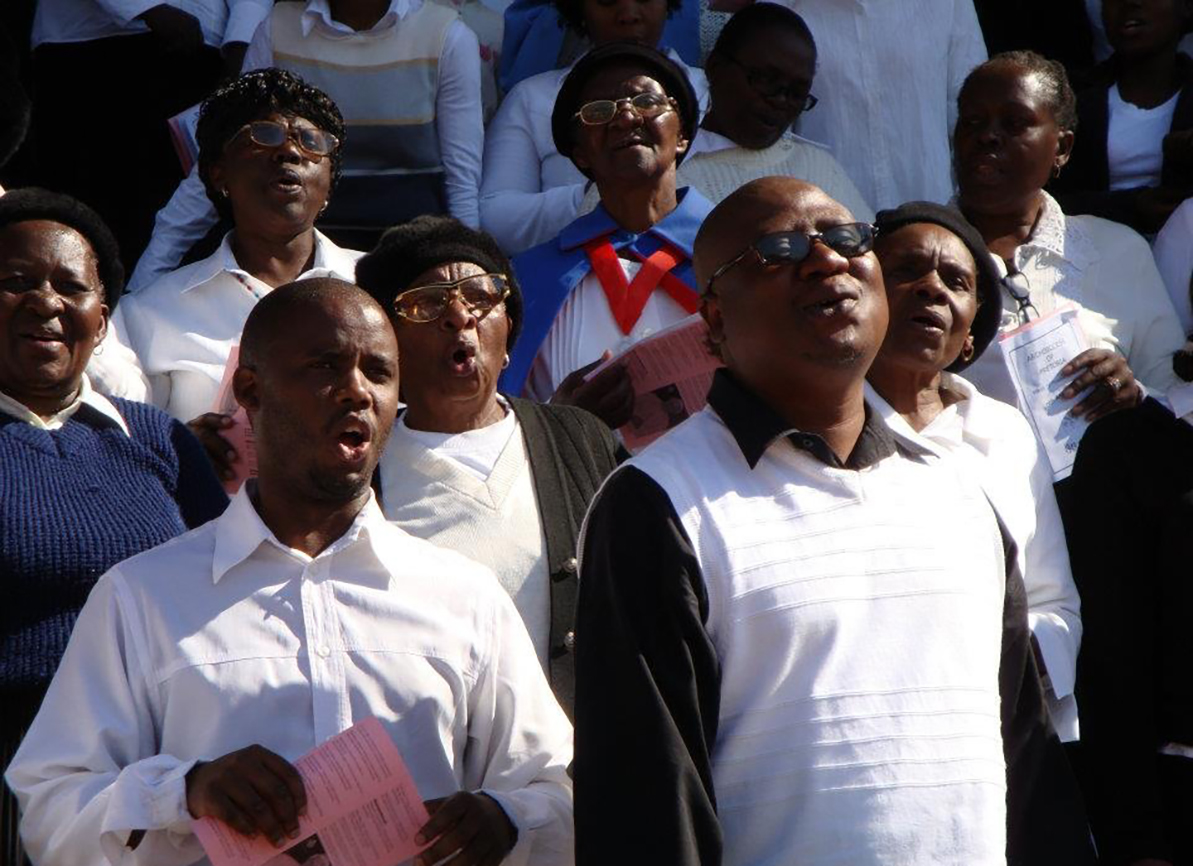
A Sacred Bridge Between Earth and Heaven
The author makes us aware that music is paramount to Afro-ethnicity. It leads African people collectively to God; music embodies every step of their lives with its joys and hardships. Music calls for participation, it is therapeutic, and conveys the strength for liberation from any kind of oppression.
BY Fr Mathibela Sebothoma | Communication Professional, Pretoria
The Soul of African Spirituality
In Africa, music is not merely entertainment — it is a sacred language that speaks to the divine. It is prayer, history, healing, and community woven into one melody. Africans sing at birth and death, in joy and in sorrow. Song is not performed, it is participated in. It is how we speak to God, to our ancestors, and to one another.
Music embodies our theology. It gives voice to our unspoken hopes and fears, becoming a bridge between heaven and earth. To silence the drum is to silence people’s heartbeat. To take away their song is to rob them of their soul.
Sunday at St Raphael’s: When the Drums were Silenced
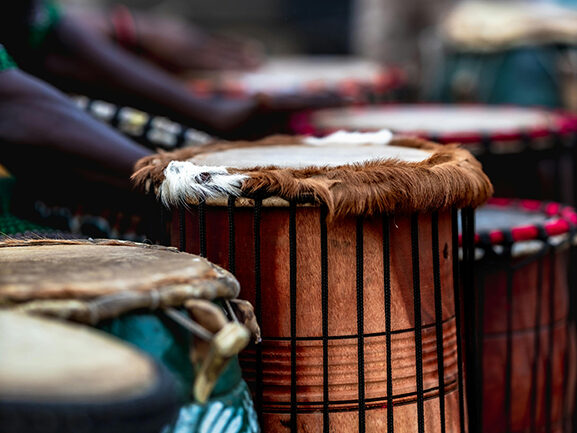
In the 1980s, the youth choir from St Peter Claver Catholic Church was invited to lead what we called an “African Mass” at St Raphael’s Parish in Mamelodi. Midway through the Eucharist, the presiding priest stopped the celebration. He declared that he would not allow what he called “demonic music” in his parish.
Our “sin” was singing Missa Lumko compositions from the Southern African Catholic Bishops’ Conference — official hymns of our Church — but with African expression. We clapped, danced, ululated, played drums and marimbas, and wore colourful vestments that celebrated our identity, unity, and diversity. Songs like Thuma Mina (“Send me”), Thula Sizwe (“Be comforted, my people”), and Africa Will Be Saved proclaimed the Gospel in rhythms born of our soil.
In that particular instance, it happened that the priest was a white man, but some African clergy at that time also resisted such liturgical expressions. What the priest rejected was not rebellion but inculturation — the Church learning to breathe with African lungs, as children of the same God all made in His own image. Catholicism does not mean uniformity; it means unity in diversity.
Songs of Liberation and Survival
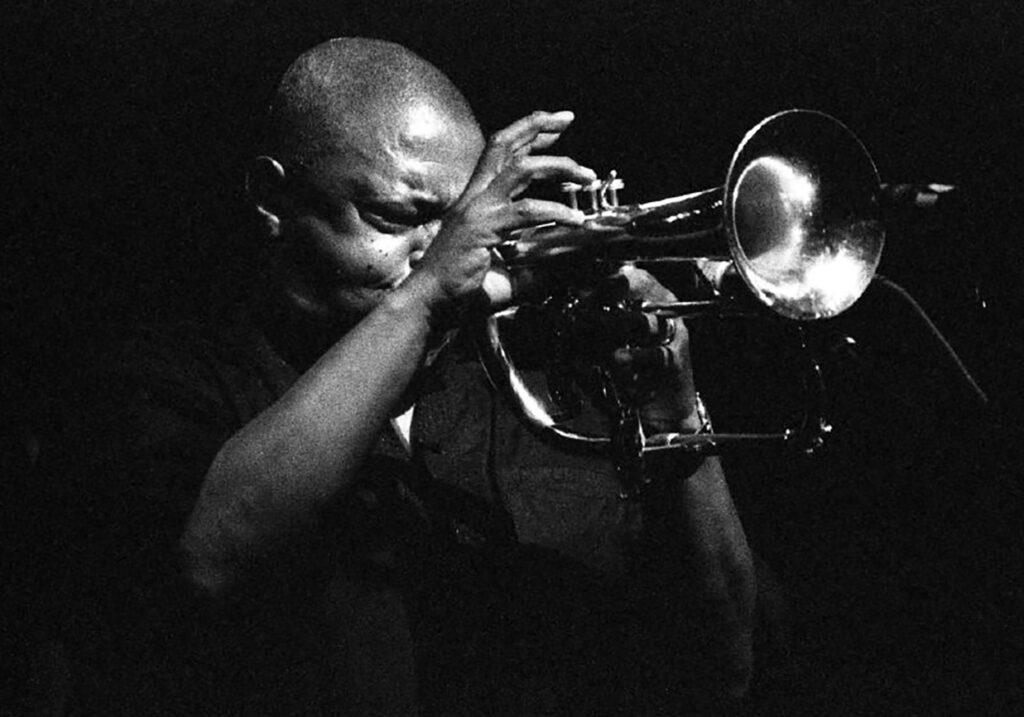
African music has always been the heartbeat of resilience. During the struggle against apartheid, songs became our shield and our sword. In prison cells and picket lines, we sang to keep our spirits alive. Hugh Masekela often recalled how, during wars of resistance, colonisers were so mesmerised by the singing of African fighters that they lost their will to fight.
Archbishop Desmond Tutu once said that “without music, the liberation struggle would have been uglier and more deadly.” The liberation songs were not literal calls to violence but cathartic cries for justice — a spiritual exorcism of oppression.
Even today, when communities protest for social and economic transformation, they do it through singing. Music becomes both lament and hope — a way of naming injustice while preserving sanity. The same spirit animated African American spirituals, which helped enslaved people endure cruelty and express faith in freedom. In both cases, song became a theology of survival.
The Trance of the Spirit
There are moments when music takes us beyond ourselves. The rhythm overtakes the body, the melody stirs the soul, and we enter a sacred trance. This is not performance — it is an encounter. It is what Jacob felt when he exclaimed, “Surely the Lord is in this place!” (Genesis 28:16).
African music is medicine for the soul. It allows people to pour out their pain, hope, and gratitude before God, knowing that nothing human is foreign to Him.
For Africans, such moments are similar to what Peter, James, and John experienced on the mountain of the Transfiguration: “Lord, it is good for us to be here” (Matthew 17:4). In that instant, heaven and earth touched each other. Music becomes the cloud of divine presence enveloping the faithful.
Singing as Communion
Unlike many Western traditions where music is performed for an audience, African music demands participation. ‘Call and response’ mirrors the very structure of prayer: one leads, all respond.
Ntsikana’s Great Hymn, composed in the 18th century, called people to conversion — the leader proclaimed the message, and the congregation answered “Ahom!” (“Yes!”). Another timeless song, Ngena Noah nezizukulwane zakho (“Enter, Noah, and your descendants” in isiZulu), draws from Genesis. Its repetition teaches, reminds, and unites the people in faith.
The role of the choir or cantor is not to dominate but to guide the assembly, allowing the whole community to express itself in disciplined yet joyful harmony. This participatory music is catechesis in motion — theology sung and lived.
Music, Healing, and Holiness
In African spirituality, music heals. Through rhythm, chant, and sound, traditional healers restore harmony between body and spirit. Similarly, in the Christian faith, music opens the heart to grace.
When Africans dance before God, the body becomes an instrument of praise. The spirit rejoices, and the community is strengthened. King David used the Psalms to express every human emotion — fear, anger, sorrow, joy — and yet, through them, reaffirmed his trust in God. The Psalms are not displays of piety but raw, poetic dialogues with the Divine.
In the same way, African music is medicine for the soul. It allows people to pour out their pain, hope, and gratitude before God, knowing that nothing human is foreign to Him.
Singing Through History and Across Oceans
When our ancestors were chained and shipped across the Atlantic, they carried their faith in songs. Their laments and hymns evolved into the spirituals of the New World, songs like We Shall Overcome and Swing Low, Sweet Chariot. These are children of African lament and hope, proof that even in exile, music remained a sacred bridge between heaven and earth.
A People Who Sings
Africans do not sing because they are happy; they are happy because they sing. Music is the thread that binds community, memory, and prayer.
In South Africa, I have never witnessed a funeral without songs. Hymns at funerals often carry more power than any homily or speech. Through music, mourners express grief, remember the dead, and proclaim hope in their resurrection. Music allows the community to weep, to breathe, and to believe again.
The Church That Sings
The Catholic Church in Africa must continue to allow the Spirit to sing in African tongues, rhythms, and movements. Our music is not an addition to worship — it is worship. When we sing with our whole beings, heaven listens, and the Word becomes flesh among us.
Music does not accompany liturgy; it is liturgy itself. In my ministry, I have often used music as viaticum — food for the journey. During the sacrament of the dying, we sometimes sing the person’s favourite hymns or those chosen by their family. When the final verse speaks of death and eternal rest, there is rarely a dry eye. In those sacred moments, the melody carries the soul home.
Music is Africa’s oldest sacrament — a sacred bridge where the divine and the human meet. Through it, we do not merely remember our story; we participate in God’s ongoing song of creation and redemption.
When we sing, the heavens open. The ancestors listen. The Spirit moves. And God, once again, walks among His singing people.
When music serves no purpose: Hakuna and evangelisation by attraction
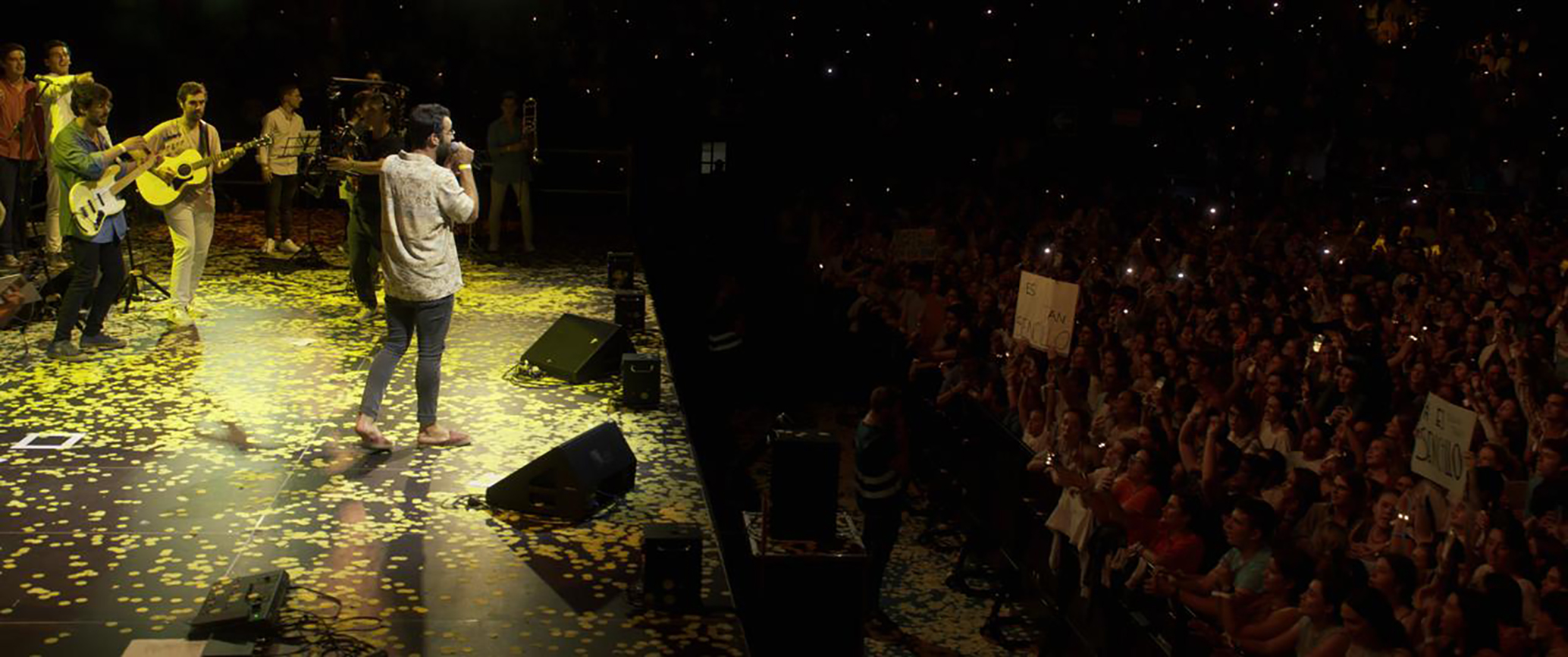
In 2013, a Catholic movement appeared on the eve of the preparations for World Youth Day 2013 in Rio de Janeiro. It was named Hakuna. It now has a presence in more than 20 countries. Through Eucharistic adoration, retreats, training, and getaways, its members seek to live and spread God’s life in the ordinary world. The movement has a music group, Hakuna Music Group, which emerged from the songs written for moments of adoration, but eventually it took on a life of its own.