
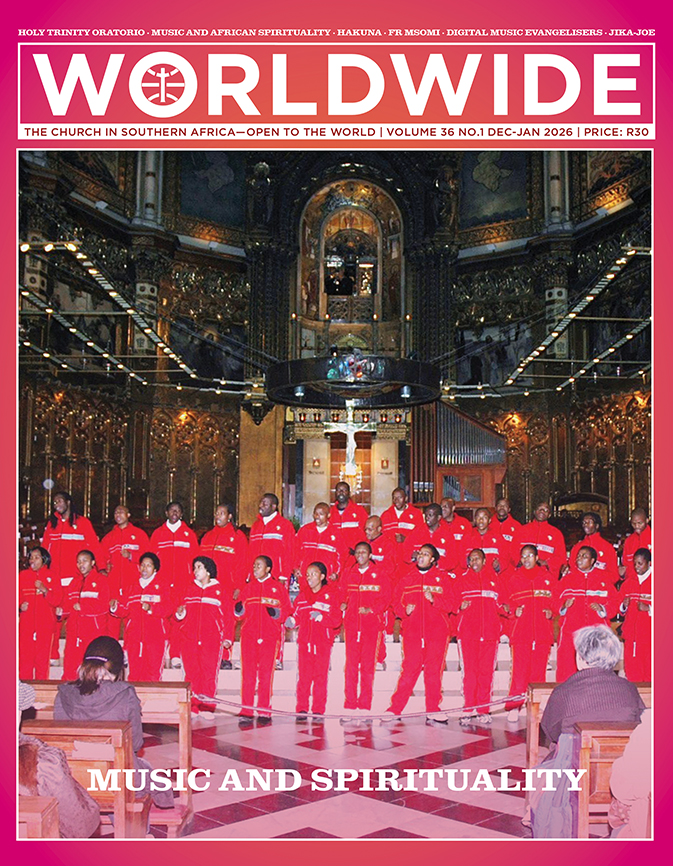
MUSIC AND SPIRITUALITY
The choir Izwi le Themba (voices of hope in isiZulu) from Saint Daniel Comboni Parish at Mahube Valley, Mameldi, Pretoria, singing at Montserrat Abbey in Barcelona, during their concert tour to Spain in 2008. The group’s name conveys a deep meaning rooted in one of the reasons for singing: to bring hope to the world.
Credit: Fr James Calvera MCCJ.
RADAR
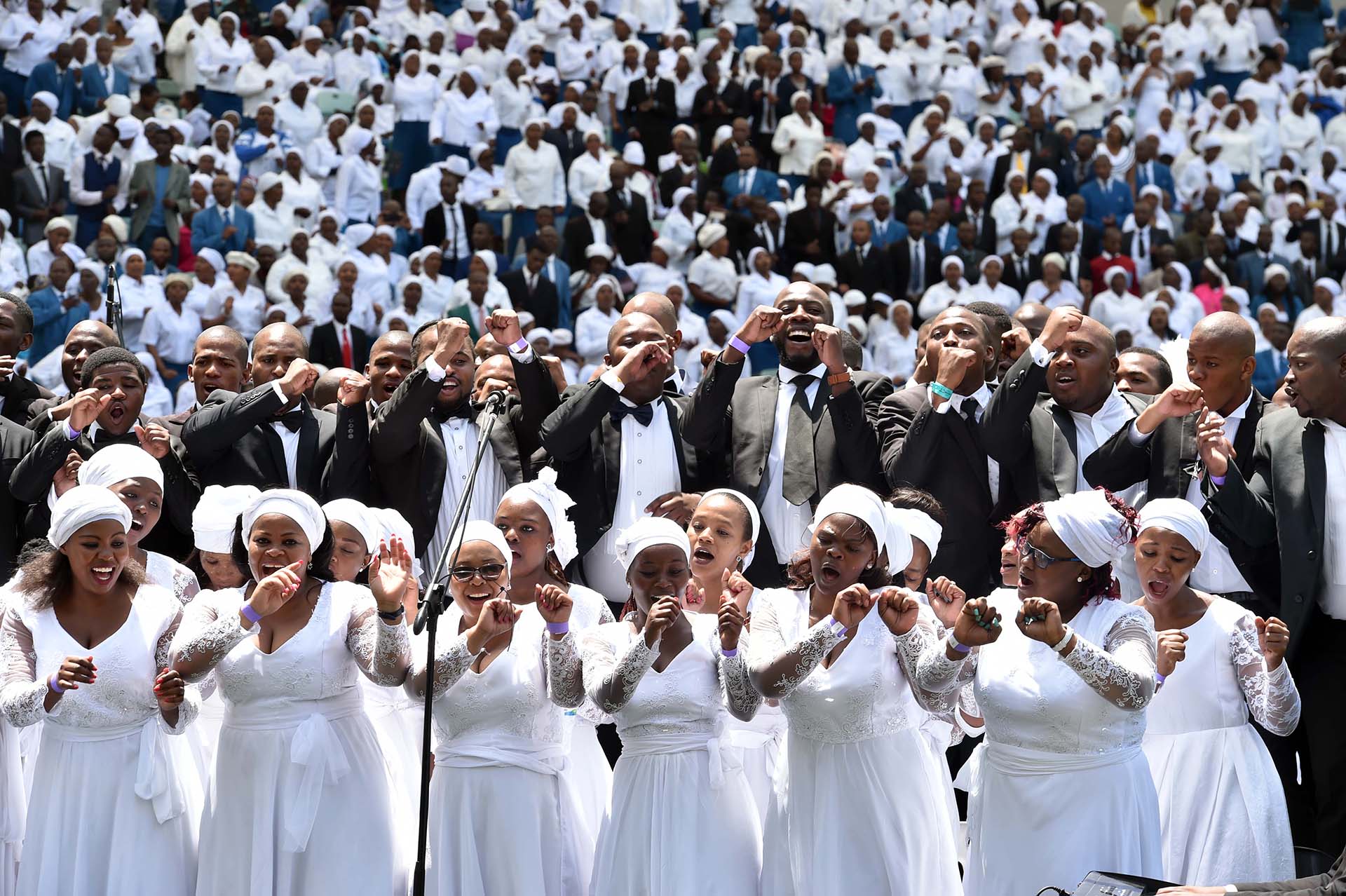
South Africans are flourishing more than you might expect – here’s why
South Africa is often portrayed in the media as a country struggling with inequality, corruption, crime, infrastructure collapse, and public health challenges. But this isn’t the whole story.
BY Richard G. Cowden | Research Scientist, Harvard University
WHEN SOUTH AFRICANS are asked to describe their lives, they often say they are thriving in key ways. According to the Global Flourishing Study, many South Africans are demonstrating resilience by working hard to leave behind the country’s difficult past and by remaining hopeful for a better future.
“Human flourishing is used to describe an ideal state in which all aspects of the population’s life are good, including their environments and communities. Over 200 000 people in 22 countries participated in a survey of the Global Flourishing Study, where they were questioned about their background, upbringing, health, well-being, and other areas of life.
We analysed the data from 2 561 South Africans across approximately 70 health, well-being, and related outcomes. The analysis offers the first comprehensive overview of “flourishing” in South Africa.
Contrary to the commonly held gloomy view of the country, adult South Africans are flourishing in many ways, similar to those in other countries. The country also has some notable strengths it could capitalise on. However, lingering struggles remain that may be hindering this flourishing.
These findings show that some flourishing is possible amid adversity. Insights from South Africa could offer clues about how best to support the well-being of people living in places that are facing significant social and structural challenges.
Similarities with others
Part of our analysis compared South Africa’s average for each indicator of flourishing to the average across all other countries. For example, considering the question, “In general, how happy or unhappy do you usually feel?”, the average response was 6.95 in South Africa (0 being extremely unhappy and 10 being extremely happy) and 7.00 across the other countries. This suggests average happiness in South Africa amounts to much the same as in other nations.
The findings were similar for more than 30 of the main outcomes, including sense of purpose, social belonging, depression, gratitude, and general health. Many people still experience high levels of well-being in circumstances of material fragility and deprivation.
South Africa’s strengths
South Africans possess numerous strengths. Compared with the combined averages of the other countries, South Africans reported lower degrees of pain and suffering, greater capacity for inner peace, hope, and forgiveness of others, and increased religious or spiritual engagement. Regarding many of these aspects, South Africa was ranked among the top five countries.
These outcomes shed light on the enormous potential for flourishing in South Africa. Many South Africans report that, through forgiveness, they have the capacity to deal with wounds inflicted by the oppressive system of racial segregation that shaped society for decades.
South Africans, through their inner peace, tend to stay grounded amid the challenges of daily life. This enables them to transcend adversities. Through hope, they generally hold onto the possibility of a brighter future despite persistent social-structural vulnerabilities.
Perhaps the most inspiring of these findings is forgiveness. This is a strength that appears to have been cultivated through South Africa’s protracted coming to terms with the legacy of apartheid. It may reflect a general societal commitment to pursuing peace and healing over discord and bitterness.
Faith may be a foundational source of strength in South Africa. For many South Africans, religion or spirituality is leaned on to navigate the struggles faced in one of the most unequal societies in the world.
Challenges
South Africa has definite opportunities to strengthen and expand the conditions that support human flourishing, as many citizens tend to report lower well-being on several outcomes. These included satisfaction with life, meaning in life, place satisfaction, social trust, experiences of discrimination, charitable giving, and several socio-economic factors such as employment and financial well-being.
These point to actionable areas that government, civil society, and private sector leaders can prioritise to improve flourishing in the country. Special attention should be directed toward supporting vulnerable groups, which the analysis showed are struggling in many aspects of flourishing. These groups include women, divorcees, and the less educated.
What does this all mean?
The concept of flourishing invites South Africa to envision the highest ideals for its people and for the kind of society those ideals might sustain. The language of flourishing offers a way to unite different sectors and stakeholders around a shared goal: harnessing South Africa’s strengths while addressing challenges that restrain deeper forms of human flourishing in the country.
Source: theconversation.com
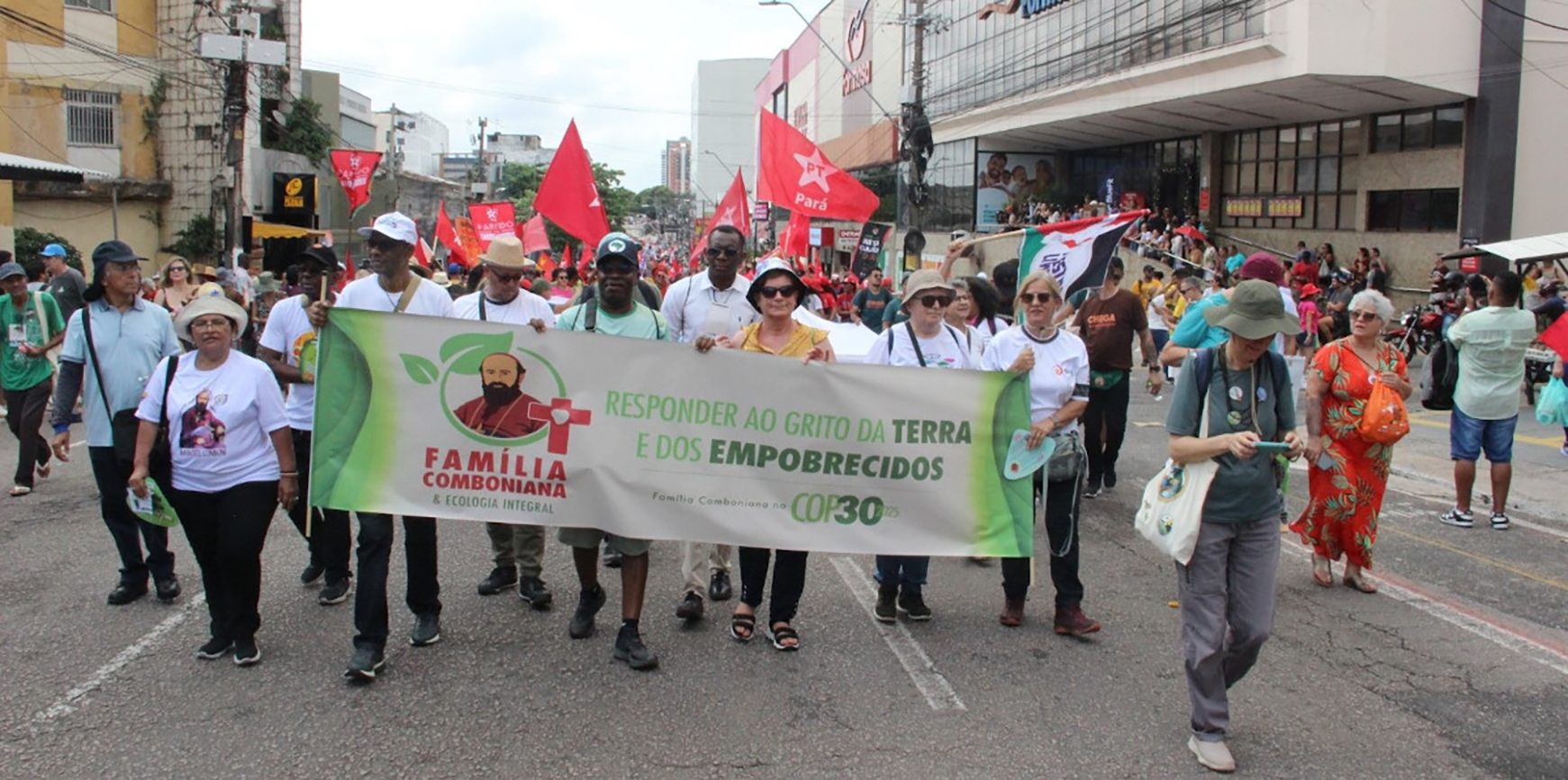
THE COMBONI FAMILY FORUM ON INTEGRAL ECOLOGY “Responding to the Cry of the Earth and the Poor”
Summoned by the cry of the poor and of the earth, thirty-nine representatives of the Comboni Family gathered in Belém, Brazil, on the occasion of COP30 to participate in the Forum on Integral Ecology. Below is their final Statement.
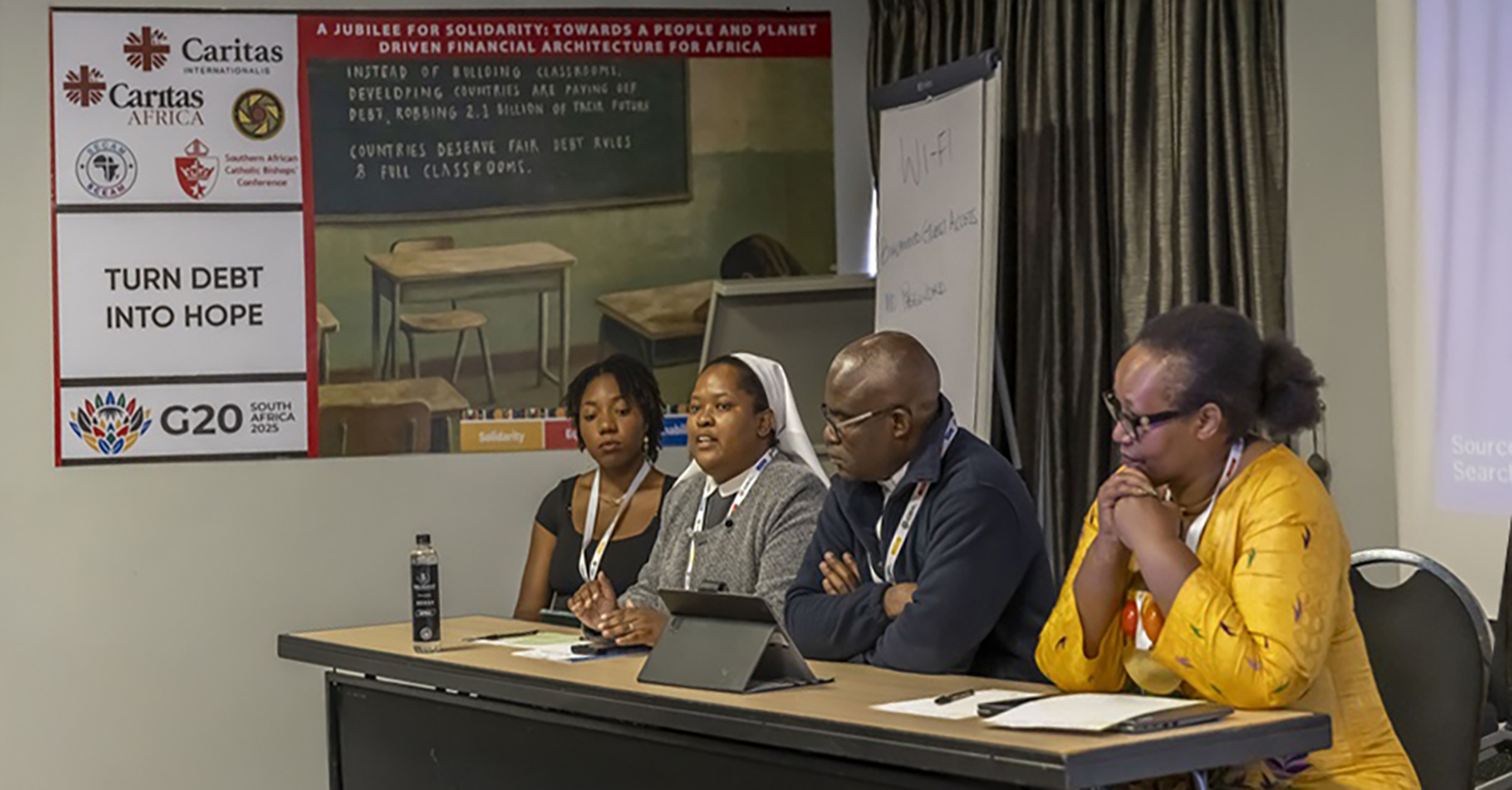
Faith Leaders Urge G20 to “Turn Debt into Hope”
Leaders of faith communities from across the world issued an appeal to G20 leaders, calling on them to confront the global debt crisis as a moral and humanitarian emergency on the eve of the G20 Summit celebrated in Johannesburg on 22-23 November 2025— the first G20 summit to be held on African soil.
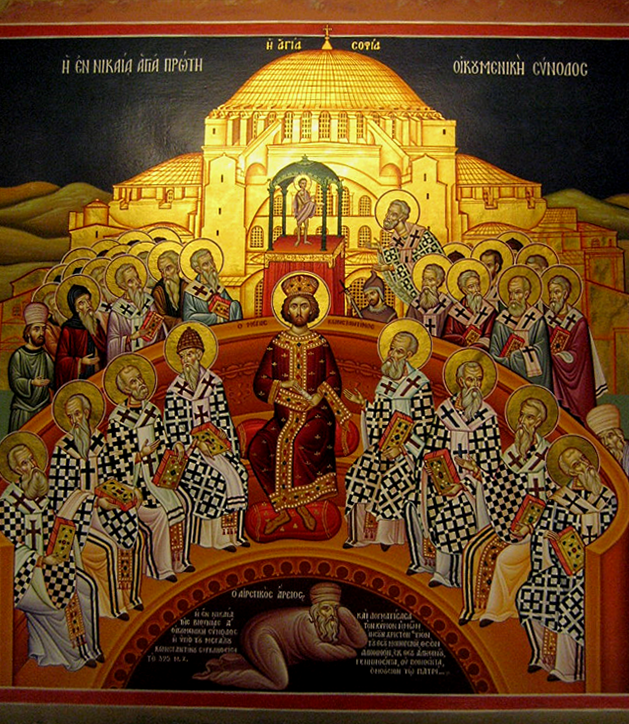
Pope: Nicaea invites Christians to unity in the face of violence and conflict
Pope Leo XIV prays with leaders of various Christian Churches in Nicaea, modern-day Iznik, Türkiye, and invites all Christians to follow the path of fraternal encounter, dialogue, and cooperation.
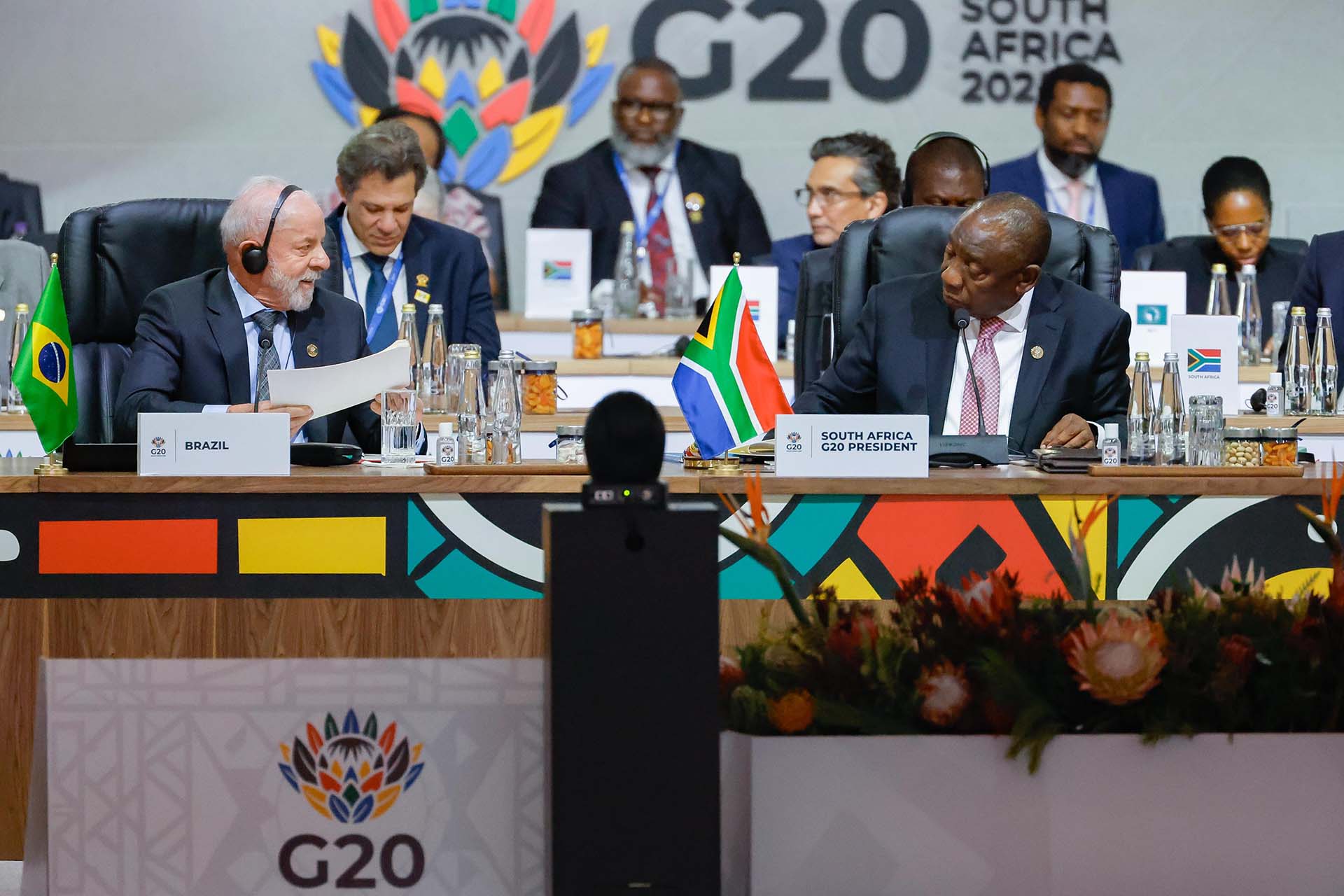
G20 declaration highlights food security as USA and other aid cuts bite
The declaration’s commitment to World Trade Organization (WTO) rules has been welcomed, but signatories, including France, the UK, and Germany, have been slashing their aid commitments and, in the process, undermining the global struggle against food insecurity and hunger.