
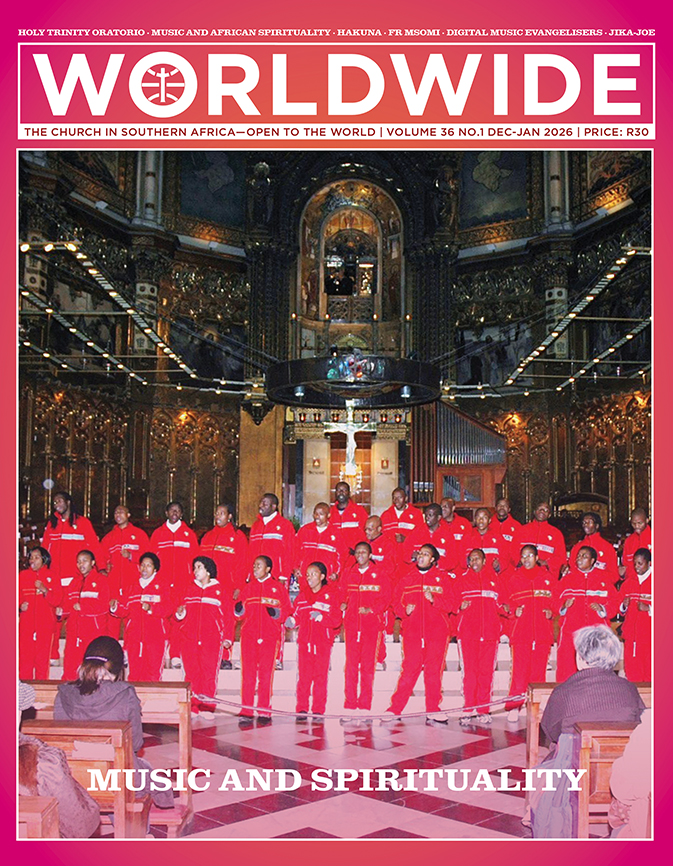
MUSIC AND SPIRITUALITY
The choir Izwi le Themba (voices of hope in isiZulu) from Saint Daniel Comboni Parish at Mahube Valley, Mameldi, Pretoria, singing at Montserrat Abbey in Barcelona, during their concert tour to Spain in 2008. The group’s name conveys a deep meaning rooted in one of the reasons for singing: to bring hope to the world.
Credit: Fr James Calvera MCCJ.
Reflection • MUSIC, MEMORY, AND THE RHYTHM OF THE DIVINE
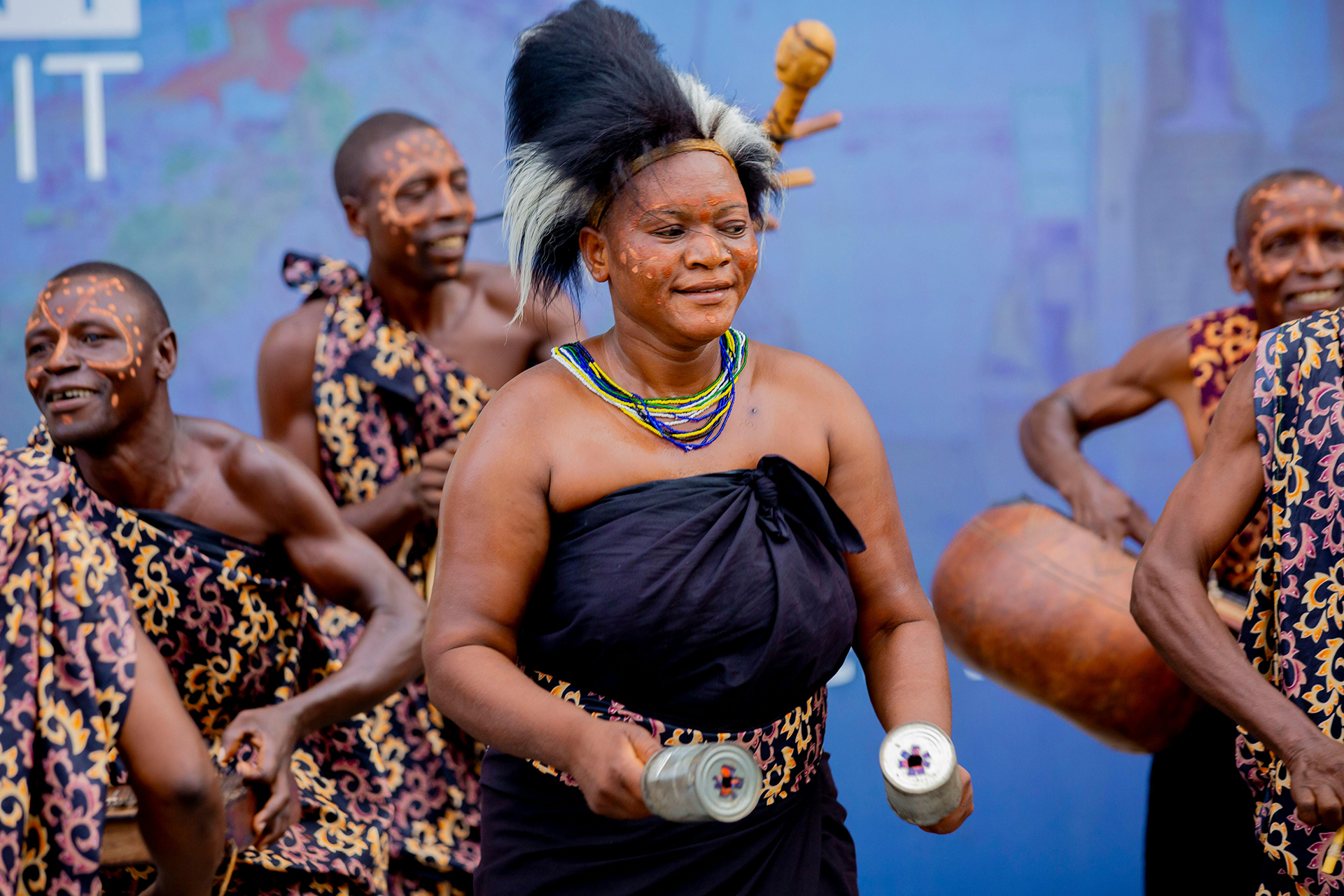
When God Dances
In every culture and faith, music and movement arise as languages of the soul and expressions of a deeply relational humanity. To dance is to join, even faintly, in the rhythm that undergirds sacred living and creation’s calls toward justice. This reflection explores how that rhythm — divine, cosmic, and human — moves through our stories, our worship, and our daily lives. Drawing on theology, memory, and song, it considers how the God who dances invites us to move towards love, awareness, and freedom within the sacred choreography of existence.
BY Fabian Ashwin Oliver | Youth Minister, Johannesburg
The God of Dance
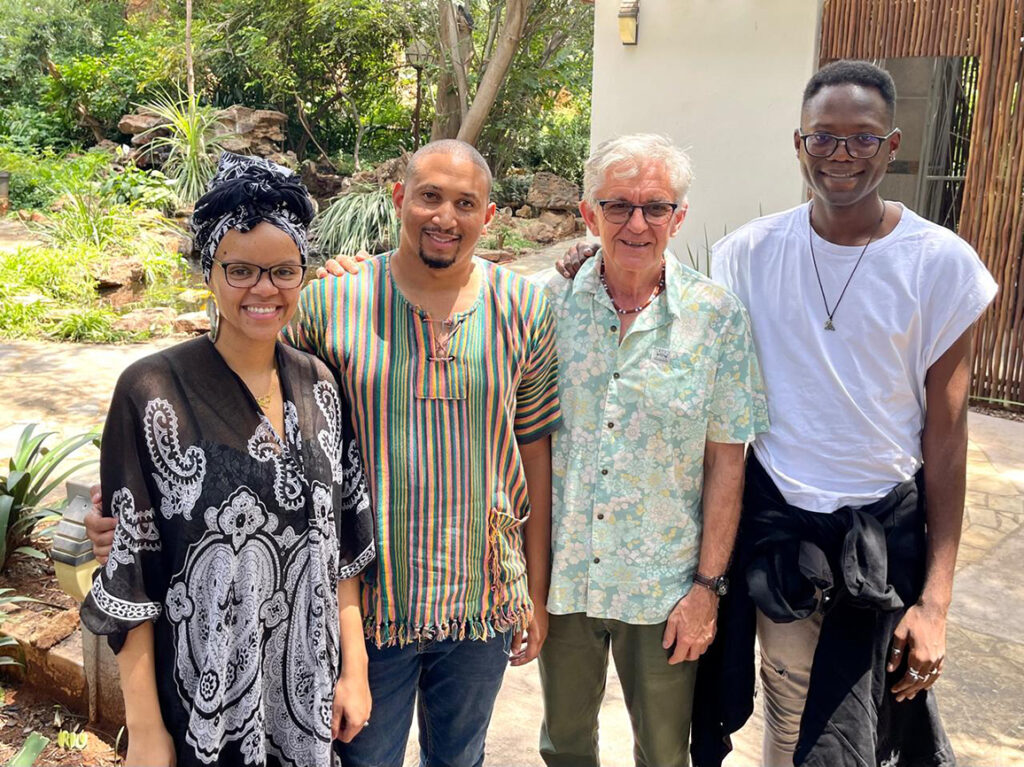
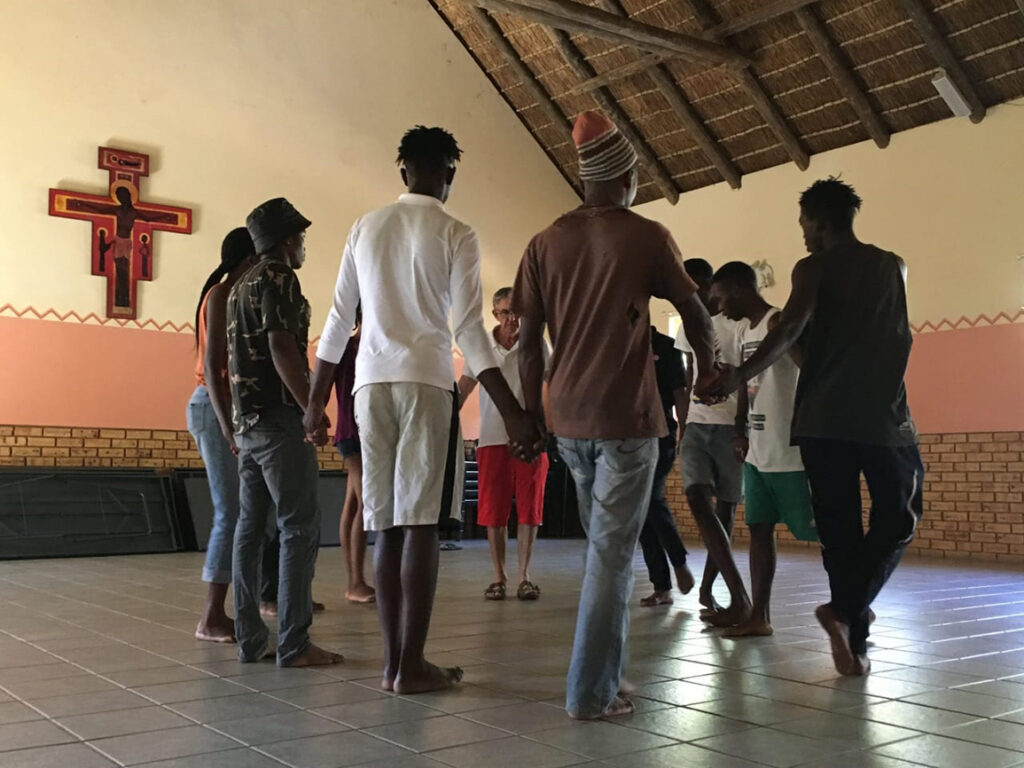
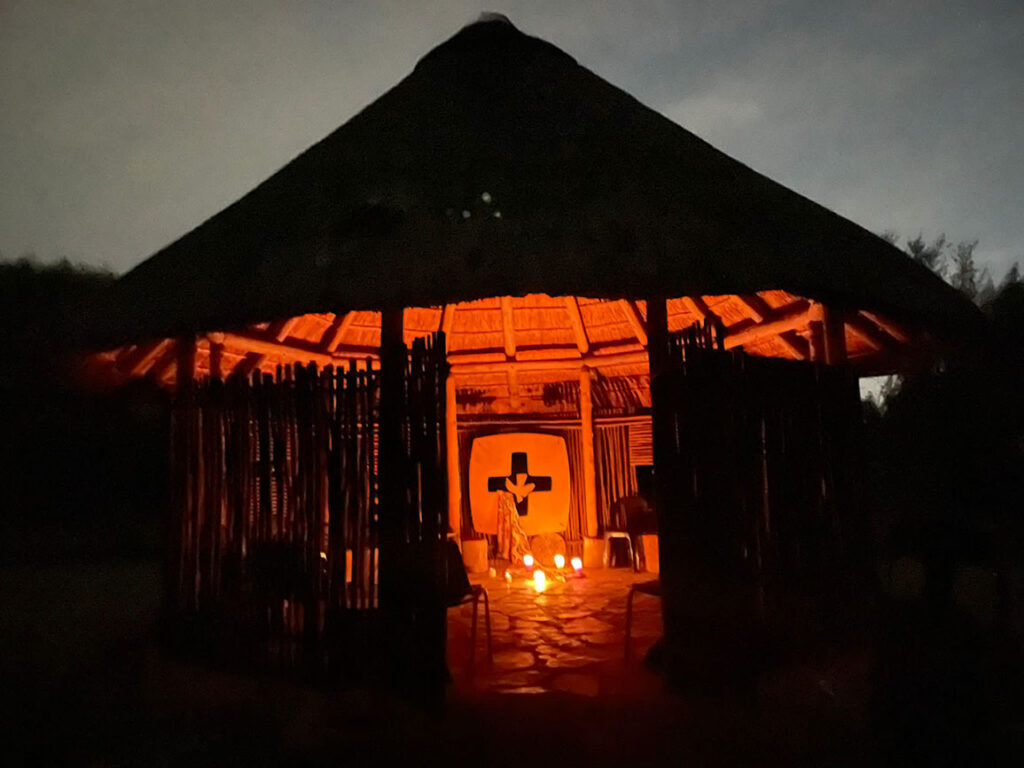
My wife and I are blessed to be part of a marriage preparation retreat team at the Ha Phororo / Empophomeni Youth Retreat Centre in Hartbeespoort, North West Province, directed by Fr Chris Schönenberger. One of the most interesting moments of the weekend comes when the couples, together with the facilitators, are invited to dance. Before the music begins, Fr Chris reminds us that every culture across the world dances at weddings, births, funerals, in sacred rituals and profane celebrations alike. Dance, he says, is woven into the rhythm of human life itself.
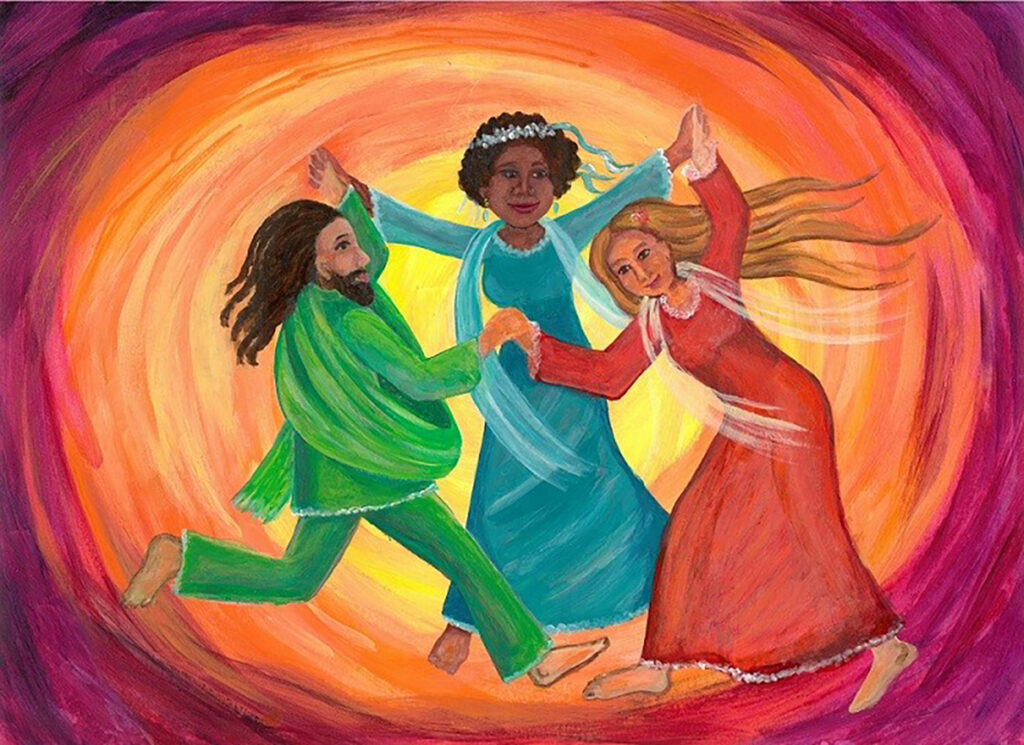
Fr Chris goes on to note that even at the most basic molecular level, science describes matter as movement, as vibration, or rhythm, or even dance. For example, physicist and theorist Fritjof Capra noted that “Modern physics has thus revealed that every sub-atomic particle not only performs an energy dance but also is an energy dance; a pulsating process of creation and destruction” (Capra 1975:244). I find myself wondering whether, if every culture dances, this universal impulse moves in harmony with something resonant in the divine mind or with the spiritual rhythm imprinted throughout the cosmos.
In The Divine Dance (2016), Fr Richard Rohr captures this beautifully. He writes that the fabric of both creation and divinity is profoundly relational: “The energy in the universe is not in protons or neutrons, but in the relationship between them.” For Rohr, vitality arises not from static existence but from the dynamic interplay that binds all things together. This insight mirrors the mystery at the heart of Christian faith — The Holy Trinity — which the early Church described with the Greek term perichoresis, literally meaning “to dance around.” From this root comes the word choreography, reminding us that within God there is not mere stillness but motion, not isolation but relation. God is not merely the dancer; God is the dance itself.
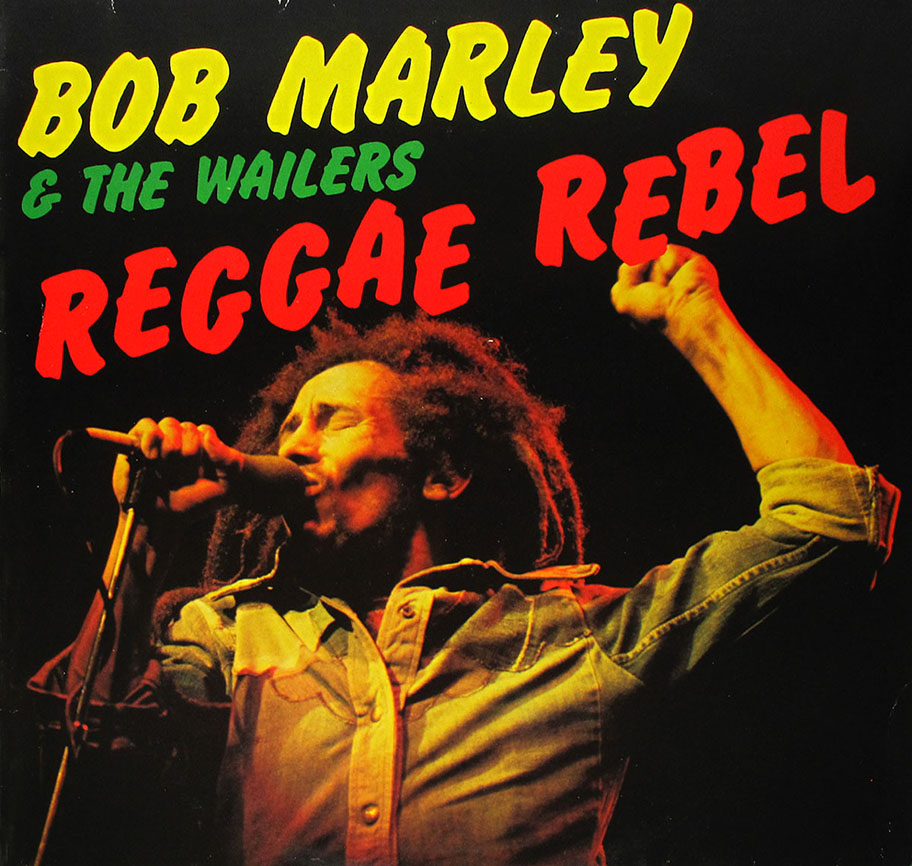
For many of us, sound holds the power of memory and healing. I recall Sundays growing up, my mother cooking beef curry and rice, the aroma filling the house, while the songs of Bob Marley filled the room: Redemption Song, War, Buffalo Soldier. On other days, it was Brenda Fassie who lifted our spirits joyfully, or William “Wee Gee” Howard, reminding us gently, “Children hold on to your dreams.” Those songs and sounds were not mere entertainment; they were survival. They were theology sung in kitchens, a spirituality of ordinary living. Before my sister passed away from cancer last year, she left me a note: ‘When you miss me, play my favourite songs, and maybe for a while, I’ll be there in the music.’ In some forms, music can hold grief gently; it allows us to weep, and sometimes, to feel we are not alone.
In the Music of the Margins, Jesus Liberates
If all people dance, then all dance to some melody — a rhythm inscribed into the human (and perhaps the cosmic) heart. Music gives voice to the spirit’s storytelling, holding our longings, sorrows, and joys in sound. South African theologian Tinyiko Maluleke finds glimpses of the divine in the poor and ordinary expressions of life:
There are moments when even I have seen God dancing in the eyes of a street kid in Johannesburg. I could swear that I have heard the voice of God in the low and high notes of some profane and sacred hymns alike (Maluleke 2015).
The African Jesus can sing and dance like an African. He is not a distant deity detached from the sweat, laughter, and music of his people. Amid many communal gatherings or night vigils, Jesus is called into action through song and rhythm, summoned by the faithful who sing, Jesu zibonakalise (“Jesus, show yourself!”). As Maluleke (1997:21) observes, such songs are not irreverent; they are petitions of trust, affirmations that Jesus is present among those who suffer.
Biblical scholar Johnathan Jodamus (2022:604–605) describes the hymns sung in the Pinkster Kerk (Pentecostal Church) common in Cape Town’s townships: “Daar is môre, môre in my hart, Liewe Jesus neem die donker wolke weg, daar is blydskap in my siel, met Jesus op die troon, daar is môre, môre in my hart.”
(“There is tomorrow in my heart, loving Jesus remove the dark clouds, there is joy in my soul: with Jesus on the throne, tomorrow is in my heart.”)
The African Jesus can sing and dance like an African. He is not a distant deity detached from the sweat, laughter, and music of his people.
The music calls believers to hope despite hardship, to dance toward tomorrow. The refrain “spring in, Pinkster kind” — “jump in, child of Pentecost” — summoning others into participation, enriched with God’s Spirit, is alive in the rhythm of the people, urging them to move, to live, to embrace their joy, to resist despair.
Songs of Grace and Contradiction
Not all songs and sounds are innocent. There are sounds of buildings crashing to the ground after being blown away by drones frazzling through the air in war-torn countries. There are sounds of children screaming for their lives in Gaza, mothers who lament in Sudan and parts of Africa, and sounds of guns in townships across South Africa. Some of the songs we sing objectify women’s bodies, while others teach false senses of our true selves. There are hymns we sing in church with reverence and love that also carry the tension of grace and oppression. John Newton’s “Amazing Grace” (1772) is among Christianity’s most cherished hymns, yet it bears a troubling contradiction: Newton was a former slave trader whose conversion came only after years of complicity in the trade of human lives.
Indeed, such hymns embody the paradox of Christianity’s history —the ability to proclaim divine mercy (“I once was lost, but now I am found”), while remaining complicit in human suffering (Cone 2011: 30-33). Newton’s story of redemption is often told as a testament to God’s mercy. Yet, his personal transformation cannot erase the deep injustice from which he once benefited. When grace is celebrated without remembering the suffering intertwined with that history, it can risk becoming an aesthetic of forgetfulness, a beauty that soothes but does not heal.
Music can both heal and harm. It can resist, unite, and stir into progressive action those who are tuned in. The question is: which song do we choose to sing?
A Song for a New World
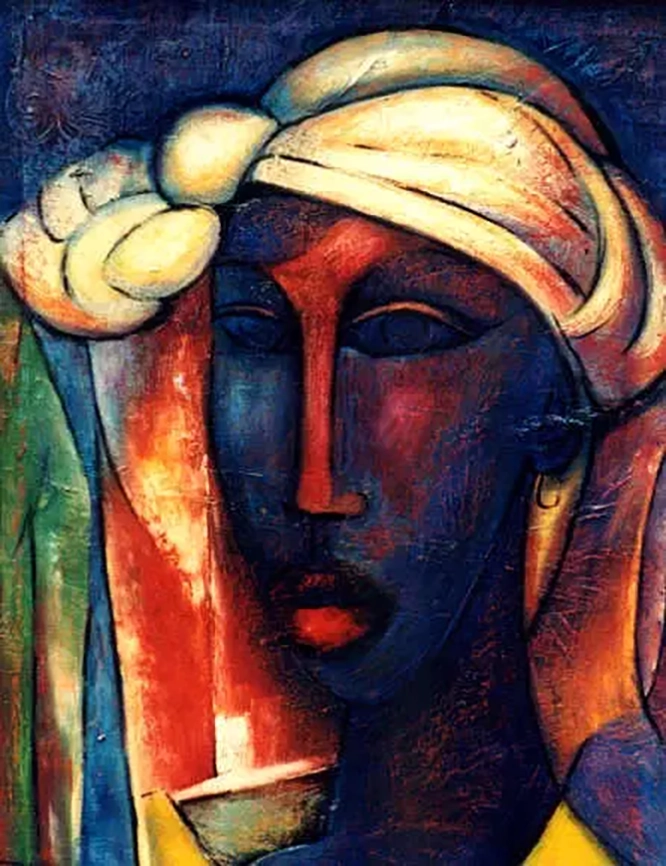
Political theorist Professor Tendayi Sithole reflects on this through the lens of the Black Church and the spontaneous outbursts of glossolalia: speaking in tongues. He suggests that what might appear as “nonsense” to the rational mind may indeed be a profound poiesis — a creation of possibility out of chaos. According to him, it is a way of “saying the unsayable.” (Anisa 2023).
He compares this to the improvisational jazz jam sessions, where sound itself becomes an act of creation of something profound out of chaos and rhythm. Here, I am reminded of the psalmist’s utterance of singing a new song (Psalm 144:9), as a means of participating in God’s creative justice to compose with our lives a melody of love, reconciliation, and transformation. For it is the same God in Genesis who creates out of nothing, who brings form out of formlessness, and life out of still waters.
When worship or doctrine overshadow compassion, we lose sight of the heart of faith.
Real music or spirituality, then, is about awakening. It is seeing beyond ritual, form, or religious performance, towards the living presence of God. When worship or doctrine overshadow compassion, we lose sight of the heart of faith. Like music that stirs the soul to consciousness, genuine spirituality invites us to “wake up” — to become aware of our words, actions, and motives, and to place love and life above mere observance (De Mello 1990:32).
To be spiritual, then, is to be attuned to the rhythm of divine compassion; to be awake to the God whose dance sustains creation; to move in such a way that others may also come alive. The God who dances in the atoms, in the Trinitarian flow, and in the music of our humanity, invites us to join the rhythm of love, a dance that makes us freer, but never at another’s expense.
References
- Anisa. 2023. ‘Tendayi Sithole – Black Radical Prayer PART 2.’ YouTube.(Accessed on 2 October 2025).
- Capra, F. 1975. The Tao of Physics: An Exploration of the Parallels Between Modern Physics and Eastern Mysticism. Berkeley: Shambhala Publications.
- Cone, J. H. (2011) The Cross and the Lynching Tree. Maryknoll, NY: Orbis Books.
- De Mello, A. 1990. Awareness: The Perils and Opportunities of Reality. New York: Doubleday
- Jodamus, J. 2022. ‘The “Pinkster Kerk” as a Site of Indigenous Religious Expression within Black Pentecostal Theology.’ Ecumenical Review. 74(4): 600-616.
- Maluleke, T.S. 1997. ‘Will Jesus Ever Be the Same Again? What Are the Africans Doing to Him?’ Journal of Theology for Southern Africa, 99:13–29.
- Maluleke, T.S.2015. ‘Amid the deafening silence are bits and pieces of God.’ (Accessed on 28 October 2025).
- Rohr, R. 2016. The Divine Dance: The Trinity and Your Transformation. London: SPCK Publishing.
WRITING AS PROPHETIC WITNESS: CELEBRATING THE SACRED CALL TO SPEAK FROM THE MARGINS
I HAVE had the privilege of writing for this prestigious magazine for the last five years. In this reflection, I wish to sketch out the significance of the Comboni Worldwide Magazine, highlighting the sacred importance of writing and storytelling. I approach this by reflecting on three interwoven themes: writing as an insider–outsider, writing as resistance and solidarity, and the irreplaceable power of storytelling in an age of technological advancement.