
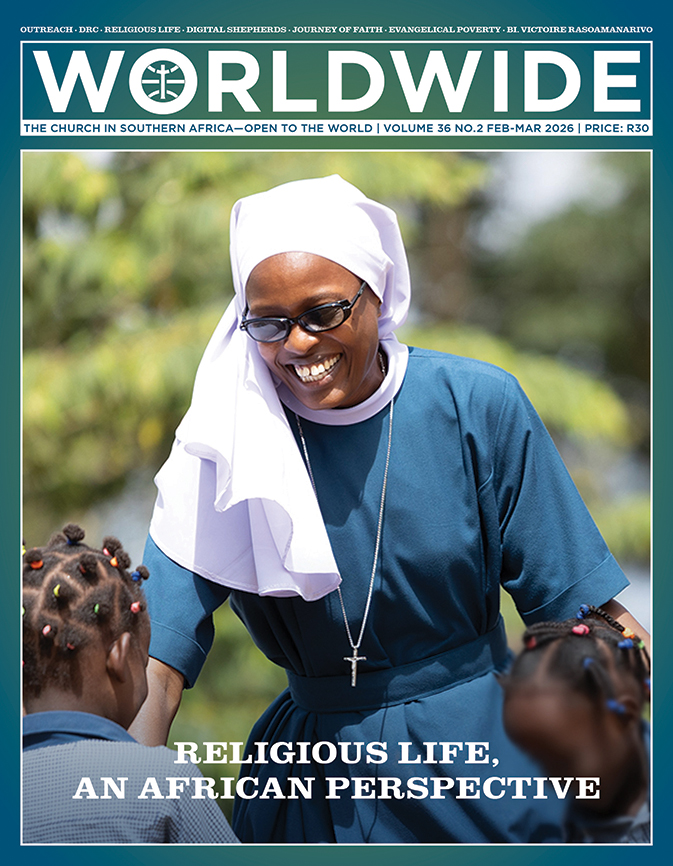
Religious Life, AN African Perspective
The Immaculate Heart Sisters of Africa (IHSA) is a Catholic religious congregation focused on education, evangelization, and empowering vulnerable women and girls, particularly against harmful practices like Female Genital Mutilation (FGM) and child marriages. The cover photo shows a member of the IHSA congregation playing joyfully with children in the Gerald Goldin Memorial Day Care and Nursery School, which they opened in 2022 in Kisarawe, Tanzania.
THE LAST WORD
LENT: A JOURNEY TO EMBRACE OUR HUMAN FRAGILITY
“Yet even now,” declares the Lord, “return to me with all your heart, with fasting, with weeping, and with mourning” (Joel 2:12).
BY REV DR ANTONY SITUMA | Scripture Lecturer, St Thomas Aquinas Seniour Seminary, Nairobi, Kenya
THE PROPHETIC voice of Joel has always resounded at the beginning of every Lenten season. The response of Christians often focuses on the practical aspects of faith in action. There has always been a concentration of activities around the intensification of religious practices within the society. Sometimes Lent is considered to be overly penitential yet the essential elements of our lives as human beings are placed at the periphery. We end up concentrating on the fulfillment of the penitential obligations and ignore that which makes us fervent believers in the paschal mystery.
It has been observed that this repetitive attention has obfuscated the primary concern of the Lenten journey which is the call to embrace human fragility. The traditional Lenten practices of almsgiving, prayer and fasting are supposed to propel believers into embracing human fragility fully. Lent reminds us that we cannot afford to ignore our humanity; and that we bear the task of becoming fully human in a world where we can neither survive nor thrive until we embrace the human frailty in ourselves and in others.
It is for this fundamental reason that prophet Joel exhorts us to return to the Lord with all our hearts… with our whole selves, with everything that concerns us, with our humanity in full. The fasting, the weeping and the mourning are elements that define humanity at its worst. The Lenten observances is the call for humanity to return to the Lord right from its worst situations. It is therefore a call to look beyond ourselves, meet the needs of others and, thus nurture the hope of a better world.
Lent can be a beautiful season in the liturgical year. It is more than just the penitential practices. It is the season that allows us to face the reality of sin and human frailty. It is a journey marked by self-introspection, the discovery of our vulnerability, and ultimately, integral growth.
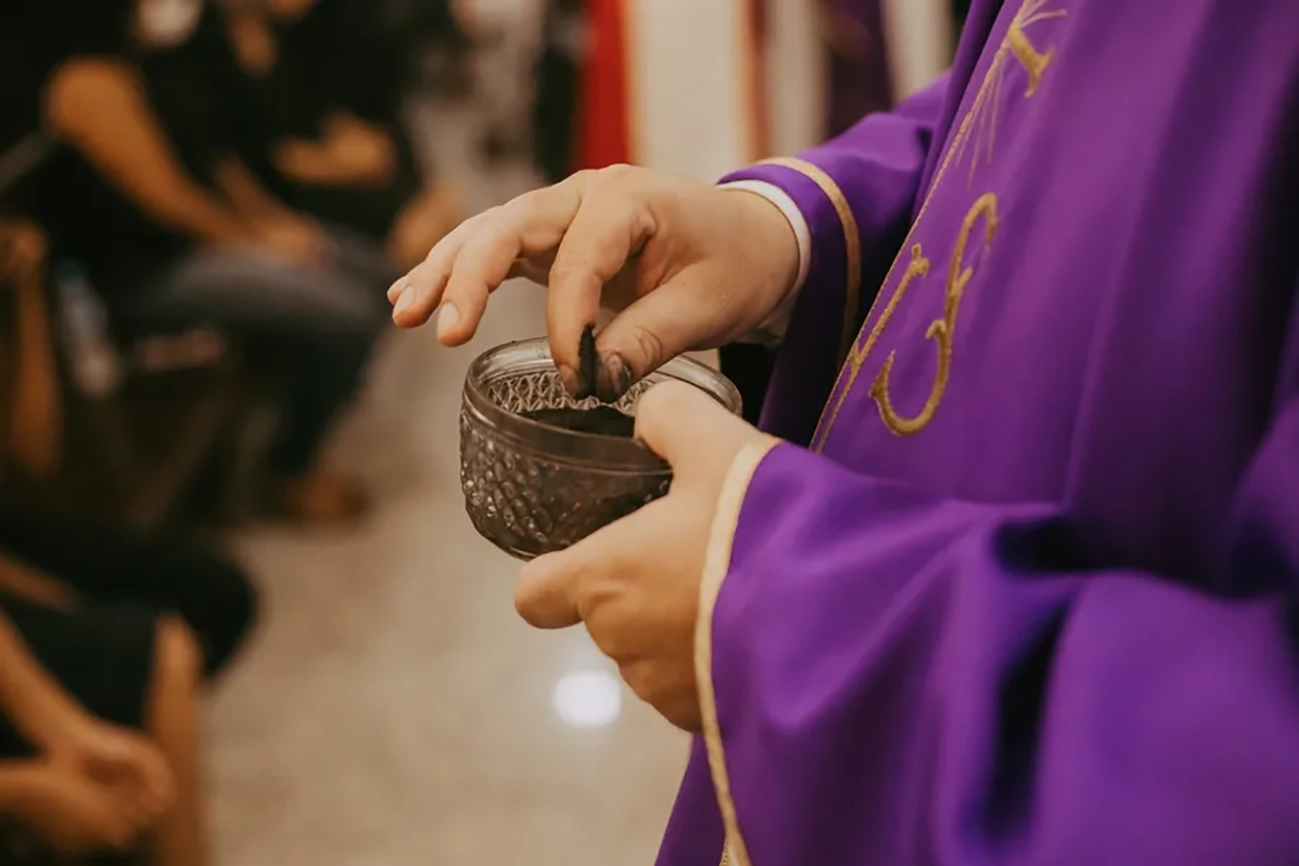
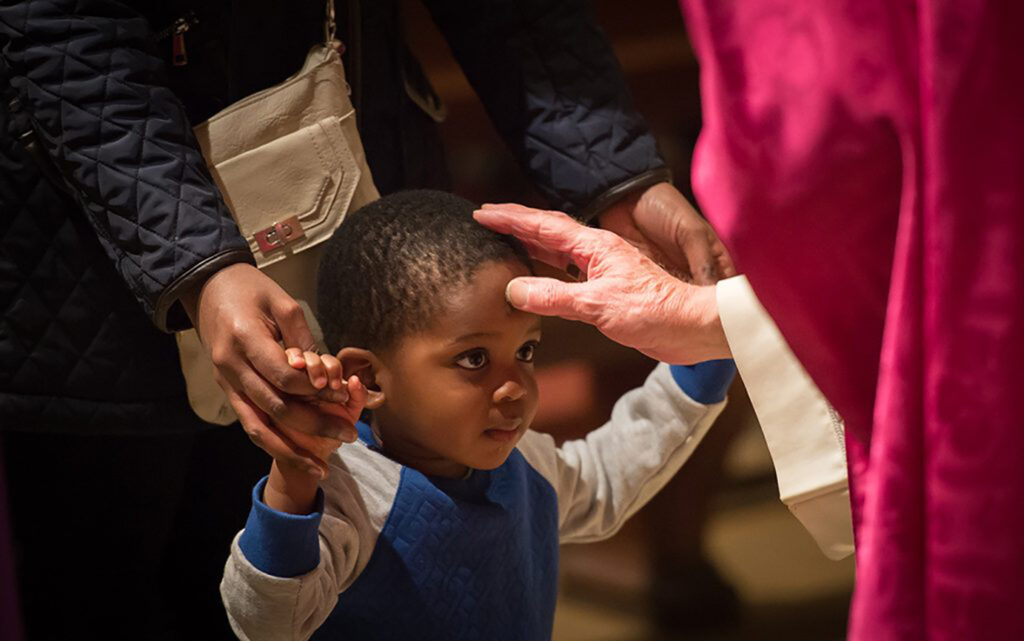
The ashes proclaim to us a word of reality—a word that curbs our pride; that our lives are fragile and insignificant and that “…the wages of sin is death” (Romans 6:23). Thus, Lent is the providential space for us to trust not in our own merits/strengths and achievements, but in God’s compassionate love, by humbly declaring: “God, be merciful to me, a sinner!” (Luke 18:13). It is the refreshing journey towards accepting our humanity: emptying ourselves of lesser things, embracing our weakness, and acknowledging that we need a Savior.
It centers us on the finished work of Jesus (his suffering, death and resurrection) in a way that actually meets us in the depths of our needs. Humanity experiences fragility through illness, poverty and the hardships that can suddenly befall society. Individuals face fragility in their experiences of weariness, weaknesses, fears and failure. In one of his homilies, Pope Francis said that the Lenten journey reminds the Church that hope in Jesus Christ ultimately overcomes fears of fragility, weakness, and the brevity of life. He reiterated that the journey of Lent “unfolds amid the remembrance of our fragility and the hope that, at the end of the road, the Risen Lord is waiting for us…” Humanity’s brokenness is made whole through the redemptive work of Jesus’ life, person and mission which culminated on the Cross. Thus, beyond the brokenness of one’s past, within the pain of the present, and overlooking the anxiety of the future, lies the wonder of the majestic cross on Calvary.
The season of Lent is an annual opportunity to remember our humanity and the eventual dependence on God’s graces. May this year’s Lenten season fan into flame our desire to embrace humanity fully and live our religious life in Africa according to God’s design.
Christian singing: Why and how?
“Speak to one another with psalms and hymns and spiritual songs, singing and making music with your heart to the Lord, constantly giving thanks for everything, in the name of our Lord Jesus Christ, to our God and Father.” (Ephesians 5:19–20)