
Religious Life, AN African Perspective
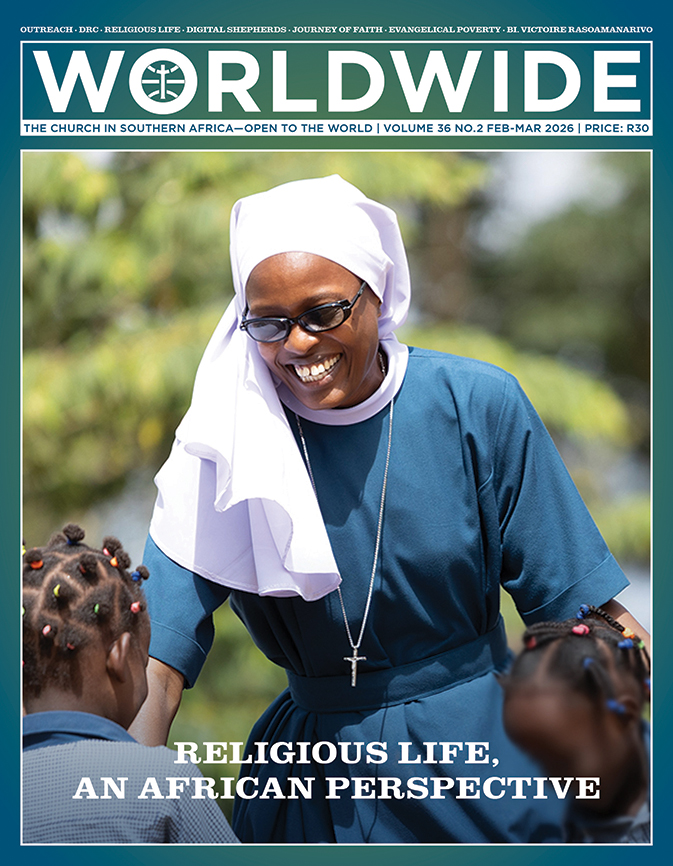
The Immaculate Heart Sisters of Africa (IHSA) is a Catholic religious congregation focused on education, evangelization, and empowering vulnerable women and girls, particularly against harmful practices like Female Genital Mutilation (FGM) and child marriages. The cover photo shows a member of the IHSA congregation playing joyfully with children in the Gerald Goldin Memorial Day Care and Nursery School, which they opened in 2022 in Kisarawe, Tanzania.
Witness • JOURNEY OF FAITH
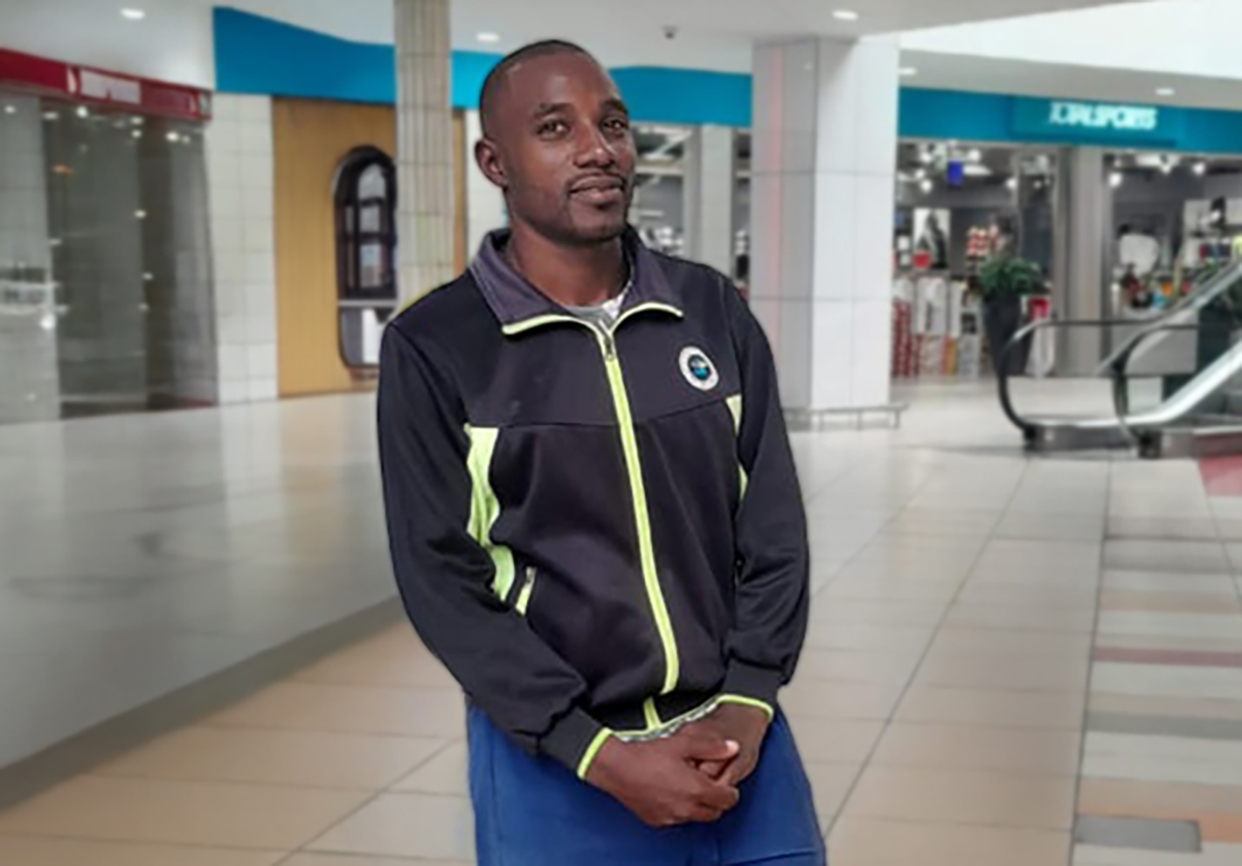
“SHADOWS OF EXILE, LIGHT OF FAITH: A JOURNEY OF FAITH, HOPE, AND RESILIENCE”
When Mwaniki Peter Nga’ng’a set out for South Africa, he carried dreams of stability and success. Instead, he faced exploitation, detention, and trauma. Yet through faith, family, the Catholic Church Community, and the Comboni Missionaries in South Africa, his broken path became a testimony of courage and a warning to others seeking opportunities abroad. His experience reveals how faith, family, and resilience can transform despair into hope.
BY FR ROBERT NDUNGU MCCJ | MWANIKI PETER NG’ANG’A
Tell us something about your background
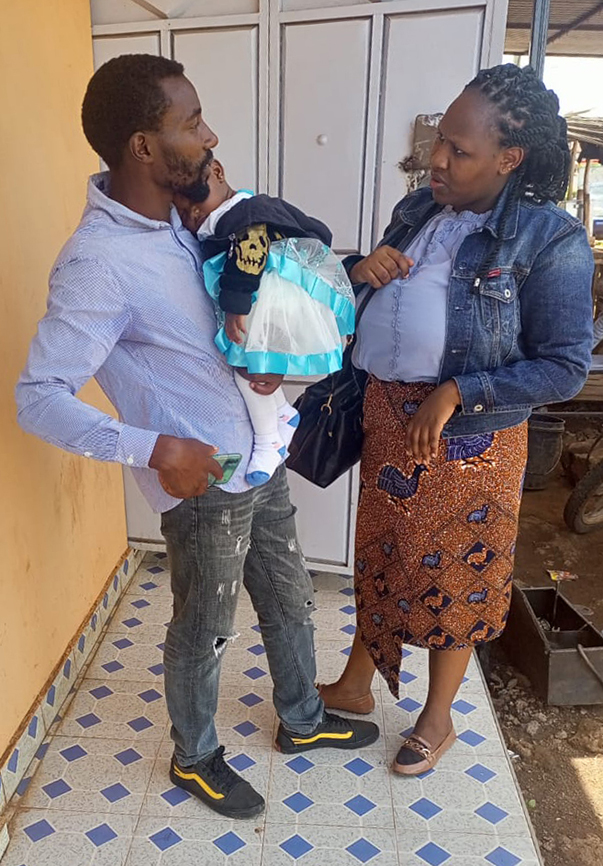
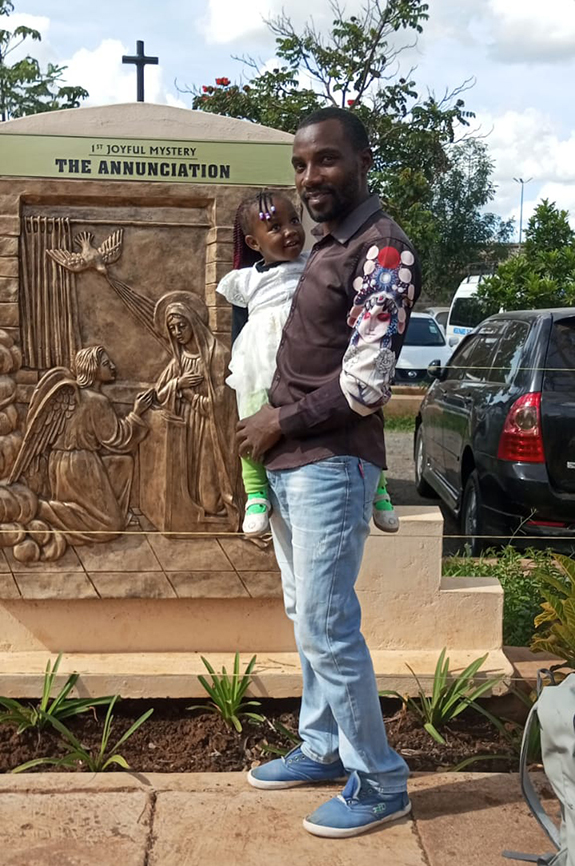
My name is Peter Mwaniki Ng’ang’a. I am 33 years old, married to Rhoda Mukuhi Njuguna, and father to Silvana Wangui. My wife and I have diplomas as laboratory technicians. I was raised in the Central part of Kenya in a Christian family as a Pentecostal, but later converted to Catholicism. We are twelve in our family, and I am the only one who has a tertiary education certificate. My wife and I were working part-time as lab technicians in some of the hospitals in Kenya, until the day I had the opportunity to travel to South Africa in search of greener pastures.
How did you come to South Africa?
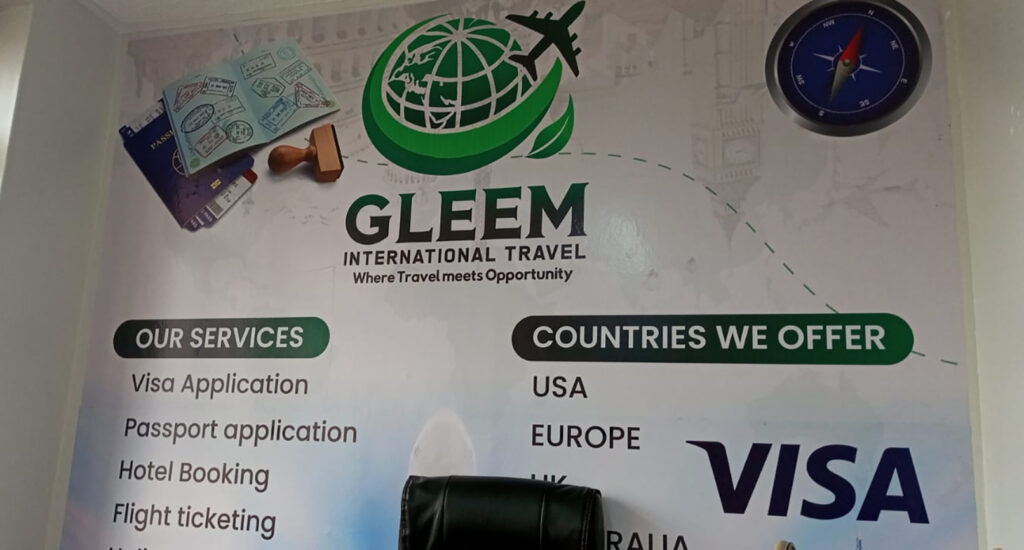
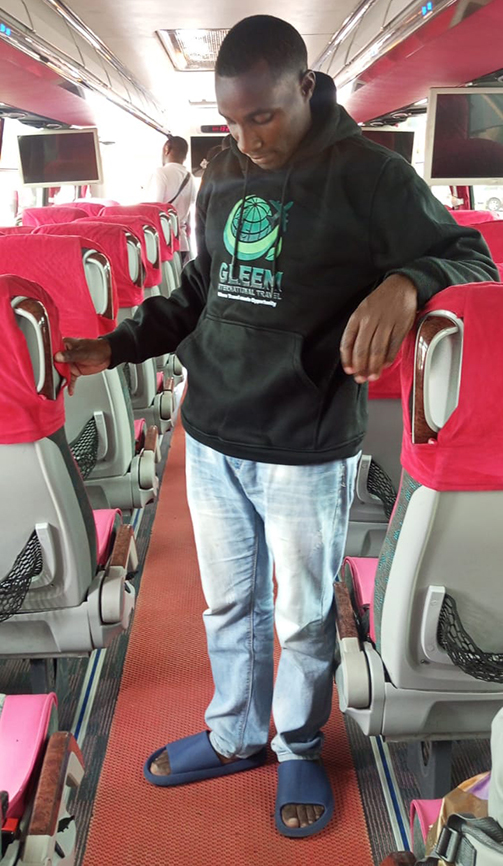
I was recruited by the Gleem Tours and Travels Agency, located in Westlands in Nairobi, for a job, promising a monthly salary of R10,000. I had high expectations and a salary of R10,000 motivated me, bearing in mind I had been jobless for over three years. I accepted the offer, confident that the Kenyans whom I would meet in South Africa would take care of me until I settled down. Since I had no stable income, my elder brother secured a loan to facilitate my travel and other necessary logistics. The agency organised my travel by bus to South Africa and made contact with the host who took me in.
How did you settle?
A Kenyan host became my employer and immediately introduced me to the job of selling insurance policies to possible clients. They took my passport with the intention of helping me get a work visa. I accompanied them for some weeks as we moved from place to place looking for clients. I later realised that my salary of R10,000 was not a given. I was to be paid a commission, based on the number of clients I had found. The host took care of my accommodation and food. With time, I was allowed limited access to the kitchen and groceries. They indirectly started asking me to contribute to groceries and other items, even though I had no income.
I struggled a lot because I did not know the local languages or Afrikaans.
How was your work experience?
I got to settle well and got acquainted with the job and its demands. I was basically recruiting clients for them for weeks, but no income came my way in return. My job involved a lot of travelling, sometimes to the outskirts of the town to meet possible clients. I was promised I would get my own clients after a period of time. I struggled a lot due to the fact that I did not know the local languages or Afrikaans. Nothing changed much, and I felt exploited. I was being enslaved by my host, and I needed to set myself free.
What did you do to address the exploitation at work?
There was nothing much I could do since I was new in South Africa and still finding my way around. They had my passport, and I could not move freely without it. I made attempts to speak to the Agency back in Kenya, but got no assistance. I was left at the mercy of my host, who was exploiting me. Things got worse when my host started harassing and verbally abusing me for my inability to work and to contribute to the groceries. This is when I started thinking of freeing myself from my host.
Where did you find assistance?
On the 21st March 2025, Human Rights Day in South Africa, I went to pray in the Catholic Church in Bushbuckridge. Since I was still unfamiliar with the area, a good Samaritan gave me directions to the church. I participated in the mass, quietly at the back, until the last minute when visitors were welcomed. I introduced myself and narrated the problems that I was experiencing. I did not know that the priest in charge, Fr Robert also came from Kenya. When I said that I was from Kenya, everybody applauded and looked at Fr Robert. Some waved at him and said, “He is your brother”. I immediately felt at home in this church since I had gone to another church a few days ago, and found no help. I could see that the mothers were touched by my story of abuse and neglect by my hosts. In fact, I told them that my hosts wanted me out of their house, and I had nowhere to go. Immediately after mass, two ladies from the Catholic Community and Fr Robert accompanied me to confront my hosts.
How did it go with your hosts and employer?
When we met the hosts, they denied all allegations of having asked me to leave and having deprived me of access to food and groceries. Asked about my passport, they alleged that it was still in Johannesburg waiting for the work visa. Through the Catholic Church community that I had met earlier, the two ladies took me to a nearby supermarket and bought some groceries for my hosts. That evening, my hosts were very hard on me and asked me to leave their house. They gave me my passport and asked me to pack my belongings and go! The passport was not in Johannesburg; it was with them, and it had no visa attached. My exit permit had already expired. They accused me of bringing strangers to their house and of not listening to them. They even called the Agency and my family in Kenya and alleged that I had run away. I was left on my own. I moved out and slept outside for two days, and was later accommodated by a good Samaritan. I mustered enough courage and presented myself to the nearby police station. They referred me to the Department of Home Affairs, and I was detained at Hazyview Police Station for almost a week. There, I suffered physical harm from other detainees. It is a trauma from which I will take time to heal.
Why were you detained after presenting yourself to the police and Home Affairs?
Initially, they claimed I was undocumented. I appeared before the magistrate’s court for the first time and explained that my passport was left with my belongings at Bushbuckridge Police Station. This charge was dropped after my luggage was retrieved and I produced a valid passport. The next charge involved being in the country illegally after my entry permit had expired. Due to a language barrier, the case was postponed while they searched for an interpreter. I appeared before the magistrate four times. Finally, with an interpreter’s help, the magistrate argued in my favour and gave me fourteen days to leave the country voluntarily and at my own cost. All parties, including an immigration officer who pushed for a harsh sentence as a warning to others, signed the papers.
How helpful was the Catholic Church in your desperation?
I moved out and slept outside for two days, and was later accommodated by a good Samaritan.
After my release from the police cell, I immediately contacted one of the ladies from the Catholic Church and informed her about my release from the police cells. She fetched me and brought me to the Holy Family Catholic Mission, where I was hosted for two days by Fr Robert. Fr Robert and the Catholic community organised my travel from Bushbuckridge to Pretoria. They contributed generously to my fare and to meals along the way. Fr Robert made a reservation on the UBZ Online bus that travels from Johannesburg to Zambia, and according to plan, from there, I would board another bus to Tanzania, and finally take another one to Kenya. I was told the journey would take about three days. To catch the early bus, Fr. Robert organised with another Comboni priest, Fr. Antony in Pretoria, to accommodate me for the night. Fr Antony was very kind to me. He took me early the next day to board the UBZ bus to Zambia. He contacted a certain Mr Lubinda in Zambia who would help me when I reached Zambia. I also met another Comboni Missionary, Sister Marta, who was very kind in checking that I had the legal documents needed to exit South Africa.
How was your journey back home?
It was long and tiresome, with so many hurdles on the way, coupled with suicidal thoughts. Yet I was grateful to God that finally I was going back home, after suffering for months in a foreign country, and at the hands of fellow Kenyans. It was my first time crossing so many borders and having to pass so many checks. Along the way, when I was able to get internet connection, I updated Fr Robert on my progress, until the day I finally entered Kenya.
Was it pleasant to be welcomed back by family and friends?
This is one of the most challenging parts of this experience. I left home full of energy and hope about the employment opportunity. I came back broken and with nothing. How was I supposed to face my wife, my brother, my child, and my poor parents? How was I supposed to repay the money that my brother had loaned? Yet in the midst of all this brokenness and impotency, I found a welcoming wife, brother, and family. They were fed with a great deal of false information by the agency, but in the end, they were glad that I had come back home safe and alive.
What are the important lessons that you have learnt from this experience?
I learnt many lessons from the first time I boarded a bus to South Africa. The important thing for me is to do proper research before you accept a job offer abroad. Many are taking advantage of people’s desperation to become rich. Once you are outside your country’s borders, you become vulnerable to all sorts of things. In the end, it was only faith in God, constant communication with my loved ones, good contacts, and the Church that saved me. Not all that glitters is gold!
I was grateful to God that I was finally going back home.
Anything in parting short?
I would like to take this opportunity to give thanks to the following people: Fr Robert, Fr Antony, Sr Marta, Ms Julia, Ms Surprise, and the whole Catholic Community of Waterfall parish. If it were not for their help, I would not have been reunited with my family. To Mr Lubinda from Zambia, who offered me a place to sleep during my journey, thank you so much! To my wife, daughter, my brother, and family, I will never be grateful enough for standing by me always. Most importantly, all praise goes to the Almighty God for the favor upon my life.
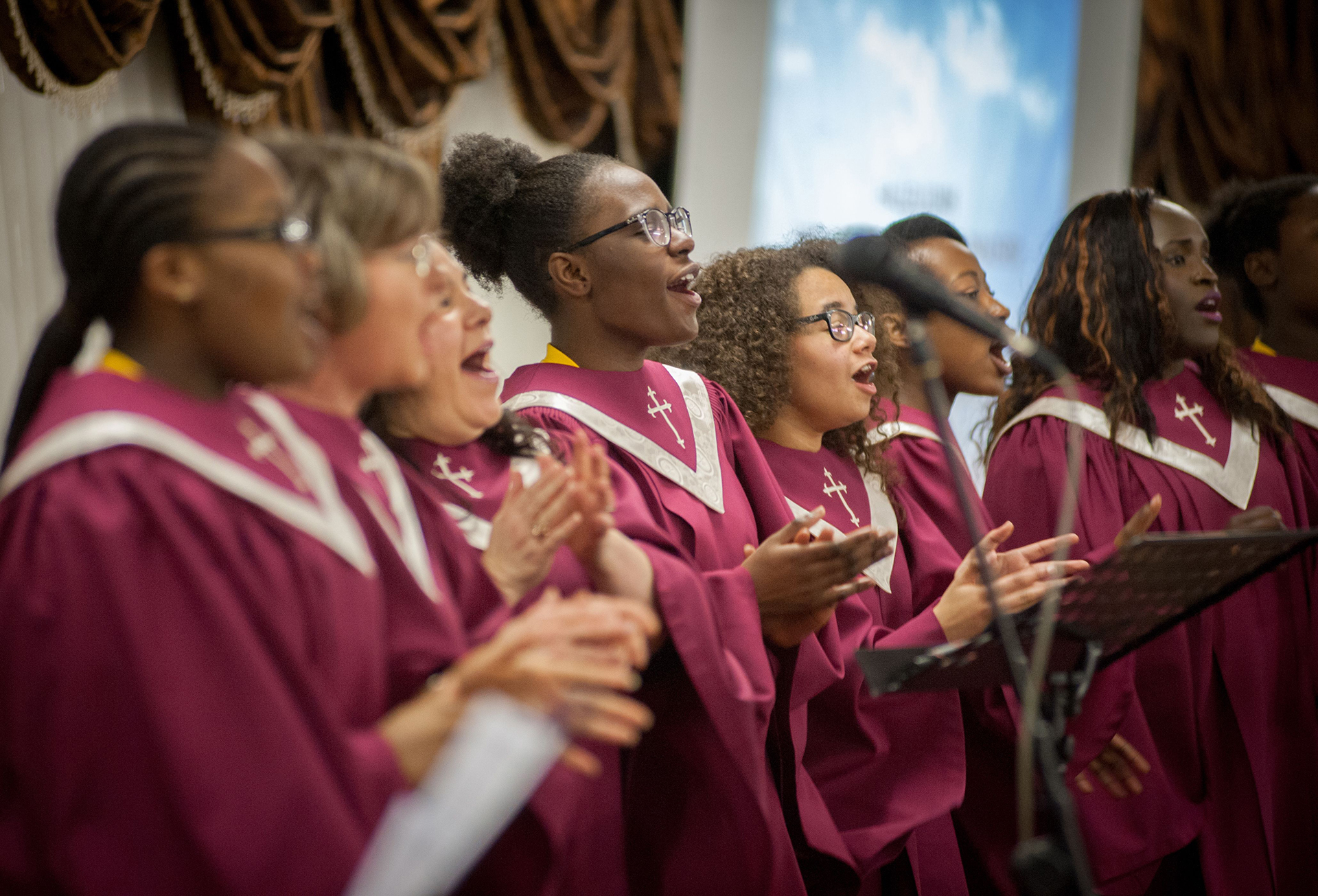
In search of my own music, I discovered my spirituality
Throughout all cultures, music is a vehicle that enables us to enter the realm of the divine. The author shares his own journey to spirituality through music, his innate passion.