
WORK AND HUMAN DIGNITY
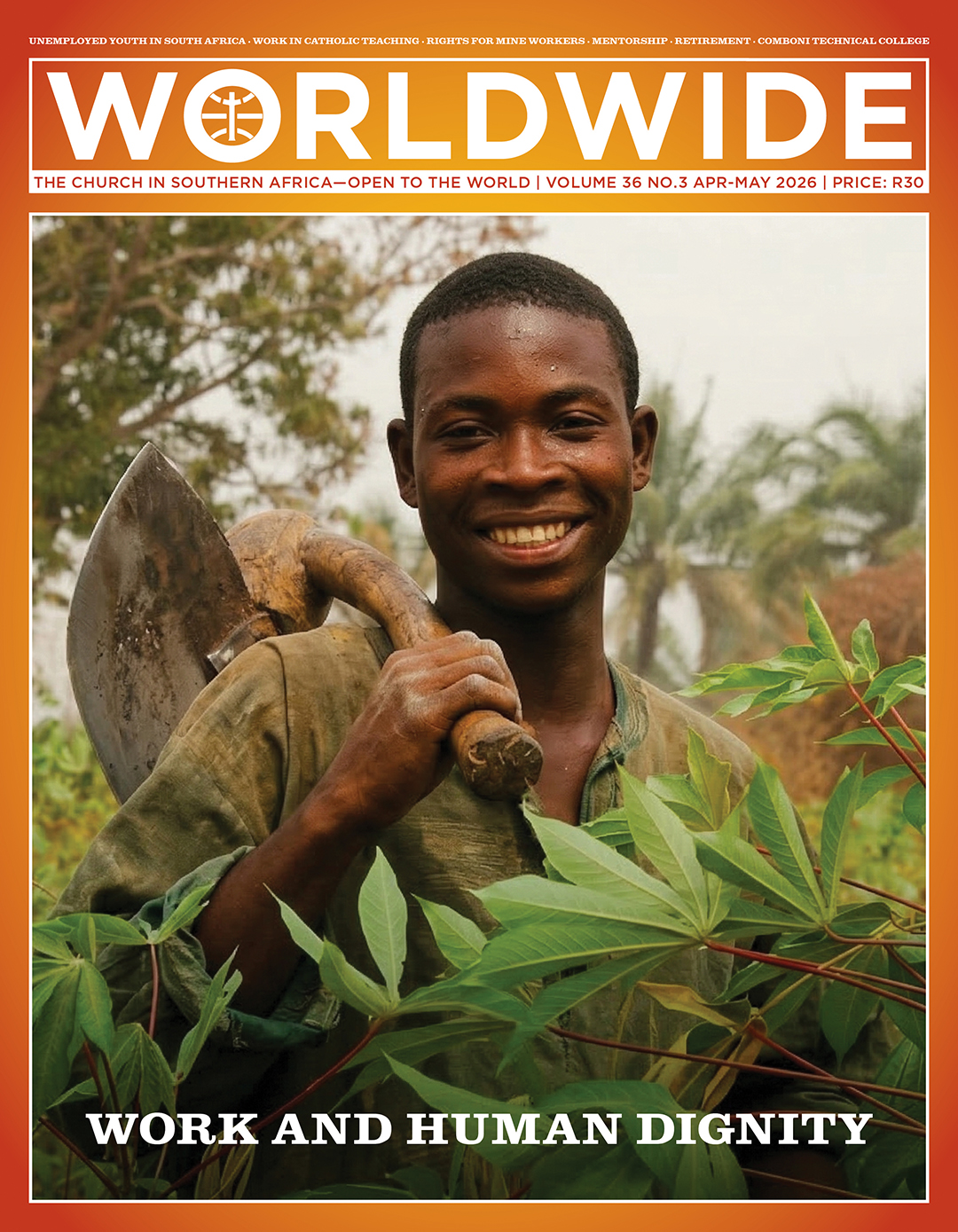
A young farmer holding a hoe in a field of cassava plants. In Africa, cassava is the second most important staple food after maize, providing the primary energy source for approximately 40% of the population. Due to high levels of unemployment, small- scale farming provides a dignified way of self-sustenance.
CHALLENGES • PENSIONER
Planning for Retirement
In this article, the author shares his experience of formal employment and suggests steps one can take to guarantee a decent life after retirement.
BY J Harvest
SOME PEOPLE like to plan everything in their lives in advance, so from a very young age they know when they will go to pre-school, when they will graduate from it, when they will write matric, what they will study at university, where they will work, and when they will retire. Is this feasible? Of course not. Life has many twists and turns and as Christians we pray many times a day: “Your will be done on earth as it is in heaven”.
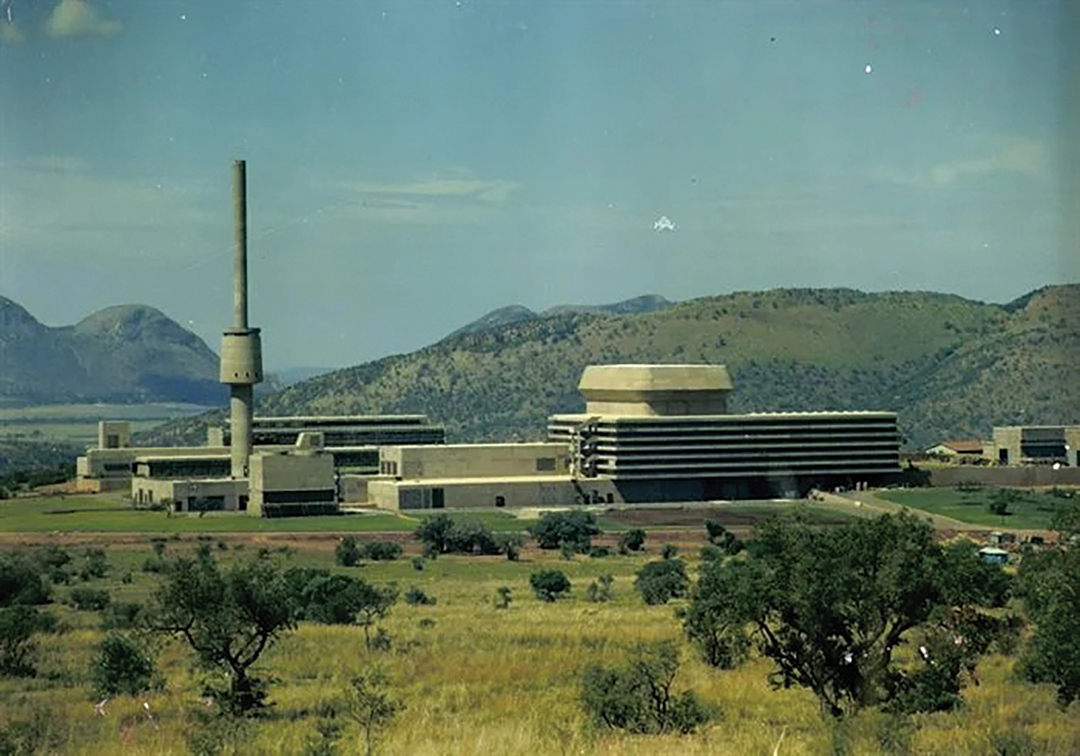
After completing my studies at the University of Cape Town, I moved to Pretoria and started working at the Atomic Energy Board at the age of 21. I was immediately registered on the state pension fund, and my monthly contributions were deducted from my salary.
I left the Atomic Energy Board in my twenties, my pension was paid out to me, and I used these funds to help pay off the loan on the apartment that I bought. It is important that, once you have retired, you do not have to pay off a bond on a house from your pension money.
I worked at many different places before finally retiring at the end of 2022. There was no gap between my leaving the Atomic Energy Board and starting a new career as a primary school teacher in a newly established school in a rural village in Limpopo.
I took a two-year gap in my thirties during which time I gained a teacher’s diploma and was then employed by a new high school in a different village in Limpopo. I gained some teaching experience in this high school and later moved to another school in a town near the Kruger National Park.
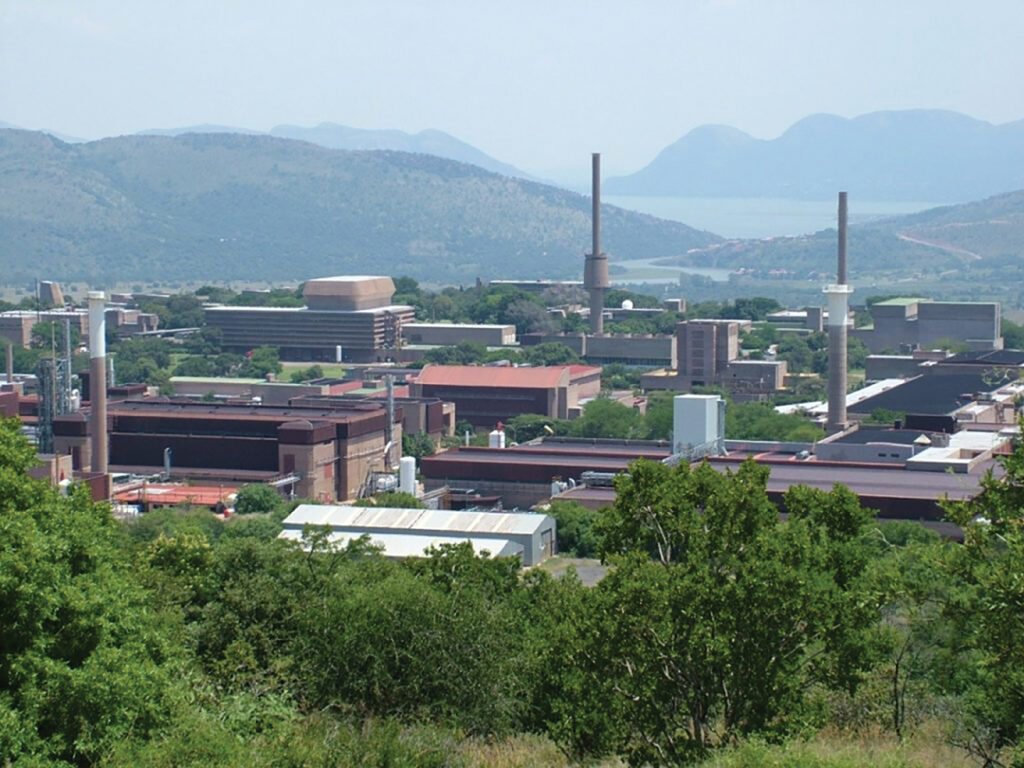
My employment at this school ended and I moved to Pretoria. I was employed as a lecturer at the University of Pretoria for about seven years, and subsequently moved back to the Atomic Energy Board, now called Necsa, a job from which I retired after about fourteen years.
Text and photos by J Harvest
If you accumulate one million rand…
People often say that you should not withdraw from your retirement capital at a rate faster than about 4.8% a year. If you have managed to accumulate one million rand, this should give you forty-eight thousand rand a year or R4,000 a month. This is more than the approximately R2,200 that the government pays to pensioners that have no other pension funds, but it is not a substantial sum to live on.
Methods of financing retirement vary according to culture and access to finances. For many people in Southern Africa, children accept it as their responsibility to look after their parents in their retirement. Consequently, for a big family, the burden of supporting their parents can be shared amongst several children.
Earlier this month I paid just over R2,400 towards my Tshwane municipal bill. This included amounts of R1,500 for rates and taxes, R400 for refuse removal, R130 for electricity, R220 for water and R120 for sewerage. The total amount is higher than the state pension, resulting in a shortfall for the purchase of food and groceries.
Medical insurance is important and adds up to more than R6,000 a month. This amounts to a total of R8,400, excluding transport costs.
Above these costs, many people in middle class urban areas are paying life insurance and home and car insurance. This means that R12,000 a month is not sufficient, and at least three million rand would be needed to generate twelve thousand rand a month for a middle-class couple.
The general rule of thumb is that four thousand rand a month is generated by each million invested. The table below shows what a reasonable amount would be to withdraw from invested capital of four million rand.
“Do not withdraw your retirement capital faster than at a rate of about 4.8% per year.”
To retire with capital of R3,000,000 necessitates that you save R1,970 a month over 480 months or 40 years. This calculation assumes that your capital will generate interest compounded monthly at a rate of 5% above inflation.
All the messy details relating to inflation have been omitted from the above table, which merely assumes current values of the investments.
Text and photos by J Harvest
| Withdrawal Rate | Annual Income per R1M | Monthly Income per R1M | Typical Success Probability | Comments |
|---|---|---|---|---|
| 3.5% Conservative | R35,000 | R2,917 | Very high, 95%+ | Safer for longer retirements or low-risk portfolios |
| 4.0% Standard benchmark | R40,000 | R3,333 | High, 90%+ | Most cited; fits well in living annuities, 2.5–17.5% legal range |
| 4.3% Some SA forward-looking | R43,000 | R3,583 | Around 90% | Possible with balanced or growth-oriented investments |
| 4.80% | R48,000 | R4,000 | — | — |
| 5%+ More aggressive | R50,000 | R4,167 | Lower risk of depletion | Only if shorter horizon, flexibility to cut spending, or other income |
You may consider purchasing a property for two million rand and renting it out for sixteen thousand a month, which would then be double the amount of eight thousand a month that you would get if you had invested two million rand in a reputable pension fund or retirement annuity.
However, you need to take into account rates and taxes of about one thousand five hundred rand a month and you would also need to pay insurance of one thousand five hundred a month. In addition, you would have to budget for maintenance.
There is also the risk that you do not secure reliable tenants or that your tenants become unable to pay your rent and you then need to pay lawyers to have them evicted. Therefore, the pension fund gives you security at the cost of a reduced income, compared to the rental that you may have been able to earn from property.
Need to be adaptable
When I changed jobs at fifty, I realised that my youngest son would only complete his university studies by the time I reached 64 years. This meant that I had to make sure that I would not retire before I was sixty years old.
It also often becomes necessary to assist relatives and friends financially after retirement. Plans do not always work out as expected and we need to be adaptable to cope with changing circumstances.
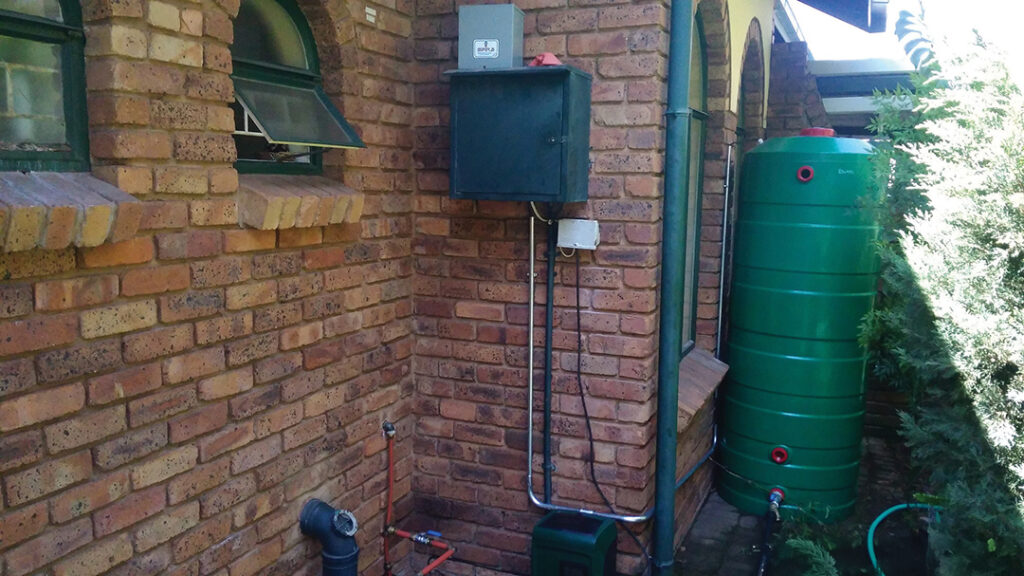
When I turned 63, my financial advisor advised to withdraw a lump sum from my statutory pension of not more than 30% of the value of total pension investment. I realised that municipal electricity rates were escalating rapidly as was the cost of municipal water. The only way that I could survive would be to reduce my dependence on municipal water and electricity.
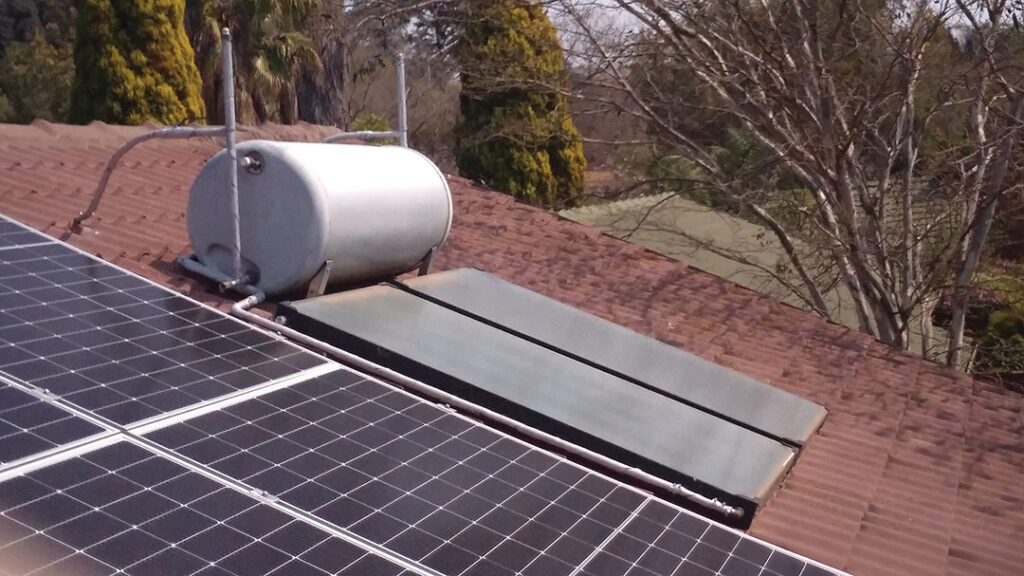
Furthermore, at this time an additional challenge was load shedding, affecting everyone. I made calculations and realised it was worth my while to withdraw these funds from my pension fund and invest in solar panels, an inverter, batteries, a Jojo tank and a pressure pump to pump borehole water into my house.
Fortunately, my house had a borehole, so I merely needed to have the water tested to guarantee its quality. The tests affirmed that the water was pure. I could therefore keep my water costs below R221 a month: I am now paying only for a water network access fee of just over R220 a month.
Text and photos by J Harvest
The capital needed to render our home totally off-grid was too high; hence we installed a grid-tied system for our electricity needs. In January 2026 we used a mere 38 kWh of energy, which cost us R130.18 after VAT.
Professional financial advisors will discuss and explain options such as living annuities and life annuities. These technical details influence your investment decisions, so it is important to get proper advice from reliable and reputable retirement consultants.
Life is more than money
Life obviously entails more than financial considerations. It is important to consider physical exercise, mental agility, spiritual development and social interactions to maintain a reasonable quality of life.
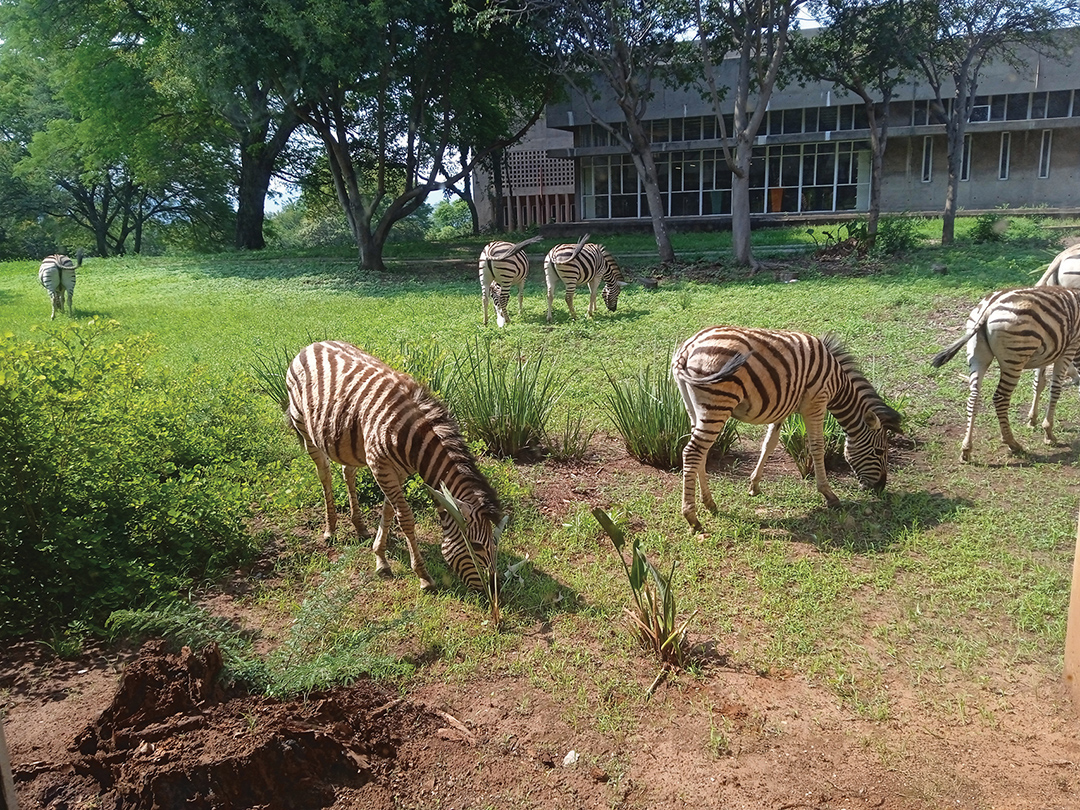
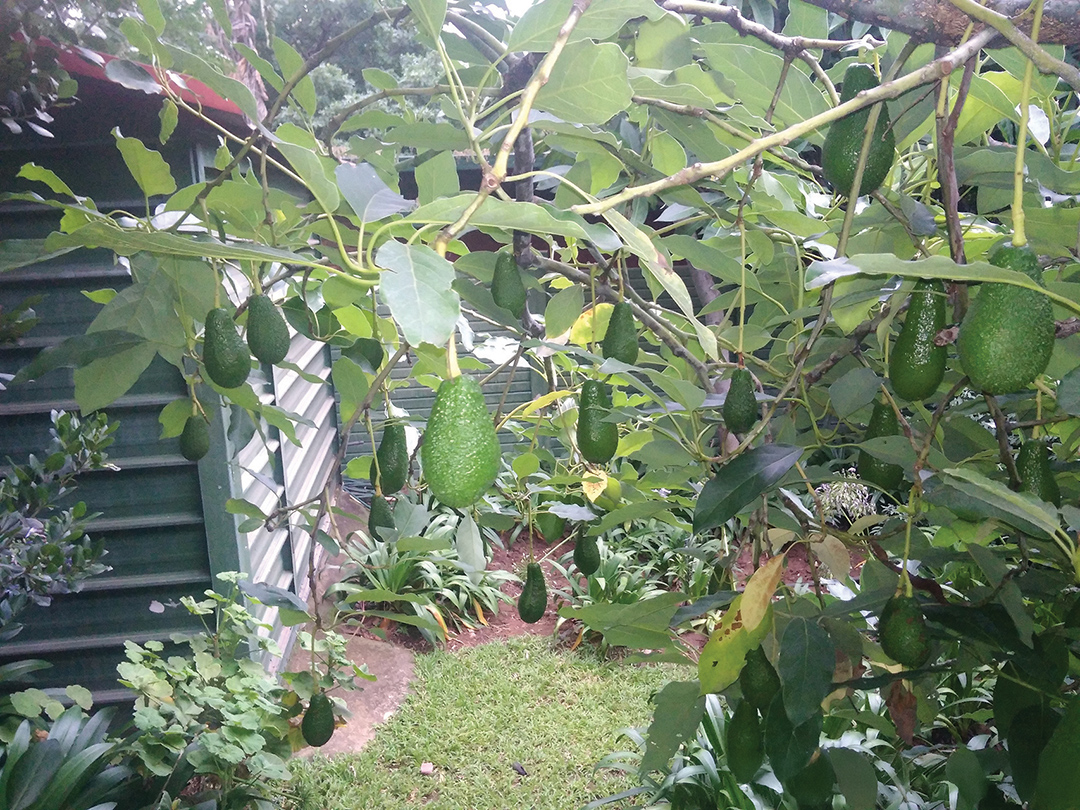
My family is fortunate to be living close to our church and is able to walk to a daily mass. We also have time to work in the garden and to attend to all the maintenance around the house.
Retirement has also allowed us to relax more and has enabled us to travel around the country.
Retirement has also allowed us to relax more and has enabled us to travel around the country.
Text and photos by J Harvest
Health challenges
As we get older, health issues become an increasing challenge and we need to schedule regular medical tests. We need to be mindful of our diet and it is indeed useful to take regular blood sugar and blood pressure tests.
All decisions about medication need sound advice from medical professionals. However, this advice may be costly. Once again one realises how important it is to make the necessary financial plans when one is still young to be able to afford some level of comfort and safety upon retirement, be it voluntarily or statutorily.
Text and photos by J Harvest
THE SOCIAL IMPACT OF EVANGELICAL POVERTY: AN ANTIDOTE TO CORRUPTION?
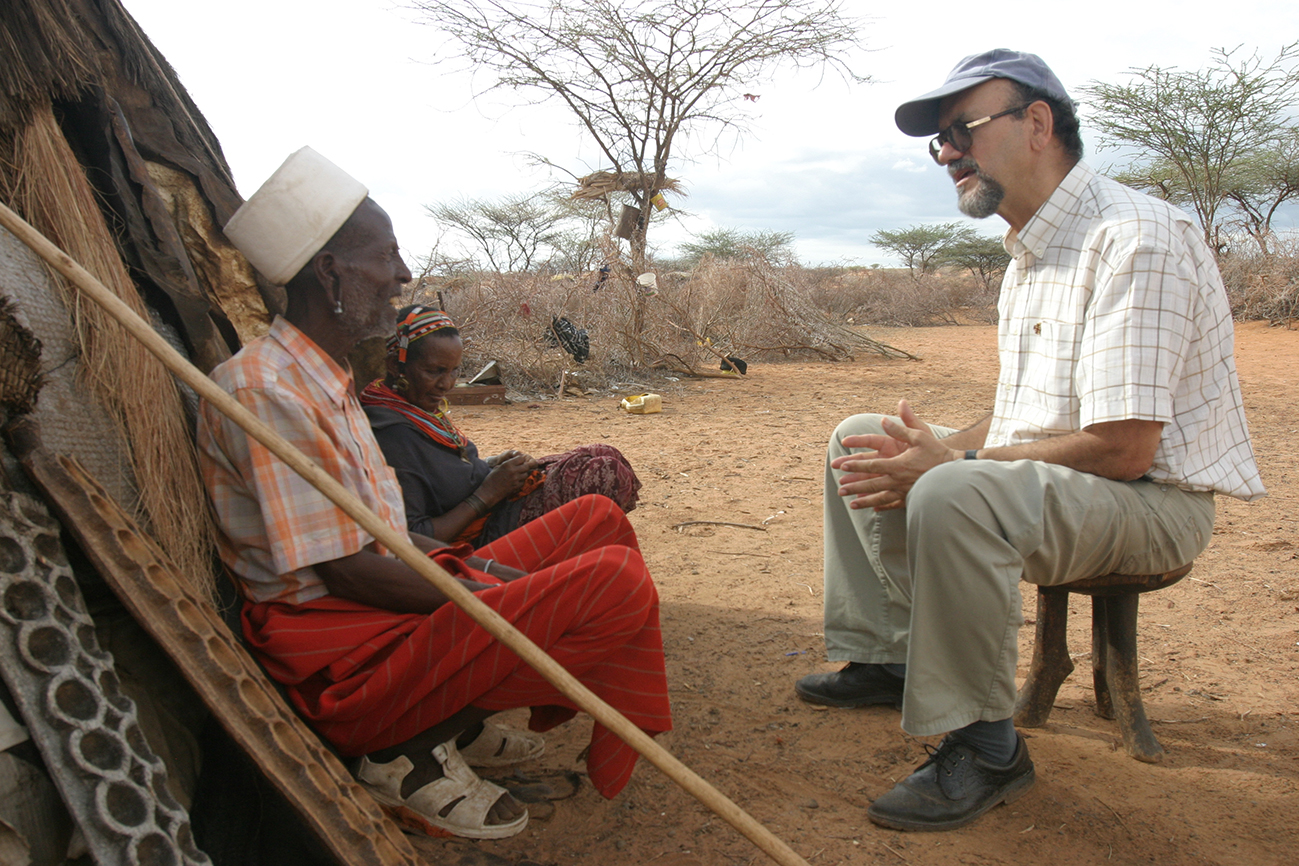
A young Dominican priest in Kenya shares his thoughts on the malaise of his nation. He does not hide his disgust for the many cases of corruption registered and denounced every day, and for the fact that nobody seems to be able to get to grips with this scandalous situation.