
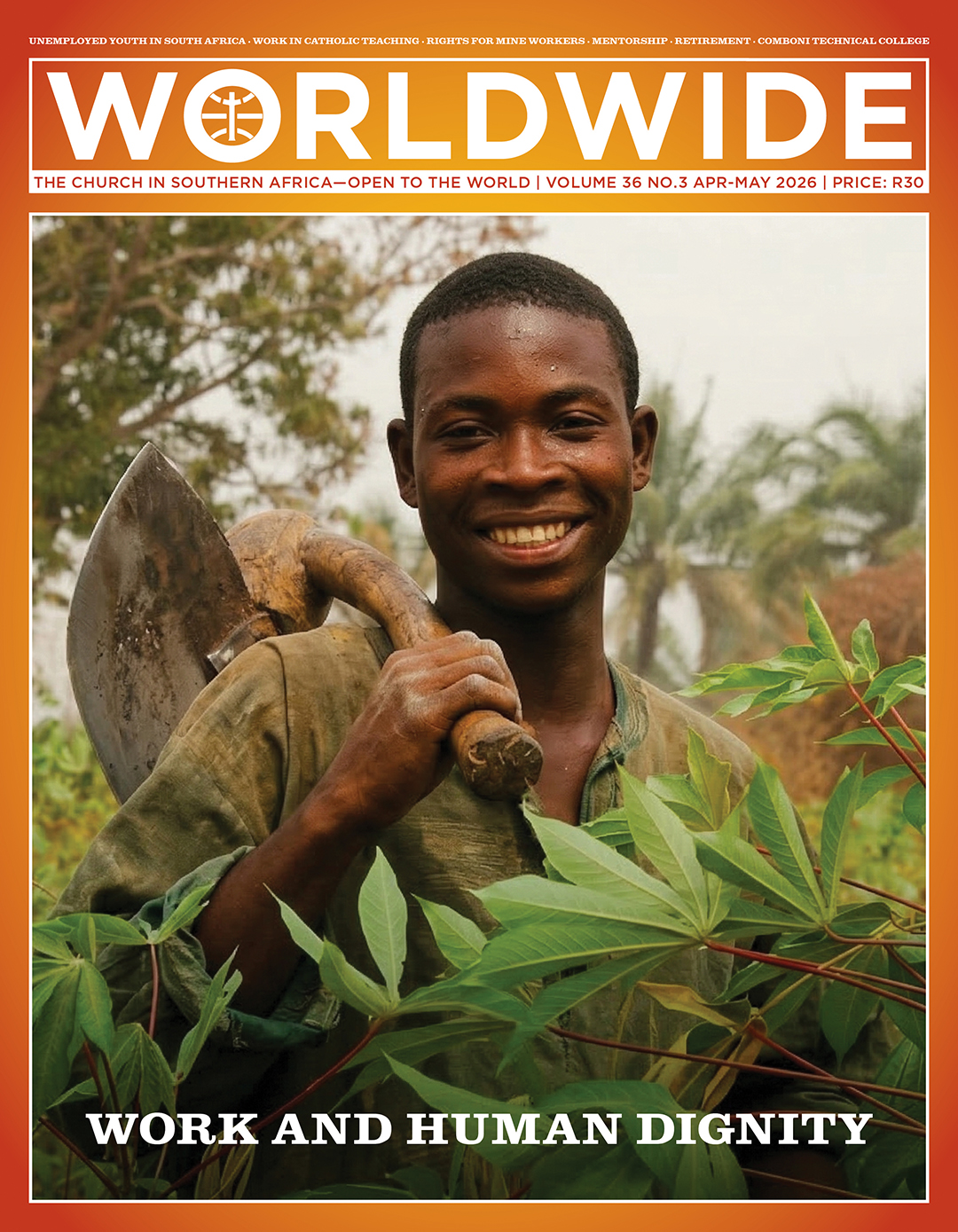
WORK AND HUMAN DIGNITY
A young farmer holding a hoe in a field of cassava plants. In Africa, cassava is the second most important staple food after maize, providing the primary energy source for approximately 40% of the population. Due to high levels of unemployment, small- scale farming provides a dignified way of self-sustenance.
FRONTIERS • AFRICA’S SPIRITUAL HEART
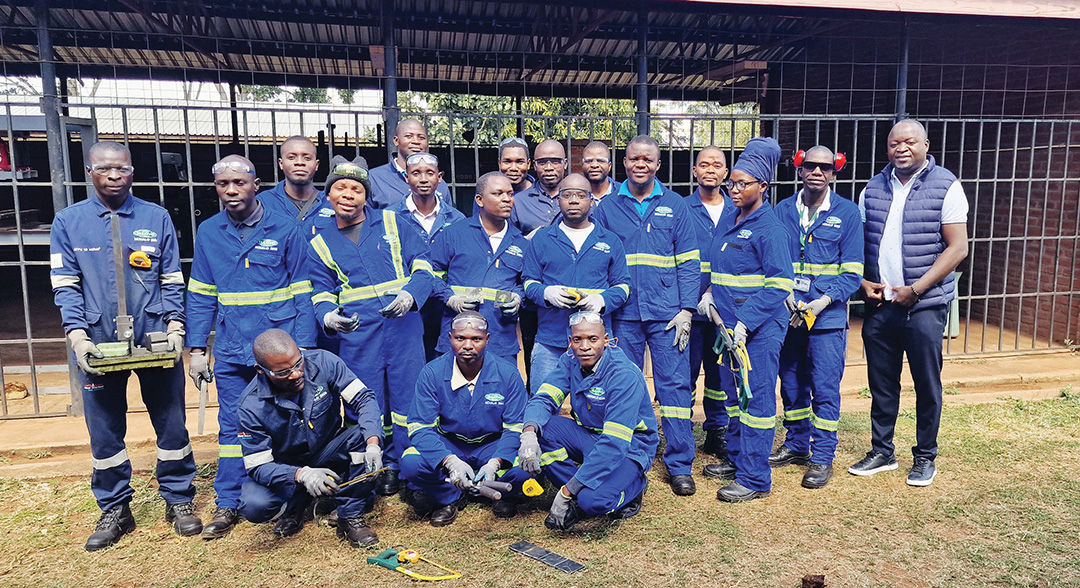
Rewriting the Future of Work in Malawi
In the heart of Southern Malawi, where the Shire Highlands begin their descent toward the Great Rift Valley, a quiet revolution is taking place. It is not a revolution of slogans or political upheaval, but one of grease, sparks, sawdust, and silicon.
BY Br Gédéon Ngunza Mboma MCCJ | Principal: Comboni Technical College, Lunzu Malawi
AT COMBONI Technical College (CTC) in Lunzu, Malawi, the prevailing narrative of “joblessness” is being systematically dismantled. This is a region where many youth are caught in a frustrating limbo, waiting for white-collar positions that may never materialize.
CTC offers a different path: the dignity of skilled hands-on labour and the autonomy of self-employment.
Blue-Collar or White-Collar Job?
For decades, the educational aspiration in Malawi has been singular: an office, a tie, and a desk. However, as the global economy shifts its focus, this narrow view has created a skills gap that leaves thousands of graduates unemployed while the infrastructure of the nation cries out for builders.
Comboni Technical College, founded and run by the Comboni Missionaries, operates on a fundamental truth: the work of human hands is a form of prayer and a path to freedom.
By elevating technical trades to a professional art form, the college is shifting the cultural mindset. Here, being a carpenter, a welder, or an electrician is not a fallback plan but a strategic entry into the private sector.
The Two-Pillar Model of Education
CTC’s success in fostering self-employment is not accidental. It is built on a two-pillar model designed to enable students to translate their acquired knowledge to job creation as entrepreneurs. These two pillars are:
First is rigorous technical mastery. Students do not just learn to “fix” things; they study the guiding principles behind them. Whether it is Electrical Installation and Electronics, Tailoring and Fashion Design or Carpentry and Joinery, Fabrication, Welding, and General Fitting, the focus is on international standard precision.
Second is the entrepreneurial mindset. Every student is taught that they are part of a business. The rich Technical Entrepreneurial and Vocational Education and Training (TEVET) curriculum modules include practical topics that prepare the youth for the life of work and business.
Testimonies of Transformation
The true measure of Comboni Technical College is found in the lives of those who no longer wait for a paycheck, but in fact create them. The following selected testimonies from our beneficiaries attest to this.
The Power of Light: Jane’s Story
Jane Phiri joined the Electrical Installation program at a time when his family struggled to afford necessities. “I thought I needed to move to Blantyre to find a boss,” he says. Instead, Jane noticed the lack of reliable power in his home village.
“At CTC, I learned that my hands are my capital. I started by wiring small houses and installing solar kits for farmers. Today, I have two apprentices working under me. I am not looking for a job; I am providing them.”
Breaking the Ceiling: Grace, the General Fitter
In a field dominated by men, Grace stood out in the Motor Vehicle Mechanics workshop. She now runs a mobile repair service.
“People are surprised when they see a woman under the hood of their truck. Nevertheless, the engine does not care about your gender; it cares about your skill. Lunzu gave me the confidence to stand on my own. I am self-employed, I am independent, and I am building my own garage.”
The Future Is Bright
The work of human hands is the most sustainable resource Malawi possesses. At Comboni Technical College, we are not just teaching students how to make a living; we are teaching them how to make a difference.
In the heart of Lunzu, the myth of the “jobless graduate” is dying. In its place, a new generation of self-reliant, skilled, and proud entrepreneurs is rising. They are the testimony. They are the future.
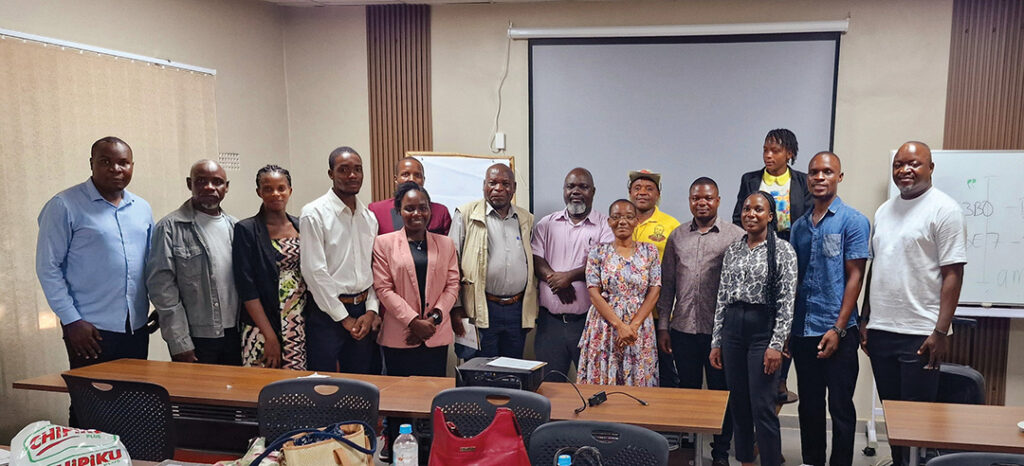
Text and photos by Br Gédéon Ngunza Mboma MCCJ
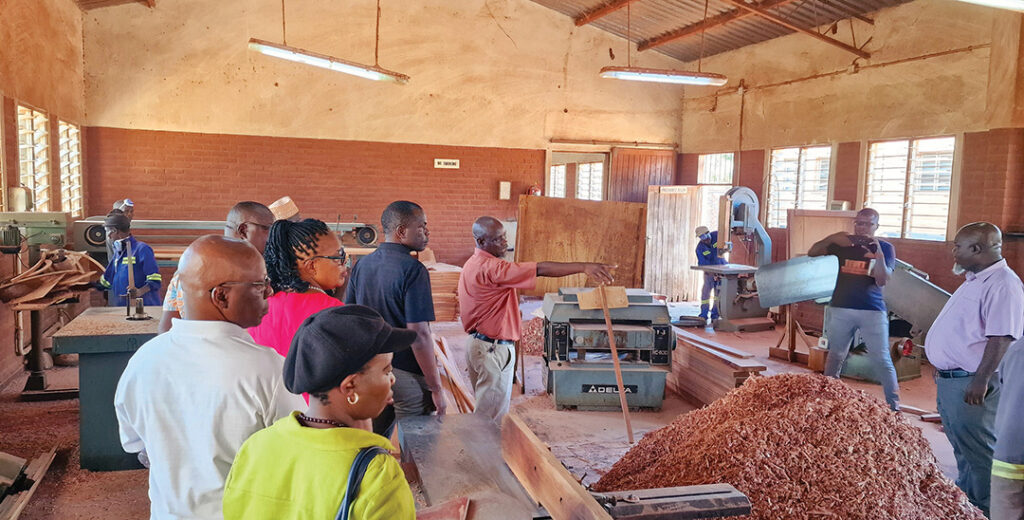
Text and photos by Br Gédéon Ngunza Mboma MCCJ
A Call for Global Partnership: Scaling the Impact
While Comboni Technical College has become a beacon of hope, the demand for its services far outstrips its current capacity. To put Lunzu on the international map and truly empower the next generation of Malawian entrepreneurs, we are seeking visionary partners, investors, and sponsors.
Why your investment in Comboni Technical College matters
Sustainability: Unlike “aid” which is consumed, technical education is an investment that multiplies. One trained carpenter creates a business that supports a family and trains others.
Infrastructure Development: Our graduates are the ones who will build Malawi’s future roads, power grids, and sustainable housing.
Modernization: As we move into the Fourth Industrial Revolution, we are looking to expand our ICT and becoming the pioneering Green Technical College.
We invite international partners to join us in upgrading our workshops, sponsoring scholarships for underprivileged but talented youth, and providing modern equipment that mirrors global industry standards.
For more information, you may contact the Principal, Br Gédéon Ngunza Mboma MCCJ, using the below contacts:
Cell phone: +265 888 13 70 08
Email: combonictc@gmail.com
Facebook: www.facebook.com/ComboniTechnicalCollege
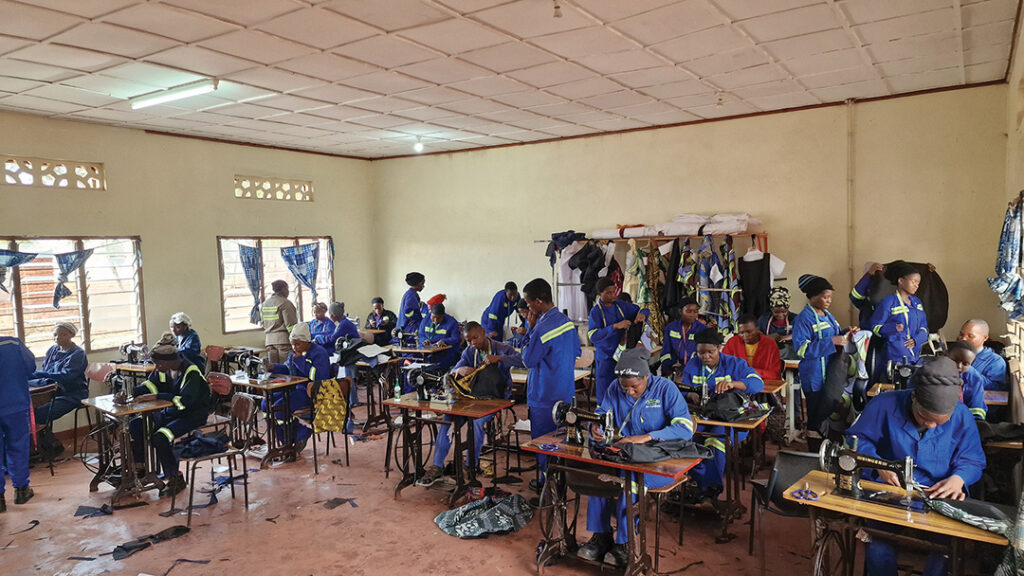
Text and photos by Br Gédéon Ngunza Mboma MCCJ
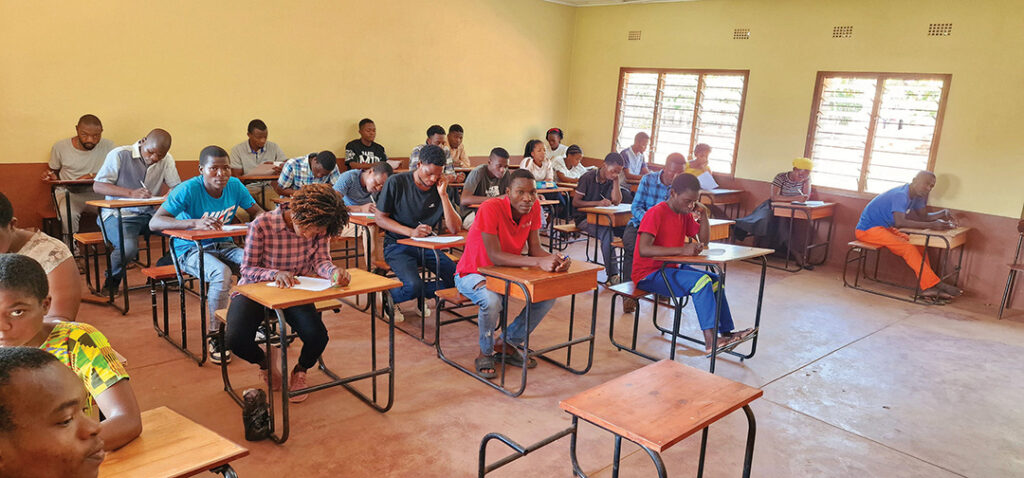
Text and photos by Br Gédéon Ngunza Mboma MCCJ
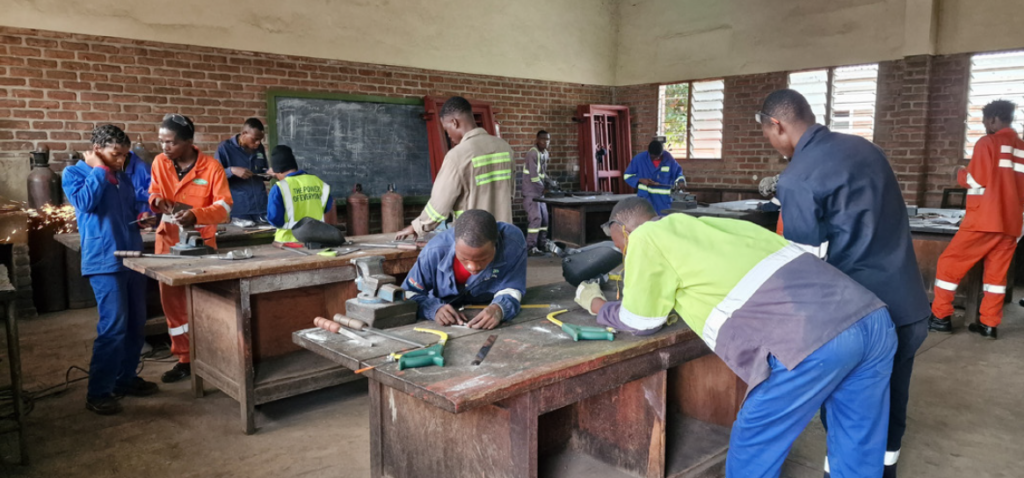
Text and photos by Br Gédéon Ngunza Mboma MCCJ

BETWEEN THE CROSS AND THE DRUM: A STORY THAT DISTURBS THE SOUL
Valued in other world religions too, celibacy is a vocation and a sign of total dedication to God. Being celibate is more than not having sex; it is a mind shift and a lifestyle, calling one to love more openly and serve like Christ.