
WORK AND HUMAN DIGNITY
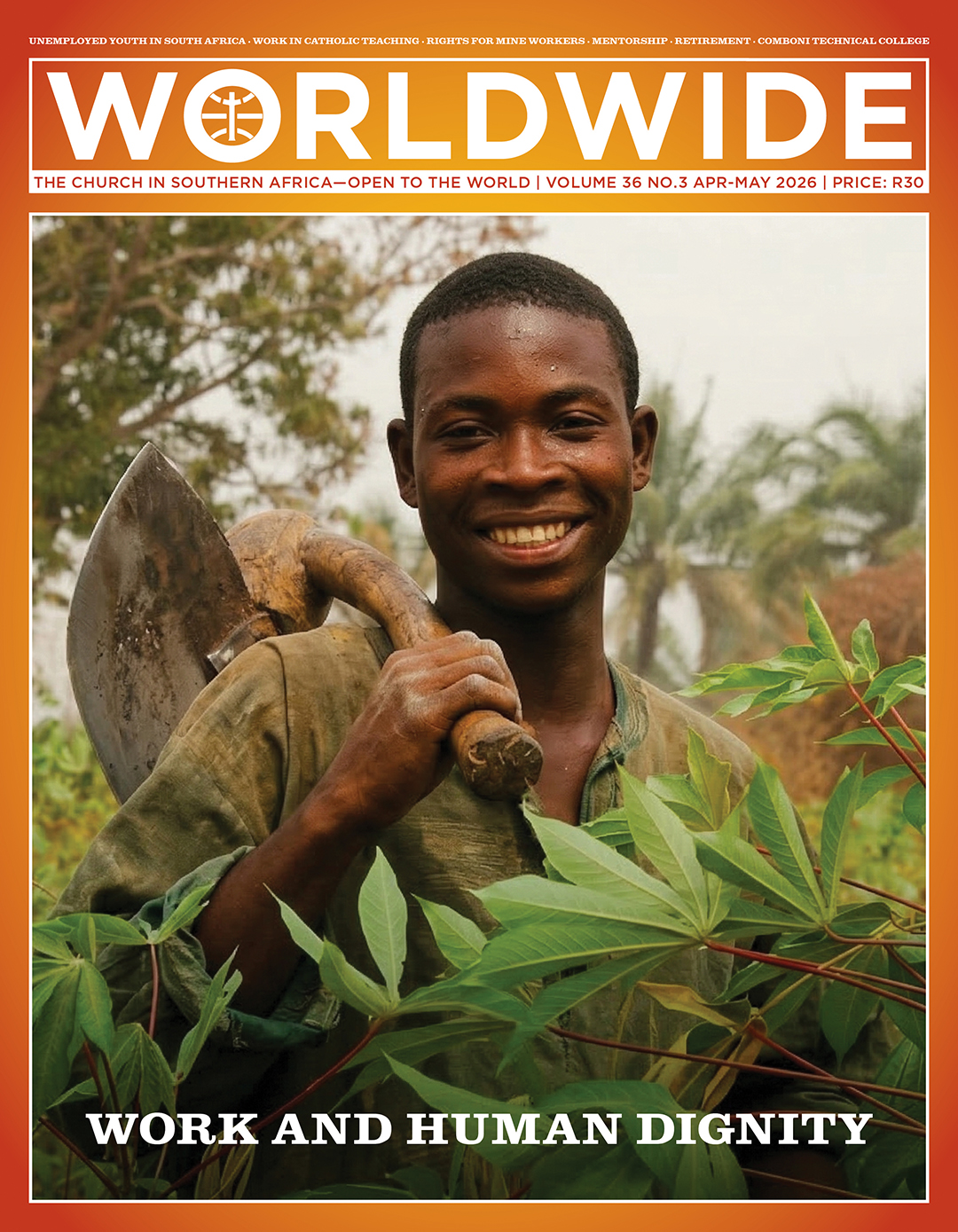
A young farmer holding a hoe in a field of cassava plants. In Africa, cassava is the second most important staple food after maize, providing the primary energy source for approximately 40% of the population. Due to high levels of unemployment, small- scale farming provides a dignified way of self-sustenance.
RADAR
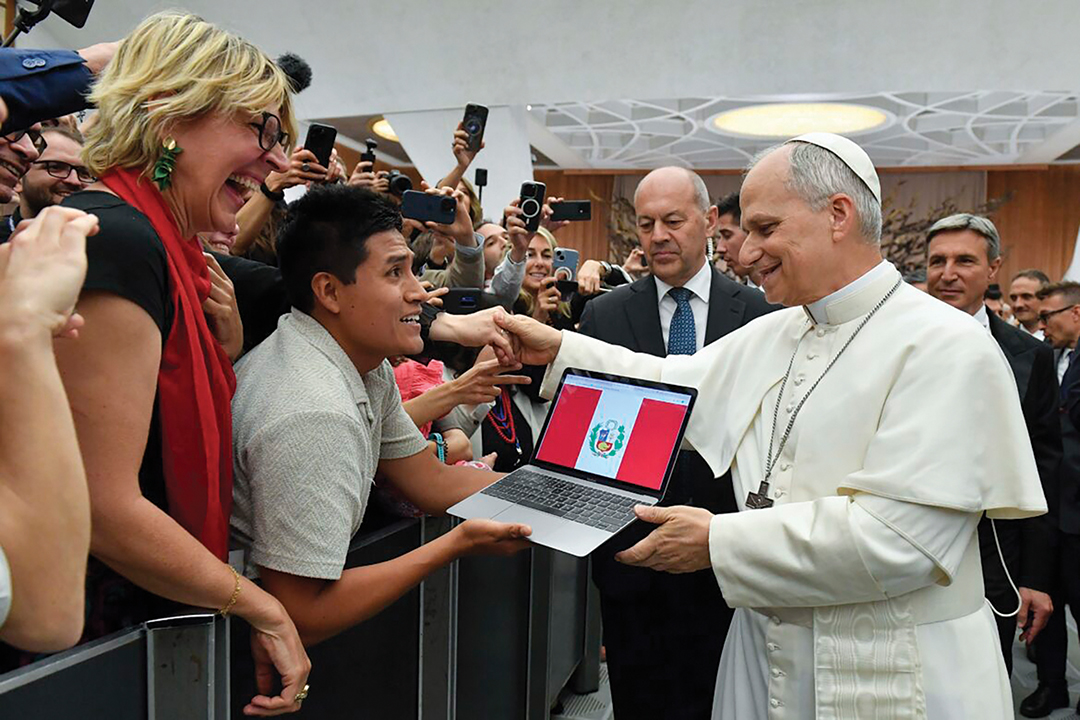
Towards an Informed and Responsible Digital Citizenship
Technological innovation, particularly AI, serves the human person rather than replacing it, cautions Pope Leo XIV in his message for the 60th World Day of Social Communications, which will be celebrated on 17 May 2026.
BY Vatican News
THE POPE reminds us that human beings are created in the image and likeness of God and are called into relationship through the Word. Preserving human faces and voices, therefore, means preserving the divine imprint present in each person and upholding the irreplaceable vocation of every human life.
“We are not a species composed of predefined biochemical formulas. Each of us possesses an irreplaceable and inimitable vocation, that originates from our own lived experience and becomes manifest through interaction with others,” he writes.
The anthropological challenge of technology
The Pope warns that digital technologies, especially artificial intelligence systems capable of simulating voices, faces, and emotions, risk altering essential dimensions of human communication. The challenge, he stresses, is not primarily technological but anthropological; it is a matter of protecting human identity and authentic relationships.
He draws attention to the impact of social media algorithms that prioritise rapid emotional reactions over reflection, weakening critical thinking and fostering social polarisation.
“By grouping people into bubbles of easy consensus and easy outrage, these algorithms reduce our ability to listen and think critically, and increase social polarisation,” the Pope explains.
The growing reliance on artificial intelligence for information, creativity, and decision-making, he adds, also risks diminishing analytical skills, imagination, and personal responsibility.
Pope Leo highlights the difficulty of distinguishing between reality and simulation in digital environments, where automated agents and chatbots can influence public debate and individual choices, shaping emotional responses and personal interactions.
Such dynamics, he notes, may affect not only individuals but also social and cultural life.
Responsibility, cooperation, and education
To address these challenges, the Pope identifies responsibility, cooperation, and education as essential pillars. Technology developers, political authorities, media professionals, and educators are called to promote transparency, safeguard human dignity, and ensure the integrity of information.
“The task laid before us is not to stop digital innovation, but rather to guide it and to be aware of its ambivalent nature. It is up to each of us to raise our voice in defence of human persons, so that we can truly assimilate these tools as allies,” Pope Leo says.
Collaboration among institutions and sectors, he writes, is required to guide digital innovation toward the common good.
“No sector can tackle the challenge of steering digital innovation and AI governance alone. Safeguards must therefore be put in place. All stakeholders — from the tech industry to legislators, from creative companies to academia, from artists to journalists and educators — must be involved in building and implementing informed and responsible digital citizenship,” the Pope insists.
Media literacy and digital awareness
Finally, Pope Leo underlines the importance of education in media, information, and artificial intelligence literacy, fostering critical awareness, protecting personal identity, and supporting a responsible culture of communication.
Renewed care for face and voice, he concludes, remains central to preserving the human dimension of communication and orienting technological progress to the service of the human person.
The Pope concludes: “We need faces and voices to speak for people again. We need to cherish the gift of communication as the deepest truth of humanity, to which all technological innovation should also be oriented”.
Source: vaticannews.va
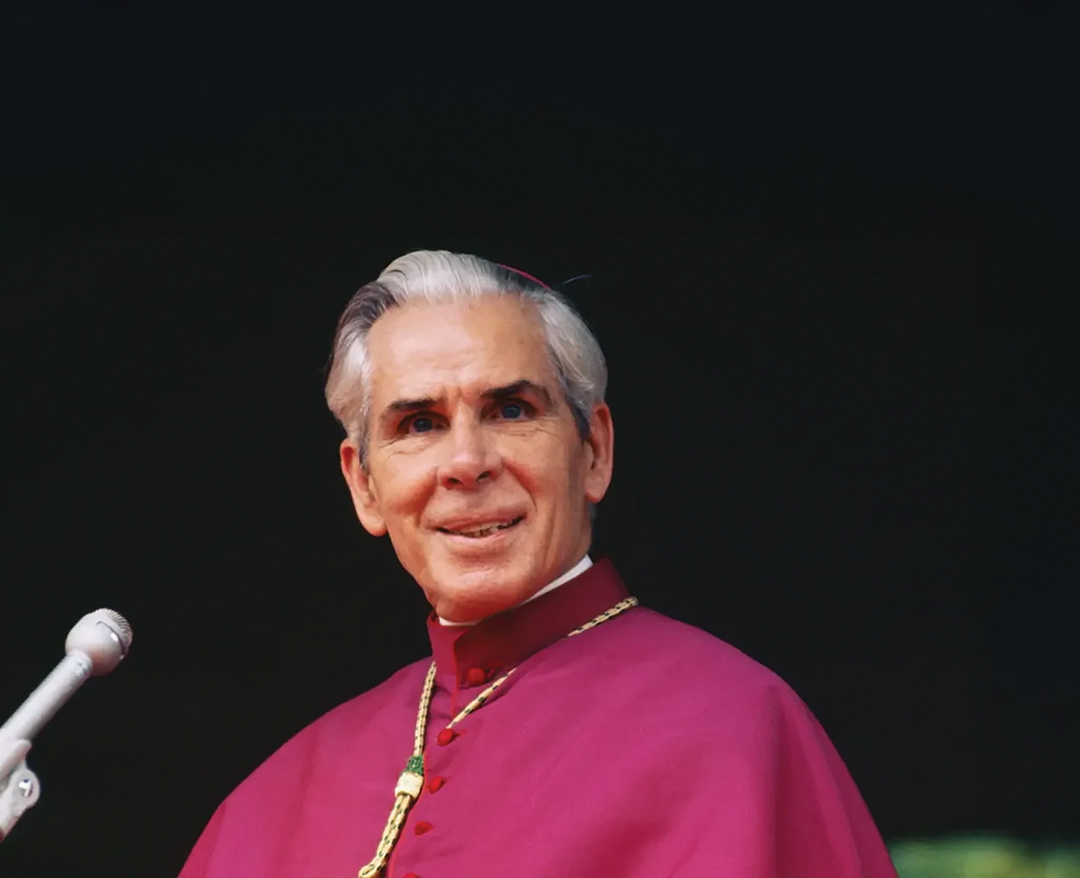
ARCHBISHOP FULTON J SHEEN SOON TO BE BEATIFIED
The Cause for Canonization of Archbishop Fulton J Sheen moves toward beatification, highlighting his legacy as a missionary communicator through radio, television, preaching, and writing.
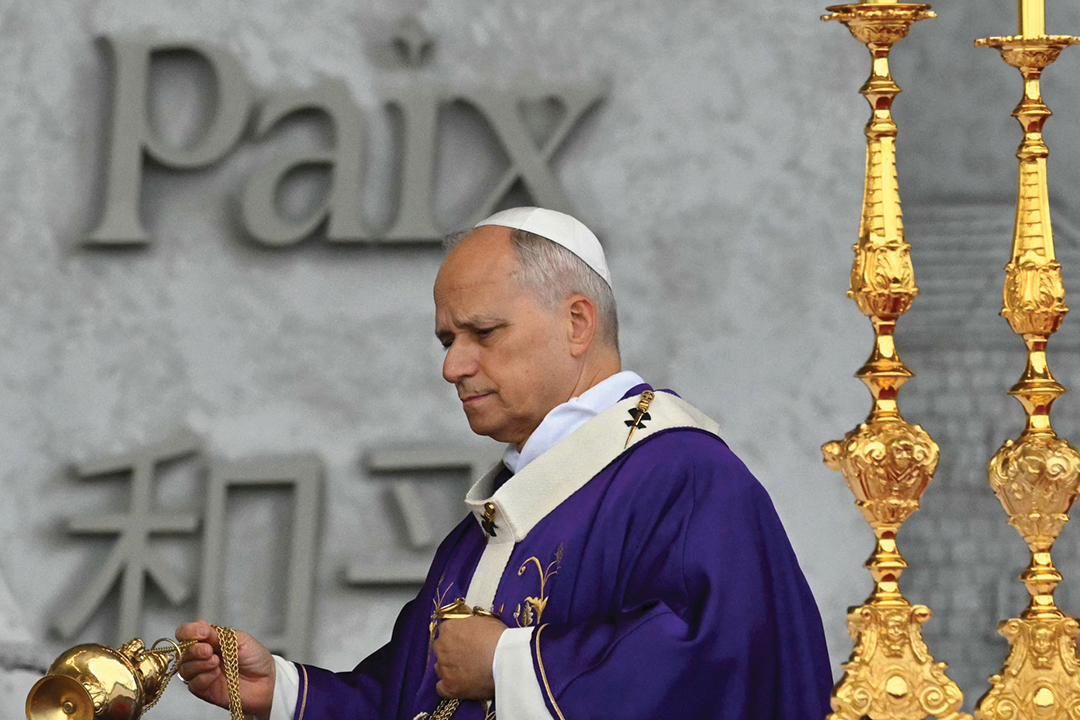
POPE LEO XIV’S FIRST APOSTOLIC JOURNEY TO AFRICA
Pope Leo XIV is set to visit Algeria, Cameroon, Angola, and Equatorial Guinea in a ten-day apostolic journey focused on peace, faith, and Christian presence in Africa.

THE ABALONE CRISIS: A NEVER-ENDING PROBLEM
A recent R10 million abalone bust in Alberton reveals how poverty, gang networks, and international demand continue to drive illegal trade and environmental crime.

FIVE INSPIRATIONAL YOUNG PEOPLE WHO BUILT THEIR BUSINESSES FROM NOTHING
Stories of five South African entrepreneurs who built sustainable businesses from humble beginnings, showing how self-employment can create opportunity and dignity.