
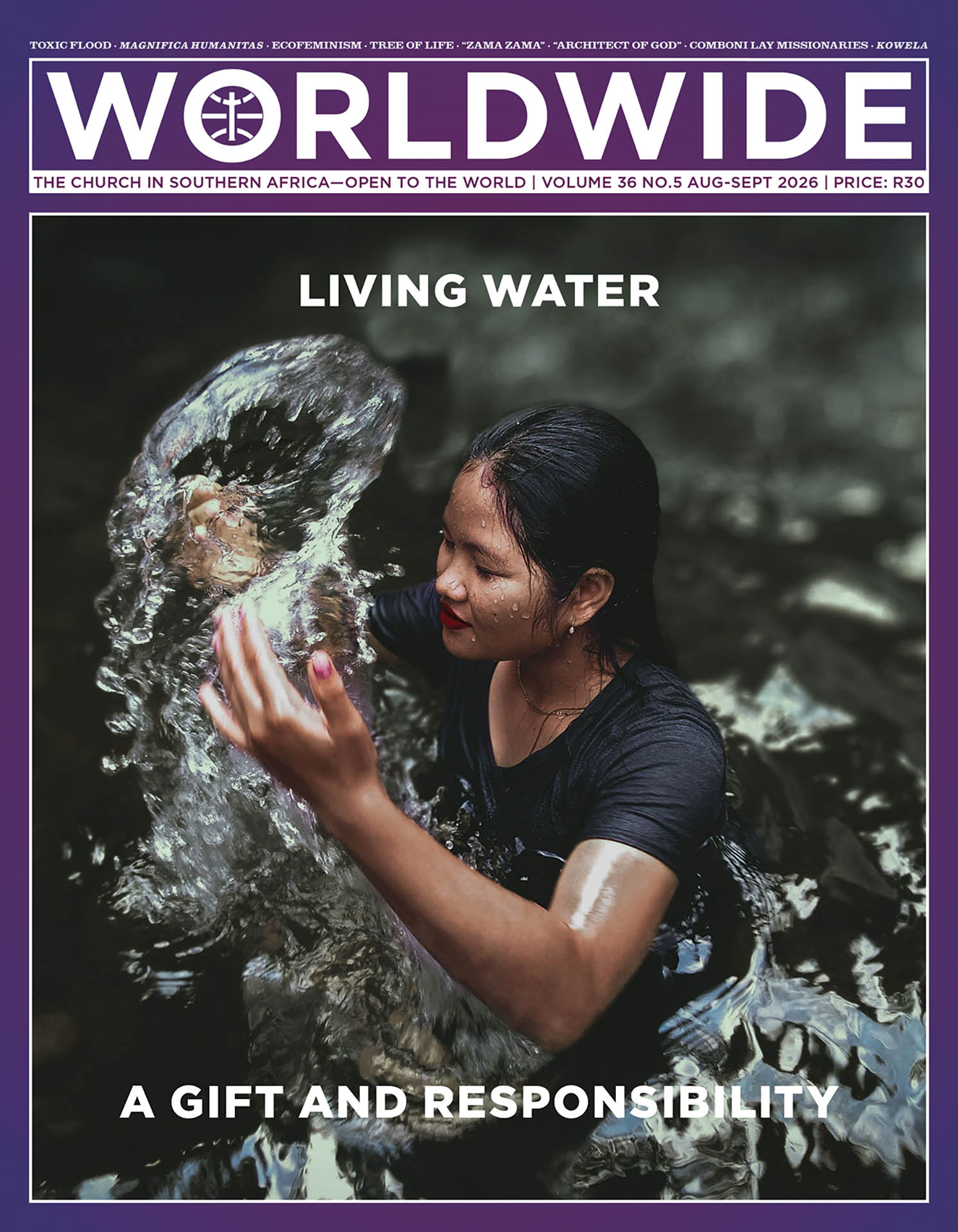
LIVING WATER
Every act of care for creation becomes part of a global stream of hope.
The cover page is inspired by the 2026 Season of Creation theme. In this season, our hope is that “Christians would be immersed in the living water flowing from the throne of God, stepping in deeper and deeper, inspired by the Spirit of God, working together for the renewal of Creation”
(Cf seasonofcreation.org).
RADAR
The Most Significant Map for Healing
Leo XIV is the first pope who has condemned slavery and apologized for the role that the Church played in it. The testimony of a black American Catholic Priest.
BY Patrick Saint-Jean
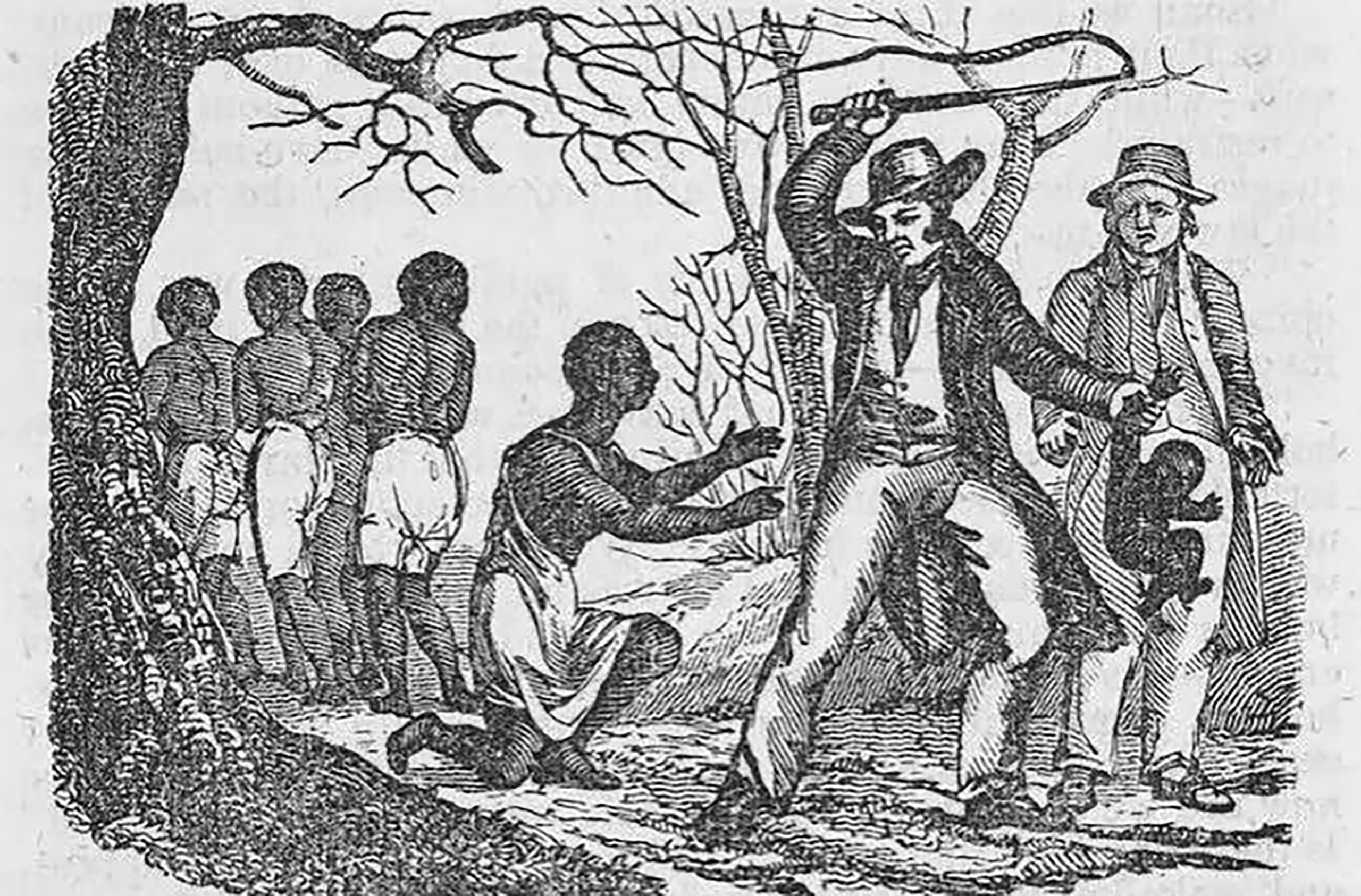
THERE IS a woman I think of when I read the encyclical Magnifica Humanitas. She has no name in historical records. She exists only in the diary of a Jesuit, Fr Peter Havermans, who wrote about her in November 1838, a month after the Society of Jesus sold 272 enslaved men, women and children to Louisiana plantation owners to pay the debts of Georgetown University.
She was pregnant. She was about to be loaded onto a boat. And before they took her, she knelt in front of Fr Havermans and asked him “Why do I deserve this?” He gave her a blessing. Then the church loaded her onto the boat.
She has been kneeling for 188 years. Not because she is frozen in time, but because her question – “Why do I deserve this?” has never received an honest institutional answer. The Church that loaded her onto that boat went on to build universities, write encyclicals, and produce some of the most sophisticated intellectual output in Christian history. What it did not do, until now, was to answer her.
Pope Leo XIV’s first encyclical, Magnifica Humanitas, presents the beginning of that answer. I deliberately say “beginning” because one document does not close a wound two centuries deep. But it does something no papal encyclical before it has done: It names the wound by its right name, traces it to its institutional source and asks – with the full, irreversible weight of the magisterium for forgiveness.
I came to this encyclical bearing three identities simultaneously. As a Black Catholic, I carry in my body the particular exhaustion of belonging to a tradition that has at the same time nourished and betrayed my people. As a priest, I have stood at altars our ancestors helped build with hands that were not free. And as a clinical psychologist, I have spent years sitting in the sacred silence of other people’s wounds, learning what it costs a human soul to bring its trauma to an institution and be handed a timeline instead of a reckoning.
From all three positions, I can say this: Magnifica Humanitas is the most significant map for healing that the papacy has ever placed in the hands of the Black Catholic community. Not because it repairs everything. But because the institution that loaded that unnamed pregnant woman onto the boat has, at last, stopped pretending the boat never sailed.
When the institution responsible for a harm does not clearly acknowledge its fault, healing is extraordinarily difficult sometimes impossible for those who were hurt. The wound stays open. It is transmitted from parent to child, generation to generation, inscribed on the collective memory of a people.
This is precisely what Black Catholics have carried. The institution actively authorized through papal decrees and theological argument – the stripping of dignity from Black human beings.
As an American-born pope with Haitian roots, whose own family history includes both enslaved people and slaveholders, Leo takes the first full step without softening it: “The Church renews her firm condemnation of all forms of slavery.” He notes “the immense suffering and humiliation endured by so many,” adding, “For this, in the name of the Church, I sincerely ask for pardon.”
Source: NCR
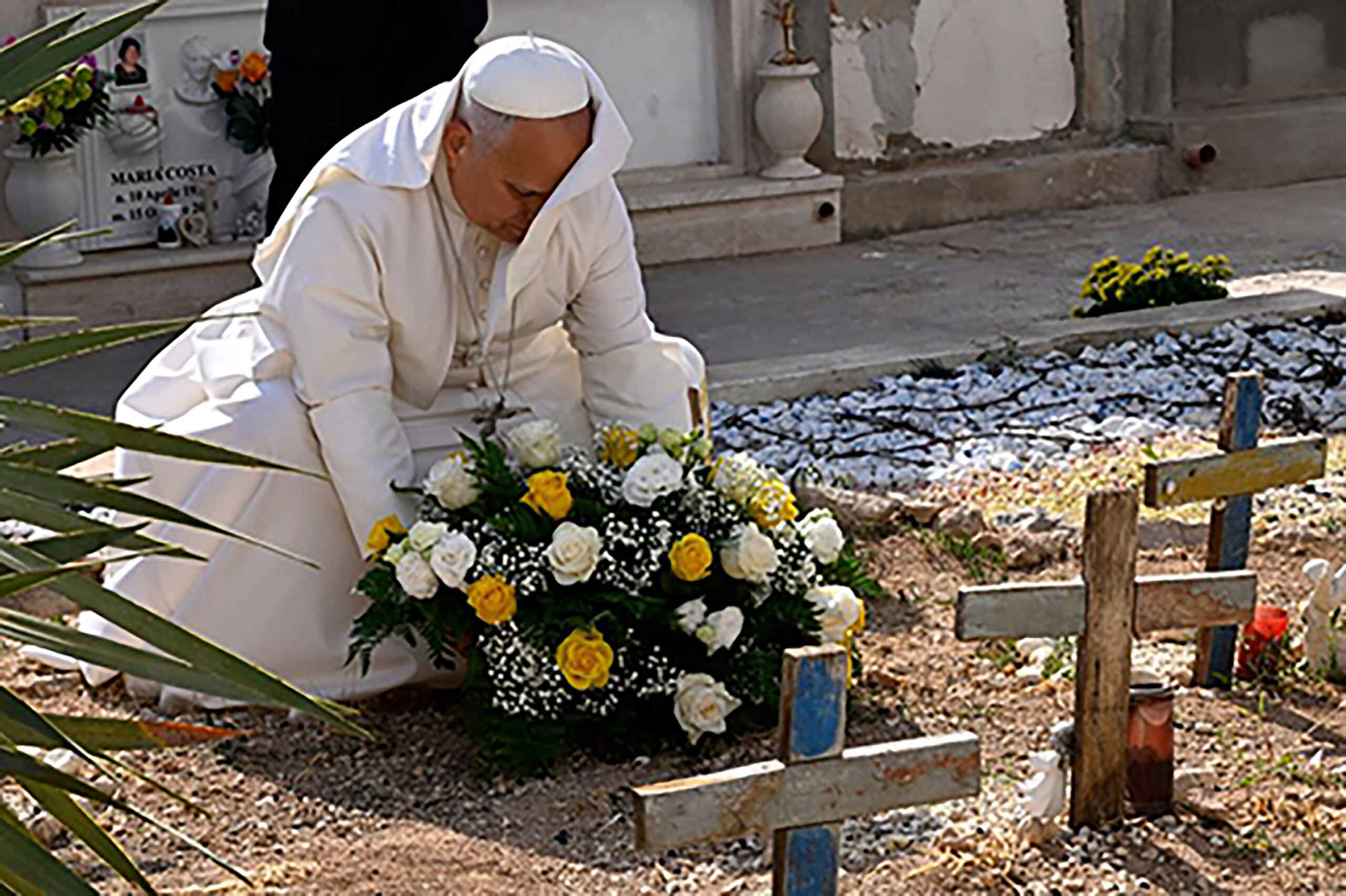
A Heartfelt Call to Compassion
During his visit to the island of Lampedusa, Pope Leo XIV condemned the brutal treatment of migrants and refugees and the loss of life at sea and urged the world to concretely and compassionately respond to the “enormity of suffering”.
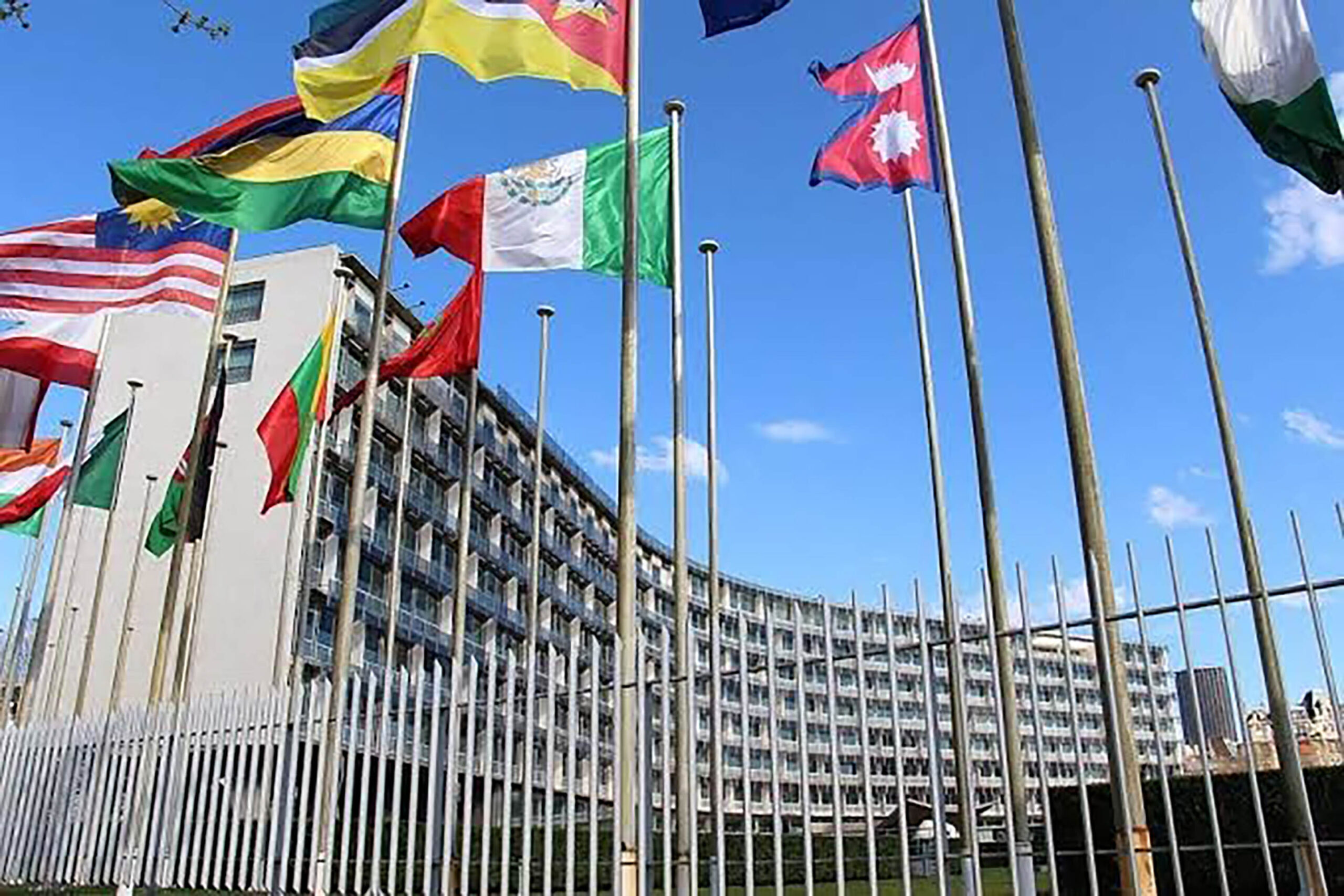
World Kiswahili Language Day 2026
One of the most widely spoken languages in the world, Kiswahili is recognized as a powerful tool for intercultural dialogue.
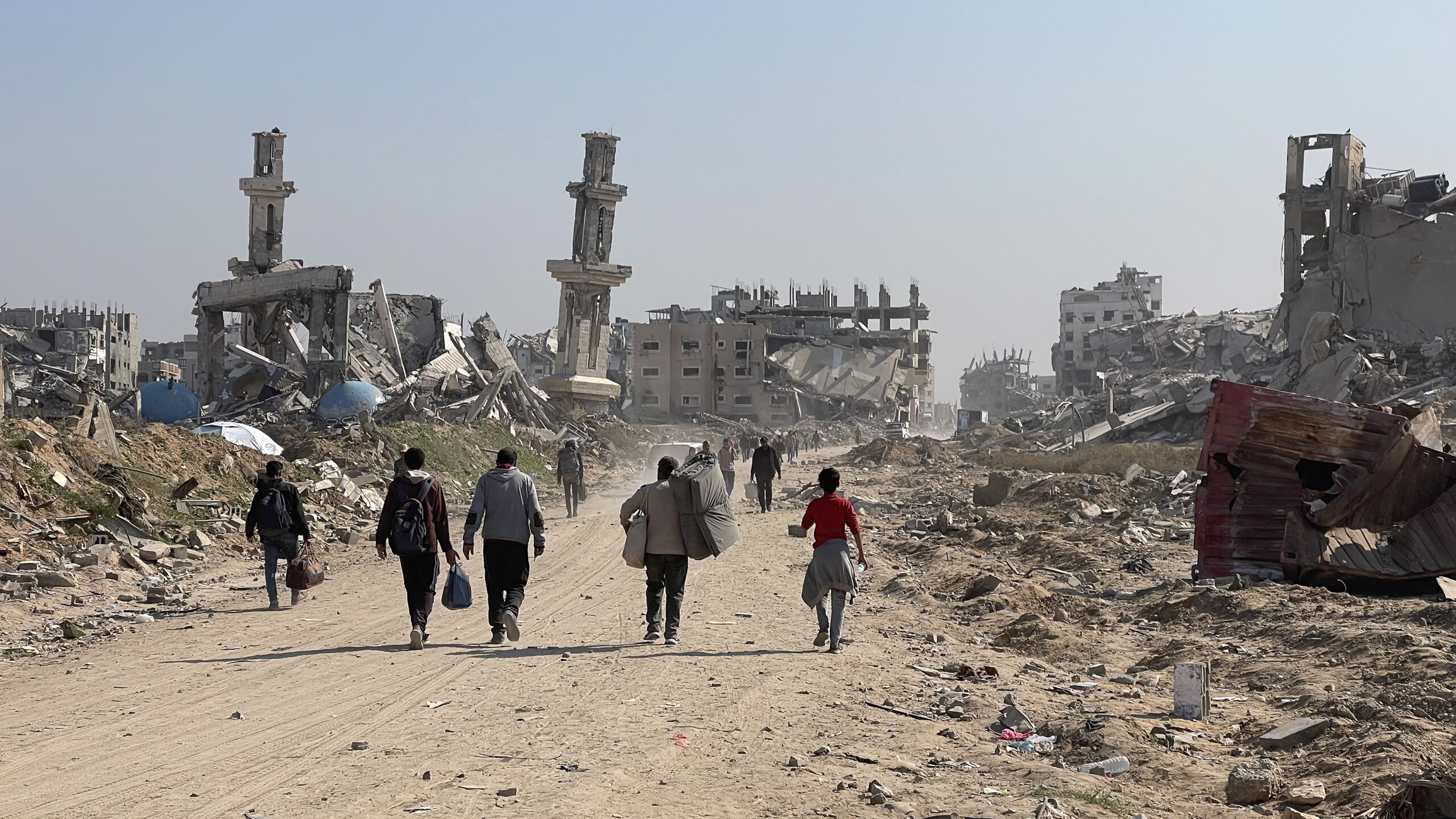
Obstruction of Aid in Gaza Is a Grave Violation of Humanitarian Law
The Holy See has reaffirmed its support for UNRWA at the United Nations, calling for the protection of civilians and humanitarian workers and unhindered aid delivery in Gaza.
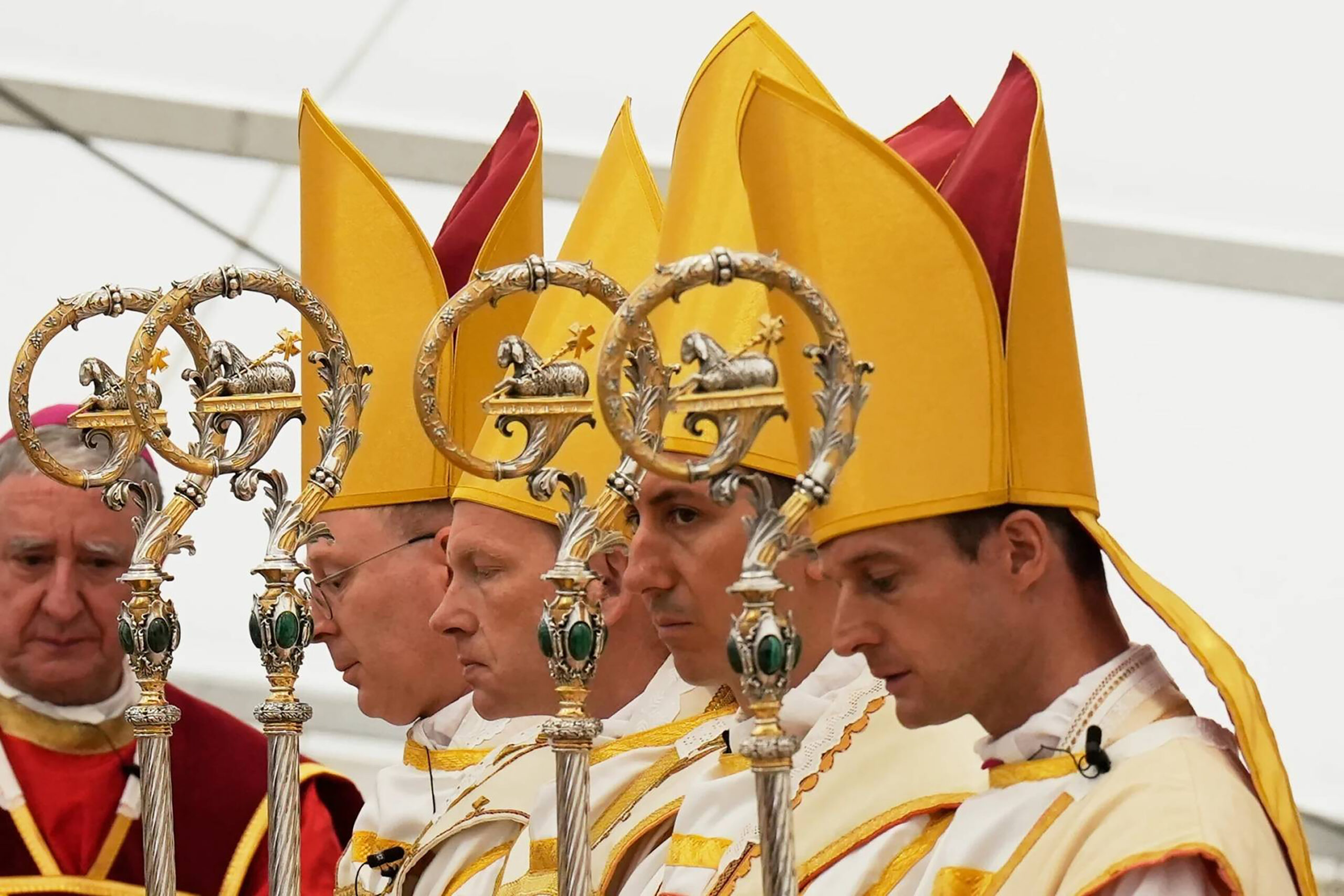
The Society of St Pius X Is Excommunicated
The Society of St Pius X has consecrated four bishops without the Pope’s mandate and has been automatically excommunicated.