
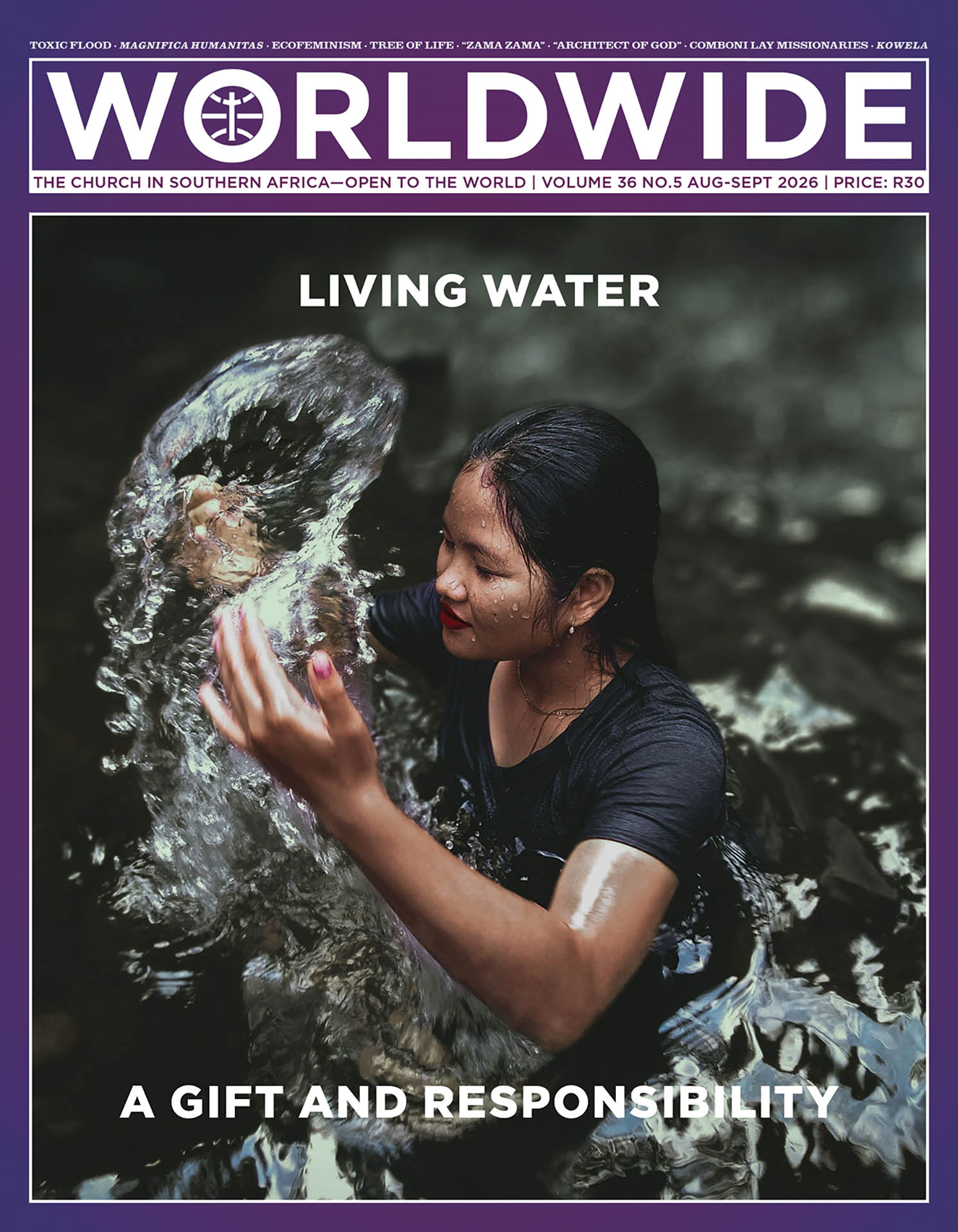
LIVING WATER
Every act of care for creation becomes part of a global stream of hope.
The cover page is inspired by the 2026 Season of Creation theme. In this season, our hope is that “Christians would be immersed in the living water flowing from the throne of God, stepping in deeper and deeper, inspired by the Spirit of God, working together for the renewal of Creation”
(Cf seasonofcreation.org).
Youth Voices • Kowela
Credit: Muhammad Sadeeq/Pixabay
Youth Fostering Integral Ecology
Guided by the theme for 2026 “Season of Creation”, the author calls for the transformation of hearts and habits to confront water pollution and protect our shared future.
BY Jill A. Isaacs | Landscape Architect, Pretoria
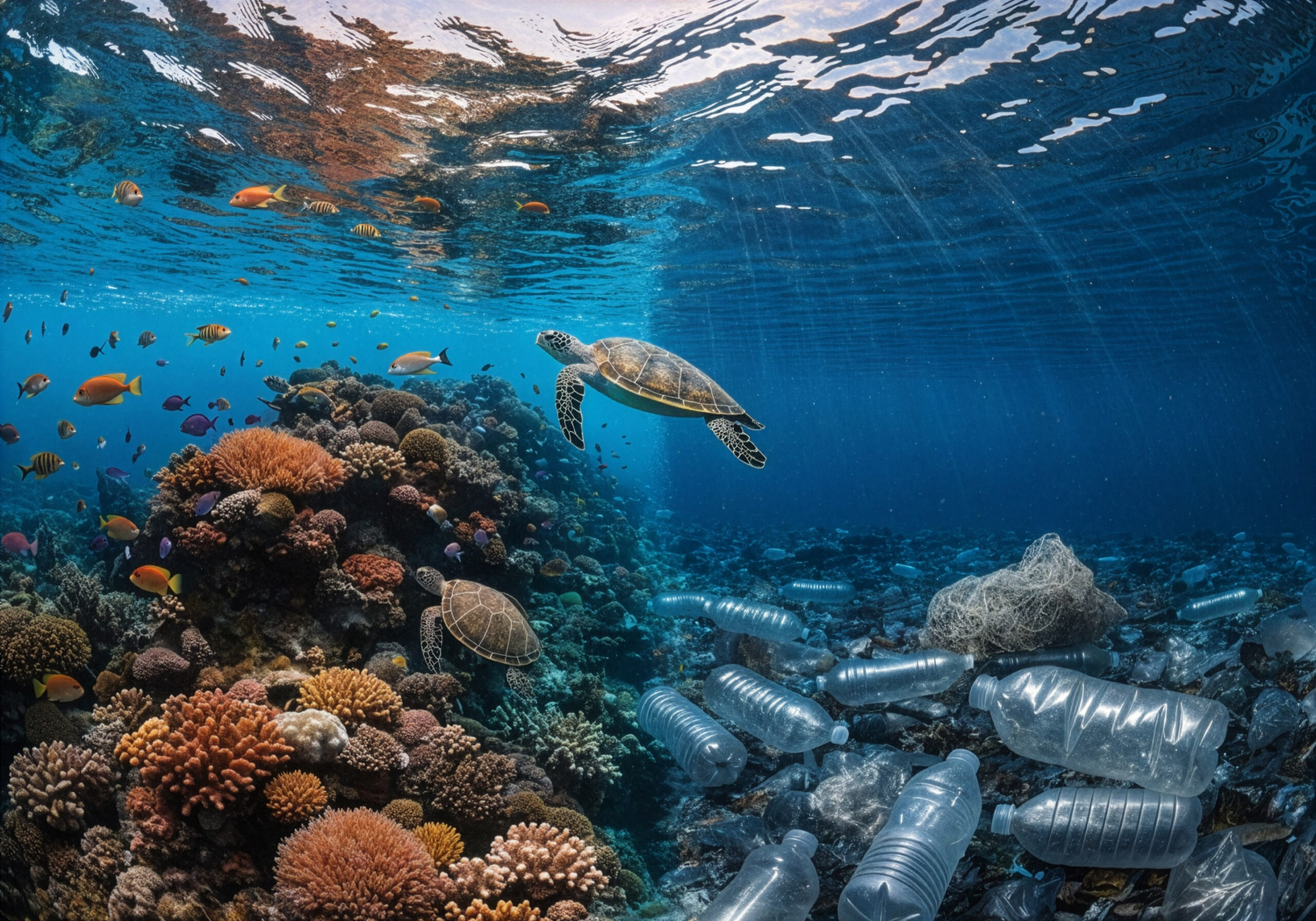
RECENTLY, I scrolled through my Google newsfeed and landed on a Daily Maverick article: “Microplastics show up in Kruger Park river creatures” by Tony Carnie (Carnie, 2026). I was alarmed. Water pollution has gone far beyond visible litter and chemicals being dumped into streams and water sources. Microplastics, sometimes as minute as bacteria, are being consumed by organisms and entering our food chain – even in protected areas such as the Kruger National Park (KNP). Carnie warns that this could possibly lead to various health implications through the food chain, such as reproduction issues or the disruption of animal endocrine systems (the networks of glands and organs in your body that produce, store, and secrete hormones).
“A Terrible Illness”
We frequently see the dire effects of water pollution as something distant – affecting others and not ourselves, and therefore we subconsciously assume it is not something to worry about too much right now. However, the closer it gets to home, the more we realise we need to do something. Unfortunately, this is also when it is most difficult to reverse the negative effects we are dealing with. There is no Planet B. “We see what is happening, and the worst thing is that we are becoming used to it. This becoming used to’ is a terrible illness.” (Francis, 2015).
The “Kowela” Philosophy
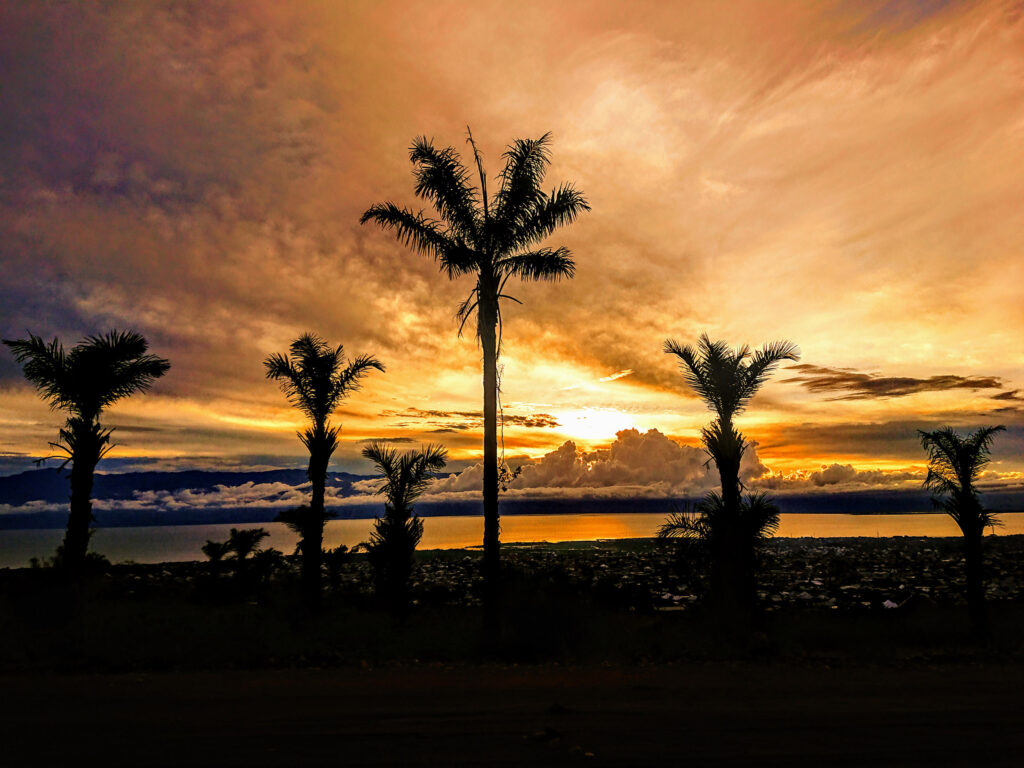
We need to change our perceptions of water a transformation of the heart, as Pope Francis called it. (Francis, 2015) “This involves changing our lifestyles, breaking with a logic of violence and selfishness, and making simple, daily gestures that sow peace and friendship” (Francis, 2015). It is important that we make this plea as Africans to ourselves, and not only hear it from Western nations. Africa holds 9% of the world’s freshwater resources, with Lake Tanganyika alone containing some 17% of the world’s unfrozen surface freshwater. The African Great Lakes combined account for roughly 25% of the planet’s surface fresh water (Wikipedia, 2026).
If we focus on cleaning up house, and ecologically converting Africa through Africa, we will be able to make great strides. Beyond this, when the perceptions of individuals have shifted, the approaches to environmental matters taken by large corporate companies will begin to shift as well. Moses Sakala helped bring this message home to fellow Africans in the performance of his song, “Kowela”, a song about environmental conservation. He performed this at the national commemoration of World Environment Day in Lusaka, Zambia, on the 5th of June 2025. It is an original indigenous interpretation of contemporary environmental and biodiversity challenges caused t by climate change, biodiversity loss and pollution. (Sakala, 2025)
“We see what is happening, and the worst thing is that we are becoming used to it. This ‘becoming used to’ is a terrible illness.”
In Laudato Si’, Pope Francis’ Encyclical (Francis, 2015), he clarifies that “we are not faced with two separate crises, one environmental and the other social, but rather with one complex crisis which is both social and environmental” (Francis, 2015) To put it plainly, we cannot regard the plight of animals who will be negatively affected by polluted water as more important or critical/pressing than the predicament of people who lack access to clean drinking water. Both are important, and both require action, as “there can be no ecology without an adequate anthropology… Our relationship with the environment can never be isolated from our relationship with others and with God. (H. E. Archbishop Auza, 2019)
Credit:Markus Fischer Pixabay
Against Puritanism
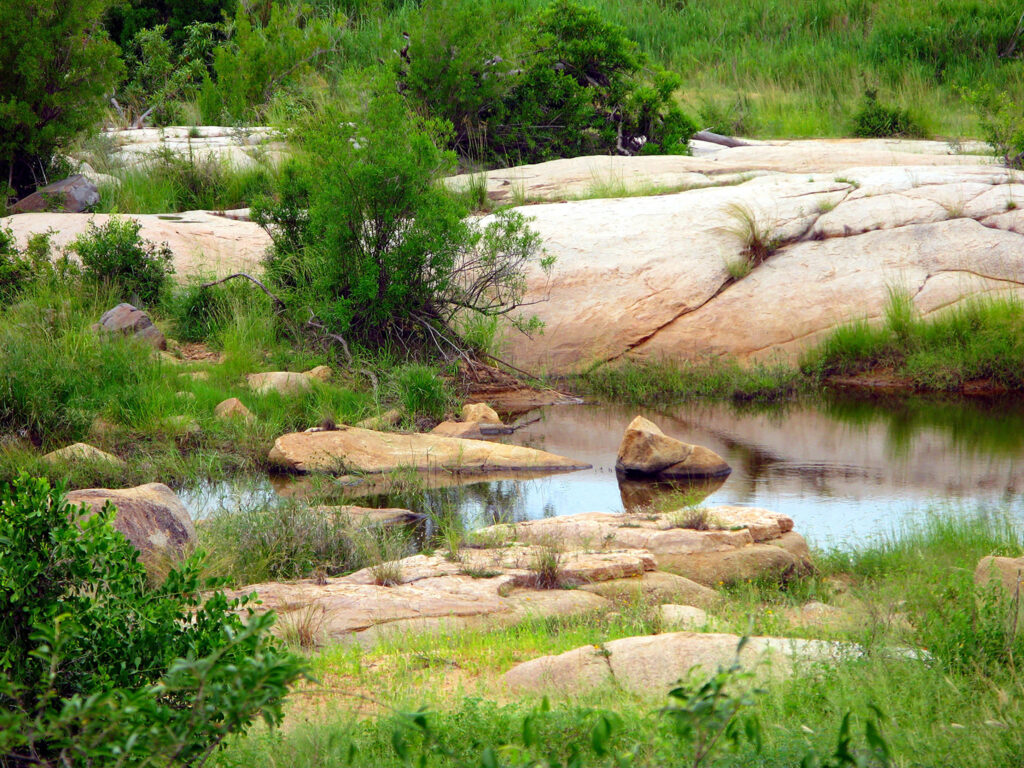
This also means that we cannot adopt a purist approach to environmental management. We must find a way to balance the needs of people and the needs of the environment – mitigating any harmful effects we may have on each other, to ensure sustainable use of resources and land.
The powerful lyrics in “Big Yellow Taxi” (1970), by Joni Mitchell, are still relevant today – 56 years later. “Don’t it always seem to go, that you don’t know what you got ’till it’s gone. They paved paradise and put up a parking lot.” This song is echoed by the organic instrumentation of Manfred Zipfel, who released his latest single in June, called “Colours of the Earth” (2026). He encourages us to make a change, despite the fact that we are still ‘paving paradise.
At this point, it is hard not to ‘pave’, as infrastructure development is frequently a necessity. The question is, are we still doing so purely for economic and political gain? Or are we ensuring that we follow an ecological approach to the types of development taking place?
Credit: Audry Simbananiye/Pixabay
Peaceful Coexistence
Promoting the use of ecosystem services is a way in which we can “sow peace and friendship,” as Pope Francis put it (Francis, 2015). Ecosystem services, according to SANBI (2026), are benefits provided by ecosystems (a community of living things and habitats they live in), either directly or indirectly, for the wellbeing and survival of animals and humans. These are divided into four categories, namely: provisioning services (providing material goods such as food and water), regulating services (entailing climate control and disease management), cultural services (providing recreation and spiritual value), and supporting services (for nutrient cycling and soil formation). Ecosystem services provided by water are limitless, and vary greatly depending on the water source. They include tourism, sports activities, and leisure activities, commercial fishing, drinking and cooking water, and using water for sanitation and other activities. By ensuring that we help keep these water sources free from pollutants, as well as ensuring that we don’t over-harvest sea-life, we can promote the longevity of the activities and benefits we reap from water and its sources. We must ensure that our relationship with water is one of friendship by caring for it, by visiting water sources, helping with clean-up initiatives, and sharing with others the importance of these water sources. We also show demonstrate peace by ensuring that we respect and use water responsibly in our daily activities at home, school or work and elsewhere.
Credit:Hassan Alarady/Pixabay
AI, Youth, and Ecology
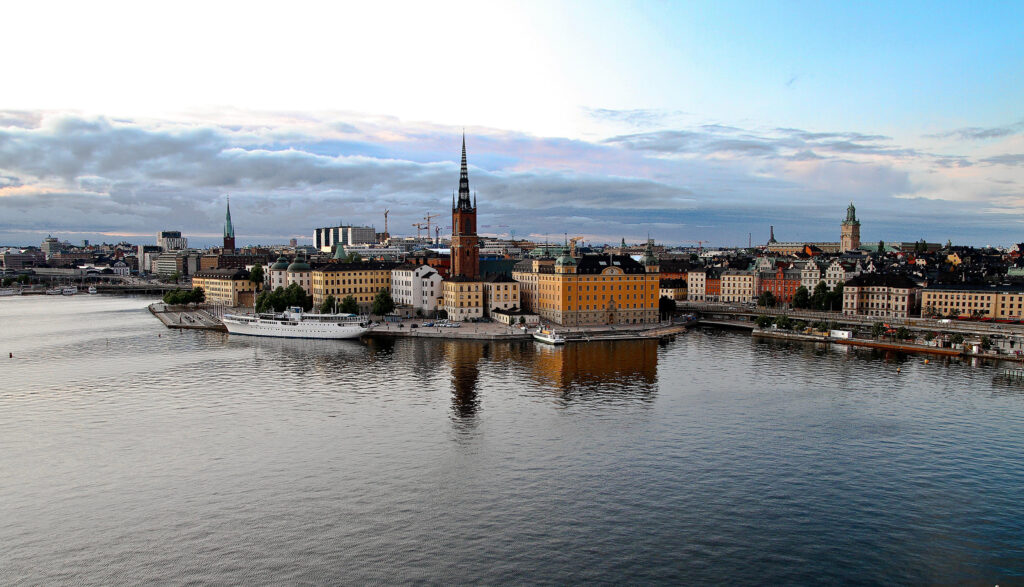
With the use of AI, our youth are creating new ways to deal with water quality issues. The Department of Water and Sanitation hosts annual Youth Water Prize competitions, encouraging youth and schools to get involved in creating innovative solutions for issues pertaining to water and water systems (Department of Water and Sanitation, 2025). The 2025 South African Youth Water Prize competition winners, Elihle Msomi and Snazo Mzamo from Adams College in KwaZulu-Natal are an excellent example of this. As a result of their innovative approach to cleaning water, they were able to take part in the Stockholm Junior Water Prize competition, as their winning project – Aquacrusader – was selected for the People’s Choice Awards. The Aquacrusader is an AI driven, solar and hydro-energy-powered robot that collects microplastic debris from rivers, oceans, and other water bodies.
The 2025 Stockholm Junior Prize was awarded to German students Niklas Ruf and Jana Spiller for their development of a low-cost, scalable flood warning system for small streams. They received this prestigious international award from H.R.H. Crown Princess Victoria of Sweden during World Water Week in Stockholm (Stockholm Junior Water Prize, 2025). This year’s competition takes place in August.
Looking Ahead
We need to make caring about the environment something deeply ingrained in our culture. In every sphere of our lives, we need reminders to create awareness of water-wise principles. This is best way to keep innovating, and thereby ensuring that we all have clean drinking water in the near and distant future. Practicing environmental stewardship will remain crucial today and in the future.
References
- Carnie, T. (2026, July 7) Maverick Earth: Size Matters Microplastics show up in Kruger Park river creatures Retrieved from Daily Maverick https://www.dailymaverick.co.za/article/2026-07-07-microplastics-show-up-in-kruger-park-river-creatures/
- Department of Water and Sanitation (2025, May 31). Home News media Statements: Water and Sanitation on 2025 South African Youth Water Prize winners. Retrieved from Republic of South Africa: https://www.gov.za/news/media-statements/water-and-sanitation-2025-south-african-youth-water-prize-winners-31-may-2025
- Francis, P. (2015). Encyclical Letter Laudato Si’ of the Holy Father Francis on care for our common home. Laudato Si’. The Vatican City, The Vatican City: Pope Francis.
- H. E. Archbishop Auza, B. (2019, July 11). Laudato Si’ An integral Ecology. Retrieved from The Permanent Observer Mission of the Holy See to the United Nations: https://holyseemission.org/contents/statements/5d28df2e6d908.php
- Sakala, M. (2025, June 07) See How Music Fights Climate Change! Lusaka, Zambia
- SANBI. (2026). Home Ecosystem services Retrieved from SANBI: https://www.sanbi.org/ecosystem-services/
- Stockholm Junior Water Prize (2025). Winners 2025. Retrieved from Stockholm Junior Water Prize https://stockholmwaterfoundation.org/stockholm-junior-water-prize/winners/
- Wikipedia, (2026, July 02). African Great Lakes Retrieved from Wikipedia: https://en.wikipedia.org/wiki/African_Great_Lakes
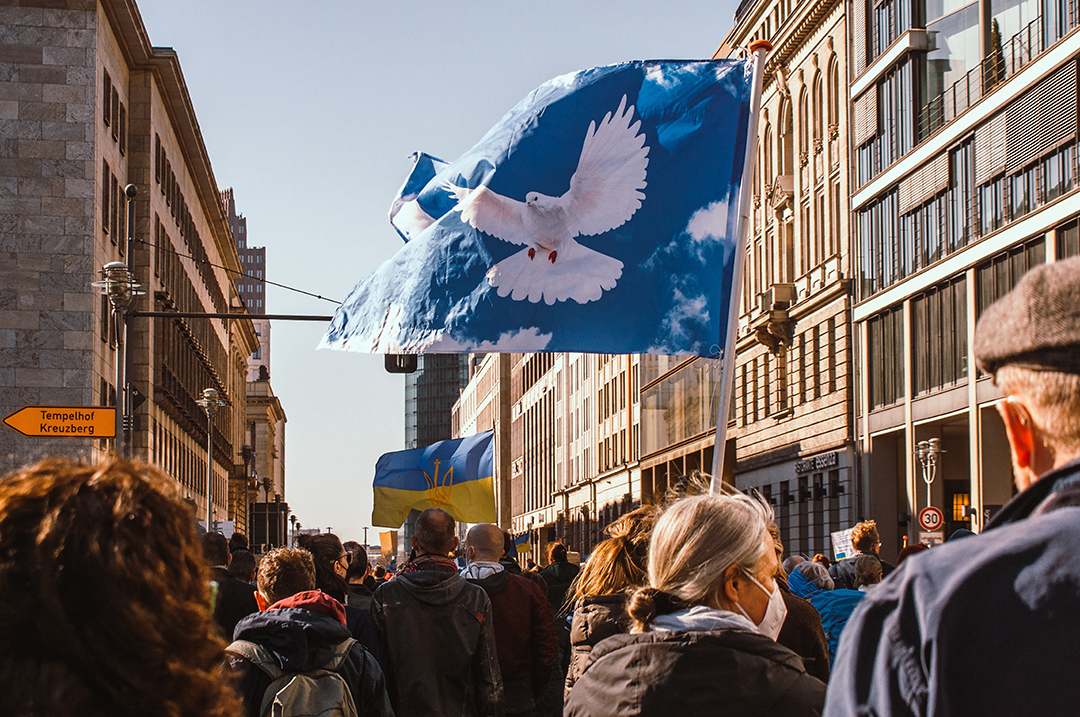
Youths as Ambassadors of Peace: Bringing Healing to a Broken World
The world has been ravaged by wars, some of which go back many generations. The youth have not been spared the effects of these wars. Yet they can choose to end these wars or to perpetuate them.