
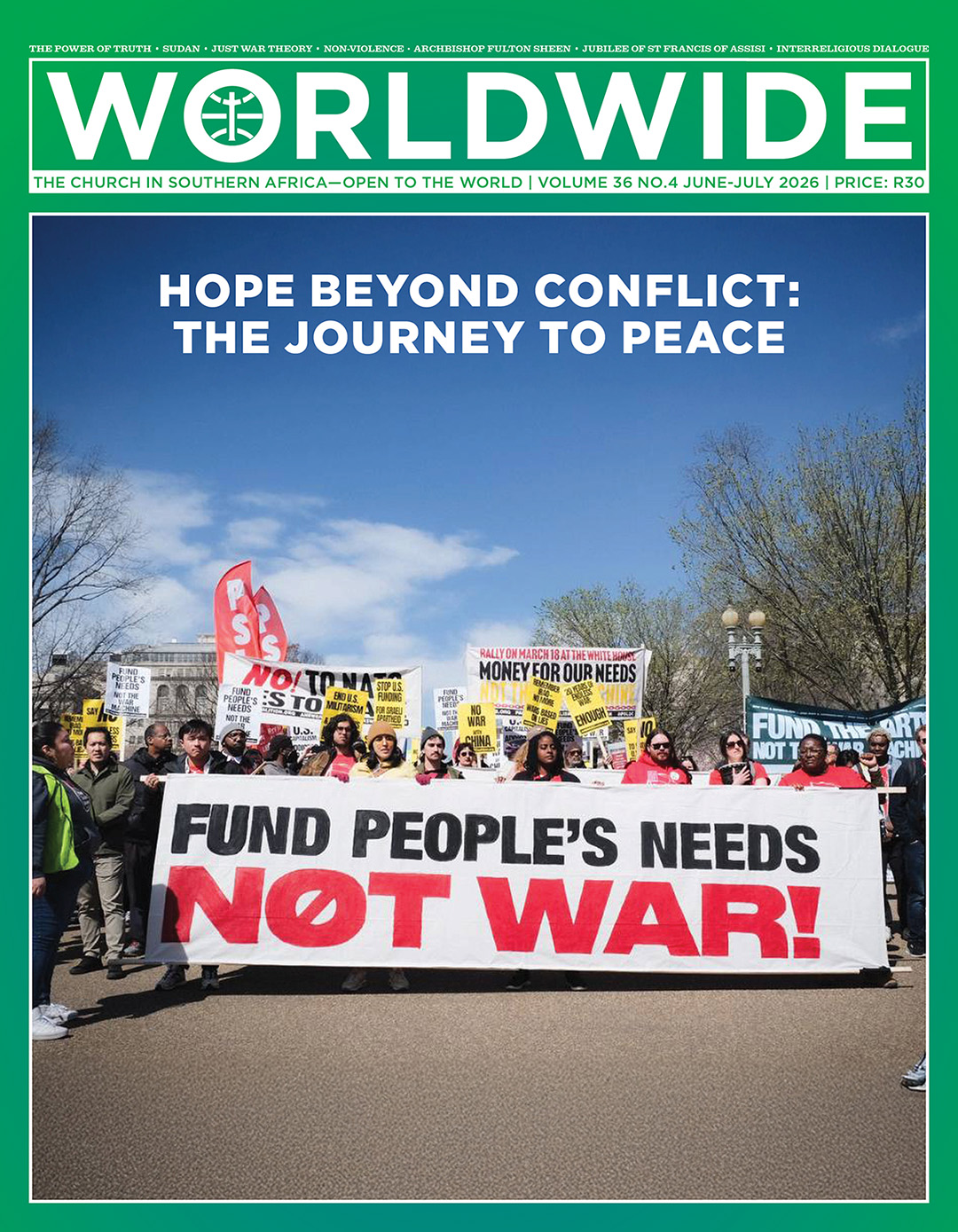
HOPE BEYOND CONFLICT: THE JOURNEY TO PEACE
“It is no coincidence that repeated calls to increase military spending, and the choices that follow, are presented by many government leaders as a justified response to external threats. The idea of the deterrent power of military might, especially nuclear deterrence, is based on the irrationality of relations between nations, built not on law, justice and trust, but on fear and domination by force.”
Message of Pope Leo XIV for the World Day of Peace 1 January 2026.
Cover Photo: Protesters in Ohio rally against US funding for the Russia‑Ukraine war, March 18, 2023. | Credit: Vincent Tsai/Peoples Watch
Youth Voices • Discernment
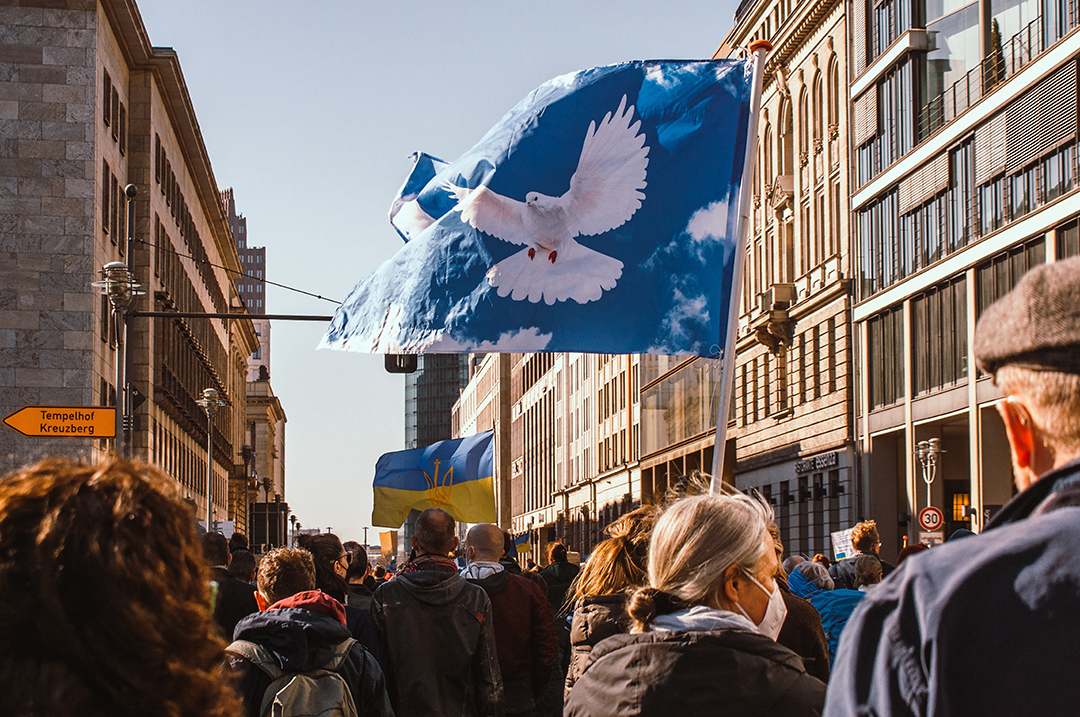
Youths as Ambassadors of Peace: Bringing Healing to a Broken World
The world has been ravaged by wars, some of which go back many generations. The youth have not been spared the effects of these wars. Yet they can choose to end these wars or to perpetuate them.
BY NKECHINYERE CHRISTINE IWUOHA | RICHFIELD COLLEGE, PRETORIA
WORLDWIDE, CONFLICTS have displaced 120 million individuals due to trauma and acts of violence stemming from radicalization (UNHCR, 2026). With the persistent war in Ukraine, rising tensions in the Middle East, and ongoing violence in regions like Sudan and Gaza, humanity finds itself in a crucial moment in history. These wars are more than mere combat; they represent clashes in regional stories and identity, and the age-old struggle for resources, intensified by the propaganda spread through social media. In South Africa, the struggle for resources is characterized by rampant xenophobic violence and frequent service delivery protests. Despite all of this, the UN’s 2023 Global Youth Survey reported signs of hope from youths who are committed to seeing the transformation of society. In 1994, Nelson Mandela stated that peace is the most powerful instrument for advancement in life. Various Youths throughout the world have shown how to make Nelson Mandela’s ideal a reality.
Global Youth Heroes and Heroines
Youth across the globe have broken cycles of violence in their communities, serving as a powerful model for the future of peace. Think about Malala Yousafzai, a 15-year-old Pakistani peace advocate who survived an assassination attempt by the Taliban in 2012 for promoting education for girls in the conflict-ridden Swat Valley. Since that time, the ‘Malala Fund’ has established 130 schools in areas of conflict, educating 10,000 girls and fostering peace across generations. Malala’s movement, which proclaims that ‘one child, one teacher, one book, one pen can transform the world,’ has motivated youth to leverage education as a tool against extremism.
The White Helmets
In the midst of Syria’s devastating conflict, young volunteers have stepped forward as a powerful force for peace. Many of them, through the White Helmets (Syria Civil Defence), risk their lives to rescue civilians trapped under rubble in cities like Aleppo and Idlib. These youth, often with limited resources, use smartphones and simple tools to coordinate life-saving missions in real time. Their courage demonstrates how ordinary young people, united by compassion, can counter violence with solidarity. By saving tens of thousands of lives since 2013, they embody the principle that protecting life is the first step toward building peace in their communities.
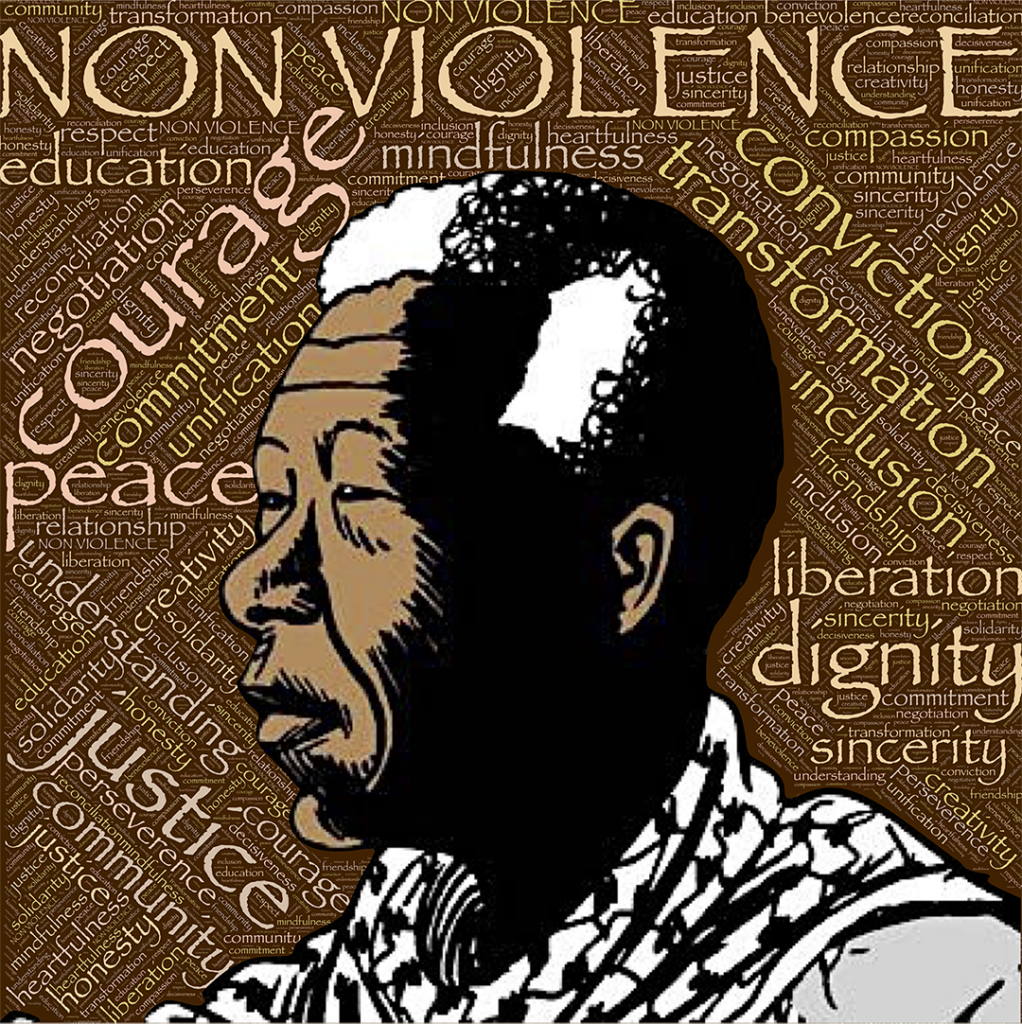
Credit: John Hain | Source: pixabay.com
Entisar Alriash
In her early twenties, Entisar Alriash, a Yemeni activist, founded the Youth Without Borders Organisation for Development (YWBOD) in 2013, a civil society organization in Yemen. She rallied her peers against the Saudi-Hadi proxy conflict that has claimed over 150,000 lives since 2015. Besides facilitating ceasefires in Taiz and providing water in besieged areas, she educated 500 youths on nonviolence. YWBOD focuses on empowering young people, promoting peace, and encouraging civic participation in a country deeply affected by conflict. The organization works to give youth a voice in shaping their communities, fostering dialogue, and building resilience against the challenges of war and instability (YWBOD 2013).
Her work highlights the role of the youth in peacebuilding and social change, especially in regions where young people are often marginalized or drawn into cycles of violence. By creating YWBOD, she provided a platform for Yemeni youth to engage in constructive initiatives rather than being defined solely by the ongoing conflict. Her actions defied gender norms and saved lives, as noted by Human Rights Watch (2024), demonstrating that youth can achieve peace where adults fail.
Credit: Arek Socha | Source: pixabay.com
Youths in Ukraine and Romania
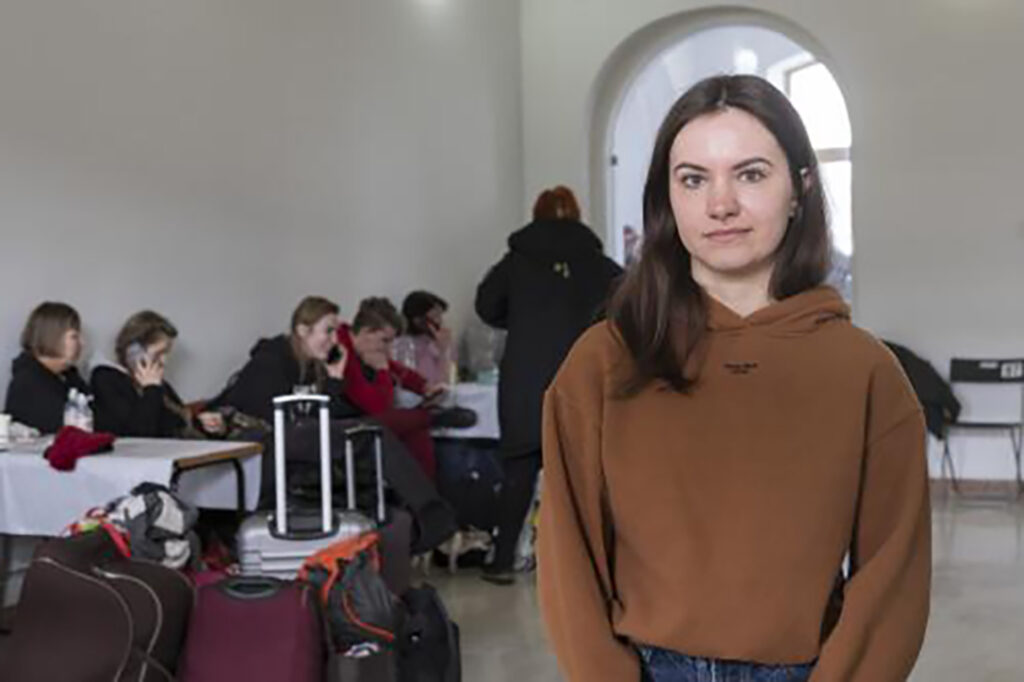
During the 2022 Russian invasion of Ukraine, several youth leaders and organizations became central to humanitarian relief, mobilizing volunteers, countering misinformation, and supporting displaced communities. Examples of the youths included Natalia Harasivka, Maryana Zaviyska, Anna Lenchovska, and others associated with grassroots NGOs like Tolerspace and Open Space Works Ukraine. They utilized ‘Discord’, the social media platform typically used by gamers, to counter misinformation and provided supplies, including support kits for traumatized children. A 2022 study by the Humanitarian Leadership Academy concludes: “The full-scale invasion of Ukraine in 2022 saw youth take their role in relief efforts, from volunteering and aid distribution to community rebuilding. Currently, unlike broader societal trends of declining participation, youth involvement in humanitarian action has increased, particularly in fundraising, aid collection, and support for IDPs.”
Fellow youths from Romania came to the aid of the victims of this attack on Ukraine as expoused by Federation of Young Bessarabians (2022): “Youth in Romania welcomed Ukrainian refugees, without resenting or criticising them. We realised that their tragedy was our common trauma, and that as a neighbouring country, we could help Ukrainians feel safe again. Romanian youth started collecting money, assisted at borders, spent sleepless nights, and even shifted all their life priorities to a second plan solely to offer support.”
Karabo Mokgonyana Emerges as South Africa’s Peace Champion
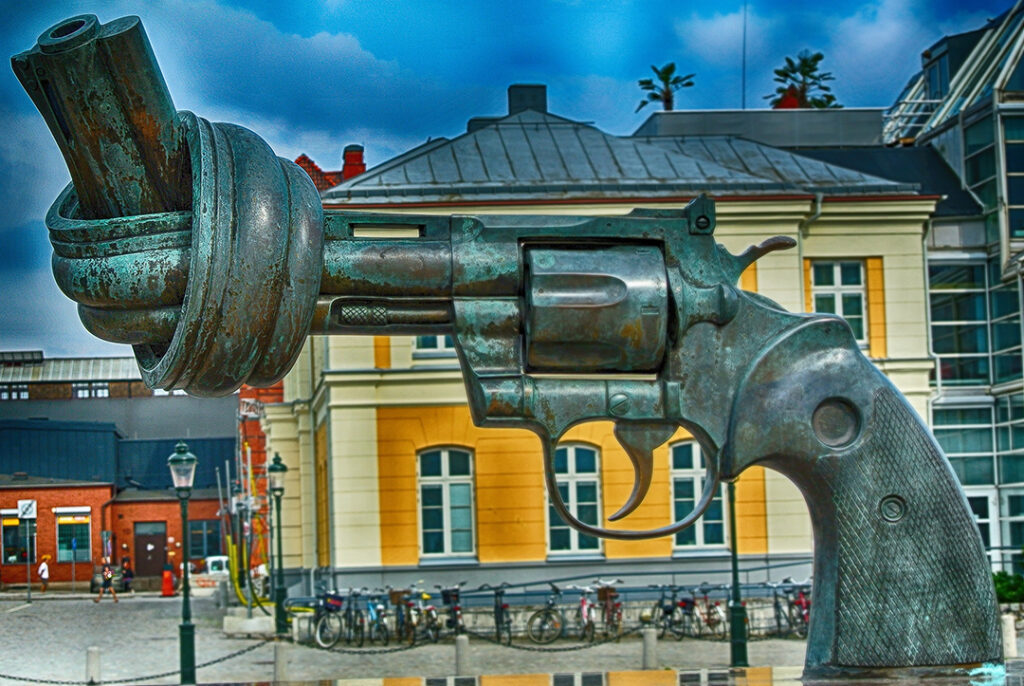
We also have examples of Youth who are promoting peace here in South Africa. At only 23, Karabo Mokgonyana was named the African Union Youth Ambassador for Peace (AYAP) for the Southern African region in November 2019 (Mail & Guardian 2019). She turned her own experiences of poverty and inequality into a career focused on promoting social justice. She has promoted the integration of youth into national peace frameworks, enhanced the skills of youth through training initiatives focused on good governance, as well as creating youth-led partnerships for non-violence. In 2020, She played a pivotal role in the African Union initiative ‘Youth Silencing the Guns,’ which was part of the AU’s broader “Silencing the Guns” initiative aimed at ending conflict in Africa. Her partnerships with UNESCO, the British Council, and the Mandela Institute for Development Studies have elevated youth voices in peace and security, obtaining her a position in the 2020 Mail & Guardian Top 200 Young South Africans. In 2024, she was the proud receiver of the Young Mandela Award for her contribution to issues of social justice.
Becoming Youth for Peace
South Africa’s youth are being urged to follow the lead of their global peers and local champions like Karabo by joining forces with international platforms such as the UN Youth Initiative (UNYI 2030). Young people in South Africa have the potential to go beyond their borders and become global influencers like her. This is, however, not an easy feat. To achieve this, one must collaborate with local organisations that align with one’s ideals to make a greater impact. One such organisation is the National Youth Development Agency (NYDA), which assists youth in becoming leaders and peacemakers. It equips youth with skills development programmes that lead to community uplifting as well as employment, and can assist trainees in starting their own businesses. By volunteering to work with various NGOs like the Sonke Gender Justice Network, partnerships for peace can also be fostered at various levels of society.
Challenges and Pathways Forward
The challenges that youth need to navigate in this field include insufficient governmental support and trauma fatigue. Scandals related to corruption also erode trust in South Africa’s youth programs (Corruption Watch, 2025). Individuals should therefore focus on self-care, build relationships with mentors in the field, and advocate for creative solutions to navigate the challenges they encounter. Some of these include activities in which youth are already known to be very active: art (particularly in the field of education) and technology.
Art and education as a tool for unity
If youth are interested in getting involved in promoting peace in their community, a good way to start is through school peace clubs, promoted by initiatives like the ‘Youth Peace Ambassadors Network’ of the Department of Basic Education. These clubs utilize poetry and drama to address historical traumas, such as those unpacked at the National Truth and Reconciliation Commission hearings. Youth in Soweto have used music, dance, and art as powerful tools to challenge violence and promote peace. A good example is the 2022 Soweto Theatre Youth Arts Festival with the theme: “Addressing gender-based violence (GBV) and youth crime through creative expression.” Other initiatives include the amapiano for peace concerts and June 16 youth celebrations initiatives. Indeed, South African youth are making use of many different artistic expressions in tackling the deep-seated challenges rooted in the country’s legacy of apartheid. Art in all its forms can thus foster empathy, promote justice, and dialogue, rather than merely entertain people.
Credit: Alexandra Radu Stanescu | Source: ActionAid.
Leveraging technology to promote peace
Technology is one of the key means that youth can use to promote global peace. One example is the use of applications like ‘Peace Direct’, which outlines the needs of communities in conflict zones. This can help voluntary organisations in providing tailored relief efforts to those in need. Another example is the AI-driven petition used by student activists in Johannesburg when the 2023 Gaza escalation occurred. This was used to advocate for equitable aid distribution, collecting 50,000 signatures and impacting parliamentary discussions (Mail and Guardian, 2024). Social media platforms such as Instagram and Tik Tok can also be used to make a positive impact in society. By incorporating these strategies into their everyday routines, the youth can and have demonstrated that peace advocacy involves action – setting an example for the world.
References:
- Abdulrahman al-Mawwas Wikipedia
- Empowering Youth in Humanitarian Action in Ukraine: Lessons and Next Steps, February 2025, Read more
- Karabo Mokgonyana, 23 Youth Ambassador for Peace
- The Ukraine crisis and youth’s key role. 10 August 2022 actionaid.org
- Young Mandelas 2024: Karabo Mokgonyana, Social Justice, 17 July 2024 Read more
- Youth Without Borders Organization for Development (YWBOD). Read more

Helping One Another Climb the Ladder
Everyone’s journey up their own career ladder takes time and diligence. Success in this journey is determined by which voices you allow to speak into your life and into your dreams.