
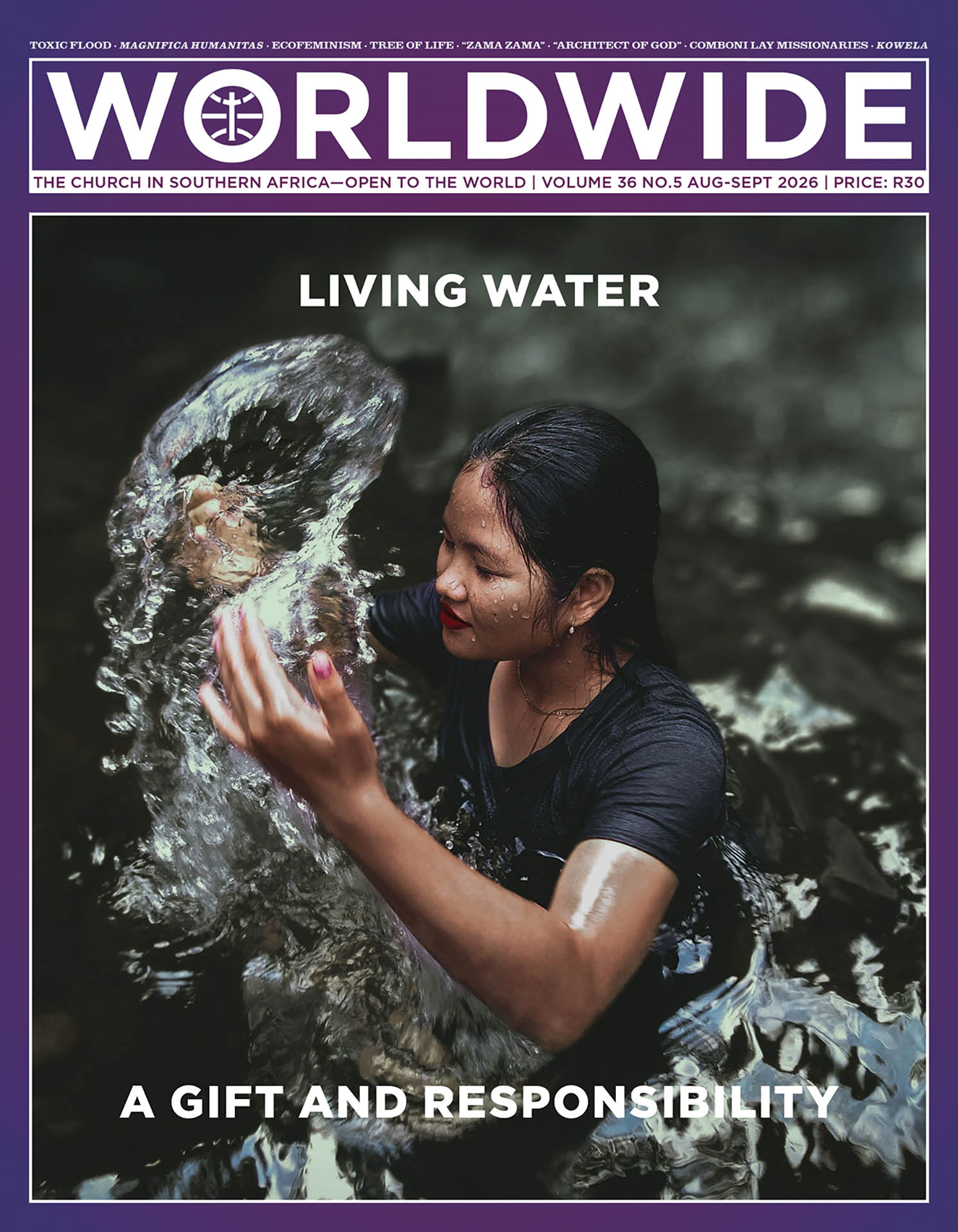
LIVING WATER
Every act of care for creation becomes part of a global stream of hope.
The cover page is inspired by the 2026 Season of Creation theme. In this season, our hope is that “Christians would be immersed in the living water flowing from the throne of God, stepping in deeper and deeper, inspired by the Spirit of God, working together for the renewal of Creation”
(Cf seasonofcreation.org).
RADAR
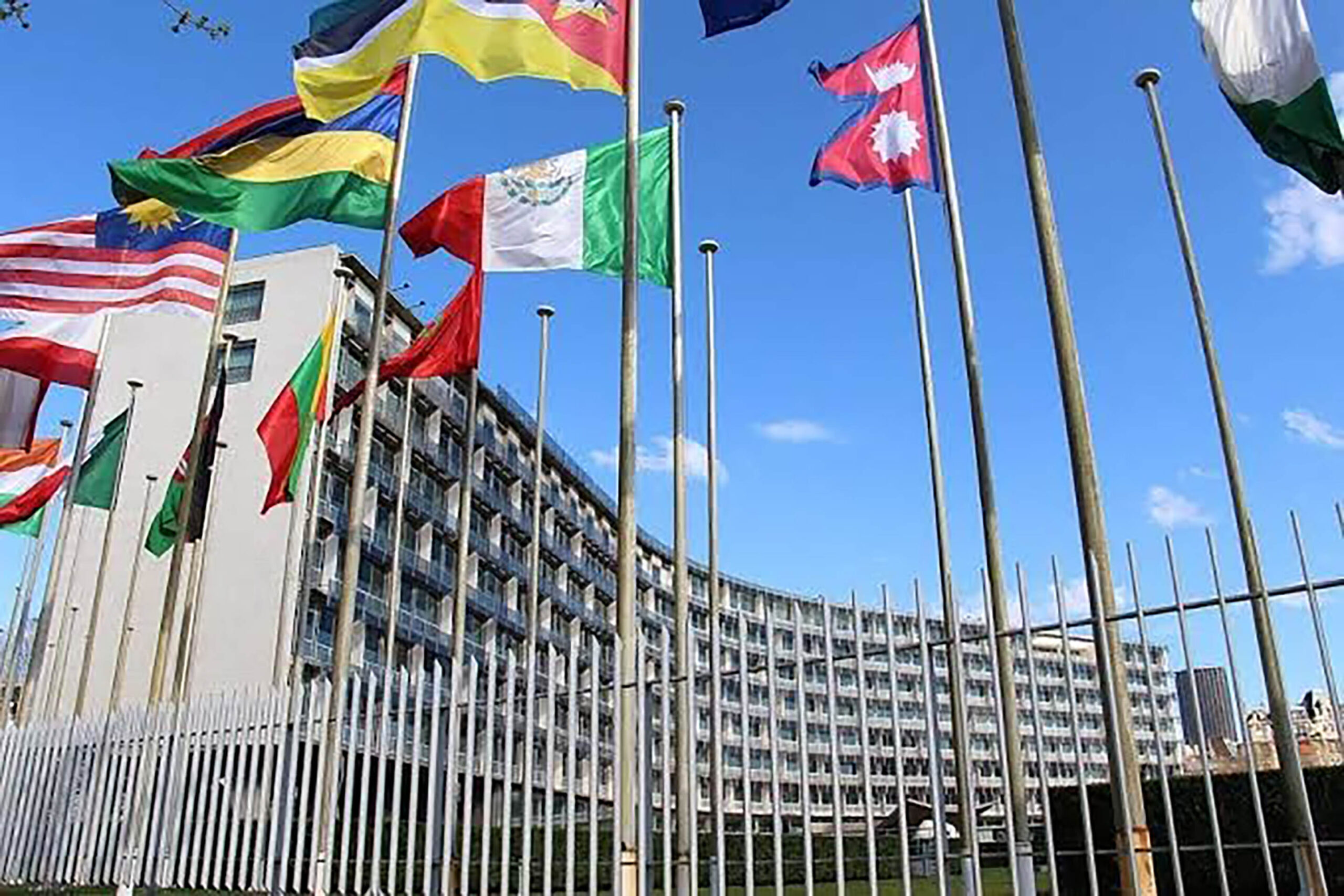
World Kiswahili Language Day 2026
One of the most widely spoken languages in the world, Kiswahili is recognized as a powerful tool for intercultural dialogue.
BY Angella Rwezaula
UNDER THE theme: “Kiswahili for Peace, Solidarity and Global Economic Diplomacy”, UNESCO organized a commemoration of World Kiswahili Language Day and the Second International Conference on Kiswahili at its headquarters in Paris between 6 and 7 July 2026.
Kiswahili, spoken by over 200 million people, is principally a Bantu language in its structure, but it is heavily infused with Arabic words. It originated as a lingua franca along the East African coast, developing primarily through trade between indigenous Bantu-speaking populations and Arab, Persian, and Indian merchants as early as the 2nd century of the CE.
According to experts, Kiswahili fosters peace by acting as a neutral lingua franca that transcends ethnic divides. In this way, it can unify diverse communities. Its capacity to cultivate solidarity and shared identity has made it a powerful tool for diplomacy and international conflict resolution.
The Paris commemoration organized by the United Nations Educational, Scientific and Cultural Organisation (UNESCO), brought together key stakeholders in the promotion and transmission of Kiswahili, including high-level decision-makers and community representatives. Through conferences, exhibitions and strategic exchanges, the commemoration highlighted the role of this language as a vehicle of peace, dialogue, cultural identity, education and international cooperation.
The 2026 edition further emphasised the contribution of the language to sustainable development and economic diplomacy, especially in the context of Africa’s regional integration and growing influence in the world.
Source: vaticannews.va
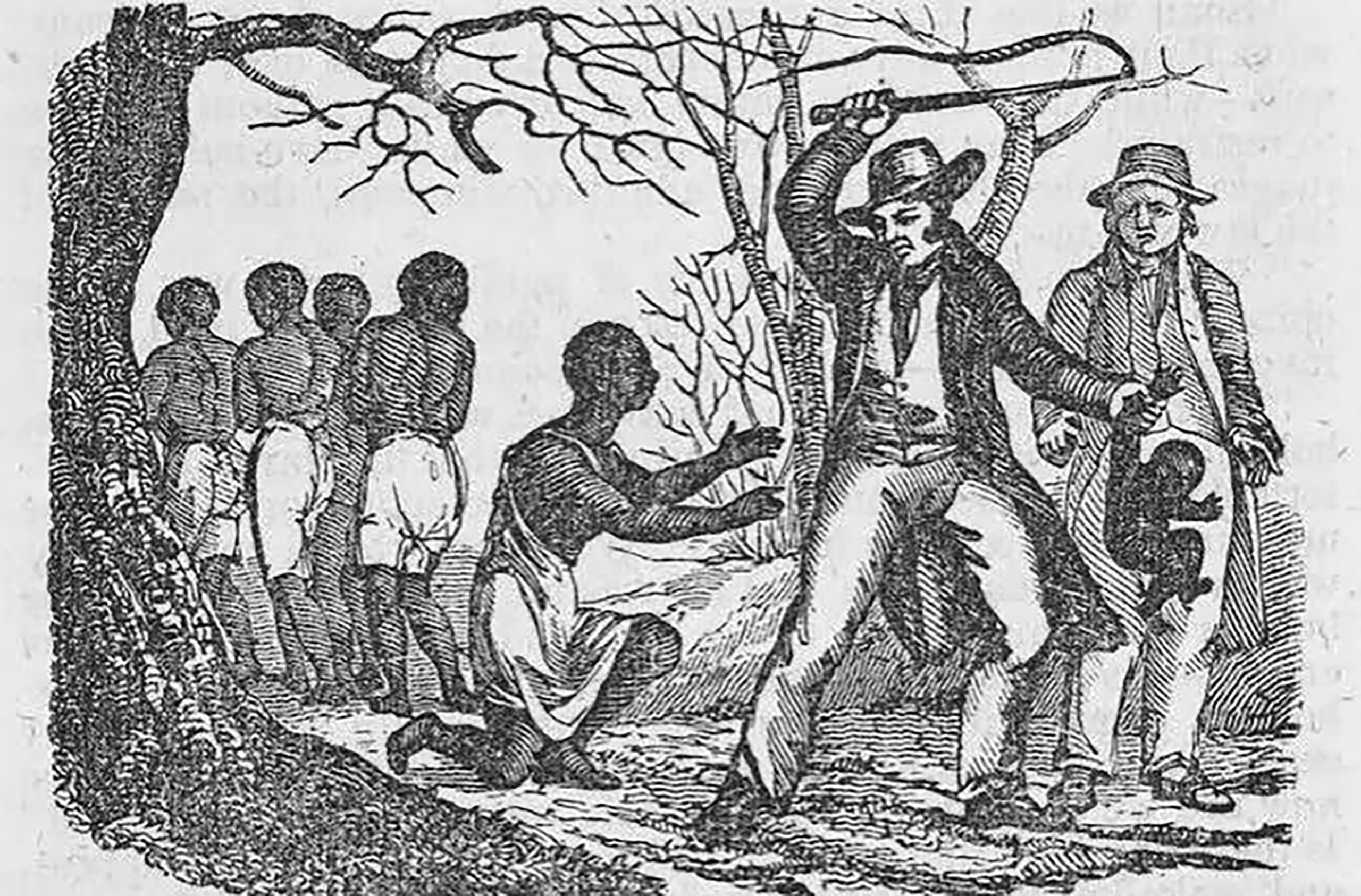
The Most Significant Map for Healing
Leo XIV is the first pope who has condemned slavery and apologized for the role that the Church played in it. The testimony of a black American Catholic Priest.
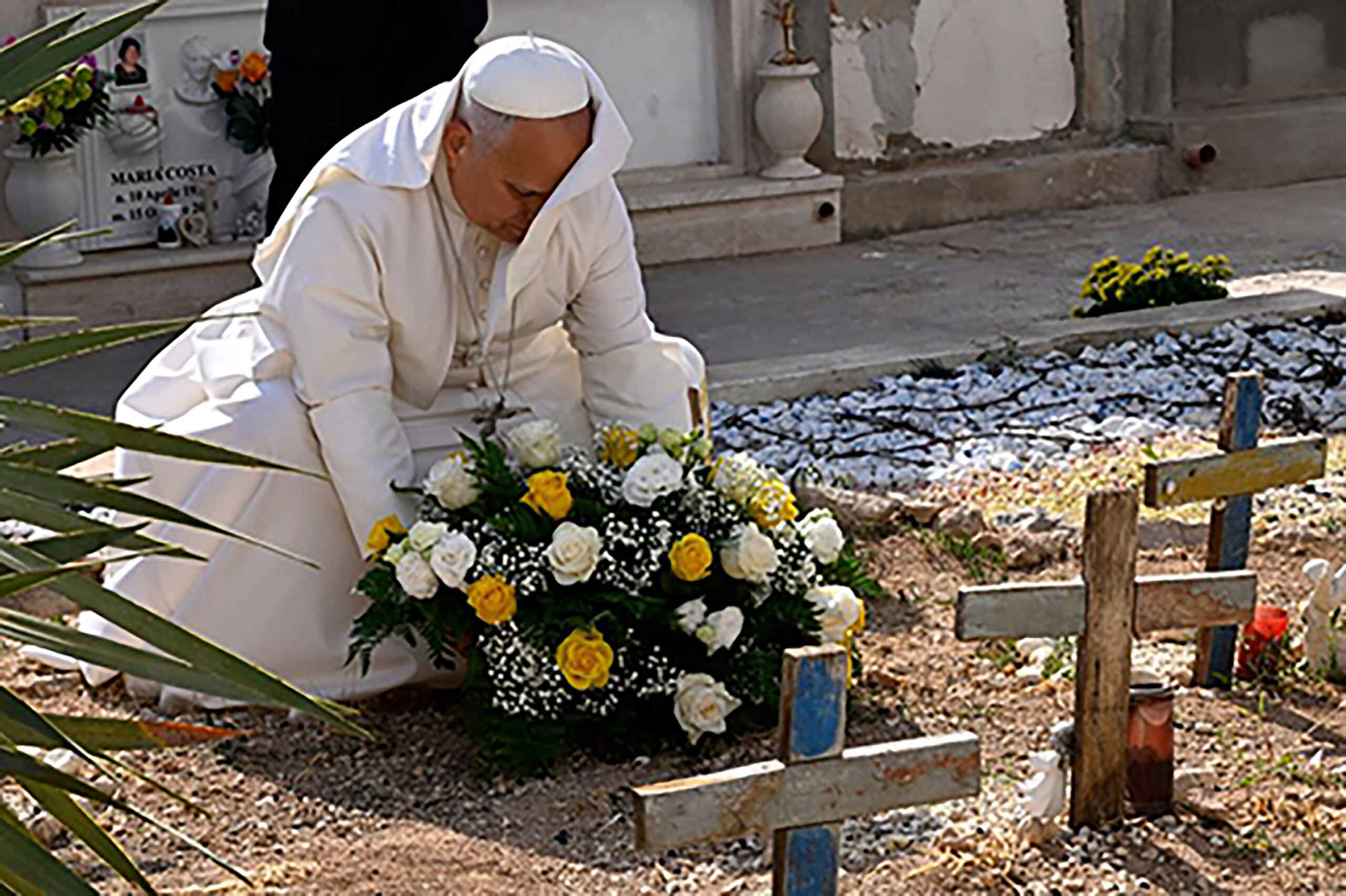
A Heartfelt Call to Compassion
During his visit to the island of Lampedusa, Pope Leo XIV condemned the brutal treatment of migrants and refugees and the loss of life at sea and urged the world to concretely and compassionately respond to the “enormity of suffering”.
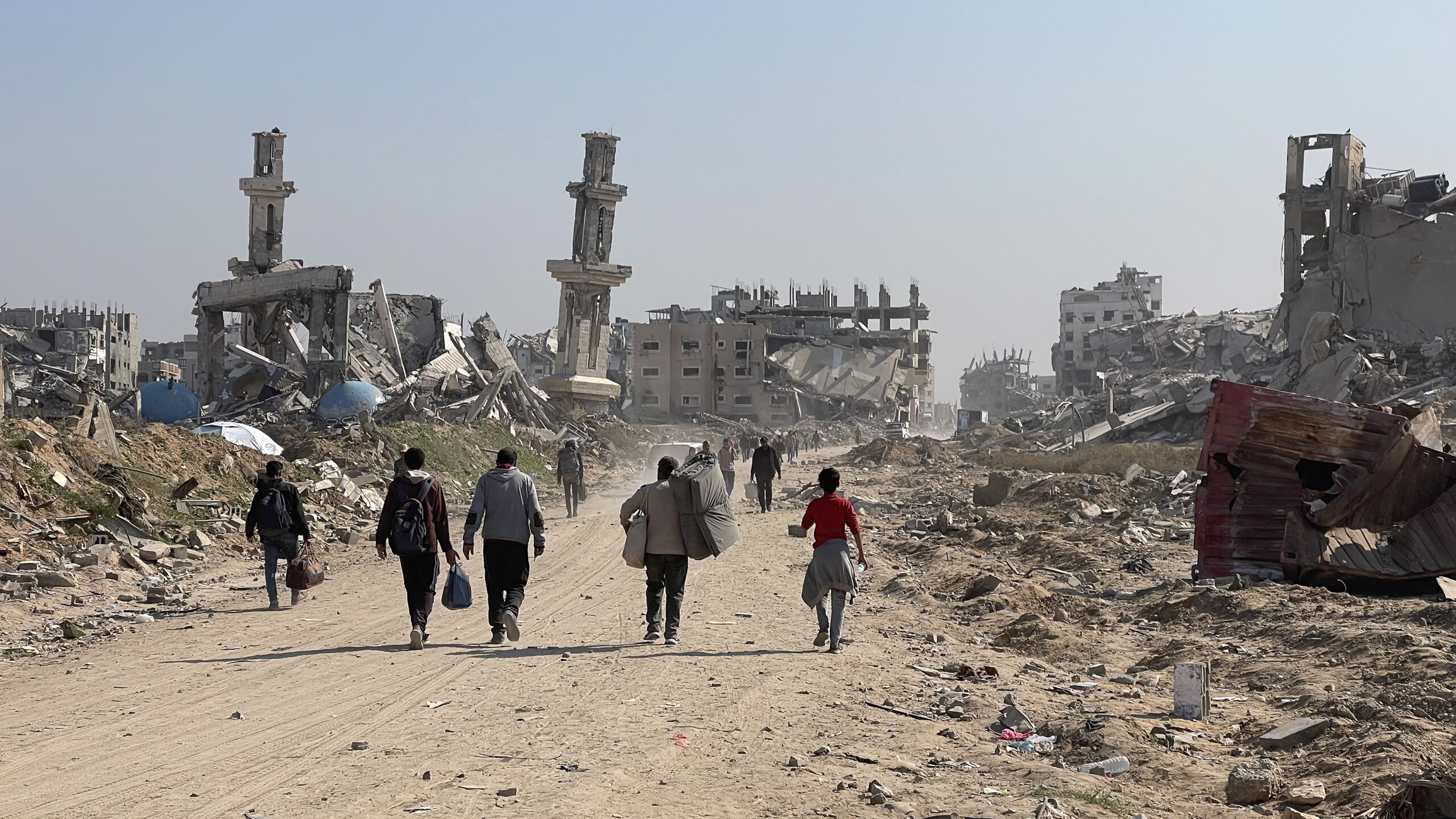
Obstruction of Aid in Gaza Is a Grave Violation of Humanitarian Law
The Holy See has reaffirmed its support for UNRWA at the United Nations, calling for the protection of civilians and humanitarian workers and unhindered aid delivery in Gaza.
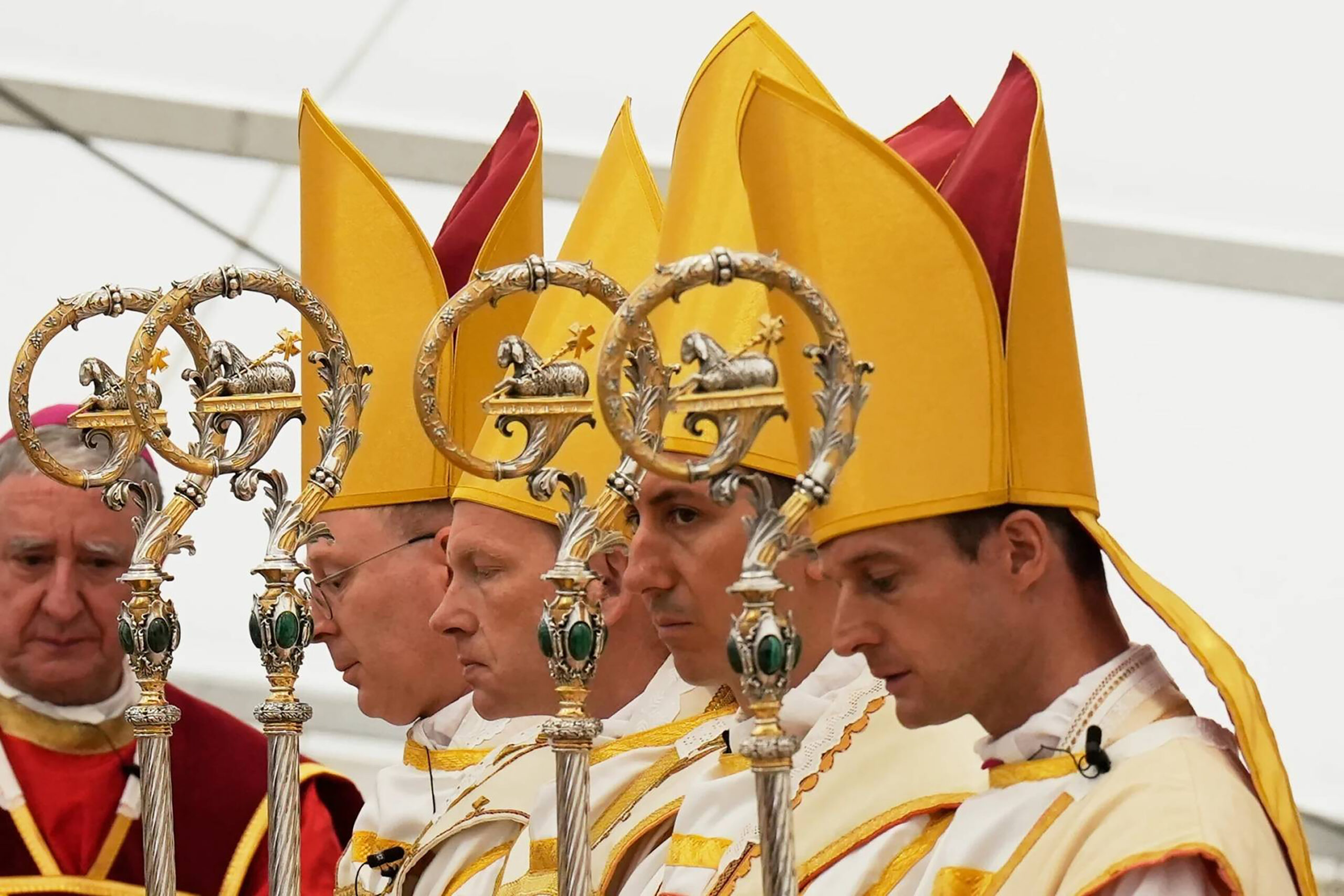
The Society of St Pius X Is Excommunicated
The Society of St Pius X has consecrated four bishops without the Pope’s mandate and has been automatically excommunicated.