
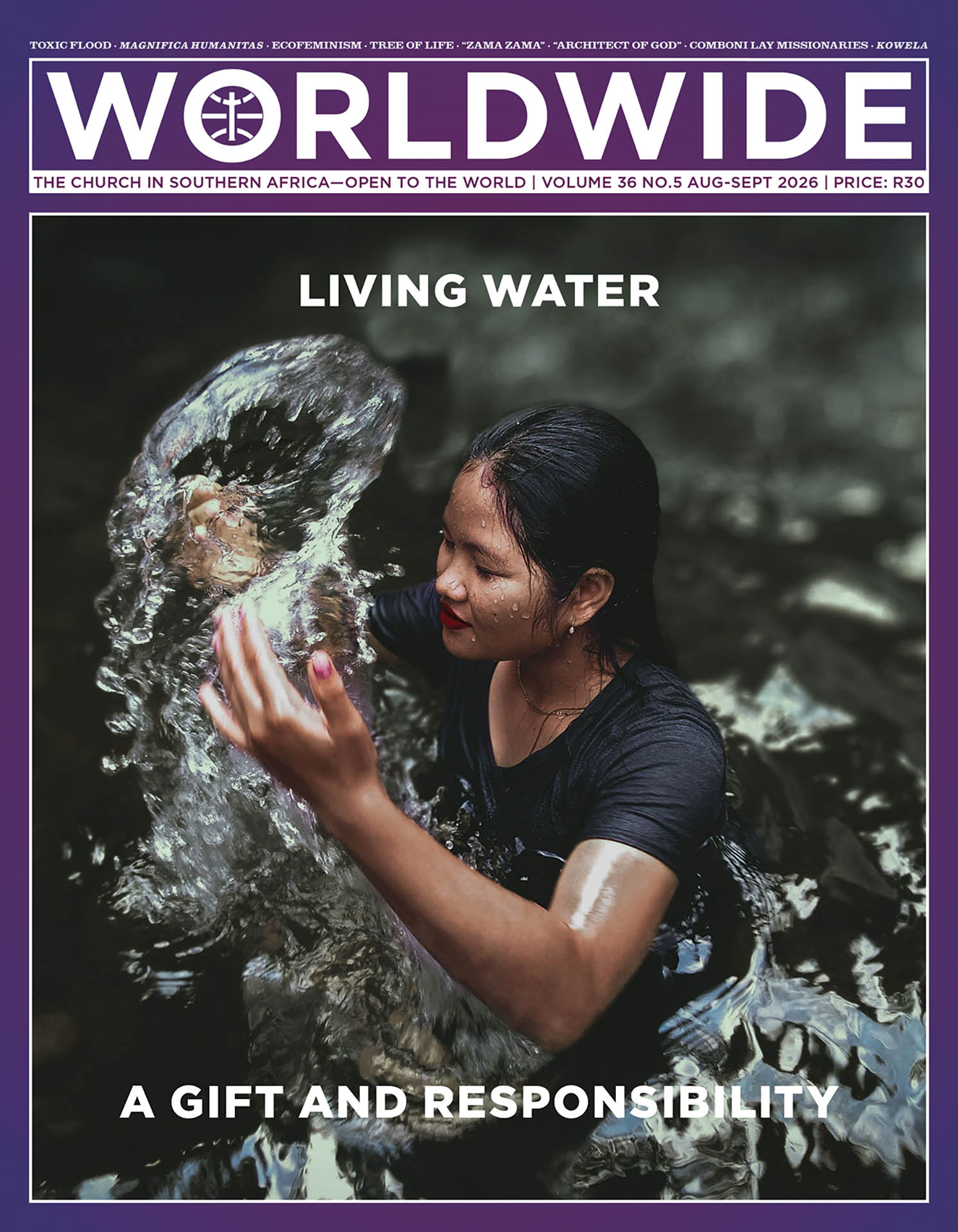
LIVING WATER
Every act of care for creation becomes part of a global stream of hope.
The cover page is inspired by the 2026 Season of Creation theme. In this season, our hope is that “Christians would be immersed in the living water flowing from the throne of God, stepping in deeper and deeper, inspired by the Spirit of God, working together for the renewal of Creation”
(Cf seasonofcreation.org).
Reflection • Invaluable Land

Credit: Anh Nguyen / Pexels
Even the Stones Will Cry Out: A Reflection on Land, Mining and Justice in South Africa
In this article, the author reflects on the challenging issue of land in South Africa. Through and with the Church, he explores how land can become a path to reconciliation and human flourishing.
BY Fabian Ashwin Oliver | Youth Minister, Johannesburg
THE QUESTION of land remains one of South Africa’s deepest moral, political, and theological challenges. Shaped by colonial conquest, mineral wealth and the enduring legacy of inequality, it continues to echo in today’s realities of economic exclusion and unresolved justice.
The Harvest Is Plentiful, but the Labourers Are Few
When Jesus speaks these words (Matthew 9:37), he is speaking of God’s mission. Looking upon the crowds with compassion, he sees a world longing for healing, justice, mercy and hope. He calls disciples to enter God’s harvest and participate in the work of restoring creation.
Those same words invite us to reflect on our own history. When we think of harvest in Africa, we think of abundance. This continent has been richly blessed. Its rivers run deep, its soil bears fruit, its mountains are laden with minerals, and its landscapes proclaim the generosity of God. South Africa, in particular, is a land of extraordinary richness.
Yet our history is also the story of what happens when God’s abundance becomes the object of conquest:
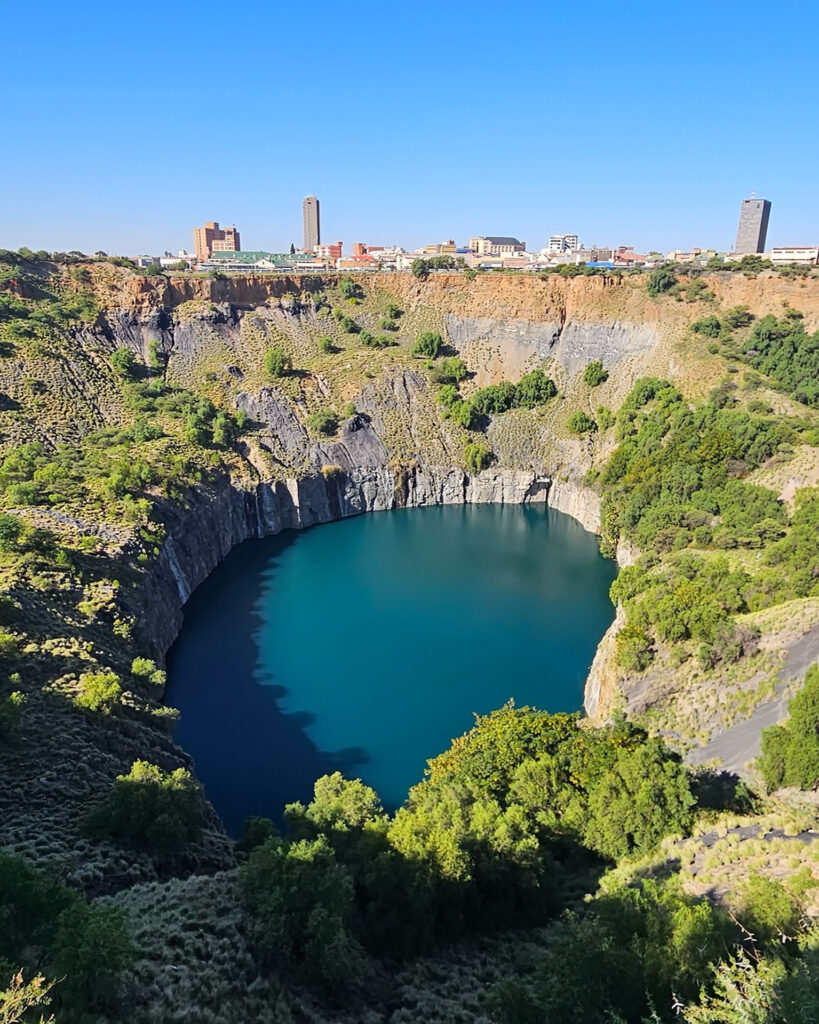
In 1867, a young boy named Erasmus Jacobs was playing beside the Orange River near Hopetown in the Cape Colony when he picked up an unusual stone. It glittered unlike the others. That stone was later identified as a diamond, and its discovery transformed South Africa forever. Soon afterwards, vast gold deposits were discovered on the Witwatersrand, giving birth to Johannesburg and fuelling one of the world’s largest mining economies (Turrell 1987:1).
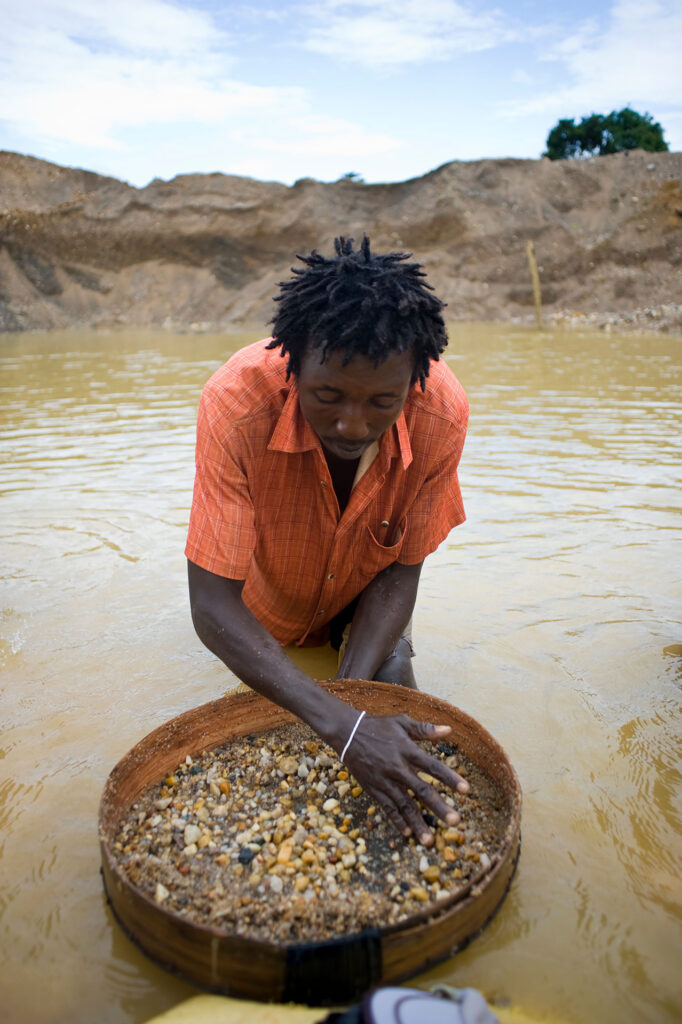
Credit: Sheku Koroma / Pexels
But wealth required labour. Colonial systems devised structures that forced African communities into wage labour. Hut taxes, introduced in Natal in 1849, compelled families to earn cash just to remain on their land. Men (at first) left their homes, families, and communities to work in mines under harsh conditions. What had once been self-sustaining communities increasingly became dependent on an economy built upon dispossession (Gwaindepi 2013:3).
As South Africa’s wealth grew, so too did the inequality. Then, in 1913, the Natives Land Act was passed which dispossessed Black South Africans of most of their land and confined the majority of the population to a small fraction of the country. Land became concentrated in the hands of a minority, while generations were denied access to the very source of livelihood, dignity, and belonging.
By 1948, apartheid formalised what colonialism had already established. Segregation became law. It is also important for Christians to acknowledge that apartheid was deeply intertwined with Christian nationalism. Scripture was distorted in order to legitimise racial domination, while sections of the Church remained silent or complicit.
Coal became central to this story. Following the discovery of gold, coal was needed to power the mines, industries and railways that sustained South Africa’s economic growth. Together, mining and energy formed what is known as the Minerals-Energy Complex.
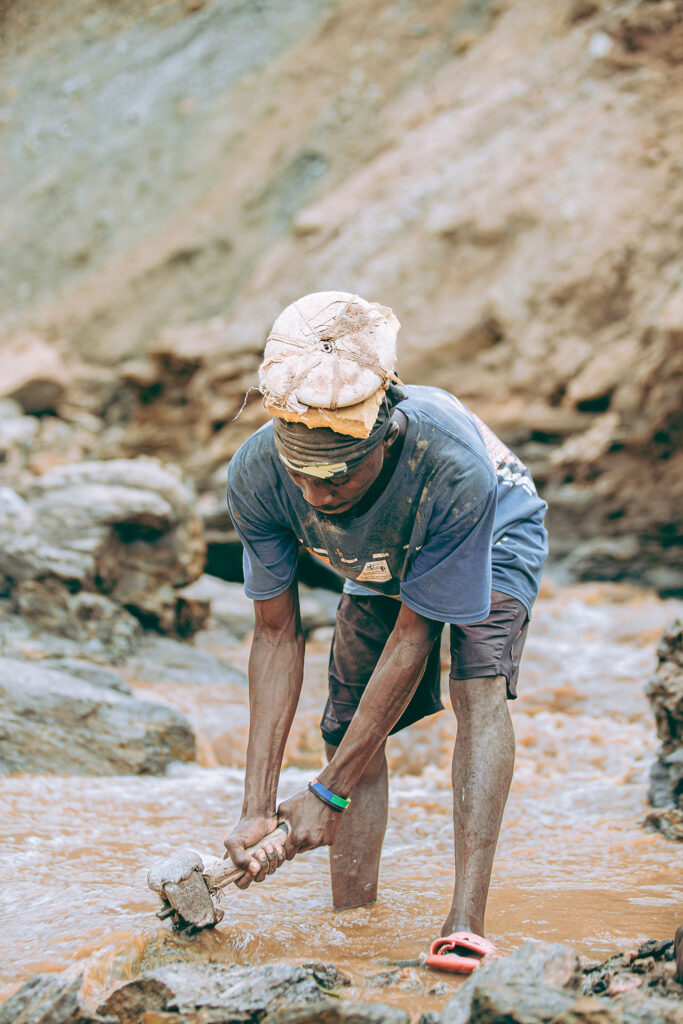
Unending Inequality
The consequences remain with us today. South Africa continues to be one of the most unequal societies in the world. The legacies of colonialism and apartheid are still evident in patterns of land ownership, racialised poverty, gender inequality, migrant labour and unequal access to economic opportunity. The structures that once extracted cheap labour continue, in many ways, to shape contemporary life.
It is also important for Christians to acknowledge that apartheid was deeply intertwined with Christian nationalism.
One manifestation of this reality is the phenomenon of illegal mining. Thousands of zama zamas enter abandoned or disused mines in search of survival. Operating within dangerous informal economies, many are exploited by criminal syndicates, exposed to violence, and forced to work in life-threatening conditions.
The tragedy at Stilfontein open mine between late 2024 and early 2025 revealed the human cost of this crisis. As part of Operation Vala Umgodi (isiZulu for “close the hole”), police authorities cut off food and water supplies in an attempt to force illegal miners to surface and face prosecution. The result was a humanitarian catastrophe that ended with rescue operations recovering survivors alongside dozens of dead bodies (Gastrow 2026).
Illegal mining undoubtedly causes enormous financial losses and presents serious security and health challenges. Criminal syndicates must be confronted, and communities deserve protection from violence. Yet Christians are also compelled to ask a deeper moral question: What does it mean to call one form of mining illegal while overlooking the historical violence through which land, labour, and mineral wealth were acquired through conquest? Can we confront present criminality without also standing up to addressing/challenging the injustices upon which our economy was built?
If the roots of inequality remain untouched, can justice truly be achieved through minor reforms alone? Or are we called to imagine a fundamentally different economy, an economy of life rather than extraction, of dignity rather than exploitation, of communion rather than conquest?
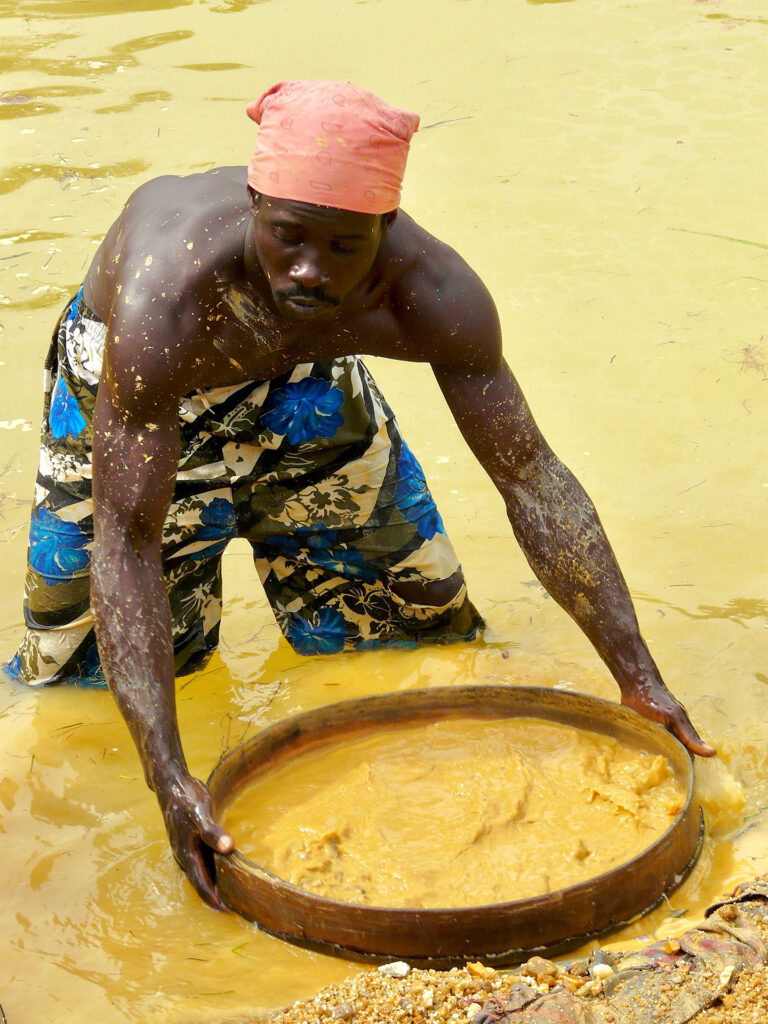
Towards Land Theology: ‘Even the Stones Will Cry Out’
When Jesus entered Jerusalem, he did so in a land marked by Roman occupation, oppressive taxation, and the concentration of wealth and power. His words were spoken into a world where questions of land, justice and human dignity were far from abstract. It was here that he declared, “If these were silent, the stones would cry out” (Luke 19:40). In South Africa, the stones cry out in another voice. They bear witness to land taken, communities uprooted, families divided, and generations denied the dignity of belonging. The land remembers. The earth itself becomes a witness before God.
The Christian tradition reminds us that the earth does not ultimately belong to governments, corporations or individuals. “The earth is the Lord’s, and everything in it” (Psalm 24:1). Humanity has been entrusted not with ownership in an absolute sense, but with stewardship.
The Church cannot stand outside this history. Like many institutions, churches accumulated land through colonial and missionary expansion. That land often became the site of schools, hospitals, and ministries that served local communities, yet it also forms part of a painful historical legacy. Faithfulness requires not denial, but honest self-examination.
Illegal mining undoubtedly causes enormous financial losses and presents serious security and health challenges.
Since the Rustenburg Declaration of 1990, and through the witness of the South African Catholic Bishops’ Conference, many churches have recognised this responsibility. They have called for the examination of church-owned land, for support for just restitution where appropriate, and for a renewed commitment to land as God’s gift for the flourishing of all rather than the privilege of a few. This vision insists that land is far more than a commodity. It is the foundation of life, identity, memory and community. The concentration of land and wealth in the hands of a minority while millions remain dispossessed, is not only an economic problem; it is a profound moral and theological challenge (Lephoto 2020:1-5).
At the same time, justice cannot end with restitution alone. Restoring land without restoring livelihoods, ecological sustainability, and human dignity leaves the work unfinished. Reconciliation demands relationships that are healed: between neighbours, between communities, between humanity and creation, and ultimately between humanity and God.
Pope Francis reminded the Church that “the cry of the earth and the cry of the poor” are the same. This insight remains profoundly relevant for South Africa. The exploitation of land and the exploitation of people have always gone hand in hand.
The Church must therefore continue its prophetic vocation. It must ask difficult questions about who has access to God’s gifts, who remains excluded from the abundance of creation, and what justice demands in a society still scarred by dispossession. To proclaim that the land belongs to God is also to affirm that God’s Kingdom leaves no one landless, voiceless or forgotten.
The harvest is indeed plentiful. The question remains whether we, as the Church, are willing to become labourers in God’s work of justice, reconciliation and the restoration of the land.
References
- Gastrow, V. 2026. ‘Stilfontein disaster exposed a systemic failure to gather and act on information.’ Daily Maverick. Available from: https://www.dailymaverick.co.za/article/2026-01-21-stilfontein-disaster-exposed-a-systemic-failure-to-gather-and-act-on-information/
- Gwaindepi, A. 2023. Taxation in Colonial Africa. African Economic History Network Working Paper. Available at: https://www.aehnetwork.org/wp-content/uploads/2023/10/Abel-Gwaindepi-Taxation-in-colonial-Africa-2.pdf
- Holy Bible, Gospel of Matthew (Mt 9:37)
- Holy Bible, Gospel of Luke (Lk 19:40)
- Holy Bible, Book of Psalms (Ps 24:1)
- Lephoto, M.B. 2020. ‘The restitution of Roman Catholic Church land to indigenous people in post-apartheid South Africa: 1994–2014.’ HTS Teologiese Studies/Theological Studies, 76(1):1–9. https://doi.org/10.4102/hts.v76i1.560
- Pope Francis, Encyclical Letter Laudato Si’
- Rustenburg Declaration (1990)
- Turrell, R. 1987. Capital and Labour on the Kimberley Diamond Fields, 1871–1890. Cambridge: Cambridge University Press.
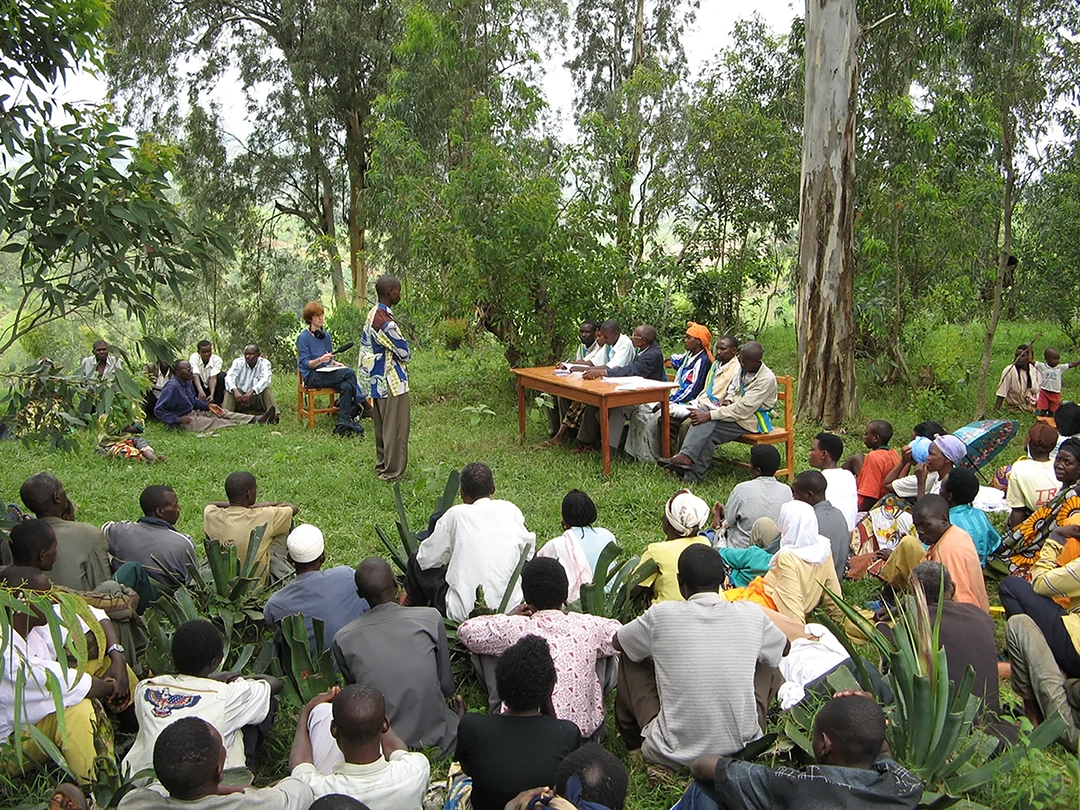
Reimagining Non-Violence From Below: African Communitarian Ethics As A Source And Resource For Grassroots Peacebuilding
The discourse on non-violence is pertinent, given the ongoing wars worldwide, which affect the global community. It is particularly relevant for the African continent, where many countries have experienced years of post-independence conflicts.