
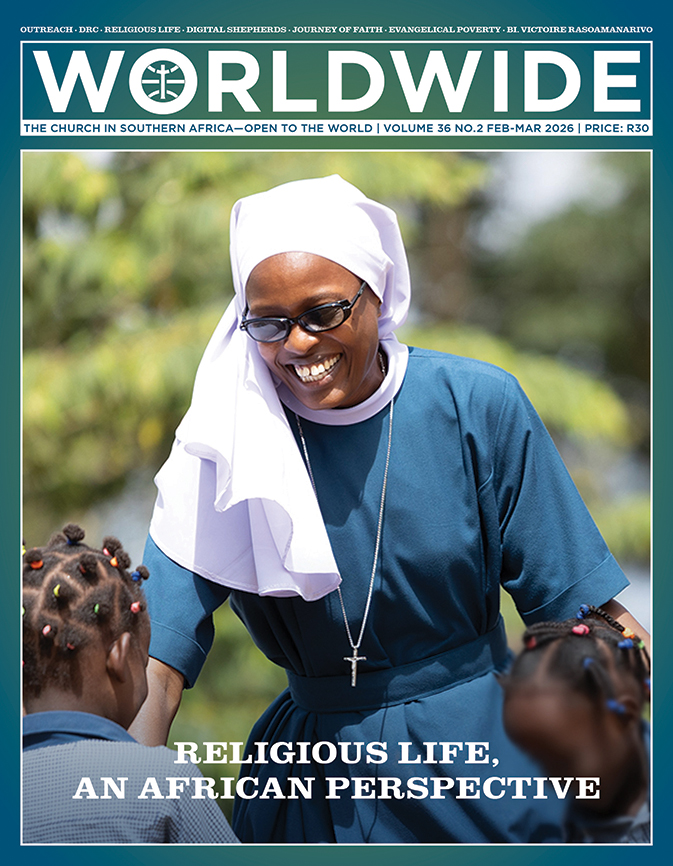
Religious Life, AN African Perspective
The Immaculate Heart Sisters of Africa (IHSA) is a Catholic religious congregation focused on education, evangelization, and empowering vulnerable women and girls, particularly against harmful practices like Female Genital Mutilation (FGM) and child marriages. The cover photo shows a member of the IHSA congregation playing joyfully with children in the Gerald Goldin Memorial Day Care and Nursery School, which they opened in 2022 in Kisarawe, Tanzania.
RADAR
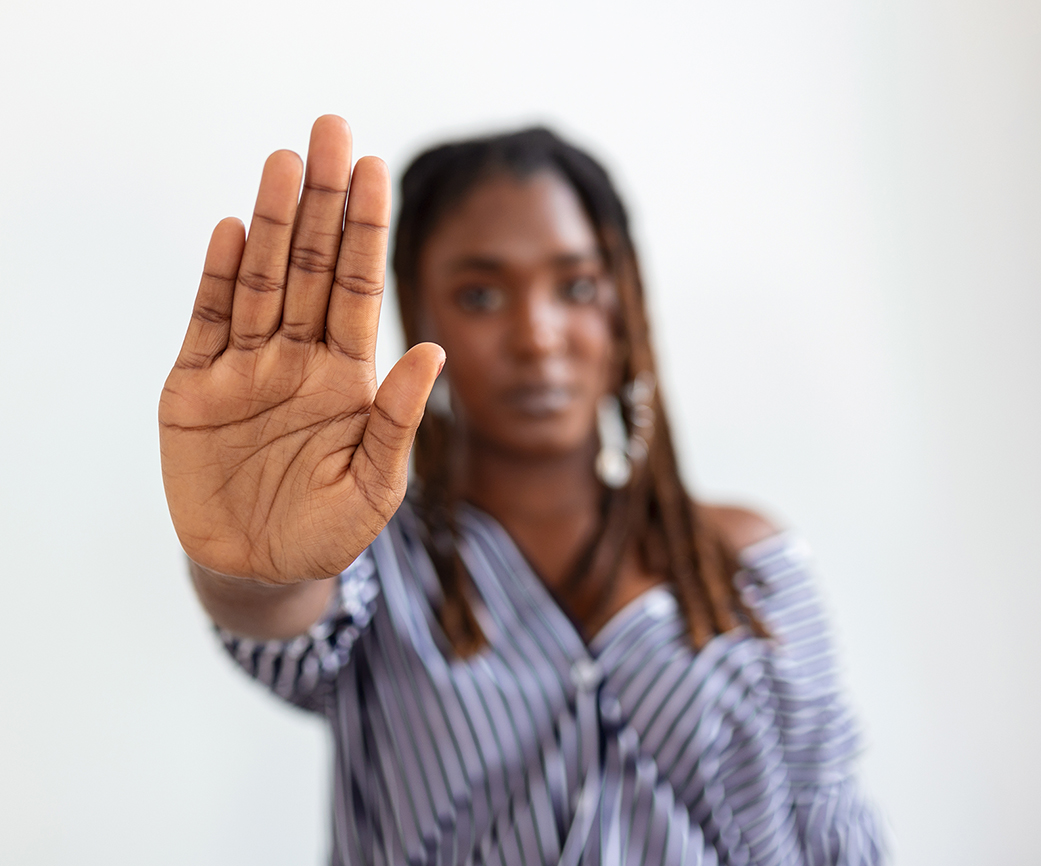
SOUTH AFRICA DECLARED GENDER-BASED VIOLENCE A NATIONAL DISASTER. BUT HOW WILL FRONTLINE WORKERS BE KEPT SAFE?
Social workers are often the first to arrive at scenes of gender-based violence and femicide. They often enter unsafe homes without backup or protective equipment.
BY Lucé Pretorius | Senior Lecturer in Social Work, North-West University
SOUTH AFRICA has some of the highest rates of gender-based violence in the world. Femicide is the murder of girls and women and in South Africa this is nearly five times that of the global average. The country’s police recently recorded more than 10,000 rape cases in one quarter. These are reported cases; many rape cases are never reported.
The government has now invoked the Disaster Management Act to classify gender-based violence and femicide a national disaster. Previously, the country used this legislation to respond to natural and public health emergencies like droughts, floods and the COVID-19 pandemic. Using it for a social crisis marks a significant shift: the declaration allows faster coordination across departments, accelerated resource allocation and emergency measures that would not otherwise be possible. Yet a critical aspect of the crisis remains almost invisible in public debate: the people tasked with responding to incidents who themselves face violence, fear and chronic stress.
Social workers, community workers and other practitioners must mediate conflict in small, overcrowded rooms. They must comfort distressed children and try to stabilise volatile situations long before police or emergency teams arrive. Most undertake these visits without protective gear, without an escort and without consistent safety protocols. As a social worker, my research into the problem makes it clear that South Africa cannot reduce gender-based violence and femicide without acknowledging this reality: its frontline workforce is absorbing the immediate impact of the crisis. No national response can succeed while the people upholding the system remain unprotected.
What the response to gender-based violence and femicide looks like
Referrals come from neighbours, schools, clinics, community forums and emergency rooms. Once a referral is made, it is assigned to a social worker or similar practitioner through the provincial Department of Social Development or a designated child protection organisation. A risk assessment must be conducted within the home. These visits take place in formal or informal settlements, backyard dwellings or rural homesteads.
Gender-based violence and femicide is shaped by unequal, gendered power. Women make up the majority of care-sector employees. In the public health system, 78% of the workforce is female so women make up a significant share of the social services workforce.
Studies show that female practitioners face higher rates of threats, intimidation and physical aggression than men, when intervening in domestic violence and child protection cases. These risks emerge from longstanding gender expectations and power dynamics, particularly in spaces where a woman’s authority is resisted or seen as a threat. In South Africa, the strain is intensified by high caseloads, chronic staff shortages and uneven access to supervision or structured debriefing. The country has less than half the social workers it needs. When workers are overwhelmed or fearful, case progression slows. Children stay in unsafe homes for longer. Survivors wait for help. The success of any national gender-based violence and femicide strategy depends on the wellbeing of the frontline.
The declaration creates an opportunity
The South African Council for Social Service Professions has long emphasised safe working conditions, ethical practice and adequate supervision. These are not administrative preferences. They are essential safeguards. Yet South Africa’s safety measures remain uneven. Protocols differ between provinces. Access to psychosocial support is inconsistent. Many practitioners have come to rely on personal coping strategies. The national disaster declaration offers a chance to change this by enabling faster coordination and targeted investment.
Why this moment matters
Declaring gender-based violence and femicide a national disaster is an important step. But declarations do not protect women, children or frontline workers. The country now has an opportunity to redesign its response system.
Protecting frontline workers is central to reducing violence. If South Africa protects those who protect others, every link in the response chain is strengthened. If it does not, the cracks already visible on the frontline will widen – and those who need protection most will suffer the consequences first.
Source: theconversation.com
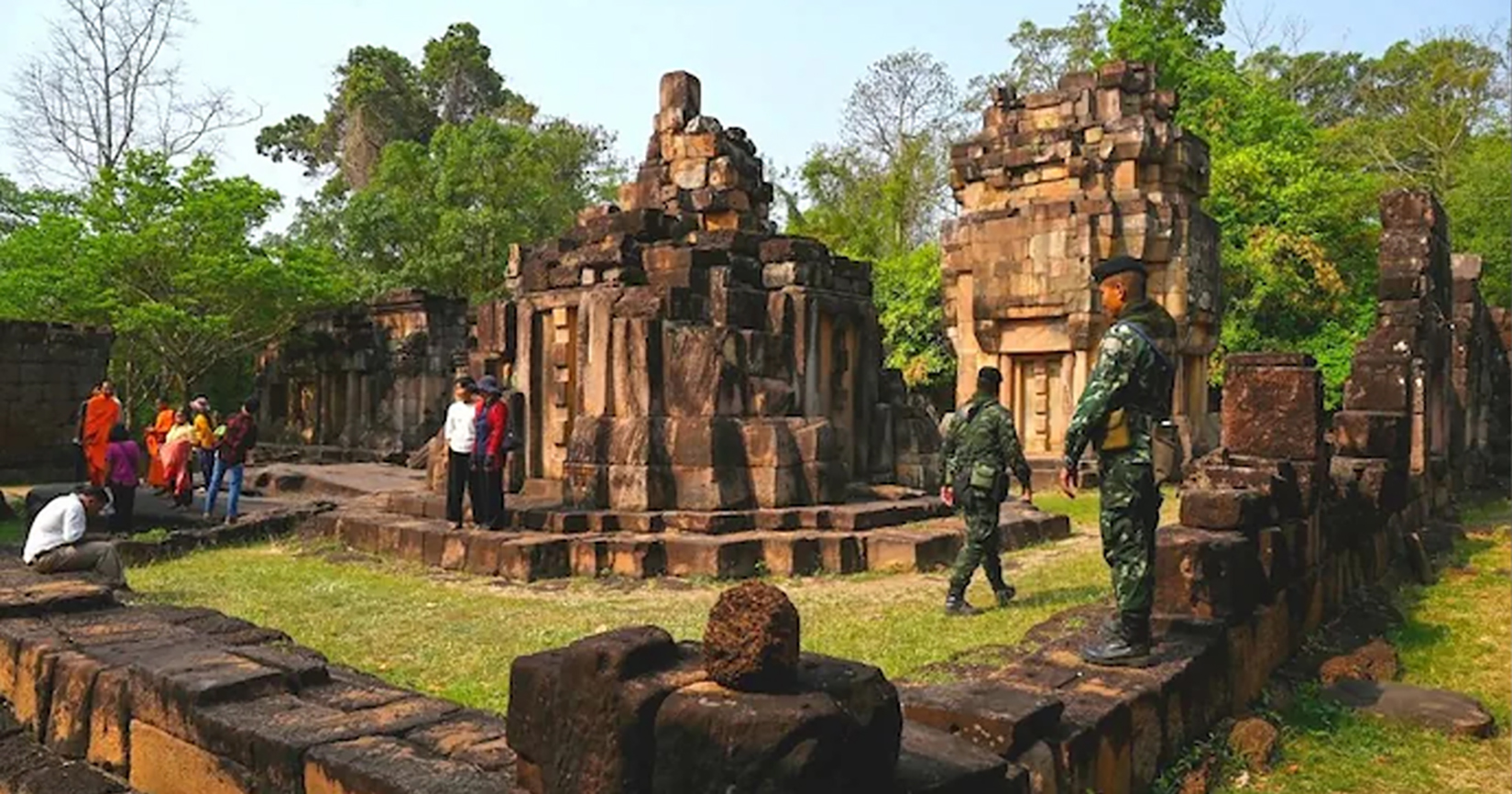
CONFLICTS IN ASIA: CATHOLIC COMMUNITIES FOR RECONCILIATION
Amidst high- and low-intensity conflicts that continue to cause death and suffering across the Indian
subcontinent to Southeast Asia, Catholic communities are calling for reconciliation and fraternity.
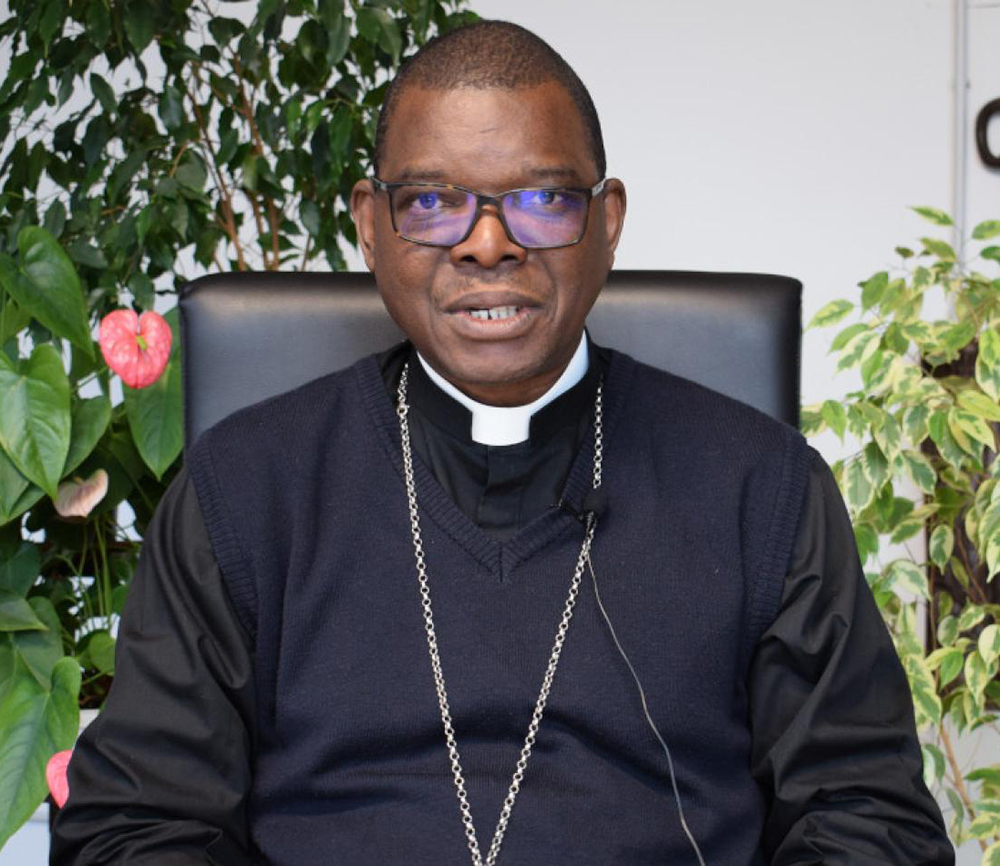
POPE LEO XIV CREATES NEW CATHOLIC DIOCESE IN MOZAMBIQUE, APPOINTS COMBONI BISHOP AS PIONEER LOCAL ORDINARY
Pope Leo XIV has created the Catholic Diocese of Caia in Mozambique, and appointed Bishop António Manuel Bogaio Constantino, who has been serving as Auxiliary Bishop of the country’s Beira Catholic Archdiocese, as its pioneer Local Ordinary.
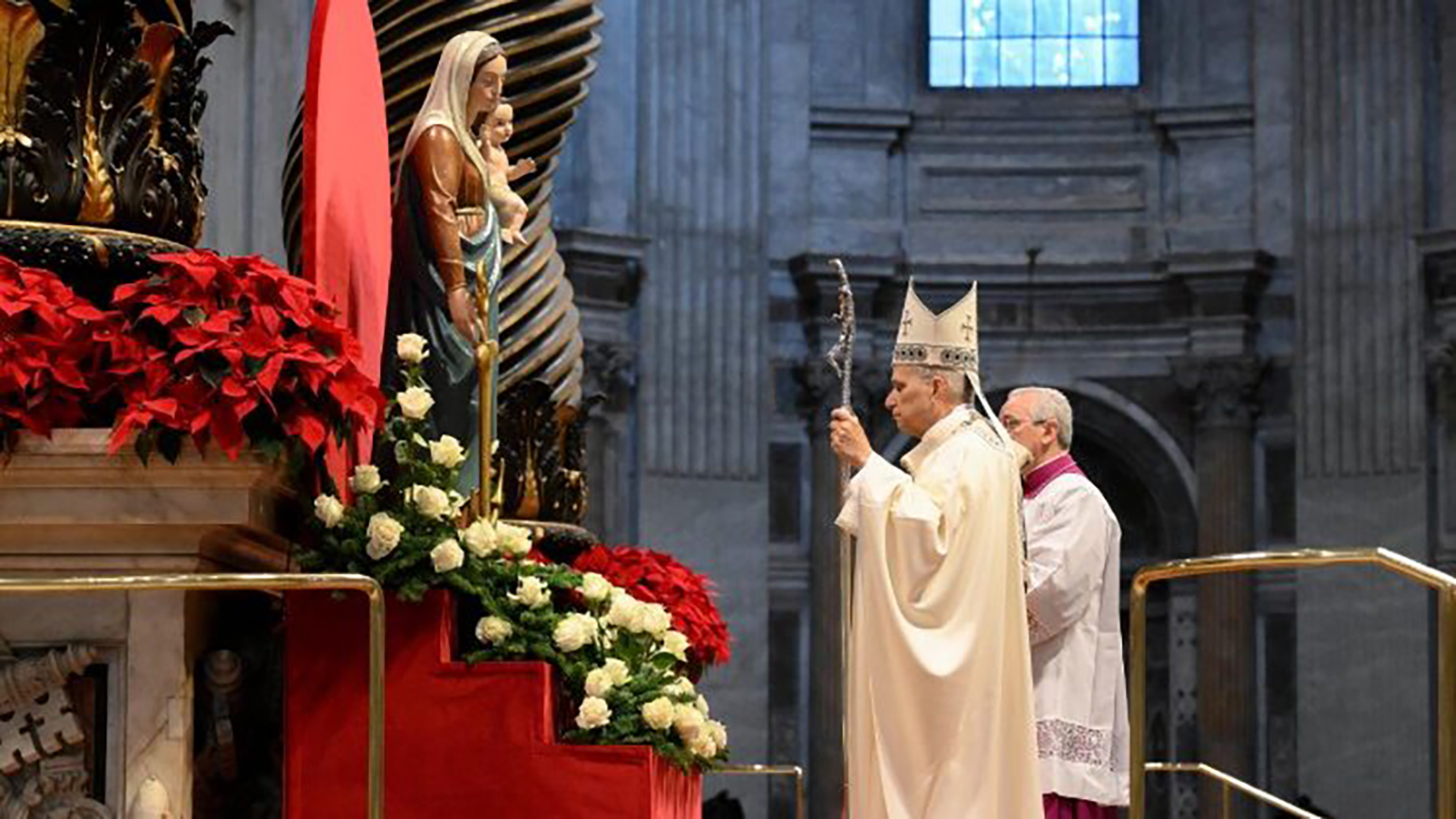
POPE: THE NEW YEAR IS ‘A JOURNEY TO BE DISCOVERED
Pope Leo XIV celebrated his first public Mass of 2026 on the Solemnity of Mary, Mother of God, telling believers that Mary has revealed the ‘unarmed and disarming’ face of God.
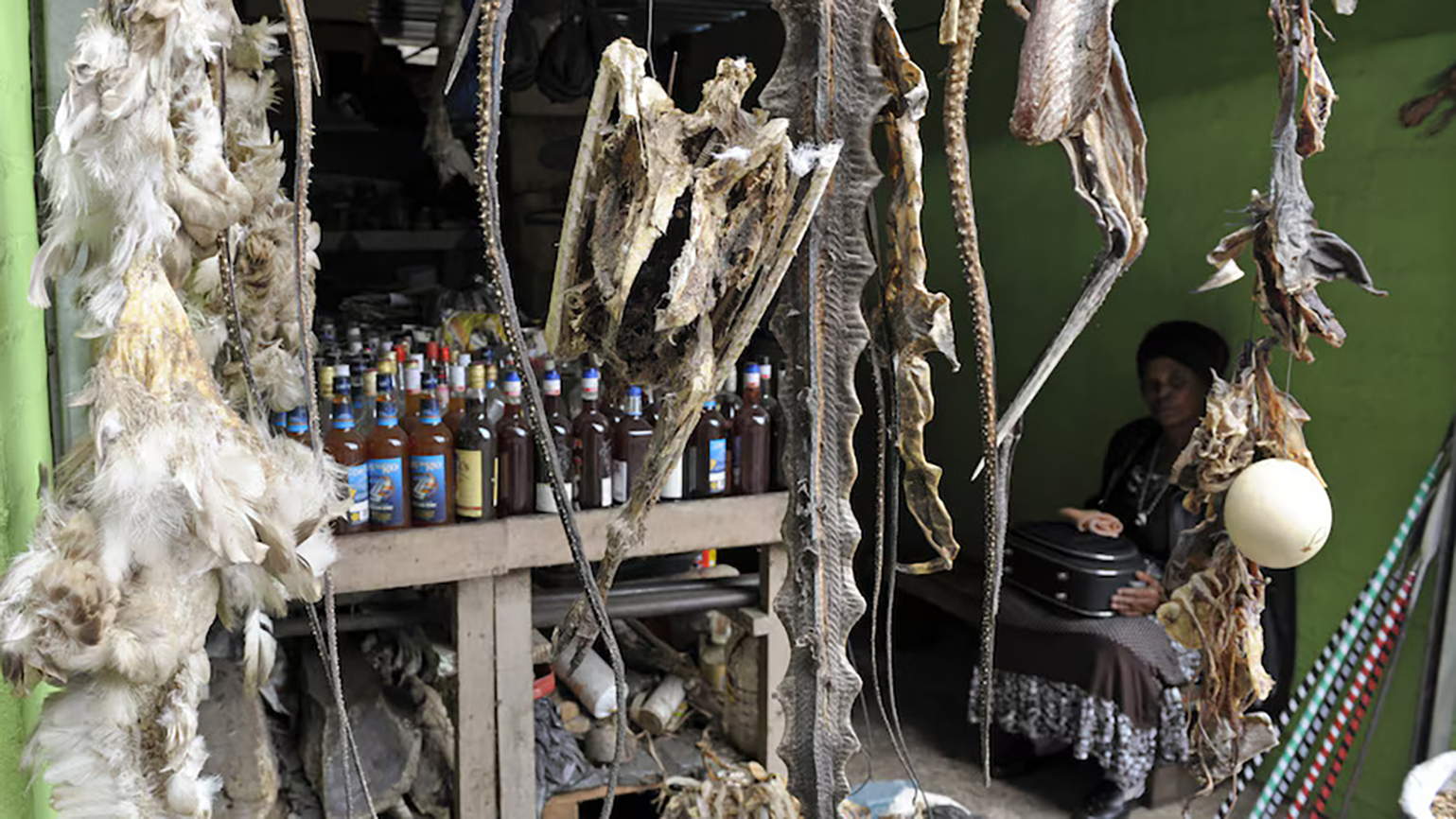
TRADITIONAL HEALERS NEED HUNTERS TO MAKE SAFE, SUSTAINABLE MUTI
Traditional healers often rely on poaching or dodgy markets to obtain medicinal ingredients. Joining hands with the hunting sector is a solution.