
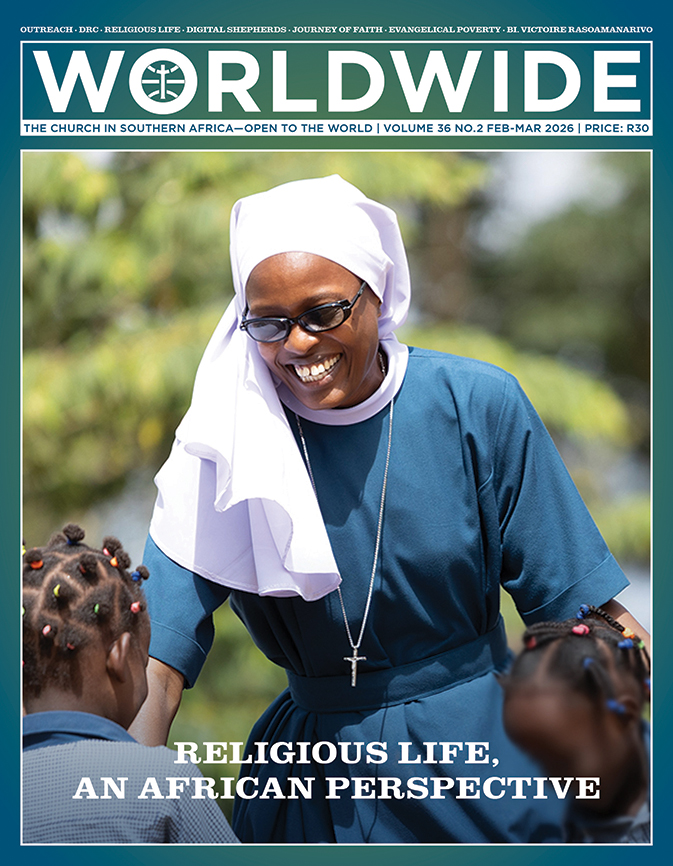
Religious Life, AN African Perspective
The Immaculate Heart Sisters of Africa (IHSA) is a Catholic religious congregation focused on education, evangelization, and empowering vulnerable women and girls, particularly against harmful practices like Female Genital Mutilation (FGM) and child marriages. The cover photo shows a member of the IHSA congregation playing joyfully with children in the Gerald Goldin Memorial Day Care and Nursery School, which they opened in 2022 in Kisarawe, Tanzania.
RADAR
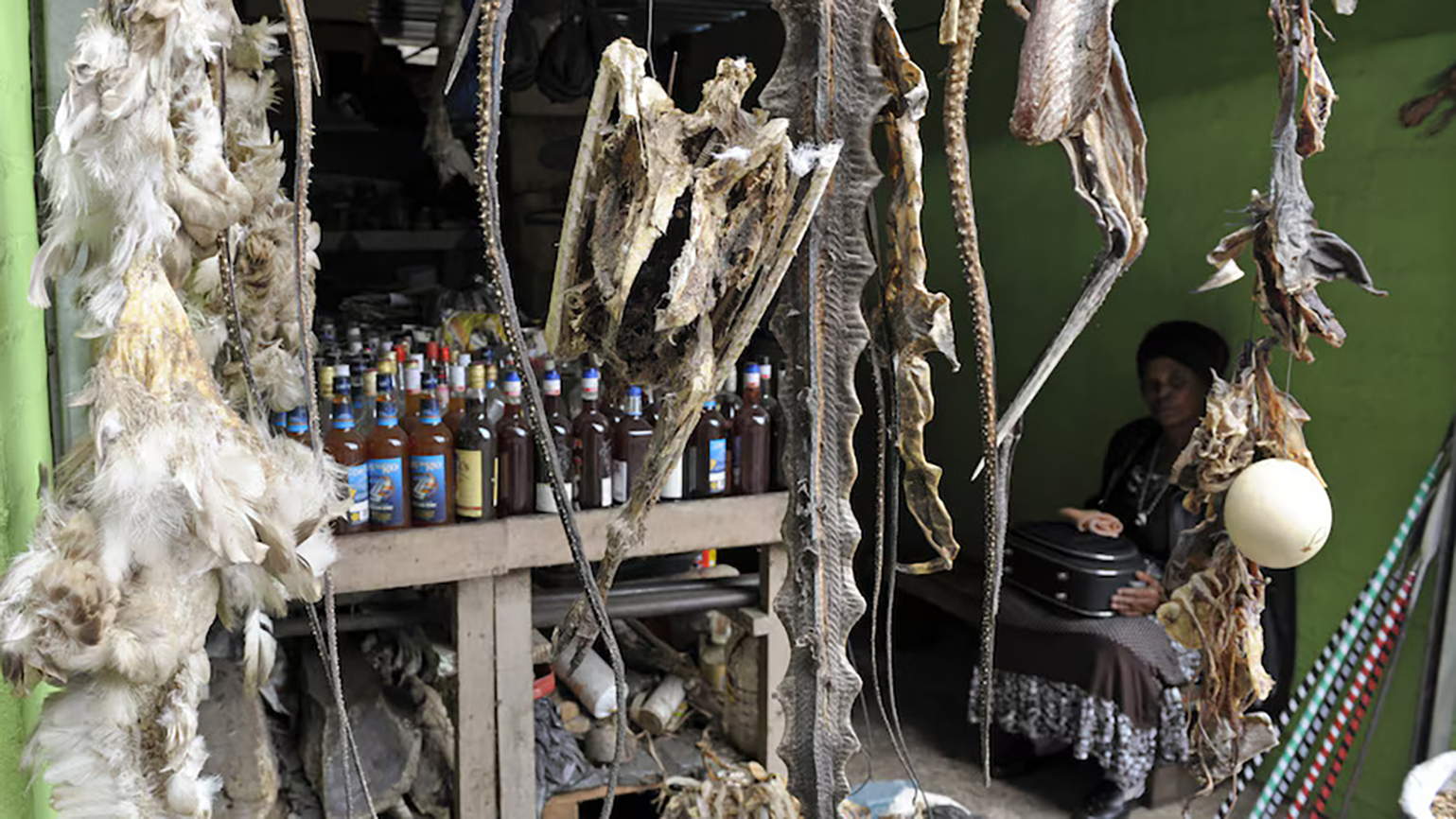
TRADITIONAL HEALERS NEED HUNTERS TO MAKE SAFE, SUSTAINABLE MUTI
Traditional healers often rely on poaching or dodgy markets to obtain medicinal ingredients. Joining hands with the hunting sector is a solution.
BY Ed Stoddard | JOHANNESBURG
A GRASSROOTS traditional healer organisation is building bridges with South African hunters to legally obtain muti products in a sustainable way, an initiative that throws the largely white, middle-class concerns of animal rights activism into sharp relief.
At the recent annual conference of the Custodians of Professional Hunting and Conservation near Rawsonville in the Western Cape, Gogo Nomsa Sibeko, who heads the Pretoria-based non-profit Nature Speaks and Responds, delivered a presentation titled “The role of the hunting value chain in supporting traditional healers”. It was a call for collaboration between the hunting industry and traditional healers.
“The hunting value chain can strengthen sustainable cultural practices… Biodiversity loss and illegal wildlife trade demand responsible alternatives,” Sibeko told the conference. She has been a traditional healer for 20 years and holds a BCom degree in economics from the University of KwaZulu-Natal.
Daily Maverick interviewed Sibeko on the sidelines of the conference, and her message was clear: traditional healers need wild animal parts to practise their craft and 21st-century animal rights and welfare activism is alien to her culture.
“We don’t have an anti-hunting standpoint because our people have always hunted. That is why you have medicines that require wild animals – and that in itself requires hunting. So, we can never be part of the anti-hunting brigade,” she said.
Sibeko said some of the ingredients sourced in muti markets were suspect, so transparency was essential.
“Having a collaboration with legal hunters will stop us from obtaining the wrong items because if you don’t know what the fat of a lion looks like, you take any fat. We go to muti markets to get what we are looking for.” Traditional healers make use of all animal parts: fat is used to enhance medicine and skin from animals such as kudus is used for the drums played to invoke the spirits. Bones and teeth have a range of applications.
“We also want to turn traditional healers into citizen scientists. We can gather information for the scientists. We go to every river, we go to every mountain, we go to every veld. Who better to gather information for scientists than ourselves?” Sibeko said.
Science, spiritualism and cents
This is an area where science and spiritualism intersect. Sibeko, who is Swazi, said traditional healing was a calling. “You first get a calling and the family knows about the fact that you’ve had a calling. You get it from birth; you’re born with it. You may not know yourself but your family does,” she said.
“And when the time was right the ancestors communicated with me through dreams and visions, and through other people, that the time had come for me to be initiated.”
“I resisted at first because nobody wants to get into the fraternity, because it’s hard to be a traditional healer.”
It is also a livelihood, and hunting and traditional medicine have what is known in the business world as “synergies”. According to one recent study, which has its critics, South Africa’s hunting industry generates about R45-billion annually.
The traditional medicine trade was estimated in a 2007 study at being worth some R2.9-billion, but this may have been an underestimate, and it is clearly significant and growing. However, there does not seem to be any recent estimate of the value of the trade.
In a society with glaring levels of inequality and a looted and crumbling public health sector, there will always be demand for traditional medicine – a demand that also speaks to deeply rooted cultural and spiritual practices that are at odds with Western animal rights activism.
This demand must be met and Sibeko and her organisation want to meet it with legally and sustainably sourced wild animal products.
Source: Daily Maverick
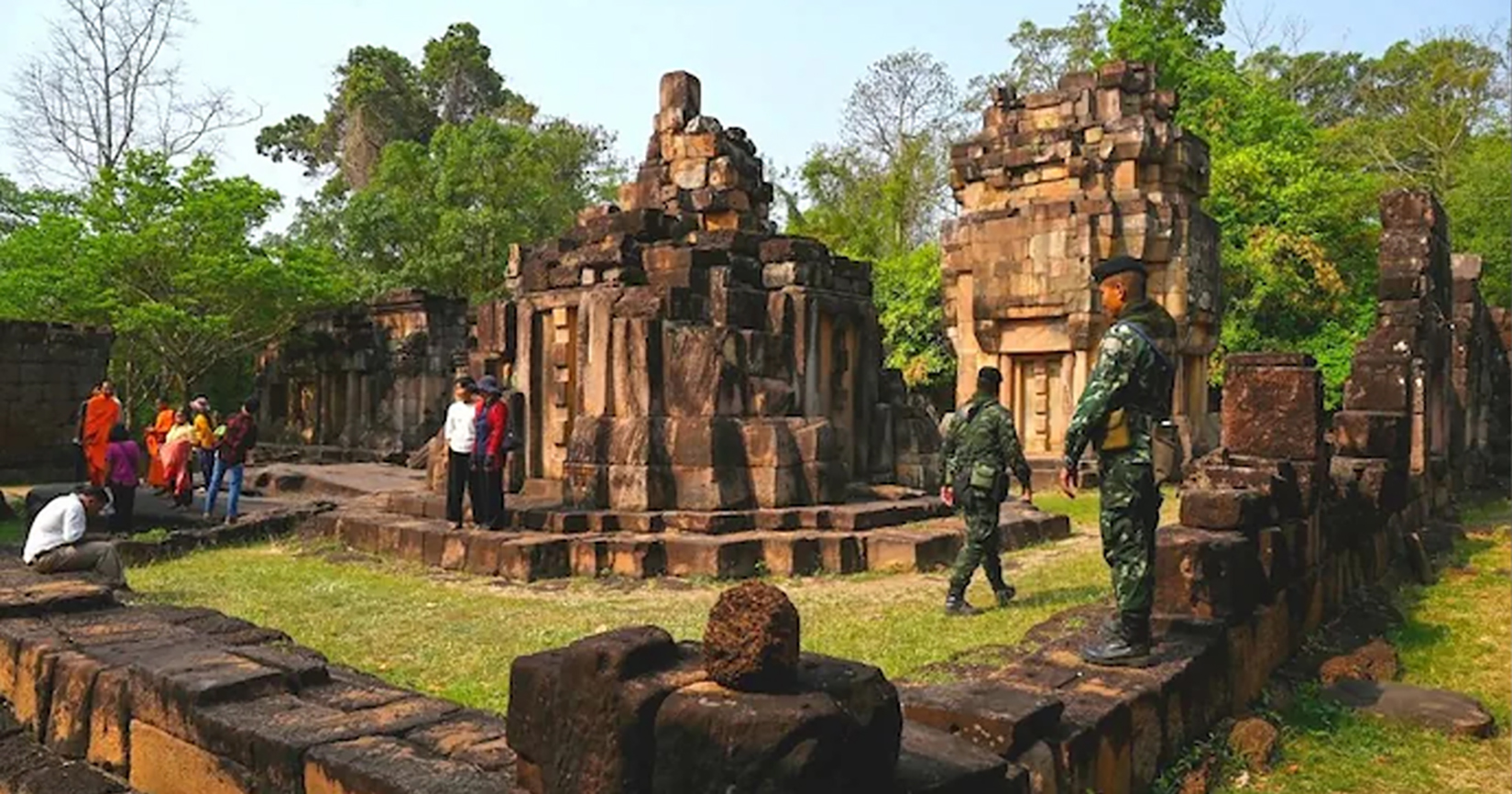
CONFLICTS IN ASIA: CATHOLIC COMMUNITIES FOR RECONCILIATION
Amidst high- and low-intensity conflicts that continue to cause death and suffering across the Indian
subcontinent to Southeast Asia, Catholic communities are calling for reconciliation and fraternity.
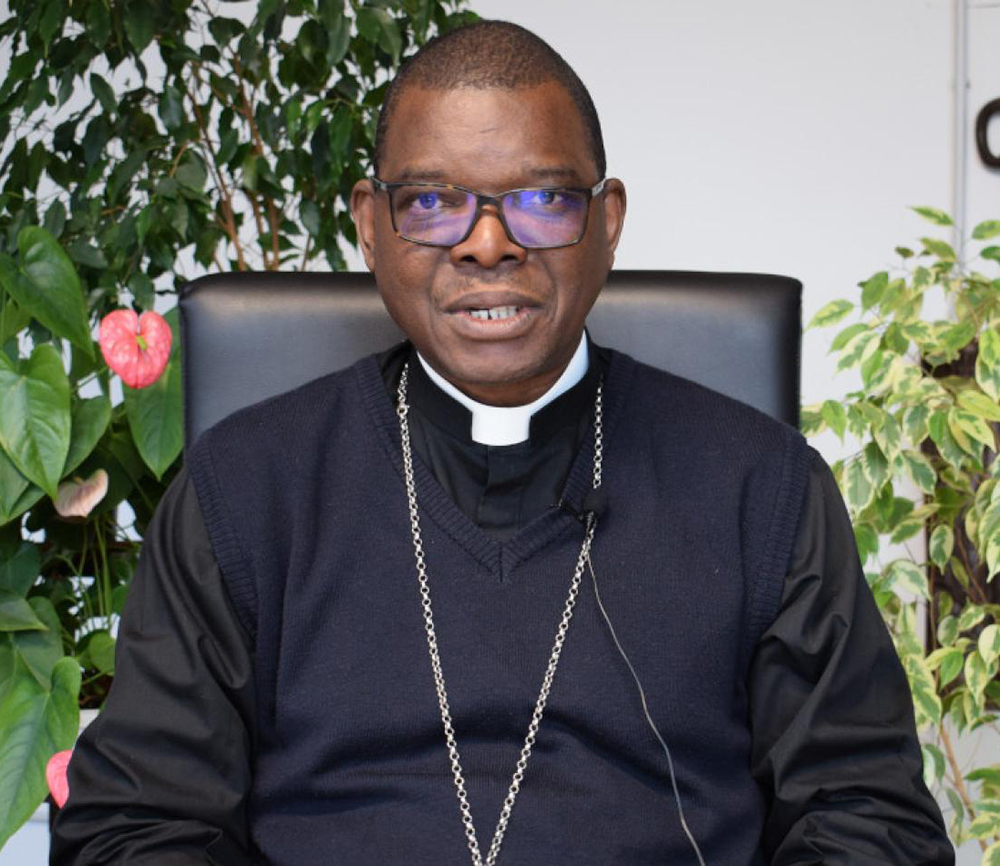
POPE LEO XIV CREATES NEW CATHOLIC DIOCESE IN MOZAMBIQUE, APPOINTS COMBONI BISHOP AS PIONEER LOCAL ORDINARY
Pope Leo XIV has created the Catholic Diocese of Caia in Mozambique, and appointed Bishop António Manuel Bogaio Constantino, who has been serving as Auxiliary Bishop of the country’s Beira Catholic Archdiocese, as its pioneer Local Ordinary.
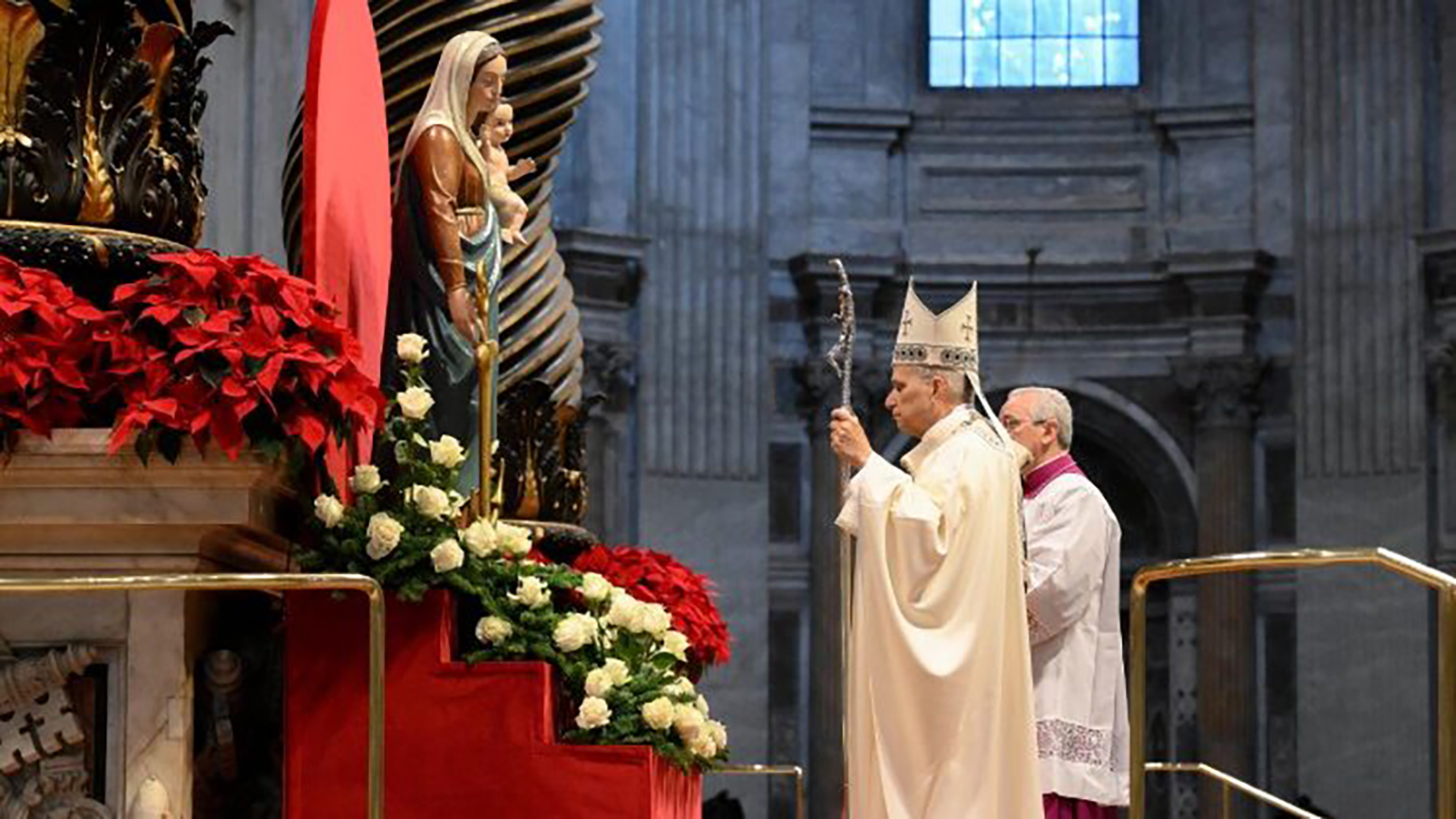
POPE: THE NEW YEAR IS ‘A JOURNEY TO BE DISCOVERED
Pope Leo XIV celebrated his first public Mass of 2026 on the Solemnity of Mary, Mother of God, telling believers that Mary has revealed the ‘unarmed and disarming’ face of God.
SOUTH AFRICA DECLARED GENDER-BASED VIOLENCE A NATIONAL DISASTER. BUT HOW WILL FRONTLINE WORKERS BE KEPT SAFE?
Social workers are often the first to arrive at scenes of gender-based violence and femicide. They often enter unsafe homes without backup or protective equipment