
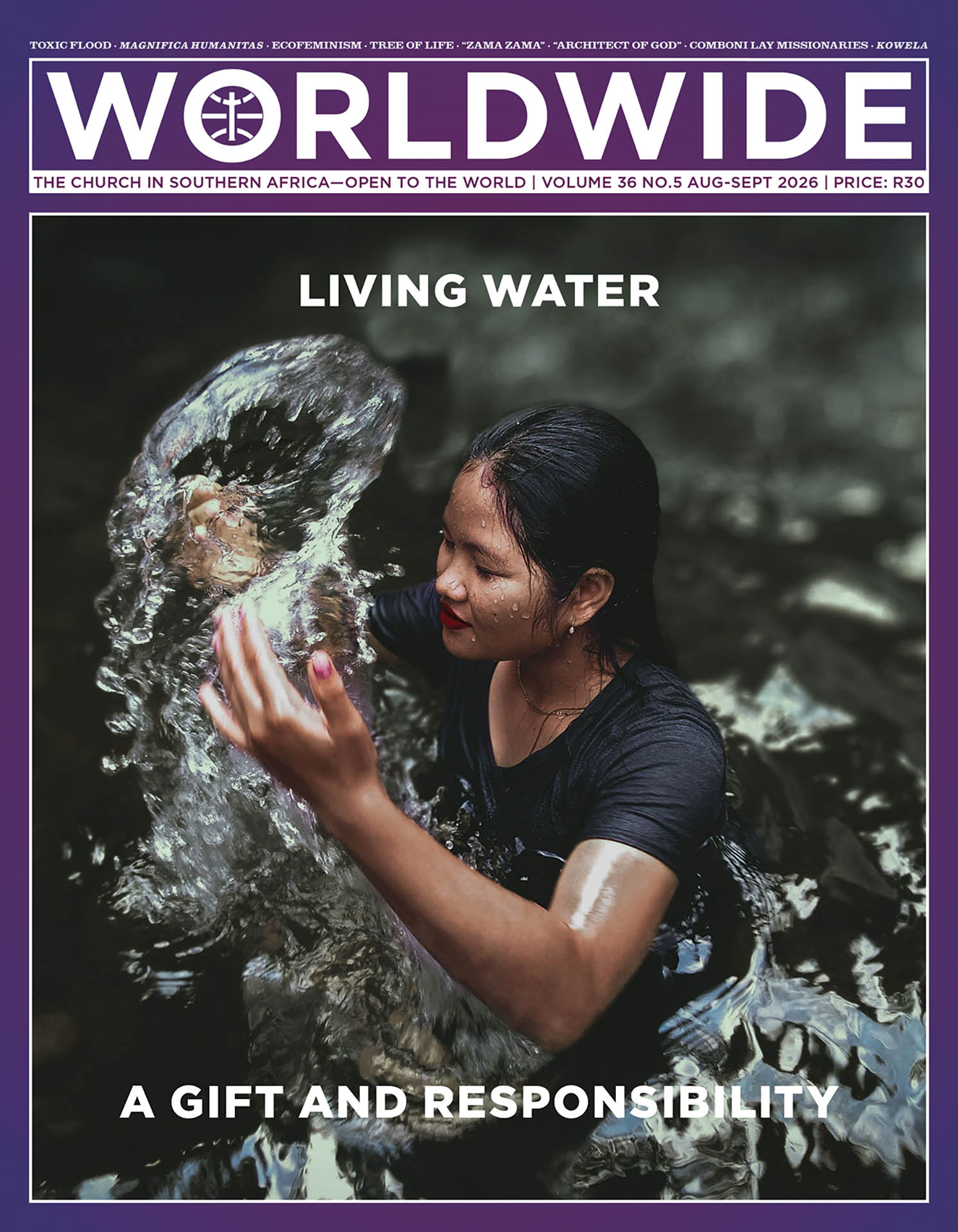
LIVING WATER
Every act of care for creation becomes part of a global stream of hope.
The cover page is inspired by the 2026 Season of Creation theme. In this season, our hope is that “Christians would be immersed in the living water flowing from the throne of God, stepping in deeper and deeper, inspired by the Spirit of God, working together for the renewal of Creation”
(Cf seasonofcreation.org).
INSIGHTS
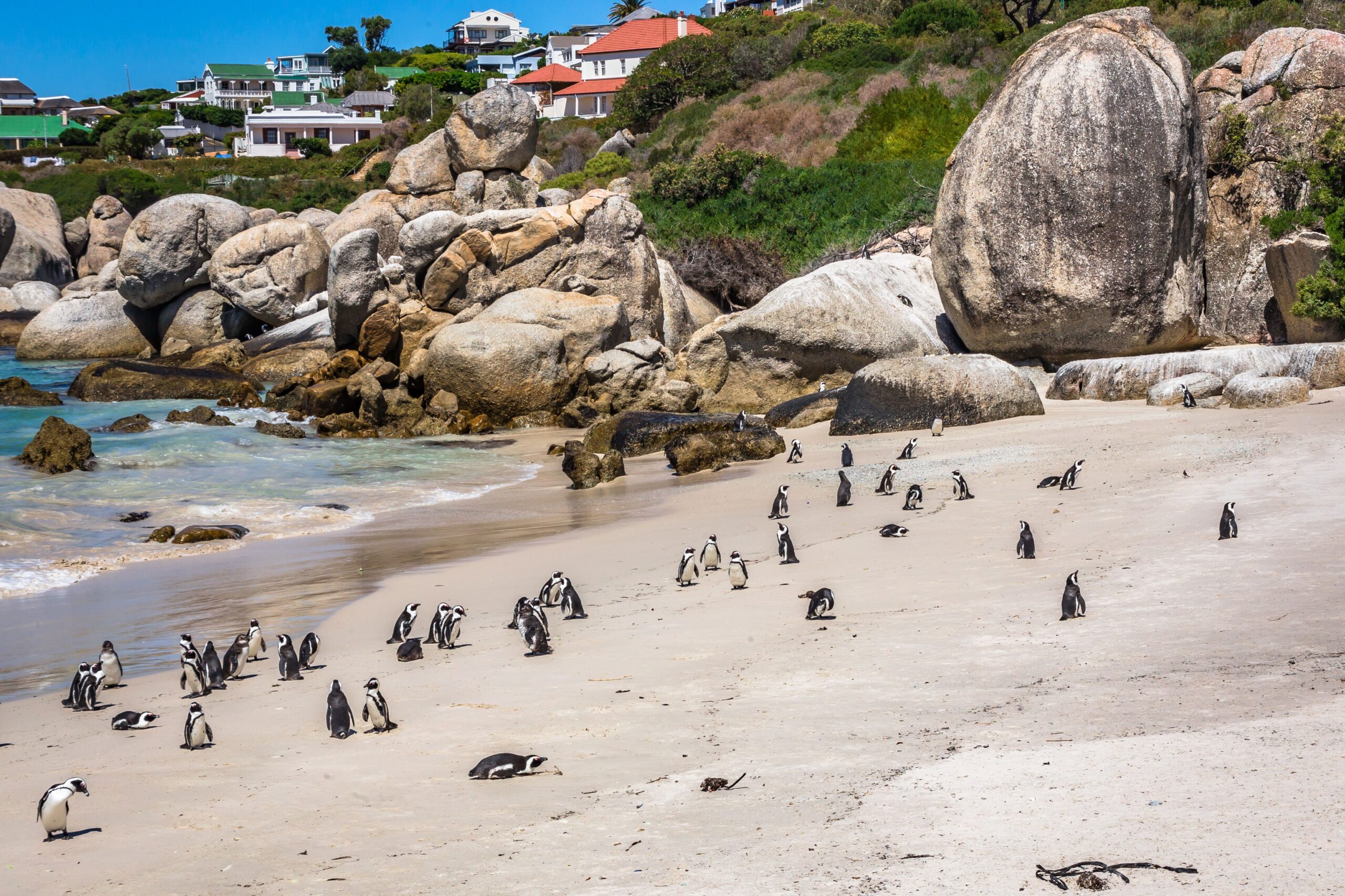
surrounded by large rocks and a vibrant backdrop. Credit: Joseph Phillips/pexels.com
No Way to Treat a Mother
BY Mike Pothier | Programme Manager, SACBC Parliamentary Liaison Office, Cape Town
WHEN WE think of the environment, the natural world around us, it is climate change and global warming that comes to mind increasingly. Every day we hear of a new climate-related disaster – huge wildfires in Australia and America, extreme flooding in India and China, unbearable heatwaves in previously temperate parts of Europe.
Our focus on climate change is understandable, and we certainly need to take it seriously, even if sometimes the arguments about what exactly is causing it, and to what extent we can control it, are a little simplistic. But there is a risk attached to treating climate change as if it were the only environmental issue that matters: we tend to overlook a number of other ecological challenges that have little or nothing to do with our rapidly warming world.
Ecological Challenges
Here in South Africa, we face a number of these challenges. I have chosen a number randomly: Along our southern coast, we are seeing a drastic decline in the numbers of African Penguins, mostly due to overfishing, which has depleted stocks of their staple fish diet, and also due to increased shipping activity near some of their breeding grounds.
Elsewhere in the country other bird species are suffering from loss of habitat as land is taken up for farming, mining and other forms of development. Many animals are under threat from poaching or illegal wildlife trade which sees them as no more than a commodity to be bought and sold for profit.
Our plant life is also in danger. We regularly hear of rare species being smuggled out of the country, leaving some endemics (plants that grow nowhere else) on the brink of extinction. An equally serious problem is posed by invasive alien plants which consume huge amounts of water and drive out indigenous varieties.
Regarding our waterways and rivers, badly run municipalities throughout the country are pumping raw sewage into streams which flow into the major rivers and dams that supply our drinking water. And in some parts, especially where mining was once a major industry, groundwater is polluted with heavy metals and other dangerous chemicals.
How Did It Get This Bad?
One could go on indefinitely. But note the common factor in all these examples—human activity that fails to understand and respect the delicate balances that nature has achieved over millennia. To poach animals, to dig up rare plants, to strip the oceans of fish, to allow the spread of invasive species, to pollute water sources – all these are human choices, and all of them are well within our power to control.
Human choices are also behind the very rapid rate of climate change that we are currently experiencing. Earth’s climate is forever changing, but it is clear that our production of carbon dioxide and other greenhouse gases since the beginning of the industrial age has accelerated the process. Unfortunately, even if we stopped emitting these gases immediately, their effects would continue to heat up the planet for a long time to come—we have been forced to live with a warmer world for the foreseeable future and need to find ways of adapting to this (while obviously remaining doing whatever we can to reduce harmful emissions).
Way Forward
We do however not have to continue living with the environmental problems mentioned above as there is a lot we can do to deal with them – running our municipalities better, stopping over-fishing, protecting our wildlife and plants, developing a culture of respect for the natural world we have been given. As Pope Francis put it: “The earth was entrusted to us in order that it be mother for us… it is generous and holds nothing back from those who safeguard it.” Sadly, the way we are dealing with the earth at the moment is no way to treat a mother!
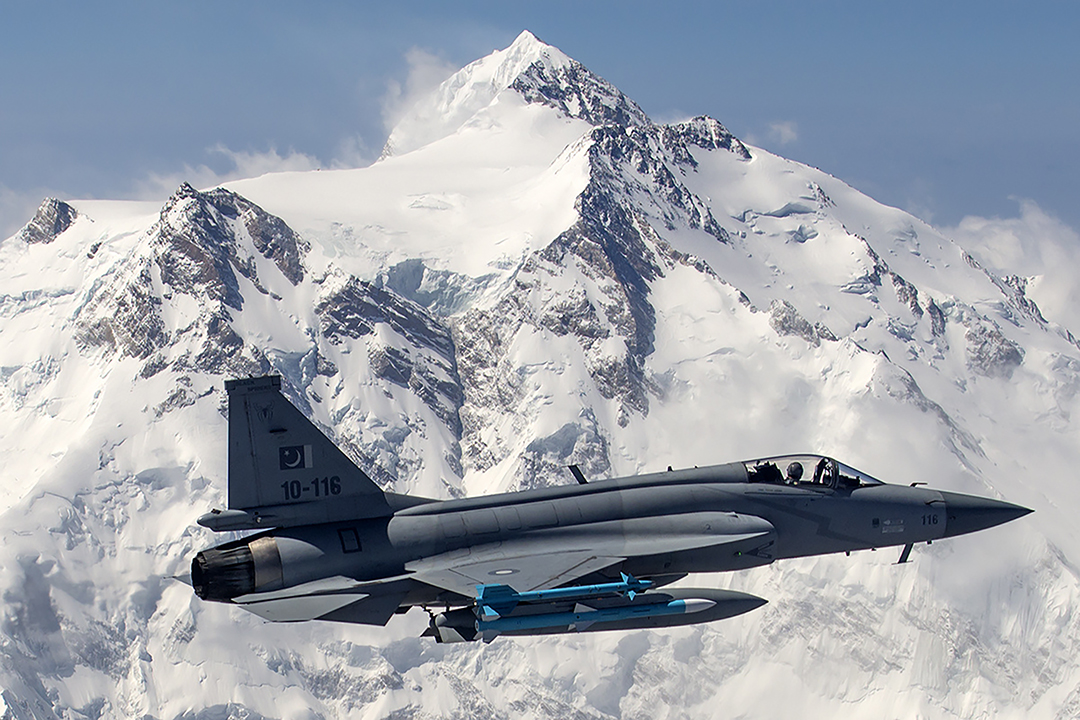
The Cost of War
The Church has steadfastly condemned war-making not just because of the immediate suffering and destruction that it causes, but also because of the huge diversion of resources it entails.