
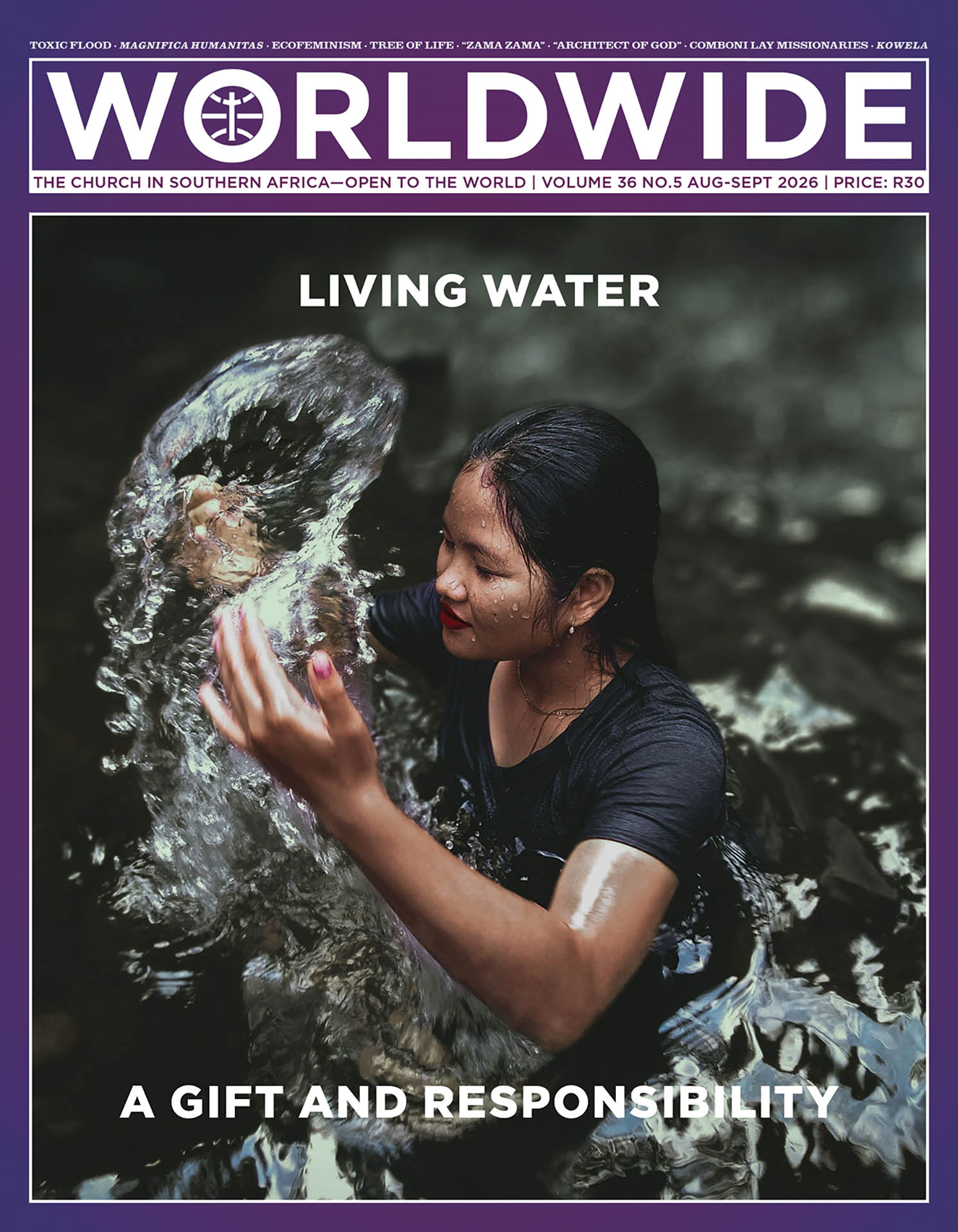
LIVING WATER
Every act of care for creation becomes part of a global stream of hope.
The cover page is inspired by the 2026 Season of Creation theme. In this season, our hope is that “Christians would be immersed in the living water flowing from the throne of God, stepping in deeper and deeper, inspired by the Spirit of God, working together for the renewal of Creation”
(Cf seasonofcreation.org).
Special Report • Towards A Convergence
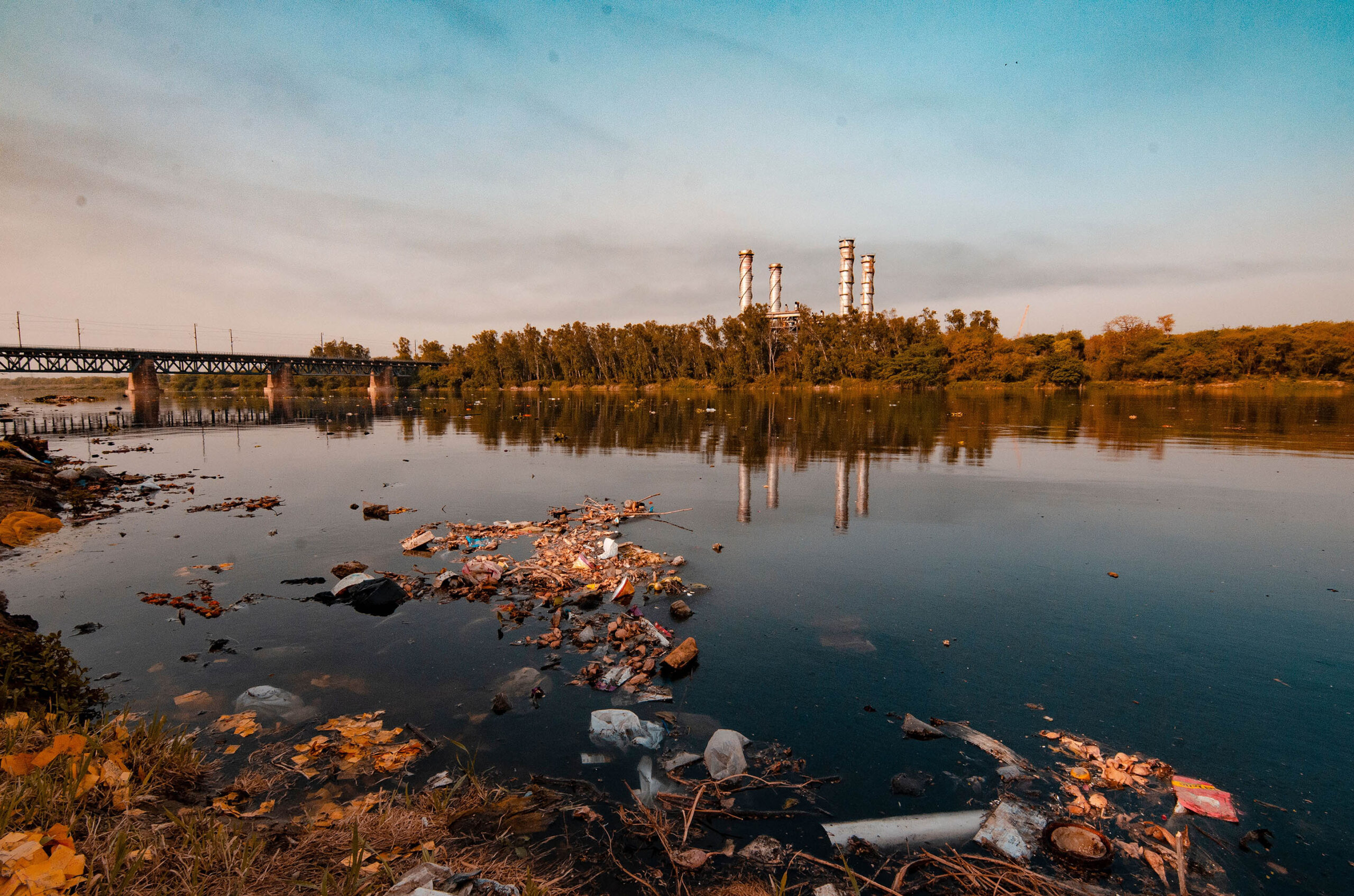
The Church in Search of an Integral Ecology
In this reflection, the author emphasizes the parallels between ecology and ecclesiology. The two are key components of the church’s mission.
BY Fr Oscar Momanyi SJ
FOR THE church to enter more fully into the “new chapter of evangelization” that Pope Francis proposes in his Apostolic Letter Evangelii Gaudium (EG) On the Proclamation of the Gospel in Today’s World of 2013, it needs to articulate its mission in society integrally. The church can achieve this vision only by incorporating the ecclesial, ecological, economic, and sociopolitical dimensions of society. I thus propose that establishment of a theological link between Francis’s notion of “integral ecology” in the Encyclical Letter Laudato Si’ (LS) On the Care for Our Common Home of 2015 (LS § 137-62), and his broader ecclesial vision in EG which offers a constructive framework for articulating such an integral vision of the church that can concretely address ecological and ecclesial issues simultaneously.
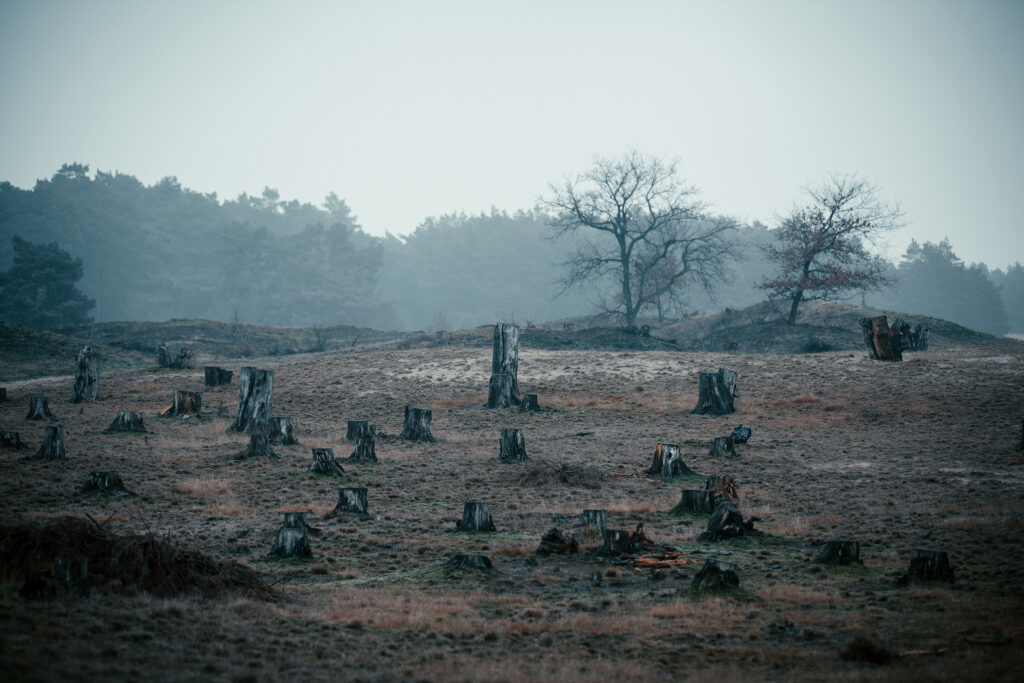
This environmental destruction results in a loss of biodiversity, destroying natural habitats and pushing countless plant and animal species toward extinction.
Credit: Dylan Leagh / Pexels.com
Everything Is Interconnected
In LS, Francis proposes an “integral ecology” based on his vision that “everything is interconnected,” in which he calls for a holistic vision of reality that incorporates economic, sociopolitical, cultural, and ecological aspects of society, leading to what he calls an “ecological conversion” that includes all these aspects of human reality (LS § 137-42). In EG, Francis articulates an ecclesiology centered on a renewed encounter with Jesus Christ in the Gospels as the foundation for missionary and pastoral conversion, ushering in a new chapter of evangelization characterized by joy (EG § 2-8). Bringing these two trajectories into dialogue, I propose, can provide a pathway to an integrated vision of the church that simultaneously addresses the needs of the church and society. Put succinctly, Francis’s call for the church to hear both the “cry of the earth and the cry of the poor” as a single cry in LS resonates with his vision in EG of a church that “goes forth” to the marginal peripheries as a “field hospital” to encounter people where suffering and vulnerability are most acute (LS § 49 and EG § 20-24).

Laudato Si’ and Evangelii Gaudium
Richard Lennan’s concept of integral ecclesiology is a useful link between LS and EG; it helps extend Francis’s notion of integral ecology into the domain of ecclesiology (Lennan 2025: 612-25). Lennan argues that integral ecclesiology is characterized by a fundamentally relational and integrative understanding of the church, one that resists the fragmentation of ecclesial life into isolated doctrinal, pastoral, spiritual, and social spheres. Integral ecclesiology emphasizes the dynamic interrelationship between theology and practice, the church’s identity and mission in the world (Lennan 2025:612). Appropriated in this sense, integral ecclesiology provides a framework for envisioning the church holistically by holding together the ecclesial, ecological, economic, social, political, and cultural dimensions of society, intending to generate concrete pastoral practices.

Integral Ecology-Ecclesiology
Francis begins by observing that “Since everything is closely interrelated, and today’s problems call for a vision capable of taking into account every aspect of the global crisis, I suggest that we now consider some elements of an integral ecology, one which clearly respects its human and social dimensions.” (LS § 137). These elements include environmental, economic, social, and cultural, which need to be articulated in a holistic manner in the quest to achieve the common good and justice (LS § 156-57).
Integral ecology is a holistic perspective on the relationship between God, human beings, and the environment, without dichotomizing human and ecological relations; how human beings care for the environment reflects how they care for one another (LS § 11). Within this framework of integral ecology, Francis observes that the crisis facing the earth is a single, complex crisis, not two separate ones: an environmental and a social one. He goes on to note that “…a true ecological approach always becomes a social approach; it must integrate questions of justice in debates on the environment, to hear both the cry of the earth and the cry of the poor” (LS § 49). Strategies for a solution, therefore, require an integrated approach that simultaneously combats poverty, restores dignity to the excluded, and protects nature (LS § 139). He thus invites all people of goodwill to an ecological conversion, guided by a spirituality that integrally addresses ecological and social crises.

Francis links ecological consciousness in his integral ecology with a robust spirituality and theology that leads to ecological conversion. He notes that “The rich heritage of Christian spirituality, the fruit of twenty centuries of personal and communal experience, has a precious contribution to make to the renewal of humanity…. I would like to offer Christians a few suggestions for an ecological spirituality grounded in the convictions of our faith…” (LS § 216). He goes on to observe that “… since the teachings of the Gospel have direct consequences for our way of thinking, feeling, and living… more than in ideas or concepts as such, I am interested in how such a spirituality can motivate us to a more passionate concern for the protection of our world” (LS § 216). For Francis, a spirituality that leads to action is crucial; he thus proposes that praxis that leads to concrete action “…cannot be sustained by doctrine alone, without a spirituality capable of inspiring us, without an interior impulse which encourages, motivates, nourishes and gives meaning to our individual and communal activity” (LS § 116). Ecological conversion, thus, is spiritually achieved when “the effects of their encounter with Jesus Christ become evident in their relationship with the world around them. Living our vocation to be protectors of God’s handiwork is essential to a life of virtue; it is not an optional or a secondary aspect of our Christian experience” (LS § 217). Consequently, integral ecology and ecological conversion are not merely doctrinal and abstract realities but are primarily ongoing spiritual processes that unfold over time and can lead to transformation. This ecological conversion, rooted in Christ, resonates with Francis’s insistence in Evangelii Gaudium that a new chapter of evangelization needs a similar grounding in Jesus’s message in the Gospels (EG § 20-24).
Toward a Vision for an Integral Ecclesiology
Drawing from Lennan, the integral ecclesiology that I advance here examines how ecclesial, social, cultural, political, and ecological realities intersect with the church’s lived relationship with God as a community of faith (Lennan 2025:612). Integral ecclesiology offers a holistic and hope-filled theological vision for the church’s future. Lennan argues that central to Francis’s integral ecology is not simply ecological breadth but the primacy of relationality: among human beings, between humanity and creation, and ultimately with God. This relational priority grounds ecological concern in a theological anthropology shaped by divine-human synergy, a term Lennan draws from Yves Congar, which shapes the relationship between God, humanity, and all creation (Congar 2011:90). As a result, in articulating integral ecclesiology, the church’s mission to care for creation is inseparable from commitments to peacebuilding, social justice, economic equity, healthcare, and urban development, which together express God’s desire for the flourishing of creation (Lennan 2025:612).
“Living our vocation to be protectors of God’s handiwork is essential to a life of virtue; it is not an optional or a secondary aspect of our Christian experience”
(LS § 217).
Ecclesial Synodality
In continuity with Francis’s ecclesial vision in EG, Lennan extends the above external framework, which focuses on the mission of the church in society, to its internal life through an articulation of ecclesial synodality that fosters communion, participation, and mission through discernment, decision-making, and formation (Lennan 2025:621-24). Integral ecclesiology thus links the church’s lived relationship with God and its mission in the world to the attention it pays to social, cultural, political, and ecological realities.
In a complex and rapidly changing world, one-dimensional theological frameworks are insufficient for articulating the church’s mission (Lennan 2025:612). The divine-human synergy at the heart of Lennan’s proposal holds together the church’s ad intra life of worship, prayer, and formation with its ad extra engagement in addressing poverty, conflict, environmental degradation, and social injustice (Lennan 2025:614). In this way, integral ecclesiology situates the church within a dynamic and evolving world, offering a framework of hope and renewal through a sustained dialogue between a “missionary church” articulated in EG and a church that hears both “the cry of the earth and the cry of the poor” in LS.
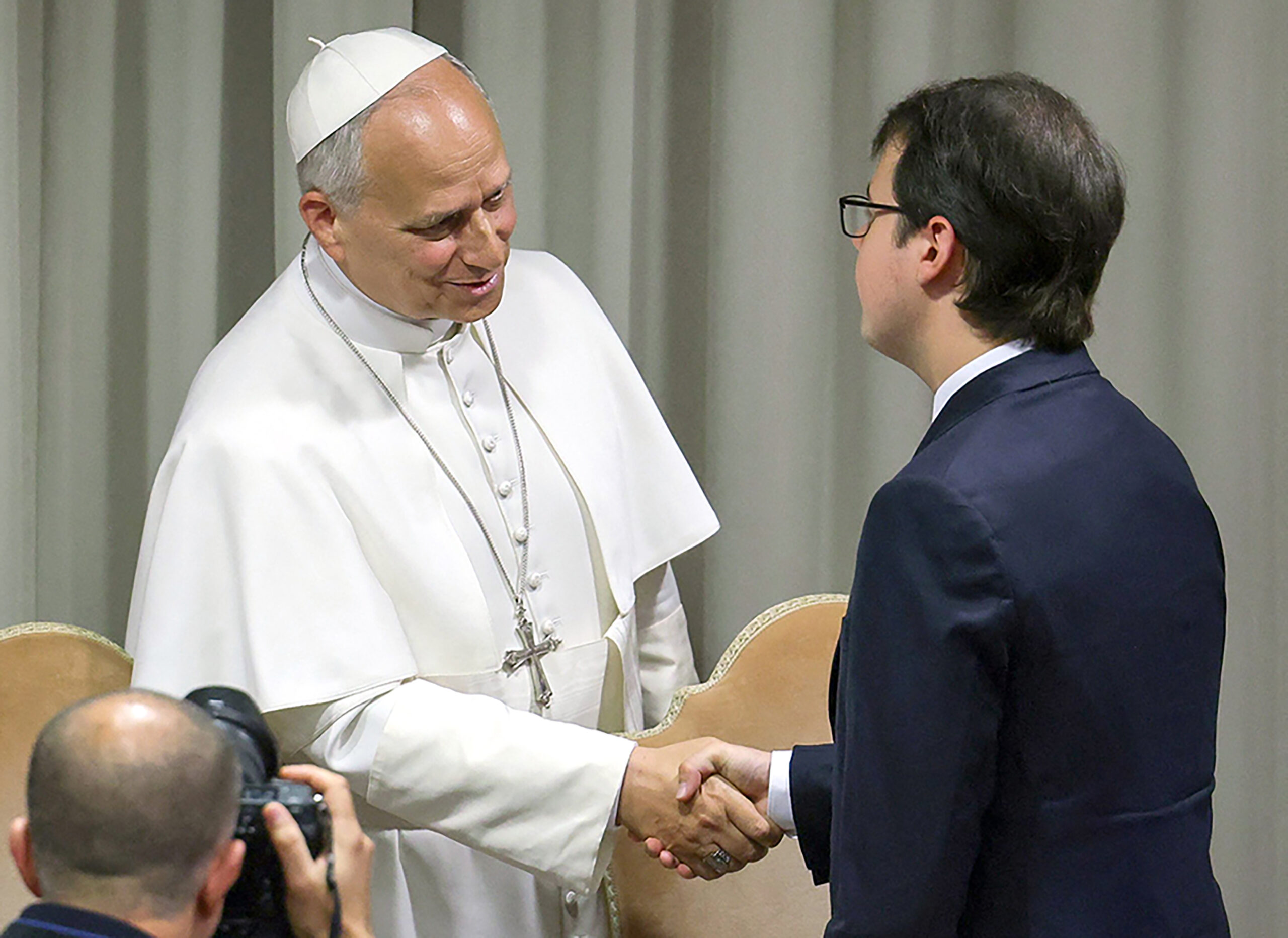
Humanity Always Magnificent?
Who is really behind Artificial Intelligence?

Living Waters Breathe Life into Goodness
Christian mission is a commitment to humanity, to human anxieties. The ‘Living Waters’ that Jesus gives will sustain the energy behind every human initiative for social betterment.