
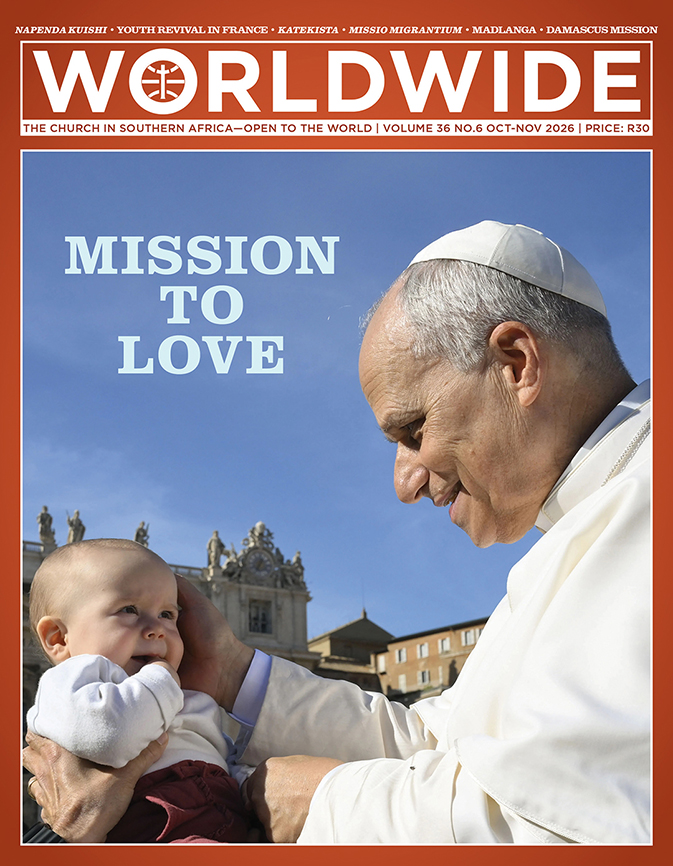
MISSION TO LOVE
Pope Leo XIV smiles while blessing a baby in St Peter’s Square—a gesture reflecting his closeness to the “little ones.” In his message for the centenary of World Mission Day in 2026, the Pontiff emphasizes: “The mission of the disciples and the Church as a whole is to continue the mission of Christ in the Holy Spirit: a mission born of love, lived in love, and leading to love” (§ 3).
Photo Credit: Francesca Pollio Fenton/aciafrica.org
Witness • MADLANGA

CONSCIENCE AND THE PRICE OF PUBLIC SERVICE
Can faith survive the modern workplace? Writing as a Catholic lay professional, the author challenges believers to embody honesty, justice, and moral courage across all civic duties. He argues against a fractured life that isolates Sunday worship from everyday secular responsibility.
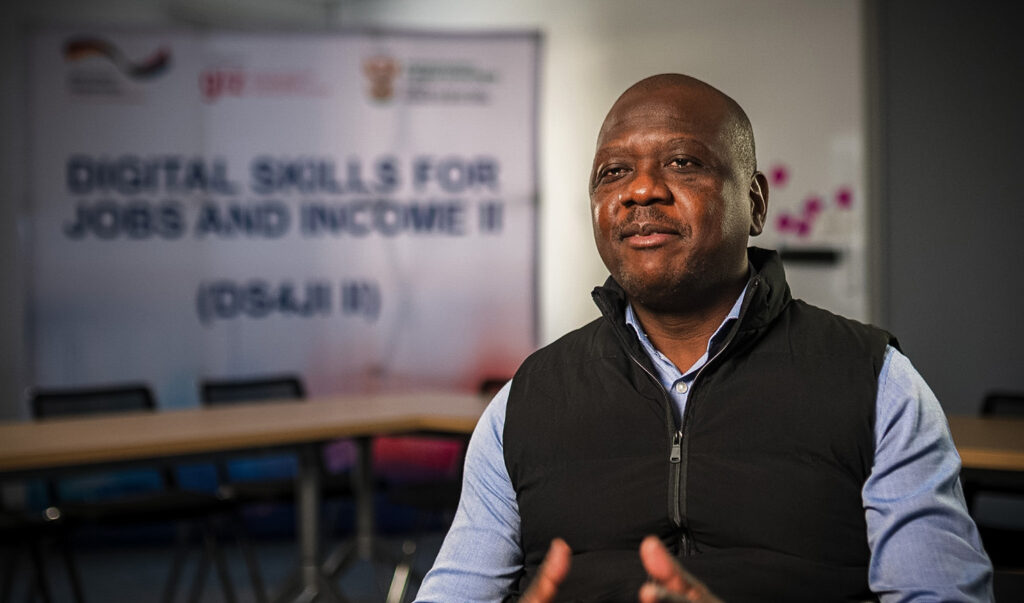
BY Godfrey Nkosi
IN APRIL 2016, I wrote a resignation letter as a director in a government department. I had reached a level in the public service that many professionals aspire to reach. There was security, responsibility, and the prospect of a long career ahead. And yet I resigned. I did so because there comes a moment when a person must decide whether keeping a position is worth surrendering something deeper within oneself. I had reached that moment.
Ten years later, I have no regrets
I do not intend to reopen here the personalities, disputes, and circumstances that led to my decision, akin to what we witness currently in the Madlanga Commission. What I recognize, however, is something deeper. I recognize the anatomy of power. I recognize what can happen when the formal authority of an institution begins to coexist with informal networks of influence. I recognize how an apparently ordinary instruction can carry implications far beyond the words in which it is expressed. I recognize how professional disagreement can become personal, how loyalty can slowly become confused with obedience, and how people can find themselves having to choose between institutional belonging and conscience.
The Madlanga Commission
This is partly why I have followed the Madlanga Commission with such fascination. The Commission was established to investigate extraordinarily serious allegations concerning criminality, political interference and corruption within our criminal justice system. Its work continues, and many of the matters before it remain allegations requiring investigation, testing and due process. We should therefore resist conducting trials from our television sets. But we would make another mistake if we reduced Madlanga to compelling television.
Listen beyond the personalities, messages, political connections and extraordinary allegations, and another story emerges. It is the story of institutions and power. Who gives instructions? Who feels unable to question them? Who controls information? Who protects whom? What happens to somebody who refuses to cooperate? And, perhaps most importantly, can an honest person survive inside a compromised institutional environment without eventually becoming compromised too?
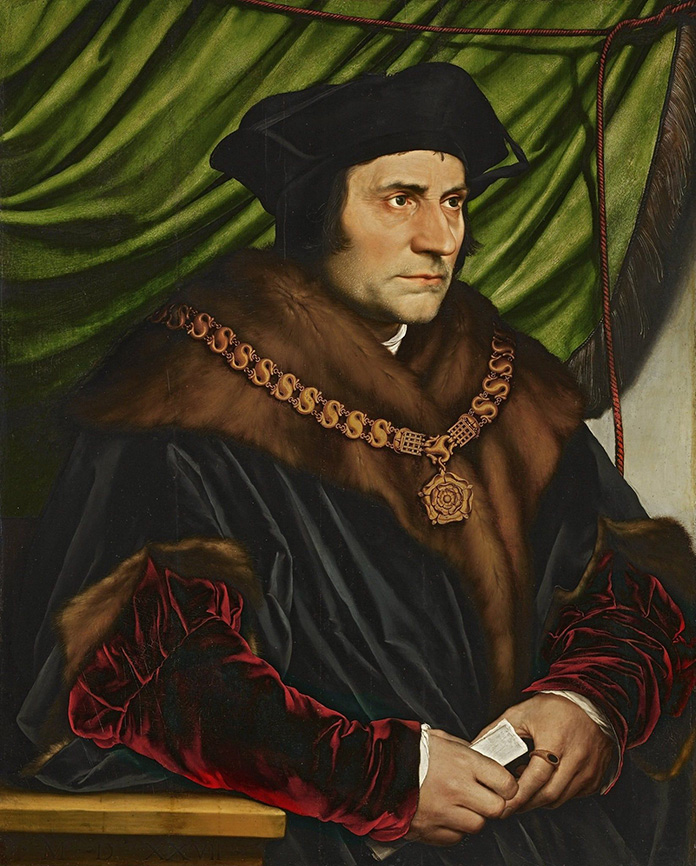
They are questions of conscience
For a Catholic, these are not merely administrative questions. St Paul writes that the requirements of the law are written upon the human heart, with conscience bearing witness to them: “their conscience also bears witness” (Romans 2:15). The Second Vatican Council develops this beautifully in Gaudium et Spes §16. It describes conscience as the most secret core and sanctuary of the human person, where one is alone with God, whose voice echoes in the depths of the heart.
But conscience cannot mean simply doing whatever feels right to me. Conscience must be formed. It must be educated by truth, Scripture, prayer, reason, the teaching of the Church and concern for the dignity of others and the common good. Once properly formed, however, conscience cannot simply be switched off because obedience has become professionally convenient.
What I understood primarily as a professional decision in 2016 was also a decision of conscience.
The words of the apostles therefore acquire an uncomfortable relevance: “We must obey God rather than men” (Acts 5:29).
Theory vs Praxis
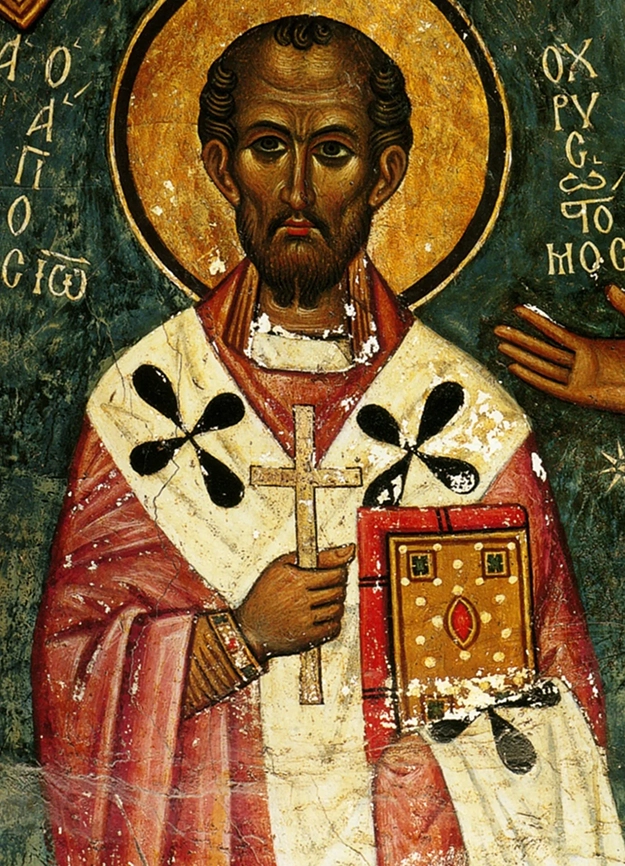
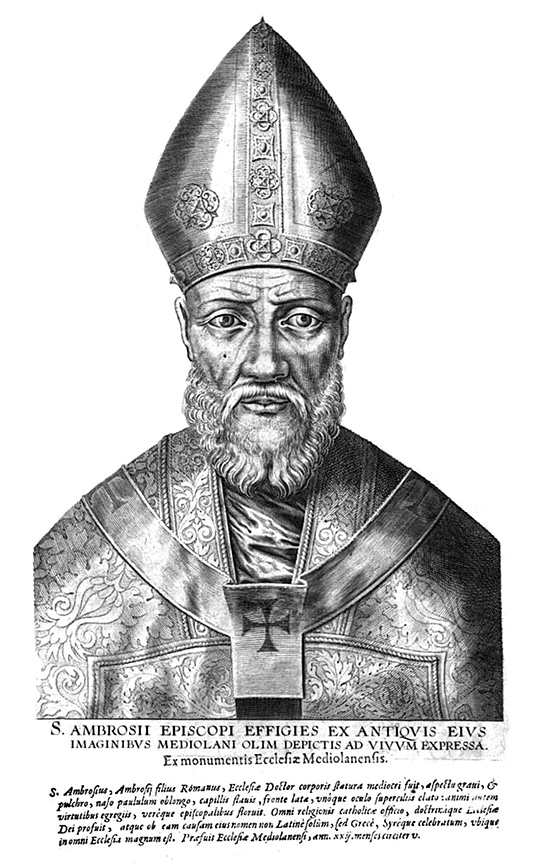
These words are easy to proclaim from a pulpit. They become considerably harder when obedience to conscience may cost one’s promotion, political access, friendships, salary, or career. The Fathers of the Church understood this tension. St John Chrysostom reflected powerfully on the interior judgement of conscience, precisely because external systems of judgement can be distorted by wealth, influence, and power. St Ambrose similarly warned Christians against sacrificing justice merely to satisfy the powerful.
Ten years after my own decision, these teachings strike me differently. Perhaps what I understood primarily as a professional decision in 2016 was also a decision of conscience. I chose to leave. There were consequences. But there was also freedom. Freedom comes from discovering that a position, however important, cannot be allowed to purchase one’s conscience. This brings me to the question that should concern Catholics even beyond Madlanga. What does our faith require of us in public life?
Pope St John Paul II answered this with remarkable clarity in his 1988 post-synodal apostolic exhortation Christifideles Laici, which develops the Second Vatican Council’s teaching on the vocation and mission of the lay faithful. He rejected the idea that the Christian response to political corruption should be withdrawal. He acknowledged the careerism, idolatry of power, selfishness, and corruption frequently associated with politics and government. Yet he insisted that these realities do not justify Christian absence from public life. On the contrary, he taught that the lay faithful must never relinquish their participation in the economic, social, legislative, administrative, and cultural life of society because these are precisely the arenas in which the common good must be pursued.
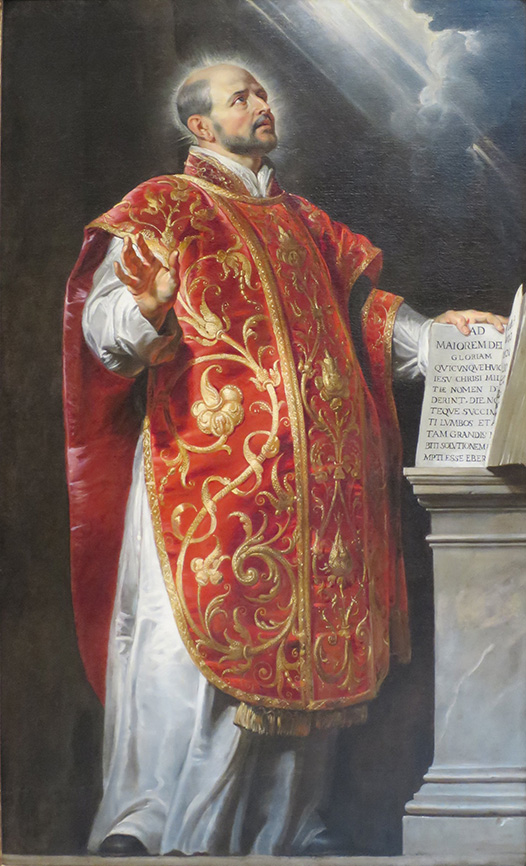
Credit: Peter Paul Rubens/Wikimedia Commons
Credit: Unknown/Wikimedia Commons.
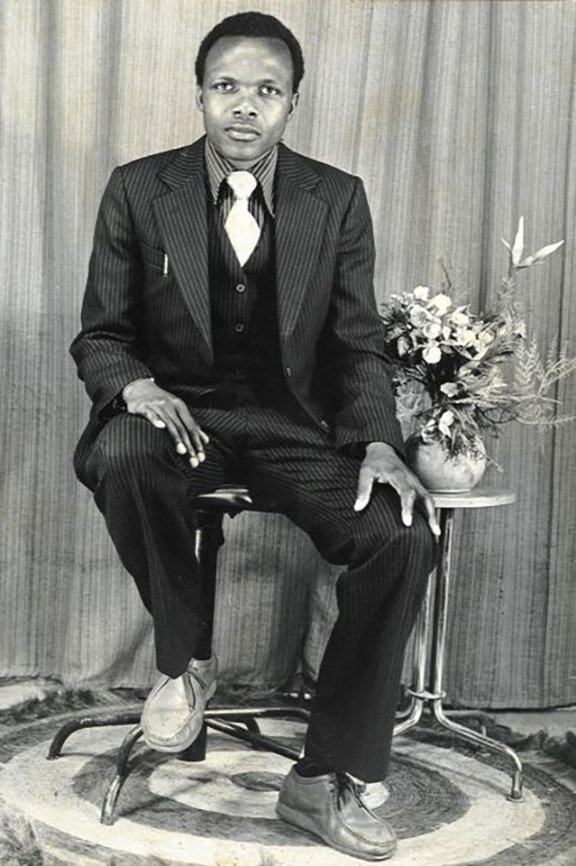
a South African school principal, dedicated family man, and lay Catholic catechist from Limpopo Province. Credit: Namron Peter/Flickr
The South Africa Context
That teaching deserves particular attention in South Africa today. Our response to institutional corruption cannot be for good Catholics to abandon government, politics, business, and public administration to those willing to misuse them. St John Paul II calls lay Catholics to something more demanding. He calls us to remain. To participate. To serve. To bring a properly formed Christian conscience into the places where decisions affecting human beings are actually made. He teaches that the exercise of political power requires a genuine spirit of service, competence and efficiency, together with a determined struggle against dishonesty, falsehood, the waste of public resources for private interests and the use of illicit means to acquire, maintain or increase power.
We cannot receive the Eucharist on Sunday and then participate in institutional corruption on Monday.
Those words could have been written for South Africa now watching the Madlanga Commission. But Christifidelis Laici goes further. It tells us that holiness itself must be lived in our everyday professional and social life. There cannot therefore be one morality for the Catholic kneeling before the altar and another for the same Catholic sitting on a procurement committee on Monday morning.
Become What you Receive!
We cannot receive the Eucharist on Sunday and then participate in institutional corruption on Monday. We cannot recite the Creed while practicing patronage. We cannot proclaim that Christ is Lord and then behave as though a political superior, business interest or powerful network possesses absolute authority over our conscience. We cannot condemn corruption when committed by strangers while finding sophisticated explanations for it when committed by our friends, colleagues, comrades or benefactors. And we cannot remain silent while honest people are victimized, only to praise their courage after they have lost everything.
Mission of Conscience
Pope Leo XIV, in his message for World Mission Sunday 2026, reminds the Church that “no baptized person is exempt from or indifferent to mission.” Mission does not belong only to priests, religious sisters, brothers, and those who travel to distant places to proclaim the Gospel. Vatican II’s Ad Gentes teaches that the Church is missionary by her very nature. The Christian therefore witnesses to Christ within the actual circumstances in which God has placed him or her. The government office, police station, municipality, corporate boardroom, political party meeting, procurement committee, university, courtroom, trade union, and community organization are mission territories.
Our Catholicism therefore cannot remain inside our parishes. It must enter the Republic and sanitise it.
For a Catholic public servant, refusing to manipulate a tender can be missionary witness. Giving honest professional advice when one knows it may anger a superior can be missionary witness. Refusing to victimize another employee because somebody powerful wants them removed can be missionary witness. Refusing to falsify information, abuse public resources, participate in nepotism, or misuse state authority can be missionary witness. And sometimes, as I discovered, walking away rather than surrendering one’s conscience may itself become witness.
To Leave or not to Leave
John Paul II adds an important challenge to my own experience. Leaving cannot become our general answer. Sometimes conscience requires departure. But the Christian vocation cannot be an abandonment of the public square. South Africa needs ethical people to remain inside its institutions. It needs Catholics and other people of conscience who understand public authority as service rather than possession. It needs professionals who know that competence is itself a moral obligation. It needs political actors who recognize that party loyalty cannot replace truth. It needs public servants who understand that the citizen, particularly the poor and powerless, is not an inconvenience standing between them and privilege, but the very reason public institutions exist.
Christ tells us that we are the salt of the earth and the light of the world (Matthew 5:13-16). Salt achieves nothing by remaining inside the container. Light serves little purpose hidden from darkness. Our Catholicism therefore cannot remain inside our parishes. It must enter the Republic and sanitise it.
The Madlanga Commission as Litmus Test
The Madlanga Commission will eventually conclude. Its commissioners will make findings and recommendations. Some allegations may be confirmed. Others may not. Investigations and prosecutions may follow. But no commission can manufacture conscience. No judicial inquiry can legislate integrity. No anti-corruption strategy can replace that private moment when a human being must decide between what is convenient and what is right.
In April 2016, I encountered such a moment. I resigned. Ten years later, I understand that decision somewhat differently. I remain convinced that I made the right choice. But I am equally convinced that the South Africa we should build is not one in which ethical people must continually resign to preserve themselves. South Africa will not be repaired only when corrupt people are removed from institutions. It will begin to heal when good people remain in these institutions without surrendering their consciences to survive. For Catholics in South Africa today, perhaps one of our greatest mission fields is the rebuilding of the moral conscience of public life. It begins where God has placed us. And it begins with the courage to choose and do what is right.
References:
Romans 2:15; Acts 5:29; Matthew 5:13–16; Vatican II, Gaudium et Spes; Vatican II, Ad Gentes; Pope St John Paul II, Christifideles Laici (1988), especially nn. 17, 42 and 60; Pope Leo XIV, Message for World Mission Sunday 2026; writings of St John Chrysostom and St Ambrose on conscience, justice and the misuse of power.

Life Lessons from a Tree
In this article, the author shares her witness of how interaction with trees can be a beautiful opportunity to understand the seasons of our lives.