
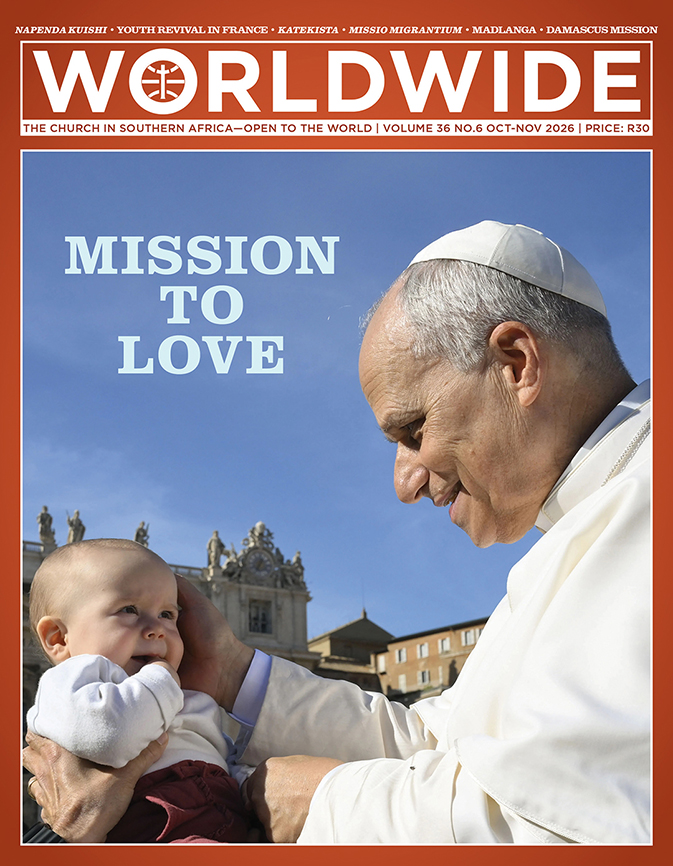
MISSION TO LOVE
Pope Leo XIV smiles while blessing a baby in St Peter’s Square—a gesture reflecting his closeness to the “little ones.” In his message for the centenary of World Mission Day in 2026, the Pontiff emphasizes: “The mission of the disciples and the Church as a whole is to continue the mission of Christ in the Holy Spirit: a mission born of love, lived in love, and leading to love” (§ 3).
Photo Credit: Francesca Pollio Fenton/aciafrica.org
Special Report • LEER MISSION
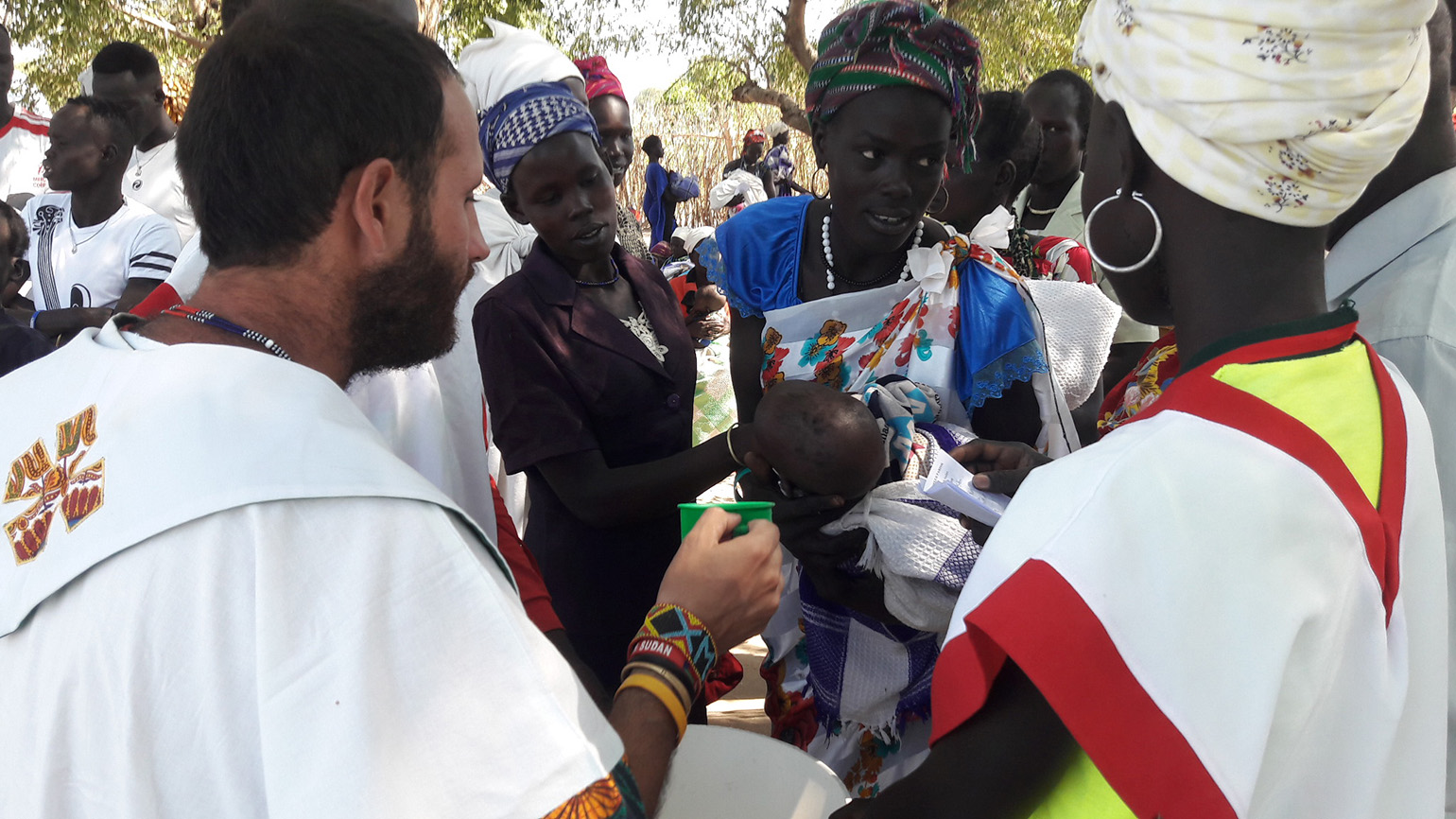
THE CHURCH SENT TO BRING CHRIST TO THE WORLD
Based on his experience with the Nuer People in South Sudan, the author re-emphasizes mission ad gentes as an essential element of the Church. He argues that the Church exists because she has received a missionary mandate from Christ: “Go into all the world and proclaim the gospel to the whole creation” (Mk 16:15).
BY Fr Mario Pellegrino, MCCJ
THE MISSION ad gentes belongs to the very nature of the Church. From the beginning, the Church has understood herself not as a community closed within herself, but as a people sent into the world to proclaim Jesus Christ, to make his Gospel known and to become a sign of God’s love among all peoples. The Second Vatican Council expresses this conviction clearly: “The pilgrim Church is missionary by her very nature” (AG 2). The mission ad gentes therefore is not simply one activity among many others in the life of the Church. It is an essential expression of what the Church is. The Church exists because she has received a mission from Christ: “Go into all the world and proclaim the gospel to the whole creation” (Mk 16:15).

Mission Belongs to God
The missionary mandate begins with God himself. The Father sends the Son into the world, and the Father and the Son send the Holy Spirit. The Church participates in this divine mission. Ad Gentes teaches that the Church’s missionary activity flows from the Trinitarian mission: “The Church on earth is by her very nature missionary since, according to the plan of the Father, she has her origin in the mission of the Son and the Holy Spirit” (AG 2).
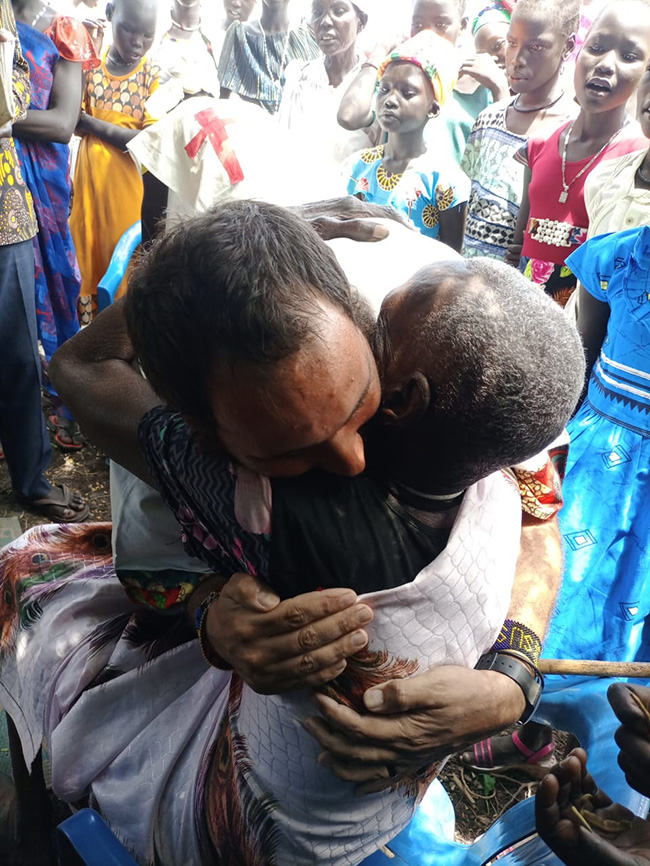
Mission, therefore, is first of all God’s initiative. The missionary does not bring God to a place where God is absent. Rather, the missionary discovers that God is already present and active in the lives and history of the people. This has been one of the deepest lessons of my missionary experience in South Sudan. When the Comboni missionaries arrived in Leer in 1996, they did not find a people where God was absent. They discovered that God had already been preparing the ground through the witness of local Christians and catechists. For approximately 25 years, Nuer catechists had sustained the Christian community in the absence of resident priests. They prayed with the people, taught the faith, prepared catechumens, and kept the Christian communities alive. Mission does not simply imply a missionary coming from outside to evangelize a passive population. It is an encounter in which the missionary discovers the action of God already present in a people.
More than Social Work
At the heart of Missio ad Gentes is the proclamation of Jesus Christ. Evangelization cannot be reduced merely to social assistance, development projects, or humanitarian work. These are important dimensions of Christian mission, but the missionary ultimately announces a Person: Jesus Christ, the Son of God. St Paul VI wrote in Evangelii Nuntiandi: “There is no true evangelization if the name, the teaching, the life, the promises, the Kingdom and the mystery of Jesus of Nazareth, the Son of God, are not proclaimed” (EN 22).
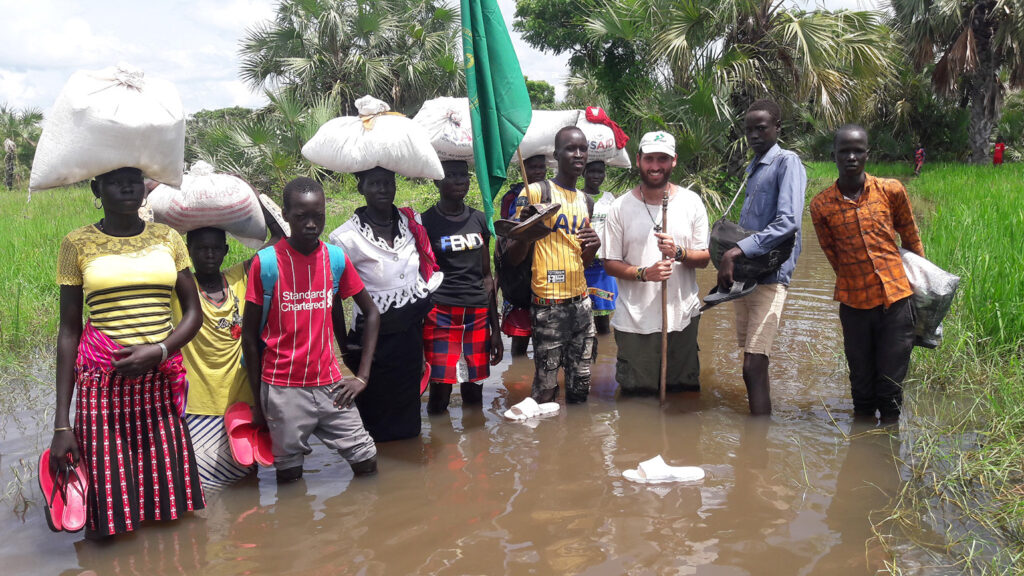
In South Sudan, the proclamation of Christ takes place in a context marked by poverty, insecurity, displacement, hunger, disease and violence. Yet it is precisely within these realities that the Gospel acquires a profound meaning. Jesus is not presented merely as a doctrine to be learned, but as the Lord who accompanies his people in suffering. Among the Nuer, the name “Kuär malä” — “Lord of Peace” — expresses something particularly meaningful. In a society wounded by conflict and clan violence, Christ is proclaimed as the one who brings reconciliation, forgiveness, and peace. Evangelization therefore becomes an invitation to encounter the One who can transform relationships and create a new humanity.
A need for Witnesses
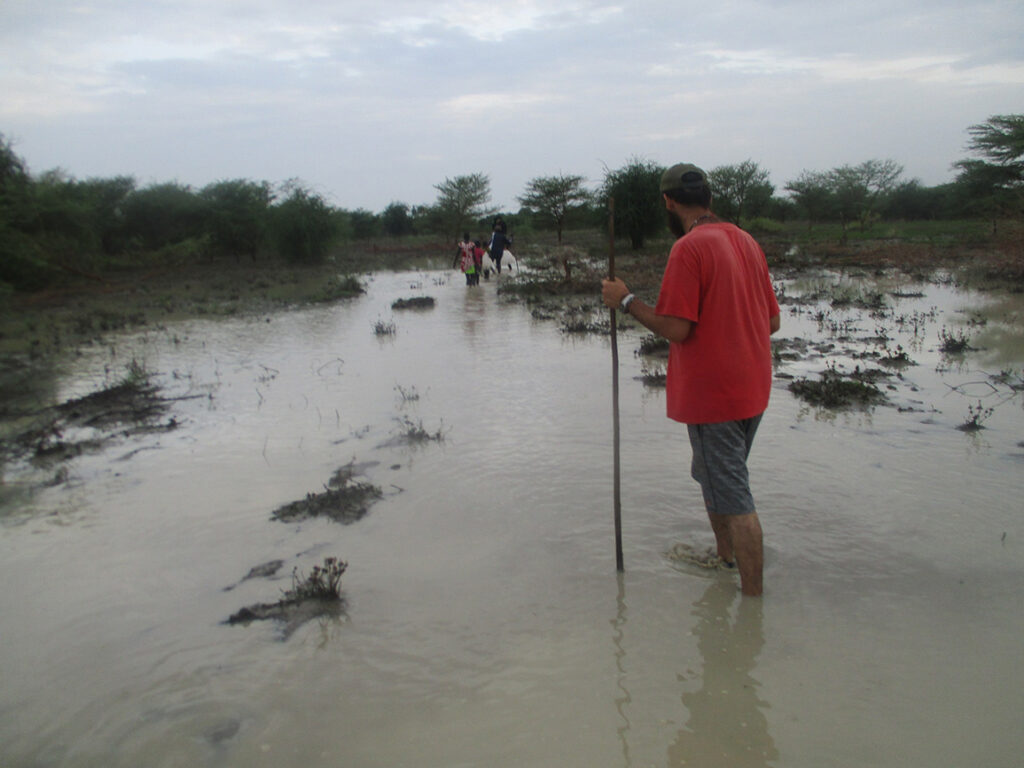
The missionary vocation is not fulfilled only through preaching. The missionary must also become a witness through his or her life. Pope Francis reminds us in Evangelii Gaudium that evangelization requires closeness to people and a willingness to enter into their concrete circumstances. The missionary cannot remain distant from the joys, struggles, and suffering of the people to whom he or she is sent.
My experience in South Sudan has taught me that presence itself can become a powerful proclamation of the Gospel. In a remote rural environment, where education and basic services are extremely limited, simply remaining with the people communicates something essential: “You are not forgotten. God has not abandoned you!” This became particularly evident after the destruction of the mission in 2014. The mission structures were destroyed, but the missionaries chose to remain with the people. In such circumstances, staying became a form of evangelization. The missionaries’ presence communicated solidarity and hope more powerfully than any word could do.
God Dwells Among His People
This reflects the mystery of the Incarnation. God did not save humanity from a distance. In Jesus, God entered into human history, shared our condition, and lived among us. The Church’s mission cannot ignore the concrete conditions in which people live. The Gospel concerns the whole human person. Gaudium et Spes reminds the Church that “the joys and the hopes, the griefs and the anxieties” of humanity, especially of the poor and afflicted, are also the joys and hopes, griefs and anxieties of Christ’s disciples (GS 1).
In South Sudan, therefore, evangelization is inseparable from concern for education, health, food security, human dignity and peace. Education has been an important dimension of the missionary presence. The establishment and development of St Daniel Comboni Secondary School and university scholarships represent an effort to provide young people with opportunities that otherwise might not exist. Such initiatives are not a replacement for evangelization. Rather, they are expressions of the Gospel when they are rooted in the conviction that every human person is created in God’s image and possesses an incomparable dignity. Pope Francis repeatedly emphasizes that the Church must be close to the poor who are “the privileged recipients of the Gospel” (EG 48).
One of the great paradoxes of Missio Ad Gentes is that the missionary who goes to evangelize is himself evangelized. Living among people who possess very few material resources but who demonstrate extraordinary hospitality, faith, and generosity has been for me a school of the Gospel. The poor are not simply recipients of missionary activity. They are protagonists of evangelization. Their faith, courage and capacity to hope can challenge missionaries to return to the simplicity of the Gospel.

The Gospel and Culture
Ad Gentes teaches that the Church must take root in different cultures. The Gospel does not destroy legitimate cultures; it enters into them, purifies what needs purification and brings forth what is good and beautiful. Christianity must become genuinely rooted in the culture, language, and experience of each people. In Leer in South Sudan, this means that the Christian faith must speak to the Nuer people in ways that connect with their own history, values and understanding of community.
In an environment marked by tribal and clan tensions, mission necessarily includes the work of reconciliation. The Gospel cannot be authentically proclaimed while Christians remain indifferent to violence and hatred. Christians are called to become instruments of peace. In such a context, the Church can become a place where people discover that their deepest identity is not determined by clan, ethnicity or political affiliation, but by their dignity as children of God. This mission of peace is particularly important in South Sudan, where the wounds of conflict remain deep. The Church’s mission is to announce that reconciliation is possible because Christ has broken down the walls of hostility.
The missionary goes out into the world because Christ sends him/her. He/She remains because Christ is already present among the people. He/She serves because Christ identifies himself with the poor. He/She proclaims because Christ is the Good News. He/She works for reconciliation because Christ is the Lord of Peace.
To Give or to Receive?
My experience in South Sudan has taught me that a missionary often arrives believing that he/she has much to give, only to discover that he/she has much more to receive. The Nuer catechists, the poor families, the young people, those who remained faithful amid suffering, and those who continued to hope after the destruction of the mission have all become teachers of the Gospel.
So, mission is about making God’s love visible, especially in places where people suffer and are persecuted. It is about allowing Christ to become present in every culture and every human situation. Wherever the Church encounters people, she is called to express with her words and, above all, with her life: Jesus Christ is with you. He is the Lord of Peace, and in him there is true hope.

REIMAGINING THE EVANGELIZING MISSION OF CATECHISTS IN AN AFRICAN SYNODAL CHURCH
In this article, the author argues for the promotion of Catechists morally, materially, and spiritually, as important agents of mission ad gentes. He sees the vocation of lay catechists as the cornerstone and future of the Church’s evangelizing mission.
MISSION FROM THE MARGINS IN THE VISION OF POPE FRANCIS AND POPE LEO XIV
As the Church reflects on its missionary activities and endeavours during 2026 World Mission Month, the Second Vatican Council’s decree Ad Gentes remains neither a relic of an earlier missionary era nor a completed programme.