
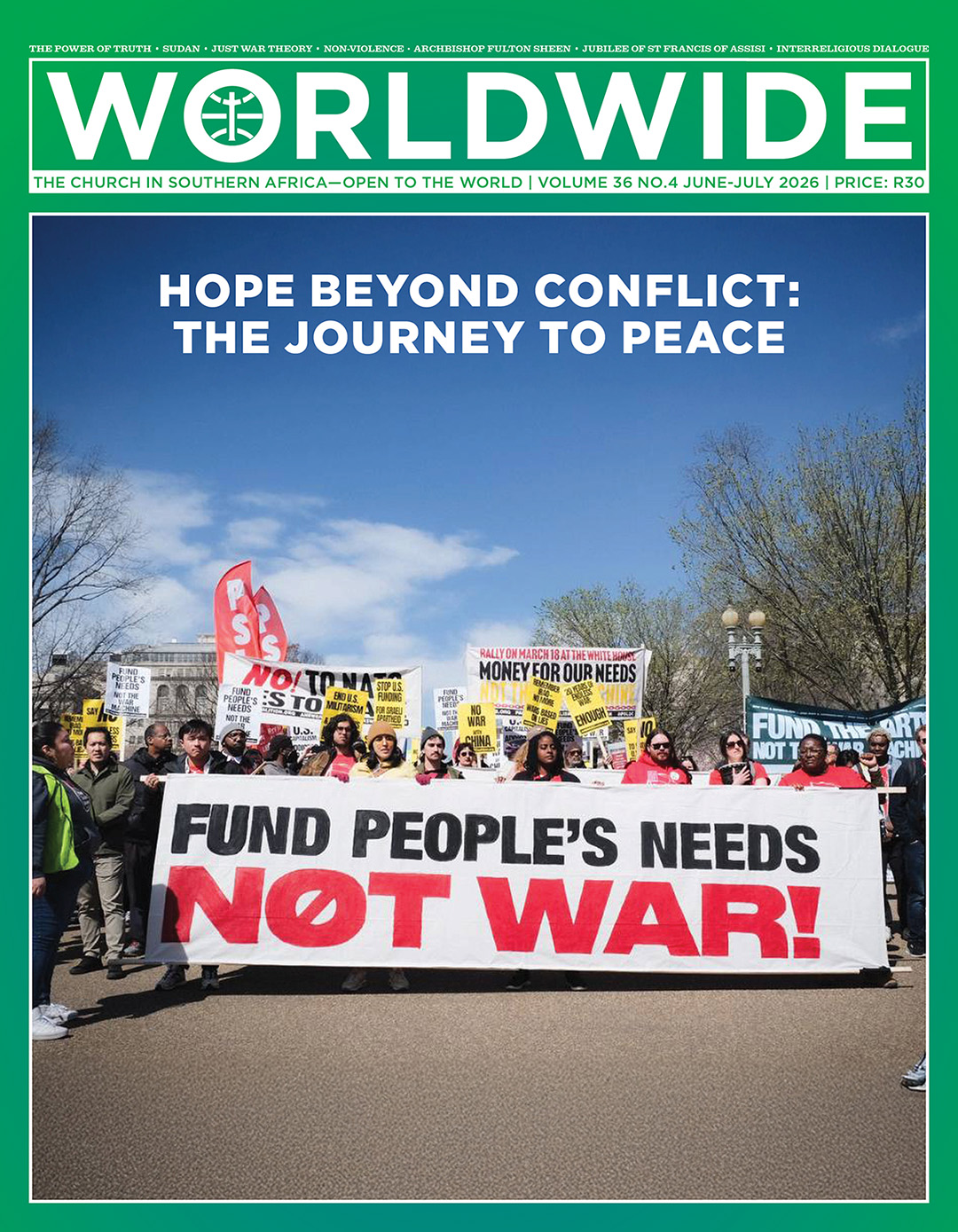
HOPE BEYOND CONFLICT: THE JOURNEY TO PEACE
“It is no coincidence that repeated calls to increase military spending, and the choices that follow, are presented by many government leaders as a justified response to external threats. The idea of the deterrent power of military might, especially nuclear deterrence, is based on the irrationality of relations between nations, built not on law, justice and trust, but on fear and domination by force.”
Message of Pope Leo XIV for the World Day of Peace 1 January 2026.
Cover Photo: Protesters in Ohio rally against US funding for the Russia‑Ukraine war, March 18, 2023. | Credit: Vincent Tsai/Peoples Watch
World Report • Humanitarian Crisis
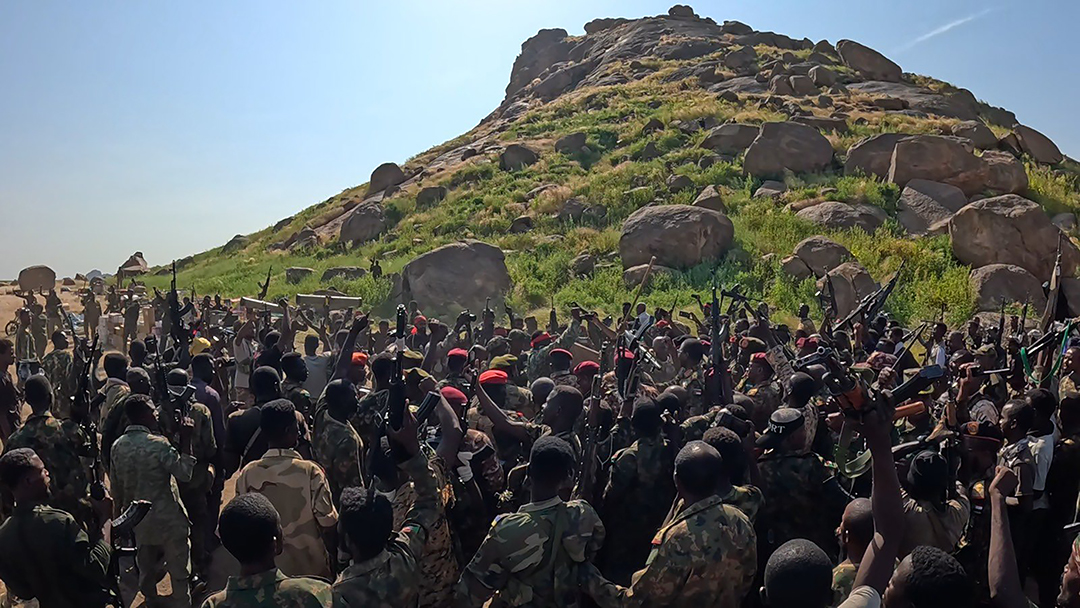
Sudan: The Most Neglected War
After three years of war, Sudan remains a country divided in two. The conflicting parties, the SAF and the RSF, continue to attempt to extend their territorial control, each supported by different nations in the region. Meanwhile, the Sudanese people are experiencing the most devastating humanitarian crisis.
BY IRENE PANOZZO
THREE YEARS have passed since the morning of April 15, 2023, when in Khartoum, in the most central and institutional areas of the capital, intense fighting began between the Sudanese Armed Forces (SAF) and the Rapid Support Forces (RSF). For a decade, since the creation in 2013 of the RSF by the then-President Omar el-Bashir, the two forces had been the two pillars of the regime’s security structure, operating and governing together even after the former dictator’s deposition in April 2019. And, always in unison, they had first hinted at an attempt at cohabitation with the revolutionary forces, only to end that experiment with a military coup in October 2021. After 2021, the interests of the SAF and RSF and their political and military allies began to diverge, but they had, until that late Ramadan morning, remained in power and united in the repression of the peaceful protests that had resumed forcefully after the coup.
After three years of extended war across almost the entire country, and after an unspecified number of casualties (which are likely to be extremely high), and the sad distinction of experiencing the world’s worst humanitarian crisis, the SAF and RSF continue to fight daily and show no signs of the conflict ending.
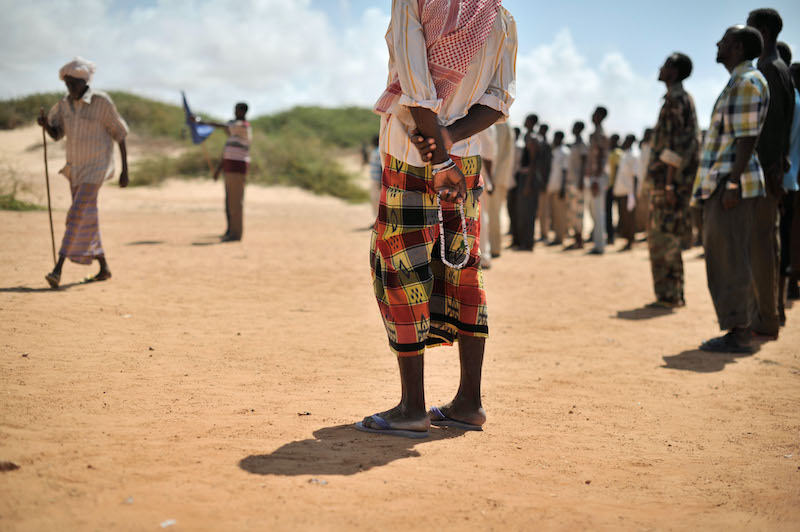
After Darfur, Kordofan
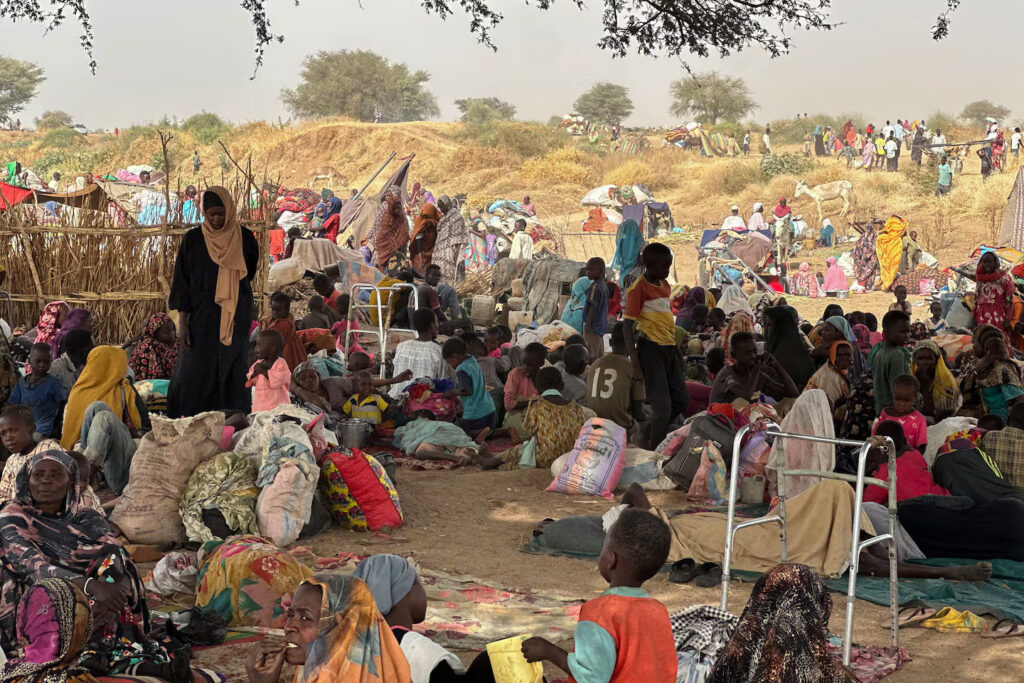
With the RSF’s conquest of el-Fasher at the end of October 2025, the paramilitary force led by General Mohammed Hamdan Dagalo, known as Hemeti, gained control of almost all of Darfur, the westernmost region of Sudan bordering Libya, Chad, and the Central African Republic. The capture of the city, the capital of North Darfur, came at the culmination of a year and a half of brutal siege and paved the way for a series of large-scale crimes against the population. Once they had gained control of el-Fasher, the paramilitaries were able to shift their entire resources to the fronts in Kordofan, the region that divides Darfur from the central part of Sudan, namely the Nile Valley, where Khartoum and its two twin cities, Omdurman and Khartoum Bahri, are located. Until roughly the end of 2025, the RSF continued to advance, taking control of the entire state of West Kordofan and concentrating its forces and those of its allies in the Sudan People’s Liberation Movement-North (SPLM-N) on the siege of several cities still controlled by the SAF-led coalition, starting with the capital of South Kordofan, Kadugli.
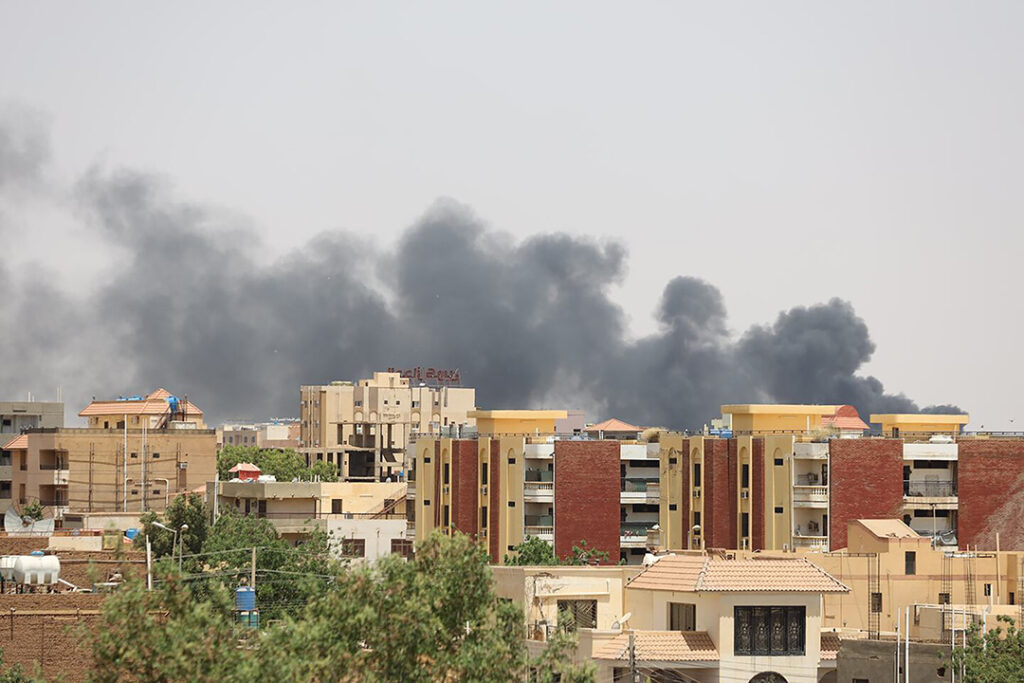
Between January and February of this year, however, the SAF and its allied militias managed to end the siege of Kadugli and Dilling, another city in the same state. In both cases, the arrival of supplies from outside also meant a temporary improvement in an utterly dire humanitarian situation and enabled the two cities to receive much-needed food and other supplies.
The Issue Of Legitimacy
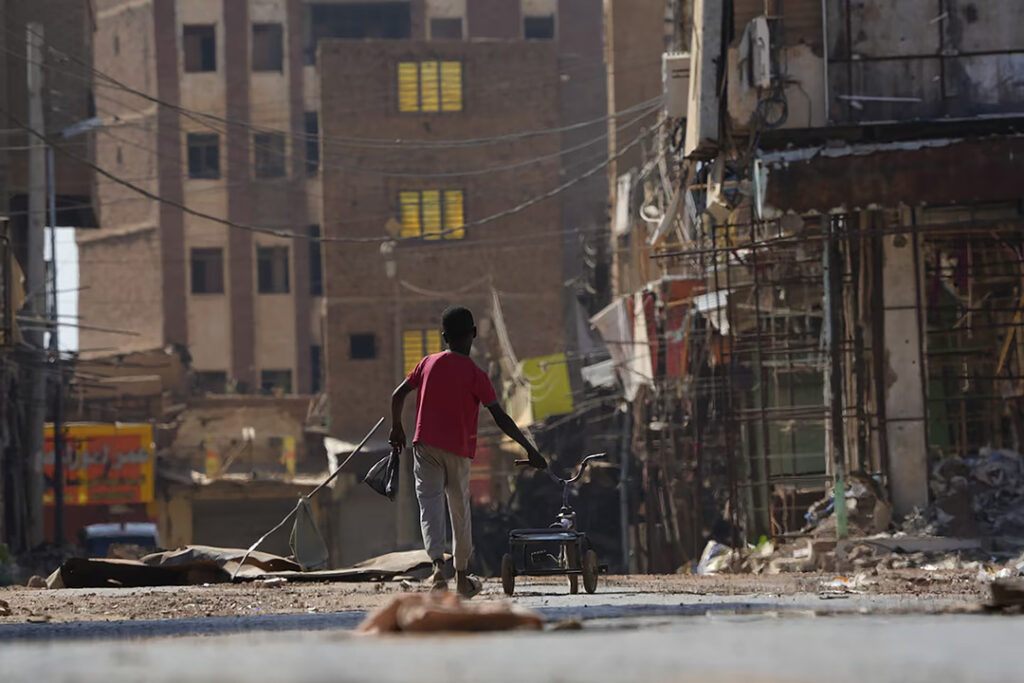
Breaking the siege of Kadugli and Dilling was certainly a victory for the army, which has in fact used the situation extensively for propaganda purposes. But the main focus of the authorities led by SAF chief General Abdel Fattah al-Burhan, who also presents himself to the world as President of Sudan by virtue of the October 2021 coup, has been focused in recent months on insisting on their legitimacy as the country’s government. At the same time, they are trying to promote an image of reconstruction and a return to normalcy in Khartoum, which, after being in the frontline for two years, returned to SAF control in March 2025. The United Nations, based on assessments by its legal office since the beginning of the conflict, has always recognized al-Burhan’s government as legitimate, as have a number of other governments in the region.
This has not been as clear and straightforward for the African Union and IGAD, the regional organization in the Horn of Africa, nor for other governments, such as the United States and certain European governments. In recent weeks, therefore, the authorities in Port Sudan/Khartoum have sought full readmission into the two regional organizations. They succeeded with readmission into IGAD, but not into the African Union, which has strict rules on suspending member states from the organization in the event of unconstitutional changes of government. Despite pressure from Egypt, a staunch ally of the SAF, the African Union’s Peace and Security Council, at its mid-February meeting of foreign ministers, decided to uphold Sudan’s suspension, in effect since the 2021 coup. However, no foreign government or international organization is willing to recognize any legitimacy in the parallel “government” based in Nyala, the capital of South Darfur, created by the RSF and SPLM-N at the end of August 2025. Although contact with these de facto authorities becomes imperative for those working on the ground for humanitarian purposes, recognizing them as a government in the full and institutional sense of the term does not appear to be up for discussion.
Peace Remains Distant
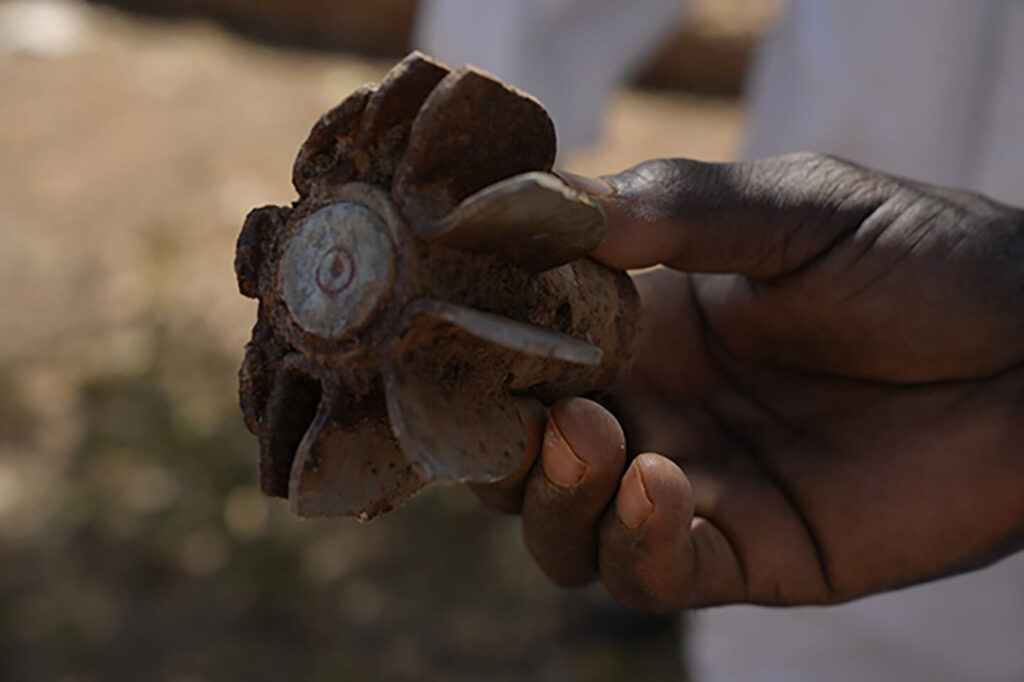
The fact remains that Sudan has been divided in two for three years now. The “borders,” however, continue to shift depending on the movements of the active fronts in the conflict. Both the SAF and the RSF continue to fight to secure control of the entire country, not just one part. Over the past three years, the conflict has increasingly acquired a regional dimension. From the start, the Sudanese Armed Forces (SAF) and the Rapid Support Forces (RSF) have been able to count on external allies. First and foremost, Egypt supports the SAF, thanks to a longstanding historical relationship between the two armies. As for the RSF, the United Arab Emirates is its ally, with whom relations became close during Sudan’s participation in the war in Yemen, starting in 2015. However, as time has passed and the conflict has worsened, a series of other regional players have entered the fierce Sudanese game. In the last two years, Bosaso airport in Somalia’s Puntland seems to have grown in importance. From there, supplies are sent to the RSF, not only via Chad, but also through eastern Libya, controlled by Khalifa Haftar (supported by the Emirates but also by Egypt).
Over the past three years, the conflict has increasingly acquired a regional dimension.
However, the SAF is also in need of weapons. After losing its capital and many areas of central Sudan in the first months of the war, Port Sudan by the end of 2023 re-established close ties with Iran, receiving a series of military supplies that allowed the army to recapture Khartoum a year ago. With Iran gripped by internal problems, Turkey, Qatar, and Saudi Arabia appear to be playing an increasingly important role. Lately, the RSF decided to intensify its offensive on the new front in the Blue Nile state, counting on supplies from Ethiopia: Prime Minister Abiy Ahmed has always had very close ties with the Emirates. The SAF, on the other hand, supplied the Tigray Defence Forces with arms during the conflict in the northern Ethiopian region between 2020 and 2022. The leaders of Uganda and Kenya, with close ties to the Emirates, also appear to be closer to the RSF. Ugandan President Yoweri Museveni met with Hemeti in Kampala in February, antagonizing the SAF.
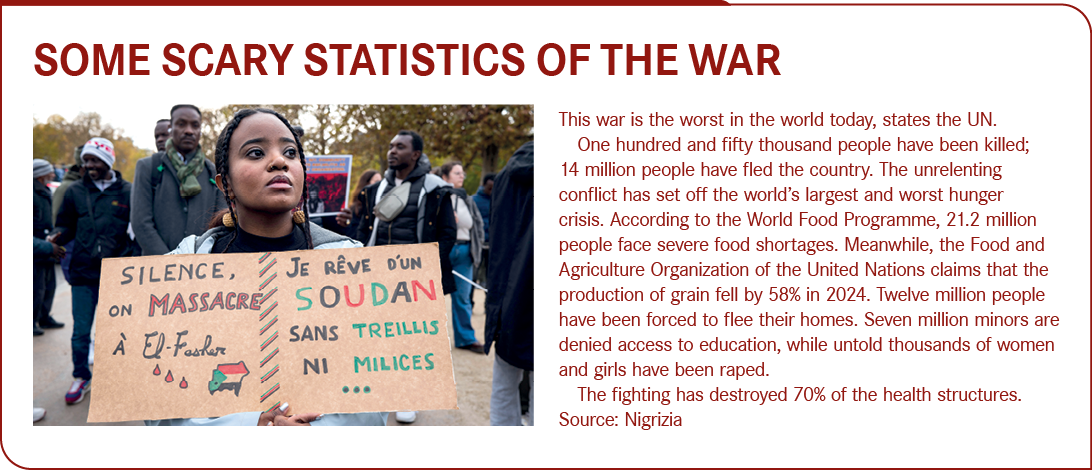
Paris, 8 November 2025. Credit: Nigrizia/AFP
A Bitter Chocolate
Religious communities can demonstrate that cultural and racial differences must be viewed from a positive perspective and be promoters of justice, peace and integrity of creation.