
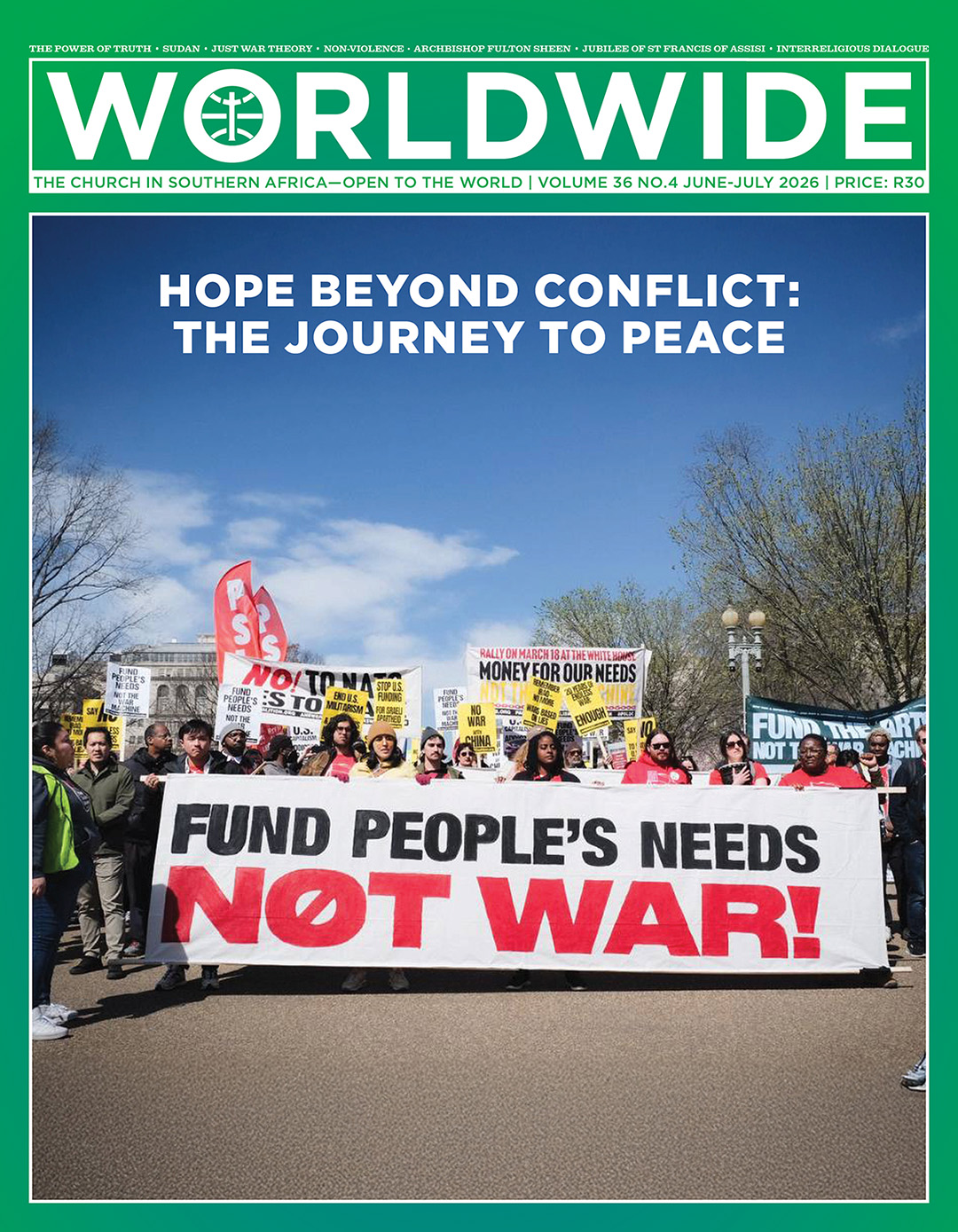
HOPE BEYOND CONFLICT: THE JOURNEY TO PEACE
“It is no coincidence that repeated calls to increase military spending, and the choices that follow, are presented by many government leaders as a justified response to external threats. The idea of the deterrent power of military might, especially nuclear deterrence, is based on the irrationality of relations between nations, built not on law, justice and trust, but on fear and domination by force.”
Message of Pope Leo XIV for the World Day of Peace 1 January 2026.
Cover Photo: Protesters in Ohio rally against US funding for the Russia‑Ukraine war, March 18, 2023. | Credit: Vincent Tsai/Peoples Watch
Special Report • A Moral Dilemma
Is the Just War Theory Still Relevant Today?
Though the theory remains an ethical bar against which to evaluate the morality of war, it cannot justify armed interventions that do not stem from the elimination of evil and restoration of peace, but result from a demonstration of power and force.
BY
RT REV BISHOP MASILO JOHN SELEMELA
| AUXILIARY BISHOP OF THE ARCHDIOCESE OF PRETORIA.
THE RECENT past has witnessed disturbing and heartbreaking human conditions, let alone the destruction of innocent life. This is the devastation caused by war. In the midst of turmoil and strife, one is forced to pose the question: Is the Church’s principle of just war relevant? The recent attacks on Iran by the US and Israel have sparked a debate on the just war theory among theologians in the Catholic Church. In a war zone, we inevitably find human suffering and devastation, starvation and displacement of innocent people, and, as the English proverb reminds us: “When two elephants are fighting, the grass gets trampled.”
In a situation of war, there are no winners, and the vulnerable and innocent are affected the most severely. Those with no voice suffer the most. The logical conclusion of those affected would be to put an end to war. Proponents of peace would invoke the way of dialogue. What transpired in the war quoted above led theologians to advise governments to apply the principle of the just war.

The Church’s Teaching On The Just War
According to the Catechism of the Catholic Church, a war can only be justified if it is waged in the fight against a grave evil, yet the damage caused by waging the war cannot be graver than the evil it is meant to eliminate. There thus needs to be a viable prospect of success, and all alternatives to war must have already been tried and exhausted. Every pre-condition must be evident and present for a war to be just. War is sinful “if you fail to meet a single one of those criteria.” It is evidently clear that war must be the last resort when all other avenues have been explored. The sad reality is that nowadays war has become an emotional turf driven by unjust motives tantamount to abuse of power and economic exploitation. The recent wars have also ignited a serious debate concerning the relationship between the Church and state on the principle of violation of the common good. One important question to consider is whether one can legitimately recognize a government that coerces its taxpayers into financing a war based on the personal ego of an individual leader, with no intention whatsoever to eliminate evil and restore peace.

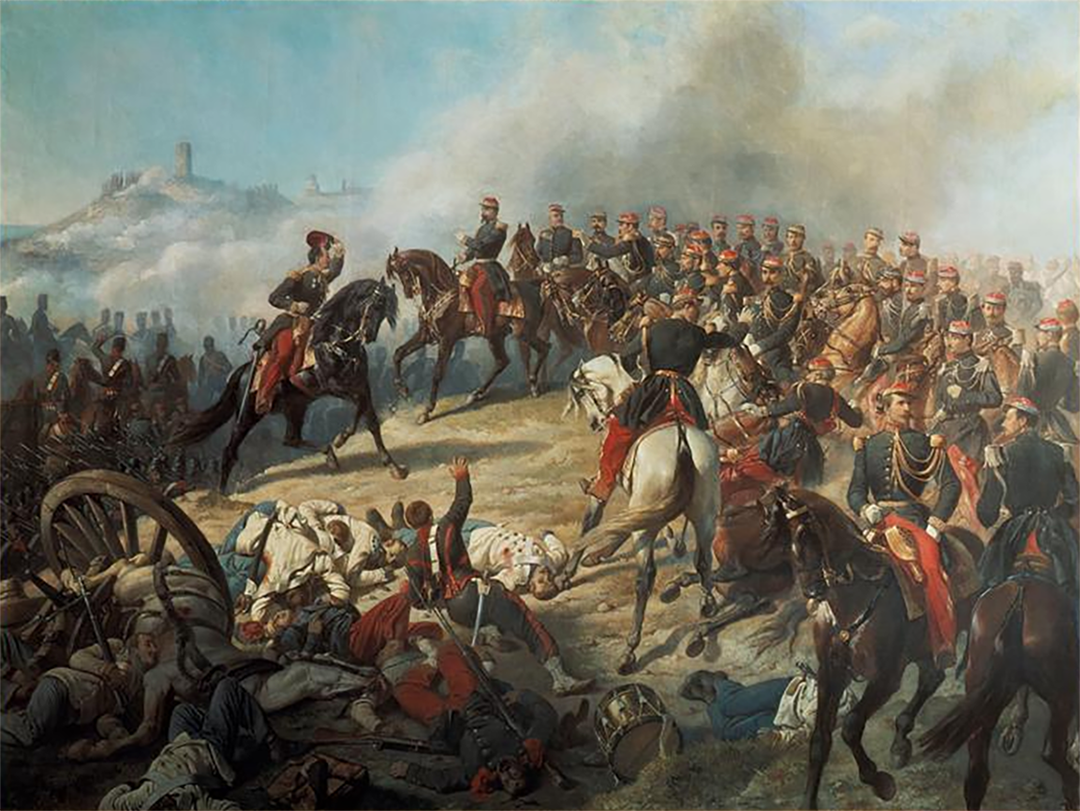
Communities are called to embrace peaceful ways of responding to violence.
Credit: Suleiman.bako1982 | Source: commons.wikimedia.org
Historical Background
St Augustine developed the theory of the just war, arguing that war can be morally justified under certain conditions such as punishment of wrongdoing and preservation and safeguarding of peace. He developed these ideas as Christianity grappled with the moral implications of violent conflicts. One should also remember that St Augustine intended to exonerate soldiers participating in war, arguing that they sought to promote peace by eliminating evil that was more likely to cause greater destruction. The focus, therefore, was not the killing of innocent people but the defence and promotion of peace. One can also see this line of reasoning as the formation of what was later to be called the principle of double effect in moral theology. In the history of this theory, we find two groups that have either argued for no war at all or those who have sustained the just war theory on reasonable grounds. They are known as realists and pacifists.
Pacifism is the “principled opposition to war and violence as a means of settling disputes”.
Realism Vs Pacifism
In realism, theorists assert that it is foolish to draw a moral line in war. War is about systematically killing enemy soldiers; how can one see any justice in that? As wisdom has it, “war is hell.” And if war is hell, then the most virtuous action would be to escape from hell without delay, by any means necessary. This implies that the most virtuous actions in war are those that bring the war to a swift end every so often regardless of the price. The realists maintain that war is vicious, brutal, and inevitable; on occasion, tapping into that brutality becomes necessary to achieve strategic victory in the pursuit of peace. According to this theory, given the brutality of war, the most expeditious solution to bring about peace is to end it swiftly, without prolonged brutality. A quick fix is a solution to war. The danger, of course, is falling into the trap of another problematic theory: “the means justify the end.”
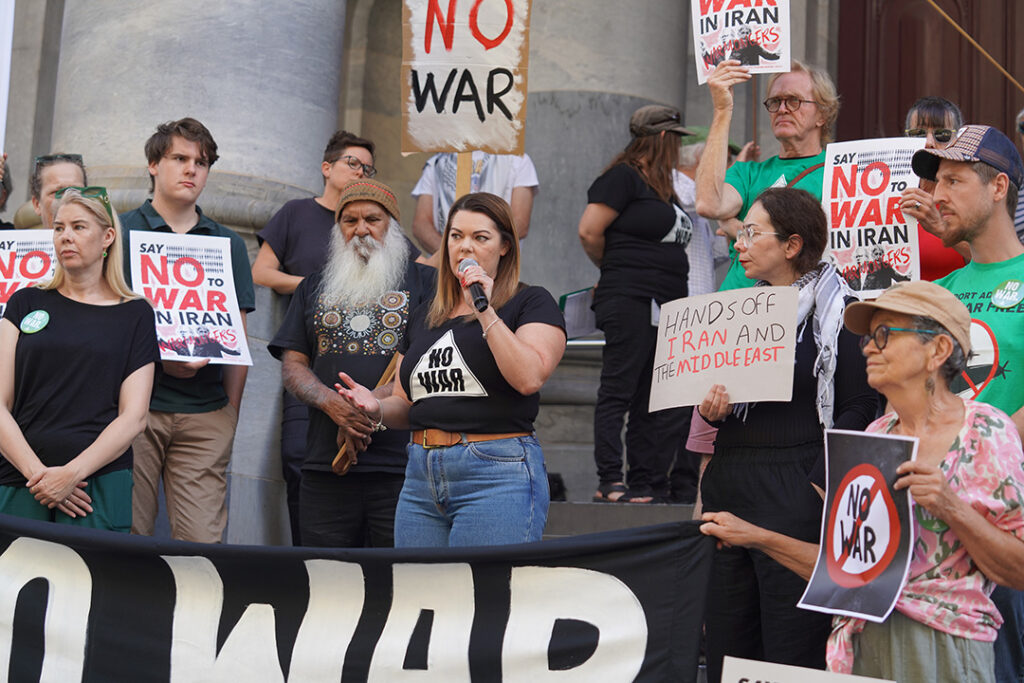
Pacifism, on the other hand, is the “principled opposition to war and violence as a means of settling disputes.” Pacifists would naturally argue: “If war is hell, then perhaps it should under no circumstances be waged.” This sentiment espouses pacifism, the belief that the only moral choice in war is to abstain from it. Perhaps ironically, pacifism stems from the same location as the just war theory: Christian tradition. The interesting thing about this theory is that it opens the door to other peaceful alternatives to resolving conflict. Perhaps even closer to the Gospel, which advocates positions that discourage an eye-for-an-eye principle. The pontificates of both Francis and Leo XIV have been revolutionary in this regard, finding the middle ground between the two theories above, which is drawn from the Gospel and advocates for dialogue and peace.

Credit: Tolerance Platform | Source: ontolerance.eu
Relevance Of Just War Theory Today
In spite of the world being seemingly tired of war and conflict, there seems to be no end to warfare and belligerency. We should be asking the question today whether the just war theory can be sustained morally, if the motivation for war does not seem to stem from the elimination of evil and the restoration of peace, but instead stems from a need for a demonstration of power and force. Some of the recently witnessed wars cannot be justified on any grounds. The just war theory is still relevant as a moral framework for evaluating war and conflict. However, it faces significant challenges in addressing modern conflicts that may arise from non-state actors.
Today, war is also waged by terrorists and militia groups and organizations like the Boko Haram in Nigeria and other countries, with no involvement of civil authorities. These groups can control populations and territories without any authority or accountability. The rise of private warfare companies also introduces another dimension, which brings to the fore the assumption that states hold monopoly on the legitimate use of force.
Consequently, the theory assists in guiding humanitarian interventions where war could be considered a lesser evil than a much greater calamity. While it cannot resolve all conflicts, it does provide a framework against which to judge the plausibility and rationality of war in certain circumstances. Critiques of this theory warn that it could be instrumentalized to justify wars that serve political and economic interests rather than an authentic moral stance. Nonetheless, the just war theory remains an ethical bar against which to evaluate the morality of war, offering some direction for interventions and accountability.
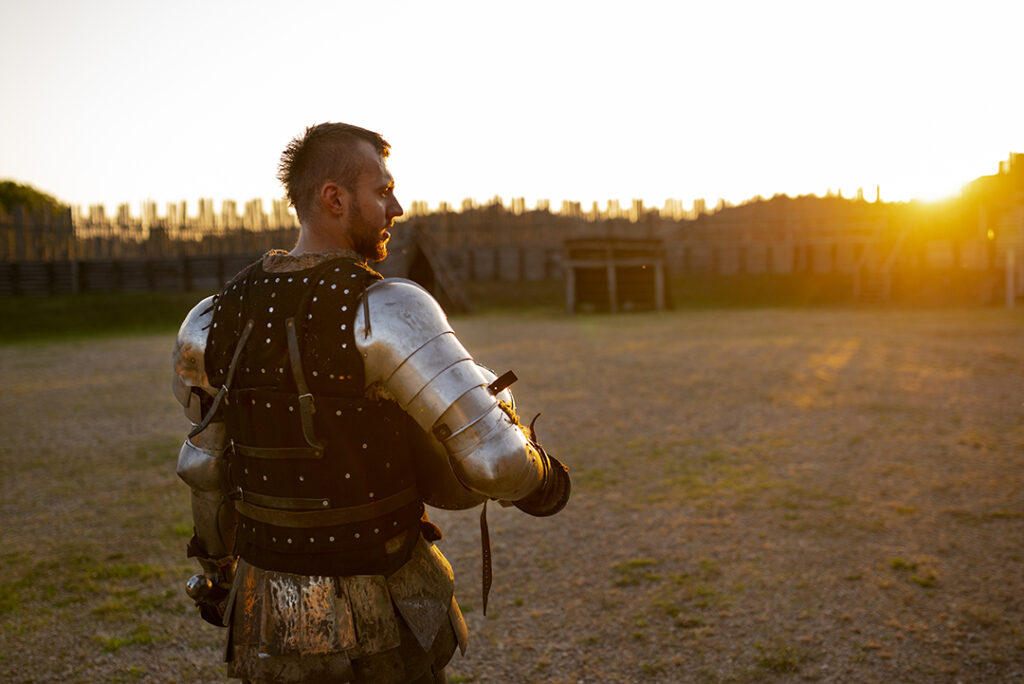
Credit: freepik.com
No To War
According to Richard Casselman in his article published in July 2025 (First Things), the way of dialogue and diplomacy seems to be the middle ground. However, dialogue and diplomatic efforts may also collapse and fail. What happens in such a scenario? He argues: “At the heart of just war is nothing other than the establishment of justice between political communities through force. Diplomacy seeks the same outcome but through dialogue. When dialogue fails, and offenses against justice recur, states sometimes turn to war. It must be stated that embracing the just war tradition does not mean we should defend war at every corner-far from it.” He continues: “Do we still believe justice through force is possible today? If so, just war survives, though it may need to navigate modern means of warfare by turning back to its foundations. If not, all types of war are likely illicit, even those waged out of self-defence.” In the end, we must embrace the wisdom of Pope Leo XIV, that the only theory that seems to have no disadvantages is working for peace.
Swords, Shields, And Shalom: A Biblical Reflection
Canaan has always been a buffer zone between regional powers. It is here that Egyptians, Hittites, Assyrians, and Persians fought for the control of the Levant, the region known today as the Middle East.

Pope Leo XIV’s First Visit To Africa: An Augustinian Outlook On Bridges Of Peace
In this article, the authors reflect on Pope Leo XIV’s first apostolic visit to Africa, in particular his visit to the birthplace of St Augustine of Hippo, and contend that Augustinian spirituality can play an important role in advancing peace.