
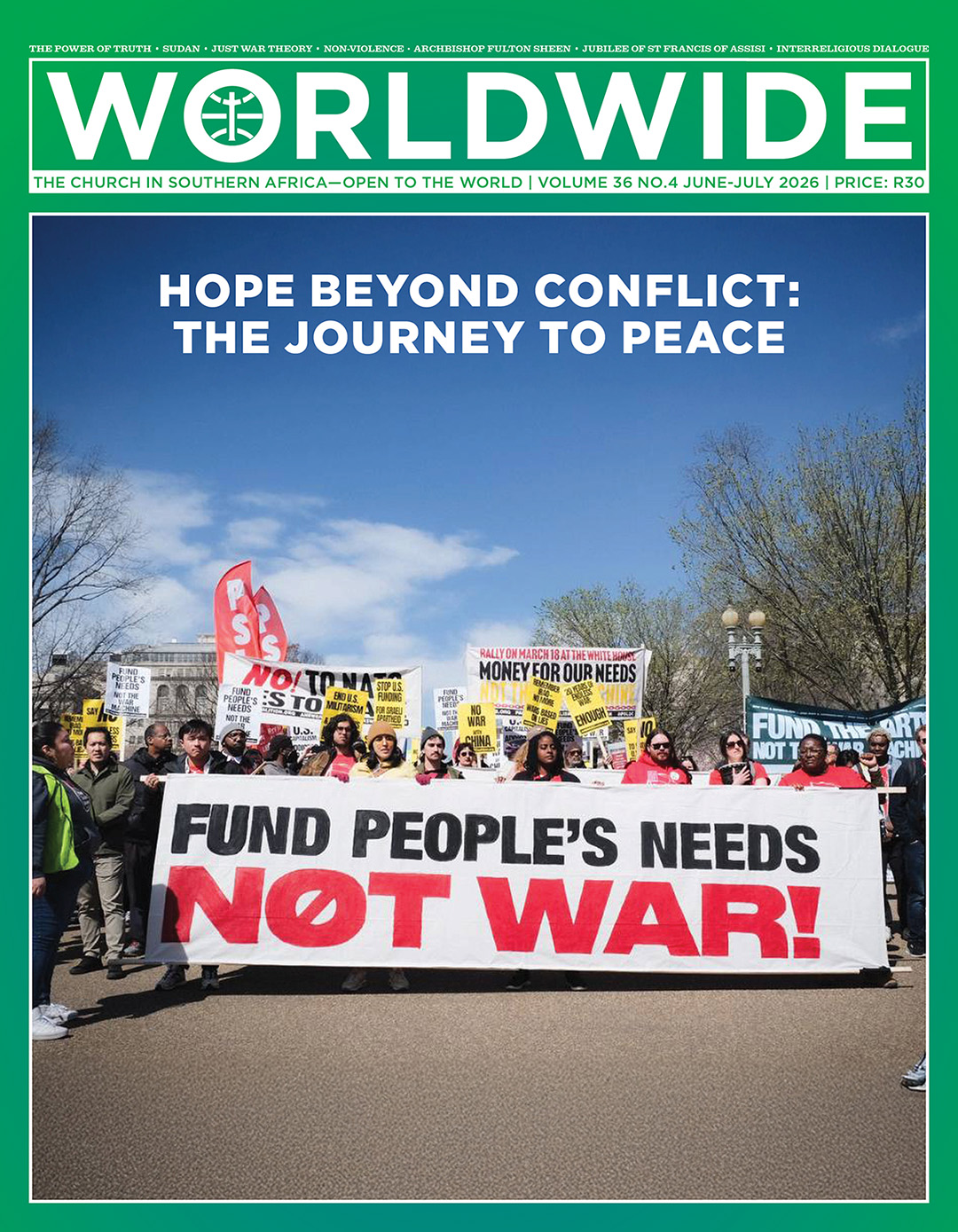
HOPE BEYOND CONFLICT: THE JOURNEY TO PEACE
“It is no coincidence that repeated calls to increase military spending, and the choices that follow, are presented by many government leaders as a justified response to external threats. The idea of the deterrent power of military might, especially nuclear deterrence, is based on the irrationality of relations between nations, built not on law, justice and trust, but on fear and domination by force.”
Message of Pope Leo XIV for the World Day of Peace 1 January 2026.
Cover Photo: Protesters in Ohio rally against US funding for the Russia‑Ukraine war, March 18, 2023. | Credit: Vincent Tsai/Peoples Watch
Special Report • Hope For Africa
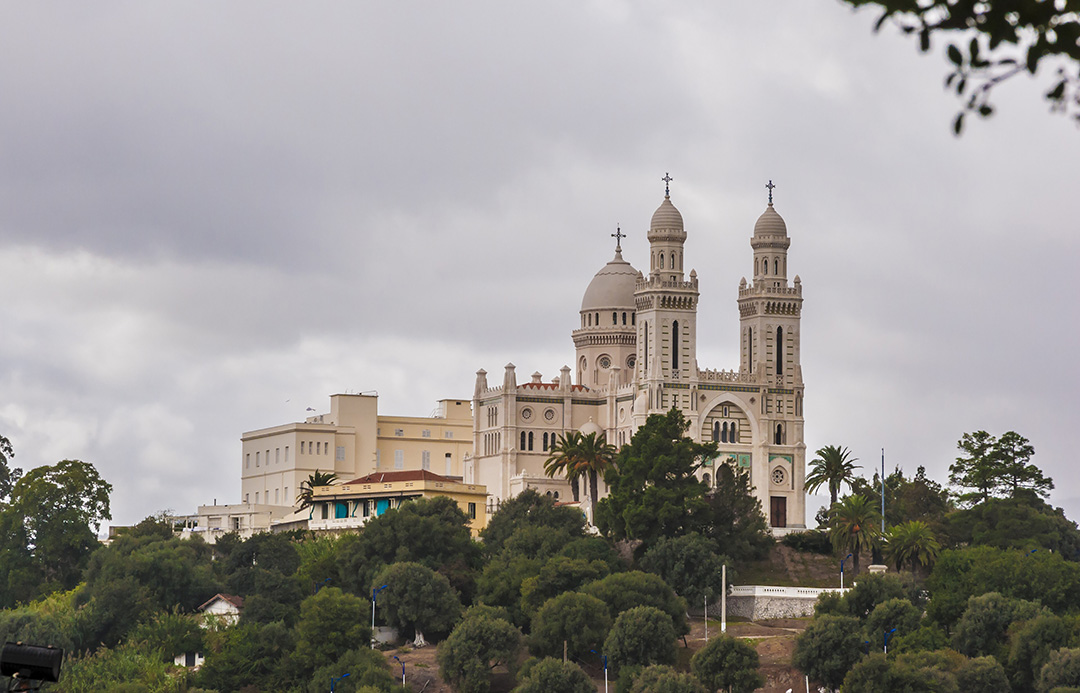
Credit: Alioueche Mokhtar | Source: commons.wikimedia.org
Pope Leo XIV’s First Visit To Africa: An Augustinian Outlook On Bridges Of Peace
In this article, the authors reflect on Pope Leo XIV’s first apostolic visit to Africa, in particular his visit to the birthplace of St Augustine of Hippo, and contend that Augustinian spirituality can play an important role in advancing peace.
BY
Dr Rudolph Nyamudo
| Discipline of Philosophy, UNISA
Rev. Prof. Callum D. Scott OFS | Discipline of Philosophy, UNISA, and Permanent Deacon, Archdiocese of Pretoria
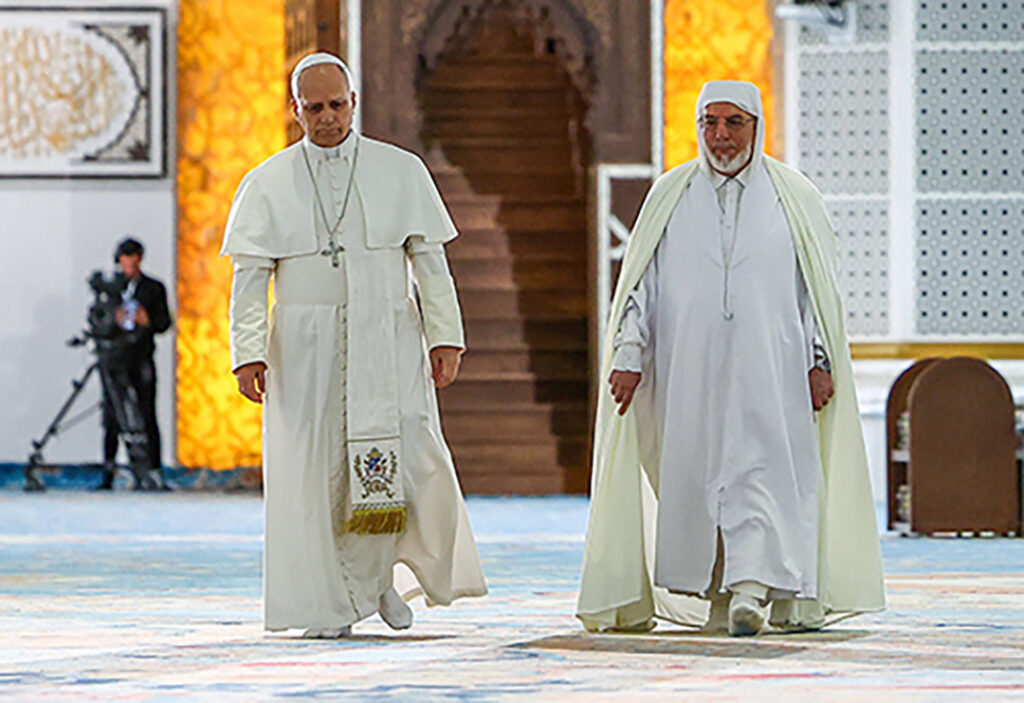
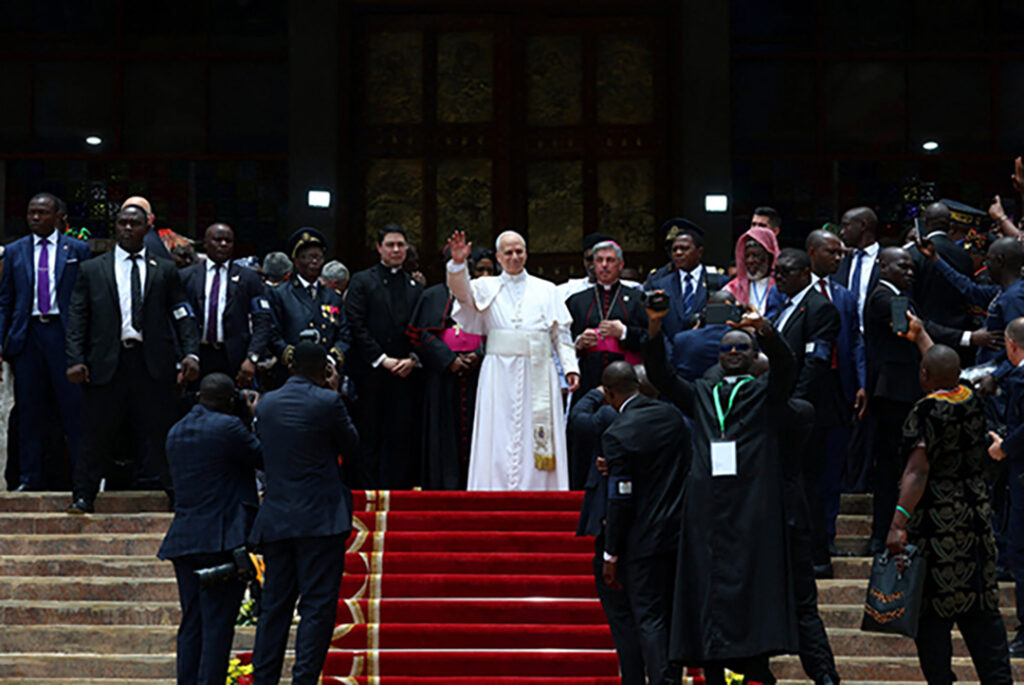
DURING POPE Leo XIV’s first flight to Africa as pontiff, he shared that he had planned to visit Africa before any other continent (Leo XIV, 2026b). Upon his arrival in Africa, Leo encountered the African tradition of welcoming visitors into the community. Hospitality is a key aspect of the African tradition of receiving others with open arms, entailing joy in the meeting of new guests. In spite of the sociological problems of poverty and conflict, African hospitality has not diminished. The various songs and dances performed for Pope Leo during the Eucharistic celebrations and other meetings in Annaba, Algeria, Bamenda, Cameroon, Kilamba, Angola, and Equatorial Guinea, demonstrated this reaching out of Africa’s peoples to the Pope. For Pope Leo, coming to Africa was “… very special for several reasons” (ibid). Clearly the people made his journey special, but what further reasons could he, the first American pope, have to visit our continent first?
Augustinian Spirituality And Africa
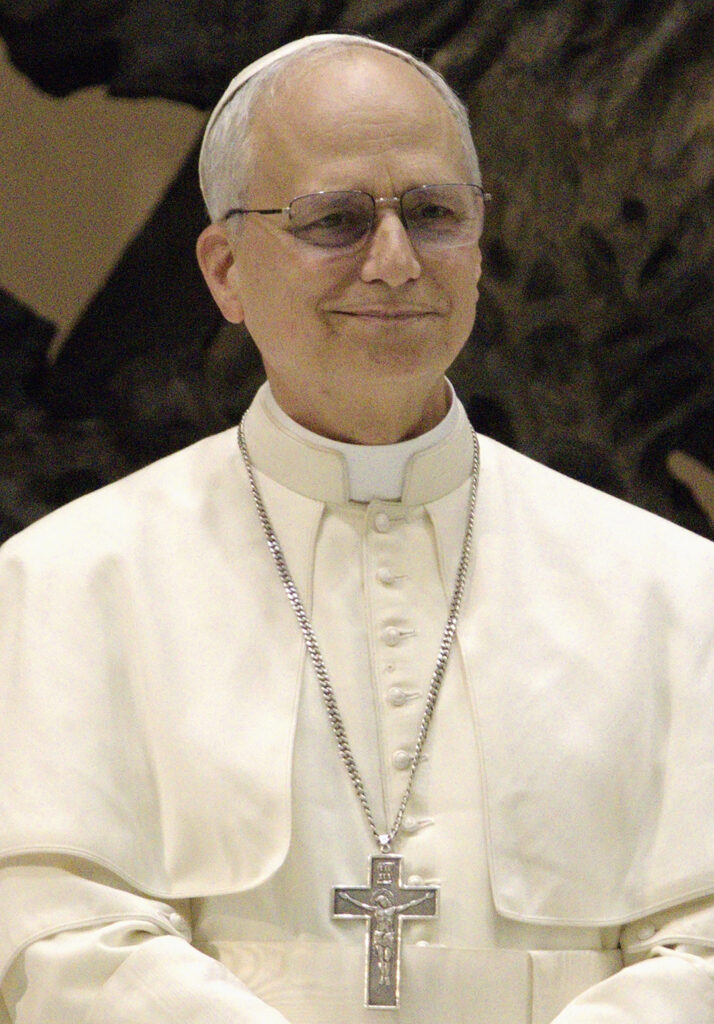
As an Augustinian religious, Pope Leo XIV, whose spiritual founder and guide was the African St. Augustine of Hippo, surely has an affinity for Africa. The Augustinian way has guided Leo’s life since a young age. Furthermore, we surmise that Pope Leo XIV chose to visit Africa first because, unlike other continents, Africa has a large and growing population of practicing Catholics. Each one of his venerable predecessors in the chair of St. Peter – Francis, Benedict XVI, and St. John Paul II – visited Africa, a demonstration of their support for this continent. Moreover, it is a sadly undeniable reality that Africa continues to suffer from political instability, poverty, and new forms of neo-colonization. Soon after the inauguration of his Petrine ministry, Pope Leo, meeting members of other Christian churches and other religions, reminded these leaders of the legacy of Pope Francis, the author of the encyclical Fratelli Tutti, who saw his own mission as “… cultivating interpersonal relations…”. In line with this, Leo stated emphatically that an “… approach, based on mutual respect and freedom of conscience, is a solid foundation for building bridges between our communities” because “[n]ow is the time for dialogue and building bridges” (2025a). The Pope’s desire to build bridges – given the existential reality of many people who reside in Africa and who live their lives at the ends of the world-resonates strongly with the people of Africa, not only in light of our experiences, but also in view of our communitarian (solidarity-based) world views.
While bridges enable people to move from one place to another, metaphorically, Pope Leo invokes something deeper in using the term “building bridges”. “Bridges” provide the possibility of crossing constructed or natural physical borders of our contemporary nations and remind us to imagine people as “bridged”, that is, becoming enablers of genuine human relationships (Leo 2025b, §10.3; 2025c; 2026b; 2026c).
St Augustine’s Core Values
St Augustine, a Berber, lived and died in the city of Hippo Regius (now known as Annaba in present-day Algeria) from around AD 354 to 430. After receiving the sacrament of baptism at the hands of St Ambrose, bishop of Milan – an event which realised because of the prayers of his pious mother, St Monica – Augustine sought to develop a bridge to God, in a life that was guided by Gospel values. He would become one of the Church’s Doctors and a pivotal philosopher and theologian.
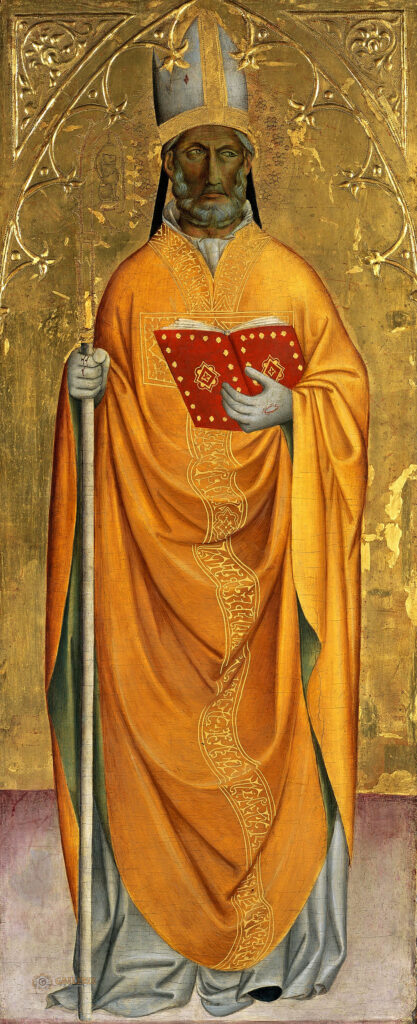
After a long search for what satisfies the human mind and heart, Augustine came to realise that human hearts are unhappily restless until they find their rest in God (The Confessions, Chapter 1 of Book 1). God, for Augustine, is the only source of what we humans deeply long for, i.e., meaning and happiness. So, Augustine believed that holiness demands that we humans unite ourselves with God. Spending a long-time contemplating God’s unconditional love, which, based on Augustine’s findings, is expressed most clearly by Jesus’ obedience to God, and praying, Augustine set his ideas down in writing.
Although Augustine’s writings suggest numerous ways of achieving union with God, he emphasises four issues. Firstly, drawing closer to God involves abandoning all that contradicts the precepts of God. Secondly, following Christ demands a complete change of heart, that is, a metanoia. Thirdly, a true Christian’s life should demonstrate that we are pilgrims on a journey to heaven. And lastly, religious life, when lived sincerely, reveals God’s love in and for this world. By honouring the dignity of others, heaven can be established on earth.
Credit: Guglielmo Mangiapane/Reuters | Source: pbs.org
The Augustinian Message Of Pope Leo XIV To Africa And The World
All over the world, we witness the rising cost of living, political instability, and deadly wars. We live in a world that has been turned upside down by tyrannical powers, with the consequence that the dignity of the poor and the powerless is overwhelmingly undermined (Leo XIV, 2026e). So, how does the Augustinian Pope Leo XIV seek to overcome these problems? Unapologetically, Pope Leo XIV has assumed the role of bold and unashamed evangeliser, reminding the world of the importance of living out God’s love in the world through the values of the Beatitudes (Mt 5:1-12). These Christ-mandated principles-which he reiterated at the Monument to the Martyrs “Maqam Echahid” in Algiers, Algeria-summarise the Pope’s counsel to Africa and the whole world. His spiritual father, St Augustine, in his On the Sermon on the Mount (Book I), argues that the Beatitudes demonstrate “… the highest morals, a perfect standard of the Christian life”, which lead to peace when they are lived out:
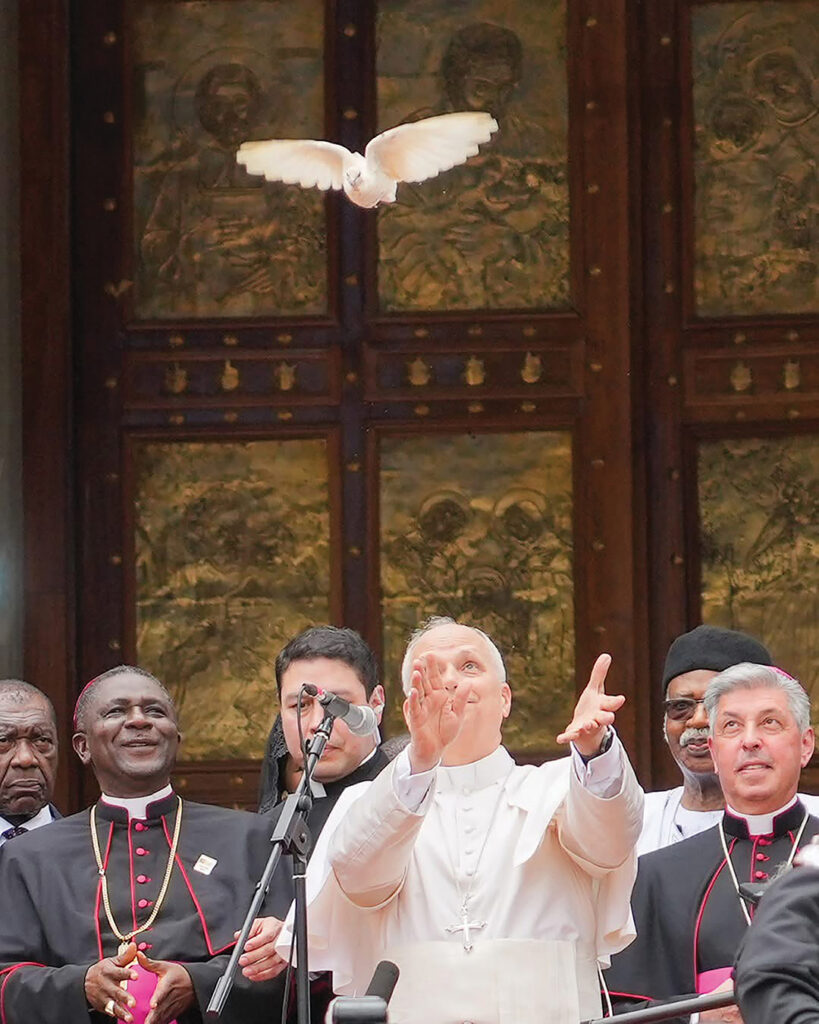
“I am here to proclaim peace. Yet I find it is you who are proclaiming peace to me, and to the entire world… Sisters and brothers, be the salt that continuously gives flavor to this land” (Leo XIV, 2026e).
Peace has been the message of Pope Leo’s pontificate from his first greeting to the world upon his election, when he proclaimed: “Peace be with you all!” (First Blessing ‘Urbi Et Orbi‘ of his Holiness Pope Leo XIV).
Briefly, Leo’s proclamation to Africa and the world is this: the attainment of genuine peace, rooted in love and justice and the key Christian virtues, can only come about from a refusal to embrace the logic of violence, war, and tyrannical power (Leo 2026e; 2026f; 2026g). Peace is not invented and nor can it be imposed. despite the assumptions of some world leaders who hold unbridled power mistakenly and short-sightedly. Peace is achieved when people unfeignedly become bridges to others because they love God and one another. All forms of hatred, cruelty, and supremacy over any person or people all over the world must be avoided at all costs, because “[i]t is love that must triumph, not war!” (2026g).
The triumph of love is a prerogative for the world’s future, achievable only through the manifestation of peace. Surrounded by his Islamic brothers and sisters in Algeria, Pope Leo reminded all people, with words relevant not only to Algeria, or places where Muslims and Christians meet, but to the whole world: “The future belongs to men and women of peace. In the end, justice will always triumph over injustice, just as violence, despite all appearances, will never have the last word” (2026a).
References:
- Pope Leo XIV. (2025a). “Address of the Holy Father to representatives of other churches and ecclesial communities, and other religions.” Accessed May 18, 2026.
- Pope Leo XIV. (2025b). “Drawing New Maps Of Hope – Apostolic Letter of Pope Leo XIV on the occasion of the 60th Anniversary of the Conciliar Declaration Gravissimum educationis.” Accessed April 15, 2026.
- Pope Leo XIV. (2025c). “Meeting with the Authorities: Civil Society and the Diplomatic Corps: Ankara.” Accessed December 1, 2025.
- Pope Leo XIV. (2025d). “First Blessing ‘Urbi Et Orbi’ of his Holiness Pope Leo XIV.” Accessed April 16, 2026.
- Pope Leo XIV. (2026a). “Apostolic Journey of His Holiness Leo XIV in Algeria, Cameroon, Angola and Equatorial Guinea (13-23 April 2026) – Visit to the Monument to the Martyrs ‘Maqam Echahid’ in Algiers, 13.04.2026.” Accessed May 18, 2026.
- Pope Leo XIV. (2026b). “Greeting of the Holy Father to Journalists During the Flight to Algiers.” Accessed April 14, 2026.
- Pope Leo XIV. (2026c). “Meeting with the Authorities, Civil Society and the Diplomatic Corps. Djamaa el Djazair Conference Center (Algiers).” Accessed April 15, 2026.
- Pope Leo XIV. (2026e). “Meeting for Peace with the Community of Bamenda.” Accessed April 16, 2026.
- Pope Leo XIV. (2026f). “Address of Pope Leo XIV to Members of the Diplomatic Corps Accredited to the Holy See.” Accessed January 11, 2026.
- Pope Leo XIV. (2026g). “Holy Rosary Prayer Address of His Holiness Pope Leo XIV.” Accessed April 20, 2026.
- Portalié, E. (1907). “Works of St. Augustine of Hippo”, in The Catholic Encyclopedia. New York, NY: Robert Appleton Company. Accessed April 10, 2026.
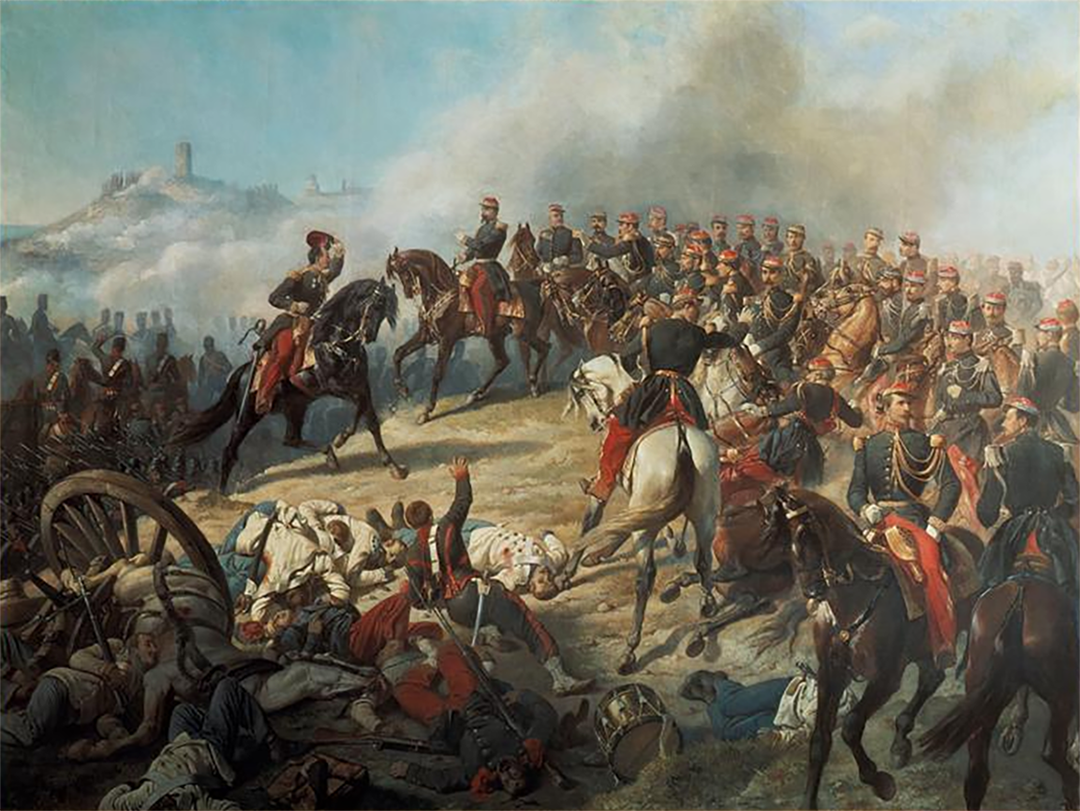
Is the Just War Theory Still Relevant Today?
Though the theory remains an ethical bar against which to evaluate the morality of war, it cannot justify armed interventions that do not stem from the elimination of evil and restoration of peace, but result from a demonstration of power and force.
Swords, Shields, And Shalom: A Biblical Reflection
Canaan has always been a buffer zone between regional powers. It is here that Egyptians, Hittites, Assyrians, and Persians fought for the control of the Levant, the region known today as the Middle East.